
The Influence of the Ashikaga Shogunate on Military Tactics

Welcome to Feudal Japan History, where we embark on an intriguing journey through the echoes of Japan's feudal era. Here, we delve into the captivating world of the Ashikaga Shogunate and its revolutionary military tactics that shaped the very fabric of the nation’s warfare and governance. Are you curious about how these strategies influenced not only battles but also the broader cultural landscape of Japan? Join us as we uncover the profound impact of the Ashikaga Shogunate and explore the intricate dance of power, strategy, and tradition that defined an era. Your adventure through history begins now!
- Introduction to the Ashikaga Shogunate and Its Military Tactics
- Historical Context of the Ashikaga Shogunate
- Characteristics of Ashikaga Shogunate Military Tactics
- Major Battles and Campaigns of the Ashikaga Shogunate
- Influence of Ashikaga Military Tactics on Later Warfare
- Cultural and Societal Factors Influencing Military Tactics
- Conclusion: The Legacy of Ashikaga Shogunate Military Tactics
- Frequently Asked Questions
- Final Reflection: The Enduring Legacy of Ashikaga Shogunate Military Tactics
- Unleash the Warrior Within!
Introduction to the Ashikaga Shogunate and Its Military Tactics
The Ashikaga Shogunate, which reigned from 1336 to 1573, marked a pivotal period in Japan's feudal history. This era was characterized by significant political, social, and military transformations that were deeply intertwined with the evolving nature of warfare in the region. The Ashikaga Shogunate emerged in the wake of the Kamakura Shogunate and is often noted for its complex interplay of power among the ruling samurai class, the imperial court, and various regional warlords, known as daimyōs.
One of the most compelling aspects of the Ashikaga Shogunate is its influence on military tactics, which encompassed innovative strategies and the adaptation of existing methods to suit the changing landscape of warfare. As feudal conflicts intensified, the need for effective military tactics became crucial for both the shogunate and its adversaries. In this article, we will delve into the intricacies of the Ashikaga Shogunate's military tactics, exploring their origins, adaptations, and lasting impact on Japan’s martial heritage.
Overview of the Ashikaga Shogunate
The Ashikaga Shogunate, founded by Ashikaga Takauji, was notable for its establishment of a new regime that shifted the balance of power in Japan. Unlike its predecessor, the Kamakura Shogunate, which operated under a more centralized military government, the Ashikaga Shogunate allowed for a greater degree of autonomy among regional leaders. This decentralization led to a fragmented political landscape, where various daimyōs wielded significant control over their territories.
Throughout its reign, the Ashikaga Shogunate grappled with internal strife and external threats, including the Onin War (1467-1477), which epitomized the chaotic nature of this period. The shogunate's military tactics were heavily influenced by these dynamics, resulting in the development of unique strategies that prioritized adaptability and resourcefulness. Notably, the Ashikaga military relied on a combination of traditional samurai combat techniques and innovative tactics, including the use of firearms, which were gradually introduced to Japan during this time.
Significance of Military Tactics in Feudal Japan
Military tactics in feudal Japan were not merely about battlefield strategies; they encapsulated a broader understanding of power dynamics, cultural values, and social hierarchies. In an era where honor and prestige were paramount, effective military tactics often determined the rise and fall of clans and shogunates.
The Ashikaga Shogunate's military strategies played a crucial role in shaping feudal warfare, as they illustrated the necessity for adaptability in a rapidly evolving conflict landscape. Key elements of their tactics included:
- Combined Arms Approaches: Integrating infantry, cavalry, and archers to create versatile fighting units.
- Fortification and Siege Warfare: Developing techniques to defend and besiege castles, which were pivotal in controlling territories.
- Psychological Warfare: Utilizing deception and surprise to gain the upper hand in battles.
Understanding these tactics provides insight into not just the military practices of the time, but also the socio-political contexts that influenced them. The Ashikaga Shogunate's military legacy continues to resonate in Japan's historical narrative, underscoring the importance of tactical ingenuity in the feudal era.
Historical Context of the Ashikaga Shogunate
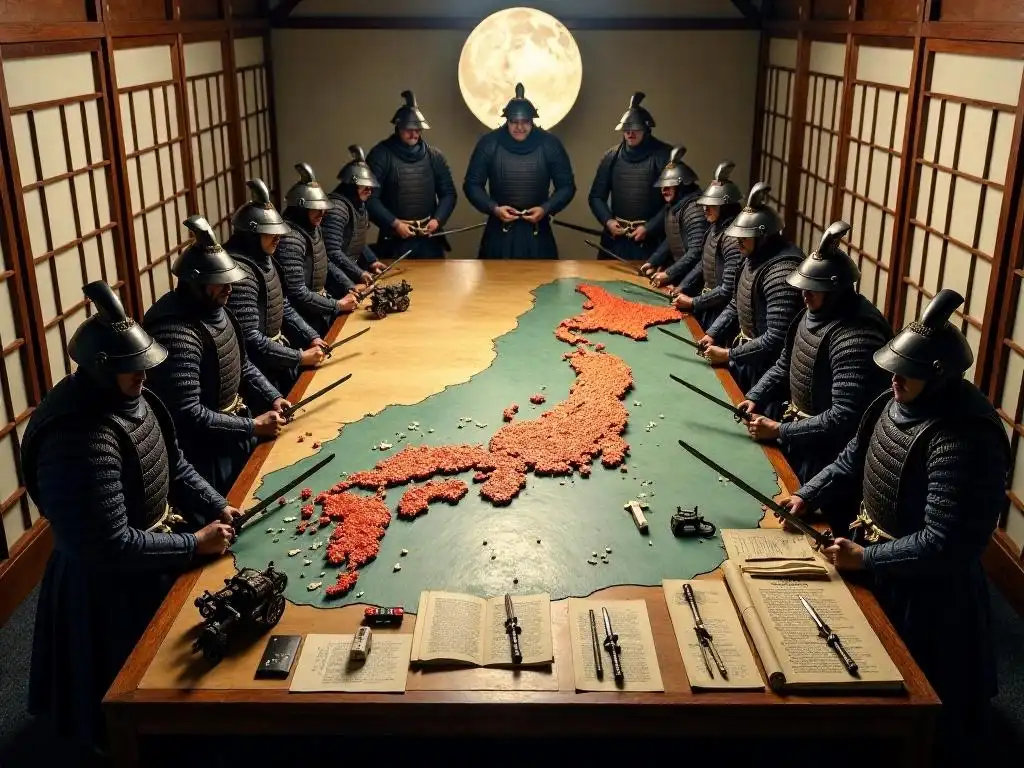
The Ashikaga Shogunate, established in the 14th century, was a pivotal era in Japan's feudal history. This period spanned from 1336 to 1573 and was characterized by a unique blend of military power, cultural development, and social transformation. The Ashikaga clan ascended to power following the Kamakura Shogunate, marking a significant shift in leadership that would influence military tactics and strategies throughout Japan.
The Rise of the Ashikaga Clan
The Ashikaga clan's rise to prominence began with Ashikaga Takauji, a former loyalist of the Kamakura Shogunate. In 1333, Takauji turned against the Kamakura, leading a rebellion that ultimately resulted in the fall of the shogunate. His successful campaign was not merely due to military might but also strategic alliances with powerful regional warlords, known as daimyōs.
- Key Factors in the Rise:
- Strategic Alliances: Takauji formed coalitions with various daimyōs, which bolstered his military strength and helped establish a network of support across Japan.
- Political Maneuvering: Takauji's ability to navigate the complex political landscape allowed him to gain control over the imperial court, securing his position as shōgun.
- Military Innovations: The Ashikaga Shogunate was marked by the adaptation of new military tactics, including the increased use of mounted archers and the incorporation of gunpowder weaponry, which began to emerge in Japan during this time.
As the Ashikaga clan solidified its power, they transitioned from a purely military regime to one that also emphasized cultural developments, laying the groundwork for the flourishing of arts and Zen Buddhism during their rule.
Political Landscape during the Ashikaga Era
The political landscape of the Ashikaga Shogunate was marked by instability, characterized by a decentralized power structure and frequent conflicts among local lords. The shogunate's authority was often challenged, leading to a series of civil wars known as the Nanboku-chō Wars (1336-1392), during which rival imperial courts fought for legitimacy.
- Decentralization of Power:
- The Ashikaga Shogunate struggled to maintain control over its territories, leading to the rise of powerful daimyōs who often acted independently.
- Local warlords began to consolidate power, creating semi-autonomous regions that operated under their own military and administrative systems.
- Military Tactics and Strategies:
- The fragmented political structure led to the development of unique military tactics. Smaller, localized forces adapted to their specific environments, often favoring guerrilla warfare and ambush tactics over large-scale battles.
- The use of fortified castles became prevalent, as daimyōs fortified their strongholds to defend against rivals, reflecting the tactical shift toward defensive strategies.
- Cultural Influence on Military Tactics:
- The Ashikaga era also saw the integration of cultural elements into military practice. The samurai class increasingly embraced Zen Buddhism, which emphasized discipline and mental fortitude, influencing their approach to warfare.
- The aesthetics of battle began to intertwine with spiritual beliefs, leading to a more philosophical approach to military engagements.
The political landscape during the Ashikaga Shogunate was complex and dynamic, with the rise of local power holders and the development of innovative military tactics that would shape Japan's feudal warfare. This era not only influenced military strategies but also laid the foundation for Japan's cultural evolution, setting the stage for future conflicts and shifts in power.
Characteristics of Ashikaga Shogunate Military Tactics
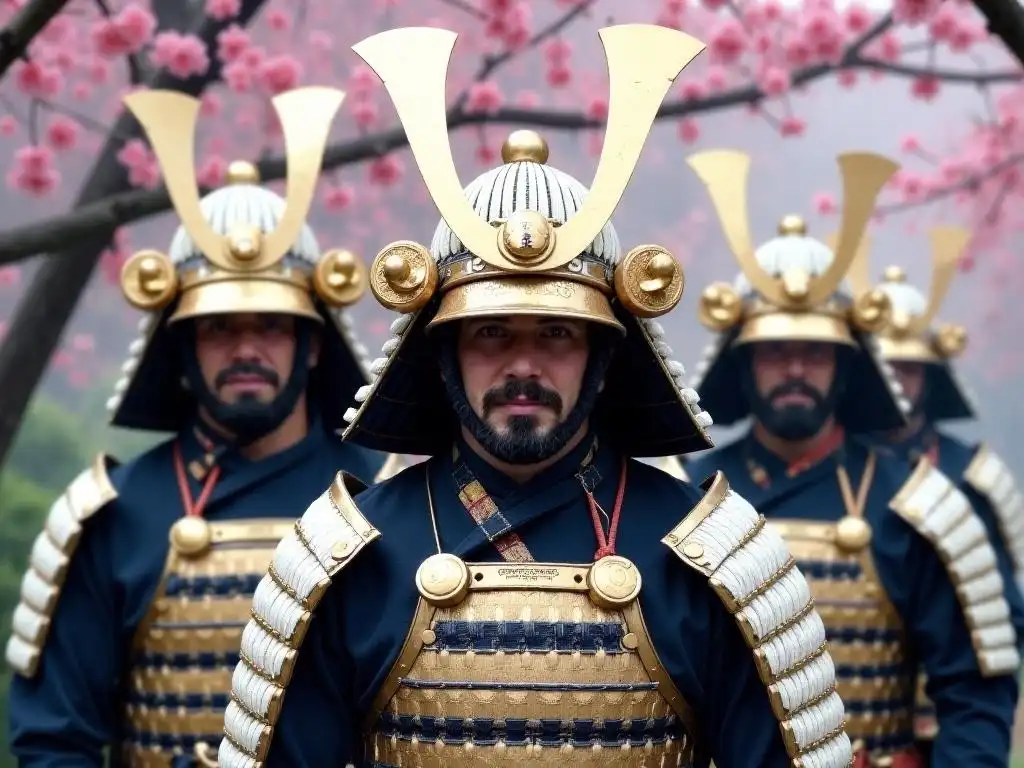
The Ashikaga Shogunate, which ruled Japan from 1336 to 1573, marked a significant evolution in military tactics compared to previous eras. The tactics during this period were shaped not only by the socio-political landscape but also by the need for adaptability in the face of internal conflicts and external threats.
Key Features of Ashikaga Military Strategies
-
Emphasis on Cavalry:
The Ashikaga Shogunate placed a strong emphasis on cavalry units, utilizing mounted samurai in battle. This shift allowed for greater mobility on the battlefield, enabling rapid flanking maneuvers and surprise attacks. The cavalry was equipped with both bows and swords, which provided versatility in combat.
-
Use of Long-Range Weapons:
The introduction and integration of long-range weapons like the teppo (matchlock gun) dramatically changed military engagements. This firearm allowed troops to engage enemies from a distance, altering traditional close-combat tactics. The incorporation of firearms necessitated new formations and strategies, leading to a more flexible approach in battles.
-
Strategic Fortifications:
Ashikaga commanders recognized the importance of fortified positions. Castles became central to military strategy, serving as both defensive strongholds and bases for launching offensive operations. These fortifications were often designed to withstand prolonged sieges, contributing to the overall tactical landscape.
-
Alliances and Diplomacy:
The Ashikaga Shogunate relied heavily on forming alliances with other clans and influential families. These alliances not only provided additional military support but also facilitated diplomatic resolutions to conflicts. The strategic use of marriages and treaties was a hallmark of Ashikaga military tactics.
-
Adaptation to Terrain:
Understanding the geographical context was crucial for the Ashikaga military. Terrain analysis played a key role in planning ambushes and defensive positions. Commanders often leveraged natural features such as rivers and hills to gain tactical advantages over their opponents.
Comparison with Previous Shogunates' Tactics
The military tactics of the Ashikaga Shogunate can be compared to those of the Kamakura Shogunate (1185-1333) and the earlier Heian period (794-1185) in several ways:
| Feature | Kamakura Shogunate Tactics | Heian Period Tactics | Ashikaga Shogunate Tactics |
|---|---|---|---|
| Troop Composition | Primarily foot soldiers and samurai | Aristocratic warriors, less organized | Increased use of cavalry and firearms |
| Battlefield Engagement | Rigid formations, less mobility | Formalized personal combat | Flexible tactics, emphasis on mobility |
| Fortifications | Simple castles | Few established forts | Advanced castles with siege capabilities |
| Use of Technology | Limited use of ranged weapons | Primarily swords and bows | Extensive use of guns and artillery |
| Diplomatic Strategies | Feudal allegiances, less formal | Personal connections | Formal alliances and political marriages |
The Ashikaga Shogunate's military tactics represented a significant departure from the earlier shogunates. While the Kamakura period emphasized rigid formations and loyalty among samurai, the Ashikaga era embraced a more dynamic and adaptable approach, reflecting the complexities of the time. This adaptability enabled the Ashikaga Shogunate to respond effectively to the shifting power dynamics of feudal Japan, laying the groundwork for future military innovations.
The military tactics of the Ashikaga Shogunate were characterized by mobility, technological advancements, and strategic alliances, distinguishing them from the more traditional approaches of previous eras. This evolution in tactics not only influenced battles of the time but also set the stage for future developments in Japanese military history.
Major Battles and Campaigns of the Ashikaga Shogunate
The Ashikaga Shogunate, which ruled from 1336 to 1573, is often regarded as a pivotal period in Japanese history, particularly in terms of military strategy and tactics. This era saw the evolution of warfare in Japan, characterized by significant battles and campaigns that shaped the landscape of feudal military operations. The Ashikaga Shogunate military tactics were not only influenced by prior samurai traditions but also adapted to the changing nature of warfare, including the introduction of new weapons and strategies.
The Onin War: A Turning Point in Military Tactics
The Onin War (1467–1477) stands as a critical conflict during the Ashikaga period, marking a definitive shift in military tactics and the broader socio-political landscape of Japan. This war originated from a succession dispute within the Ashikaga family, escalating into a large-scale conflict involving various daimyo (feudal lords) and their samurai retainers.
- Background and Causes: The conflict began due to rival factions supporting different heirs to the shogunate, leading to a breakdown of order in Kyoto. The struggle for power drew in numerous clans, transforming a familial dispute into a national conflict.
- Tactical Innovations: The Onin War showcased several tactical innovations:
- Siege Warfare: The use of fortified positions became paramount, as many battles revolved around the defense of castles. The construction of strongholds reflected a shift towards more strategic, defensive tactics.
- Guerrilla Strategies: Smaller forces utilized hit-and-run tactics, ambushes, and the element of surprise, emphasizing mobility over outright confrontation.
- Coalition Warfare: Alliances among clans became crucial, with varying strategies adopted depending on the coalition's strengths and objectives.
- Impact on Future Warfare: The Onin War's protracted nature and the devastation it wrought led to the emergence of the Sengoku period, where warfare became even more decentralized and brutal. Clans learned the importance of adapting their tactics to the evolving battlefield, leading to the further development of strategic military thinking.
Notable Military Campaigns and Their Strategies
Throughout the Ashikaga Shogunate, several military campaigns exemplified the evolution of military tactics. These campaigns reflected the dynamic nature of warfare and the adaptability of samurai leaders in the face of changing circumstances.
- The Campaign Against the Northern Dynasties (1340s):
- Objective: To consolidate power by defeating the rival Southern Court.
- Strategy: The Ashikaga utilized both direct assaults and diplomatic measures, including alliances with local warlords. The combination of military might and political maneuvering was crucial in securing victories.
- The Saito Campaigns (mid-15th century):
- Objective: To expand territory and influence in central Japan.
- Strategy:
- Mobilization of Resources: Leveraging local resources and manpower, the Ashikaga Shogunate employed a strategy of attrition against the Saito clan, wearing them down through sustained pressure.
- Use of Cavalry: The increased reliance on cavalry units allowed for rapid strikes and mobility, enabling the Ashikaga forces to outmaneuver their opponents effectively.
- The Siege of Kōriyama Castle (1465):
- Objective: To assert dominance over rival clans in the region.
- Strategy:
- Fortification and Defense: The defense of Kōriyama Castle involved intricate fortifications and the use of archers on elevated grounds.
- Psychological Warfare: The Ashikaga employed tactics aimed at demoralizing the enemy through displays of strength and feigned retreats, leading to significant psychological advantages.
The Ashikaga Shogunate military tactics were characterized by an adaptability that reflected the complexities of feudal Japan. The major battles and campaigns not only shaped the military landscape of the time but also laid the groundwork for future developments in Japanese warfare. The legacy of these tactics can be seen in the subsequent Sengoku period, where the lessons learned would be crucial for the success of emerging warlords.
Influence of Ashikaga Military Tactics on Later Warfare
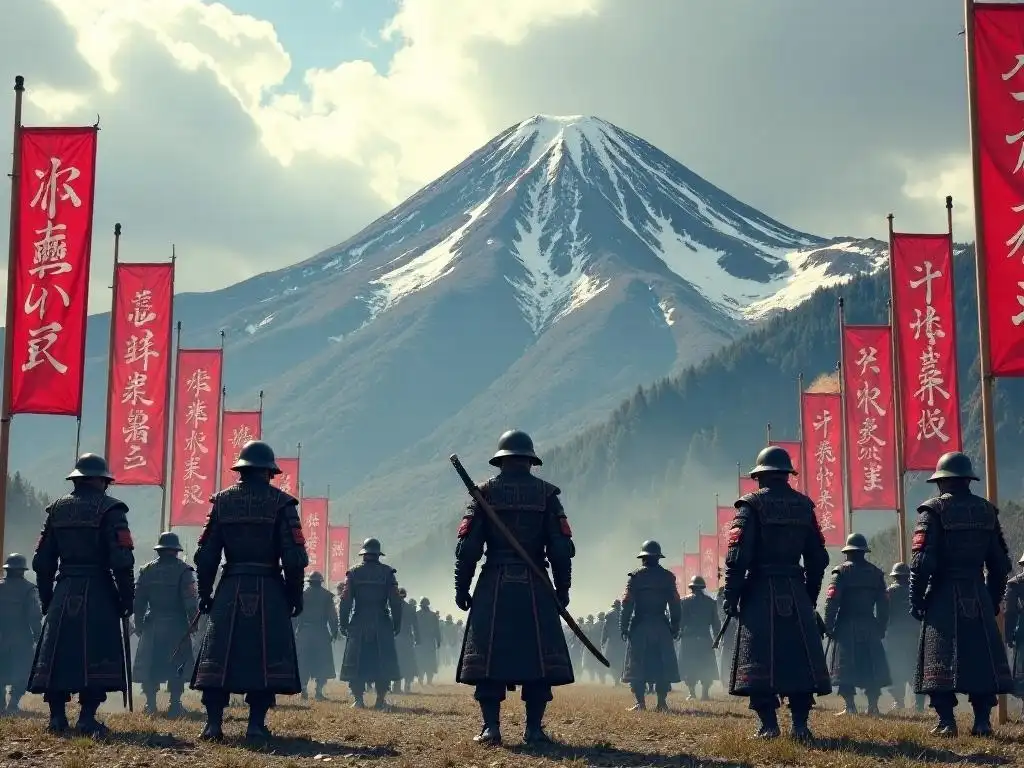
The Ashikaga Shogunate, which ruled Japan from the 14th to the 16th centuries, played a pivotal role in shaping military tactics that would resonate throughout subsequent eras. The shogunate established a framework of governance that intertwined military strategy with political objectives, influencing how battles were fought and wars were conducted.
Transition to the Sengoku Period Tactics
The transition from the relatively stable environment of the Ashikaga Shogunate to the tumultuous Sengoku period (1467-1603) marked a significant evolution in military tactics. During the Ashikaga period, warfare was characterized by small-scale skirmishes and localized battles, primarily involving samurai clans vying for control over territories.
- Increased Mobility: One of the notable tactics that emerged was the emphasis on mobility. The Ashikaga military tactics encouraged rapid troop movements, allowing for quick engagements and retreats. This adaptability became essential during the Sengoku period, where warlords (daimyōs) sought to expand their territories aggressively.
- Use of Cavalry: The Ashikaga Shogunate also pioneered the use of cavalry units, which were often employed for flanking maneuvers and quick strikes against enemy formations. This reliance on cavalry would be further developed in the Sengoku period, where mounted warriors became a crucial component of larger armies.
- Strategic Alliances: The Ashikaga era saw the formation of alliances through marriages and political agreements, which influenced later military strategies. As daimyōs sought to consolidate power, they often engaged in tactical partnerships that allowed them to outmaneuver rivals.
- Siege Warfare: The Ashikaga Shogunate's approach to siege warfare, particularly through the construction of fortified castles, laid the groundwork for the more sophisticated siege tactics seen in the Sengoku period. Castles became not just defensive structures but strategic assets that dictated the flow of battles.
As the Sengoku period unfolded, these tactics evolved into a more brutal and expansive form of warfare, demonstrating the lasting influence of the Ashikaga Shogunate on Japanese military practices.
Lasting Impact on Japanese Military Doctrine
The military tactics established during the Ashikaga Shogunate had a profound and lasting impact on Japanese military doctrine. These foundational strategies contributed to the development of a more organized and systematic approach to warfare that would be observed in the later Tokugawa period and beyond.
- Integration of Firearms: The introduction of firearms during the late Ashikaga period marked a significant shift in military tactics. The use of matchlock guns (tanegashima) began to change the dynamics of battle, leading to a new emphasis on ranged combat and the training of soldiers in marksmanship. This innovation would influence military strategies for centuries, culminating in the early modern period of Japan.
- Standardized Training: The Ashikaga Shogunate's emphasis on the training of samurai in various martial disciplines, including archery and swordsmanship, established a precedent for standardized military training. This focus on discipline and skill became a cornerstone of samurai culture and military organization in subsequent eras.
- Development of War Manuals: The Ashikaga period saw the emergence of military treatises that documented strategies, tactics, and philosophies of warfare. Works like "The Book of Five Rings" by Miyamoto Musashi, which was influenced by the martial traditions of this era, would further codify tactical principles that shaped Japanese martial arts and military strategies.
- Cultural Reflections: The military tactics of the Ashikaga Shogunate also permeated Japanese culture, influencing not just warfare but also arts, literature, and philosophy. The themes of loyalty, honor, and martial prowess became entrenched in the societal fabric, affecting how future generations viewed warfare and military leadership.
The Ashikaga Shogunate's military tactics laid the groundwork for the evolution of Japanese warfare, transitioning from localized skirmishes to a more complex and strategic battlefield environment. The influence of these tactics can be traced through the tumultuous Sengoku period and into the structured military systems of later Japan, demonstrating their enduring legacy in shaping the course of Japanese military history.
Cultural and Societal Factors Influencing Military Tactics
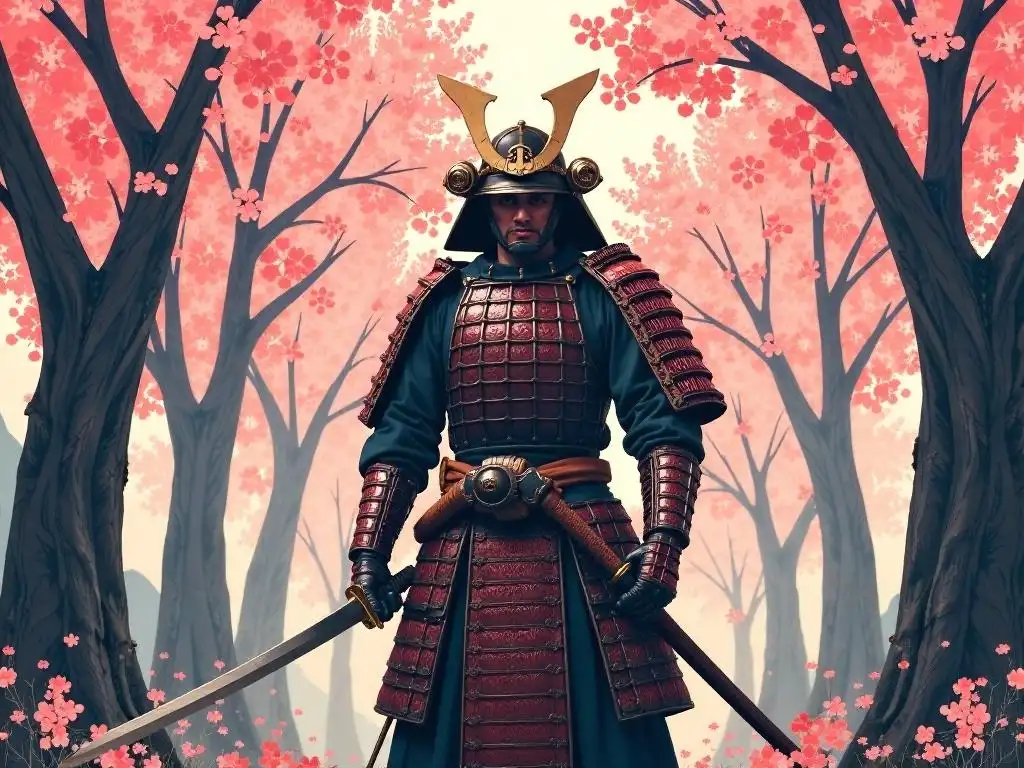
The Role of Samurai Culture in Ashikaga Tactics
The Ashikaga Shogunate, which lasted from 1336 to 1573, was significantly shaped by the samurai culture, which played a pivotal role in the development and execution of military tactics during this era. The samurai, as the military nobility of Japan, were not only warriors but also adhered to a strict code of conduct known as Bushido. This code emphasized virtues such as loyalty, honor, and discipline, which deeply influenced the strategic decisions made in warfare.
Samurai culture mandated rigorous training in various martial arts, including kenjutsu (swordsmanship), kyujutsu (archery), and sojutsu (spear fighting). This extensive training allowed samurai to engage in both individual combat and coordinated unit tactics. The Ashikaga Shogunate capitalized on this by structuring their armies around samurai warriors, who were organized into clans, each led by a daimyo (feudal lord). This hierarchical organization allowed for both flexibility and adaptability on the battlefield.
Moreover, the samurai's social status and their relationship with their lords fostered a deep sense of duty that was crucial during battles. For instance, during the Onin War (1467–1477), the Ashikaga Shogunate faced significant challenges from rival clans. The loyalty of samurai to their respective lords allowed for the formation of strategic alliances, enabling coordinated military efforts that were essential in the prolonged conflict.
The samurai's emphasis on personal honor also led to unique tactical approaches. For example, the practice of kamikaze (divine wind) during naval battles demonstrated a willingness to sacrifice for a greater cause. This cultural mindset had a lasting impact on the military tactics employed by the Ashikaga, as it fostered a culture of bravery and commitment in the face of adversity.
Influence of Zen Buddhism on Military Philosophy
Zen Buddhism played a crucial role in shaping the military philosophy of the Ashikaga Shogunate, offering a spiritual framework that influenced both the mindset of warriors and the tactics employed in battle. The principles of Zen, particularly the concepts of mindfulness and focus, were integrated into the training and combat strategies of samurai warriors.
One of the most significant contributions of Zen Buddhism to military tactics was the emphasis on mental clarity and discipline. Samurai were encouraged to practice meditation, which helped them cultivate a calm and focused mind. This mental state was vital during combat, where the ability to remain composed under pressure could mean the difference between victory and defeat. The practice of Zen also encouraged a deep understanding of one's own limitations and strengths, fostering a realistic approach to military engagements.
Additionally, Zen teachings promoted the idea of spontaneity and adaptability in combat. This philosophy influenced the Ashikaga Shogunate's military tactics by encouraging commanders to respond fluidly to the dynamics of battle. For instance, during the Battle of Nagashino (1575), the strategic use of firearms by the Takeda clan was met with innovative tactics from the forces allied with the Ashikaga. The ability to adapt to changing circumstances on the battlefield was a hallmark of tactics shaped by Zen principles.
Furthermore, the aesthetic of wabi-sabi, which values simplicity and imperfection, permeated samurai training and tactics. This perspective encouraged warriors to embrace the unpredictability of battle and to find beauty in the transient nature of life and death. As a result, tactical decisions were often influenced by a sense of honor rather than mere calculations of victory, leading to unique engagements that emphasized valor over sheer numbers.
The interplay of samurai culture and Zen Buddhism significantly shaped the military tactics of the Ashikaga Shogunate. The fusion of disciplined training, loyalty, mental clarity, and adaptability created a distinctive approach to warfare that characterized this tumultuous period in Japanese history.
Conclusion: The Legacy of Ashikaga Shogunate Military Tactics
The Ashikaga Shogunate, ruling from 1336 to 1573, significantly shaped the landscape of military tactics in feudal Japan. Its influence is evident not only in the strategies employed during battles but also in the broader context of Japan's military evolution. The Ashikaga era was marked by the transition from the rigid, hierarchical tactics of the Kamakura period to more flexible and dynamic approaches that would define future conflicts.
Summary of Key Contributions to Japanese Military History
The Ashikaga Shogunate's military tactics can be categorized into several key contributions that have had a lasting impact on Japanese warfare:
- Adoption of Gunpowder Warfare:
- The introduction of firearms, particularly matchlocks (teppo), during the late Ashikaga period marked a pivotal shift in battle strategies.
- This new technology allowed for the formation of volley fire tactics, changing the dynamics of battlefield engagements.
- Increased Mobility and Cavalry Usage:
- Ashikaga generals emphasized mobility over static defense. The use of cavalry became more pronounced, allowing forces to execute flanking maneuvers and rapid retreats when necessary.
- Formation and Unit Cohesion:
- The shogunate saw the development of more organized military formations, such as the use of the "kikko" (tortoise) formation, which provided both offensive and defensive capabilities.
- Training and discipline were prioritized, resulting in troops that could execute complex maneuvers effectively.
- Emphasis on Psychological Warfare:
- The Ashikaga Shogunate recognized the importance of morale and psychological tactics. The use of deception, misinformation, and surprise attacks became common strategies to demoralize opponents.
- Integration of Different Fighting Styles:
- The shogunate's military leaders drew from various regional fighting styles, blending infantry tactics with archery and cavalry units to create a more versatile fighting force.
These contributions not only advanced military strategies during the Ashikaga period but also laid the groundwork for the more unified tactics seen in the subsequent Sengoku period.
Reflections on the Evolution of Military Tactics in Japan
The evolution of military tactics during the Ashikaga Shogunate reflects a broader trend in Japanese warfare, characterized by adaptability and innovation. As the political landscape of Japan shifted, so too did the methods of conflict resolution and military engagement.
- Transition from Feudal Loyalties to Centralized Control:
- The Ashikaga Shogunate's reliance on vassals and regional lords showcased the complexities of feudal loyalty in military strategy.
- Over time, this would evolve into more centralized military command structures that would define later shogunates.
- Influence on Future Generations:
- The tactics developed during the Ashikaga period influenced the military leaders of the Sengoku period, such as Oda Nobunaga and Toyotomi Hideyoshi, who further refined and adapted these strategies for their campaigns.
- The lessons learned from the Ashikaga military engagements were foundational in shaping Japan’s approach to warfare in the centuries that followed.
- Cultural Integration of Military Strategy:
- Military tactics during this era were not solely confined to the battlefield. The integration of martial arts and strategy into the cultural fabric of Japan reflects how military practices influenced societal values and norms.
The Ashikaga Shogunate's military tactics represented a crucial turning point in Japan’s military history, paving the way for future innovations and adaptations in warfare. The legacy of these tactics continues to resonate in the study of military history, illustrating the dynamic interplay between technology, strategy, and culture in shaping Japan's feudal era.
Frequently Asked Questions
What was the Ashikaga Shogunate?
The Ashikaga Shogunate was a feudal military government in Japan that lasted from 1336 to 1573, characterized by its political instability and cultural flourishing during the Muromachi period.
How did the Ashikaga Shogunate influence military tactics?
The Ashikaga Shogunate introduced innovative military strategies that emphasized flexibility and adaptation, leading to the development of new formations and weapons in warfare.
What role did samurai play during the Ashikaga Shogunate?
Samurai were the elite warrior class during the Ashikaga Shogunate, serving as military leaders and loyal retainers, heavily influencing the political landscape and military tactics of the era.
Were there any significant battles during the Ashikaga Shogunate?
Yes, notable battles such as the Onin War (1467-1477) showcased the military tactics of the Ashikaga Shogunate, highlighting internal conflicts and the rise of daimyō power.
How did cultural aspects influence military tactics in this era?
Cultural elements like Zen Buddhism and arts during the Ashikaga Shogunate contributed to a philosophical approach to warfare, promoting discipline and strategic thinking among samurai.
Final Reflection: The Enduring Legacy of Ashikaga Shogunate Military Tactics
The exploration of the Ashikaga Shogunate's military tactics reveals not only the ingenuity of a bygone era but also their profound relevance in today's strategic thinking. As we navigate an increasingly complex world, the lessons learned from the Ashikaga period remind us that adaptability and innovation in military strategy can shape the outcomes of conflicts, both historical and contemporary. The strategic frameworks developed during this time continue to resonate, illustrating that the past is not merely a record of what was, but a guide for what can be.
Cultural and social landscapes are often shaped by the military strategies employed during pivotal moments in history. The Ashikaga Shogunate's approach to warfare, characterized by its emphasis on flexibility and the integration of various combat techniques, has left an indelible mark on military doctrine. This influence is evident in modern military training and strategy, where adaptability remains a cornerstone of effective leadership. Those who cannot remember the past are condemned to repeat it.
– George Santayana. This quote encapsulates the importance of understanding historical military tactics as we forge our paths forward.
As you reflect on the insights gleaned from the Ashikaga Shogunate's military tactics, consider how these lessons can be applied to your own life and endeavors. Embrace the spirit of adaptability and innovation in your personal and professional challenges. Whether you are navigating a complex project at work or facing a personal obstacle, remember that the strategies of the past can illuminate the way forward. Let the legacy of the Ashikaga Shogunate inspire you to think critically, act decisively, and remain open to new approaches in your journey ahead.
Unleash the Warrior Within!
Thank you for diving into the fascinating world of the Ashikaga Shogunate and its impact on military tactics! Your curiosity about history not only enriches your knowledge but also empowers you to apply these lessons in innovative ways. Now, it's time to take that inspiration and transform it into action!
- Explore further by reading about the tactical innovations of the Ashikaga period. Look for primary sources or historical accounts that provide a first-hand perspective on the strategies employed during this era.
- Share your insights with friends or on social media. Post about your favorite Ashikaga tactic and discuss how it could be adapted to modern scenarios!
- Join our online community to discuss military history, exchange ideas, and learn from fellow enthusiasts who share your passion.
What modern military strategy or lesson from the Ashikaga Shogunate do you think could be relevant in today’s world? Share your thoughts!