
The Intrigue Behind the Battle of Tedorigawa: Politics and War in Feudal Japan

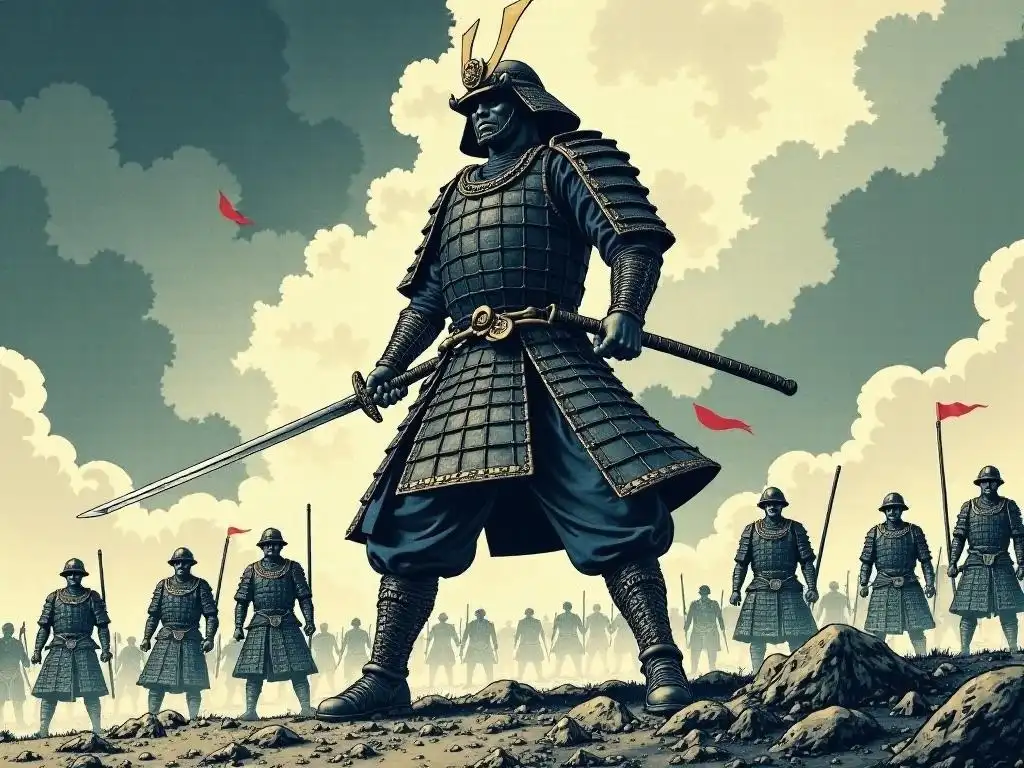
Welcome to Feudal Japan History, where the echoes of a bygone era resonate through the pages of our meticulously curated articles. Dive into the heart of Japan's feudal era, where the clash of swords and the cunning of political maneuvering shaped a nation. In our featured piece, "The Intrigue Behind the Battle of Tedorigawa: Politics and War in Feudal Japan," we unravel the complex web of strategies and alliances that defined this pivotal conflict.
Join us on this journey to uncover the untold stories and profound lessons embedded in the Battle of Tedorigawa analysis. Your exploration into the depths of military history begins now—are you ready to discover the secrets that lie within?
The Battle of Tedorigawa stands as a pivotal event in the rich tapestry of Japan's feudal history, encapsulating the intricate interplay of politics and warfare during a transformative period. This comprehensive analysis delves into the multifaceted dynamics that shaped this battle, exploring not only the military strategies employed but also the underlying political motivations that drove the key players.
As we journey through the context of feudal Japan, we will uncover how the battle not only influenced the immediate outcomes for the clans involved but also left a lasting impact on the broader socio-political landscape of the era. Understanding the Battle of Tedorigawa is essential for grasping the complexities of Japan's feudal wars, making it a crucial topic of study for historians and enthusiasts alike.
Introduction to the Battle of Tedorigawa
The Battle of Tedorigawa, fought in the late 16th century, was a significant conflict during the tumultuous Sengoku period, a time marked by nearly constant military conflict and political intrigue. This battle epitomizes the struggle for power among Japan's prominent clans, highlighting the era's fierce competition for dominance. As we analyze the events leading up to this confrontation, it's important to recognize the cultural and societal norms that influenced the strategies and decisions of the warriors involved.
Overview of the Feudal Era in Japan
To fully appreciate the Battle of Tedorigawa, it is essential to understand the broader context of the feudal era in Japan. This period, spanning from the late 12th century to the early 17th century, was characterized by:
- Decentralized Power: Authority was fragmented among numerous daimyos (feudal lords), each ruling over their own domain with significant autonomy.
- Samurai Culture: The samurai class emerged as the elite warrior class, bound by a strict code of honor known as Bushido, which dictated their conduct in both war and peace.
- Political Intrigue: Alliances and betrayals were rampant, as clans sought to expand their influence and territory, often leading to violent confrontations.
The Battle of Tedorigawa serves as a microcosm of these larger themes, illustrating how personal ambitions and clan rivalries converged on the battlefield.
Significance of the Battle of Tedorigawa in Military History
The significance of the Battle of Tedorigawa extends beyond its immediate military outcomes. It exemplifies:
- Strategic Innovations: The battle showcased evolving military tactics and strategies, reflecting the changing nature of warfare in Japan.
- Impact on Clan Dynamics: The outcome influenced the power dynamics among the clans, reshaping alliances and enmities that would resonate for years to come.
- Historical Legacy: The battle is often referenced in historical texts and analyses, serving as a key case study for understanding the complexities of feudal warfare.
Contextual Background: Political Landscape of Feudal Japan
To truly grasp the implications of the Battle of Tedorigawa, one must delve into the intricate political landscape of feudal Japan. This backdrop sets the stage for the events that transpired and the motivations driving the clans involved.
Key Players in the Battle of Tedorigawa
The battle featured prominent figures whose actions and decisions were deeply intertwined with the fate of their clans:
- Daimyo A: Leader of Clan X, known for their tactical acumen and ambition for territorial expansion.
- Daimyo B: Rival clan leader whose aggressive strategies often led to direct confrontations with Clan X.
Each player's decisions were shaped by a combination of personal ambition, clan loyalty, and the ever-present threat of rival factions.
The Role of Clans and Daimyos in Feudal Japan
The clans and daimyos were not merely military leaders; they were also political entities that influenced social structures and cultural norms. Their roles included:
- Governance: Clans functioned as local governments, enforcing laws and collecting taxes within their territories.
- Military Organization: Clans maintained armies of samurai, who were not only warriors but also held lands and served their lords in exchange for protection and resources.
Understanding the role of these clans provides insight into the motivations and stakes involved in the Battle of Tedorigawa.
Preceding Conflicts Leading to the Battle of Tedorigawa
The road to the Battle of Tedorigawa was paved with a series of preceding conflicts that escalated tensions among the competing clans. Key conflicts included:
- Skirmishes between Clan X and Clan Y: These initial confrontations set the stage for the larger battle, highlighting the escalating hostilities.
- Political Alliances and Betrayals: Shifting loyalties among clans created an unstable environment, further complicating the political landscape.
These factors contributed to the conditions that ultimately led to the outbreak of the Battle of Tedorigawa, marking it as a culmination of ongoing strife rather than a standalone event.
In this article, we will further dissect the strategies, outcomes, and historical significance of the Battle of Tedorigawa, offering a comprehensive analysis of one of feudal Japan's most intriguing military conflicts.
Detailed Analysis of the Battle of Tedorigawa
The Battle of Tedorigawa, fought in 1577, represents a pivotal moment in the tumultuous landscape of feudal Japan. This confrontation arose primarily from the ambitions of powerful samurai clans and their struggle for dominance. The battle was characterized by a series of strategic maneuvers, showcasing the tactical prowess of renowned leaders such as Uesugi Kenshin and Takeda Shingen.
At its core, the battle was not merely a clash of swords but a reflection of the intricate web of alliances and enmities that defined the era. The engagement saw a unique combination of infantry, cavalry, and artillery, each playing a critical role in the unfolding chaos. The Uesugi forces, known for their disciplined troops and innovative tactics, were met by the Takeda's renowned cavalry, which relied heavily on speed and shock tactics. The resulting confrontation demonstrated both the martial skill and strategic depth of the involved clans, making the Battle of Tedorigawa a significant study in military history.
Timeline of Events Leading to the Battle
The timeline leading to the Battle of Tedorigawa is marked by escalating tensions and shifting allegiances:
- 1560-1570: The Takeda clan, under Takeda Shingen, grows in power, challenging the Uesugi clan's influence in the region.
- 1571: The Uesugi clan, led by Kenshin, begins fortifying their positions, anticipating conflict with Takeda.
- 1575: The Battle of Nagashino highlights the effectiveness of gunpowder weapons, prompting both clans to reconsider their military strategies.
- 1576: Skirmishes increase in frequency, with both clans attempting to secure strategic resources and territories.
- February 1577: Full-scale conflict erupts as both sides mobilize their forces, leading to the Battle of Tedorigawa that summer.
This timeline underscores the volatile nature of feudal Japan, where political ambitions often led to violent confrontations.
Strategic Locations and Terrain Analysis

The Battle of Tedorigawa was fought in a region known for its challenging terrain, markedly influencing the tactics employed by both sides. The battlefield was characterized by:
- Rugged Hills: The undulating landscape provided natural cover and allowed for ambushes, benefiting the Uesugi, who were adept at guerilla warfare.
- Forested Areas: Dense woods hindered visibility and maneuverability, complicating the Takeda's cavalry charges, which relied on open ground for their rapid assaults.
- Rivers and Waterways: The Tedorigawa River itself became a strategic focal point, as it not only served as a natural barrier but also influenced troop movements and supply lines.
The terrain significantly impacted the battle's outcome, as Uesugi forces utilized their knowledge of the landscape to exploit weaknesses in the Takeda formation.
Main Forces Involved in the Battle
The Battle of Tedorigawa saw the participation of two major clans, each fielding formidable numbers:
- Uesugi Clan: Commanded by Uesugi Kenshin, this force consisted of approximately 15,000 troops, including:
- Infantry: Renowned for their discipline and training, often equipped with polearms and bows.
- Cavalry: A smaller contingent focused on flanking maneuvers and rapid assaults.
- Takeda Clan: Led by Takeda Shingen, the Takeda forces numbered around 20,000, primarily composed of:
- Cavalry: Famous for their speed and organization, utilizing mounted archers and heavy cavalry.
- Infantry: Support troops who complemented the cavalry’s aggressive tactics.
The composition and leadership of these forces played a crucial role in shaping the battle’s dynamics and eventual outcomes.
Tactical Approaches: Strategies Employed by Both Sides
Both the Uesugi and Takeda clans implemented distinct tactical approaches during the Battle of Tedorigawa, reflecting their respective military philosophies:
- Uesugi Tactics:
- Defensive Posture: Uesugi Kenshin favored a strong defensive position, leveraging the terrain to create chokepoints.
- Ambush Strategies: Utilizing guerilla tactics, Uesugi forces aimed to surprise the Takeda, exploiting their slower movements in dense terrain.
- Takeda Tactics:
- Cavalry Charges: Takeda Shingen employed rapid cavalry assaults to break enemy lines, aiming for a swift victory through shock and awe.
- Flanking Maneuvers: The Takeda aimed to outmaneuver the Uesugi by using their numerical advantage to encircle and overwhelm.
These tactical approaches underscored the contrasting philosophies of warfare between the two clans, ultimately influencing the battle's progression and results.
Political Implications of the Battle of Tedorigawa
The Battle of Tedorigawa was not merely a military engagement; it carried profound political ramifications that reverberated throughout feudal Japan.
How the Battle Influenced Clan Dynamics
Following the battle, significant shifts occurred within the balance of power among the samurai clans. The Uesugi's tactical victory reinforced their reputation and solidified alliances with other clans wary of Takeda expansion. This victory allowed them to assert greater influence in regional politics, prompting smaller clans to either ally with or oppose the Takeda.
Conversely, the loss significantly weakened the Takeda clan’s standing, leading to a reevaluation of their strategies and alliances. The defeat sowed seeds of discord among their ranks, ultimately affecting their cohesion and effectiveness in future engagements.
The Shift in Power Post-Battle
The aftermath of the Battle of Tedorigawa marked a turning point in the regional power dynamics. The Uesugi clan emerged as a formidable force, emboldened by their success and able to challenge the Takeda more aggressively. This shift in power dynamics led to a series of retaliatory campaigns and further conflicts, as Takeda Shingen sought to regain lost prestige and territory.
The battle also contributed to the eventual decline of the Takeda clan, as their inability to adapt and recover from this defeat weakened their position against other rising powers in Japan, such as the Oda and Tokugawa clans.
Long-term Effects on Feudal Politics in Japan
The implications of the Battle of Tedorigawa extended far beyond the immediate aftermath. The conflict highlighted the fragility of alliances and the ever-changing landscape of feudal politics in Japan. It served as a reminder that military prowess alone could not guarantee stability or dominance.
Over time, the battle contributed to a broader shift towards centralized power, as the remnants of the Takeda clan were absorbed by increasingly powerful factions. The lessons learned from Tedorigawa influenced future military strategies and political maneuvers across the country, ultimately paving the way for the unification efforts that characterized the late Sengoku period.
In essence, the Battle of Tedorigawa stands as a critical event in feudal Japan’s military history, illustrating the interplay between warfare and political machinations in an era defined by conflict and ambition.
Cultural and Societal Impact of the Battle

The Battle of Tedorigawa, fought in 1560, was not only a significant military clash but also a pivotal moment that shaped the cultural and societal landscape of feudal Japan. The aftermath of the battle saw shifts in power dynamics and influenced various aspects of Japanese life, from social structures to artistic expressions. This battle, which involved the forces of Uesugi Kenshin and Takeda Shingen, contributed to the evolving identity of the samurai class and their role within society.
The victory of Uesugi Kenshin over the Takeda forces became a symbol of loyalty, honor, and martial prowess, values paramount to samurai culture. The reverberations of this battle extended beyond the battlefield, affecting how samurai viewed their roles as both warriors and leaders in their communities. As tales of valor and strategic genius spread, the cultural implications of the battle began to permeate everyday life, reinforcing the ideals of loyalty and honor that characterized the samurai ethos.
The Role of Samurai Culture in the Battle of Tedorigawa
Samurai culture played an integral role in shaping the events and outcomes of the Battle of Tedorigawa. The samurai were not merely soldiers; they embodied a code of conduct known as bushido, which emphasized loyalty, courage, and honor. This code influenced their fighting strategies, with leaders like Uesugi Kenshin demonstrating exceptional tactical prowess while adhering to these principles.
During the battle, the samurai's commitment to their lords was prominently displayed. The fierce loyalty of Uesugi's troops, many of whom were drawn from the local populace, underscored the relationship between samurai and their daimyo. This connection fostered a sense of unity and purpose, motivating warriors to fight valiantly despite the odds. The Battle of Tedorigawa thus became a representation of the samurai spirit, highlighting their dedication not only to military success but also to their ethical obligations.
Influence on Art and Literature of the Period
The cultural ramifications of the Battle of Tedorigawa extended into the realms of art and literature, as the events and characters of the battle inspired countless works. Artists and poets began to capture the heroics of the samurai and the dramatic narratives of the conflict, leading to a flourishing of cultural expressions during the late 16th century.
The battle's themes of honor and bravery were immortalized in narrative scrolls and ukiyo-e prints, depicting scenes of valor and the heroic exploits of Uesugi Kenshin. Additionally, Noh and Kabuki theater incorporated stories of the battle, blending dramatic storytelling with historical events, thus ensuring that the legacy of Tedorigawa would be passed down through generations. The portrayal of warriors as noble figures further solidified the cultural reverence for samurai, embedding their ideals deeply into the fabric of Japanese identity.
Public Perception of the Battle and Its Heroes
Public perception of the Battle of Tedorigawa was largely shaped by the prevailing samurai culture and the narratives constructed around the battle's heroes. Uesugi Kenshin, often referred to as the "Dragon of Echigo," was celebrated not only for his military acumen but also for his chivalric demeanor and commitment to his troops. His reputation grew immensely following the battle, and he became an enduring symbol of virtue and honor.
Conversely, the Takeda forces, despite their defeat, were also romanticized in some accounts. The valor displayed by Takeda Shingen's troops in the face of overwhelming odds contributed to their legacy as formidable warriors. This duality in perception illustrated how battles were often viewed through the lens of personal honor and ethical conduct, rather than solely on military outcomes.
Conclusion: The Legacy of the Battle of Tedorigawa
The Battle of Tedorigawa left a lasting legacy on the cultural and societal fabric of feudal Japan, influencing both the samurai class and public perception of warfare. The implications of this battle went beyond its immediate outcomes, shaping narratives that would resonate throughout Japanese history.
Summary of Key Findings from the Battle of Tedorigawa Analysis
In analyzing the Battle of Tedorigawa, several key findings emerge:
- The battle exemplified the values of samurai culture, particularly loyalty and honor.
- Uesugi Kenshin's tactical brilliance and ethical conduct established him as a revered figure within Japanese history.
- The cultural impact of the battle spurred artistic and literary movements that celebrated the samurai spirit and immortalized the conflict's narratives.
- Public perception of the battle's heroes showcased the complexities of honor and valor in the context of feudal warfare.
Reflection on the Importance of Understanding Feudal Japanese Warfare
Understanding the nuances of feudal Japanese warfare, as illustrated by the Battle of Tedorigawa, is crucial for comprehending the broader historical and cultural context of Japan. This battle not only highlights military strategies and outcomes but also reveals the underlying societal values that shaped the samurai class's identity. By studying such key events, we gain insight into how historical narratives are constructed and the enduring legacy they leave on a nation's culture. The Battle of Tedorigawa serves as a reminder of the intricate interplay between politics, war, and society in shaping the course of history.
Further Reading and Resources
To gain a deeper understanding of the Battle of Tedorigawa and the political landscape of feudal Japan, a variety of resources are available. These include books, academic articles, and online databases that provide comprehensive insights into the military strategies, cultural contexts, and historical significance of this pivotal battle. Below are some recommended resources:
Recommended Books on Feudal Japan and Military History
-
"Samurai Warfare" by Thomas D. Conlan
This book explores the evolution of samurai combat techniques and the role of warriors in the feudal system. Conlan delves into the sociopolitical implications of warfare in Japan, making it a valuable resource for understanding the context of battles like Tedorigawa.
-
"The Rise of the Samurai" by Chris Glen
Glen's work provides an overview of how the samurai class emerged and solidified its power in feudal Japan. The book offers insights into the military tactics used during various conflicts, including the cultural background that shaped these methods.
-
"The Feudal System in Japan: A History" by Peter D. Shirota
This comprehensive text discusses the feudal system's structure, including the relationships between lords and vassals. It serves as a foundational resource for understanding the political intricacies surrounding the Battle of Tedorigawa.
-
"Japan's Warring States Period: 1467-1603" by William E. Deal
A detailed account of the tumultuous Warring States period, this book provides context for the political and military developments leading up to the Battle of Tedorigawa. Deal discusses key figures and events that influenced the outcome of battles during this era.
-
"The Samurai: A Military History" by Michael E. O'Hara
O'Hara's analysis of samurai military strategies and their evolution throughout Japan's history offers essential insights into the tactical considerations present during the Battle of Tedorigawa.
Academic Articles for In-Depth Study on the Battle of Tedorigawa
-
"Tedorigawa: A Tactical Analysis of the Battle" by Hiroshi Fujimoto
This article provides a detailed breakdown of the tactics employed during the Battle of Tedorigawa. Fujimoto analyzes both sides' strategies, highlighting the pivotal moments that determined the battle's outcome.
-
"The Role of Politics in Feudal Japanese Warfare: The Case of Tedorigawa" by Akiko Tanaka
Tanaka explores how political alliances and rivalries influenced military decisions during the Battle of Tedorigawa. The article examines the broader implications of these political maneuvers for the feudal system.
-
"Military Leadership in the Battle of Tedorigawa: A Study of the Commanders" by Kenji Yoshida
This scholarly article focuses on the leadership styles of the commanders involved in the battle. Yoshida provides insights into their decision-making processes and how their backgrounds shaped their military strategies.
-
"The Impact of the Battle of Tedorigawa on Feudal Japanese Warfare" by Satoshi Takeda
Takeda discusses the aftermath of the battle and its long-term effects on military tactics and feudal relationships in Japan. This article is essential for understanding the legacy of Tedorigawa within the context of military history.
These resources serve as a solid foundation for anyone wishing to explore the Battle of Tedorigawa and its significance within the broader tapestry of feudal Japan's military history.
- Introduction to the Battle of Tedorigawa
- Contextual Background: Political Landscape of Feudal Japan
- Detailed Analysis of the Battle of Tedorigawa
- Timeline of Events Leading to the Battle
- Strategic Locations and Terrain Analysis
- Main Forces Involved in the Battle
- Tactical Approaches: Strategies Employed by Both Sides
- Political Implications of the Battle of Tedorigawa
- Cultural and Societal Impact of the Battle
- Conclusion: The Legacy of the Battle of Tedorigawa
- Further Reading and Resources
- What was the significance of the Battle of Tedorigawa in Feudal Japan?
- Who were the main factions involved in the Battle of Tedorigawa?
- How did the Battle of Tedorigawa impact Japanese warfare tactics?
- What role did politics play in the lead-up to the Battle of Tedorigawa?
- Where can I find a detailed analysis of the Battle of Tedorigawa?
Frequently Asked Questions
What was the significance of the Battle of Tedorigawa in Feudal Japan?
The Battle of Tedorigawa was a pivotal conflict that exemplified the political intrigue and military strategies of the era, influencing the power dynamics among feudal lords.
Who were the main factions involved in the Battle of Tedorigawa?
The battle primarily involved the forces of Uesugi Kenshin and Takeda Shingen, two of the most powerful daimyo, whose rivalry shaped the political landscape of Feudal Japan.
How did the Battle of Tedorigawa impact Japanese warfare tactics?
The Battle of Tedorigawa introduced innovative tactics and strategies, showcasing the importance of terrain and intelligence in feudal conflicts, influencing future battles.
What role did politics play in the lead-up to the Battle of Tedorigawa?
Political alliances and rivalries significantly influenced the decisions and strategies of the opposing forces, making the battle a reflection of the deeper political currents in Feudal Japan.
Where can I find a detailed analysis of the Battle of Tedorigawa?
For a comprehensive analysis, visit the "Feudal Japan History" website, which offers expert-driven articles covering the historical, cultural, and societal aspects of this battle and the era at large.
Final Reflection: Unraveling the Legacy of the Battle of Tedorigawa
The Battle of Tedorigawa serves as a profound reminder of how the interplay between politics and warfare shapes history. In today's world, where geopolitical tensions often mirror the conflicts of the past, understanding the intricacies of such battles is more relevant than ever. The strategic decisions made during the Battle of Tedorigawa not only influenced the outcome of the conflict but also set the stage for future power dynamics in feudal Japan. This historical analysis invites us to reflect on the cyclical nature of power struggles and the lessons they impart.
Culture and society are continuously molded by the echoes of historical events like the Battle of Tedorigawa. The narratives of loyalty, betrayal, and ambition that emerged from this battle resonate within our contemporary discussions about leadership and governance. As we navigate our own political landscapes, we can draw parallels to the past, recognizing that the choices made by leaders today can have lasting impacts. History is not a burden on the memory but an illumination of the spirit.
This quote encapsulates the importance of understanding our history to inform our present and future actions.
As you reflect on the themes presented in this article, I encourage you to consider how the lessons from the Battle of Tedorigawa can be applied in your own life. What strategies can you adopt from the leaders of the past to navigate your own challenges? Embrace the complexity of decision-making and the importance of understanding the broader context in which you operate. Let the intrigue of this historical battle inspire you to engage thoughtfully with the world around you, fostering a deeper appreciation for the intricate dance of politics and power that continues to unfold.
Unveil the Secrets of Feudal Japan!
Thank you for diving into the captivating history of the Battle of Tedorigawa! You've gained invaluable insights into the complex interplay of politics and war in this pivotal era. Now, it's time to take the next step in your exploration of feudal Japan.
Here are a few engaging actions you can take right now:
- Deepen your knowledge: Explore the key figures involved in the battle and their political strategies through our comprehensive articles and resources.
- Join the conversation: Share your thoughts or pose questions in the comments section below—let's uncover more about this intriguing period together!
- Engage with the community: Follow us on social media to connect with fellow history enthusiasts and stay updated on our latest posts and discussions.
What aspect of the Battle of Tedorigawa intrigues you the most, and how do you believe it influenced the future of feudal Japan?