
The Evolution of Japanese Language: Borrowings from the Outside World

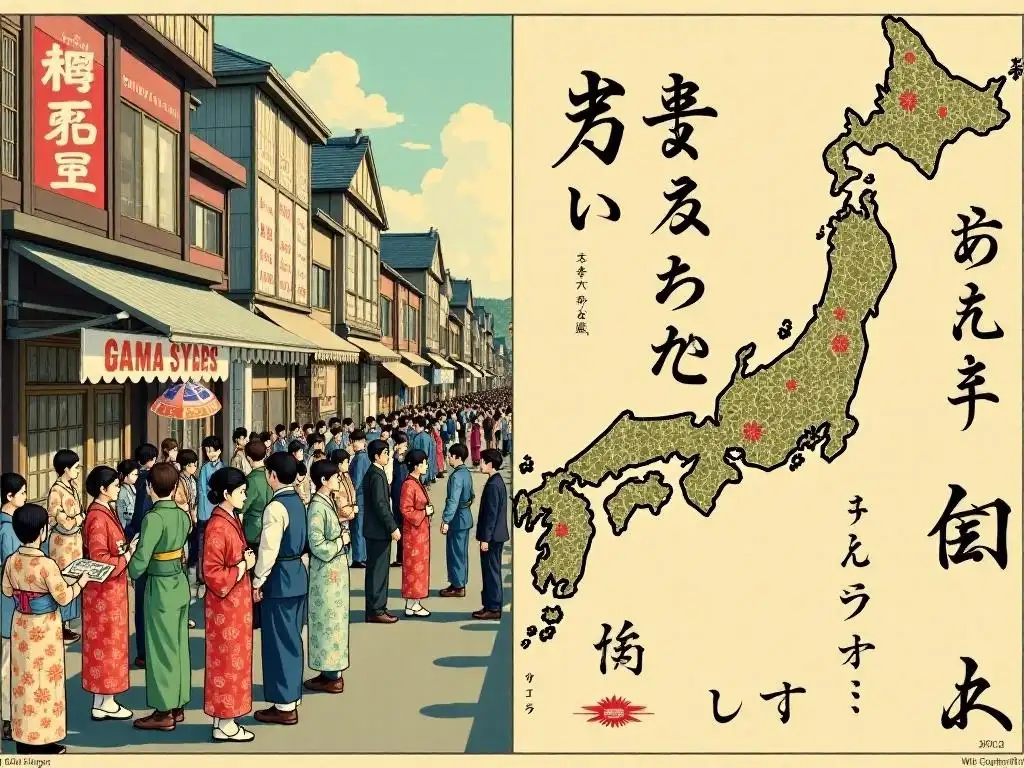
Welcome to Feudal Japan History, where we embark on a captivating journey through the rich tapestry of Japan's feudal era. In our featured article, "The Evolution of Japanese Language: Borrowings from the Outside World," we delve into the fascinating phenomenon of Japanese language foreign borrowings. Discover how cultural exchanges and foreign influences have shaped the very language we recognize today.
This exploration not only illuminates the intricacies of language evolution but also unveils the broader implications of Japan's interactions with the world. Are you ready to uncover the secrets behind these linguistic transformations? Dive in and let your curiosity guide you!
Introduction to Japanese Language Foreign Borrowings
The Japanese language is a fascinating tapestry woven from various cultural threads, reflecting the rich history of interactions with the outside world. Throughout its evolution, the language has absorbed numerous foreign borrowings, which have significantly influenced its vocabulary, phonetics, and even grammar.
This article delves into the myriad ways in which external languages have shaped the Japanese language, focusing on the importance of these borrowings as a reflection of Japan's cultural exchanges and foreign relations over the centuries. By exploring historical contexts and specific influences, we aim to provide a comprehensive understanding of how the Japanese language has developed into what it is today.
Understanding the Concept of Language Borrowings
Language borrowings occur when one language adopts words, phrases, or structures from another language. This process often reflects historical trade, migration, or cultural exchange, resulting in a dynamic linguistic landscape. In the case of the Japanese language, borrowings can be categorized into several phases, each corresponding to different periods of contact with foreign cultures.
- Types of Borrowings:
- Lexical Borrowings: These are direct imports of words from other languages.
- Phonological Borrowings: Changes in pronunciation influenced by foreign sounds.
- Grammatical Borrowings: Adoption of syntactic structures from other languages.
Understanding these categories helps in appreciating the complexity of language development and the profound impact of external factors on linguistic evolution.
Importance of Foreign Borrowings in Language Evolution
Foreign borrowings play a crucial role in the evolution of any language, including Japanese. They not only enrich the vocabulary but also allow languages to adapt and respond to new cultural realities.
- Cultural Enrichment: Borrowings introduce new concepts, technologies, and ideas that may not have existed in the borrowing language.
- Linguistic Adaptation: They demonstrate how languages can evolve by incorporating elements from each other, fostering communication and understanding.
In Japan, the incorporation of foreign terms has been pivotal in various fields, including science, technology, and arts, making foreign borrowings an essential aspect of linguistic and cultural evolution.
Historical Context of Japanese Language Development
The historical context of Japanese language development is marked by significant influences from various cultures and languages. Understanding this context is vital for grasping the complexities of the language's evolution.
Early Influences on the Japanese Language
The origins of the Japanese language are somewhat obscure, with various theories regarding its roots. However, it is clear that early interactions with neighboring cultures, particularly those of China and Korea, played a pivotal role in shaping the language.
- Indigenous Languages: The earliest forms of Japanese were likely influenced by the indigenous languages of the archipelago.
- Cultural Exchanges: Trade and the movement of peoples facilitated the introduction of new vocabulary and concepts.
These early influences set the stage for more significant borrowing periods that would follow.
The Role of Chinese in Shaping Japanese Vocabulary
One of the most significant influences on the Japanese language has been that of the Chinese language. This relationship began in earnest around the 5th century, with the introduction of Chinese characters (kanji) and vocabulary.
- Kanji Adoption: The incorporation of kanji not only provided a writing system but also enriched the Japanese lexicon.
- Cultural Transmission: Many Chinese literary works, philosophies, and governmental concepts entered Japan alongside the language, further embedding Chinese influence in Japanese culture.
The impact of Chinese on Japanese vocabulary is profound, with thousands of kanji characters and associated words still in use today.
Introduction of Buddhist Terminology and Cultural Concepts
The arrival of Buddhism in Japan, particularly during the 6th century, marked another crucial phase in the evolution of the Japanese language. This event brought about a significant influx of new terminology and concepts.
- Buddhist Texts: Translations of Buddhist scriptures introduced numerous terms related to philosophy, practice, and religious concepts.
- Cultural Integration: As Buddhism became interwoven with Japanese culture, the language evolved to accommodate the new religious and philosophical ideas.
These borrowings from Buddhism not only expanded the vocabulary but also influenced the overall cultural landscape of Japan, showcasing the dynamic interplay between language and cultural exchange.
The Impact of Western Contact on Japanese Language
The influence of Western contact on the Japanese language has been profound, particularly from the mid-19th century onwards. This period marked a significant turning point in Japan's history, as the nation opened its doors to international trade and cultural exchanges following centuries of isolation under the Tokugawa shogunate. As Japan began to engage with Western powers, it encountered new ideas, technologies, and concepts that necessitated the incorporation of foreign vocabulary into the Japanese lexicon. This exchange not only enriched the language but also reflected broader societal changes and the modernization of Japan during the Meiji Restoration.
19th Century: Opening of Japan and Western Influence
The pivotal moment in the 19th century came with the arrival of Commodore Matthew Perry and his Black Ships in 1853, which pressured Japan to end its isolationist policies. The Treaty of Kanagawa in 1854 opened Japanese ports to Western trade, leading to a surge in Western influence. As a result, Japan experienced rapid modernization, particularly in areas such as industry, military, and education. This modernization required a vocabulary to describe new concepts and technologies, leading to an influx of Western terms into the Japanese language.
During this time, Japanese intellectuals and scholars actively sought to learn from Western cultures, further accelerating the adoption of foreign words. The introduction of Western literature, science, and philosophy also contributed to the evolution of Japanese, as translators worked diligently to adapt these foreign ideas into the native tongue. This period saw the emergence of a significant number of loanwords, many of which are still in use today.
Key Borrowed Terms from English and Other Western Languages
Among the most notable foreign borrowings during this period were terms related to technology, government, and daily life. Many English words were adapted into Japanese, reflecting the innovations and cultural shifts of the time. Some key borrowed terms include:
- テーブル (tēburu) - Table
- コンピュータ (konpyūta) - Computer
- ビール (bīru) - Beer
- サッカー (sakkā) - Soccer
- バス (basu) - Bus
In addition to English, terms from other Western languages made their way into Japanese. For instance, French and German terms were also integrated, particularly in fields such as art and philosophy. The borrowing of these words not only expanded the vocabulary but also facilitated the discussion of previously foreign concepts within Japanese society.
The Transformation of Japanese Through Western Education and Technology
The establishment of Western-style education systems in Japan played a crucial role in the transformation of the Japanese language. Schools began to teach subjects like mathematics, science, and foreign languages using Western terminologies, which encouraged students to become familiar with new concepts through their loanwords. This educational reform was instrumental in bridging the gap between traditional Japanese knowledge and contemporary Western learning.
Moreover, technological advancements introduced during this period also necessitated the adoption of foreign terms. As Japan modernized its infrastructure and industries, words related to transportation, communication, and manufacturing became essential. This influx of new vocabulary transformed not only the language but the society as a whole, paving the way for Japan to become a significant player on the global stage.
The Process of Language Borrowing in Japanese
The process of language borrowing in Japanese is multifaceted, involving various mechanisms through which foreign words are adopted and adapted into the language. This process reflects the dynamic nature of language and its capacity to evolve in response to cultural exchanges.
Mechanisms of Borrowing: Loanwords and Adaptations
In Japanese, there are primarily two mechanisms of borrowing: loanwords and adaptations. Loanwords are foreign words that are directly borrowed with minimal alteration. In contrast, adaptations involve modifying the foreign term to fit the phonetic and grammatical structures of the Japanese language.
Loanwords are typically written in katakana, one of the Japanese syllabaries used for foreign words. This visual distinction helps speakers identify words of foreign origin. Adaptations, on the other hand, may involve altering the pronunciation or grammatical usage to align with Japanese conventions, resulting in a term that feels more integrated into the language.
Phonetic Adaptation of Foreign Terms in Japanese
Phonetic adaptation is a critical aspect of how foreign words are integrated into Japanese. Due to the differences in phonetic systems between Japanese and other languages, certain sounds may not exist in Japanese, requiring adjustments to the original pronunciation.
For example, the English word "chocolate" becomes チョコレート (chokorēto) in Japanese. Here, the syllables are adjusted to fit the Japanese phonetic system, which does not accommodate certain consonant clusters. Such adaptations allow foreign terms to be pronounced in a way that is comfortable for native speakers while still retaining a semblance of the original sound.
Semantic Shifts in Borrowed Vocabulary
Alongside phonetic adaptations, semantic shifts often occur in borrowed vocabulary. When foreign terms are introduced, they can take on new meanings or connotations that differ from their original usage. This phenomenon occurs as borrowed words are integrated into the cultural context of Japan.
For instance, the term カラオケ (karaoke), which originated from the Japanese words "kara" (empty) and "oke" (orchestra), has taken on a specific cultural significance in Japan that may differ from its perception in other countries. It has evolved to represent a popular entertainment activity, highlighting how borrowed terms can develop unique meanings within their new linguistic environment.
Through these mechanisms, the Japanese language has successfully incorporated a wide range of foreign borrowings, enriching its vocabulary and reflecting the cultural exchanges that have shaped Japan's history.
Notable Examples of Japanese Language Foreign Borrowings
The Japanese language has a rich history of foreign borrowings that have significantly shaped its vocabulary and expression. These borrowings stem from various cultures and languages, reflecting Japan's interactions with the outside world over centuries. Understanding these influences provides insight into the evolution of the Japanese language and its dynamic nature.
Common Loanwords from Chinese
One of the most significant sources of loanwords in Japanese is Chinese. This borrowing began as early as the 6th century when Buddhism and Chinese culture started to influence Japan. Many of these words are referred to as kango (漢語), or Sino-Japanese words, and they encompass various fields, including philosophy, law, science, and literature.
Some notable examples include:
- 学校 (gakkō) - meaning "school"
- 電話 (denwa) - meaning "telephone"
- 文化 (bunka) - meaning "culture"
These words not only entered the Japanese lexicon but also altered the language's structure, introducing new concepts and ideas that were previously absent in the native vocabulary.
Influential English Loanwords in Contemporary Japanese
In contemporary Japan, English loanwords, known as gairaigo (外来語), have become increasingly prevalent, especially in the realms of technology, fashion, and popular culture. The post-World War II era marked a significant increase in English influence due to the U.S. occupation and globalization.
Examples of popular English loanwords include:
- コンピュータ (konpyūta) - meaning "computer"
- サンドイッチ (sandoicchi) - meaning "sandwich"
- バナナ (banana) - meaning "banana"
These borrowings illustrate how the Japanese language adapts to new concepts and trends while blending them into its existing linguistic framework.
Other Notable Language Influences: Portuguese, Dutch, and More
While Chinese and English are the most prominent influences on the Japanese language, other languages have also contributed notable loanwords, particularly during the early modern period.
- Portuguese: The arrival of Portuguese traders in the 16th century introduced words such as パン (pan) for "bread" and タバコ (tabako) for "tobacco."
- Dutch: The Dutch influence during the Edo period led to terms related to science and medicine, including オランダ (Oranda) for the Netherlands and ガラス (garasu) for "glass."
These foreign borrowings highlight Japan's engagement with diverse cultures, enriching its language and expanding its vocabulary.
The Cultural Significance of Borrowed Words
The incorporation of foreign borrowings into the Japanese language goes beyond mere vocabulary expansion; it reflects deeper cultural exchanges and adaptations. These borrowed words serve as cultural artifacts that illustrate Japan's historical interactions with other nations.
How Foreign Borrowings Reflect Cultural Exchange
Borrowed words are often indicative of the cultural exchanges that occurred during specific periods in Japan’s history. For example, the influx of Chinese vocabulary during the Nara and Heian periods corresponds with the adoption of Buddhism and Confucianism. Similarly, the rise of English loanwords in the modern era mirrors Japan's rapid industrialization and globalization.
This dynamic relationship between language and culture emphasizes how the Japanese have absorbed and adapted foreign influences, using them to express new ideas, technologies, and lifestyles.
Borrowed Vocabulary and Its Role in Modern Japanese Identity
In contemporary Japan, foreign borrowings contribute to a complex national identity that embraces both tradition and modernity. The integration of English and other foreign words into everyday language reflects a society that is open to global influences while maintaining a unique cultural heritage.
As Japanese speakers navigate between native and borrowed terms, they create a linguistic tapestry that captures the essence of modern Japanese identity, blending local customs with global trends.
The Influence of Language Borrowings on Japanese Pop Culture
Language borrowings have also played a significant role in shaping Japanese pop culture, particularly in music, fashion, and entertainment. The use of English and other foreign words in J-pop lyrics, fashion branding, and marketing strategies demonstrates how these borrowings resonate with youth culture and international appeal.
For instance, phrases like "カラオケ (karaoke)" and "アニメ (anime)" have become synonymous with Japanese entertainment globally, showcasing how borrowed vocabulary can transcend cultural boundaries and contribute to Japan's cultural exports.
The evolution of the Japanese language through foreign borrowings not only enriches its vocabulary but also reflects ongoing cultural exchanges, shaping modern Japanese identity and influencing various aspects of its vibrant pop culture.
Challenges and Controversies Surrounding Language Borrowings
The incorporation of foreign borrowings into the Japanese language has not come without its challenges and controversies. As the language evolves, it faces debates surrounding cultural identity, linguistic purity, and the implications of globalization. Understanding these challenges is essential to grasp the broader context of language development in Japan.
The Debate on Language Purity in Japan
One significant controversy revolves around the concept of language purity. Traditionalists argue that the increasing number of foreign words, particularly from English, dilutes the essence of the Japanese language. They advocate for the preservation of native vocabulary and grammar, fearing that excessive borrowing may lead to a loss of cultural heritage. For example, the rise of "wasei-eigo" (Japanese-made English) terms has sparked debate; terms like "salaryman" or "OL" (office lady) often confuse non-Japanese speakers and create a unique linguistic identity that some see as a departure from authentic Japanese.
Conversely, proponents of linguistic evolution argue that language is inherently adaptable and that borrowings enrich the language. They cite historical precedents, as Japanese has absorbed words from Chinese, Portuguese, and Dutch over the centuries. This adaptability reflects Japan's openness to cultural exchange, which has been a hallmark of its history. The ongoing discourse highlights a tension between preserving tradition and embracing change.
The Impact of Globalization on Japanese Language Usage
Globalization has profoundly influenced the Japanese language, introducing new vocabulary and communication styles. The advent of the internet and social media has accelerated the exchange of ideas and language, leading to a surge in English borrowings in everyday conversation. Words like "cool" and "internet" have seamlessly integrated into the lexicon, often modified to fit Japanese phonetics and grammar.
Moreover, the influence of Western culture can be seen in various aspects of Japanese life, from business practices to popular culture. The increasing use of English in corporate environments and advertising reflects a broader trend of globalization, where English serves as a lingua franca. While this has facilitated international communication, it also poses challenges for non-English speakers and those who may feel alienated by the shift.
Future Trends: The Balance Between Borrowed and Native Vocabulary
As the Japanese language continues to evolve, balancing borrowed and native vocabulary will be crucial. Language experts predict that the trend of borrowing will persist, particularly as Japan engages more with the global community. However, there is a growing awareness of the need to maintain a connection to native linguistic roots.
Educational initiatives promoting the importance of traditional vocabulary alongside foreign borrowings may help foster this balance. Schools and institutions are increasingly recognizing the value of teaching students both aspects of the language, encouraging a bilingual approach that respects cultural heritage while embracing modern influences. This dual approach can lead to a richer, more nuanced understanding of the Japanese language.
Conclusion: The Ongoing Evolution of the Japanese Language
The evolution of the Japanese language through foreign borrowings is a testament to its dynamic nature and the country's historical interactions with the world. As Japan continues to navigate the complexities of globalization and cultural exchange, the language will undoubtedly adapt, reflecting both the influences of the outside world and its rich native traditions.
The Future of Japanese Language Foreign Borrowings
Looking ahead, the landscape of Japanese language foreign borrowings appears vibrant yet contentious. With the rise of new technologies and cultural exchanges, it is likely that Japanese will continue to absorb influences from various languages. However, the degree and manner of these integrations will depend on societal attitudes toward linguistic purity and cultural identity.
The future may also see a resurgence of interest in traditional Japanese terms as a counterbalance to the influx of foreign vocabulary. This could manifest in media, literature, and conversation, creating a rich tapestry of language that honors both the old and the new.
Reflections on Cultural Exchange and Linguistic Adaptation
Cultural exchange is a fundamental aspect of human interaction, and language is one of its most visible manifestations. The ongoing adaptation of the Japanese language through foreign borrowings reflects a broader narrative of resilience and creativity. As Japan continues to position itself within a global context, the language will remain a vital tool for expressing identity, culture, and continuity.
The interplay between borrowed and native vocabulary not only shapes the Japanese language but also serves as a mirror to the country's evolving cultural landscape, highlighting the importance of embracing diversity while cherishing tradition.
References for Further Exploration of Japanese Language Evolution
To gain a deeper understanding of how the Japanese language has evolved through foreign borrowings, a variety of resources are available, ranging from scholarly books and articles to online platforms. These references not only provide insights into the historical context of language evolution but also highlight the cultural exchanges that have shaped the Japanese linguistic landscape. Below are some recommended materials that can enhance your study of this fascinating topic.
Recommended Books and Articles on Language Borrowings
-
"The Languages of Japan" by Masayoshi Shibatani
This book offers a comprehensive overview of the Japanese language, including its historical development and the influence of foreign languages. Shibatani discusses the mechanisms of language borrowing and the impact these have had on modern Japanese.
-
"Japanese Language and Culture for Business and Travel" by S. M. K. H. K. F. T. T. A. G. K.
This resource highlights the practical applications of Japanese language borrowings in contemporary settings, illustrating how foreign terms have integrated into everyday language, especially in business contexts.
-
"Language Contact and Language Conflict in Arabic and Japanese" by T. A. H. A. H.
This article explores the dynamics of language contact, focusing on how external influences have shaped the Japanese language over time, particularly during significant historical periods.
-
"Loanwords in Japanese" by T. M. K.
This scholarly article delves into the types of loanwords present in Japanese, their origins, and their usage in modern contexts, providing a clear analysis of how language borrowings function within the Japanese lexicon.
-
"The Impact of Westernization on the Japanese Language" by Y. M. K.
This book examines the effects of Western influence on Japanese, particularly during the Meiji Restoration and beyond, offering insights into how foreign borrowings reflect broader cultural changes in society.
Online Resources for Studying Japanese Linguistic History
-
The National Institute for Japanese Language and Linguistics (NINJAL)
This institute provides a wealth of resources, including research papers, linguistic databases, and educational materials that focus on the Japanese language's history and foreign influences.
-
Japan Times Language Learning Section
This online platform features articles and resources aimed at learners of the Japanese language, including discussions on loanwords and their implications in modern usage, making it a practical resource for both casual learners and serious scholars.
-
Wiktionary: Japanese
The Japanese section of Wiktionary includes entries on loanwords, providing etymological information and usage examples, making it a great tool for anyone looking to understand the foreign borrowings in the Japanese language.
-
Online Japanese Language Courses (e.g., Coursera, Udemy)
These platforms often offer courses that cover the historical aspects of the Japanese language, including modules specifically focused on foreign borrowings and cultural exchanges.
-
YouTube Channels on Japanese Linguistics
Educational channels dedicated to linguistics often provide video content that explores the evolution of the Japanese language, including discussions on loanwords and their societal impacts.
By exploring these references, readers can gain a more nuanced understanding of the complexities surrounding Japanese language foreign borrowings and their significance within the broader context of cultural exchanges.
- Introduction to Japanese Language Foreign Borrowings
- Historical Context of Japanese Language Development
- The Impact of Western Contact on Japanese Language
- The Process of Language Borrowing in Japanese
- Notable Examples of Japanese Language Foreign Borrowings
- The Cultural Significance of Borrowed Words
- Challenges and Controversies Surrounding Language Borrowings
- Conclusion: The Ongoing Evolution of the Japanese Language
- References for Further Exploration of Japanese Language Evolution
- What are foreign borrowings in the Japanese language?
- Why is the study of foreign borrowings important in understanding Japanese history?
- Which languages have had the most influence on Japanese borrowings?
- How do foreign borrowings impact modern Japanese?
- Are there specific examples of foreign borrowings in everyday Japanese?
Frequently Asked Questions
What are foreign borrowings in the Japanese language?
Foreign borrowings refer to words and phrases that have been adopted from other languages into Japanese. This has been a significant aspect of the language's evolution, particularly during trade and cultural exchanges.
Why is the study of foreign borrowings important in understanding Japanese history?
Studying foreign borrowings helps reveal how Japan has interacted with other cultures over time. It provides insight into historical influences and the adaptation of language in response to global changes.
Which languages have had the most influence on Japanese borrowings?
The primary languages that have influenced Japanese borrowings include Chinese, Portuguese, and English. Each has contributed unique vocabulary that reflects historical contexts and cultural exchanges.
How do foreign borrowings impact modern Japanese?
Foreign borrowings enrich modern Japanese by introducing new concepts and terminology, particularly in fields like technology and fashion. They also reflect Japan's global integration and cultural dynamism.
Are there specific examples of foreign borrowings in everyday Japanese?
Yes, everyday Japanese includes many foreign borrowings such as "コンピュータ" (konpyūta for "computer") and "バス" (basu for "bus"). These terms illustrate how foreign influences have shaped daily communication in Japan.
Final Reflection: Embracing the Global Tapestry of the Japanese Language
The exploration of Japanese language foreign borrowings reveals a fascinating narrative of cultural exchange and adaptation that continues to resonate today. As we navigate an increasingly interconnected world, the evolution of the Japanese language stands as a testament to the power of communication and the fluidity of identity. This dynamic interplay between tradition and modernity not only enriches the language itself but also reflects the ongoing dialogue between Japan and the global community.
The influence of foreign borrowings in the Japanese language has profoundly shaped its cultural landscape, fostering a sense of inclusivity and innovation. As we witness the integration of new words and concepts, we are reminded of the beauty in diversity and the importance of understanding one another. Language is the road map of a culture. It tells you where its people come from and where they are going.
This quote encapsulates the essence of how language evolves, serving as a bridge that connects us to our past while paving the way for future interactions.
As we reflect on the lessons learned from the evolution of the Japanese language, I invite you to consider your own relationship with language and culture. How can you embrace the influences that shape your identity? Let this be a call to action: engage with the languages around you, appreciate the richness they bring, and recognize the shared humanity that binds us all. In doing so, we not only honor the past but also contribute to a vibrant future where communication knows no boundaries.
Embrace the Rich Tapestry of Japanese Language!
Thank you for exploring the fascinating evolution of the Japanese language with us! You've uncovered how various external influences have shaped its development, enriching your understanding of Japan's cultural history. Now, let’s take a step further and engage with this unique linguistic journey!
Here are some quick actions you can take to deepen your exploration:
- Immerse yourself in Japanese culture by reading a novel or watching a film that showcases the profound impact of language on storytelling.
- Join a language exchange group or an online community to connect with fellow enthusiasts who share your passion for the intricacies of Japanese linguistics.
- Share this article with friends or on social media to ignite discussions about the evolution of language and its cultural significance!
What aspect of the Japanese language’s evolution surprised you the most, and why? We invite you to share your thoughts in the comments below!