
The Importance of Presentation: Aesthetic Values in Feudal Japanese Dining

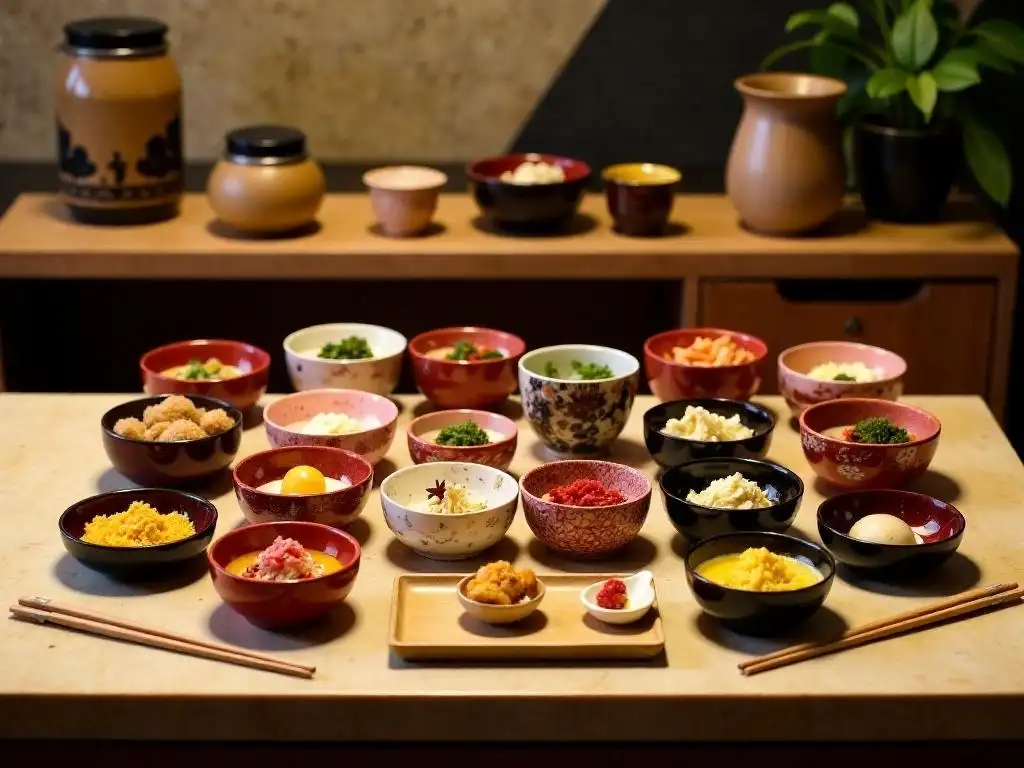
Welcome to Feudal Japan History, where we invite you to embark on a fascinating journey through the intricate tapestry of Japan's feudal era. Discover the hidden culinary treasures of the past as we delve into Feudal Japanese dining aesthetics—a topic that unveils the profound importance of presentation in daily life. How did the visual artistry of a meal reflect the cultural values of the time?
Prepare to be intrigued as we explore the delicate interplay between food, art, and society, and uncover the aesthetic values that defined dining in feudal Japan. Join us in this captivating exploration, and let the journey begin!
Feudal Japan was a period marked by a rich tapestry of cultural, social, and artistic developments that significantly influenced various aspects of daily life, including dining practices. The aesthetics of feudal Japanese dining, often characterized by meticulous attention to detail and a profound appreciation for nature, reflect deeper philosophical beliefs and societal norms of the time.
This article delves into the intricate world of Feudal Japanese dining aesthetics, exploring how presentation played a crucial role in the culinary experience and the broader cultural context. Understanding these aesthetic values not only enriches our appreciation of historical dining practices but also sheds light on the significance of food as an art form in feudal society.
Introduction to Feudal Japanese Dining Aesthetics
Overview of Feudal Japan's Culinary Culture
Feudal Japan’s culinary culture was a harmonious blend of flavors, techniques, and aesthetics that elevated dining to an art form. The period saw the emergence of distinct regional cuisines, each influenced by local ingredients and customs. Rice served as the staple food, while seasonal vegetables, fish, and meats complemented meals, often presented with artistic flair.
Key aspects of this culinary culture included:
- Seasonality: Dishes were prepared using ingredients that reflected the seasons, enhancing both flavor and visual appeal.
- Presentation: The arrangement of food was crucial; meals were often served on lacquerware or ceramics that showcased the beauty of the dishes.
- Ritual: Dining was often a ceremonial experience, reflecting the values of hospitality and respect for nature.
Significance of Aesthetic Values in Daily Life
Aesthetic values permeated all aspects of life in feudal Japan, with dining being no exception. The presentation of food was intertwined with the principles of wabi-sabi—a concept that finds beauty in simplicity and imperfection. This philosophy influenced how meals were served, emphasizing a connection to nature and a tranquil dining atmosphere.
In daily life, aesthetic values in dining served multiple purposes:
- Cultural Expression: Meals were a reflection of one’s social status and cultural identity.
- Mindfulness: The act of dining became a meditative practice, promoting mindfulness and appreciation for the moment.
- Social Interaction: Beautifully presented meals facilitated social bonds and communal experiences, enhancing the joy of sharing food.
Historical Context of Dining Aesthetics in Feudal Japan
The Evolution of Japanese Dining Practices
The evolution of dining practices in feudal Japan can be traced through various historical milestones. Initially influenced by Chinese culinary traditions, Japanese cuisine began to develop its own identity by the Heian period (794-1185). With the rise of the samurai class, dining practices became more formalized, with specific protocols surrounding meal presentation and etiquette.
Key developments included:
- Kaiseki Ryori: This multi-course dining style emerged, emphasizing seasonal ingredients and aesthetic presentation.
- Sado (Tea Ceremony): The tea ceremony further refined the aesthetic values surrounding food and drink, showcasing the importance of presentation and ritual.
Cultural Influences on Feudal Japanese Cuisine
Feudal Japanese cuisine was shaped by various cultural influences, both domestic and foreign. The introduction of new ingredients and cooking techniques from China, Korea, and Southeast Asia enriched the culinary landscape. Additionally, the rise of Buddhism during this period encouraged vegetarianism, leading to the development of shojin ryori—a style of cuisine focused on simple yet elegant plant-based dishes.
Cultural influences also played a pivotal role in shaping dining aesthetics:
- Zen Buddhism: The principles of Zen philosophy emphasized harmony, simplicity, and natural beauty in food presentation.
- Nature: A profound respect for nature inspired the use of seasonal and locally sourced ingredients, ensuring that meals were not only delicious but also visually stunning.
The aesthetic values of feudal Japanese dining represent a complex interplay of cultural, philosophical, and social elements that defined the culinary practices of the time. The significance of presentation in this context attests to a broader understanding of food as a vital part of daily life and society in feudal Japan.
Core Elements of Feudal Japanese Dining Aesthetics
Feudal Japanese dining aesthetics were deeply intertwined with cultural beliefs, social status, and natural elements. The core elements include simplicity, harmony, and a strong focus on seasonal ingredients. Dining was not merely about nourishment; it was a ritual that reflected the host's taste, the changing seasons, and the underlying philosophies of life. The arrangement of food, the choice of utensils, and even the dining space were curated to create an experience that transcended mere eating.
The use of natural materials, such as wood and ceramic, in tableware was common, emphasizing a connection to nature. The layout of dishes was considered an art form, with an emphasis on balance and proportion. The dining experience was enhanced by the atmosphere, which included everything from the decor of the space to the manner in which food was served and consumed. Thus, feudal Japanese dining aesthetics can be seen as a multifaceted approach that harmonizes visual appeal with the sensory experience of eating.
Presentation Techniques in Japanese Cuisine
Presentation techniques in feudal Japanese cuisine are rooted in centuries of tradition and artistry. One prominent technique is the use of "mizu-yō", which translates to "water style" and incorporates elements of water in the presentation, enhancing the freshness and liveliness of the meal. This method often involves serving dishes on shallow plates that mimic the appearance of rippling water.
Another technique is "kirei", which emphasizes cleanliness and order. Dishes are arranged with precision, ensuring that each element is distinct yet harmonious. The use of negative space is also vital; leaving empty spaces on the plate allows the eye to rest and enhances the visual appeal of the food.
Additionally, seasonal serving styles, such as using a different set of dishes for each season, play a significant role in presenting meals. For example, during cherry blossom season, food might be served on plates that reflect the colors and themes of spring, such as pink and green. These techniques not only enhance the visual aesthetics of the meal but also convey a deeper appreciation of nature and the passage of time.
The Role of Color and Texture in Food Presentation
Color and texture are essential components of food presentation in feudal Japanese dining, each serving a distinct purpose in creating an engaging dining experience. Colors are carefully selected to reflect seasonal themes and cultural symbolism. For instance, red is often associated with happiness and good fortune, while green signifies freshness and vitality. The combination of colors on a dish can evoke emotions and enhance the overall aesthetic appeal.
Texture also plays a critical role; it adds depth to the visual presentation and engages the senses. Dishes are often designed to feature a variety of textures, such as the smoothness of tofu alongside the crunchiness of pickled vegetables. This contrast not only makes the meal visually appealing but also creates a more dynamic eating experience.
Moreover, the careful arrangement of food can emphasize these colors and textures, guiding the diner’s eye and palate through the meal. For example, a dish may juxtapose vibrant vegetables against earthy grains, creating a visual narrative that reflects the balance and harmony cherished in Japanese culture.
Importance of Seasonal Ingredients and Their Display
Seasonal ingredients are foundational to feudal Japanese dining aesthetics, emphasizing the connection between food and nature. The Japanese phrase "shun" refers to the peak season of an ingredient, when it is at its most flavorful and nutritious. This principle encourages cooks to select ingredients that are in season, reflecting the natural rhythms of the environment.
The display of seasonal ingredients is not just about freshness; it also conveys a deep respect for nature and its cycles. Dishes are often designed to highlight specific ingredients that represent the season. For example, in spring, dishes may feature fresh bamboo shoots and cherry blossoms, while autumn could showcase mushrooms and persimmons.
Presentation techniques may include arranging dishes to mimic natural landscapes or using seasonal motifs in the tableware. This not only enhances the visual appeal but also immerses diners in the essence of the season, creating a more meaningful dining experience that honors the bounty of nature.
The Philosophical Underpinnings of Aesthetics in Dining
The aesthetics of dining in feudal Japan are deeply rooted in philosophical ideals, particularly those stemming from Zen Buddhism and the concept of wabi-sabi. These philosophies shape the way food is perceived, prepared, and presented, emphasizing simplicity, impermanence, and a deep connection to the natural world.
Dining was viewed as a meditative practice, where the act of eating became a moment of mindfulness and reflection. This philosophical approach transforms every meal into a ritual, where aesthetics serve to heighten awareness and appreciation of the food, the environment, and the company present.
Zen Buddhism and Its Influence on Feudal Dining
Zen Buddhism has profoundly influenced feudal Japanese dining aesthetics, introducing principles of simplicity, mindfulness, and harmony. The Zen focus on the present moment encourages diners to engage fully with their meals, fostering a deep appreciation for each bite.
The concept of minimalism in Zen is reflected in the way food is prepared and presented. For instance, meals are often served in a manner that reduces clutter and distractions, allowing the beauty of the food itself to take center stage. The use of natural materials in tableware, such as unglazed pottery, aligns with Zen ideals by showcasing the raw beauty of the earth.
Furthermore, the practice of tea ceremonies, rooted in Zen principles, exemplifies how dining can become a spiritual experience. The meticulous attention to detail in preparing and serving tea mirrors the care taken with food presentation, creating a holistic experience that emphasizes harmony with nature and mindfulness in consumption.
The Concept of Wabi-Sabi in Food Presentation
Wabi-sabi is a key concept in Japanese aesthetics that celebrates imperfection, transience, and the beauty found in simplicity. This philosophy manifests itself in feudal Japanese dining through the appreciation of natural forms, asymmetry, and the passage of time.
In food presentation, wabi-sabi encourages the use of imperfectly shaped dishes and seasonal ingredients that highlight their natural state. For instance, rough-hewn ceramics or hand-crafted utensils may be favored over perfectly symmetrical items. This embrace of imperfection allows diners to connect with the authenticity of the meal and its ingredients.
Moreover, the fleeting nature of seasonal ingredients resonates with the wabi-sabi philosophy, as it reminds diners of the impermanence of life. Each dish served reflects a moment in time, creating a deeper appreciation for the meal and the experiences shared. In this way, feudal Japanese dining aesthetics not only nourish the body but also feed the soul, echoing the principles of wabi-sabi throughout the dining experience.
Dining Etiquette and Aesthetic Values
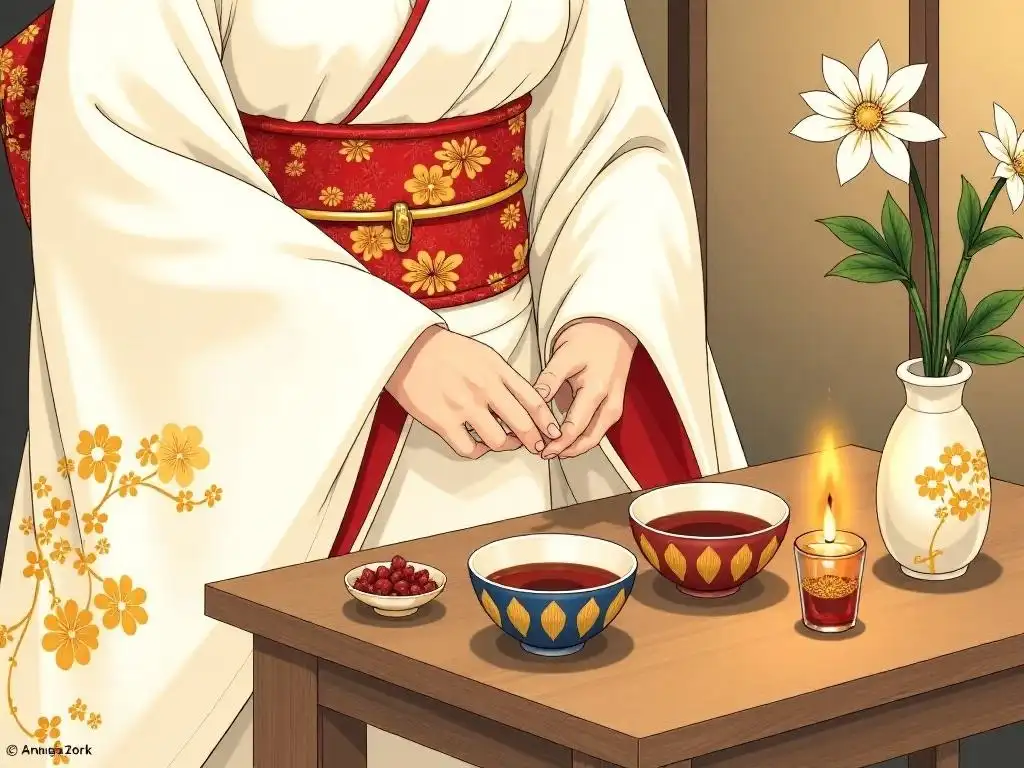
In feudal Japan, dining was more than just a means of sustenance; it was an art form deeply intertwined with cultural identity, societal norms, and aesthetic values. The presentation of food, the arrangement of dining spaces, and the mannerisms exhibited during meals were all reflective of the broader aesthetic principles that governed life in this era. The Japanese believed that the beauty of a meal could enhance the dining experience, creating an atmosphere of harmony and appreciation for nature's bounty.
Aesthetics played a crucial role in the way food was prepared and served. Color, texture, and arrangement were all carefully considered to create a visually appealing presentation that complemented the flavors of the dish. This meticulous attention to detail extended beyond the food itself and encompassed the entire dining setting, including the tableware and the environment in which the meal was enjoyed.
Traditional Feudal Japanese Dining Customs
Traditional dining customs in feudal Japan were heavily influenced by the principles of Zen Buddhism and the philosophy of simplicity and harmony. Meals were typically served in multi-course formats known as kaiseki, which emphasized seasonal ingredients and artistic presentation. Each dish was served in individual bowls or plates, often crafted from fine ceramics or lacquerware, showcasing the skill of the artisans.
The arrangement of the meal was also significant; dishes were placed in a manner that reflected balance and symmetry. For instance, a common practice was to place the rice bowl on the left and the miso soup on the right, adhering to a specific order that symbolized respect and care. Furthermore, the usage of natural elements, such as leaves and flowers, as garnishes or decorative elements, enhanced the visual appeal of the meal, aligning with the Japanese aesthetic of wabi-sabi, which celebrates beauty in imperfection and transience.
In feudal Japan, dining etiquette was closely linked to social hierarchy. The way one presented food and conducted oneself at the dining table often indicated one's status and upbringing. Nobility adhered to strict protocols, from the selection of dishes to the manner of holding chopsticks. For example, it was considered impolite to point with one's chopsticks or to dig into a dish directly; instead, one was expected to serve themselves with care and reverence.
Moreover, the presentation of food often served as a status symbol. The more elaborate the meal and the more exquisite the tableware, the higher the social standing of the host. This focus on presentation not only reinforced social stratification but also highlighted the importance of aesthetics in establishing one's identity within feudal society.
The Impact of Aesthetic Values on Feudal Japanese Society
Aesthetic values significantly influenced various aspects of feudal Japanese society, particularly in the realm of food and dining. The emphasis on beauty and harmony extended beyond the dining table and permeated everyday life, shaping social interactions, cultural practices, and even artistic expression.
How Aesthetics Shaped Culinary Identity
The aesthetic values of feudal Japan contributed to a unique culinary identity that emphasized the connection between food, nature, and art. Dishes were often inspired by seasonal changes, reflecting the beauty of the natural environment. For example, spring menus would feature cherry blossoms, while autumn offerings would incorporate chestnuts and persimmons. This seasonal approach not only showcased the ingredients but also fostered a deeper appreciation for the cycles of nature.
Moreover, culinary aesthetics became a form of expression among the samurai class and merchants, reflecting their values and aspirations. The meticulous preparation and presentation of meals allowed individuals to showcase their refinement, sophistication, and knowledge of cultural traditions, thereby solidifying their place within society.
The Influence of Dining Aesthetics on Social Gatherings and Festivals
Dining aesthetics played a vital role in social gatherings and festivals throughout feudal Japan. Events such as tea ceremonies, banquets, and festivals were occasions where the importance of presentation was magnified. The meticulous arrangement of food and the overall ambiance were crucial in creating a memorable experience for guests.
During the hanami (flower viewing) season, for instance, picnics under cherry blossoms involved not only the enjoyment of food but also the visual beauty of the setting. Participants would prepare bento boxes with carefully arranged seasonal delicacies, enhancing the aesthetic experience of the event. Such gatherings not only fostered community and friendship but also reinforced the cultural significance of beauty and aesthetics in feudal Japanese society.
The aesthetic values in feudal Japanese dining were woven intricately into the fabric of society, influencing culinary practices, social interactions, and cultural identity. The emphasis on presentation and etiquette not only enhanced the dining experience but also reflected broader societal norms and hierarchies, making feudal Japanese dining aesthetics a fascinating subject of exploration.
Conclusion: The Legacy of Feudal Japanese Dining Aesthetics
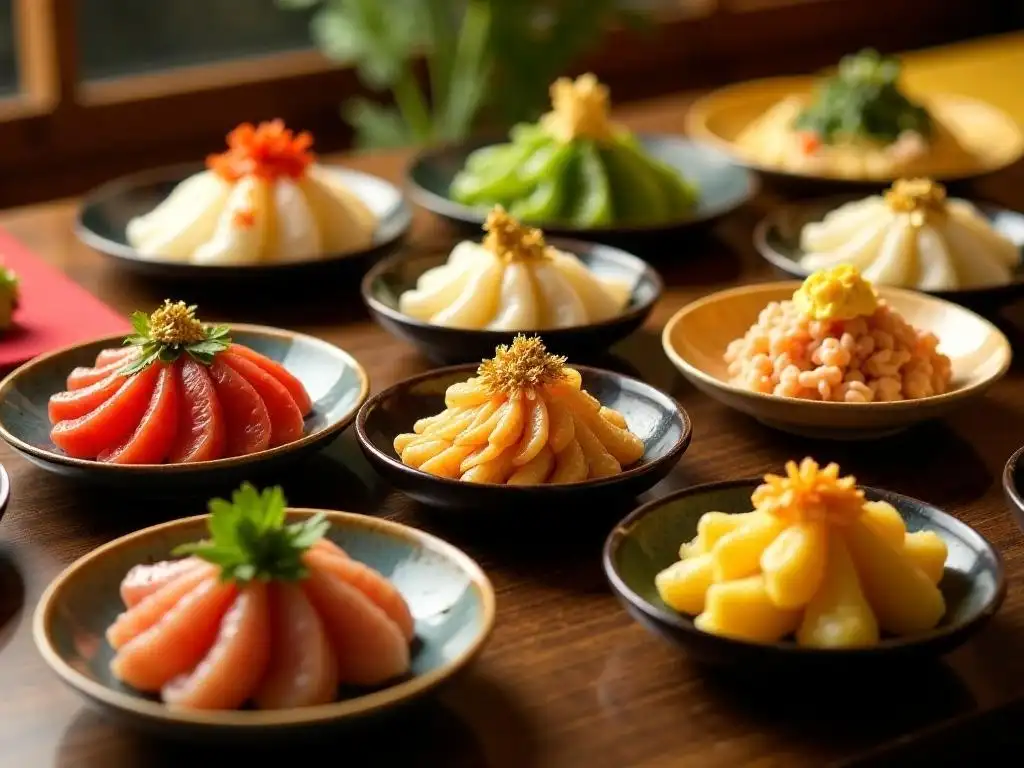
The aesthetic values inherent in feudal Japanese dining have left an indelible mark on both the culinary arts and the cultural practices of Japan. Rooted in principles of simplicity, balance, and harmony, these aesthetic ideals not only influenced food presentation but also encapsulated a broader philosophy of life during the feudal era.
The careful arrangement of dishes, the selection of seasonal ingredients, and the emphasis on natural beauty are all reflective of a society that valued mindfulness and a deep connection to nature. This legacy continues to resonate in contemporary Japanese dining practices, where the aesthetic presentation of food remains a hallmark of culinary excellence.
Lasting Influences on Modern Japanese Cuisine
Modern Japanese cuisine has evolved, yet the influences of feudal dining aesthetics are unmistakable. Many contemporary chefs draw inspiration from the traditional methods of presentation—such as the use of lacquerware, seasonal garnishes, and the concept of "ichiju-sansai" (one soup and three sides)—to create dishes that are not only delicious but visually stunning.
The practice of arranging food in a way that highlights its natural colors and textures is a direct reflection of the feudal era's emphasis on aesthetics. Moreover, the innovative fusion of old and new techniques in modern kitchens often pays homage to these historical roots, ensuring that the spirit of feudal dining aesthetics remains alive in today's culinary landscape.
The Importance of Aesthetics in Contemporary Dining Experiences
In contemporary dining, aesthetics play a crucial role in the overall experience. Restaurants and cafes across Japan and beyond are increasingly recognizing the importance of presentation as an integral part of the dining experience. The visual appeal of dishes enhances the sensory experience, stimulating not just the palate but also the eyes.
This emphasis on aesthetics is deeply rooted in the values established during the feudal period, where the presentation of meals was considered a form of art. Diners today often seek out establishments that prioritize beautiful plating and thoughtfully curated dining environments, reflecting a desire for a holistic experience that engages multiple senses.
Further Reading and Exploration
Suggested Resources on Feudal Japanese Cuisine and Aesthetics
For those interested in delving deeper into the topic of feudal Japanese dining aesthetics, several resources can provide valuable insights:
- Books:
- "Japanese Cooking: A Simple Art" by Shizuo Tsuji
- "The Book of Miso" by William Shurtleff and Akiko Aoyagi
- Articles and Journals:
- Research papers on the influence of Zen Buddhism on Japanese aesthetics in dining
- Articles focusing on the relationship between nature and culinary presentation in Japan
- Documentaries:
- Films exploring traditional Japanese dining practices, such as "Jiro Dreams of Sushi"
Related Topics in Daily Life and Society of Feudal Japan
Feudal Japanese dining aesthetics are interconnected with various aspects of daily life and society during that period. Some related topics to explore include:
- Tea Ceremony: The principles of aesthetics and mindfulness in the Japanese tea ceremony and how they parallel dining aesthetics.
- Seasonal Festivals: The role of seasonal celebrations in influencing food presentation and culinary choices.
- Art and Craftsmanship: The connection between Japanese art forms, such as Ikebana (flower arranging), and their impact on dining aesthetics.
- Social Hierarchies: The influence of class and status on dining practices and the presentation of food among different societal groups.
By exploring these topics, one can gain a more comprehensive understanding of the rich tapestry of feudal Japanese culture and its enduring influence on contemporary practices.
- Introduction to Feudal Japanese Dining Aesthetics
- Historical Context of Dining Aesthetics in Feudal Japan
- Core Elements of Feudal Japanese Dining Aesthetics
- The Philosophical Underpinnings of Aesthetics in Dining
- Dining Etiquette and Aesthetic Values
- Traditional Feudal Japanese Dining Customs
- The Role of Manners and Presentation in Social Hierarchy
- The Impact of Aesthetic Values on Feudal Japanese Society
- Conclusion: The Legacy of Feudal Japanese Dining Aesthetics
- Lasting Influences on Modern Japanese Cuisine
- The Importance of Aesthetics in Contemporary Dining Experiences
- Further Reading and Exploration
- What are the main aesthetic values in Feudal Japanese dining?
- How did the presentation of food affect dining experiences in Feudal Japan?
- What materials were commonly used in Feudal Japanese dining?
- Were there specific rituals associated with dining in Feudal Japan?
- How do Feudal Japanese dining aesthetics influence modern Japanese cuisine?
Frequently Asked Questions
What are the main aesthetic values in Feudal Japanese dining?
The aesthetic values in Feudal Japanese dining emphasized simplicity, natural beauty, and harmony with nature, reflecting the broader cultural principles of Zen Buddhism.
How did the presentation of food affect dining experiences in Feudal Japan?
The presentation of food was crucial in Feudal Japan, as it enhanced the eating experience and demonstrated the host's skill and attention to detail, making the meal a form of art.
What materials were commonly used in Feudal Japanese dining?
Dining in Feudal Japan often utilized natural materials such as wood, bamboo, and ceramics, which reflected the importance of nature and aesthetic simplicity in their dining aesthetics.
Were there specific rituals associated with dining in Feudal Japan?
Yes, dining in Feudal Japan often involved rituals that emphasized etiquette and presentation, showcasing the importance of respect and social hierarchy during meals.
How do Feudal Japanese dining aesthetics influence modern Japanese cuisine?
Modern Japanese cuisine continues to be influenced by Feudal dining aesthetics, focusing on presentation, seasonality, and the balance of flavors, honoring the cultural heritage of Japan.
Final Reflection: The Enduring Legacy of Feudal Japanese Dining Aesthetics
The exploration of feudal Japanese dining aesthetics reveals a profound connection between visual presentation and cultural values that resonates deeply in today's society. In an era where the aesthetics of food have become a focal point of culinary experiences, understanding the historical significance of these practices enriches our appreciation for the art of dining. The elegance and mindfulness inherent in feudal Japanese dining not only elevate the meal but also serve as a reminder of the importance of intentionality in our daily lives.
Cultural practices surrounding feudal Japanese dining continue to shape our social interactions and culinary experiences today. The meticulous attention to detail, harmony, and balance in presentation reflects a broader philosophy that transcends time and geography. As we navigate a world increasingly driven by fast-paced consumption, we can draw inspiration from the past to cultivate a more mindful approach to our meals. The beauty of food lies not only in its taste but in the care and artistry with which it is presented.
This sentiment encapsulates the essence of feudal Japanese dining aesthetics, urging us to reflect on how we engage with food and the rituals surrounding it.
As we conclude this exploration, I invite you to consider how the principles of feudal Japanese dining aesthetics can be integrated into your own life. Take a moment to appreciate the beauty in your meals, whether through mindful preparation or thoughtful presentation. By embracing these values, we can transform our dining experiences into opportunities for connection, reflection, and joy, fostering a deeper appreciation for the art of eating that honors both tradition and innovation.
Elevate Your Dining Experience Today!
Thank you for immersing yourself in the fascinating world of feudal Japanese dining aesthetics! Your appreciation for the intricate interplay of presentation and culture is a crucial step towards enhancing your culinary experiences. Now, let’s take that newfound inspiration and apply it to your life.
Here are some actionable suggestions to elevate your dining rituals:
- Redesign Your Table Setting: Start incorporating elements of minimalism and natural beauty into your dining arrangements. Use simple dishware, fresh seasonal ingredients, and carefully considered colors to create a serene atmosphere.
- Explore Japanese Cuisine: Try your hand at preparing a traditional Japanese meal. Find authentic recipes online to guide you in creating a visually stunning and flavor-packed dinner that showcases the essence of this culinary art.
- Share the Experience: Invite friends or family for a themed dining night where everyone contributes and learns about feudal dining practices together. Be sure to document and share your experience on social media to inspire others.
What aspect of your dining setup will you transform first to reflect the beauty of feudal Japanese aesthetics?