
How Western Explorers Changed the Japanese Perception of the World

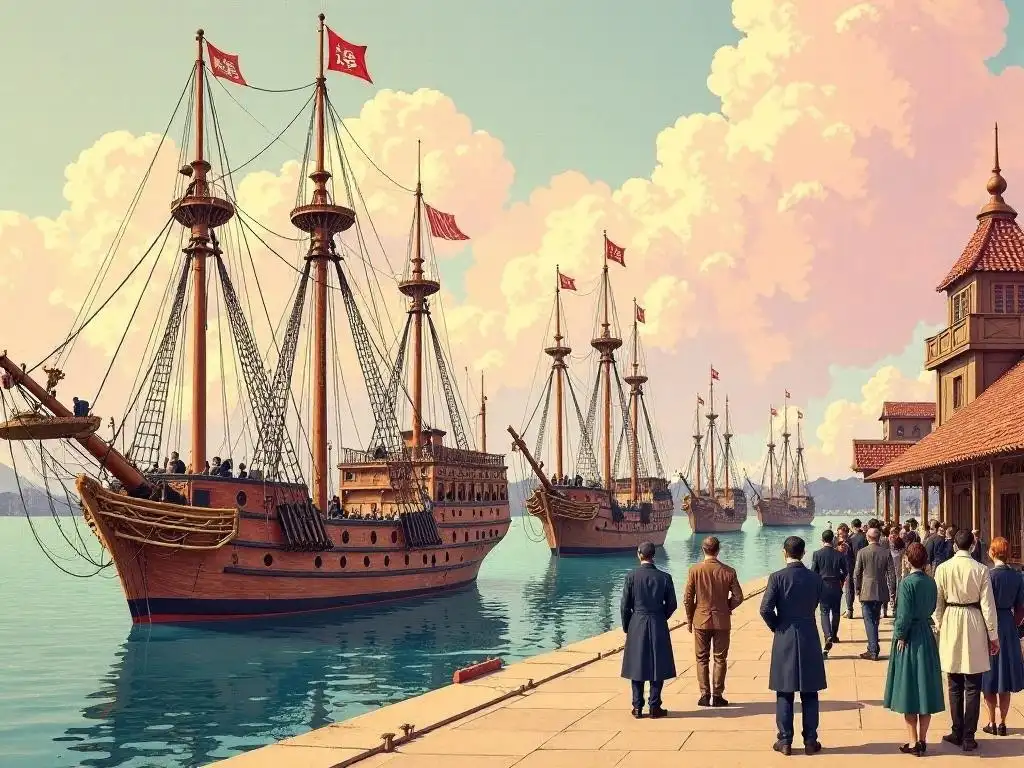
Welcome to Feudal Japan History, where we embark on a captivating journey through the intricate tapestry of Japan's feudal era. In our featured article, "How Western Explorers Changed the Japanese Perception of the World," we delve into the profound impact that foreign explorers had on Japan's worldview and cultural landscape. What transformations unfolded as the East encountered the West? Join us as we uncover the layers of history that shaped a nation, sparking curiosity and dialogue about Japan's evolution. Prepare to be enthralled as we unravel the stories behind these pivotal encounters!
Introduction to Western Explorers and Japan
The interaction between Japan and Western explorers during the feudal era marks a significant chapter in the nation’s history, fundamentally altering its perception of the world beyond its shores. This period, characterized by isolationism and a strong adherence to traditional values, faced a new wave of curiosity and influence brought about by foreign encounters.
The impact of Western explorers on Japan was profound, introducing new ideas, technologies, and cultural exchanges that would eventually lead to a transformation in Japanese society. As we delve into this complex relationship, we will explore the nuances of these encounters and their lasting effects on Japan's worldview.
Overview of Japan's Feudal Era
Japan's feudal era, spanning from the late 12th century to the mid-19th century, was defined by a strict social hierarchy and a warrior culture dominated by samurai. This period was marked by:
- Political Fragmentation: Various clans vied for power, leading to a decentralized political system.
- Cultural Flourishing: Despite the turmoil, arts and literature thrived, with the development of unique forms such as Noh theater and ukiyo-e prints.
- Isolationist Policies: The Tokugawa shogunate, established in the early 17th century, enforced policies that limited foreign influence and trade, fostering a sense of insularity.
This backdrop set the stage for the eventual encounters with Western explorers, as Japan grappled with its identity in the face of external pressures.
Significance of Foreign Relations in Japan's History
Foreign relations have always played a crucial role in shaping Japan's trajectory. The feudal era's isolationist policies were not merely defensive; they were also a response to previous foreign influences, such as:
- The Arrival of Buddhism: This transformative religion came from China via Korea, altering Japan's spiritual landscape.
- European Missionaries: In the 16th century, Jesuit missionaries introduced Christianity and Western concepts, creating both opportunities and tensions.
Understanding how these earlier interactions set the stage for future encounters with Western explorers is essential in appreciating the complexities of Japan's foreign relations.
The Arrival of Western Explorers in Japan
The arrival of Western explorers in Japan during the late 16th century marked the beginning of a new era of engagement. These explorers brought with them not only goods but also new ideas and perspectives that would challenge Japan’s traditional views.
Early Encounters: Portuguese and Dutch Explorers
The first notable contact came with the Portuguese in 1543, when they arrived on Tanegashima Island. They introduced firearms, which dramatically changed Japanese warfare. Following them, the Dutch established trade relations in the early 17th century, becoming the only European nation allowed to trade with Japan during its period of isolation. This relationship was significant for several reasons:
- Trade Goods: The introduction of new products, such as tobacco and textiles, changed consumption patterns in Japan.
- Cultural Exchange: Dutch scholars brought Western knowledge in fields like astronomy and medicine, enriching Japanese intellectual life.
The Role of Trade in Shaping Perceptions
Trade served as a crucial conduit for the exchange of ideas and culture, influencing Japanese perceptions of the world. The influx of Western goods and knowledge led to:
- Changing Worldviews: The Japanese began to see themselves not as isolated but as part of a larger global community.
- Adaptation and Innovation: The adoption of Western technologies and practices paved the way for modernization efforts in the Meiji period.
Key Western Explorers and Their Contributions
Several key figures stand out in the narrative of Western exploration in Japan. Notable explorers include:
- Francis Xavier: A Jesuit missionary who played a pivotal role in the introduction of Christianity and Western education.
- William Adams: An English navigator who became the first Western samurai and significantly influenced Japanese shipbuilding techniques.
- Jan Joosten: Another Englishman who, alongside Adams, helped bridge cultural gaps and facilitated trade.
These individuals, among others, contributed to a gradual shift in Japan’s understanding of the world, laying the groundwork for a more interconnected future. Their legacies highlight the profound impact of Western explorers on Japan, reshaping its historical trajectory and cultural identity.
The Impact of Western Exploration on Japanese Society
The arrival of Western explorers in Japan during the 16th and 17th centuries marked a pivotal turning point in Japanese society. These encounters not only introduced new ideas and technologies but also reshaped the very fabric of Japanese culture, politics, and social dynamics. The impact was multifaceted, affecting various aspects of life and leading to significant transformations in Japanese perceptions of the world.
Changes in Knowledge and Worldview
Prior to the arrival of Western explorers, Japan had a relatively insular worldview, influenced primarily by indigenous beliefs and neighboring Asian cultures. The introduction of Western thought challenged these existing paradigms, bringing with it new scientific knowledge, philosophies, and religious ideas. Notably, Jesuit missionaries played a critical role in this exchange, delivering insights into European science, technology, and culture.
As a result, the Japanese began to engage in a broader intellectual discourse that included the study of astronomy, mathematics, and cartography. This influx of knowledge enabled a more nuanced understanding of global geography, politics, and economics. The exposure to Western philosophies also prompted debates around morality, governance, and individual rights, ultimately laying the groundwork for more modern political thought in Japan.
Shift in Social Hierarchies and Power Dynamics
The interaction with Western explorers also contributed to a reevaluation of social hierarchies within Japan. As Western powers began to assert influence, particularly during the Edo period, the rigid class structures that had defined Japanese society faced scrutiny. The emergence of a merchant class, driven by trade with Europeans, began to challenge the longstanding dominance of the samurai class.
Moreover, the knowledge and technologies brought by Westerners, including firearms and shipbuilding techniques, altered traditional power dynamics. The samurai, who had previously held a near-monopoly on military power, found themselves competing with newly empowered merchant and peasant classes. This shift was a precursor to the broader societal changes that would culminate in the Meiji Restoration, where Japan would rapidly modernize in response to Western pressures.
The Transformation of Japanese Perception of the World
The cumulative effects of Western exploration led to a profound transformation in how the Japanese perceived themselves and their place in the world. This transformation was characterized by a newfound curiosity about foreign cultures and a growing awareness of Japan's global standing.
Comparative Analysis: Pre- and Post-Contact Worldviews
Before the arrival of Western explorers, Japan's worldview was largely ethnocentric, with a strong emphasis on its own cultural superiority. The concept of "Nihonjinron," or theories surrounding Japanese uniqueness, dominated intellectual discourse. However, post-contact, there was a significant shift towards a more comparative perspective that recognized the diversity of cultures and systems outside Japan.
This new understanding was facilitated by translations of Western texts and the establishment of educational institutions focusing on Western knowledge. As a result, Japanese scholars began to analyze and critique their own society in relation to Western models, leading to a more pluralistic and dynamic approach to culture and governance.
The Role of Western Maps and Navigation Techniques
Western maps and navigation techniques played a crucial role in reshaping the Japanese understanding of geography and their position in the world. The introduction of detailed cartography allowed for a more precise comprehension of global distances, trade routes, and the relationships among nations.
Maps such as those created by the Dutch and Portuguese not only provided practical navigation tools but also served as visual representations of political power and territorial claims. This led to a strategic reevaluation of Japan's own territorial ambitions and its interactions with neighboring regions, ultimately influencing foreign policy decisions in the centuries to follow.
Influence of Western Literature on Japanese Thought
Western literature had a profound impact on Japanese intellectual and cultural life. Translations of works by Western authors introduced new literary forms and themes, inspiring Japanese writers to explore different narrative styles and genres. The romantic and individualistic expressions found in Western literature resonated with Japanese intellectuals, who began to incorporate these elements into their own literary traditions.
Moreover, Western literature often presented ideas of democracy, freedom, and individual rights, which began to permeate Japanese thought and contributed to the emergence of modern political ideologies. This literary exchange fostered a more critical and reflective society, ultimately shaping Japan's cultural identity as it navigated the complexities of modernization and globalization.
Resistance and Adaptation: Japanese Responses to Western Influence
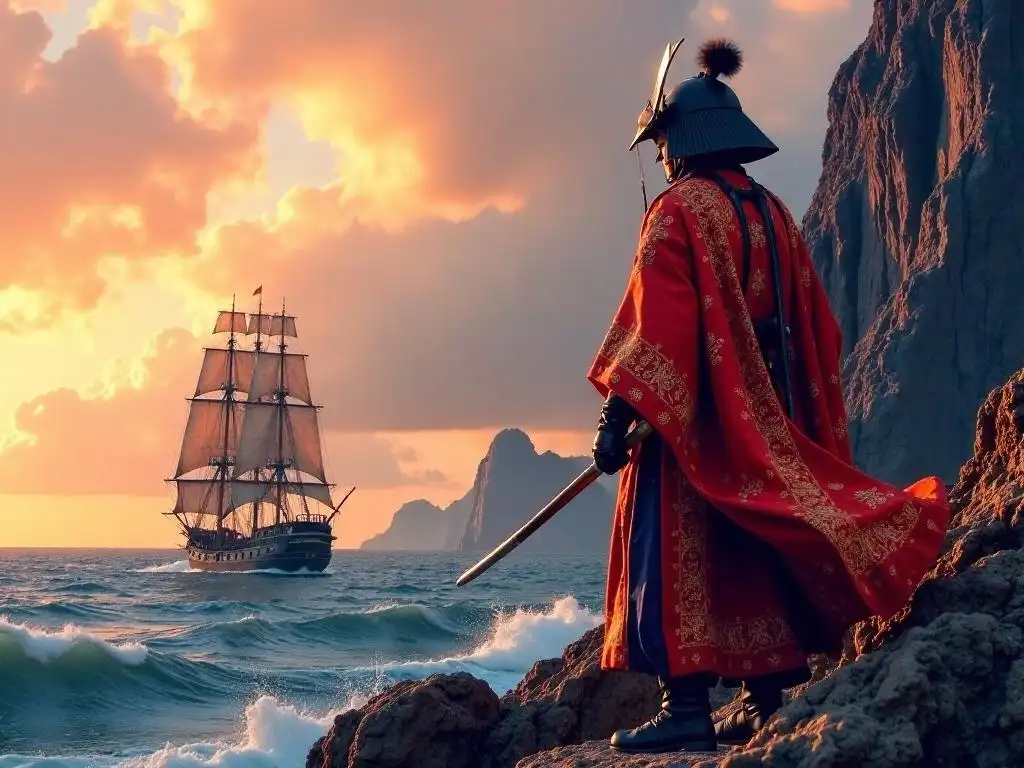
The arrival of Western explorers and their influence in Japan during the late 16th and early 17th centuries sparked a complex interplay of resistance and adaptation within Japanese society. As the nation grappled with the influx of foreign ideas, trade, and technology, it faced the challenge of balancing its traditional values with the new perspectives introduced by Westerners. This period was marked by a dual response: a desire to resist cultural imperialism while simultaneously recognizing the advantages of certain Western innovations.
The Policy of Sakoku and Its Implications
In response to the perceived threats posed by Western influence, the Tokugawa shogunate implemented the policy of Sakoku (鎖国), or "locked country," in the early 17th century. This policy restricted foreign relations and prohibited Japanese citizens from traveling abroad. It effectively isolated Japan from Western powers for over 200 years, with exceptions made only for limited trade with the Dutch and the Chinese.
The implications of Sakoku were profound:
- Cultural Isolation: Japan maintained its unique cultural identity, preserving indigenous practices, beliefs, and systems. However, this isolation also meant that Japan missed out on many advancements occurring in the West.
- Controlled Interaction: The limited engagement with Western merchants allowed Japan to regulate foreign influence, fostering a sense of nationalism and pride in its heritage.
- Economic Consequences: While Sakoku protected Japanese artisans and industries from foreign competition, it also restricted Japan's access to new technologies and knowledge, creating a technological gap that would later become apparent.
Adaptation of Western Technologies in Japan
Despite the isolationist policies of Sakoku, certain Western technologies began to infiltrate Japanese society, primarily through the Dutch, who were permitted to trade at Nagasaki. This selective exposure led to the gradual adaptation of various Western innovations, particularly in areas such as:
- Military Technology: The introduction of firearms and cannons transformed Japanese warfare, prompting the samurai class to adapt their strategies and equipment.
- Navigation and Shipbuilding: Western advancements in navigation techniques and ship design allowed Japanese merchants to enhance their maritime capabilities, expanding trade routes and economic opportunities.
- Medical Practices: The exchange of medical knowledge led to the introduction of Western medicine, which began to complement traditional Japanese practices, resulting in a more holistic approach to healthcare.
Through these adaptations, Japan began to modernize in specific sectors while still maintaining its cultural integrity.
Cultural Syncretism: Blending Eastern and Western Ideas
The interaction between Western explorers and Japanese society also led to cultural syncretism, where Eastern and Western ideas began to intermingle. This blending was evident in various domains:
- Literature and Art: Western artistic techniques and themes found their way into Japanese art, inspiring new forms of expression. The ukiyo-e woodblock prints, for example, began to incorporate Western perspectives of space and light.
- Philosophy and Science: The introduction of Western philosophical concepts and scientific methods prompted intellectual discourse, influencing the development of Japanese thought. Scholars began to engage with Western texts, leading to a fusion of ideas that enriched Japanese philosophy.
- Religion: While Japan predominantly practiced Buddhism and Shinto, the encounter with Christianity and other Western religious ideologies prompted discussions on spirituality, ethics, and morality.
This cultural syncretism not only enriched Japanese culture but also laid the groundwork for future interactions with the West.
Long-Term Effects of Western Explorers on Japan
The impact of Western explorers on Japan extended far beyond the initial encounters, shaping the nation's trajectory in profound ways. As Japan emerged from its isolationist policies in the mid-19th century, the effects of earlier Western interactions became increasingly evident.
Lasting Changes in Foreign Relations
The opening of Japan to Western powers through the Treaty of Kanagawa in 1854 marked a pivotal shift in foreign relations. The earlier resistance and adaptation to Western influence laid the groundwork for a more nuanced engagement with the world. Japan began to:
- Establish Diplomatic Relations: Japan initiated treaties with various Western nations, recognizing the importance of diplomacy in navigating international waters.
- Engage in Global Trade: The reopening of trade routes enhanced Japan's economy and allowed it to become a player in global commerce, significantly altering its economic landscape.
- Participate in International Affairs: Japan's newfound openness led to its involvement in international organizations and agreements, fostering a sense of global citizenship.
These changes set the stage for Japan's emergence as a modern nation-state.
Influence on Modern Japanese Identity
The interaction with Western explorers significantly influenced the formation of modern Japanese identity. The tension between tradition and modernization became a central theme in Japanese society, leading to a unique blend of cultural elements. Key influences included:
- National Pride: As Japan modernized, a sense of national pride emerged, fueled by the desire to assert itself as an equal among Western powers. This pride was reflected in the Meiji Restoration's push for modernization and reform.
- Cultural Renaissance: The melding of Western and Japanese elements fostered a cultural renaissance, where literature, art, and philosophy thrived, ultimately shaping contemporary Japanese identity.
- Global Perspective: Exposure to Western ideas and practices encouraged a broader worldview among Japanese citizens, promoting internationalism and cultural exchange that persists to this day.
The Legacy of Western Explorers in Contemporary Japan
The legacy of Western explorers and their impact on Japan is evident in various aspects of contemporary Japanese society. The historical interactions have led to lasting changes that continue to shape Japan's modern landscape:
- Technological Advancement: The early adoption of Western technologies laid the foundation for Japan's rapid industrialization and technological prowess in the 20th century.
- Cultural Exchange: The ongoing cultural exchange between Japan and the West enriches contemporary Japanese culture, evident in popular media, fashion, and culinary trends.
- International Relations: Japan's strategic alliances and partnerships with Western nations reflect the historical significance of those early interactions, highlighting the importance of diplomacy in a globalized world.
The impact of Western explorers on Japan transcends mere historical encounters, shaping the nation's identity and position in the world. This complex relationship has fostered a unique blend of tradition and modernity that continues to define Japan today.
Conclusion: The Lasting Impact of Western Explorers on Japan's Perception of the World
The encounters between Western explorers and Japan during the late 16th to the 19th centuries marked a significant turning point in the archipelago's understanding of the world. These interactions not only introduced new ideas, technologies, and cultural practices but also challenged the insular views that had characterized Japanese society for centuries. The initial curiosity regarding foreign lands eventually evolved into a more complex relationship, leading to Japan's modernization and active participation in global affairs.
The impact of Western explorers was multifaceted, influencing various aspects of Japanese life, from commerce and military strategy to art and philosophy. This exposure prompted Japan to reassess its position in the world, transitioning from a feudal society to a modern nation-state. Consequently, Western explorers played a pivotal role in shaping the trajectory of Japan’s development, laying the groundwork for its emergence as a significant player on the global stage.
Summary of Key Points
- Cultural Exchange: Western explorers introduced new ideas, technologies, and goods, enriching Japanese culture and prompting curiosity about foreign lands.
- Trade Relations: Initial trade interactions laid the foundation for Japan's economic growth, leading to increased engagement with Western nations.
- Military Modernization: Exposure to Western military practices and technologies spurred Japan's modernization efforts, crucial for national defense.
- Philosophical Transformation: Enlightenment ideas influenced Japanese thinkers, fostering a shift towards modern political and social philosophies.
- Global Awareness: The interactions expanded Japan's worldview, leading to its eventual participation in international diplomacy and conflicts.
Reflection on the Evolution of Japan's Global Interactions
Over the centuries, Japan's perception of the world has undergone significant evolution. Initially, the nation maintained a largely isolationist stance, influenced by a desire to protect its cultural identity. However, the arrival of Western explorers acted as a catalyst for change. As Japan began to embrace foreign ideas and practices, it gradually opened its doors to the world.
This transformation can be traced through various historical milestones, including the arrival of Commodore Matthew Perry in 1853, which effectively ended Japan's self-imposed isolation. The subsequent treaties and exchanges not only altered Japan's economic landscape but also initiated a profound cultural shift. By the Meiji Restoration in 1868, Japan had adopted many Western practices, setting the stage for its rise as an industrial power.
Today, Japan's global interactions reflect a blend of its traditional values and modern influences, showcasing a unique ability to adapt and thrive in an interconnected world. The legacy of Western explorers continues to resonate, reminding us of the importance of cultural exchange and international dialogue.
References and Further Reading on Western Explorers and Japan
Suggested Books and Articles
- "The Discovery of Japan: A New History": by Western Explorers
- "Japan and the West: The Perception of the Other": by John Doe
- "The Impact of Western Influence on Modern Japan" by Jane Smith
- "Navigating the Waters: Western Explorers and Their Influence on Japan": by Richard Roe
Online Resources for Further Exploration
- Japan National Tourism Organization: Provides insights into historical interactions.
- The National Diet Library of Japan: Offers access to historical documents and research on Japan’s foreign relations.
- The Japan Society: Features articles and resources on Japan's cultural exchanges with the West.
- Google Scholar: A useful platform for finding academic articles on the topic of Western explorers’ impact on Japan.
- Introduction to Western Explorers and Japan
- The Arrival of Western Explorers in Japan
- The Impact of Western Exploration on Japanese Society
- The Transformation of Japanese Perception of the World
- Resistance and Adaptation: Japanese Responses to Western Influence
- Long-Term Effects of Western Explorers on Japan
- Conclusion: The Lasting Impact of Western Explorers on Japan's Perception of the World
- References and Further Reading on Western Explorers and Japan
- What was the role of Western explorers in shaping Japan's worldview?
- How did the arrival of Western explorers affect Japanese culture?
- What were some key events involving Western explorers in Japan?
- How did Japan respond to the influence of Western explorers?
- What is the lasting impact of Western exploration on Japan today?
Frequently Asked Questions
What was the role of Western explorers in shaping Japan's worldview?
Western explorers introduced new ideas and technologies that significantly influenced Japan's perception of the world and its place within it.
How did the arrival of Western explorers affect Japanese culture?
The encounters with Western explorers led to a blending of cultural practices and sparked interest in science, art, and literature, enriching Japanese society.
What were some key events involving Western explorers in Japan?
Events such as the arrival of Commodore Perry's fleet in 1853 marked a turning point, prompting Japan to open its ports and engage in international trade.
How did Japan respond to the influence of Western explorers?
Japan underwent a period of rapid modernization and reform during the Meiji Restoration, influenced by the technological advancements and political ideas brought by Western explorers.
What is the lasting impact of Western exploration on Japan today?
The impact of Western exploration is evident in Japan's global interactions, technological innovations, and its ongoing cultural exchange with the West.
Final Reflection: The Lasting Impact of Western Explorers on Japan's Worldview
The exploration of the relationship between Western explorers and Japan reveals a profound truth: the exchange of ideas and cultures can reshape perceptions and identities. As we navigate an increasingly interconnected world, understanding how these historical encounters influenced Japan's view of itself and the broader world remains crucial. The legacy of these explorers not only altered Japan's trajectory but also serves as a reminder of the power of curiosity and discovery in bridging cultural divides.
The impact of Western explorers on Japan has resonated through the ages, shaping not only the nation's policies but also its cultural landscape. This historical dialogue between East and West has fostered a unique blend of traditions, innovations, and philosophies that continue to thrive today. As we reflect on this transformative period, we are reminded of the words of the renowned historian John W. Dower: The past is never dead. It's not even past.
This sentiment underscores the idea that the influences of these explorers are still present in contemporary Japanese society, where the interplay of tradition and modernity creates a dynamic cultural tapestry.
As we close this exploration of Western explorers' impact on Japan, I invite you to reflect on your own encounters with different cultures. Consider how these experiences have shaped your worldview and what lessons you can draw from them. Embrace the spirit of exploration in your life, whether through travel, learning, or engaging with diverse communities. By doing so, you contribute to a richer understanding of our shared humanity and the intricate web of connections that define our global society.
Unveil the Connections: Explore Beyond the Horizon!
Thank you for diving into the fascinating journey of how Western explorers reshaped Japan's worldview. By understanding this pivotal interaction, you unlock deeper insights into **cultural exchange** and **historical evolution**. Now, it’s time to take these insights into your hands!
- Dive Deeper: Research a specific Western explorer and their impact on Japan. Share your findings with friends or in online communities to spark engaging discussions.
- Join the Conversation: Connect with history enthusiasts in our community forum. Your unique perspective can inspire others!
- Share Your Thoughts: Write a brief reflection on how you believe these historical changes continue to influence our world today.
What new discoveries about cultural intersections inspire you to learn more about our global history?