
Naval Battles of the Sengoku Period: Strategies and Outcomes

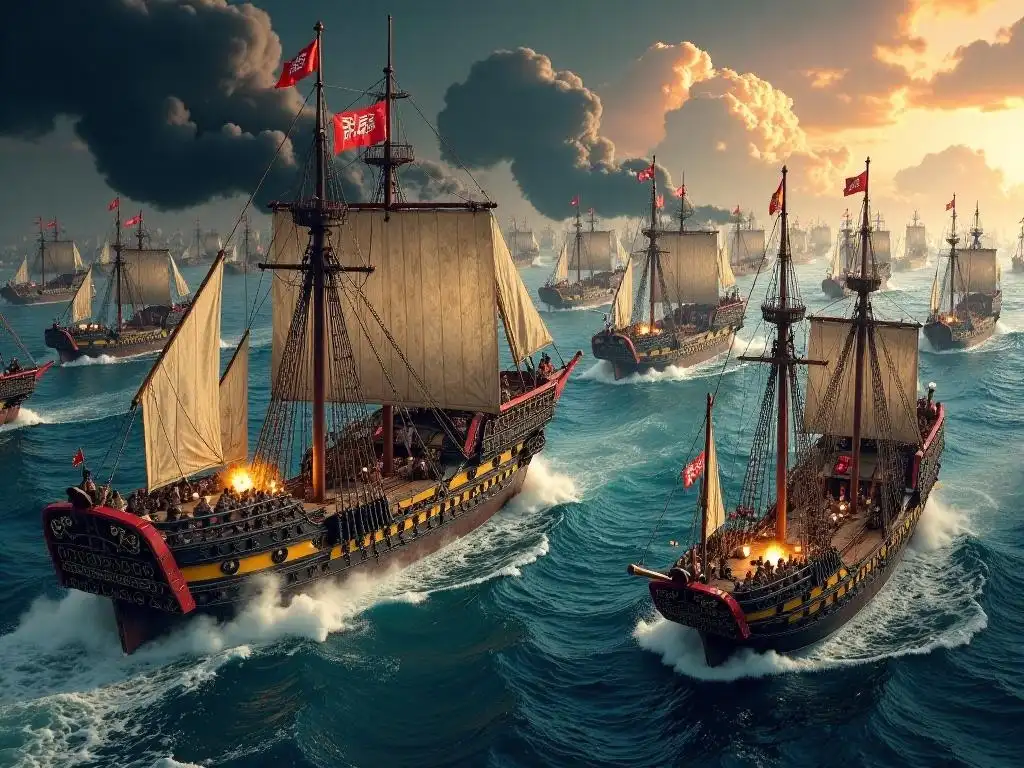
Welcome to Feudal Japan History, where we embark on a captivating journey through the tumultuous epochs of Japan's feudal era. Dive deep into the Sengoku Period, an age defined by fierce rivalries and remarkable military strategies. In our featured article, "Naval Battles of the Sengoku Period: Strategies and Outcomes," we unravel the intricate tactics that shaped naval warfare during this revolutionary time. Curious about how these strategies influenced the course of history? Join us as we explore the waves of change and the battles that defined an era—your adventure into the depths of Japan’s rich military heritage awaits!
- Introduction to Sengoku Period Naval Warfare Strategies
- Key Characteristics of Sengoku Period Naval Warfare
- Major Naval Battles of the Sengoku Period
- Influential Figures in Sengoku Naval Warfare
- Evolution of Naval Warfare Strategies During the Sengoku Period
- The Impact of Naval Warfare on the Sengoku Period
- Conclusion: Legacy of Sengoku Period Naval Warfare Strategies
- Frequently Asked Questions
- Final Reflection: The Enduring Legacy of Sengoku Period Naval Warfare Strategies
- Unleash the Warrior Spirit Within You!
The Sengoku Period, often regarded as one of the most tumultuous and transformative eras in Japanese history, spanned from the mid-15th century to the early 17th century. During this time, Japan was characterized by social upheaval, political intrigue, and constant military conflict among various feudal lords, known as daimyōs. While much of the focus is often placed on land battles and samurai warfare, the significance of naval engagements and the strategies employed during these maritime confrontations cannot be overstated.
This article delves into the intricacies of Sengoku Period naval warfare strategies, exploring how these tactics not only shaped the outcomes of specific battles but also influenced the broader course of Japanese history. By examining the key naval battles, the innovative strategies utilized, and the impact of these confrontations on the feudal landscape, we can gain a deeper understanding of the complexities of military history during this pivotal time.
Overview of the Sengoku Period
The Sengoku Period, also known as the "Warring States" period, was a time marked by fragmented power and relentless conflict. Following the decline of the Ashikaga shogunate, the political landscape was dominated by rival daimyōs vying for control over territories. This era saw the rise of remarkable military leaders such as Oda Nobunaga, Toyotomi Hideyoshi, and Tokugawa Ieyasu, who each played crucial roles in unifying Japan.
During this period, the importance of naval power became increasingly evident. Coastal regions and rivers served as vital routes for trade, transportation, and troop movement. Therefore, control of these waterways was essential for any daimyō seeking to expand their influence. The strategic use of naval forces allowed leaders to conduct surprise attacks, transport supplies, and maintain communication with allied factions. Notably, the Sengoku Period saw the emergence of innovative ship designs and naval tactics that would leave a lasting impact on Japan's military history.
Naval battles during the Sengoku Period were not merely skirmishes but pivotal events that could alter the balance of power among the feudal lords. The ability to dominate the seas translated into significant advantages on land, enabling the movement of troops and resources that could decisively turn the tide of war.
Some key aspects of the importance of naval battles include:
- Strategic Mobility: Control of maritime routes allowed daimyōs to rapidly deploy forces to various fronts, creating opportunities for surprise attacks.
- Economic Impact: Successful naval engagements secured vital trade routes, ensuring the flow of resources necessary for sustaining armies and fortifying positions.
- Political Alliances: Naval power facilitated the establishment and maintenance of alliances with other regions, as control of the sea often dictated the terms of cooperation among feudal lords.
The naval battles of the Sengoku Period were integral to the broader military strategies of the time. Understanding these engagements provides valuable insights into the complex tapestry of feudal Japan's history, highlighting the pivotal role that naval warfare played in shaping the nation's future.
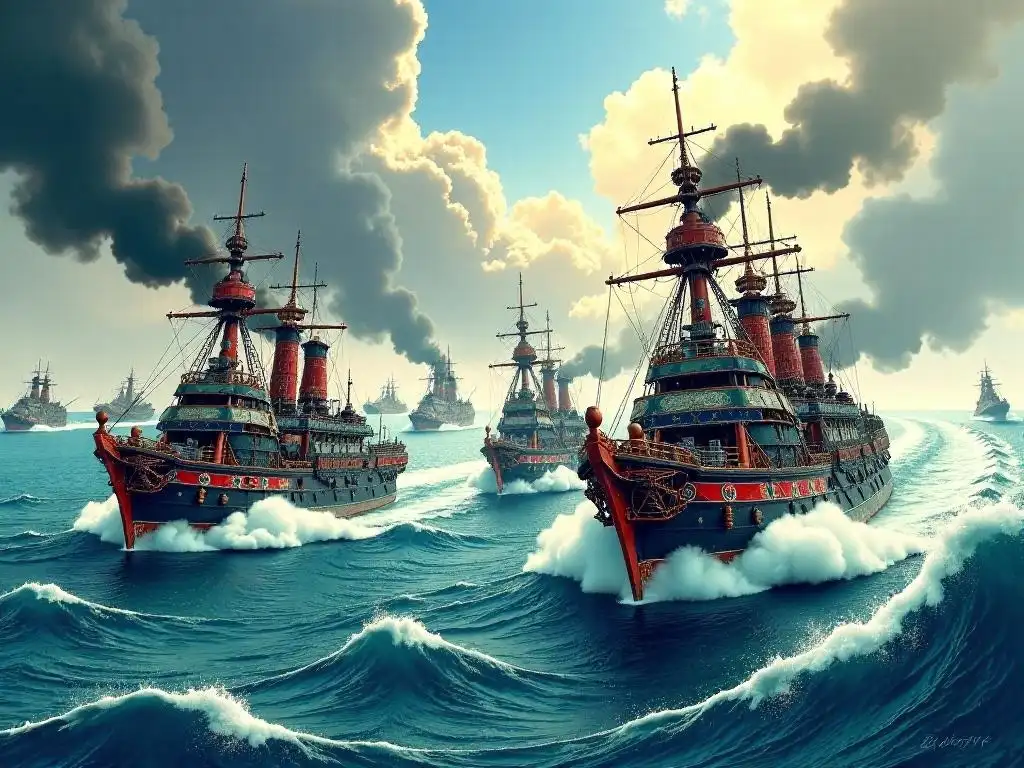
The Sengoku Period, a time of social upheaval and near-constant military conflict in Japan from the mid-15th to the early 17th century, was marked by a series of significant naval battles that shaped the course of Japanese history. The Sengoku Period naval warfare strategies were characterized by several key features that distinguished them from previous eras.
- Decentralized Naval Power: Unlike the unified naval forces of later periods, Sengoku naval warfare was largely decentralized. Regional warlords, or daimyōs, maintained their fleets, leading to a variety of strategies and ship types across different domains.
- Integration of Land and Sea Forces: Naval operations during this time were often closely linked to land campaigns. Armies would frequently utilize naval forces to transport troops and supplies, conduct raids, or support land battles.
- Emerging Technologies: The period saw advancements in shipbuilding techniques and naval technology, including the introduction of European-style ships and artillery, which influenced Japanese naval strategies.
- Cultural Significance: Naval battles were not only military engagements but also held cultural importance, often being seen as a demonstration of a daimyō's power and influence.
During the Sengoku Period, various types of ships were utilized, each designed for specific purposes and reflecting the innovations of the time.
- Atakebune:
- These large, flat-bottomed ships were heavily armed and used primarily for combat.
- Equipped with multiple cannons and a significant crew, atakebune could carry troops and engage in direct confrontations with enemy vessels.
- Sōkōbune:
- Smaller than atakebune, these vessels were more agile and used for reconnaissance and quick strikes.
- Their design allowed for faster maneuverability, making them ideal for hit-and-run tactics.
- Tachibune:
- A type of transport ship, tachibune were critical for logistics, ferrying supplies and troops between regions.
- While not primarily combat vessels, they often played a support role in naval engagements.
- Kankōbune:
- These were light vessels used for patrol and escort duties.
- They provided the flexibility needed for rapid response to enemy movements along the coasts.
| Ship Type | Description | Primary Use |
|---|---|---|
| Atakebune | Large, heavily armed ship | Direct combat |
| Sōkōbune | Agile, smaller ship | Reconnaissance |
| Tachibune | Transport vessel | Logistics |
| Kankōbune | Light patrol vessel | Escort and patrol |
The strategies employed during the Sengoku Period were diverse and heavily influenced by the types of ships available, the geography of the battles, and the objectives of the warlords involved.
- Flanking Maneuvers: Commanders often used the agility of smaller vessels to flank larger ships, attempting to outmaneuver and encircle their enemies.
- Boarding Actions: Close-quarters combat was a common tactic, where crews would attempt to board enemy ships to engage in hand-to-hand combat. This was particularly effective for atakebune and sōkōbune.
- Combined Arms Approach: Naval forces were frequently used in conjunction with land troops. For example, naval bombardments would precede land assaults, softening enemy defenses before troops landed.
- Raiding and Harassment: Smaller ships would conduct raids on enemy supply lines or coastal settlements, disrupting logistics and sowing chaos among opposing forces.
The integration of naval tactics with land strategies marked a turning point in Sengoku warfare, emphasizing the importance of a multifaceted military approach.
Geography played a crucial role in shaping the Sengoku Period naval warfare strategies. The archipelagic nature of Japan meant that many battles were fought in coastal areas, rivers, and inland seas, which significantly influenced naval engagements.
- Coastal Engagements: Many battles occurred near important coastal cities, where control of ports was vital for trade and military logistics. Dominating these areas allowed daimyōs to exert influence over surrounding territories.
- Strategic Waterways: Rivers and straits were critical chokepoints. Control of these waterways could determine the success of military campaigns, as they provided essential routes for troop movements and supply lines.
- Island Warfare: The presence of numerous islands created opportunities for ambushes and surprise attacks. Naval forces could utilize the terrain to their advantage, launching assaults from unexpected locations.
- Weather and Tides: Commanders had to consider weather patterns and tidal changes when planning naval operations. These factors could affect ship maneuverability and dictate the timing of attacks.
The Sengoku Period naval warfare strategies were shaped by a unique combination of ship types, tactical innovations, and geographical considerations, resulting in a complex and dynamic theater of military engagement. Understanding these elements provides deeper insight into the naval history of feudal Japan and the evolution of its military strategies.
The Sengoku Period, marked by constant military conflict and political intrigue, saw a number of significant naval battles that shaped the course of Japanese history. This era was defined by the rise of powerful daimyōs, who sought to expand their territories through military conquests, including naval engagements. The following sections will delve into two pivotal naval battles: the Battle of Kakegawa and the Battle of Fukuda, exploring their strategies, outcomes, and lasting impacts.
Battle of Kakegawa (1560)
Overview of the Battle
The Battle of Kakegawa, fought in 1560, was a critical naval confrontation between the forces of the Matsudaira clan, led by Tokugawa Ieyasu, and the forces of the Imagawa clan. This battle was part of the larger power struggle in the Tōkai region. The clash was prompted by the Imagawa clan's ambitions to control the region and expand their influence, leading to an aggressive campaign against Tokugawa's holdings.
Strategies Employed
- Matsudaira Clan:
- Defensive Positioning: Tokugawa Ieyasu utilized a strategy focused on defensive positioning, leveraging the natural geography of the region to fortify his naval vessels.
- Use of Smaller Ships: The Matsudaira forces relied on smaller, more maneuverable ships that could navigate the coastal waters effectively, allowing them to engage in hit-and-run tactics against the larger Imagawa fleet.
- Imagawa Clan:
- Numerical Superiority: The Imagawa clan boasted a larger fleet, which they attempted to use to their advantage by launching a frontal assault on the Matsudaira ships.
- Concentration of Firepower: The Imagawa's strategy included concentrating their firepower to overwhelm the smaller Matsudaira vessels, aiming for a quick and decisive victory.
Outcomes and Consequences
The Battle of Kakegawa ended in a significant victory for Tokugawa Ieyasu, despite being outnumbered. The success of the Matsudaira clan not only solidified Tokugawa's control over the region but also marked a turning point in the Sengoku Period. This battle demonstrated the effectiveness of strategic innovation and adaptability in naval warfare, influencing future engagements. Following this battle, Tokugawa Ieyasu would go on to become one of the most powerful daimyōs, paving the way for the eventual unification of Japan.
Battle of Fukuda (1578)
Overview of the Battle
The Battle of Fukuda in 1578 was another significant naval confrontation during the Sengoku Period. This battle saw the forces of the Mōri clan clash with those of the Ōuchi clan. The Mōri clan aimed to assert control over the Seto Inland Sea, a crucial maritime route for trade and military movement.
Strategies Employed
- Mōri Clan:
- Guerrilla Tactics: The Mōri forces employed guerrilla tactics, using their knowledge of local waters to launch surprise attacks against the larger Ōuchi fleet.
- Alliances with Local Pirates: The Mōri clan leveraged alliances with local pirate factions, integrating their swift ships and expertise into their naval operations.
- Ōuchi Clan:
- Formation of a Strong Fleet: The Ōuchi clan sought to consolidate power by forming a large fleet and utilized traditional battle formations to maximize their firepower.
- Defensive Measures: They implemented defensive strategies, aiming to protect their supply lines while attempting to engage the Mōri forces head-on.
Outcomes and Consequences
The Battle of Fukuda ended in a decisive victory for the Mōri clan, which significantly altered the balance of power in the region. This defeat forced the Ōuchi clan to retreat and reassess their naval strategies. The victory allowed the Mōri to expand their influence over the Seto Inland Sea, enhancing their military capabilities and securing vital trade routes. The battle exemplified the importance of naval warfare strategies during the Sengoku Period, highlighting how adaptability and local knowledge could lead to triumph against larger forces.
The naval battles of the Sengoku Period, particularly Kakegawa and Fukuda, showcase the evolving tactics and strategies employed by warring clans, underscoring the significance of naval engagements in Japan's historical narrative.
Battle of Yawata (1580)
Overview of the Battle
The Battle of Yawata, fought in 1580, marked a significant engagement during the Sengoku period, highlighting the strategic importance of naval power in Japan's feudal conflicts. This battle was primarily between the forces of Toyotomi Hideyoshi, a unifier of Japan, and the Miyoshi clan, who were defending their territory against Hideyoshi's expansionist ambitions. The battle took place in the waters near Yawata, a region that had become a focal point for naval confrontations due to its strategic location.
The conflict was characterized by the use of large, oared vessels known as sampans, which were commonly used in naval warfare during this era. The engagement was not merely a clash of ships but also involved complex maneuvers and the integration of land forces, showcasing the multifaceted nature of military strategy at the time. The outcome of this battle would influence the balance of power in the region and set the stage for Hideyoshi's eventual consolidation of control over Japan.
Strategies Employed
The strategies employed during the Battle of Yawata were reflective of the tactical innovations that characterized naval warfare in the Sengoku period.
- Flanking Maneuvers:
- Hideyoshi's fleet aimed to outmaneuver the Miyoshi forces by employing flanking tactics, attempting to encircle and cut off retreat routes for the enemy ships.
- Use of Fire Ships:
- A notable strategy was the deployment of fire ships, vessels laden with combustible materials, which were used to disrupt the enemy's formations and create chaos within their ranks.
- Combined Arms Approach:
- The battle also saw a coordinated approach between naval and land forces. Hideyoshi's troops utilized the coastal terrain to gain advantage, with archers and infantry positioned strategically to support naval operations.
- Psychological Warfare:
- Hideyoshi's forces employed psychological tactics, such as loud war cries and displays of strength, to instill fear and demoralize the enemy, a common practice in the era.
These strategies combined to create a formidable approach to naval warfare, demonstrating the evolving tactics of the Sengoku period.
Outcomes and Consequences
The Battle of Yawata concluded with a decisive victory for Hideyoshi's forces, which had far-reaching consequences for the political landscape of Japan.
- Strengthened Naval Power:
- The victory solidified Hideyoshi's naval dominance and allowed him to control critical trade routes and supply lines, essential for his military campaigns.
- Diminished Miyoshi Influence:
- The defeat significantly weakened the Miyoshi clan, diminishing their power and leading to their eventual decline in influence within the region.
- Consolidation of Power:
- This battle was a stepping stone for Hideyoshi, as it facilitated his broader campaign to unify Japan. The success at Yawata reinforced his legitimacy and authority, paving the way for his eventual rise as the de facto ruler of Japan.
- Naval Warfare Evolution:
- The tactics and strategies utilized in this battle influenced subsequent naval engagements, becoming a reference point for future leaders in the Sengoku period and beyond.
Overall, the Battle of Yawata stands as a testament to the critical role of naval warfare strategies in shaping the outcomes of the Sengoku period conflicts, illustrating how maritime engagements could alter the course of history in feudal Japan.
During the Sengoku Period (1467-1615), several naval commanders emerged as pivotal figures in shaping naval warfare strategies. Their leadership, tactics, and innovations greatly influenced the outcomes of naval battles.
- Kuroda Nagamasa: Kuroda was a formidable commander known for his strategic foresight. He played a crucial role in the naval battles around Kyushu. His ability to coordinate land and sea operations was unprecedented, allowing his forces to dominate coastal regions.
- Miyamoto Musashi: While primarily known for his legendary swordsmanship, Musashi's insights into warfare extended to naval engagements. His tactical principles emphasized adaptability and swift maneuvers, which he applied in various skirmishes at sea.
- Tachibana Muneshige: A master of naval strategy, Tachibana commanded a fleet that effectively utilized the coastal geography of Kyushu. His tactics included using small, agile ships to outmaneuver larger enemy vessels, demonstrating the effectiveness of speed over size.
These commanders not only displayed exceptional leadership in battle but also contributed to the evolution of naval warfare during the Sengoku Period.
Contributions to Naval Strategies
The contributions of these notable commanders were instrumental in developing unique naval warfare strategies:
- Combined Arms Operations: Commanders like Kuroda Nagamasa pioneered the integration of land and naval forces. This approach allowed for coordinated attacks that maximized the strengths of both arms.
- Hit-and-Run Tactics: Inspired by the principles of guerrilla warfare, many commanders employed hit-and-run tactics. Small vessels would engage larger ships, deliver a quick blow, and retreat to safety, minimizing their losses while inflicting damage.
- Use of Geography: Understanding the local geography was crucial. Commanders like Tachibana Muneshige effectively leveraged coastal terrains and currents to gain navigational advantages, allowing for surprise attacks and retreats.
These strategies not only defined naval engagements of the time but also laid the groundwork for future military tactics in Japan.
The influence of naval commanders extended beyond the battlefield, impacting the political landscape of the Sengoku Period in significant ways.
- Territorial Control: Successful naval operations allowed clans to secure vital coastal territories and trade routes. This control was essential for resources and troop movement, giving certain clans a military and economic edge over their rivals.
- Alliances and Rivalries: Naval prowess often dictated the formation of alliances. Clans with strong naval capabilities could attract partnerships, while those lacking in naval strength faced isolation or hostility. This dynamic shifted power balances throughout the period.
- Cultural Symbolism: Naval commanders became cultural icons. Their successes were celebrated in literature and folklore, reinforcing their clans' power and legitimacy. For instance, tales of Kuroda Nagamasa's victories instilled a sense of pride and unity among his followers.
Overall, the leadership of these naval commanders not only shaped military strategies but also played a crucial role in the broader sociopolitical context of the Sengoku Period. Their legacies continue to be studied for their impact on Japan's military history and strategy development.
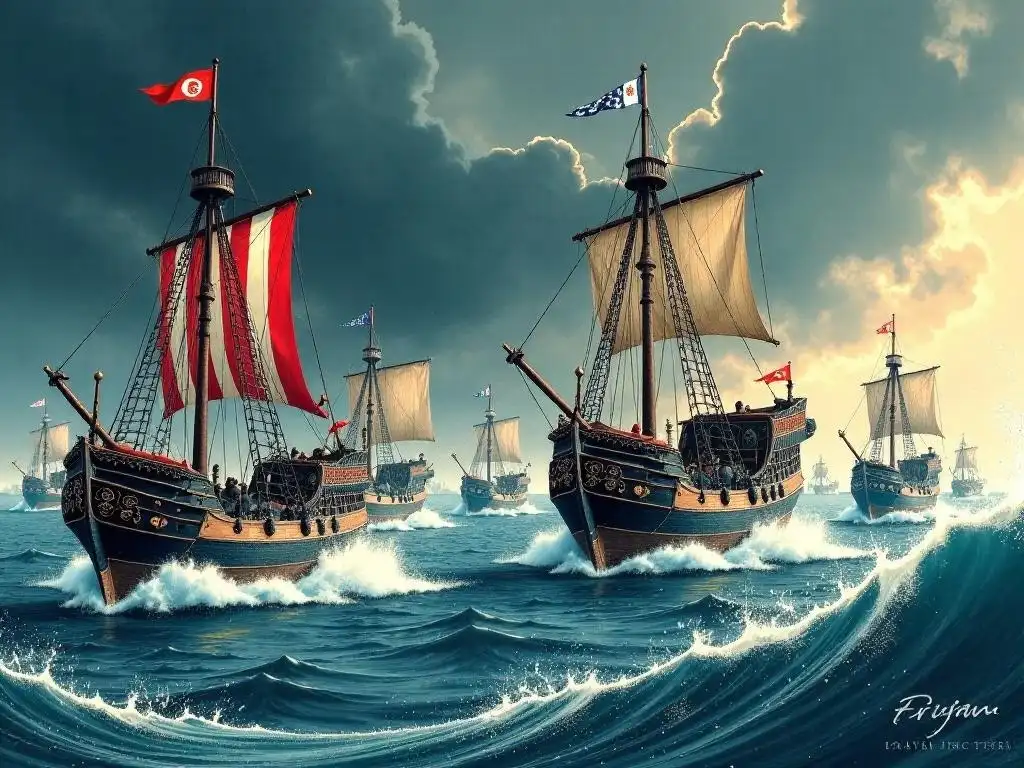
Changes in Tactics Over Time
The Sengoku Period, spanning from the mid-15th to the early 17th century, marked a transformative era in Japanese naval warfare. Initially, naval engagements were characterized by rudimentary tactics focused on boarding enemy ships and direct confrontations. However, as the period progressed, several key changes in tactics emerged:
- Increased Mobility: Early Sengoku naval battles often relied on stationary formations. As the necessity for speed became apparent, commanders began employing more agile vessels, allowing for hit-and-run tactics that could outmaneuver larger ships.
- Use of Flanking Maneuvers: Tacticians started to recognize the importance of positioning. Flanking maneuvers became a staple, allowing for surprise attacks against unsuspecting enemy vessels. This strategic shift emphasized the element of surprise and the importance of reconnaissance.
- Concentration of Forces: The Sengoku Period also saw the rise of concentrated naval forces, where warlords would assemble fleets to dominate specific regions. This tactic not only intimidated opponents but also facilitated control over vital trade routes.
- Integration with Land Forces: Naval engagements began to be coordinated with land battles, creating a more holistic approach to warfare. For instance, naval forces would support land troops by bombarding enemy fortifications or providing supply lines during sieges.
Introduction of New Technologies
The evolution of naval warfare during the Sengoku Period was significantly influenced by technological advancements. Several innovations emerged that transformed how battles were fought at sea:
- Ship Design: The introduction of larger and more seaworthy vessels, such as the Atakebune, allowed for greater firepower and capacity. These ships were equipped with multiple decks and heavy artillery, enabling them to engage effectively in naval confrontations.
- Gunpowder Weaponry: The arrival of gunpowder in Japan revolutionized naval warfare. Cannons and firearms were incorporated into ship designs, allowing for long-range engagements. This shift changed the dynamics of battles, as ships could now inflict damage from a distance, reducing the reliance on hand-to-hand combat.
- Navigation Tools: Improved navigation techniques facilitated longer voyages and better positioning during battles. The use of compasses and more accurate maps enabled commanders to make strategic decisions based on maritime conditions.
- Ramming Techniques: As ships became more robust, ramming tactics were developed. Vessels designed with reinforced prows could effectively ram enemy ships, causing significant damage and disrupting formations.
The Sengoku Period was not only marked by internal developments but also by the influence of foreign naval practices. As Japan engaged in trade and diplomatic relations with other countries, several elements were adopted and adapted:
- Chinese Naval Tactics: Japanese commanders studied Chinese naval strategies, particularly the use of formations and coordinated attacks. The Chinese emphasis on fleet organization and discipline had a notable impact on the way Sengoku naval battles were conducted.
- Western Influence: The introduction of Western naval technologies and tactics, particularly from the Portuguese and Dutch, began to shape Japanese naval warfare. The incorporation of firearms and gunnery techniques from these foreign powers enhanced the effectiveness of Japanese fleets.
- Trade and Piracy: As trade routes expanded, the need to protect merchant vessels became paramount. Techniques for escorting trade ships and countering piracy were influenced by foreign practices, emphasizing the importance of naval power in securing economic interests.
The evolution of naval warfare strategies during the Sengoku Period was a multifaceted process driven by changing tactics, technological innovations, and external influences. These developments not only shaped the outcomes of naval battles but also laid the foundation for modern Japanese naval practices.
The naval battles of the Sengoku Period significantly influenced the economic landscape of Japan. This era, characterized by constant military conflict among feudal lords, saw the rise of naval power as a pivotal aspect of warfare. Control over maritime routes enabled clans to enhance their trade capabilities and secure vital resources.
- Control of Trade Routes:
- Clans that mastered the art of naval warfare could dominate crucial sea lanes, such as those between the islands of Honshu, Shikoku, and Kyushu. For example, the Miyoshi clan utilized their naval strength to control trade routes in the Seto Inland Sea, facilitating the exchange of goods and resources that bolstered their economic power.
- Resource Acquisition:
- Successful naval engagements allowed clans to capture enemy supplies, including food, weapons, and materials. The Takeda clan, known for their aggressive tactics, often targeted enemy supply ships, disrupting their opponents' economic stability and replenishing their own resources.
- Impact on Local Economies:
- The aftermath of naval battles often devastated coastal towns. The destruction of ports and fishing villages led to significant economic loss for local populations. For instance, the Battle of Kizugawaguchi in 1560 not only resulted in military defeat for the losing clan but also left their coastal communities in ruins, affecting livelihoods for generations.
The frequent naval conflicts during the Sengoku Period had profound social implications for the local populations. The maritime warfare tactics employed by warring factions reshaped communities and altered the social fabric of coastal regions.
- Displacement of Communities:
- As naval battles raged, many coastal communities faced displacement. Families were forced to abandon their homes due to the threat of attacks or the destruction of their livelihoods. The Oda clan's naval campaigns, particularly against the Mori clan, resulted in significant refugee movements along the coast.
- Militarization of Society:
- Local populations were often conscripted into military service during naval conflicts. This militarization led to a shift in societal roles, with many men taking up arms and women assuming responsibilities that were traditionally male-dominated. The need for shipbuilding and maintenance also created new opportunities and roles within communities.
- Cultural Exchange:
- The necessity for naval warfare fostered cultural exchanges between clans. Ships became conduits for not only military engagement but also the transmission of ideas, technologies, and cultures. The Sengoku Period saw the introduction of foreign naval techniques, particularly from European traders, influencing Japanese shipbuilding and navigation methods.
Long-term Effects on Japanese Military Strategy
The naval warfare strategies developed during the Sengoku Period laid the groundwork for Japan's military strategies in subsequent centuries. The lessons learned from these battles influenced both naval and land tactics, creating a legacy that would resonate through Japan's military history.
- Integration of Naval and Land Forces:
- The realization that naval power could complement land forces led to the integration of strategies. Clans began to coordinate their land and sea operations, ensuring that victories at sea could lead to successful land invasions. This strategic integration was exemplified by the Toyotomi Hideyoshi's campaigns, where naval superiority was critical for securing logistical support for land troops.
- Development of Naval Technology:
- The demand for more effective naval warfare prompted advancements in ship design and armament. The construction of larger, more maneuverable vessels became a priority, with clans investing in the development of atakebune, large warships capable of carrying troops and engaging in combat.
- Legacy of Naval Tactics:
- The tactics employed during the Sengoku Period informed Japan's naval strategies in later conflicts, including the Boshin War and the Russo-Japanese War. Understanding the importance of maritime dominance became ingrained in military doctrine, with naval power recognized as essential for national defense and expansion.
The naval battles of the Sengoku Period were not only pivotal in shaping military outcomes but also had lasting economic and social repercussions. The evolution of strategies and technologies during this time laid a foundation that would influence Japan's military approach for centuries to come.
The Sengoku Period, often characterized by its tumultuous conflicts and shifting allegiances, significantly shaped the evolution of naval warfare strategies in Japan. This era saw the emergence of innovative tactics that not only influenced the course of battles but also laid the groundwork for future naval engagements in Japanese history. The strategies developed during this period were a reflection of the unique geographical landscape of Japan, which necessitated a focus on naval power for transportation, trade, and military expeditions.
The naval strategies of the Sengoku Period continued to echo through Japan's maritime history, influencing naval engagements well into the Edo Period and beyond. Notable elements that emerged during this time include:
- Combined Arms Approach: The Sengoku commanders recognized the importance of integrating naval forces with land armies. This approach allowed for coordinated assaults where naval battles could support land operations, thereby enhancing overall military effectiveness.
- Tactical Flexibility: The ability to adapt tactics based on the enemy’s strengths and weaknesses became a hallmark of Sengoku naval warfare. Leaders like Toyotomi Hideyoshi demonstrated an understanding of the need for flexibility, employing different strategies depending on the circumstances of the battle.
- Use of Firepower: Advances in weaponry, particularly the introduction of cannons, revolutionized naval combat during the Sengoku Period. The emphasis on firepower paved the way for future naval engagements, where artillery would play a crucial role in determining the outcomes of battles.
- Ship Design Innovations: The period witnessed significant developments in shipbuilding techniques. The design of vessels like the Atakebune, which were larger and more heavily armed, became critical for dominating naval confrontations. These innovations continued to influence ship design in later periods, particularly during the Edo Period.
The legacy of these strategies can be seen in Japan's naval endeavors during the Meiji Restoration, where modern naval tactics began to emerge, showcasing the enduring impact of Sengoku naval warfare on Japan's military evolution.
Naval battles during the Sengoku Period were not only pivotal in shaping military outcomes but also played a crucial role in the socio-political landscape of Japan. These engagements contributed to the rise and fall of powerful clans and ultimately set the stage for the unification of Japan under the Tokugawa shogunate.
- Control of Trade Routes: Dominance over maritime routes allowed clans to control trade, which was essential for economic stability and growth. Successful naval battles secured these routes, enabling clans to amass wealth and resources, further solidifying their power.
- Cultural Exchange: The naval engagements of this period facilitated interactions with foreign powers, leading to cultural exchanges that influenced Japanese society. The introduction of new technologies and ideas through maritime trade helped Japan evolve culturally during and after the Sengoku Period.
- National Identity Formation: The significance of naval battles contributed to a growing sense of national identity. As different clans vied for supremacy, their naval successes and failures became part of the collective memory, shaping Japan's historical narrative and reinforcing the importance of naval power in its military doctrine.
The naval battles of the Sengoku Period were fundamental to the development of military strategies and the socio-political fabric of Japan. The strategies devised during this era not only influenced subsequent naval tactics but also played a crucial role in defining the historical trajectory of Japan, making the study of Sengoku Period naval warfare strategies essential for understanding the broader context of Japanese military history.
Frequently Asked Questions
What was the Sengoku Period?
The Sengoku Period (1467-1603) was a time of political unrest in Japan, marked by warlord conflicts and the quest for territorial control among feudal lords.
Naval warfare during the Sengoku Period was crucial for trade, transportation, and military strategy, allowing clans to project power over coastal territories and islands.
Key strategies included the use of fast ships for hit-and-run tactics, blockades to cut off supplies, and alliances with coastal clans to strengthen naval capabilities.
Prominent figures include Admiral Kato Kiyomasa and Toyotomi Hideyoshi, who were known for their innovative tactics and contributions to naval engagements.
Significant battles often led to shifted power dynamics, with victories enabling clans to gain territorial control and enhance their military strength, ultimately affecting the course of Japanese history.
The naval battles of the Sengoku Period are not just historical events; they are a testament to the ingenuity and resilience of a time marked by chaos and ambition. As we delve into the strategies and outcomes of these maritime conflicts, we uncover lessons that resonate with contemporary military tactics and the broader themes of conflict resolution and strategic planning in our modern world. The complexities of naval warfare during this era remind us that the seas have always been a battleground for power, influence, and survival.
Culture and society have been profoundly shaped by the naval strategies employed during the Sengoku Period. The intricate interplay of alliances, betrayals, and tactical innovations during these battles has left an indelible mark on Japan's historical narrative and its cultural identity. The lessons learned from these conflicts continue to influence military doctrines and strategic thinking today. As the historian John W. Hall once said, History is a vast early warning system.
This sentiment rings true as we reflect on how the past informs our present and future, particularly in understanding the dynamics of power and conflict.
As we conclude our exploration of Sengoku Period naval warfare strategies, I invite you to reflect on the lessons of adaptability, strategy, and resilience that these historical events teach us. Consider how these principles can be applied to your own life, whether in personal challenges or professional endeavors. Embrace the spirit of innovation and strategic thinking that characterized this tumultuous period, and let it inspire you to navigate the complexities of your own journey with courage and foresight.
Unleash the Warrior Spirit Within You!
Thank you for diving into the fascinating world of naval battles during Japan's Sengoku period! You've uncovered essential strategies and outcomes that shaped history, and now it’s time to transform that knowledge into action. Let’s explore how you can deepen your understanding and share your passion for this pivotal era.
- Dive Deeper: Explore other key naval battles or significant figures from the Sengoku period. Consider visiting local libraries or museums to find rare resources that can enhance your knowledge.
- Join the Conversation: Share your thoughts and insights about these battles in our community forum. Connect with fellow enthusiasts and exchange ideas on the strategies that defined naval warfare!
- Create Your Own Strategy: Challenge yourself to design a hypothetical naval battle plan using the knowledge you've gained. Think critically about the resources at your disposal and the tactics you would employ.
What aspect of Sengoku naval warfare fascinates you the most? How do you envision applying these strategies in today's world?