
Feudal Loyalties: How Personal Bonds Aided in the Unification of Japan


Welcome to Feudal Japan History, where we delve deep into the intricate tapestry of Japan's feudal era. Here, you'll uncover the remarkable unification bonds that shaped a nation through personal loyalties and alliances. Our featured article, "Feudal Loyalties: How Personal Bonds Aided in the Unification of Japan," offers a fascinating glimpse into the political dynamics that defined this transformative period.
Prepare to be captivated as we guide you through the rich historical narratives and cultural nuances that not only tell the story of a nation but also reveal the profound connections between its people. Join us on this enlightening journey and discover the threads that wove Japan together in an era of both conflict and unity!
- Introduction to Feudal Loyalties in Japan
- The Concept of Feudal Loyalties
- Historical Background of Japan’s Feudal Era
- The Dynamics of Personal Bonds
- Case Studies: Notable Figures and Their Feudal Loyalties
- The Interplay Between Loyalty and Power
- The Cultural Significance of Feudal Loyalties
- Conclusion: The Legacy of Feudal Loyalties in Japan’s Unification
- Further Reading and Resources
-
Frequently Asked Questions
- What were the personal bonds in Feudal Japan?
- How did the Japan feudal era unification bonds contribute to unification?
- Who were the key figures in the unification of Japan during the feudal era?
- What role did cultural aspects play in the feudal era's unification?
- How does the concept of loyalty in Feudal Japan compare to modern relationships?
- Final Reflection: The Enduring Power of Bonds in Japan's Feudal Unification
- Forge Your Own Bonds of Loyalty and Explore Feudal Japan!
Introduction to Feudal Loyalties in Japan
The feudal era of Japan, spanning from the late 12th century to the mid-19th century, is a captivating period marked by complex social hierarchies, fierce military conflicts, and profound cultural developments. During this time, the nation was characterized by a decentralized political system where loyalty and personal bonds played a pivotal role in governance and military strategy.
The concept of "bonds"—both personal and familial—was crucial in shaping alliances and securing power among the samurai class and their feudal lords, or daimyo. This article explores how these loyalties facilitated the unification of Japan, providing a comprehensive understanding of the interplay between personal relationships and political consolidation during this transformative era.
Overview of the Japan Feudal Era
The Japan feudal era, also known as the samurai period, began with the rise of the Kamakura shogunate in 1185 and continued until the Meiji Restoration in 1868. This extensive timeframe witnessed the evolution of a unique social structure based on loyalty and service, primarily dominated by the samurai class. Key features of this era include:
- Decentralization of Power: Political authority was fragmented among various regional lords, leading to a patchwork of territories governed by different daimyo.
- Military Conflicts: The quest for power often resulted in civil wars, such as the Genpei War and the Sengoku period, where rival factions vied for dominance.
- Cultural Flourishing: The feudal era also saw significant cultural developments, including the rise of Zen Buddhism, tea ceremonies, and the arts, which were often sponsored by the samurai class.
The interdependence of loyalty and power during this period laid the groundwork for eventual unification under a central authority, demonstrating how personal bonds were not merely social constructs but essential elements in the political landscape of feudal Japan.
Importance of Personal Bonds in Historical Context
Personal bonds formed the backbone of feudal relationships in Japan, influencing both political alliances and military strategies. These relationships can be understood through several key dynamics:
- Loyalty to Daimyo: Samurai pledged their allegiance to their daimyo, often through a ritual of seppuku or a formal oath. This loyalty was reciprocated with land, protection, and honor.
- Familial Ties: Marriages were often arranged to strengthen alliances between families, further solidifying bonds that transcended individual samurai and their lords.
- Client-Patron Relationships: The intricate web of relationships among samurai created a network of mutual obligations, wherein lower-ranking samurai would serve higher-ranking lords in exchange for protection and status.
These personal bonds not only facilitated the cooperation needed for military campaigns but also contributed to the eventual unification of Japan under leaders like Oda Nobunaga and Tokugawa Ieyasu. Understanding the significance of these relationships offers crucial insights into the political history of the Japan feudal era, revealing how loyalty and personal connections were instrumental in achieving a unified nation.
The Concept of Feudal Loyalties
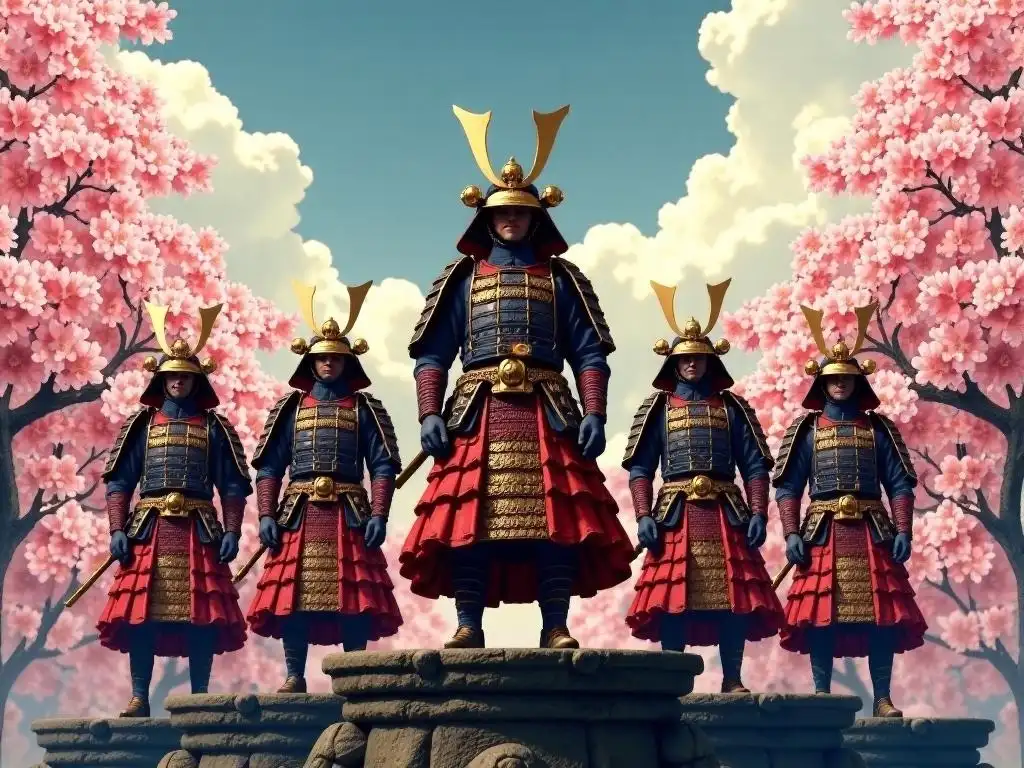
Feudal loyalties in Japan represent the intricate web of personal bonds that were crucial in shaping the political landscape during the Japan feudal era. These loyalties were not merely transactional; they were deeply rooted in a blend of social, cultural, and moral expectations. At the core of this system was the relationship between the samurai and their lords (daimyō), which was characterized by mutual obligations that transcended mere military service.
Definition and Characteristics of Feudal Loyalties
Feudal loyalties can be defined as the personal allegiances formed between a lord and their vassals, primarily the samurai. This bond was grounded in several key characteristics:
- Mutual Obligation: The samurai pledged their loyalty and military service to their lord in exchange for protection, land, and sustenance. This expectation was often formalized through ceremonies that reinforced the gravity of their commitments.
- Honor and Reputation: In the Japan feudal era, honor (meiyo) was of paramount importance. A samurai's loyalty was a reflection of their integrity and social standing. Betraying a lord could lead to severe repercussions, including loss of status and even death.
- Cultural Framework: The concept of loyalty was embedded in the cultural fabric of feudal Japan, influenced by Confucian and Buddhist ideals. These philosophical underpinnings emphasized loyalty as a virtue, thereby reinforcing the social hierarchy.
- Personal Bonds: Relationships often extended beyond formal agreements, fostering strong personal connections. Many samurai had familial ties with their lords, further solidifying these bonds.
- Fief System: Land was a central element in feudal loyalties. Lords granted their vassals land (or fiefs) as a means of securing loyalty. This economic incentive was a driving force behind the feudal structure, allowing for the growth of localized power.
The Role of Loyalty in the Japan Feudal Era Unification
Loyalty played a pivotal role in the unification of Japan during the late 16th century, particularly under the leadership of figures such as Oda Nobunaga, Toyotomi Hideyoshi, and Tokugawa Ieyasu. Each of these leaders leveraged the existing feudal loyalties to enhance their power and consolidate control over increasingly fragmented territories.
- Strategic Alliances: Leaders formed strategic alliances through marriages and personal bonds, utilizing the loyalty of samurai to gather support against rival factions. These alliances were crucial for uniting disparate clans under a single banner.
- Military Cohesion: Loyalty ensured military cohesion during campaigns. A samurai’s commitment to their lord translated into effective military strategies, which were essential for overcoming opposition. The famous battle tactics employed during the Sengoku period exemplify how loyalty bolstered the strength of unified forces.
- Political Stability: The loyalty of samurai helped maintain political stability in newly acquired territories. By keeping local lords loyal through incentives and personal ties, leaders like Hideyoshi could govern effectively without the constant threat of rebellion.
- Cultural Integration: As Japan moved towards unification, the shared values of loyalty among samurai across various regions created a sense of collective identity. This cultural integration facilitated smoother governance and reduced internal strife.
- Legacy of Loyalty: The impact of feudal loyalties extended beyond the era of unification. The legacies of these bonds influenced the socio-political structure of Japan for centuries, laying the groundwork for future governance models.
The bonds of loyalty that characterized the Japan feudal era were not just personal or familial; they were foundational to the political unification of the country. The intricate interplay of these loyalties allowed for the emergence of powerful leaders and the eventual consolidation of Japan into a unified state.
Historical Background of Japan’s Feudal Era
The feudal era in Japan, spanning from the late 12th century to the 19th century, was marked by a complex social and political structure dominated by powerful clans and samurai warriors. This period was characterized by the rise of the shogunate, which centralized military power while the emperor retained a symbolic role. The fragmentation of power among various regional lords (daimyō) led to a series of conflicts known as the Sengoku period, or the "Warring States" period, which ultimately set the stage for the eventual unification of Japan.
During the Heian period (794-1185), the imperial court was at its zenith, but as the influence of aristocratic families grew, the central authority weakened. The emergence of the samurai class saw a shift towards a more militarized society, culminating in the rise of the Kamakura shogunate in 1192. This transition marked the beginning of feudalism in Japan, where loyalty and personal bonds became essential for governance and military alliances.
As regional conflicts intensified, key figures emerged, leveraging personal loyalties to forge alliances. The interplay between war, politics, and personal relationships created a unique environment where feudal bonds were crucial for survival and power consolidation. This intricate web of loyalties amongst daimyōs and samurai would eventually lead to the unification efforts of leaders such as Oda Nobunaga, Toyotomi Hideyoshi, and Tokugawa Ieyasu.
Key Events Leading to the Unification of Japan
Several pivotal events catalyzed the unification of Japan during its feudal era.
- The Onin War (1467-1477): A significant conflict that initiated the Sengoku period, the Onin War saw the Ashikaga shogunate's power decline and led to widespread chaos as local daimyō fought for control. The war exemplified how personal bonds could quickly shift alliances and influence the course of power.
- Rise of Oda Nobunaga (1534-1582): Nobunaga's military innovations and strategic alliances, bolstered by personal loyalty from his samurai, allowed him to defeat rival clans and consolidate power. His famous quote, "If you want to be a samurai, you must serve me," illustrates the emphasis on loyalty in his campaigns.
- Toyotomi Hideyoshi’s Campaigns (1537-1598): After Nobunaga’s assassination, Hideyoshi continued the unification efforts by forging bonds with former enemies and solidifying control over the daimyōs through marriages and land grants. His policy of "sword hunts" disarmed the peasantry and ensured the samurai's dominance, further strengthening his position.
- Battle of Sekigahara (1600): This decisive battle marked the culmination of feudal loyalties as Tokugawa Ieyasu emerged victorious. The alliances formed during this conflict were critical in determining the future of Japan. Ieyasu’s ability to gather support from various clans underscored the importance of personal bonds in achieving political aims.
- Establishment of the Tokugawa Shogunate (1603): With Ieyasu at the helm, the Tokugawa shogunate established a long-lasting peace known as the Edo period. The strict social hierarchy and enforced loyalty to the shogunate created a stable political environment, allowing for the cultural and economic growth that characterized this era.
Major Feudal Clans and Their Influence on Political Bonds
The political landscape of Japan during the feudal era was profoundly shaped by influential clans, each contributing to the intricate web of alliances and loyalties that facilitated unification.
- The Minamoto Clan: As one of the earliest warrior clans, the Minamoto played a significant role in establishing the Kamakura shogunate. Their emphasis on loyalty and military prowess set a precedent for future samurai conduct.
- The Taira Clan: Rivals of the Minamoto, the Taira were instrumental in the Genpei War (1180-1185). Their downfall exemplified how feudal bonds could lead to both power and vulnerability in a militarized society.
- The Oda Clan: Under Oda Nobunaga, this clan was pivotal in the early stages of unification. Nobunaga’s innovative military tactics and ability to forge personal bonds allowed him to subdue powerful rivals and expand his territory.
- The Toyotomi Clan: Emerging as a significant power after Nobunaga, Toyotomi Hideyoshi’s use of personal relationships and strategic marriages allowed for the consolidation of power and the continuation of unification efforts.
- The Tokugawa Clan: The Tokugawa shogunate's establishment marked the end of the Warring States period. The clan’s ability to maintain alliances through marriage and political maneuvering enabled a relatively peaceful and unified Japan for over 250 years.
The political bonds formed during these tumultuous times were not merely a product of necessity; they were deeply ingrained in the culture of loyalty, honor, and mutual obligation that defined the samurai ethos. This framework of relationships ultimately played a crucial role in the unification of Japan, shaping its political history for centuries to come.
The Dynamics of Personal Bonds

The feudal era of Japan was characterized by a complex web of personal relationships that shaped political landscapes and societal structures. These bonds were not merely social; they played a critical role in the unification of Japan during a time of fragmentation and conflict. Understanding the dynamics of these personal bonds provides insight into how they influenced allegiances and power during this period.
Types of Personal Bonds in Feudal Japan
The personal bonds that existed in feudal Japan can be categorized into several key types, each contributing uniquely to the political fabric of the era.
Lord-Vassal Relationships
At the core of Japan's feudal system was the lord-vassal relationship (or daimyo-samurai relationship). This bond was characterized by mutual obligations:
- Protection: The lord (daimyo) provided military protection and land (known as shoen) to the vassal (samurai).
- Loyalty: In return, the vassal pledged loyalty and military service to the lord, often embodied in a formalized oath known as sengoku.
This relationship was deeply rooted in the concept of bushido, the samurai code of honor. Loyalty to one's lord was paramount, and betrayal was viewed as one of the gravest sins.
“The loyalty of a samurai to his lord was akin to a personal bond that transcended mere feudal obligation; it was a matter of honor and duty.”
This bond not only ensured military support but also fostered a sense of identity and belonging among the samurai, further solidifying their loyalty during turbulent times.
Kinship and Clan Affiliations
Another significant type of personal bond in the feudal era was through kinship and clan affiliations. Clans often operated as extended families, with relationships extending beyond blood ties to include political alliances:
- Marriage Alliances: Clans would frequently arrange marriages to strengthen ties and secure political power. Such alliances were crucial in forming larger coalitions against common enemies.
- Shared Ancestry: Many clans traced their lineage to common ancestors, which reinforced unity and loyalty among members, as familial bonds were valued highly in society.
These kinship ties played a vital role in the political landscape, as clan leaders often relied on these relationships to rally support and consolidate power.
The Impact of Personal Bonds on Political Alliances
The impact of personal bonds on political alliances during the feudal era of Japan cannot be overstated. These bonds facilitated the formation of alliances that were instrumental in the unification of Japan.
- Coalition Building: Strong personal ties allowed for the rapid mobilization of forces among allied clans. In times of war, these bonds provided the necessary support to combat larger threats, such as the Mongol invasions in the late 13th century.
- Negotiated Settlements: Personal relationships often led to negotiated settlements between rival clans. Leaders who had established friendly bonds were more likely to engage in diplomacy rather than warfare, preventing unnecessary bloodshed.
- Influence on Leadership: The loyalty derived from personal bonds also influenced the decisions of leaders. A daimyo could rely on his vassals not just for military might, but also for counsel and support in governance, enhancing stability within their domains.
The personal bonds forged during Japan's feudal era were essential in shaping the political alliances that ultimately contributed to the unification of Japan. These relationships underscored the significance of loyalty and kinship, which were pivotal in navigating the complexities of feudal politics. The legacy of these bonds continues to resonate in Japan's cultural and historical identity today.
Case Studies: Notable Figures and Their Feudal Loyalties

Case Study 1: Minamoto no Yoritomo and Their Role in Unification
Analysis of Their Personal Bonds
Minamoto no Yoritomo, a pivotal figure in the Japan feudal era, exemplified the critical role personal bonds played in the unification of Japan. As the founder of the Kamakura shogunate, Yoritomo forged alliances with various samurai clans, fostering loyalty through a combination of shared interests and strategic marriages. His relationships were notably characterized by mutual benefit; for instance, by granting land and military support to his vassals, Yoritomo ensured their loyalty while strengthening his own power base.
The bonds Yoritomo created were not merely political; they were deeply personal. He often rewarded loyalty with titles and land grants, thus embedding a sense of obligation among his followers. This loyalty was manifested during the Genpei War, where Yoritomo's alliances with other samurai clans were crucial in defeating the Taira clan. The personal connections he nurtured allowed him to mobilize a formidable force, demonstrating how feudal loyalties were integral to military success.
Contributions to the Unification of Japan
Yoritomo's contributions to the unification of Japan extended beyond military actions; he established a governance framework that integrated various clans under the Kamakura shogunate. By instituting a system of land distribution and legal reforms, he effectively centralized power while allowing local lords to maintain a degree of autonomy. This balance between central authority and local loyalty was vital in promoting stability during a time of fragmentation.
Moreover, Yoritomo's establishment of a shogunate marked the beginning of a new political order in Japan, where military leaders wielded more power than the emperor. His ability to unite disparate clans under a common cause laid the groundwork for future leaders to pursue consolidation efforts, ultimately culminating in the eventual unification of Japan under a centralized government.
Case Study 2: Toyotomi Hideyoshi and Their Influence
Examination of Their Feudal Loyalties
Toyotomi Hideyoshi's rise to power in the late 16th century highlights the significance of feudal loyalties in the unification of Japan. Initially a peasant, Hideyoshi's exceptional military prowess and strategic acumen earned him the loyalty of prominent samurai, including the likes of Tokugawa Ieyasu. His approach to fostering loyalty involved not only military conquests but also diplomatic marriages and alliances.
Hideyoshi's notable strategy was the implementation of the "sankin-kotai" (alternate attendance) system, which required daimyos (feudal lords) to spend every other year in the capital. This practice not only curtailed the power of the daimyos but also fostered personal bonds between them and Hideyoshi, as their families were often involved in these arrangements. The feudal loyalties bred through these political maneuvers were instrumental in solidifying his rule and expanding his influence across Japan.
Impact on the Political Landscape of Japan
The impact of Hideyoshi's feudal loyalties on Japan's political landscape was profound. His campaigns against rival clans effectively dismantled the power of the previous factions that had resisted unification, leading to a more centralized control under his administration. Furthermore, his policies aimed at land redistribution and the promotion of agricultural productivity bolstered the economic stability of the nation, which was essential in supporting his military campaigns.
Hideyoshi's legacy also included the unification of Japan under a single political entity, achieved through a combination of military conquest and strategic alliances. His efforts laid the groundwork for the Tokugawa shogunate, which would eventually follow, further solidifying the notion that personal bonds and feudal loyalties were not merely transient but foundational to Japan's feudal era unification efforts.
Both Minamoto no Yoritomo and Toyotomi Hideyoshi exemplified how personal bonds and feudal loyalties were critical mechanisms in the unification of Japan. Their ability to forge and maintain these connections proved essential in shaping the political landscape of their time.
The Interplay Between Loyalty and Power
How Personal Bonds Shaped Political Power Dynamics
In the context of the Japan feudal era, personal bonds were not merely social constructs but vital elements that shaped political power dynamics. The intricate relationships between lords (daimyō) and their vassals (samurai) were built on a foundation of loyalty, honor, and mutual obligation. This dynamic often dictated the political landscape, influencing decisions and alliances that were crucial for governance and military strategy.
- Feudal Hierarchies and Relationships:
- The daimyō held significant power over their territories, but their rule was often contingent upon the loyalty of their samurai. This hierarchical relationship created a network of obligations:
- Protection: The daimyō provided security and land in exchange for the samurai's military service.
- Economic Support: In turn, samurai were expected to manage their lands efficiently, ensuring the financial stability of their lord.
- The daimyō held significant power over their territories, but their rule was often contingent upon the loyalty of their samurai. This hierarchical relationship created a network of obligations:
- Personal Loyalty vs. Political Alliances:
- While political marriages and alliances were common, personal loyalty often took precedence. For instance, during the Sengoku period, many samurai chose to remain loyal to their original lords even when political tides shifted, demonstrating that personal bonds could outweigh strategic interests.
- The famous example of Minamoto no Yoritomo illustrates how personal loyalty facilitated the rise of the Kamakura shogunate. Yoritomo's ability to forge strong ties with loyal vassals led to a unified military front against rival clans.
- Crisis and Loyalty:
- In times of crisis, such as during the Genpei War, personal bonds became even more crucial. Samurai often rallied around their daimyō, driven by loyalty rather than mere obligation. This loyalty forged strong coalitions that could withstand external pressures and internal strife.
Loyalty as a Tool for Unification in Feudal Japan
Loyalty emerged as a powerful tool for unification during the tumultuous periods of feudal Japan. As various clans vied for dominance, the ability to cultivate and maintain loyalty among vassals became paramount for those seeking to unify the nation.
- The Role of Oaths:
- Oaths of loyalty (known as chūgi) were formalized promises that bound samurai to their lords. These oaths were not only personal commitments but also political instruments that helped establish stability within regions. By demanding loyalty, daimyō could effectively consolidate power and prevent uprisings.
- Cultural Significance of Loyalty:
- Loyalty was deeply embedded in the cultural fabric of feudal Japan, influenced by Bushido, the way of the warrior. This code emphasized virtues such as honor, bravery, and fidelity. As such, samurai were motivated to uphold their bonds, often placing their lives at risk to protect their lords and their interests.
- Strategic Alliances Through Loyalty:
- The unification efforts of figures such as Oda Nobunaga, Toyotomi Hideyoshi, and later Tokugawa Ieyasu relied heavily on strategic loyalty. By fostering personal bonds with influential samurai and securing their loyalty through rewards and recognition, these leaders created powerful alliances that were instrumental in their campaigns for unification.
- Notably, Nobunaga’s ability to integrate former enemies into his ranks by appealing to their sense of loyalty allowed him to expand his control over Japan effectively.
- Impact of Loyalty on Historical Outcomes:
- The interplay of loyalty and power ultimately shaped the trajectory of Japan's history. The establishment of the Tokugawa shogunate marked the culmination of these loyalty-driven unifications, leading to over 250 years of relative peace, known as the Edo period. This era allowed for the cultural and economic flourishing of Japan, laying the groundwork for the modern nation-state.
The intricate bonds of loyalty during the Japan feudal era were instrumental in shaping political power dynamics and facilitating unification. The personal relationships between lords and samurai not only influenced military strategies but also played a crucial role in the broader historical narrative of Japan's path to unity.
The Cultural Significance of Feudal Loyalties

The feudal era of Japan, spanning from the late 12th century to the 19th century, was characterized not just by military and political dynamics, but also by deep-rooted cultural practices that emphasized personal bonds and loyalties. These connections were pivotal to the unification of Japan, as they fostered a sense of identity and mutual obligation among samurai, lords, and their vassals. Understanding the cultural significance of these bonds offers insight into how they shaped the political landscape of the time.
Feudal Loyalties in Literature and Art
Feudal loyalties were prominently depicted in various forms of literature and art, serving as a reflection of the societal values of the time. Works such as the "Tale of the Heike" and "The Book of Five Rings" illustrate the importance of loyalty and honor.
Key Themes in Literature:
- Bushido: The code of the samurai emphasized loyalty, courage, and honor. This code influenced literary narratives, where characters often faced moral dilemmas that tested their loyalties.
- Heroic Epics: Many stories glorified the relationship between lords and vassals, portraying acts of loyalty as noble sacrifices for the greater good of the clan or nation.
- Tragic Narratives: Literature like "The Tale of the Heike" often highlighted the tragic consequences of betrayal, emphasizing the gravity of feudal loyalties.
In art, the depiction of samurai and their lords often included symbolic representations of their bonds. For example:
| Art Form | Examples | Cultural Significance |
|---|---|---|
| Paintings | Ukiyo-e prints of samurai scenes | Captured the essence of loyalty and the samurai way of life. |
| Theater | Noh and Kabuki plays | Dramatized loyalty through performances, reinforcing societal values. |
| Ceramics | Pottery depicting samurai and their lords | Served both functional and decorative purposes, often illustrating feudal themes. |
How Cultural Expressions Reflected Political Bonds
Cultural expressions during the Japan feudal era were not merely artistic; they served as a medium for reinforcing political bonds and loyalties among the ruling classes and their followers. These expressions communicated the values of loyalty and honor, essential for maintaining the stability of feudal relationships.
Key Reflections in Cultural Expressions:
- Public Ceremonies: Rituals and ceremonies often emphasized the bonds between lords and vassals, showcasing loyalty through public displays of allegiance.
- Martial Arts: The practice of martial arts, particularly kenjutsu (swordsmanship), was not only a means of self-defense but also a way to cultivate loyalty and discipline among samurai.
- Symbolism in Everyday Life: Items like family crests (mon) represented clan loyalty, serving as a constant reminder of one's obligations to their lord and family.
The intertwining of cultural expressions with the political structure of feudal Japan illustrates how personal bonds were crucial to the unification of the nation. By fostering a shared sense of identity and purpose, these feudal loyalties played an indispensable role in shaping Japan's political landscape during this transformative era.
Conclusion: The Legacy of Feudal Loyalties in Japan’s Unification

Summary of Key Insights on Japan Feudal Era Unification Bonds
The feudal era in Japan, spanning from the late 12th century to the early 17th century, was marked by a complex web of loyalties and relationships that played a crucial role in the unification of the nation. These bonds were not merely a product of political necessity; they were deeply rooted in social, cultural, and economic interactions among the samurai, daimyōs, and the broader populace. Key insights into this phenomenon include:
- Personal Loyalty Over Feudal Structure: The samurai culture emphasized personal loyalty to one's lord (daimyō) rather than allegiance to a broader political entity. This loyalty often led to military support and sacrifices, which were instrumental in various unification efforts throughout the era.
- Marriage Alliances: Strategic marriages among the powerful clans were a common practice that not only strengthened bonds but also created political alliances. For example, the marriage of Tokugawa Ieyasu's daughter to the ruler of the Takeda clan helped to solidify support and foster unity.
- Shared Cultural Practices: Rituals, ceremonies, and shared beliefs among samurai and their lords fostered a sense of community and mutual respect. This cultural framework fortified personal bonds that transcended mere political allegiance.
- Economic Dependencies: The economic interdependencies created by land management and agricultural production required cooperation among samurai and daimyōs. These economic ties often translated into personal loyalties, further aiding in unification efforts.
- The Role of the Emperor: While the emperor held a symbolic position, the legitimacy of rule during the feudal era was often reinforced through personal connections to the imperial lineage. Leaders like Oda Nobunaga and Toyotomi Hideyoshi utilized their connections to the emperor to legitimize their unifying campaigns.
Reflection on the Importance of Personal Bonds in Historical Context
The importance of personal bonds in Japan's feudal era cannot be overstated. These relationships shaped the political landscape and influenced the course of history in ways that structural governance alone could not achieve.
- Trust and Reliability: In an era where warfare and betrayal were commonplace, personal loyalty fostered trust. This trust was vital for the daimyōs to gather forces and conduct military campaigns, knowing their samurai would fight not just for land but for their personal honor.
- Conflict Resolution: Personal bonds enabled more effective conflict resolution. Rather than resorting to violence, disputes were often settled through negotiation and honor, enhancing stability within and among clans.
- Cultural Identity: The emphasis on personal loyalty contributed to the development of a unique Japanese identity during the feudal period. The samurai code of conduct, known as bushidō, highlighted values such as loyalty, honor, and duty, which became intrinsic to the national identity.
- Long-term Implications: The legacy of these personal bonds extended beyond the end of the feudal era. The relationships formed during this time influenced Japan's social structures, political alliances, and even the emergence of modern Japan.
The exploration of Japan feudal era unification bonds reveals a complex interplay of personal loyalties that significantly shaped the political and cultural fabric of the nation. Understanding these dynamics provides valuable insights into the processes that led to Japan's unification and the enduring legacy of feudal loyalties in shaping its history.
Further Reading and Resources
Recommended Books and Articles on Feudal Japan
Exploring the complexities of personal bonds during the Japan feudal era is essential for understanding the unification of the nation. Here are some recommended books and articles that delve into this rich historical tapestry:
-
"The Making of Modern Japan" by John D. McClain
This comprehensive book examines the political, social, and cultural transformations in Japan, providing a detailed backdrop to the feudal era and its influence on modern Japan.
-
"Japan: A History" by John Keane
Keane's work offers a sweeping overview of Japan's history, with specific chapters dedicated to the feudal period and the relationships that fostered unity among clans.
-
"Samurai, Warfare and the State in Early Medieval Japan" by Karl F. Friday
This book focuses on the role of samurai and how their loyalties and personal bonds with leaders played a crucial role in the unification processes during Japan's feudal era.
-
"The Age of the Samurai: Japan's 1,000-Year History of Warrior Culture" by Richard J. Smith
This article discusses the evolution of samurai culture and its impact on societal structures, emphasizing the importance of personal loyalties in political alliances.
-
"Bonds of Loyalty: The Role of Personal Relationships in the Unification of Japan"
This academic article analyzes various historical case studies illustrating how personal bonds among feudal lords and samurai were instrumental in the political unification of Japan.
Online Resources for Exploring Japan’s Political History
For those seeking to further their understanding of Japan's feudal era and the significance of personal bonds in the unification process, several online resources offer valuable insights:
-
The Japan Times History Section
A reliable source for articles and essays examining various aspects of Japan's history, including the feudal era and its leaders.
-
The National Diet Library of Japan
This resource provides access to historical documents, databases, and research articles related to Japan's political history.
-
The Asia-Pacific Journal: Japan Focus
An academic journal that publishes articles focusing on Japan's historical and political developments, including in-depth analyses of the feudal era.
-
Japan Society
An organization that promotes cultural exchange and education about Japan, with resources including webinars and lectures on feudal history.
-
YouTube Channels such as "Japanese History" and "History Matters"
These channels offer engaging video content that highlights key events and figures from the Japan feudal era, providing visual learners with accessible information.
By exploring these resources, readers can gain a deeper understanding of the intricate relationships that shaped the unification of Japan during its feudal era.
Frequently Asked Questions
What were the personal bonds in Feudal Japan?
Personal bonds in Feudal Japan were loyalty ties between lords and vassals, often based on trust, respect, and mutual obligations. These relationships were crucial for maintaining political stability and order.
How did the Japan feudal era unification bonds contribute to unification?
The unification bonds fostered cooperation among various clans, allowing for shared resources and military support. This collaboration was essential in overcoming regional conflicts and achieving a cohesive nation.
Who were the key figures in the unification of Japan during the feudal era?
Key figures included Oda Nobunaga, Toyotomi Hideyoshi, and Tokugawa Ieyasu. Their strategic alliances and military campaigns were pivotal in consolidating power and establishing a centralized government.
What role did cultural aspects play in the feudal era's unification?
Cultural aspects, such as shared customs, language, and religion, helped to strengthen community ties across different regions. These elements created a sense of national identity, which was vital for unification.
How does the concept of loyalty in Feudal Japan compare to modern relationships?
In Feudal Japan, loyalty was often dictated by duty and honor, whereas modern relationships may prioritize individual choice and personal values. However, the essence of trust and commitment remains relevant in both contexts.
Final Reflection: The Enduring Power of Bonds in Japan's Feudal Unification
The intricate web of personal loyalties during Japan's feudal era not only shaped the political landscape of its time but also resonates profoundly in our contemporary society. The bonds forged between lords and vassals were essential in unifying a fragmented nation, illustrating how relationships can transcend mere duty and evolve into powerful forces for change. Today, as we navigate an increasingly interconnected world, the lessons from this historical period remind us of the vital role that personal connections play in fostering unity and collaboration amidst diversity.
The legacy of these feudal loyalties continues to influence our cultural and social dynamics, reminding us that relationships are foundational to any collective endeavor. The bonds formed during this tumultuous time were not merely transactional; they were rooted in trust, respect, and mutual benefit. In the end, it is not the bonds of blood that matter, but the bonds of loyalty and respect that truly unite us.
This observation highlights the ongoing relevance of personal connections in our lives today, as we seek to build communities and foster understanding in an era often marked by division.
As we reflect on the lessons of Japan's feudal era, I invite you to consider the relationships in your own life. How can you cultivate bonds that promote unity and collaboration? Whether in your personal or professional spheres, strive to nurture connections that transcend mere obligation. By embracing the spirit of loyalty and mutual respect, we can create a more harmonious world, echoing the unifying strength of those feudal ties that once brought a nation together.
Forge Your Own Bonds of Loyalty and Explore Feudal Japan!
Thank you for diving into the intricate world of feudal loyalties in Japan! You’ve gained insights into how personal bonds were pivotal for unification, and now it’s time to take these lessons further.
Here’s how you can actively engage with this fascinating history:
- Join a local or online history group to discuss and explore the impact of feudal loyalties across various cultures. **Connecting with others can deepen your understanding! **
- Share this article with friends and family to inspire meaningful conversations about loyalty and unity in your own communities.
- Research and uncover the unique stories of local leaders and their loyal followers in your area – you might discover some surprising narratives!
What personal bonds do you believe are essential for unity in today’s world? **We would love to hear your thoughts! ** Share them below!