
The Meiji Restoration: How Western Influence Reshaped Japan’s Future

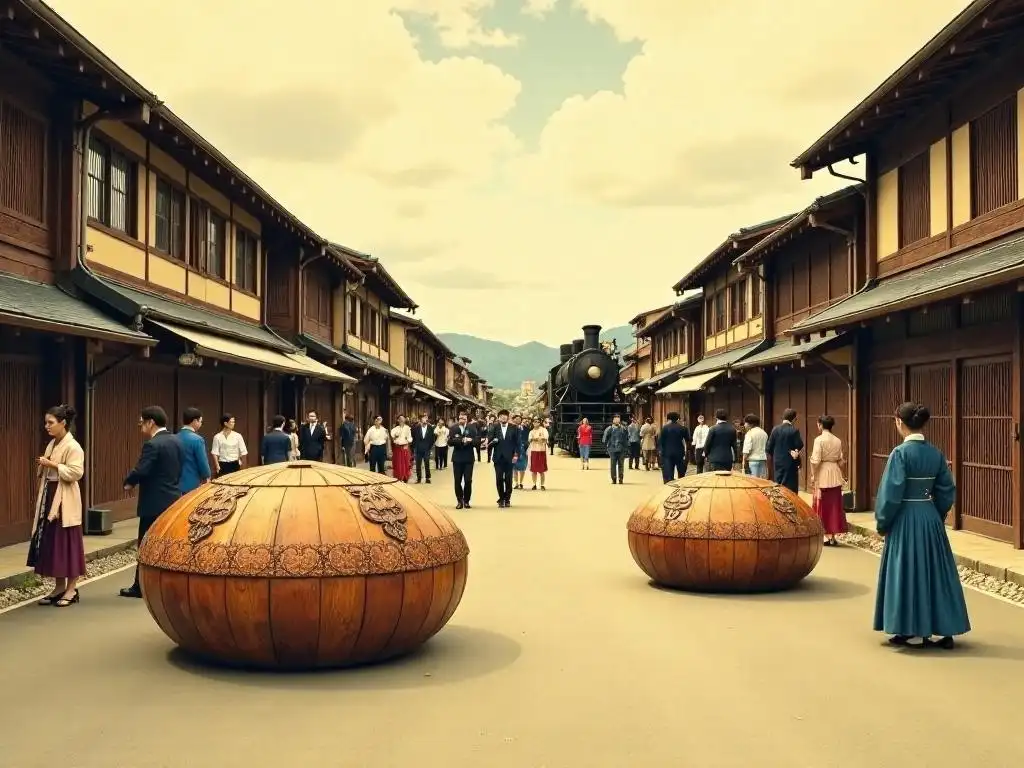
Welcome to Feudal Japan History, where we delve deep into the intricate tapestry of Japan’s feudal era. Prepare to embark on a journey that uncovers the profound transformations brought about by the Meiji Restoration and the Western influence that reshaped Japan’s future. What were the pivotal moments that propelled this island nation into modernity?
As you explore our expert-driven articles, you'll discover how these historical shifts not only altered the course of Japanese society but also set the stage for its remarkable evolution. Join us as we unravel the layers of history and culture, igniting your curiosity and inspiring a deeper understanding of this fascinating period.
Introduction to the Meiji Restoration
The Meiji Restoration stands as a pivotal moment in Japan’s history, marking the transition from centuries of feudal rule to a modern nation-state. This period, beginning in 1868, was not merely a political upheaval but a profound transformation that reshaped Japan’s social, economic, and cultural landscapes.
At its core, the Meiji Restoration was driven by a significant Western influence that pushed Japan to reevaluate its position in the world and adopt new ideologies, technologies, and governance structures. This article delves into the intricate dynamics of the Meiji Restoration, examining how Western ideas fundamentally altered Japan's trajectory and laid the groundwork for its emergence as a global power.
Overview of the Meiji Restoration
The Meiji Restoration was characterized by the overthrow of the Tokugawa Shogunate, which had ruled Japan for over 250 years under a feudal system. The restoration of imperial rule under Emperor Meiji brought about sweeping changes across various sectors. Key reforms included the abolition of the samurai class, modernization of the military, and the introduction of Western education systems. This era was marked by a rush to industrialize, leading to rapid economic growth and urbanization. The events of this time set the stage for Japan's eventual ascendance as a formidable player on the world stage.
Significance of Western Influence on Japan
Western influence during the Meiji Restoration was profound and multifaceted. It encompassed political ideologies, technological advancements, and cultural exchanges that fundamentally altered Japanese society. Japan’s leaders recognized that to compete with Western powers, they had to adopt and adapt various Western practices. This included establishing a constitutional government, embracing capitalism, and reforming the education system to include Western sciences and philosophies. The interplay of traditional Japanese values with new Western ideas fostered a unique cultural synthesis that would define Japan's modern identity.
Historical Context of the Meiji Restoration
Understanding the Meiji Restoration requires a look at the historical context that preceded it. Japan's trajectory towards modernization was shaped by years of isolation and the subsequent encounter with foreign powers.
Japan's Isolation Before the Meiji Era
For over two centuries, Japan practiced a policy of isolation known as Sakoku, which severely restricted foreign relations and trade. This period allowed for a unique cultural development, but it also left Japan vulnerable to external pressures. The rigid class system and the dominance of the samurai class created a society resistant to change. However, as Western nations expanded their influence globally, the need for Japan to reassess its isolationist stance became increasingly urgent.
The Arrival of Commodore Perry and the Opening of Japan
In 1853, Commodore Matthew Perry of the United States arrived in Japan with a fleet of warships, demanding the opening of Japanese ports to American trade. This event marked a turning point in Japanese history, as it forced the country to confront the reality of Western military and economic power. The subsequent Convention of Kanagawa in 1854 effectively ended Japan's isolation, leading to a cascade of treaties with other Western nations. This exposure to foreign ideas and technologies acted as a catalyst for change, setting the stage for the Meiji Restoration.
The Fall of the Tokugawa Shogunate
The growing discontent with the Tokugawa regime, fueled by its inability to respond effectively to foreign pressures, culminated in the Boshin War (1868-1869). This civil war between the forces loyal to the shogunate and those supporting the imperial court ultimately led to the fall of the Tokugawa Shogunate.
The restoration of the Emperor Meiji symbolized a new era of governance that embraced modernization and sought to forge a strong national identity in the face of Western encroachment. This transition was not merely the rise of a new political authority but a comprehensive overhaul of Japan's societal structures, driven by the need to survive and thrive in a rapidly changing world.
Key Features of the Meiji Restoration
The Meiji Restoration, commencing in 1868, marked a pivotal turning point in Japan's history, characterized by rapid modernization and profound changes across various sectors. One of the key features of this era was the restoration of imperial rule under Emperor Meiji, which symbolized a break from centuries of feudal governance. The new government adopted a centralized approach, dismantling the feudal system that had dominated Japan for so long.
Another essential aspect was the adoption of Western technologies and methodologies. Japan sought to modernize its military, education system, and industrial capabilities by studying Western nations. This led to the establishment of new institutions inspired by the West, including universities and military academies, which played a crucial role in educating a new generation of leaders who would drive Japan’s modernization efforts.
The Meiji Restoration also emphasized the importance of national unity and identity, promoting a sense of nationalism that was both a response to Western pressure and a means of fostering internal cohesion. Through various reforms, the government sought to instill pride in Japan's cultural heritage while simultaneously embracing foreign influences.
Political Reforms Influenced by the West
Political reforms during the Meiji Restoration were heavily inspired by Western political models, particularly those of the United States and European nations. The new government implemented a constitution in 1889, known as the Meiji Constitution, which established a parliamentary system and guaranteed certain civil liberties. This marked a significant shift from the autocratic rule of the shogunate, allowing for more participation from the populace in governance.
Moreover, the introduction of the daimyō system’s replacement with a prefectural system demonstrated a move towards centralized administration. Each prefecture was governed by a centrally appointed official, ensuring greater control over the regions and reducing the power of local lords.
The political reforms also included the establishment of the Diet, Japan's bicameral legislature, which allowed for limited democratic participation. While the Diet had restricted powers, its creation was a significant step toward adopting Western-style governance, reflecting a blend of traditional Japanese authority with modern political concepts.
Economic Transformation through Western Principles
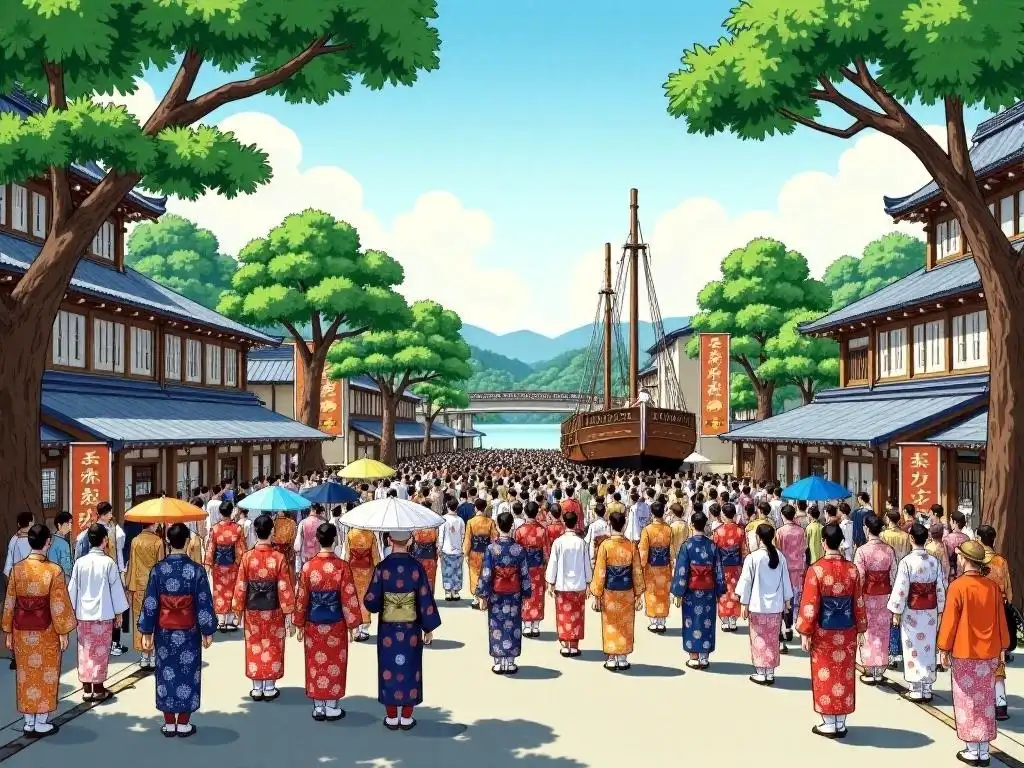
The economic transformation during the Meiji Restoration was marked by the adoption of Western principles and practices in various sectors. The government prioritized industrialization as a means of strengthening the nation and reducing dependency on foreign powers. This involved the establishment of a railway network, telegraph lines, and modern shipping facilities, facilitating trade and communication both domestically and internationally.
The introduction of the zaibatsu, or large industrial conglomerates, was another hallmark of this economic shift. These family-owned businesses, such as Mitsubishi and Sumitomo, played a crucial role in Japan's industrialization by investing in various sectors, including textiles, shipbuilding, and banking. The government's support for these entities fostered rapid economic growth and technological advancement.
Additionally, the Meiji government reformed the tax system, moving away from the rice-based taxation of the feudal era to a monetary system that better suited a modern economy. This change was essential in funding the government's modernization efforts and stimulating economic activities across the nation.
The Role of Western Powers in Japan's Transformation
The role of Western powers during the Meiji Restoration was critical in shaping Japan's transformation from a feudal society to a modern state. Initially, Japan's interactions with the West were marked by coercion, as seen in the arrival of Commodore Perry in 1853, which forced Japan to open its ports to foreign trade. This encounter highlighted Japan's vulnerability and spurred the need for modernization.
Western nations not only influenced Japan's political and economic reforms but also provided models for military organization. Japan's military reforms included adopting Western training methods and technologies, enabling Japan to emerge as a formidable military power in Asia.
Furthermore, the pressure to conform to Western standards led to significant diplomatic changes, as Japan sought to renegotiate unequal treaties that had previously been imposed on it. This endeavor culminated in Japan gaining equal status among Western nations, allowing it to assert its sovereignty and reshape its international relations.
Diplomatic Relations and Treaties with Western Nations
The establishment of diplomatic relations and treaties with Western nations was a cornerstone of Japan's transformation during the Meiji Restoration. The need to renegotiate unequal treaties, which had granted extraterritorial rights to foreign powers, was a significant impetus for Japan's modernization efforts.
Japan successfully renegotiated treaties with countries such as the United States and the United Kingdom, culminating in the Treaty of Kanagawa in 1854 and the Anglo-Japanese Treaty of 1894. These treaties marked a shift from a position of vulnerability to one of equality, allowing Japan to participate as an equal player in international affairs.
The Meiji government also sought to establish a network of diplomatic relations with various nations, both Western and Asian, to secure trade agreements and foster goodwill. This diplomatic outreach was instrumental in solidifying Japan's status as a burgeoning power on the global stage.
The Impact of Western Ideologies on Japanese Society
Western ideologies had a profound impact on Japanese society during the Meiji Restoration, influencing various aspects of culture, education, and social norms. The introduction of concepts such as democracy, individual rights, and scientific rationalism challenged traditional Japanese values and prompted a re-evaluation of societal structures.
Education reforms were particularly significant, as the government established a modern education system modeled after Western counterparts. This included the introduction of compulsory education and the promotion of Western sciences and humanities, which played a crucial role in shaping a more informed citizenry.
Moreover, Western ideologies spurred social movements, including feminism, labor rights, and the push for civil liberties. The growing awareness of social justice issues led to the emergence of various activist groups advocating for change, reflecting a society in transition that was eager to embrace new ideas while grappling with its historical identity.
The Meiji Restoration was a transformative period in Japan's history, significantly influenced by Western powers and ideologies. Through political, economic, and cultural reforms, Japan emerged as a modern nation, reshaping its future while maintaining a unique identity.
Consequences of Western Influence on Japan’s Future
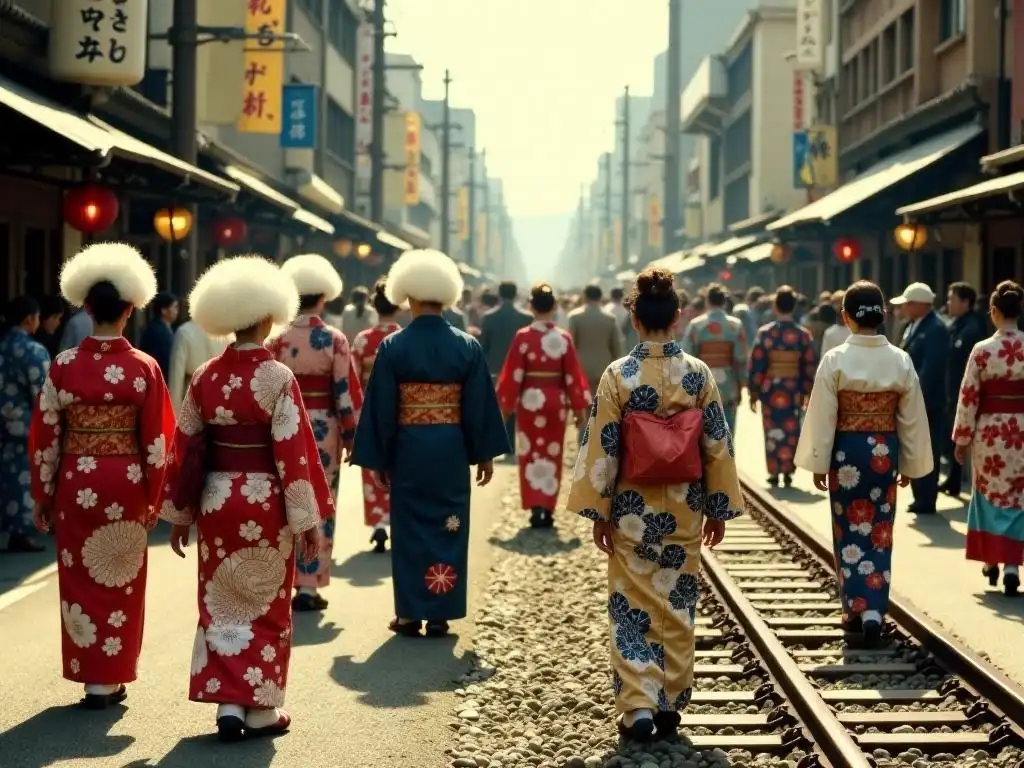
The Meiji Restoration marked a pivotal shift in Japan’s trajectory, catalyzed by an influx of Western ideas and technologies. This transformation not only altered Japan's domestic structure but also significantly impacted its position on the global stage. The consequences of Western influence during this era were multifaceted, affecting nationalism, militarism, and the nation’s emergence as a formidable global power. As Japan embraced modernization, it created a unique blend of traditional and Western elements that would shape its future.
Rise of Nationalism and Militarism
The encounter with Western powers ignited a surge of nationalism in Japan. Initially, the shock of Western imperialism prompted a reevaluation of Japan's identity and sovereignty. As a response, a sense of unity began to emerge among the Japanese people, often centered around the emperor as a symbol of national pride. Nationalist sentiment was further fueled by the desire to not only resist Western domination but to emulate and surpass it.
Militarism became an integral aspect of this nationalism. The adoption of Western military techniques and technologies transformed the Japanese military into a powerful force. The establishment of a conscript army in 1873 reflected this shift, allowing Japan to project its power beyond its borders. Japan's military successes in conflicts such as the First Sino-Japanese War (1894-1895) and the Russo-Japanese War (1904-1905) bolstered national pride and cemented the belief in Japan's destiny as a leading power in Asia.
Japan's Emergence as a Global Power
Western influence during the Meiji Restoration laid the groundwork for Japan's emergence as a global power. The government actively sought to adopt Western industrial techniques, resulting in a rapid transformation of the economy. Infrastructure improvements, such as railroads and telegraph lines, facilitated communication and trade, while the establishment of a modern banking system supported industrial growth.
By the early 20th century, Japan had not only modernized its economy but also expanded its territorial reach. The acquisition of Taiwan and Korea showcased Japan's imperial ambitions and its newfound status as a colonial power. Japan's participation in international diplomacy and its recognition as a major player at events like the Treaty of Portsmouth demonstrated its successful integration into the global order, fundamentally changing perceptions of Asian nations.
Long-term Effects on Japan's Foreign Relations
The effects of Western influence during the Meiji Restoration had enduring implications for Japan's foreign relations. The transformation into a modern nation-state enabled Japan to engage with Western powers on more equal terms, fostering diplomatic relationships that were previously unattainable. However, this newfound assertiveness also led to tensions with neighboring countries and Western nations, as Japan sought to expand its influence in Asia.
The legacy of the Meiji Restoration can be seen in Japan's foreign policy decisions throughout the 20th century. The militaristic nationalism that flourished during this period contributed to Japan's aggressive expansionism during World War II. Post-war, Japan navigated a complex landscape of international relations, balancing its historical militarism with a pacifist constitution, ultimately reshaping its role in the global community.
Conclusion: The Legacy of the Meiji Restoration
The Meiji Restoration represents a crucial juncture in Japan's history, characterized by profound changes prompted by Western influence. This era not only redefined Japan’s political and economic structures but also laid the foundation for its modern identity and role on the world stage.
Reflection on Western Influence in Modern Japan
In contemporary Japan, the legacy of Western influence remains evident. The blend of Western practices with traditional Japanese culture has created a unique societal fabric. While Japan has maintained its distinct cultural identity, the modern economy, governance, and social systems bear significant Western characteristics. The ongoing dialogue about globalization and cultural exchange continues to reflect the complexities of Japan's relationship with the West.
The Meiji Restoration's Role in Shaping Contemporary Japanese Identity
The Meiji Restoration's impact extends into the present, shaping contemporary Japanese identity. The era instilled a sense of pride in modernization and innovation, which continues to influence Japan’s cultural exports, technological advancements, and international relations. The lessons learned from the Meiji period regarding resilience and adaptation to change resonate in Japan's ongoing quest to balance tradition with progress in an ever-evolving global landscape.
Additional Reading on the Meiji Restoration and Western Influence
To fully grasp the complexities and nuances of the Meiji Restoration and its impact on Japan through Western influence, a variety of resources can provide deeper insights. This section recommends key books, articles, and notable historians whose works focus on this transformative period in Japanese history.
Recommended Books and Articles
-
"The Making of Modern Japan" by John W. Dower
This comprehensive work covers the historical context leading up to the Meiji Restoration and explores the subsequent transformations in Japanese society, culture, and politics influenced by Western ideologies. Dower's analysis is critical for understanding Japan's modernization.
-
"Meiji Japan: A New History" by James L. McClain
McClain's book offers an engaging narrative that examines the various facets of the Meiji Restoration, including political reforms and the introduction of Western technologies. It discusses how these changes laid the groundwork for Japan's emergence as a modern state.
-
"Japan's Modern History, 1857-1937" by Takumasa Sakurai
This resource provides a detailed overview of the socio-political changes during the Meiji era and the influence of Western thought on Japanese governance and society. Sakurai’s work is essential for understanding the broader implications of the Restoration.
-
"The Japanese Experience: A Short History of Japan" by John S. Brownlee
This succinct history examines Japan's evolution from feudalism to modernity, highlighting the role of Western influence during the Meiji Restoration. Brownlee’s work is particularly useful for readers seeking a quick yet informative overview.
-
Scholarly Articles in Journals
- "Westernization and Modernization in Japan: The Meiji Era", published in the Journal of Asian Studies, analyzes the social and cultural shifts instigated by Western influence during the Meiji period.
- "The Meiji Restoration and the Rise of Japan", featured in the Pacific Historical Review, provides a critical examination of the political and economic changes that took place due to Western engagement.
Notable Historians and Experts in Japanese History
-
John W. Dower
A Pulitzer Prize-winning historian, Dower's extensive research on modern Japan has provided critical insights into the Meiji Restoration and its consequences. His works are foundational for anyone studying the period.
-
James L. McClain
An expert on Japanese history, McClain's scholarship focuses on the Meiji era, particularly its socio-economic transformations and cultural exchanges with the West. His approachable writing style makes his insights accessible to both scholars and general readers.
-
Susan B. Glosser
Glosser’s research delves into the intersections of Western influence and Japanese identity during the Meiji period. Her analyses shed light on how Japan navigated its modernization while retaining aspects of its traditional culture.
-
Edward Seidensticker
Renowned for his translations of Japanese literature, Seidensticker also wrote extensively about Japan's modernization. His works often reflect on the cultural implications of Westernization during the Meiji Restoration.
-
M. William Steele
Steele offers a critical perspective on the political reforms of the Meiji Restoration and their implications for Japan's international relations. His scholarly contributions are valuable for understanding the global context of Japan's transformation.
These resources and experts provide a well-rounded foundation for exploring the profound changes that occurred in Japan during the Meiji Restoration, particularly the lasting effects of Western influence on its society and governance.
- Introduction to the Meiji Restoration
- Historical Context of the Meiji Restoration
- Key Features of the Meiji Restoration
- Political Reforms Influenced by the West
- Economic Transformation through Western Principles
- The Role of Western Powers in Japan's Transformation
- Diplomatic Relations and Treaties with Western Nations
- The Impact of Western Ideologies on Japanese Society
- Consequences of Western Influence on Japan’s Future
- Conclusion: The Legacy of the Meiji Restoration
- Additional Reading on the Meiji Restoration and Western Influence
Frequently Asked Questions
What was the Meiji Restoration?
The Meiji Restoration was a pivotal event in Japanese history that began in 1868, marking the end of the Tokugawa shogunate and restoring imperial rule under Emperor Meiji.
How did Western influence affect Japan during the Meiji Restoration?
Western influence played a crucial role in the Meiji Restoration, as Japan adopted various Western technologies, political systems, and educational reforms to modernize and strengthen the nation.
What were the key changes in Japanese society during this period?
During the Meiji Restoration, Japan experienced significant social changes, including the abolition of the feudal system, the establishment of a new government, and the promotion of industrialization.
How did the Meiji Restoration impact Japan's military?
The Meiji Restoration led to the modernization and expansion of Japan's military, adopting Western techniques and strategies, which ultimately allowed Japan to become a formidable power in Asia.
What legacy did the Meiji Restoration leave on modern Japan?
The legacy of the Meiji Restoration includes Japan's transformation into a modern nation-state, its emergence as a global power, and the establishment of a foundation for democratic governance and economic growth.
Final Reflection: Embracing Change Through Western Influence in Japan
The Meiji Restoration serves as a powerful reminder of how cultural exchange and adaptation can redefine a nation's trajectory. In an era marked by globalization, the lessons from Japan's transformation during the Meiji period resonate profoundly today. The ability to embrace change while retaining core values is a delicate balance that many societies strive to achieve in our interconnected world.
The impact of the Meiji Restoration extends far beyond its historical context; it continues to shape Japan's identity and its role on the global stage. The fusion of Western ideas with traditional Japanese culture has led to a unique societal fabric that celebrates innovation while honoring its roots. As we reflect on this transformative period, we can appreciate how it paved the way for Japan to emerge as a modern powerhouse. The past is not dead; it is not even past.
– William Faulkner.
As we contemplate the significance of the Meiji Restoration and its Western influences, I invite you to consider how you can apply these lessons in your own life. How can you embrace change while honoring your own heritage? Reflect on the ways in which you can integrate new ideas and perspectives into your personal and professional journey, fostering growth and resilience. The story of Japan's evolution is not just a historical account; it is a call to action for all of us to navigate our own transformations with courage and creativity.
Unleash Your Curiosity: Dive Deeper into Japan's Transformation!
Thank you for taking the time to discover the profound impact of the Meiji Restoration on Japan's journey! We hope you found the insights into this pivotal moment both enlightening and inspiring. Now, it's time to deepen your understanding and explore the rich tapestry of Japan's history.
Here are some exciting actions you can take next:
- Explore more articles on our website to uncover other significant events in Japan's past that have shaped its unique culture and society.
- Share your newfound knowledge with friends or on social media—start conversations about how historical events continue to influence modern Japan!
- Join our community discussions to connect with fellow history enthusiasts and share your thoughts on the lasting impact of the Meiji Restoration.
What aspects of Western influence during the Meiji Restoration do you find most intriguing, and how do you think they have shaped Japan's identity in the contemporary world?