
Artistic Crossroads: The Fusion of Japanese and Western Design

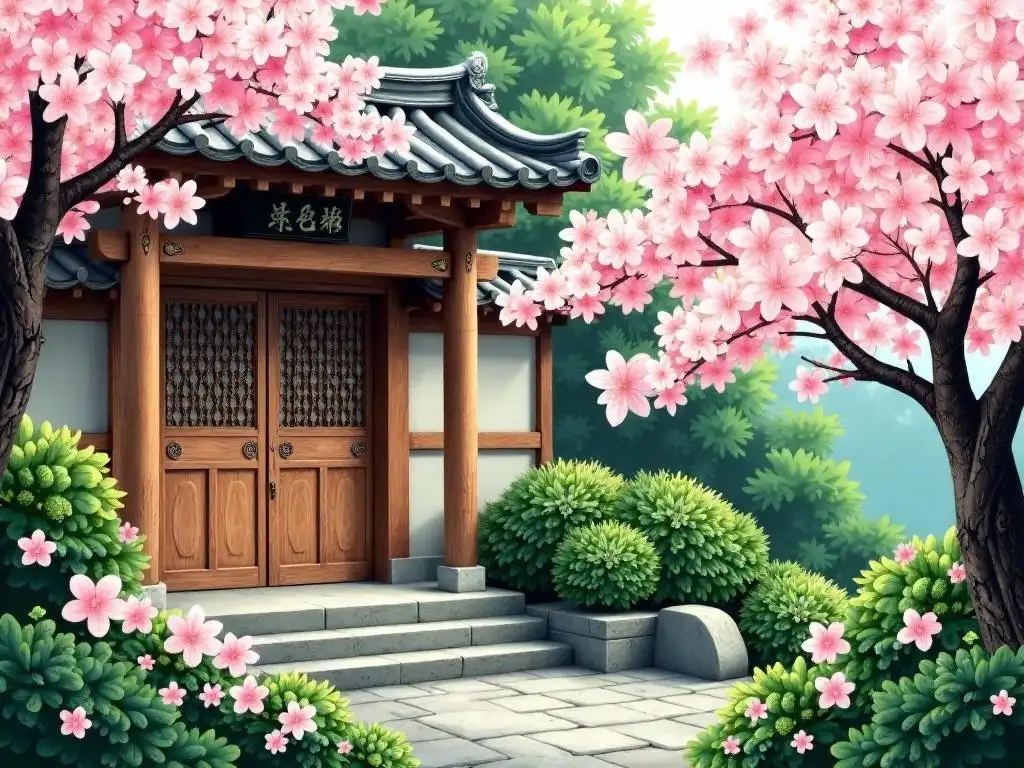
Welcome to Feudal Japan History, where we embark on a captivating journey through the intricate tapestry of Japan’s feudal era. Here, we delve deep into the rich historical, cultural, and societal aspects that shaped this fascinating period. Are you ready to uncover the artistic crossroads where Japanese Western design fusion comes alive? In our featured article, "Artistic Crossroads: The Fusion of Japanese and Western Design," we explore how these two worlds collided and created a unique aesthetic that continues to influence art and design today. Join us as we unravel the stories and insights that await you!
Introduction to Japanese Western Design Fusion
The artistic interplay between Japan and the West has given rise to a unique and fascinating paradigm known as Japanese Western design fusion. This term encapsulates the dynamic exchange of aesthetic principles, techniques, and cultural influences that emerged particularly during the late 19th and early 20th centuries.
As Japan opened its doors to Western ideas and practices following centuries of isolation, the result was a rich tapestry of artistic expression that blended traditional Japanese elements with contemporary Western styles. This fusion not only transformed the visual arts but also left an indelible mark on architecture, fashion, and interior design, reflecting the broader theme of cross-cultural interaction that has characterized Japan's foreign relations.
Overview of Design Fusion
Design fusion refers to the creative process where diverse cultural elements intersect, resulting in innovative and hybrid expressions. In the context of Japanese and Western design fusion, this can be observed in various forms, such as:
- Architecture: The incorporation of Western architectural styles into traditional Japanese buildings.
- Graphic Arts: The blending of Western printing techniques with Japanese visual aesthetics.
- Product Design: The adaptation of Japanese craftsmanship with modern Western functionality.
This synthesis has led to a distinctive style that celebrates both the elegance of Japanese minimalism and the boldness of Western innovation.
Importance of Cross-Cultural Interactions in Design
The significance of cross-cultural interactions in design cannot be overstated. Such interactions foster creativity, encourage innovation, and promote diversity in artistic expression. Key benefits include:
- Cultural Enrichment: The infusion of new ideas and perspectives leads to a more vibrant creative landscape.
- Global Understanding: Design fusion helps bridge cultural gaps, fostering appreciation and respect among different societies.
- Economic Opportunities: A unique design aesthetic can attract global markets, enhancing economic growth.
Historical Context of Japanese and Western Design
Feudal Japan: A Brief Overview
Feudal Japan, lasting from the 12th century until the mid-19th century, was characterized by a rigid social hierarchy and a rich cultural heritage. This period saw the rise of the samurai class, the establishment of powerful clans, and significant developments in arts and crafts. Traditional Japanese aesthetics, such as simplicity, asymmetry, and a deep appreciation for nature, were pivotal in shaping the nation's artistic identity.
The Arrival of Western Influence in Japan
The significant turning point for Japanese design came in the mid-19th century, particularly with the Meiji Restoration of 1868. This era marked Japan's transition from isolation to engagement with the Western world. The influx of Western technologies and ideas prompted a reevaluation of traditional practices and led to the incorporation of Western styles in various art forms. Notable examples include:
- Photography: Western photographic techniques introduced new ways of capturing and interpreting Japanese life.
- Textiles: The blending of Western fabric designs with traditional Japanese patterns.
Key Historical Events Influencing Design Interactions
Several historical events played a crucial role in shaping the Japanese Western design fusion, including:
- The Treaty of Kanagawa (1854): This treaty opened Japan to international trade, facilitating cultural exchanges.
- World Expositions: Events such as the 1876 Centennial Exposition in Philadelphia showcased Japanese art and craftsmanship, sparking interest in Japanese aesthetics among Western designers.
- The Arts and Crafts Movement: Influenced by Japanese design principles, this movement sought to revive traditional craftsmanship, leading to further appreciation of Japanese artistry in the West.
Through these events, the foundations for a lasting and impactful fusion of Japanese and Western design were laid, ultimately enriching the artistic landscape of both cultures.
Elements of Japanese Western Design Fusion
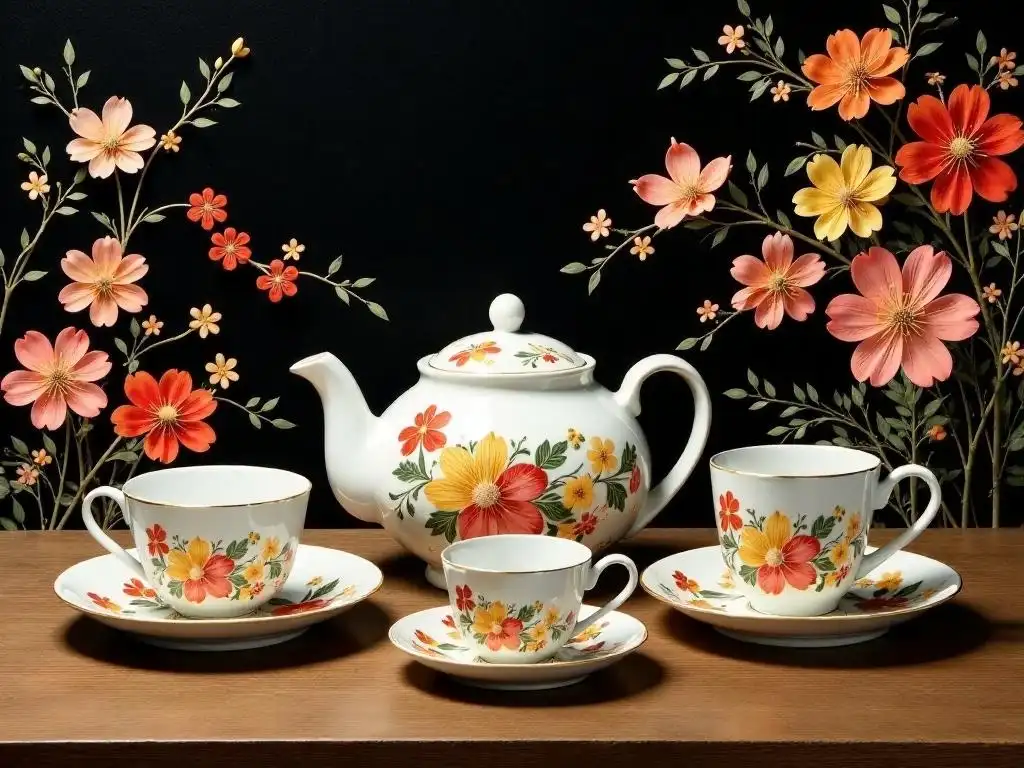
The fusion of Japanese and Western design encompasses various elements that draw upon the rich heritage of both cultures. This interplay has resulted in unique aesthetic expressions that resonate globally. Key elements include:
- Materials: The combination of traditional Japanese materials such as wood, paper, and bamboo with Western materials like metal, glass, and concrete creates a tactile contrast that enhances visual appeal.
- Color Palettes: Japanese design often employs natural, muted tones, while Western design may lean towards bold and vibrant colors. The fusion results in harmonious palettes that balance subtlety with drama.
- Spatial Arrangement: Japanese design emphasizes minimalism and open spaces, promoting tranquility. In contrast, Western design often values functionality and compartmentalization. The fusion encourages innovative spatial layouts that maintain openness while serving practical purposes.
- Symbolism: Both cultures utilize symbolism; for instance, Japanese motifs often represent nature, while Western designs might incorporate historical or cultural references. The blend creates deeper narratives within design pieces.
This combination of elements not only showcases aesthetic diversity but also reflects cultural dialogues that enrich both Japanese and Western design traditions.
Traditional Japanese Aesthetics
Traditional Japanese aesthetics are characterized by principles such as wabi-sabi, which celebrates imperfection and the transient nature of beauty. Key features include:
- Simplicity: Clean lines and uncluttered spaces are hallmarks of Japanese design, promoting a sense of serenity and focus.
- Natural Elements: Incorporating nature into design, such as using natural materials and outdoor views, is fundamental. This reflects a deep appreciation for the environment and the changing seasons.
- Asymmetry: Japanese aesthetics often embrace asymmetry, which contrasts with the Western preference for symmetrical designs. This principle enhances the organic feel of Japanese creations.
- Craftsmanship: The emphasis on artisanal techniques is paramount in Japanese design, often seen in hand-crafted items that reflect dedication and skill.
These aesthetic principles are vital in understanding how traditional Japanese aesthetics influence the fusion with Western design, creating a rich tapestry of cultural expression.
Western Design Characteristics
Western design characteristics are diverse and encompass a variety of styles, but some common elements include:
- Functionalism: A strong focus on functionality, where form often follows purpose, is central to many Western designs, particularly in modern architecture and product design.
- Symmetry and Order: Western design tends to favor symmetry and structured layouts, promoting a sense of balance and harmony.
- Diversity of Styles: From Baroque to Modernist, Western design encompasses various styles that have evolved over centuries, allowing for a rich variety of influences in fusion designs.
- Bold Colors and Patterns: Western designs frequently utilize vibrant colors and intricate patterns, creating striking visuals that can dominate space.
Understanding these characteristics is essential when examining how Western design principles integrate with traditional Japanese aesthetics, leading to innovative and hybrid design expressions.
Case Studies of Japanese Western Design Fusion
The fusion of Japanese and Western design is evident in various fields, demonstrating the rich interplay between these two cultural realms. Below are notable case studies that exemplify this integration.
Architecture: Blending Traditional and Modern Styles
Architectural fusion can be observed in structures that combine traditional Japanese elements with modern Western influences. A prime example is the 21_21 Design Sight in Tokyo, designed by renowned architect Tadao Ando. This building features:
- Minimalist Design: Reflecting Japanese aesthetics, it employs a minimalist approach with concrete, glass, and natural light.
- Integration with Nature: The design seamlessly incorporates outdoor elements, creating a dialogue between the built environment and the surrounding landscape.
- Innovative Use of Space: The layout showcases an open floor plan, reminiscent of traditional Japanese structures, while also serving contemporary functional needs.
This architectural fusion highlights how blending styles can enhance both functionality and aesthetic appeal.
Fashion: The Intersection of Eastern and Western Styles
Japanese fashion designers have significantly influenced Western fashion, leading to a remarkable fusion of styles. Designers like Issey Miyake and Yohji Yamamoto have incorporated traditional Japanese silhouettes and techniques into modern Western fashion:
- Kimonos and Tailoring: The incorporation of kimono elements into Western tailoring creates garments that are both comfortable and stylish.
- Layering Techniques: Japanese layering techniques, focusing on texture and proportion, are often merged with Western fashion trends, resulting in innovative, avant-garde looks.
- Cultural Narratives: Many collections tell stories that blend Eastern and Western cultural narratives, reflecting the designers' heritage and contemporary influences.
This fusion in fashion showcases the dynamic exchange between cultures, resulting in unique and expressive clothing.
Interior Design: Creating Harmonious Spaces
The interior design realm is another area where Japanese and Western styles merge beautifully. Designers today often create spaces that reflect this fusion through:
- Zen Principles: Incorporating Zen principles of tranquility and balance, often seen in Japanese interiors, into Western design spaces promotes a calming atmosphere.
- Eclectic Furnishing: The use of furniture that blends minimalist Japanese designs with Western comfort creates spaces that are both functional and aesthetically pleasing.
- Natural Light and Open Spaces: The emphasis on natural light and open spaces from Japanese aesthetics is integrated into Western interior design, resulting in airy, light-filled environments.
This harmonious blend not only enhances the functionality of spaces but also provides a serene living experience that resonates with both cultures.
The Impact of Japanese Western Design Fusion on Global Trends
The fusion of Japanese and Western design has significantly influenced global trends, creating a unique aesthetic that can be seen in various fields, including architecture, fashion, and graphic design. This interplay has led to a broader appreciation of minimalist principles and organic forms, which have gained traction worldwide. One of the most notable examples is the popularity of Wabi-Sabi, which embraces imperfection and transience, elements that have resonated with contemporary global design sensibilities.
Moreover, the blending of these traditions has fostered innovative products that combine functionality with beauty. Designers around the globe are increasingly incorporating Japanese techniques and philosophies, such as the use of natural materials and an emphasis on craftsmanship, into their work. This has resulted in a more sustainable approach to design, as brands strive to create pieces that are not only aesthetically pleasing but also environmentally conscious.
Influencing Contemporary Design Movements
Japanese Western design fusion has played a pivotal role in shaping contemporary design movements such as Minimalism and Sustainable Design. Minimalism, characterized by simplicity and clean lines, reflects the influence of traditional Japanese aesthetics that prioritize space and light. This movement has been adopted by architects and designers worldwide, leading to a shift towards more open and uncluttered environments.
In addition, the Sustainable Design movement has embraced Japanese practices that emphasize harmony with nature. Concepts like "tatami" flooring and "shoji" screens have inspired modern sustainable architecture, promoting the use of eco-friendly materials and energy-efficient designs. The fusion of these ideas has resulted in innovative solutions that address contemporary environmental challenges while maintaining a deep respect for cultural heritage.
The Role of Globalization in Design Exchange
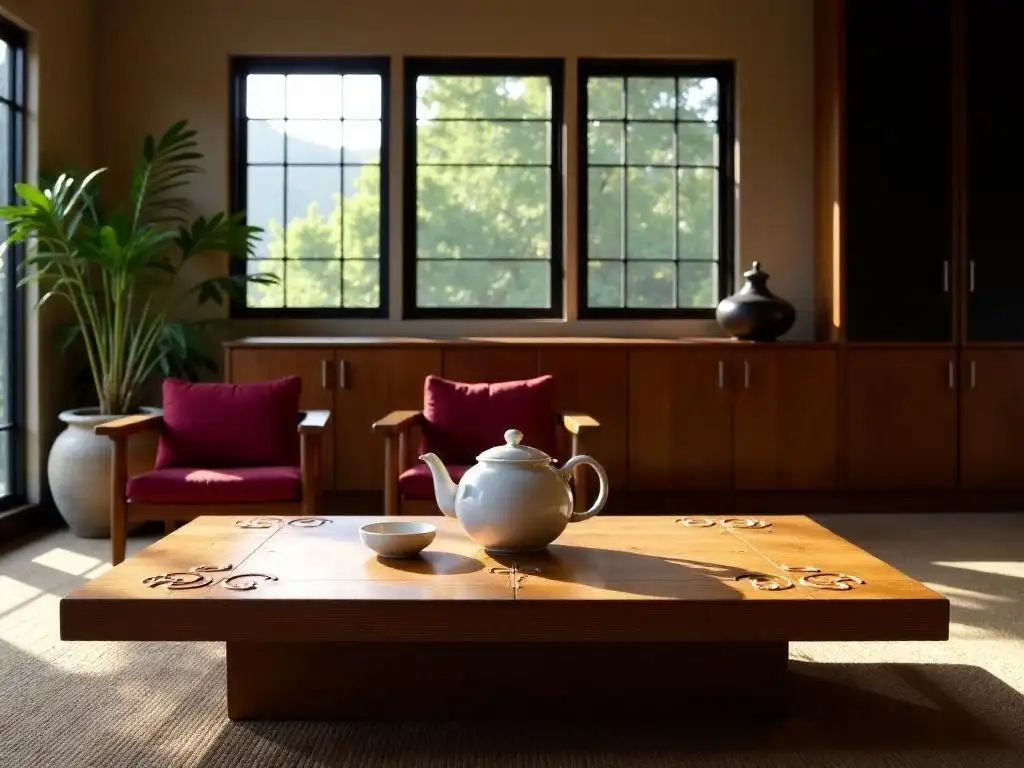
Globalization has accelerated the exchange of design ideas between Japan and the West, enabling a cross-pollination of styles that was previously unattainable. Increased communication and travel have allowed designers to collaborate and share techniques, leading to a more interconnected design landscape. This exchange has also facilitated the incorporation of Japanese philosophies, such as Zen principles, into Western design practices, encouraging a more thoughtful approach to space and form.
Moreover, the rise of digital platforms has made it easier for Japanese designers to reach international audiences, allowing their work to influence a broader range of trends. This accessibility has fostered a greater appreciation for Japanese aesthetics, inspiring Western designers to explore and adopt these elements in their own creations.
Future Trends: The Evolution of Japanese Western Design Fusion
As we look towards the future, the evolution of Japanese Western design fusion is likely to continue, driven by ongoing cultural exchanges and technological advancements. One emerging trend is the integration of smart technology with traditional Japanese craftsmanship, leading to innovative products that enhance everyday life while maintaining aesthetic integrity.
Additionally, as concerns regarding sustainability grow, we may see an increased focus on traditional Japanese materials and techniques that align with eco-friendly practices. The revival of artisanal skills and a return to handcrafted products could become prominent, emphasizing quality over quantity in design.
Ultimately, the fusion of Japanese and Western design is poised to evolve into a more dynamic dialogue, where both cultures learn from one another, creating a richer and more diverse design landscape.
Challenges and Critiques of Design Fusion
Despite the many benefits of Japanese Western design fusion, it is not without its challenges and critiques. The blending of these two distinct cultures can lead to misunderstandings and misrepresentations of their respective values and aesthetics.
Misinterpretation of Cultural Elements
One significant challenge is the misinterpretation of cultural elements during the fusion process. Western designers may adopt Japanese motifs without fully understanding their cultural significance, leading to superficial representations that can diminish their value. This can result in a loss of authenticity, where the essence of traditional Japanese design is overshadowed by commercial interests.
Moreover, such misinterpretations can perpetuate stereotypes and clichés, reducing rich cultural traditions to mere design trends. This highlights the importance of cultural sensitivity and a deep appreciation for the origins of design elements when engaging in cross-cultural exchanges.
The Balance of Authenticity and Innovation
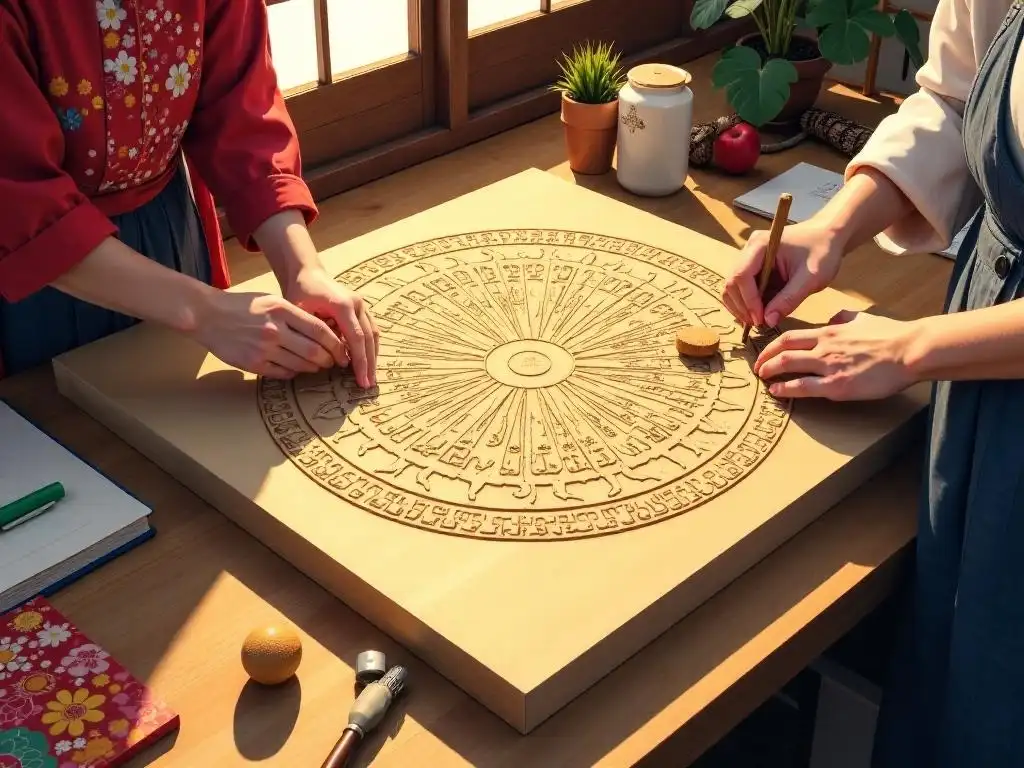
Striking a balance between authenticity and innovation is another challenge faced by designers navigating the realm of fusion. While innovation is essential for pushing boundaries and creating new aesthetics, it is crucial to honor the traditions and histories that inform these designs. Designers must carefully consider how to incorporate traditional elements without compromising their integrity or meaning.
This balance can be difficult to achieve, as there may be pressures to conform to contemporary trends, sometimes at the expense of cultural authenticity. A thoughtful approach that respects both the heritage and the innovative aspects of design is essential for creating work that resonates on multiple levels.
Ethical Considerations in Design Fusion
The ethical considerations surrounding design fusion cannot be overlooked. Issues of cultural appropriation arise when elements of one culture are used without permission or acknowledgment by another. This can lead to exploitation, where the unique qualities of a culture are commodified for profit, stripping them of their original context and significance.
Moreover, designers must consider the implications of their work on the communities they draw from. Engaging with cultural elements responsibly involves collaboration and dialogue with those cultures, ensuring that their contributions are recognized and valued. By fostering respectful relationships, designers can create work that honors the richness of both Japanese and Western traditions, paving the way for a more equitable design landscape.
Conclusion: The Future of Japanese Western Design Fusion
The fusion of Japanese and Western design is an ongoing narrative that reflects the dynamic interplay between cultures. As globalization continues to bring diverse influences into closer contact, the potential for innovative design solutions that draw on both traditions remains vast. This cross-pollination allows for the creation of unique aesthetics that not only pay homage to their origins but also cater to contemporary sensibilities. As designers and artists engage with this fusion, they contribute to a rich tapestry of creativity that redefines boundaries and encourages dialogue between cultures.
Summary of Key Points
- Historical Context: The interaction between Japanese and Western design dates back to the late 19th century when Japan opened its doors to Western influences during the Meiji Restoration. This period marked a significant shift in design practices, as artists began to integrate Western techniques while retaining traditional Japanese elements.
- Cultural Exchange: The exchange of ideas has been a two-way street, with Japanese aesthetics influencing Western art movements such as Impressionism, while Western styles, in turn, have enriched Japanese design. This mutual influence has led to unique artistic expressions that resonate with audiences across the globe.
- Contemporary Trends: Today, designers are increasingly blending elements from both cultures to create products that reflect a globalized outlook. This trend is visible in architecture, fashion, and industrial design, where the seamless integration of Japanese minimalism with Western functionality produces innovative and appealing designs.
- Future Directions: As technology advances and communication becomes more interconnected, the future of Japanese Western design fusion looks promising. Emerging designers are likely to explore new materials and methods, leading to a fresh wave of creativity that embodies the spirit of collaboration and innovation.
The Continuing Journey of Cultural Exchange in Design
The journey of cultural exchange in design is far from complete. With each new generation of designers, fresh perspectives and interpretations emerge, perpetuating the cycle of influence. The rise of digital platforms allows for even greater collaboration and sharing of ideas, enabling designers from various backgrounds to showcase their work and engage with a global audience.
As such, the fusion of Japanese and Western design is not just a historical phenomenon; it is an ever-evolving dialogue that reflects the complexities of identity, tradition, and modernity. This ongoing interaction promises to yield exciting developments in the world of design, fostering a deeper understanding and appreciation of diverse cultural heritages.
References and Further Reading
Recommended Books on Japanese and Western Design Fusion
-
"East Meets West: The Fusion of Japanese and Western Aesthetics" by Akira Yamamoto
An exploration of how Japanese aesthetics have influenced Western design and vice versa, providing insights into major movements and key figures.
-
"The Art of Japanese Design: A Fusion of Tradition and Modernity" by Hiroshi Tanaka
This book delves into the contemporary applications of traditional Japanese design principles in modern contexts, showcasing successful case studies.
-
"Cultural Intersections: Japanese and Western Design Perspectives" by Naomi Sato
A comprehensive overview of the historical and contemporary interactions between Japanese and Western design philosophies.
Notable Articles and Journals on Design Interactions
- "The Influence of Japanese Art on Western Modernism" – A journal article that discusses the impact of Japanese art on the development of Western modernist movements, highlighting key artists and their works.
- "Cross-Cultural Design: Bridging Japanese and Western Aesthetics": – This article examines various case studies where designers successfully merged Japanese and Western elements to create innovative products.
- "Designing the Future: The Role of Cultural Exchange in Modern Design": – A thought-provoking piece that considers how ongoing cultural exchanges shape future design trends and practices, emphasizing the importance of collaboration and diversity.
- Introduction to Japanese Western Design Fusion
- Overview of Design Fusion
- Importance of Cross-Cultural Interactions in Design
- Historical Context of Japanese and Western Design
- Elements of Japanese Western Design Fusion
- Case Studies of Japanese Western Design Fusion
- The Impact of Japanese Western Design Fusion on Global Trends
- Influencing Contemporary Design Movements
- The Role of Globalization in Design Exchange
- Future Trends: The Evolution of Japanese Western Design Fusion
- Challenges and Critiques of Design Fusion
- Misinterpretation of Cultural Elements
- The Balance of Authenticity and Innovation
- Ethical Considerations in Design Fusion
- Conclusion: The Future of Japanese Western Design Fusion
- References and Further Reading
- What is the significance of Japanese Western design fusion in the article?
- How did feudal Japan impact modern design trends?
- What are some examples of Japanese Western design fusion?
- Why is understanding the historical context important for this fusion?
- How does the article address the cultural implications of this fusion?
Frequently Asked Questions
What is the significance of Japanese Western design fusion in the article?
The article explores the cultural exchange between Japan and the West, highlighting how this fusion influenced various art forms and designs throughout history.
How did feudal Japan impact modern design trends?
Feudal Japan's aesthetic principles and craftsmanship laid the groundwork for contemporary design movements, blending traditional techniques with modern influences.
What are some examples of Japanese Western design fusion?
Notable examples include architecture, fashion, and interior design that incorporate traditional Japanese elements with Western styles, creating unique hybrid forms.
Why is understanding the historical context important for this fusion?
Understanding the historical context provides insights into how cultural interactions shaped the artistic landscape, leading to a richer appreciation of both Japanese and Western design elements.
How does the article address the cultural implications of this fusion?
The article discusses the cultural implications of the fusion, examining how it fosters cross-cultural dialogue and influences identity and creativity in both societies.
Final Reflection: Embracing the Harmony of Japanese and Western Design
The fusion of Japanese and Western design is not just a trend; it is a powerful testament to our evolving cultural landscape. As we navigate an increasingly interconnected world, the blending of these two rich traditions offers a unique opportunity to celebrate diversity and innovation in design. This cross-cultural dialogue not only enriches our aesthetic experiences but also fosters a deeper understanding of the values and philosophies that shape our environments.
The impact of Japanese and Western design fusion is evident in various aspects of contemporary culture, from architecture to fashion, and even in our daily lives. This harmonious blend encourages us to appreciate the beauty in differences and to seek inspiration from one another. As the renowned designer Issey Miyake once said, Design is not for philosophy; it's for life.
This sentiment underscores the importance of integrating diverse influences into our creative practices, as they reflect the complexity and richness of our shared human experience.
As you reflect on the themes presented in this article, I invite you to consider how you can incorporate elements of this design fusion into your own life. Embrace the beauty of diversity in your surroundings, whether through art, home decor, or personal style. Let the principles of Japanese and Western design inspire you to create spaces and experiences that resonate with both tradition and modernity. By doing so, you contribute to a vibrant tapestry of cultural exchange that celebrates the best of both worlds, enriching not only your life but also the lives of those around you.
Explore the Fusion: Create Your Own Art Today!
Thank you for diving into the fascinating world of **Japanese and Western design fusion** with us! You’ve gained insight into how these artistic elements intertwine, enriching our visual landscape. Now, let’s put that knowledge into action!
Here are some exciting ways to engage with this art movement:
- Start a creative project: Combine Japanese aesthetics with Western styles in your next artwork, home decor, or even fashion design.
- Join a local art class: Explore workshops that focus on cross-cultural design, allowing you to learn new techniques and connect with like-minded individuals.
- Share your thoughts: Post a photo of your fusion-inspired creation on social media and tag @FeudalJapanHistory to inspire others!
How can the blend of these unique designs enhance your personal style or creative expression?