
The Impact of the Onin War on Muromachi Political Structures

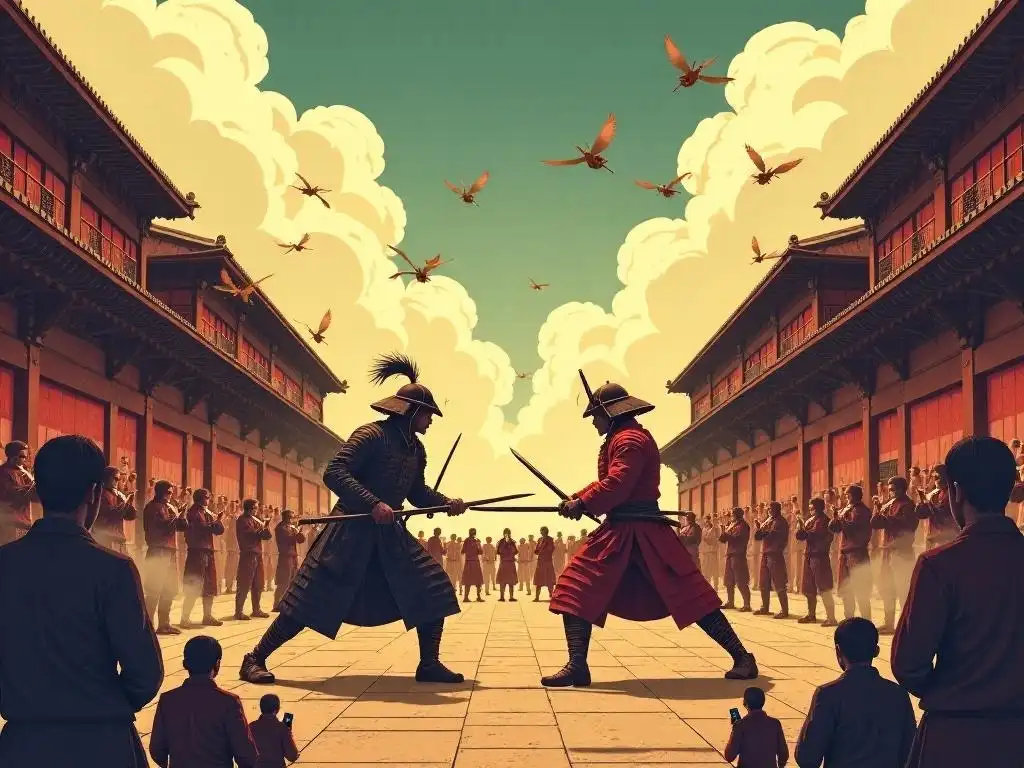
Welcome to Feudal Japan History, where we invite you to dive deep into the intricate tapestry of Japan's feudal era. In this exploration, we unravel the threads of political history, focusing on the transformative Onin War and its profound effects on Muromachi politics. What sparked this devastating conflict, and how did it reshape the political landscape of the time? Join us as we uncover the dynamics that defined an era, revealing insights that will spark your curiosity and deepen your understanding of Japan's rich heritage. Continue reading to discover the intricate connections that shaped a nation.
The Onin War, which spanned from 1467 to 1477, marked a pivotal moment in Japanese history, specifically within the framework of Muromachi politics. This prolonged conflict not only reshaped the political landscape but also had profound cultural and societal repercussions that echoed throughout the subsequent centuries.
In this article, we will conduct a comprehensive exploration of how the Onin War influenced the governance structures during the Muromachi Period, examining the intricate dynamics between power, authority, and the feudal lords (daimyō) of the era. By delving into the events leading up to the war, the conflict itself, and its aftermath, we aim to provide a nuanced understanding of the Onin War's enduring legacy on Japanese political history.
Introduction to the Onin War and Muromachi Politics
The Onin War was not merely a clash of arms; it was a significant turning point that redefined the political hierarchy of the Muromachi Period. To fully appreciate its implications, it is essential to understand the context in which this conflict unfolded.
Overview of the Onin War
The Onin War erupted primarily due to succession disputes within the Ashikaga shogunate, leading to a power struggle among various feudal lords. The conflict began in the heart of Kyoto, where two principal factions emerged: the Hosokawa clan, loyal to the Ashikaga shogunate, and the Yamana clan, which sought to undermine the shogunate's authority. The war was characterized by brutal skirmishes, extensive destruction, and shifting allegiances among the daimyō.
The ramifications of the Onin War extended far beyond mere territorial disputes; it fundamentally altered the relationships between the central authority and the regional powers, leading to a fragmentation of political control that would influence Japan for generations.
Significance of the Onin War in Japanese History
The Onin War is often viewed as a precursor to the Sengoku Period, a time of near-constant military conflict and social upheaval. The war's significance lies in its role as a catalyst for change:
- Disruption of Central Authority: The prolonged conflict weakened the Ashikaga shogunate, leading to a decline in its power and influence.
- Rise of the Daimyō: As central authority waned, regional lords gained unprecedented autonomy, setting the stage for the feudal fragmentation that characterized the Sengoku Period.
- Cultural Transformations: The war also spurred significant cultural developments, including advancements in the arts and changes in social structures, as communities sought to adapt to the new realities of warfare.
Introduction to the Muromachi Period
The Muromachi Period, spanning from 1336 to 1573, was marked by a unique blend of political innovation and cultural flourishing. It was during this era that the Ashikaga shogunate established its rule, promoting a distinct governance model that allowed for relative autonomy among the daimyō while maintaining a semblance of central authority. This period saw the emergence of a new political order, where power dynamics shifted frequently, and alliances were often temporary and fluid.
Prelude to the Onin War
To fully grasp the impact of the Onin War on Muromachi political structures, we must first examine the landscape leading up to this tumultuous event.
Political Landscape Prior to the Onin War
Before the outbreak of the Onin War, the political landscape of the Muromachi Period was characterized by a complex web of relationships among various feudal lords. While the Ashikaga shogunate held nominal power, actual control was often decentralized. The daimyō wielded significant influence over their territories, leading to:
- Fierce Rivalries: Competition among clans for power and resources often escalated into violent confrontations.
- Shifting Alliances: Political alliances were fluid, with families frequently changing sides based on strategic interests.
Key Figures in Muromachi Politics
Several influential figures emerged during the Muromachi Period, playing pivotal roles in shaping the political dynamics of the time:
- Ashikaga Yoshimasa: The 8th shōgun of the Ashikaga shogunate, whose ineffective leadership contributed to the disintegration of central authority.
- Hosokawa Katsumoto: A powerful daimyō who aligned with the shogunate but ultimately became embroiled in the conflict against the Yamana clan.
- Yamana Toshiyasu: A formidable rival to the Hosokawa, his ambitions set the stage for the power struggle that ignited the Onin War.
Tensions Leading to the Outbreak of the Conflict
The tensions that ultimately led to the Onin War were rooted in personal rivalries, power struggles, and the desire for dominance among the daimyō. Key factors included:
- Succession Disputes: Conflicts over the rightful heir to the shogunate fueled animosities between clans.
- Economic Strains: The pressures of maintaining power and control over territories exacerbated existing rivalries and tensions.
- Cultural Factors: The growing influence of culture and the arts during this period also played a role in shaping the identities and ambitions of the daimyō, further complicating the political landscape.
Through this exploration, we will uncover how the Onin War fundamentally altered the course of Muromachi politics and set the stage for the transformative events that followed.
The Onin War: A Detailed Examination
The Onin War (1467-1477) was a pivotal conflict during Japan's Muromachi period, marking a significant transformation in the political landscape of the era. This civil war arose from a power struggle between the Ashikaga shogunate and the various regional warlords (daimyōs), leading to a breakdown of centralized authority. The war was characterized by its brutal and protracted nature, as well as its devastating impact on Kyoto, the capital at the time.
The roots of the Onin War can be traced back to the succession disputes within the Ashikaga family and the broader tensions among the local feudal lords. As rival factions emerged, the conflict escalated into a full-scale war, with both sides employing various military strategies and alliances. The war resulted in widespread destruction and loss of life, fundamentally altering the political dynamics of the Muromachi period and paving the way for the Sengoku period, a time characterized by further fragmentation and rivalry among feudal lords.
Timeline of the Onin War
- 1467: The war begins, triggered by a succession dispute following the death of Ashikaga Yoshimasa.
- 1468: Major battles commence, with battles such as the Battle of the Ikedaya setting the stage for intense regional conflict.
- 1469-1470: The conflict sees shifting alliances as major daimyōs, including the Hosokawa and Yamana clans, vie for control.
- 1473: The war reaches a peak with fierce battles throughout Kyoto and surrounding areas, leading to significant destruction.
- 1477: The war officially ends, but the political ramifications continue to unfold, leading to the decline of the Ashikaga shogunate's power.
Major Battles and Strategies
The Onin War featured several key battles that showcased the military strategies and tactics employed by the opposing factions. Notable battles included:
- Battle of the Ikedaya (1467): This initial confrontation set the tone for the war, with the Hosokawa faction facing off against the Yamana clan. The battle resulted in significant casualties and a strategic advantage for the Hosokawa.
- Siege of Kyoto: Both factions engaged in protracted sieges, with Kyoto becoming a battleground for control. The use of fortified positions and guerrilla tactics became prevalent.
- Battle of the Seta River: This battle exemplified the shifting alliances and the importance of geographical positioning, as control over waterways became crucial for supply routes.
The strategies employed during these battles included the use of fortified castles, cavalry charges, and the mobilization of local samurai, illustrating a significant evolution in military tactics during this turbulent period.
Key Players and Factions Involved
The Onin War saw the involvement of several key players and factions that shaped the course of the conflict:
- Ashikaga Yoshimasa: The shōgun whose succession issues ignited the war, leading to internal strife within the Ashikaga clan.
- Hosokawa Katsumoto: A prominent daimyō who aligned with the Ashikaga shogunate, playing a crucial role in the early stages of the war.
- Yamana Sozen: The rival daimyō who opposed Hosokawa, representing a significant faction within the conflict.
- Regional Daimyōs: Numerous local warlords who either supported or opposed the main factions, often shifting loyalties throughout the conflict.
These players and factions not only influenced the events of the Onin War but also laid the groundwork for the subsequent power struggles that characterized the Muromachi period.
Consequences of the Onin War on Muromachi Political Structures
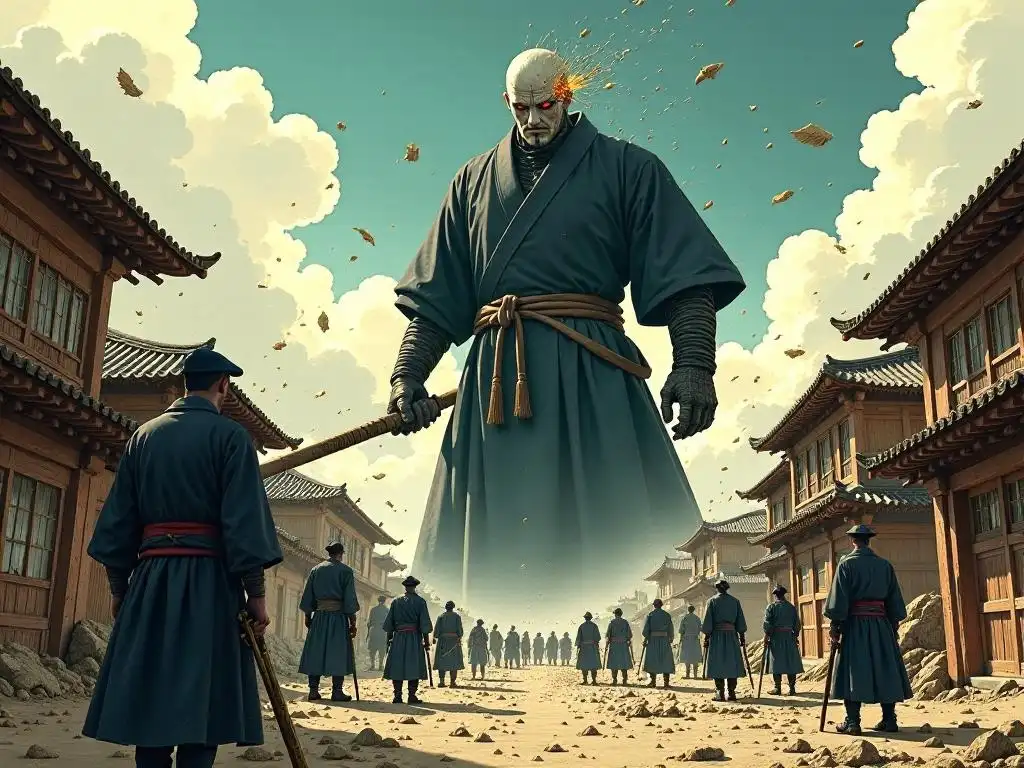
The Onin War had profound consequences for the political structures of the Muromachi period, leading to both immediate and long-term changes in governance.
Immediate Political Changes Post-War
Following the conclusion of the Onin War, Japan experienced a significant shift in governance. The Ashikaga shogunate, once a dominant force, saw its authority severely weakened. The immediate aftermath of the war resulted in:
- Fragmentation of Power: Local daimyōs gained increased autonomy, leading to a decentralized political structure. This fragmentation marked the decline of centralized authority in favor of regional governance.
- Rise of Warlord Authority: With the weakened shogunate, powerful daimyōs began to assert their dominance, often engaging in conflicts with one another for territorial control, setting the stage for the Sengoku period.
Long-Term Impacts on Governance in the Muromachi Period
The long-term impacts of the Onin War on governance during the Muromachi period were substantial. Over time:
- Establishment of Feudal Alliances: The war fostered a system of alliances among daimyōs, leading to a feudal structure that emphasized loyalty and military service over formal governance.
- Shift in Cultural and Political Norms: As regional powers rose, traditional political norms shifted, with the samurai class gaining prominence and influence over local governance.
These changes laid the foundation for a new political order that would dominate Japan for decades.
Emergence of New Political Powers
The aftermath of the Onin War marked the emergence of new political powers that would shape the future of Japan. Key developments included:
- Rise of the Sengoku Daimyōs: Many local warlords capitalized on the chaos to expand their territories and influence, leading to a new class of powerful daimyōs who would play pivotal roles in the unification of Japan.
- Formation of New Alliances: The conflict prompted the formation of new alliances and coalitions among daimyōs, establishing a complex web of political relationships that characterized the late Muromachi period.
This period of instability eventually set the stage for the unification of Japan under leaders like Oda Nobunaga and Toyotomi Hideyoshi, making the Onin War a critical turning point in Japan's political history.
The Role of the Ashikaga Shogunate in Post-War Politics
The Onin War, which erupted in 1467 and lasted until 1477, drastically altered the political landscape of Japan, particularly affecting the Ashikaga Shogunate. Initially, the Ashikaga shoguns held significant authority, but by the end of the conflict, their power had waned considerably. The war marked a turning point in Muromachi politics, leading to a fragmented governance structure that shifted the balance of power away from the shogunate and towards regional daimyo.
The Ashikaga Shogunate's Influence on Muromachi Governance
The Ashikaga Shogunate was established in 1336 and was initially effective in centralizing power. However, during the Onin War, their inability to maintain control over the warring factions revealed the weaknesses in their political authority. The shogunate's reliance on vassals and the regional daimyo for military support became increasingly problematic as local leaders began to pursue their interests independently. Consequently, the governance structure of Muromachi Japan transformed from a centralized authority to a more decentralized feudal system, where local lords wielded more power than the shogunate itself.
Internal Struggles within the Shogunate
Post-war, the Ashikaga Shogunate faced significant internal challenges. After the conflict, the shogunate was plagued by factionalism and power struggles among the Ashikaga family members. This infighting weakened the shogunate's ability to govern effectively, leading to further fragmentation. The rise of influential families within the shogunate, such as the Hosokawa and the Yamana, created a competitive environment where loyalty was often fickle. As a result, the once cohesive governance structure of the Ashikaga became increasingly unstable, ultimately contributing to its decline.
Relationship with Regional Daimyos after the Onin War
The relationship between the Ashikaga Shogunate and regional daimyo transformed drastically in the wake of the Onin War. As local lords gained military and economic power during the conflict, they began to assert their autonomy, often challenging the shogunate's authority. The shogunate found itself in a precarious position, needing to negotiate with these powerful daimyo to maintain some semblance of control. This shift effectively decentralised power, leading to a feudal system characterized by a patchwork of allegiances where local lords prioritized their interests over those of the shogunate.
The Onin War not only restructured Muromachi political authority but also had profound social and cultural ramifications. As the war ravaged the country, it instigated changes within the societal fabric and the political class, influencing governance at all levels.
Changes in Society and the Political Class
The Onin War led to significant upheaval within Japanese society, as the conflict displaced many people and altered the power dynamics among classes. The traditional samurai class saw a shift as local lords began to recruit warriors from lower social strata, leading to a more diverse political class. This diversification introduced new perspectives and motivations within the ruling elite, impacting governance by fostering a more meritocratic approach to leadership. Moreover, the devastation of the war weakened the power of the imperial court, causing the samurai and daimyos to assume roles that further entrenched their influence in governance.
Cultural Shifts Influenced by the War
Culturally, the Onin War inspired a shift in values and practices within the Muromachi period. The chaos of the war led to a rise in the prominence of the tea ceremony, Noh theater, and other cultural expressions as forms of solace and social cohesion. These cultural practices were often utilized by the ruling classes to assert their status and cultivate loyalty among their followers. Furthermore, the war heightened the importance of art and literature as means of documenting the experiences of the era, fostering a rich cultural legacy that continues to influence Japan today.
The Impact on Feudal Loyalties and Alliances
The Onin War significantly altered feudal loyalties and alliances, leading to a more fragmented and fluid political landscape. The conflict caused many samurai and daimyo to reassess their allegiances, often switching sides based on convenience or survival. This instability fostered a culture of opportunism where alliances were temporary, and betrayals were common. Consequently, the war's aftermath saw an increase in regional conflicts and power struggles, laying the groundwork for the Warring States period (Sengoku jidai) that followed, where the competition for power among feudal lords would dominate the political scene in Japan.
Analysis of the Onin War's Legacy in Japanese Political History
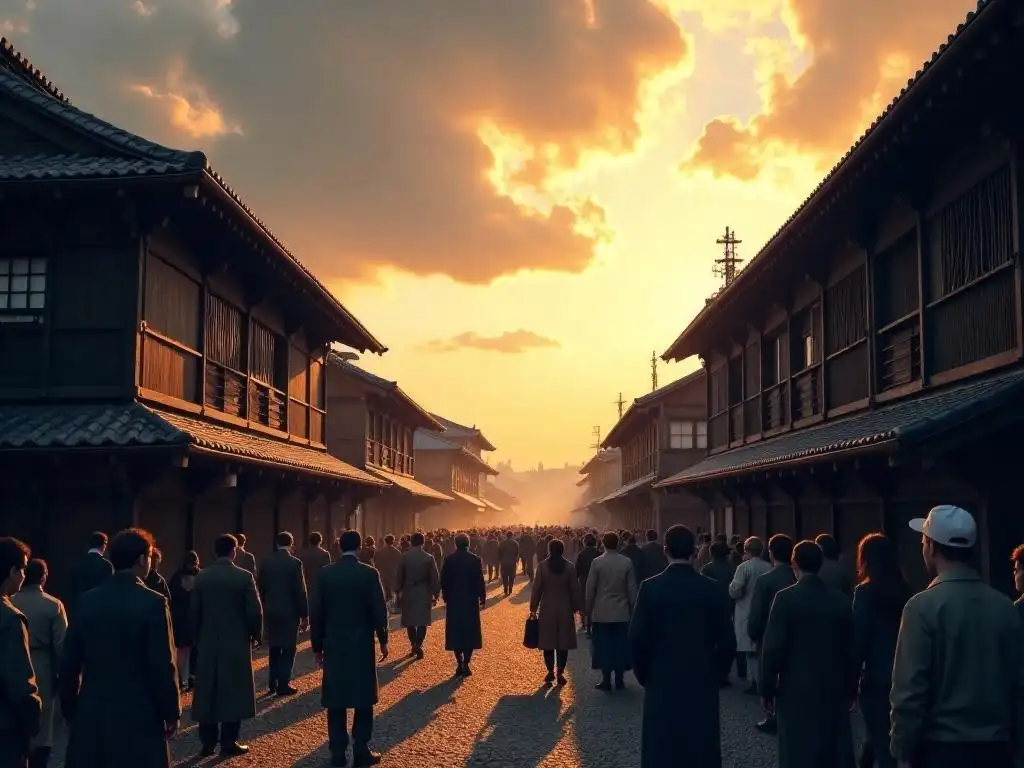
The Onin War, which erupted in 1467 and lasted until 1477, was a pivotal conflict that not only altered the landscape of the Muromachi period but also left an indelible mark on Japan's political history. This civil war primarily stemmed from a power struggle among the Ashikaga shogunate and various regional daimyōs, leading to a fragmentation of authority that would resonate through subsequent generations. The war's legacy can be analyzed through its effects on political structures, the evolution of governance, and its influence on later conflicts.
The immediate aftermath of the Onin War saw the decline of central power in Kyoto, as the Ashikaga shogunate struggled to maintain control over the increasingly autonomous daimyōs. This power vacuum initiated a shift towards local governance, where regional leaders began to assert their dominance. Thus, the Onin War set in motion a transition from centralized feudal control to a more decentralized system, challenging the traditional authority of the shogunate and fostering an environment ripe for further conflicts.
The Onin War's Role in Shaping Future Conflicts
The Onin War acted as a catalyst for future conflicts in Japan, marking the beginning of the Sengoku period, often referred to as the "Warring States" period. The disintegration of the Ashikaga shogunate's authority led to rampant warfare among rival factions and daimyōs, each vying for dominance in a fragmented political landscape. This era was characterized by numerous battles, alliances, and betrayals, as local leaders sought to fill the power void left by the weakened shogunate.
Furthermore, the conflict established a precedent for the use of military force in political maneuvering, emphasizing the importance of military prowess in securing power. As daimyōs amassed armies and engaged in territorial disputes, the need for strategic alliances and military tactics became paramount in shaping the political realm of Japan. The Onin War thus not only influenced the immediate aftermath but laid down the blueprint for subsequent civil wars and the evolution of governance in Japan.
Influence on the Structure of Power in Later Periods
In the wake of the Onin War, the structure of power in Japan underwent significant transformation. The traditional feudal hierarchy, which relied heavily on loyalty to the shogunate, began to erode as local daimyōs gained increased autonomy and influence. This shift empowered regional leaders to craft their own political identities and strategies, often prioritizing local interests over the central authority of the Ashikaga shogunate.
As the Sengoku period unfolded, the rise of prominent daimyōs, such as Oda Nobunaga and Toyotomi Hideyoshi, was facilitated by the precedents set during the Onin War. These leaders adeptly navigated the complexities of local governance and military engagement, eventually leading to the unification of Japan under the Tokugawa shogunate. The legacy of the Onin War can be seen as a critical turning point that redefined the relationships between power, authority, and governance in Japan.
Comparative Analysis with Other Civil Wars in Japan
When compared to other civil wars in Japanese history, such as the Genpei War (1180-1185) and the Boshin War (1868-1869), the Onin War presents unique characteristics and implications for Muromachi politics. The Genpei War culminated in the establishment of the Kamakura shogunate, marking a transition from imperial to military rule, whereas the Boshin War was a clash between imperial loyalists and Tokugawa shogunate forces, ultimately resulting in the Meiji Restoration.
In contrast, the Onin War did not lead to a definitive victor or a new ruling structure; rather, it fostered prolonged instability and fragmentation. The civil strife exacerbated by the Onin War catalyzed a decentralized power structure that allowed for the emergence of multiple regional leaders, each claiming authority in their respective territories. This divergence in outcomes highlights the Onin War's distinctive role in shaping the course of Japanese governance and political history.
Conclusion
Summary of the Onin War's Impact on Muromachi Politics
The Onin War significantly impacted the political landscape of the Muromachi period, leading to a decline in the authority of the Ashikaga shogunate and the rise of regional daimyōs. The war marked the beginning of a shift towards decentralized governance, setting the stage for the chaotic and transformative Sengoku period. The legacy of the Onin War serves as a reminder of how internal conflicts can precipitate significant changes in political structures and relationships.
Reflection on the Importance of Understanding this Historical Event
Understanding the Onin War is crucial for comprehending the complexities of Japanese political history. The conflict not only highlights the struggles for power and authority within the Muromachi period but also illustrates how such struggles can reshape governance and societal structures. By examining the Onin War, scholars and enthusiasts alike can gain insights into the broader dynamics of conflict, power, and political evolution in Japan.
Final Thoughts on the Legacy of the Onin War in Japanese Governance
The legacy of the Onin War continues to resonate in Japan's historical narrative, serving as a critical juncture in the transition from feudalism to centralized governance. Its effects on political structures and future conflicts underscore the importance of internal strife in shaping national identity and authority. The lessons drawn from this conflict remain relevant, offering valuable perspectives on the interplay between warfare and governance in any society.
References for Further Reading
To gain a deeper understanding of the Onin War and its profound effects on the political structures of the Muromachi period, the following references provide valuable insights. These resources range from comprehensive books to scholarly articles, each contributing to a richer appreciation of this pivotal era in Japanese history.
Suggested Books and Articles on Onin War and Muromachi Politics
- "The Onin War: A Historical Study of Feudal Conflict" by John W. Hall
- This book offers an in-depth analysis of the Onin War, detailing its causes, key figures, and the broader implications on Japanese society and governance. Hall’s narrative is enriched with primary sources, providing readers with a vivid portrayal of the conflict.
- "Muromachi Politics: The Rise of the Ashikaga Shogunate" by Thomas D. Conlan
- Conlan explores the political dynamics of the Muromachi period, focusing on the Ashikaga shogunate’s role in shaping governance. This book highlights the shifts in power structures prompted by the Onin War, emphasizing the era's complexity.
- "Civil War in Japan: The Onin War and Its Aftermath" by Tetsuo Najita
- This article delves into the aftermath of the Onin War, examining how the conflict led to significant changes in political alliances and social structures. Najita provides a critical perspective on the war's legacy and its influence on subsequent periods.
- "The Impact of Civil War on Governance: Lessons from the Onin War" by Akira Takahashi
- Takahashi presents a detailed analysis of the governance challenges faced during and after the Onin War. The article discusses the fragmentation of power and the rise of local warlords, which reshaped the political landscape of the Muromachi period.
Academic Journals Related to Japanese Political History
- The Journal of Japanese Studies
- This peer-reviewed journal features articles on various aspects of Japanese history, including political developments during the Muromachi period. Researchers will find numerous studies related to the Onin War and its implications for governance.
- Japan Review
- Japan Review publishes scholarly articles that cover a wide range of topics in Japanese history, with a focus on political and social transformations. The journal often includes studies on the Muromachi period, providing insights into the impact of the Onin War.
- Asian Studies Review
- This journal explores historical and contemporary issues in Asian studies, including Japanese political history. Articles relating to the Onin War and its consequences for Muromachi politics can be found within its archives.
- Monumenta Nipponica
- Known for its rigorous academic standards, this journal features in-depth articles on Japanese history and culture. Researchers interested in the political ramifications of the Onin War will benefit from the extensive studies published here.
These references offer a solid foundation for anyone interested in exploring the intricate relationship between the Onin War and Muromachi politics, shedding light on how this conflict reshaped the political landscape of Japan during a tumultuous time.
- Introduction to the Onin War and Muromachi Politics
- Prelude to the Onin War
- The Onin War: A Detailed Examination
- Consequences of the Onin War on Muromachi Political Structures
- The Role of the Ashikaga Shogunate in Post-War Politics
- Social and Cultural Effects of the Onin War on Governance
- Analysis of the Onin War's Legacy in Japanese Political History
- Conclusion
- References for Further Reading
Frequently Asked Questions
What was the Onin War and its duration?
The Onin War was a significant civil conflict in Japan that lasted from 1467 to 1477, marking a pivotal moment in Muromachi politics and leading to the eventual decline of the shogunate's power.
How did the Onin War affect the Muromachi political structures?
The war fragmented the political landscape, resulting in the rise of feudal lords (daimyos) who gained substantial autonomy, thereby weakening the central authority of the Muromachi shogunate.
What were the primary causes of the Onin War?
The conflict stemmed from succession disputes within the Ashikaga family and escalated due to regional rivalries, ultimately drawing in various factions across Japan.
How did the Onin War influence Japanese culture?
The war catalyzed changes in art and architecture, promoting the development of distinct cultural practices and the rise of the warring states period that followed.
What were the long-term effects of the Onin War on Japan?
The Onin War set the stage for the Sengoku period, leading to a fragmented Japan and eventually paving the way for the unification efforts by leaders like Oda Nobunaga and Toyotomi Hideyoshi.
Final Reflection: The Enduring Legacy of the Onin War on Muromachi Politics
The Onin War was not just a pivotal conflict in Japanese history; it was a catalyst that reshaped the very foundations of Muromachi politics. Today, as we analyze the intricate web of power dynamics and governance that emerged from this tumultuous period, we recognize its profound influence on the trajectory of Japanese society. The lessons learned from the Onin War remind us that political instability can lead to significant transformations, both positive and negative, in the structures that govern our lives.
Clearly, the Onin War has left an indelible mark on the cultural and social landscape of Japan. The fragmentation of power that ensued from the war fostered a climate of regional autonomy and conflict, which ultimately paved the way for the rise of the samurai class and the eventual unification of Japan. This historical reflection invites us to consider how contemporary political structures are similarly influenced by conflict and competition. In times of chaos, new orders emerge, often born from the ashes of the old.
As we conclude this exploration of the Onin War and its impact on Muromachi politics, I urge you to reflect on the lessons of resilience and adaptability that history offers us. Consider how the challenges we face today can lead to transformative change in our own political and social structures. Let us embrace the spirit of inquiry and action, drawing inspiration from the past to shape a future that values stability, cooperation, and the lessons learned from our history.
Revolutionize Your Understanding of Muromachi Politics!
Thank you for diving into the intricate world of the Onin War and its far-reaching effects on the political landscape of the Muromachi period. Your interest enriches our shared understanding of this pivotal time in Japanese history. Now, let’s take the insights from this article and turn them into action!
Here are some exciting steps you can take to deepen your knowledge and engage with the history of feudal Japan:
- Join a historical discussion group online or in your local community focused on the Muromachi period to share insights and learn from others.
- Explore further by reading recommended texts on the Onin War and its aftermath, uncovering lesser-known figures and events that shaped the era.
- Consider writing your own reflections on how the Onin War parallels other historical conflicts around the world – sharing knowledge enriches everyone!
What aspect of the Onin War intrigues you the most, and how do you think it relates to modern political challenges? Let's discuss in the comments below!