
Not Just Foot Soldiers: The Diverse Skills of the Ashigaru

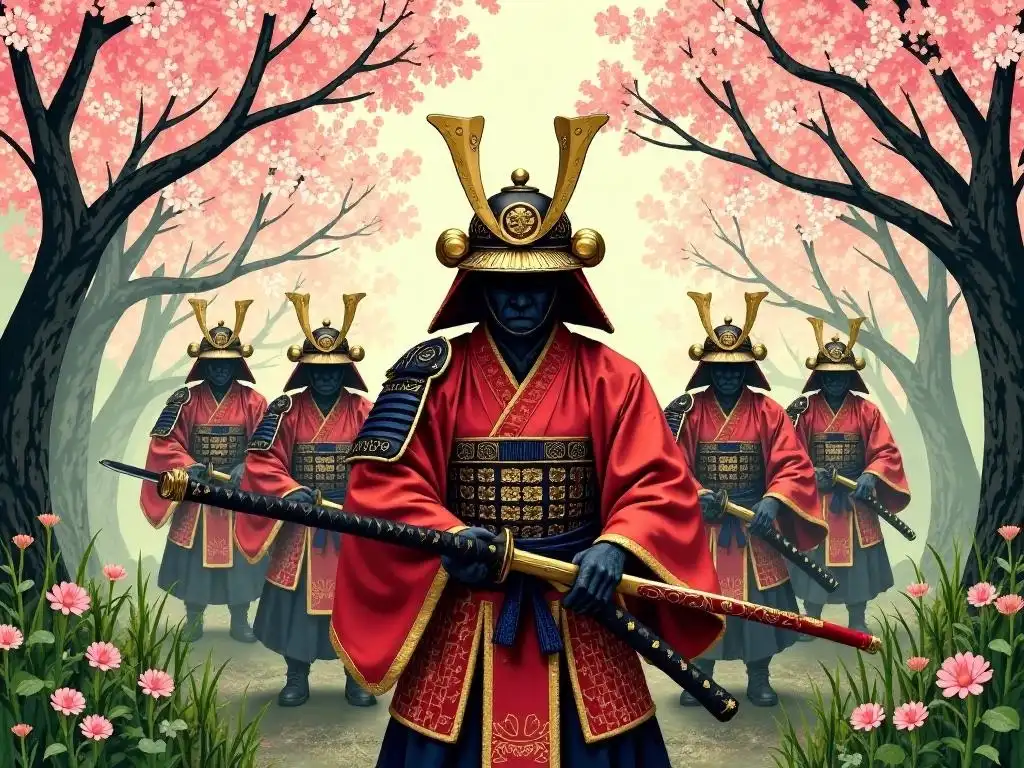
Welcome to Feudal Japan History, where we embark on an intriguing journey through the rich tapestry of Japan's feudal era. Delve into our latest article, " Not Just Foot Soldiers: The Diverse Skills of the Ashigaru," and discover how these often-overlooked warriors were much more than mere infantry. From their tactical prowess to their unique contributions on the battlefield, the skills of the Ashigaru warriors reveal a fascinating layer of military history that challenges common perceptions. Are you ready to explore the untold stories and complexities of these remarkable fighters? Let's dive in!
Introduction to Ashigaru Warriors
The Ashigaru, often perceived merely as foot soldiers in the feudal armies of Japan, were much more than their traditional image suggests. Emerging during the 15th century, these warriors played a pivotal role in the military framework of their time, showcasing a range of skills and capabilities that extended beyond basic combat.
This article aims to delve into the skills of the Ashigaru warriors, exploring their contributions to military tactics, their evolution, and their significance within the broader context of Japan's feudal era. By examining their diverse roles, we can better appreciate the complexity and richness of military life during this transformative period in Japanese history.
Overview of the Ashigaru in Feudal Japan
Originally, the term "Ashigaru" referred to foot soldiers who were not part of the samurai class. These warriors were often recruited from the lower classes, which allowed for a more diverse military force. Unlike the samurai, who were bound by strict codes of honor and training, the Ashigaru were more adaptable and practical in their approach to warfare. They were trained to utilize various weapons, including:
- Spears (Yari): The primary weapon for many Ashigaru, allowing them to engage effectively in both formation and open combat.
- Bows (Yumi): Some Ashigaru were skilled archers, providing ranged support during battles.
- Swords (Katana): While not their primary weapon, many Ashigaru carried swords for close-quarters combat.
This adaptability made the Ashigaru a valuable asset on the battlefield, as they could be trained quickly and effectively in various tactics.
Importance of the Ashigaru in Military History
The Ashigaru's significance in Japanese military history cannot be overstated. They constituted a substantial portion of the fighting forces during the Sengoku period, where their numbers often outmatched those of the samurai. Some key aspects of their importance include:
- Mass Mobilization: The ability to quickly train and equip large numbers of Ashigaru allowed feudal lords to mobilize forces rapidly in times of conflict.
- Tactical Flexibility: Ashigaru could be utilized in various battlefield roles, from frontline infantry to support troops, allowing for dynamic tactical formations during engagements.
- Social Mobility: Their service provided opportunities for social advancement, as successful Ashigaru could earn land and status, blurring the lines between the samurai and commoner classes.
Historical Context of the Ashigaru
To fully understand the skills and significance of the Ashigaru, it is essential to explore the historical context in which they operated. The feudal era of Japan was characterized by constant warfare and shifting allegiances, creating an environment where the Ashigaru could thrive.
The Evolution of the Ashigaru Role
Initially, Ashigaru were viewed as a secondary force, often used to supplement samurai troops. However, as warfare evolved, so too did their role. They transformed from simple foot soldiers into skilled warriors who could perform various tasks, including:
- Siege Warfare: Learning to participate in the construction of siege engines and the defense of fortifications.
- Skirmishing: Developing guerrilla tactics that allowed them to harass enemy troops and disrupt supply lines effectively.
As the Sengoku period progressed, the Ashigaru became integral to the success of many military campaigns, proving their worth beyond mere numbers.
Key Battles Involving Ashigaru Warriors
Several significant battles highlight the impact of Ashigaru warriors on Japan's military history. For instance:
- The Battle of Nagashino (1575): This battle marked a turning point where the effective use of Ashigaru armed with firearms (teppo) played a crucial role in the victory of Tokugawa Ieyasu against the Takeda clan.
- The Siege of Osaka (1614-1615): Ashigaru proved their versatility in both offensive and defensive operations, contributing to the Tokugawa shogunate's consolidation of power.
These battles not only demonstrate the skills of the Ashigaru warriors but also their evolution into formidable forces on the battlefield, reshaping the dynamics of feudal Japanese warfare.
As we continue to explore the various skills of the Ashigaru warriors, we will uncover more about their training, societal roles, and the lasting impact they had on Japan’s military legacy.
Skills of the Ashigaru Warriors
The Ashigaru were not merely foot soldiers; they embodied a diverse range of skills that played a crucial role in the military operations of feudal Japan. Originating as lower-class infantry, they evolved into a vital component of samurai armies. Their skills extended beyond basic combat, encompassing specialized techniques, leadership abilities, and tactics that influenced battlefield strategies. Understanding the skills of the Ashigaru warriors provides insight into their significance in Japan's feudal military structure.
Basic Combat Skills of Ashigaru
At the core of the Ashigaru's capabilities were their basic combat skills, which included proficiency with various weapons such as spears (yari), swords (katana), and bows (yumi). Trained in the fundamental aspects of warfare, Ashigaru were adept at both melee and ranged combat. They learned to form cohesive units and execute basic formations, such as the "kishi" line, which allowed them to present a formidable front against enemy forces.
Their training included:
- Weapon Handling: Mastery of the yari and katana, enabling effective close-quarters combat.
- Archery: Skills in long-range engagement, particularly using the yumi, which was essential for providing cover fire.
- Foot Maneuvering: Understanding of movement techniques to maintain formation and adapt to battlefield dynamics.
The combination of these skills made Ashigaru a flexible and resilient force on the battlefield, capable of responding to a variety of combat scenarios.
Specialized Skills of Ashigaru
As the role of Ashigaru expanded, so did their repertoire of specialized skills. Some Ashigaru received training in specific areas that allowed them to contribute uniquely to military campaigns. This specialization included:
- Siege Warfare: Some Ashigaru were trained in techniques for storming fortifications, utilizing ladders, and managing siege engines.
- Skirmishing: Lightly armored Ashigaru often engaged in skirmishing tactics, using mobility and speed to harass enemy formations.
- Intelligence Gathering: A select few were trained in reconnaissance, gathering valuable information about enemy movements and terrain.
These specialized skills increased the versatility of Ashigaru units, allowing them to adapt to varying combat situations and enhance the effectiveness of their samurai commanders.
Leadership and Command Skills Among Ashigaru
While many Ashigaru served as foot soldiers, a subset demonstrated remarkable leadership and command skills. These individuals often took on roles that involved strategy and troop management, which were crucial during campaigns. Leadership traits exhibited by some Ashigaru included:
- Tactical Decision-Making: The ability to assess battlefield conditions and make quick decisions that could turn the tide of combat.
- Unit Coordination: Skills in organizing fellow soldiers during engagements, ensuring that formations were maintained, and orders were executed effectively.
- Morale Building: Capable leaders motivated and inspired their comrades, fostering resilience and determination in the face of adversity.
The emergence of such leadership within the ranks of Ashigaru illustrates their evolving status and the importance of their contributions to military success.
Training and Recruitment of Ashigaru Warriors
The recruitment and training of Ashigaru were pivotal in shaping their skills and effectiveness on the battlefield. This process was structured and systematic, reflecting the demands of feudal warfare.
The Recruitment Process in Feudal Japan
The recruitment of Ashigaru typically occurred during periods of conflict when samurai lords required additional manpower. Common practices in the recruitment process included:
- Voluntary Service: Many Ashigaru were peasants who enlisted voluntarily, seeking opportunities for land and wealth.
- Conscription: During intense military campaigns, lords could conscript local men, forcing them into service.
- Feudal Obligations: Some Ashigaru were recruited as part of the feudal system, where peasants were required to serve their lords in times of war.
This dynamic recruitment process ensured a steady influx of warriors into the ranks of the Ashigaru, allowing them to grow in numbers and capability.
Training Regimens for Skill Development
Once recruited, Ashigaru underwent rigorous training regimens designed to develop their combat skills and overall military effectiveness. Training typically involved:
- Physical Conditioning: Strength and endurance training to prepare Ashigaru for the rigors of battle.
- Weapon Proficiency: Intensive drills focusing on weapon handling, aiming, and combat techniques.
- Tactical Exercises: Simulations of battlefield scenarios to enhance unit cohesion and strategic understanding.
These training regimens were essential for transforming ordinary peasants into capable soldiers, equipping them with the skills necessary to contribute to the success of their feudal lords on the battlefield.
The Cultural Significance of Ashigaru Skills

The Ashigaru, initially seen as mere foot soldiers in the samurai-dominated hierarchy of feudal Japan, evolved to embody a complex blend of skills that held significant cultural importance. As these warriors transitioned from peasant status to pivotal military figures, their diverse capabilities began to reflect the broader societal changes occurring during the Sengoku period.
The skills of the Ashigaru went beyond mere combat proficiency; they included expertise in various crafts, such as weapon forging and maintenance, as well as logistical tasks essential for sustaining armies in the field. This adaptability highlighted the Ashigaru's role in a society that increasingly valued practical skills alongside noble birth. Their ability to unite under a common cause, regardless of social class, fostered a sense of camaraderie and loyalty that was crucial for the cohesion of military units.
The Perception of Ashigaru in Society
While Ashigaru were often viewed with disdain by the samurai class, their skills gradually reshaped perceptions within society. Initially regarded as lowly infantry, the Ashigaru gained recognition for their crucial role in battles, especially as military tactics evolved to favor larger, more versatile units. Their effectiveness in warfare began to challenge the notion that only the samurai were worthy of honor and respect.
Cultural depictions of the Ashigaru began to appear in literature and art, showcasing them not merely as cannon fodder but as skilled warriors capable of significant feats. The famous "Battle of Nagashino" served as a turning point, where Ashigaru formations proved decisive against samurai cavalry, cementing their reputation. Consequently, their skills and contributions became more appreciated, leading to a gradual shift in societal views.
Contributions to Japanese Warfare and Strategy
The diverse skills of the Ashigaru significantly influenced Japanese warfare and strategy. Their training included archery, spear fighting, and the use of firearms, which expanded the tactical options available to commanders. The introduction of gunpowder weapons during the late 16th century saw Ashigaru troops playing vital roles in battles, utilizing their marksmanship to devastating effect.
Moreover, the organizational structure of the Ashigaru allowed for flexible military strategies. Unlike the rigid formations of samurai warriors, Ashigaru could be mobilized quickly, adapting to changing battlefield conditions. This versatility was instrumental in the successes of various warlords, who recognized the value of integrating Ashigaru into their forces. Their ability to operate in diverse environments, from mountainous terrain to urban settings, further exemplified their strategic importance.
Conclusion: The Legacy of Ashigaru Skills
The legacy of Ashigaru skills reverberates through Japanese military history, marking them as more than just foot soldiers. Their contributions laid the groundwork for modern military concepts, emphasizing adaptability, teamwork, and the importance of diverse skill sets within an army.
Lasting Impact on Military Strategies in Japan
The impact of the Ashigaru on military strategies in Japan can still be felt today. Their methods of warfare, particularly the use of massed infantry and coordinated firepower, influenced subsequent generations of Japanese soldiers. The principles established by the Ashigaru, such as the importance of training and versatility, became cornerstones of military doctrine in Japan, shaping the way armies were organized and deployed in later conflicts.
Additionally, the Ashigaru's legacy extends beyond the battlefield; it has permeated Japanese culture, symbolizing the potential for individuals from humble beginnings to rise through skill and determination. This narrative resonates deeply within the context of social mobility and meritocracy in Japanese society.
Recognition of Ashigaru Contributions in Historical Accounts
Historical accounts have increasingly recognized the contributions of Ashigaru warriors to Japan's military history. Chronicles from the Sengoku period document their pivotal roles in key battles, highlighting specific instances where Ashigaru tactics turned the tide of war.
Later historians and scholars have sought to reevaluate the traditional narratives that often marginalized the Ashigaru, acknowledging their integral place in Japan's feudal military structure. This recognition reflects a broader understanding of military history, emphasizing that every soldier, regardless of rank, played a part in shaping the nation’s past. The evolving portrayal of Ashigaru in historical texts serves as a testament to their enduring legacy and the diverse skills that defined them.
References and Further Reading on Ashigaru Warriors
The exploration of the skills of the Ashigaru warriors reveals a rich tapestry of military strategy, social structure, and cultural significance in feudal Japan. To delve deeper into this fascinating topic, a variety of resources are available for both scholars and enthusiasts.
Key Texts and Resources for In-Depth Study
-
"Samurai, Warfare and the State in Early Medieval Japan" by Karl F. Friday
This book provides a comprehensive examination of the military practices in early Japan, including the role of Ashigaru. Friday’s analysis offers insights into how these foot soldiers contributed to the shifting dynamics of warfare during the feudal era.
-
"The Samurai: A Military History" by Stephen Turnbull
Turnbull’s work is a seminal text that outlines the evolution of samurai warfare, including the integration of Ashigaru into the military framework. It discusses the training, tactics, and societal roles of these warriors.
-
"Warriors of Japan as Portrayed in the War Tales" by John T. Carpenter
This book explores various historical accounts and literature that mention Ashigaru, providing context to their skills and contributions to military campaigns.
-
"The Rise of the Samurai" by Anthony J. Bryant
Bryant's book focuses on the emergence of the samurai and the role that Ashigaru played in supporting their rise. It highlights their tactical significance and adaptability in various combat scenarios.
-
"The Culture of the Samurai: A New Perspective" by Hiroshi Kitagawa
This resource sheds light on the cultural aspects of the samurai and their foot soldiers, discussing how the skills of Ashigaru influenced broader cultural and social dynamics.
Suggested Articles on Military History in Feudal Japan
-
"The Role of Ashigaru in the Sengoku Period"
This article analyzes the transformation of Ashigaru warriors during the Sengoku period, focusing on their evolving roles, training, and the strategic importance they held in battles.
-
"Tactics and Techniques: The Ashigaru's Place in Feudal Warfare"
An exploration of the various battle tactics employed by Ashigaru and how their skills complemented the strategies of samurai leaders.
-
"The Ashigaru: Common Soldiers, Uncommon Skills"
This piece highlights the unique skills possessed by Ashigaru, including archery, spear handling, and the use of firearms, showcasing their capabilities beyond mere foot soldiers.
-
"Social Mobility and the Ashigaru Class"
Investigating the social dynamics of the Ashigaru, this article discusses how their military service could lead to upward mobility and changes in societal structure.
-
"From Peasants to Warriors: The Evolution of the Ashigaru"
A detailed study on the transition of Ashigaru from peasant backgrounds to recognized military personnel, exploring the socio-political implications of their development.
These texts and articles serve as valuable resources for anyone interested in understanding the multifaceted skills of the Ashigaru warriors and their significance in the military history of feudal Japan.
- Introduction to Ashigaru Warriors
- Historical Context of the Ashigaru
- Skills of the Ashigaru Warriors
- Training and Recruitment of Ashigaru Warriors
- The Cultural Significance of Ashigaru Skills
- Conclusion: The Legacy of Ashigaru Skills
- References and Further Reading on Ashigaru Warriors
Frequently Asked Questions
What were the Ashigaru warriors known for?
The Ashigaru warriors were known for their role as foot soldiers in feudal Japan. They were skilled in various forms of combat and were essential to the samurai's military strategies.
How did Ashigaru warriors gain their skills?
Ashigaru warriors often learned their skills through training under samurai or experienced soldiers. They practiced archery, swordsmanship, and tactics to adapt to the battlefield's demands.
Were Ashigaru warriors only used in large battles?
No, the Ashigaru were utilized in both large-scale battles and smaller skirmishes. Their versatility allowed them to be effective in various combat scenarios, making them valuable assets.
What types of weapons did Ashigaru warriors use?
Ashigaru warriors commonly used weapons such as the yari (spear), naginata (polearm), and bow. These weapons showcased their diverse skills and adaptability in different combat situations.
While Ashigaru were typically considered lower-ranking than samurai, they enjoyed a higher status compared to common peasants. Their role in the military allowed them to gain some social mobility within the feudal hierarchy.
Final Reflection: The Enduring Legacy of Ashigaru Skills
The skills of the Ashigaru warriors are not merely historical footnotes; they resonate profoundly in today's discussions about adaptability and versatility in various fields. As we navigate an increasingly complex world, the ability to harness diverse skills, much like the Ashigaru did, remains crucial. Their legacy teaches us that true strength lies not only in brute force but in the capacity to adapt, learn, and excel in multiple disciplines.
Culturally and socially, the Ashigaru represent a shift in the perception of warriors from mere soldiers to multifaceted individuals capable of contributing to their society in various ways. Their diverse skills have influenced modern views on teamwork and collaboration, reminding us that every role, no matter how humble, can hold significant value. The greatest weapon is not the sword, but the mind that wields it.
This quote encapsulates the essence of the Ashigaru, emphasizing that intellect and skill are as vital as physical prowess.
As you reflect on the skills of the Ashigaru warriors, consider how you can apply their lessons in your own life. Embrace the idea of being a lifelong learner, cultivating a diverse skill set that empowers you to face challenges head-on. Whether in your career, personal endeavors, or community involvement, think about how you can embody the spirit of the Ashigaru—adaptable, resourceful, and ever-evolving. The future is not just about specialization; it's about the ability to navigate and thrive in a world that demands versatility.
Unleash Your Inner Samurai: Dive Deeper into the World of Ashigaru!
Thank you for exploring the fascinating world of the Ashigaru with us! We hope you now appreciate not just their role as foot soldiers but also their diverse skills and contributions to feudal Japan. With this newfound knowledge, why not take your interest a step further and discover even more about these remarkable warriors?
Here’s how you can continue your journey:
- Join our community: Sign up for our newsletter to gain exclusive insights and updates about feudal Japan and its warriors.
- Explore further: Delve into our articles on samurai culture and battlefield tactics to understand how they complement the skills of the Ashigaru.
- Share your thoughts: Connect with us on social media—share your favorite facts about the Ashigaru or ask questions to engage with fellow enthusiasts!
What aspect of the Ashigaru’s diverse skills intrigues you the most, and how do you think they influenced the outcomes of battles in feudal Japan?