
The Impact of Climate on Farming: Adaptation and Survival in Feudal Japan


Welcome to Feudal Japan History, where we embark on a fascinating journey through Japan's feudal era, uncovering the intricate tapestry of historical, cultural, and societal threads that shaped this remarkable period. In our featured article, "The Impact of Climate on Farming: Adaptation and Survival in Feudal Japan," we delve into how climate variations influenced agricultural practices and the resilience of communities during turbulent times.
Prepare to be captivated as you explore the dynamic interplay between the environment and the livelihoods of those who thrived in this unique historical landscape. The story of survival and adaptation awaits you—dare to uncover the secrets of feudal farming?
Introduction to Climate Effects on Feudal Farming
The intricate relationship between climate and agriculture has shaped human societies throughout history, and this is especially true for feudal Japan. During this era, the survival and prosperity of communities were deeply intertwined with the natural environment, particularly the climatic conditions that influenced farming practices. Understanding how farmers navigated the challenges posed by climate variability provides valuable insights into the resilience and adaptability of feudal Japanese society. This exploration will delve into the specific impacts of climate on agricultural practices, revealing how farmers adapted to changing conditions to sustain their livelihoods and support their communities.
Overview of Feudal Japan's Agricultural Landscape
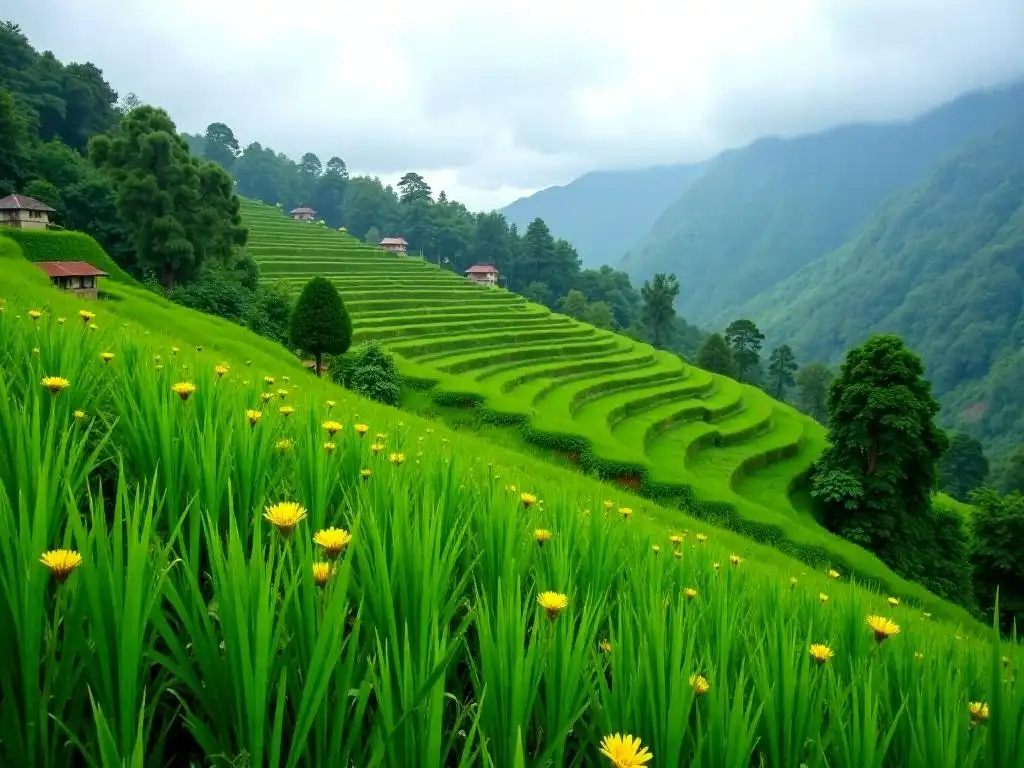
Feudal Japan, spanning from the 12th to the 19th century, was characterized by a predominantly agrarian society. The agricultural landscape was defined by terraced rice paddies, lush fields, and diverse crops that varied by region. Key features of this landscape included:
- Rice Cultivation: As the staple food of Japan, rice was cultivated in flooded paddies, making it susceptible to climatic influences.
- Crop Diversity: Farmers also grew millet, barley, and vegetables, which provided essential nutrients and economic stability.
- Regional Variations: Different areas of Japan experienced unique climatic conditions, leading to varied agricultural practices and crop selection.
This agricultural framework was not only vital for sustenance but also for the social and economic structures of feudal Japan.
Significance of Climate in Agricultural Practices
Climate played a crucial role in shaping agricultural practices in feudal Japan. The farmers' ability to predict and respond to climatic conditions directly affected their productivity and, consequently, their survival. Key points include:
- Dependence on Weather: Seasonal rains and temperature fluctuations determined planting and harvesting schedules, making weather patterns critical for successful yields.
- Natural Disasters: Events such as floods, droughts, and typhoons could devastate crops, leading to famine and social unrest.
- Cultural Adaptations: Farmers developed rituals and practices aimed at appeasing the gods of weather, reflecting the deep cultural significance of climate in their daily lives.
Understanding Climate Variability in Feudal Japan
To grasp the full impact of climate on farming in feudal Japan, it is essential to understand the types of climate variability that occurred during this period. Variability influenced not only agricultural output but also the social fabric of communities reliant on stable crop production.
Seasonal Changes and Their Impact on Agriculture
The four distinct seasons of Japan played a pivotal role in its agricultural calendar. Each season brought unique challenges and opportunities:
- Spring: Marked by the onset of planting, farmers relied on timely rains to nourish their crops.
- Summer: This season often brought intense heat and humidity, critical for rice growth but also increasing the risk of pests and disease.
- Autumn: The harvest season, where the success of crops dictated the community's wealth and food security.
- Winter: A time for rest and preparation, but also a period where inadequate snowfall could spell disaster for the following year’s crops.
The interplay of these seasonal changes demanded that farmers remain vigilant and adaptive to maximize their yields.
Historical Climate Patterns and Their Effects on Crop Yield
Historical records indicate that climate patterns in Japan were not static; they shifted over time, influenced by natural phenomena such as El Niño and volcanic activity. These patterns had significant ramifications for agricultural productivity:
- Drought Periods: Extended dry spells could lead to crop failures, prompting shifts in farming techniques or crop types.
- Cool Periods: Colder temperatures could shorten growing seasons, necessitating the adoption of hardier crop varieties.
- Famine Cycles: Significant climatic events often resulted in famine, leading to societal upheaval and changes in feudal power structures.
By exploring these historical climate patterns, we gain a clearer understanding of the profound effects climate had on the agriculture of feudal Japan and the adaptability of its farmers in the face of adversity.
Major Climate Challenges Faced by Farmers
Farmers in feudal Japan encountered a variety of climate challenges that significantly affected their agricultural practices and overall survival. The harsh realities of nature necessitated not only resilience but also adaptation to ensure food security. Understanding these challenges provides insight into the historical context of agriculture in feudal Japan and the innovative strategies developed by farmers.
Droughts and Water Scarcity
Droughts were a frequent occurrence in feudal Japan, particularly during the summer months when rainfall was scarce. Prolonged periods of low precipitation severely impacted rice cultivation, which was the staple crop and central to the economy. Without sufficient water, seedlings would fail to thrive, leading to reduced yields and, in some cases, complete crop failure. This scarcity often resulted in famine, forcing farmers to rely on stored grains that could quickly deplete during extended dry spells.
Farmers developed several coping mechanisms to deal with drought conditions, such as the construction of irrigation systems to divert water from rivers and streams to their fields. However, these systems required significant labor and resources, which were not always available during times of drought. The impact of drought on social structures was profound, leading to increased migration as families sought more fertile lands, and contributing to social unrest in regions hardest hit by these climatic challenges.
Flooding and Soil Erosion
Conversely, excessive rainfall during the rainy season could lead to flooding, which posed its own set of challenges for farmers. The inundation of fields often resulted in soil erosion, washing away nutrient-rich topsoil essential for crop growth. Floods could destroy standing crops and delay planting schedules, exacerbating food shortages in affected regions.
To combat the adverse effects of flooding, farmers often employed raised field techniques and constructed levees to protect their crops from rising waters. These strategies required immense labor and coordination among communities, highlighting the communal nature of agricultural practices in feudal Japan. The aftermath of flooding also necessitated swift recovery efforts, including replanting and soil restoration, to mitigate long-term impacts on agricultural productivity.
Pests and Diseases Triggered by Climate
Climate fluctuations also influenced the prevalence of pests and diseases, which posed significant threats to agricultural output. Warmer temperatures and increased humidity created favorable conditions for pests such as locusts, which could decimate entire fields of crops within days. Additionally, the spread of plant diseases often escalated during periods of excessive moisture, further jeopardizing food production.
Farmers relied on traditional knowledge and practices to manage these threats, incorporating crop rotation and intercropping methods to disrupt pest life cycles. However, the effectiveness of these strategies varied, and during particularly severe outbreaks, farmers had little recourse, leading to substantial losses in yield and increased hardship for rural communities.
Adaptation Strategies Employed by Feudal Farmers
In response to the myriad of climate challenges, feudal farmers in Japan employed a variety of adaptation strategies to enhance their resilience. These strategies not only aimed to mitigate the impacts of adverse weather but also sought to optimize agricultural production amid changing conditions.
Crop Diversification and Rotation Techniques
One of the most effective strategies was crop diversification, where farmers planted multiple crop varieties in a single season. This approach reduced the risk of total crop failure due to pests, diseases, or adverse weather conditions. By rotating crops seasonally, farmers could improve soil fertility and disrupt pest cycles. For example, following a rice harvest, farmers might plant legumes, which would replenish nitrogen in the soil, preparing it for the next rice planting.
This ecological knowledge and practice helped stabilize food supplies and provided farmers with a buffer against climatic fluctuations. The resilience offered by diversification meant that even if one crop failed, others might thrive, thus ensuring some level of sustenance and economic stability.
Innovations in Irrigation and Water Management
Innovations in irrigation and water management played a crucial role in adapting to both droughts and floods. Farmers developed sophisticated systems of canals and ponds to capture and store rainwater for use during dry spells. The introduction of techniques such as the "Yamakoshi" (mountain rice farming) exemplified ingenuity in utilizing varying altitudes for agriculture, allowing farmers to maximize water availability across diverse terrains.
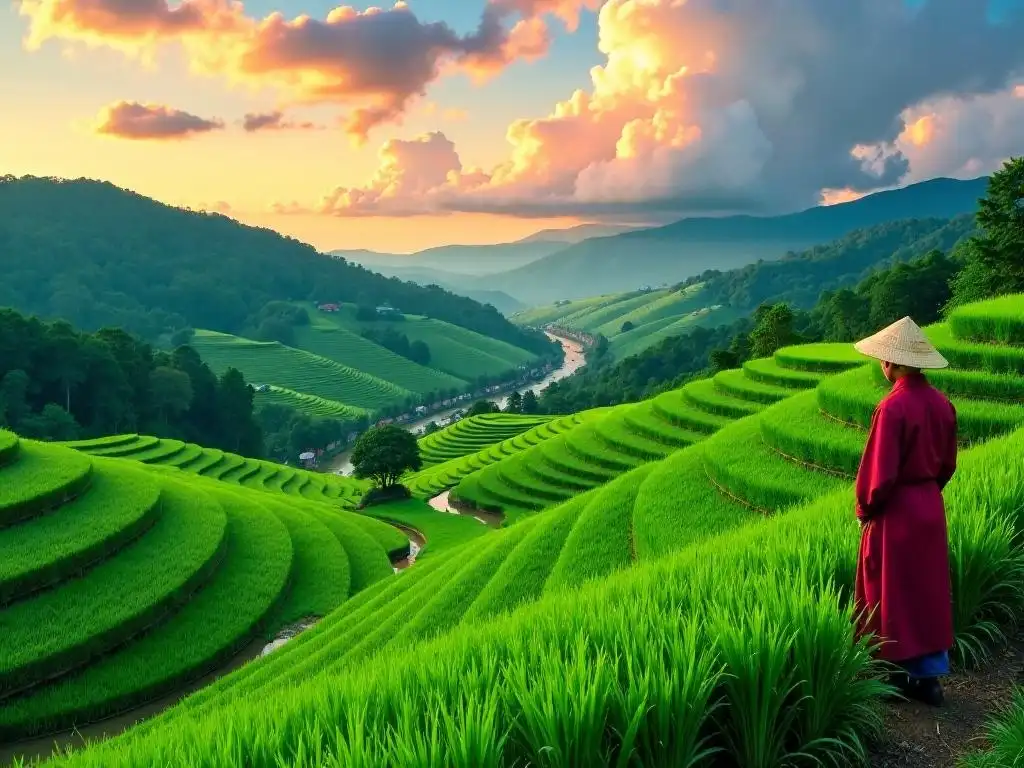
Moreover, the implementation of terracing on hilly landscapes helped control water runoff during heavy rains while also minimizing soil erosion. These innovations not only improved crop yields but also fostered a deeper understanding of the relationship between water management and agricultural success.
Use of Resilient Crop Varieties
The cultivation of resilient crop varieties became increasingly important as farmers faced the dual threats of climate variability and food security. Traditional breeding methods and selective cultivation allowed farmers to develop rice strains that could withstand drought conditions or resist specific pests and diseases.
For instance, certain rice varieties were bred to thrive in less than ideal soil conditions or to mature faster, enabling farmers to harvest before the onset of adverse weather. The emphasis on resilience in crop selection not only provided immediate benefits but also laid the groundwork for sustainable farming practices that would endure through generations.
The interplay between climate and agriculture in feudal Japan illustrates a profound narrative of adaptation and survival. Farmers' responses to environmental challenges were marked by innovation and resilience, showcasing their critical role in shaping Japan's agricultural landscape during this historical period.
Social structures in feudal Japan played a pivotal role in shaping agricultural practices and responses to climate challenges. The hierarchical nature of society, with clearly defined roles and responsibilities, facilitated organized approaches to farming that were necessary for survival amid fluctuating climatic conditions. At the top of the social hierarchy, the samurai class had a significant influence on agricultural policies, often dictating the types of crops grown and the techniques employed. Below them, the peasant class, which constituted the bulk of the population, engaged in farming and were directly affected by environmental changes.
As climate conditions shifted, social structures allowed for the sharing of knowledge and resources among farmers. Communities often relied on collective efforts, where local leaders would organize responses to mitigate the effects of adverse weather. This cooperation was critical in times of natural disasters, ensuring that farmers could adapt their practices, such as crop rotation and irrigation techniques, to sustain their livelihoods. The interdependence of these social classes created a framework that enabled resilience against climate variability, highlighting how societal dynamics influenced agricultural adaptation.
Influence of the Samurai Class on Farming Practices
The samurai class, while primarily known for their military prowess, held substantial sway over agricultural practices during the feudal era. Land ownership was often concentrated in the hands of samurai, who implemented various farming techniques to maximize productivity on their estates. They established systems of crop rotation and introduced new crops, such as rice and barley, which were better suited to local conditions.
Moreover, the samurai enforced agricultural policies that prioritized food security for their domains. During times of drought or flooding, they were responsible for allocating resources, such as irrigation systems, to ensure that their subjects could continue farming successfully. This influence often meant that the samurai were not only protectors of their land but also stewards of agricultural innovation, adapting practices to suit the climatic challenges of their regions.
Cooperative Farming: Community Responses to Climate Challenges
In feudal Japan, cooperative farming emerged as a vital strategy for farmers facing climate-induced adversities. Communities often banded together to share resources, knowledge, and labor, which enhanced their ability to cope with unfavorable conditions. This collective approach was especially beneficial during extreme weather events, such as typhoons or droughts, when individual farmers might struggle to survive.
Local festivals and rituals frequently centered around communal farming efforts, reinforcing social bonds and a shared sense of purpose. These gatherings not only provided practical support but also fostered resilience by promoting traditional practices that had been passed down through generations. The cooperative spirit allowed villages to implement large-scale irrigation projects or to establish communal granaries, ensuring that even in challenging times, the community could sustain itself.
The Impact of Land Ownership on Adaptive Strategies
Land ownership in feudal Japan significantly influenced how farming communities adapted to climatic changes. Wealthy landowners, often samurai or nobles, had the resources to invest in advanced agricultural techniques and infrastructure. They could afford to build irrigation systems, improve soil quality, and diversify crop production, making their estates more resilient to environmental stresses.
Conversely, peasant farmers who worked on rented land faced greater hardships when climate conditions turned adverse. Limited access to financial resources and technology meant that they were often forced to rely on traditional farming methods, which may not have been as effective in the face of changing climates. The disparity in land ownership created a divide in adaptive strategies, with wealthier landowners having the means to experiment and innovate, while poorer farmers relied on communal support and shared knowledge to survive.
Case Studies of Climate Impact on Specific Regions
Understanding the specific regional impacts of climate on agriculture in feudal Japan reveals how diverse adaptations were implemented across the archipelago. Each region faced unique climatic challenges that necessitated tailored farming strategies.
The Kanto Plain: Adapting to Flood Risks
The Kanto Plain, a fertile area that supported a large population of farmers, was particularly susceptible to flooding due to its geographical features and heavy rainfall. Farmers in this region developed sophisticated systems of levees and drainage ditches to manage excess water and protect their crops. They also adopted flood-resistant rice varieties, which could withstand inundation, ensuring that yields remained stable despite the risks.
Communities often engaged in collective efforts to reinforce embankments and maintain water management systems, demonstrating how social cohesion played a critical role in agricultural adaptation. Festivals celebrating the river gods were also common, reflecting the cultural significance of water management in their agricultural practices.
The Tohoku Region: Surviving Harsh Winters
In the Tohoku region, characterized by its harsh winters and heavy snowfall, farmers had to adapt their practices to ensure survival. The use of hardy crop varieties, such as millet and buckwheat, allowed them to cultivate food even in adverse conditions. Additionally, traditional methods of snow farming, where crops were grown in snow-covered fields, became vital for food production during the winter months.
Farmers also developed techniques for snow removal and insulation, using straw and other materials to protect their fields from extreme cold. The community's reliance on shared labor during the winter months fostered a sense of solidarity, as neighbors would help each other in maintaining their fields, showcasing the importance of collaboration in overcoming climatic challenges.
The Kansai Region: Managing Drought Conditions
The Kansai region faced significant challenges due to periods of drought, which threatened rice cultivation— the staple crop of feudal Japan. To combat these conditions, farmers in Kansai implemented innovative irrigation systems, including the construction of canals and reservoirs that captured rainwater for use during dry spells.
Crop diversification became increasingly important, with farmers growing drought-resistant crops alongside rice. This strategy not only provided food security but also reduced the risk of complete crop failure. The social structures in place, such as local leadership and communal farming initiatives, facilitated knowledge sharing and resource pooling, enabling farmers to navigate the harsh realities of drought effectively.
Lessons from Feudal Japan's Agricultural Resilience
The agricultural practices of Feudal Japan were significantly shaped by the varied climate conditions the country experienced. Farmers demonstrated remarkable resilience and adaptability, developing techniques that allowed them to manage the challenges posed by weather patterns. Key lessons can be drawn from their experiences, particularly regarding innovation in farming practices, community cooperation, and the integration of local knowledge.
Farmers in Feudal Japan faced challenges such as droughts, floods, and typhoons. To combat these issues, they implemented irrigation systems, such as the Yamato and Kanto channels, which allowed for efficient water distribution during dry spells. Additionally, the use of terracing in hilly regions helped manage soil erosion while maximizing arable land. By diversifying their crops, farmers minimized risks associated with climate-related crop failures, cultivating rice, millet, and barley, among others.
Communal efforts also played a crucial role in agricultural resilience. Farmers often banded together to build and maintain irrigation systems, share resources, and exchange knowledge. This collaboration not only fostered a sense of community but also led to more effective responses to climate fluctuations.
Historical Insights on Adaptation to Climate Change
Feudal Japan's history is rich with examples of how farmers adapted to changing climate conditions. The Heian period (794-1185) was marked by a significant shift in climate, leading to cooler temperatures and shorter growing seasons. Farmers responded by adjusting their planting schedules, selecting more resilient crop varieties, and experimenting with new agricultural techniques.
During the Kamakura period (1185-1333), the introduction of sustainable farming practices, such as crop rotation, became vital. This method not only improved soil fertility but also reduced pest outbreaks, helping farmers maintain yields despite environmental stressors. Historical records indicate that farmers meticulously documented weather patterns and crop performance, allowing them to refine their strategies over generations.
Moreover, the Muromachi period (1336-1573) saw an increase in severe weather events, such as typhoons. Farmers adapted by building stronger structures for storing crops and livestock, which reduced losses during storms. They also engaged in risk management strategies, such as creating communal grain reserves, which provided a buffer against food shortages caused by crop failures.
Relevance to Modern Agricultural Practices
The lessons learned from Feudal Japan's agricultural practices remain highly relevant today, particularly as modern farmers face the realities of climate change. The emphasis on diversification of crops can inform contemporary strategies aimed at enhancing food security. By cultivating a range of crops, farmers can better withstand unpredictable weather patterns and market fluctuations.
Moreover, the use of indigenous knowledge and traditional farming methods can complement modern agricultural science. Practices such as intercropping and polyculture, which were prevalent in Feudal Japan, can improve biodiversity and soil health, leading to more resilient farming systems.
Today's agricultural systems can also benefit from the community cooperation that characterized Feudal Japan. Collaborative approaches, such as community-supported agriculture (CSA), allow farmers to share resources and knowledge, fostering a sense of solidarity against climate impacts.
The Importance of Indigenous Knowledge in Farming
Indigenous knowledge played a pivotal role in the agricultural success of Feudal Japan. Local farmers possessed a deep understanding of their environment, including soil types, water availability, and seasonal weather patterns. This knowledge informed their decisions on crop selection, planting times, and land management practices.
Farmers often relied on traditional ecological knowledge (TEK) to guide their practices. For instance, they understood the importance of timing seasonal activities with natural phenomena, such as the blooming of specific flowers or the migration of birds, which indicated optimal planting periods. This intimate relationship with the land allowed them to adapt their farming methods sustainably.
The preservation of indigenous practices is vital not only for maintaining biodiversity but also for promoting resilience in the face of climate change. By integrating indigenous knowledge into modern agricultural systems, farmers can develop more sustainable and adaptive strategies that honor historical wisdom while addressing contemporary challenges.
Conclusion: The Legacy of Climate Effects on Feudal Farming
The legacy of climate effects on farming in Feudal Japan is a testament to human resilience and adaptability. The historical responses to climate variations shaped not only agricultural practices but also cultural values surrounding community, cooperation, and respect for nature.
Reflection on the Interconnectedness of Climate and Agriculture
The interconnectedness of climate and agriculture is a recurring theme throughout Japan's feudal history. Understanding this relationship highlights the importance of adapting to environmental changes, as farmers did in the past. Their ability to innovate and collaborate offers a model for how modern societies can navigate the complexities of climate impacts on agriculture today.
Final Thoughts on Adaptation and Survival in Feudal Japan
The experiences of farmers in Feudal Japan underscore the significance of adaptation and survival strategies in agriculture. By learning from their historical resilience, modern agricultural practices can evolve to meet the challenges posed by climate change. Emphasizing indigenous knowledge, community cooperation, and diversification ensures that the agricultural legacy of Feudal Japan continues to inform sustainable practices for future generations. 🌾
- Introduction to Climate Effects on Feudal Farming
- Understanding Climate Variability in Feudal Japan
- Major Climate Challenges Faced by Farmers
- Adaptation Strategies Employed by Feudal Farmers
- The Role of Social Structures in Agricultural Adaptation
- Case Studies of Climate Impact on Specific Regions
- Lessons from Feudal Japan's Agricultural Resilience
- Historical Insights on Adaptation to Climate Change
- Relevance to Modern Agricultural Practices
- The Importance of Indigenous Knowledge in Farming
- Conclusion: The Legacy of Climate Effects on Feudal Farming
- What were the primary climate effects on feudal farming in Japan?
- How did feudal farmers adapt to climate changes?
- Were there any cultural practices influenced by the climate in feudal Japan?
- How did the social structure in feudal Japan affect farming during climate challenges?
- What role did government policies play in response to climate impacts on agriculture?
Frequently Asked Questions
What were the primary climate effects on feudal farming in Japan?
The climate played a crucial role in determining the success of crops. Changes in temperature and rainfall patterns could lead to either bountiful harvests or devastating famine.
How did feudal farmers adapt to climate changes?
Farmers employed various strategies such as crop rotation, selecting hardy varieties, and improving irrigation techniques to better manage the impacts of climate fluctuations on their yields.
Were there any cultural practices influenced by the climate in feudal Japan?
Yes, many cultural practices were closely tied to the seasons and agricultural cycles, including festivals that celebrated the harvest and rituals aimed at seeking favorable weather conditions.
The social hierarchy often dictated resource allocation, with wealthier landowners having better means to adapt to climate-related challenges, while peasants faced greater hardships during times of drought or flood.
What role did government policies play in response to climate impacts on agriculture?
Feudal lords often implemented policies to mitigate the effects of climate on farming, such as distributing grain reserves during famines or encouraging the development of new farming techniques to improve resilience.
Final Reflection: Understanding the Climate Effects on Feudal Farming for a Sustainable Future
The intricate relationship between climate and agriculture is a timeless narrative that resonates profoundly today. The climate effects on feudal farming not only shaped the livelihoods of those in historical Japan but also serve as a crucial reminder of our ongoing struggle with environmental changes. As we face unprecedented climate challenges, the lessons learned from past adaptations become increasingly relevant, urging us to rethink our agricultural practices and sustainability efforts.
The historical context of feudal Japan illustrates how communities adapted to their changing environment, fostering resilience in the face of adversity. This adaptation is not merely a relic of the past; it continues to influence our cultural and social landscapes as we seek innovative solutions to modern agricultural challenges. In every crisis, there is an opportunity for growth.
This quote encapsulates the spirit of adaptation that has defined human resilience throughout history. By understanding how past societies navigated their climate challenges, we can draw inspiration and insights to tackle the pressing issues of our time.
As we reflect on the lessons from feudal Japan, I invite you to consider your role in this ongoing narrative. How can you contribute to sustainable practices in your own life, whether through supporting local farmers, reducing waste, or advocating for climate-conscious policies?
The story of climate and farming is not just a historical account; it is a call to action for each of us to engage with our environment thoughtfully and responsibly. Embrace this opportunity to be part of a collective movement towards a more sustainable future, ensuring that the lessons of the past guide us in nurturing our planet for generations to come.
Embrace Change for a Sustainable Tomorrow!
Thank you for diving into the fascinating world of feudal Japan's agricultural challenges! Your engagement is crucial in understanding how climate shaped farming practices and survival. Now that you’ve explored these insights, it's time to take action and make a positive impact in today's world.
Here are a few steps you can take to contribute to sustainable farming and climate adaptation:
- Get involved locally: Join a community garden or participate in a local farming initiative to support sustainable practices in your area.
- Educate others: Share your knowledge about historical agricultural practices and their relevance to modern farming with friends and family.
- Explore innovative solutions: Investigate the latest technologies that today’s farmers are using to respond to climate change.
How can the lessons from feudal Japan inspire you to make a difference in your own community's approach to agriculture and sustainability?