
Unraveling the Mystery of Japan's Seclusion: A Historical Perspective

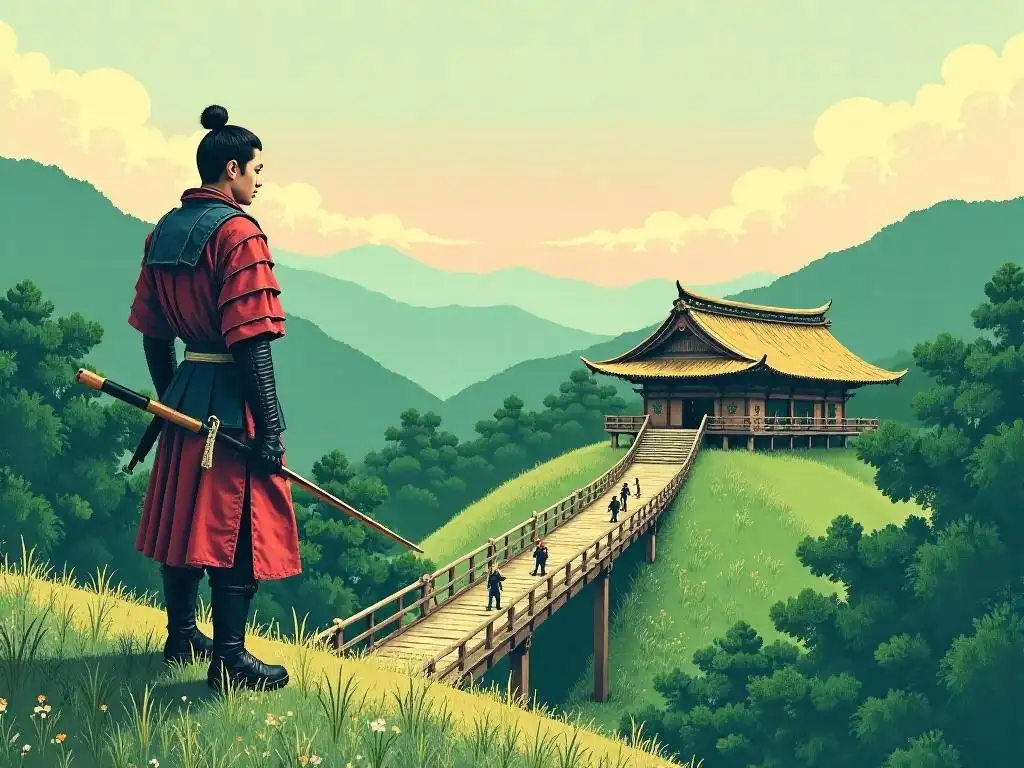
Welcome to Feudal Japan History, where we invite you to embark on an enthralling journey through Japan's feudal era history. Our exploration delves deep into the intricate tapestry of this pivotal period, revealing the cultural, societal, and historical nuances that shaped a nation. In our featured article, " Unraveling the Mystery of Japan's Seclusion: A Historical Perspective," we dissect the complexities of Japan's foreign relations during this era, shedding light on the factors that led to its isolation. Prepare to satisfy your curiosity as you uncover the secrets of a fascinating chapter in history—your adventure begins here!
Introduction to Japan's Feudal Era History
The history of Japan's feudal era is a complex tapestry interwoven with intricate politics, profound cultural developments, and significant societal transformations. This period, spanning from the late 12th century to the 19th century, not only shaped the nation's identity but also laid the groundwork for its future interactions with the world. One of the most notable aspects of this era was Japan's isolationist policies, which profoundly influenced its foreign relations and domestic stability.
As we delve into the depths of Japan's feudal era history, it becomes crucial to understand how these isolationist practices emerged and evolved over time. By examining the historical context, cultural implications, and geographic factors, we can unravel the mystery behind Japan's seclusion and its lasting impact on the nation.
The Concept of Isolationism in Japan
Isolationism in Japan refers to a series of policies aimed at limiting foreign influence and trade, particularly during the Edo period (1603-1868). This approach to governance was not merely a political maneuver but rather a reflection of cultural values and historical experiences that shaped the country’s worldview.
Definition and Origins of Japan's Isolationist Policies
Japan's isolationist policies, known as sakoku, officially began in the early 17th century under the Tokugawa shogunate. The term itself translates to "locked country," symbolizing the nation's intent to restrict foreign access and influence.
- Key Factors Influencing Sakoku:
- Christian Missionaries: The influx of European missionaries, particularly from Spain and Portugal, alarmed the shogunate, leading to the persecution of Christians and the eventual expulsion of foreign missionaries.
- Economic Control: The shogunate sought to monopolize trade and maintain economic stability by limiting foreign merchants to specific ports, notably Nagasaki.
- Cultural Preservation: There was a strong desire to protect Japanese culture from foreign ideologies and practices, which the government perceived as a threat.
These policies effectively isolated Japan from the world for over two centuries, allowing it to develop a unique cultural identity largely free from external influences.
The Role of Geography in Japan's Seclusion
Japan's geographical features played a significant role in its ability to implement and maintain its isolationist policies. As an archipelago, the country is surrounded by water, which naturally limited external contact and invasions.
- Geographical Advantages:
- Natural Barriers: The surrounding seas served as a formidable barrier against foreign powers, allowing Japan to control maritime access.
- Diverse Topography: The mountainous terrain contributed to regional diversity, fostering distinct local cultures while simultaneously isolating communities from one another.
This geographical isolation not only solidified Japan's seclusion but also nurtured an environment where traditional practices and customs could flourish, further entrenching the nation’s commitment to isolationism during its feudal era.
By understanding these foundational elements of Japan's feudal era history, we can appreciate the complexities of its isolationist policies and their impact on the nation's development over time.
Historical Context of Japan's Feudal Era
Japan's feudal era, spanning from the late 12th century to the mid-19th century, was characterized by a decentralized political structure, where power was distributed among various feudal lords known as daimyo. This period began with the rise of the Kamakura Shogunate in 1192, following the Genpei War between the Taira and Minamoto clans.
The feudal system established a hierarchy that placed the emperor at the top, albeit in a largely ceremonial role, while the shogun held actual political power. As the system evolved, military leaders and samurai became the dominant force in governance, leading to a society deeply rooted in loyalty, honor, and martial prowess.
The socio-political landscape during this era was marked by continuous warfare among rival clans, which fostered a culture of militarism and valor. As a result, the samurai class emerged, characterized by a strict code of conduct known as Bushido, emphasizing loyalty, honor, and discipline. This period also saw significant developments in agriculture, trade, and culture, with the rise of Zen Buddhism and the flourishing of arts such as tea ceremonies, poetry, and theater.
Overview of Japan's Feudal System
Japan's feudal system was a complex hierarchy that revolved around land ownership and loyalty. At the apex of this structure was the emperor, who was considered divine but held little real power. The shogun, a military leader, wielded significant authority and governed through a network of daimyo, who were powerful landowners managing their own domains. Below the daimyo were the samurai, who served as warriors and protectors of their lords, receiving land or stipends in return for their military service.
The feudal system also included peasants, who made up the bulk of the population and were primarily responsible for agricultural production. While they worked the land, they were often subject to heavy taxation and obligations to their lords. The system fostered a sense of loyalty and duty, as social mobility was limited, and individuals were often tied to their lords or regions for life.
Key Figures in Japan's Feudal Era History
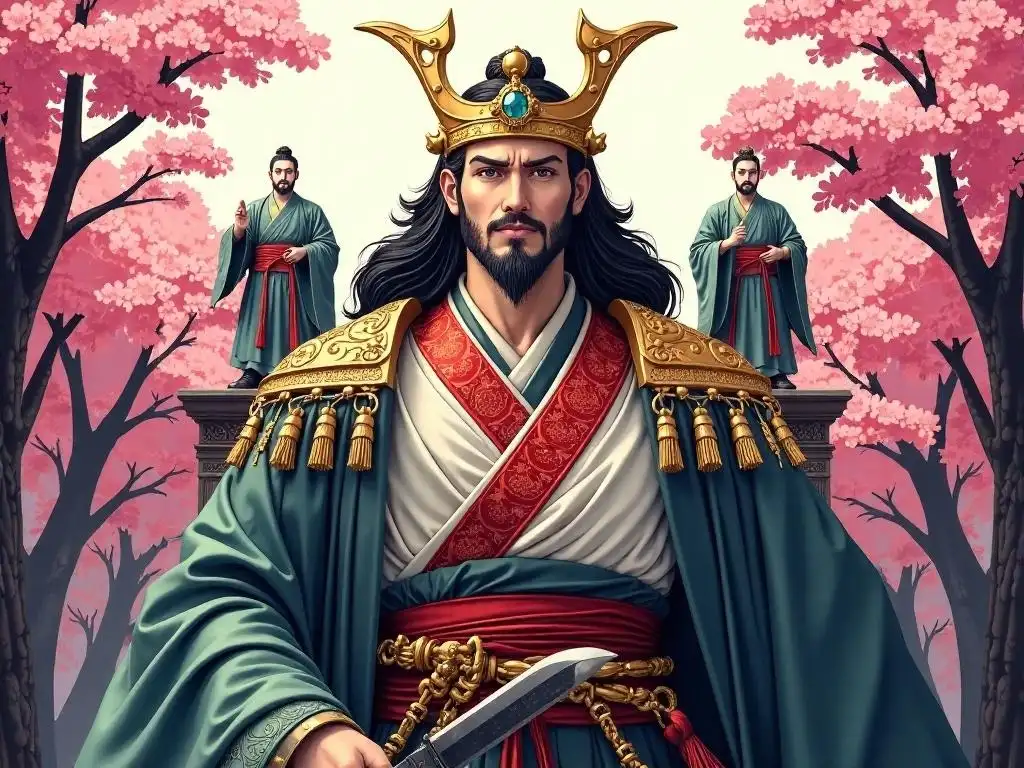
Several key figures played pivotal roles in shaping Japan's feudal era and its eventual isolationist policies:
- Minamoto no Yoritomo: The founder of the Kamakura Shogunate, he effectively established military rule in Japan and laid the foundation for the feudal system.
- Oda Nobunaga: A powerful daimyo known for his ruthless tactics and innovative military strategies, he was instrumental in the unification of Japan during the late 16th century.
- Toyotomi Hideyoshi: A successor to Nobunaga, Hideyoshi continued the unification process and is noted for his cultural contributions and attempts to invade Korea.
- Tokugawa Ieyasu: The founder of the Tokugawa Shogunate, he solidified control over Japan and initiated policies that led to over two centuries of relative peace and isolation.
Major Events Leading to Isolationism
Several significant events contributed to Japan's shift towards isolationism:
- The Arrival of European Traders (1543): The arrival of Portuguese traders brought new technologies and ideas, leading to the introduction of firearms and Christianity into Japan.
- The Sengoku Period (1467-1603): A time of civil strife and power struggles among feudal lords, which ultimately prompted the need for a centralized power to restore order.
- The Unification of Japan (1600): Under Tokugawa Ieyasu, Japan was unified, leading to a desire to prevent foreign influence and maintain internal stability.
- The Christian Missionary Movement: The spread of Christianity posed a threat to the traditional social order, prompting suspicion and backlash against foreign influences.
The Tokugawa Shogunate and Its Isolationist Policies
The Tokugawa Shogunate, which ruled from 1603 to 1868, is pivotal in the history of Japan's isolationist policies. Established by Tokugawa Ieyasu, this period is marked by strict social order, economic growth, and cultural development, alongside a deliberate effort to minimize foreign influence.
The Establishment of the Tokugawa Shogunate
The Tokugawa Shogunate was established following the decisive Battle of Sekigahara in 1600, which positioned Tokugawa Ieyasu as the preeminent power in Japan. His government implemented a rigid caste system and promoted peace and stability through a series of policies aimed at centralizing authority. The shogunate maintained control over the daimyo by requiring them to spend alternate years in Edo (modern-day Tokyo), a practice known as sankin-kotai, which effectively limited their power and resources.
Sakoku: The Closed Country Policy
In 1635, the Tokugawa government enacted the Sakoku policy, which effectively closed Japan to foreign nations for over two centuries. Under Sakoku, Japanese citizens were forbidden from traveling abroad, and foreign access was restricted to a few select ports, such as Nagasaki. This policy was motivated by fears of colonialism and the potential destabilization posed by foreign religions and ideas, particularly Christianity. The result was a period of profound isolation, allowing Japan to develop a unique culture and societal structure largely free from external influence.
Impact of the Tokugawa Era on Foreign Relations
The Tokugawa era's isolationist policies had lasting impacts on Japan's foreign relations. By limiting contact with the outside world, Japan was able to maintain its sovereignty and cultural identity during a time when many nations were colonized or heavily influenced by Western powers. However, this isolation also meant that Japan lagged in technological and industrial advancements compared to Western nations. It wasn't until the mid-19th century, when Commodore Matthew Perry of the United States forced Japan to open its ports, that the country began to re-engage with the world, leading to significant social and political transformations.
Cultural Implications of Japan's Isolation
Japan's isolationist policies, particularly during the Edo period (1603-1868), had profound cultural implications that shaped the nation's identity and heritage. This era of seclusion, characterized by the Sakoku policy, not only limited foreign influence but also fostered a unique cultural environment. As Japan turned inward, it developed a distinct cultural framework that emphasized traditional practices, art forms, and social customs, creating a rich tapestry of Japanese culture that would endure for generations.
Preservation of Japanese Culture During Seclusion
During the period of seclusion, Japan experienced a remarkable preservation of its cultural heritage. With limited contact with foreign nations, traditional customs, practices, and art forms flourished without external interference. The Tokugawa shogunate promoted Confucian values, which reinforced social harmony and stability. This led to the revitalization of traditional arts, such as Noh and Kabuki theater, which became central to Japanese cultural life.
Moreover, literature thrived during this time, with the emergence of unique forms like ukiyo-e (woodblock prints) and haiku poetry. These artistic expressions captured the essence of Japanese life and nature, reflecting the aesthetics that would define Japanese culture. The emphasis on simplicity and beauty in everyday objects, such as tea ceremonies and flower arrangements (ikebana), became hallmarks of Japanese identity that remain influential today.
Influence of Isolation on Art and Literature
Japan's prolonged isolation had a significant impact on its art and literature, fostering an environment where indigenous styles and themes could develop without foreign influence. The Edo period saw the rise of ukiyo-e, a genre of woodblock printing that depicted scenes of everyday life, landscapes, and kabuki actors. This art form not only provided aesthetic pleasure but also served as a historical record of the time.
In literature, the isolation allowed for the flourishing of unique narrative forms and poetic styles. The haiku, a concise form of poetry, became a popular medium for expressing nature and human emotions, with poets like Matsuo Bashō gaining renown. Additionally, the development of the novel, particularly with works such as "The Tale of Genji," showcased Japan's literary prowess, reflecting societal norms and values.
The isolationist policies thus facilitated the creation of a distinct cultural identity, as artists and writers drew inspiration from their surroundings, leading to a rich and varied artistic landscape that continues to influence modern Japan.
The Role of Religion in Japan's Isolationist Policies
Religion played a crucial role in shaping Japan's isolationist policies. The Tokugawa shogunate adopted a strict stance towards foreign religions, particularly Christianity, which they associated with colonialism and social upheaval. The spread of Christianity was met with severe persecution, leading to the expulsion of missionaries and the suppression of converts.
In contrast, Shinto and Buddhism became integral to the Japanese identity during this period. The state promoted Shinto as a unifying ideology that emphasized loyalty to the emperor and national identity. Religious practices became intertwined with cultural traditions, reinforcing social order and cohesion.
Moreover, the isolationist policies allowed indigenous spiritual practices to thrive, as people turned to traditional beliefs and rituals. This resulted in the syncretism of Shinto and Buddhism, which became central to many aspects of daily life, from festivals to rites of passage. The focus on internal religious practices reflected a broader cultural isolation that emphasized self-reliance and unity among the Japanese populace.
Economic Effects of Seclusion on Japan's Feudal Society
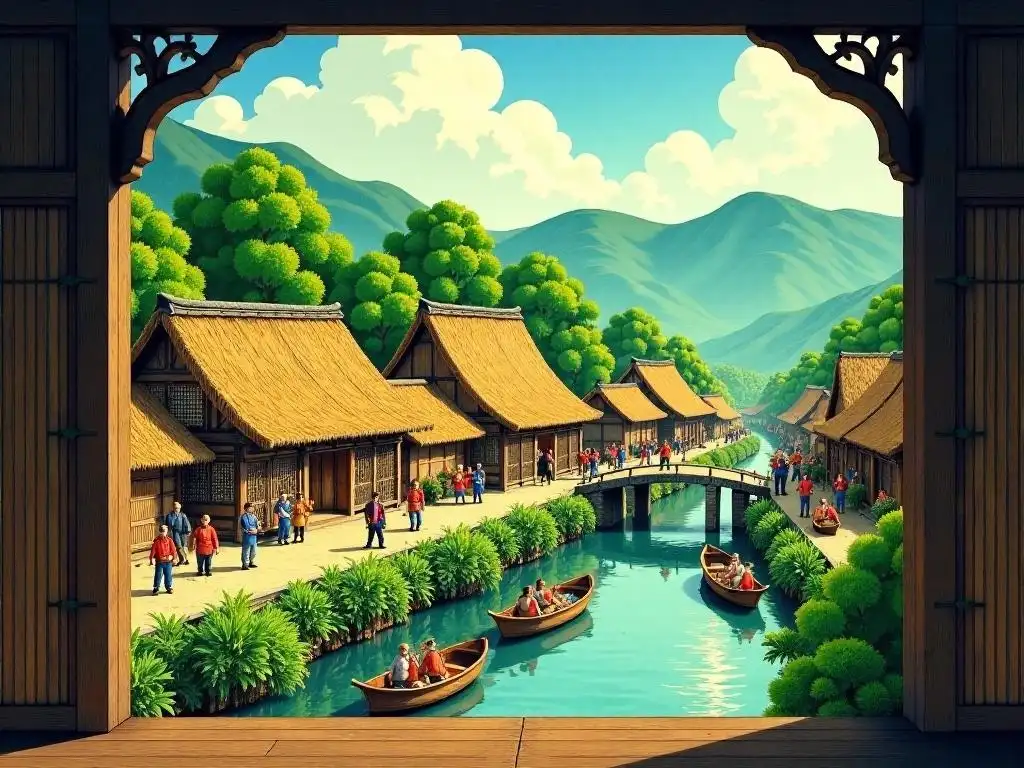
The economic landscape of Japan during its isolationist period was profoundly shaped by the policies implemented by the Tokugawa shogunate. These policies not only restricted external trade but also transformed the internal economy, leading to both challenges and opportunities for the feudal society.
Trade Limitations and Their Impact on Economy
Japan's Sakoku policy drastically limited foreign trade, confining it primarily to select Dutch and Chinese traders at the port of Nagasaki. This restriction on international commerce stunted economic growth in some areas while fostering a unique domestic economy that relied heavily on agriculture and local markets.
The limitations on trade led to a lack of access to foreign goods and technologies, which could have spurred innovation and industrial growth. However, it also encouraged self-sufficiency within local communities, as they adapted to the constraints imposed by the shogunate. The focus shifted towards enhancing local agricultural production, resulting in a more stable food supply and the development of local crafts and industries.
Self-Sufficiency in Feudal Japan
In response to the limitations on trade, Japan developed a robust self-sufficient economy. The agricultural sector became the backbone of feudal society, with rice serving as the primary currency and staple food. The emphasis on self-sufficiency led to advancements in agricultural techniques, such as crop rotation and irrigation, which improved yields and supported population growth.
Moreover, local artisans and merchants flourished as communities turned inward to meet their needs. The rise of the merchant class (chōnin) contributed to a vibrant economy, facilitating the growth of towns and markets. This internal economic development provided a degree of resilience against the limitations imposed by isolation, allowing Japan to maintain stability and continuity throughout the feudal era.
Comparison with Other Isolationist Nations
When comparing Japan's isolationist policies with those of other nations, such as China and Korea, distinct differences emerge in their cultural and economic impacts. While Japan's Sakoku policy led to a flourishing of indigenous culture and a focus on self-reliance, China's isolation during the Ming and Qing dynasties resulted in stagnation and a struggle against external pressures.
Korea, similarly, faced challenges during its isolationist period, which limited its engagement with foreign powers. However, unlike Japan, Korea's isolation did not lead to the same level of cultural and artistic development, as it often remained under the influence of China.
Overall, Japan's unique approach to isolation allowed it to cultivate a rich cultural heritage while adapting its economy to internal demands, setting it apart from other isolationist nations in history.
External Influences and Japan's Encounter with the West
Japan's encounter with Western powers marked a significant transformation in its historical trajectory, particularly during the feudal era. As the world was becoming increasingly interconnected, Japan's decision to isolate itself had profound implications for its foreign relations and internal dynamics. This section delves into the early contacts with European powers, the pivotal arrival of Commodore Perry, and the subsequent end of isolationism, illustrating how these events shaped Japan's path toward modernization and engagement with the global community.
Early Contacts with European Powers
Japan's initial interactions with European powers date back to the 16th century when Portuguese traders and Jesuit missionaries arrived on its shores. These early contacts introduced new technologies, religious beliefs, and trade opportunities. The Portuguese were particularly instrumental in introducing firearms, which had a lasting impact on Japanese warfare and societal structure.
The Jesuit missionaries, such as Francis Xavier, played a crucial role in cultural exchange, promoting Christianity and Western education. However, the response from Japanese authorities was mixed; while some embraced these influences, others viewed them as threats to social order and traditional beliefs. This ambivalence foreshadowed the complex relationship Japan would later have with foreign powers, as the isolationist policies solidified in the early 17th century sought to eliminate foreign influence and maintain Japan's sovereignty.
The Arrival of Commodore Perry and Its Significance
The arrival of Commodore Matthew Perry in 1853 marked a watershed moment in Japan's history, heralding the end of its isolationist policies. Perry, representing the United States, arrived with a fleet of "Black Ships" and a demand for Japan to open its ports to American trade. His approach was both diplomatic and coercive, as he leveraged the military might of his naval forces to compel Japan to engage with the West.
Perry's expeditions resulted in the Treaty of Kanagawa in 1854, which effectively opened Japan to foreign trade for the first time in over two centuries. This treaty not only facilitated commercial exchanges but also led to the establishment of diplomatic relations with other Western nations. The significance of Perry's arrival cannot be overstated; it catalyzed a series of reforms within Japan, ultimately leading to the Meiji Restoration and the country's rapid modernization as it sought to compete with Western powers on the global stage.
The End of Isolationism: A Turning Point in Japan's History
The culmination of Japan's isolationist policies came with the political and social upheaval of the mid-19th century. The pressure from Western nations and internal dissatisfaction with the Tokugawa shogunate set the stage for a transformative period. The end of isolationism marked a turning point, as Japan transitioned from a feudal society to a modern nation-state.
This shift involved significant reforms across various sectors, including government, military, and education. The Meiji Restoration of 1868 encapsulated these changes, as the emperor was restored to power, and a series of modernization initiatives were implemented. Japan adopted Western technologies, legal systems, and educational practices, which allowed it to emerge as a formidable power in Asia by the early 20th century. The end of isolationism not only altered Japan's internal landscape but also reshaped its role in international affairs, leading to its involvement in global conflicts and imperial ambitions.
Conclusion: The Legacy of Japan's Seclusion in Historical Context
The legacy of Japan's seclusion is multifaceted, reflecting both the strengths and vulnerabilities of the isolationist policies that dominated its feudal era. By understanding this legacy, one can better appreciate the complexities of Japan's historical evolution and its contemporary relevance.
Reflection on Japan's Feudal Era History and Its Modern Implications
Japan's feudal era history, characterized by isolationism and selective engagement with foreign powers, offers critical insights into its modern identity. The preservation of traditional values and social structures during the Edo period provided a foundation for Japan's resilience in the face of external pressures. However, the eventual shift towards modernization and globalization reveals the dynamic nature of Japanese society, which continues to navigate the tension between tradition and modernity.
As Japan confronts contemporary challenges, including globalization and cultural preservation, the lessons learned from its feudal era remain pertinent. The balance between embracing external influences and maintaining a cohesive national identity is a theme that resonates in Japan's ongoing quest for harmony between its rich history and the demands of the modern world.
Lessons Learned from Japan's Isolationist Policies
Japan's isolationist policies serve as a compelling case study for contemporary nations grappling with the complexities of globalization. The experience illustrates the potential dangers of extreme isolation, such as cultural stagnation and vulnerability to external threats. Conversely, it also highlights the importance of strategic engagement with the international community.
The lessons learned from Japan's past stress the value of adaptability and openness while emphasizing the need to protect national identity and sovereignty. As global interconnectivity continues to evolve, Japan's historical experience offers valuable reflections on how to navigate the challenges and opportunities that arise in an increasingly interconnected world.
Further Reading on Japan's Feudal Era History
For those interested in diving deeper into the complexities of Japan's feudal era, a wealth of resources is available. These texts explore various aspects of history, culture, and the societal changes that defined this significant period. The following recommendations provide a comprehensive understanding of Japan's feudal history and the factors contributing to its eventual seclusion.
Recommended Books and Articles
- "The Making of Modern Japan" by John Dower
- This seminal work offers a sweeping overview of Japan's transition from feudalism to modernity, including the impacts of isolationist policies during the Tokugawa period.
- "Japan: A History" by Kenneth Henshall
- Henshall provides a thorough chronological history of Japan, with an emphasis on the feudal era and the events leading to Japan's seclusion.
- "Samurai: The Last Warrior" by John Man
- This book delves into the lives of samurai during the feudal period, highlighting their role in society and the cultural significance of their code of honor.
- "The Tokugawa World" edited by Peter Nosco
- A collection of essays that explore various facets of Tokugawa society, including governance, culture, and the effects of isolationist policies.
- "Japan's Isolation and the Rise of Nationalism" by David Williams
- This article discusses how Japan's seclusion influenced its national identity and the subsequent rise of nationalism in the 19th century.
- "The Culture of the Edo Period" by Christopher D. H. McClain
- An insightful look into the cultural developments during Japan's feudal era, including art, literature, and social customs.
Related Topics in Feudal Japan History
- The Tokugawa Shogunate: Understanding the political structure and key figures of this era is essential to grasp the broader implications of Japan's isolationist policies.
- Sakoku (Seclusion Policy): Examining the laws and regulations that enforced Japan's isolation from foreign influence provides insight into the rationale behind these policies.
- Economic Changes in Feudal Japan: Analyzing trade, agriculture, and the rise of merchant classes during the Tokugawa period can help illuminate the economic backdrop of seclusion.
- Cultural Developments: Exploring the artistic and literary movements that flourished during the isolated years showcases how creativity thrived despite restricted external influences.
- The Role of the Samurai: Investigating the social status, duties, and cultural significance of the samurai offers a deeper understanding of feudal Japan's societal structure.
- Foreign Relations Prior to Isolation: Studying Japan's interactions with foreign powers before the enactment of seclusion policies highlights the dramatic shift in diplomatic strategies.
These resources and topics not only enhance the understanding of Japan's feudal era history but also provide a foundation for appreciating the broader implications of its isolationist policies.
- Introduction to Japan's Feudal Era History
- The Concept of Isolationism in Japan
- Historical Context of Japan's Feudal Era
- Overview of Japan's Feudal System
- Key Figures in Japan's Feudal Era History
- Major Events Leading to Isolationism
- The Tokugawa Shogunate and Its Isolationist Policies
- Cultural Implications of Japan's Isolation
- Economic Effects of Seclusion on Japan's Feudal Society
- External Influences and Japan's Encounter with the West
- Conclusion: The Legacy of Japan's Seclusion in Historical Context
- Further Reading on Japan's Feudal Era History
Frequently Asked Questions
What was the main reason for Japan's seclusion during its feudal era?
Japan's seclusion was primarily enforced to maintain cultural integrity and prevent foreign influence, especially during the Edo period (1603-1868).
How did samurai culture influence Japan's feudal society?
The samurai culture emphasized loyalty, honor, and discipline, shaping the social hierarchy and values of Japan's feudal society while also affecting governance and military practices.
What role did trade play in Japan's feudal era?
Trade during Japan's feudal era was heavily regulated, with limited foreign interactions. This allowed for the development of a unique economy while also fostering internal commerce among the daimyos.
How did the Tokugawa shogunate impact Japan's history?
The Tokugawa shogunate established a long period of peace and stability, known as the Edo period, which greatly influenced Japan's cultural development and isolationist policies.
What are some key cultural developments during Japan's feudal era?
Significant cultural developments included the rise of theater, literature, and art, such as Noh, Kabuki, and Ukiyo-e, which reflected the values and aesthetics of the time.
Final Reflection: Embracing the Lessons of Japan's Feudal Era History
Japan's feudal era history remains a powerful lens through which we can understand the complexities of cultural identity and societal evolution. As we navigate an increasingly interconnected world, the lessons drawn from Japan's past—its isolation, resilience, and eventual transformation—serve as a poignant reminder of the delicate balance between tradition and modernity. The echoes of this historical narrative resonate today, urging us to reflect on how societies adapt to external pressures while preserving their unique identities.
The influence of Japan's feudal era extends beyond mere historical curiosity; it shapes contemporary cultural dynamics and social structures. The values of loyalty, honor, and community that were cultivated during this time continue to inform Japan's societal fabric and its global interactions. As the renowned historian John W. Hall once said, "> History is a guide to navigation in perilous times." This sentiment rings true as we observe how Japan's past informs its present, offering insights into resilience in the face of adversity and the importance of cultural heritage in a rapidly changing world.
As we conclude this exploration of Japan's feudal era history, I invite you to reflect on the significance of understanding our own histories. Consider how the lessons learned from the past can inspire you to navigate your own life's challenges. Whether it’s embracing your cultural roots or fostering resilience in your community, let the story of Japan's seclusion and eventual emergence into the modern world inspire you to carve your own path while honoring the lessons of those who came before.
Discover the Secrets of Japan's Past!
Thank you for diving into the intriguing history of Japan's seclusion with us! We hope you found the exploration enlightening and have gained deeper insights into this fascinating era. Now, it’s time to take what you've learned and embrace the rich tapestry of Japan's past.
Here are a few steps you can take next:
- Engage with us! Share your thoughts and insights about Japan's historical seclusion by leaving a comment below or connecting with fellow history enthusiasts in our community forum.
- Expand your knowledge: Dive deeper into this captivating subject by reading additional articles on our site that explore related themes, such as the impact of isolation on culture and society.
- Share the journey: Spread the word! Share this article with friends or on social media to inspire others to learn about the unique history of Japan.
What aspect of Japan's seclusion intrigues you the most, and how do you think it has shaped modern Japanese society? We look forward to discussing this in the comments!