
The Seasonal Changes in Tea Ceremonies: Celebrating Nature Through Ritual

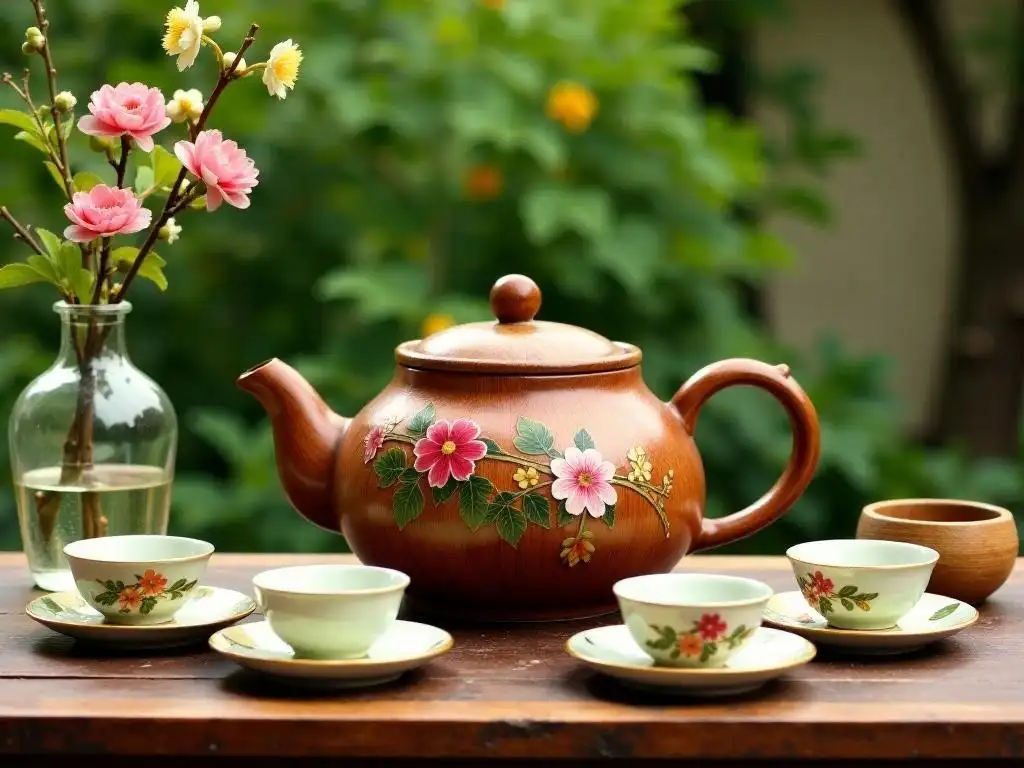
Welcome to Feudal Japan History, where we invite you to embark on a fascinating journey through the intricate tapestry of Japan's feudal era. Here, you'll uncover not only the historical events that shaped this remarkable period but also the rich cultural practices that define it. In our featured article, “The Seasonal Changes in Tea Ceremonies: Celebrating Nature Through Ritual,” we delve into the enchanting world of Japanese tea ceremony traditions—an art form that beautifully intertwines the appreciation of nature with profound ritual.
Prepare to be captivated as we explore how these timeless ceremonies reflect the changing seasons and the deep-rooted values of harmony and respect. Join us as we unravel the stories behind the tea and discover the essence of feudal Japan!
Introduction to Japanese Tea Ceremony Traditions
The Japanese tea ceremony, or chanoyu, is far more than just the act of preparing and drinking tea; it is a profound ritual steeped in centuries of cultural significance. This intricate practice embodies the principles of harmony, respect, purity, and tranquility, inviting participants to engage in a meditative experience that highlights the beauty of simplicity.
As we delve into the seasonal changes in tea ceremonies, we discover how the cycles of nature profoundly influence these rituals, infusing each gathering with unique aesthetic qualities and symbolic meanings. The relationship between the changing seasons and the art of tea serves as a mirror reflecting the Japanese worldview, where the reverence for nature is deeply woven into everyday life.
Overview of Japanese Tea Ceremony
The Japanese tea ceremony is a meticulously choreographed ritual that emphasizes the aesthetics of preparation, serving, and savoring matcha, a finely powdered green tea. Originating from Zen Buddhism, this tradition has evolved over time, incorporating various influences from art, architecture, and philosophy. Key elements of the ceremony include:
- Utensils: Each tool, from the tea whisk ( chasen) to the tea bowl ( chawan), is selected with care, often reflecting the season.
- Setting: The tea room ( chashitsu) is designed to foster a sense of tranquility, often adorned with seasonal decorations that enhance the ambiance.
- Rituals: The steps of the ceremony are performed with precision, emphasizing mindfulness and respect for both the tea and the guests.
The Japanese tea ceremony invites participants to step away from the chaos of modern life, creating a space for reflection and connection with others.
Importance of Seasonal Changes in Tea Ceremonies
Seasonal changes play a critical role in shaping the Japanese tea ceremony, influencing not only the ingredients and utensils used but also the overall atmosphere and thematic elements. Each season brings its own unique characteristics, prompting variations in the ceremony that resonate with the natural world. For example:
- Spring: Celebrating renewal, spring tea ceremonies often feature cherry blossom motifs and light, floral teas.
- Summer: The focus shifts to refreshing flavors and cooling elements that help participants escape the heat.
- Autumn: Rich, earthy tones and warm, comforting teas create a cozy atmosphere as nature prepares for rest.
- Winter: The cold months emphasize warmth and intimacy, with gatherings fostering a sense of togetherness.
By embracing the seasons, tea ceremonies become a celebration of nature's cycles, allowing participants to experience the transient beauty of life.
The Influence of Nature in Japanese Tea Ceremony Traditions
Seasonal Aesthetics in Tea Ceremony Settings
The aesthetics of the tea ceremony are deeply intertwined with the seasons, as the choice of decor, utensils, and even the tea itself reflect the current time of year. Seasonal aesthetics enhance the sensory experience, allowing participants to fully immerse themselves in the moment. Key aspects include:
- Decorative Elements: Seasonal flowers, scrolls, and table settings are chosen to evoke the spirit of the current season, creating a harmonious environment.
- Utensil Selection: The materials and colors of the tea utensils often reflect seasonal changes, with specific items reserved for particular times of the year.
- Nature's Soundscape: The sounds of nature, such as rustling leaves or chirping birds, often play a role in setting the mood, reinforcing the connection to the environment.
This thoughtful integration of seasonal elements transforms the tea ceremony into a multisensory experience that celebrates the beauty and impermanence of nature.
Symbolism of Seasons in Japanese Culture
In Japanese culture, the seasons carry profound symbolic meanings, deeply influencing various art forms, traditions, and philosophies. Each season encapsulates unique traits that resonate with the Japanese worldview, particularly within the context of the tea ceremony. For instance:
- Spring: Represents rebirth and hope, symbolized by blooming flowers and the return of life.
- Summer: Embodies vitality and growth, marked by vibrant colors and abundant nature.
- Autumn: Reflects change and introspection, as leaves turn and harvests conclude, prompting a focus on gratitude.
- Winter: Signifies rest and reflection, inviting contemplation during the colder, quieter months.
By incorporating these seasonal symbols into tea ceremonies, participants engage in a dialogue with nature, fostering a deeper understanding of their place within the world and the cycles of life.
Spring: Renewal and Rebirth in Tea Ceremonies
Spring in Japan is a season that symbolizes renewal and rebirth, and this theme is deeply interwoven into the fabric of Japanese tea ceremony traditions. As the cherry blossoms bloom and nature awakens, tea ceremonies during this time reflect the beauty and transience of life. The ceremonies are often characterized by a sense of hope and rejuvenation, inviting participants to appreciate the fleeting moments of spring.
The atmosphere of spring tea ceremonies is infused with elements that evoke the freshness of the season. This includes the use of cherry blossom motifs in utensils, scrolls, and decorations. The colors chosen for tea utensils often mirror the pastel hues of early spring flowers, creating a harmonious connection between the ceremony and the natural world. Additionally, spring tea ceremonies frequently emphasize the importance of mindfulness and connection to nature, encouraging participants to reflect on the changing seasons and their own lives.
Seasonal Ingredients and Their Significance
In spring tea ceremonies, seasonal ingredients play a pivotal role in enhancing the overall experience. One of the most notable is sakura (cherry blossoms), which are often used in various forms, such as sakura tea or as a decorative element in the serving of tea. The inclusion of these blossoms not only signifies the arrival of spring but also serves as a reminder of the ephemeral nature of beauty.
Another common ingredient is freshly harvested matcha. The first harvest of matcha is celebrated for its vibrant color and rich flavor, embodying the essence of renewal. The use of seasonal sweets known as wagashi, often shaped like flowers or other spring motifs, complements the tea and adds a layer of cultural significance to the ceremony. Each ingredient is carefully chosen to reflect the beauty of the season, reinforcing the connection between nature and the art of tea.
Rituals and Practices Unique to Spring
Spring rituals within the tea ceremony often include specific practices that highlight the themes of renewal and celebration. One such practice is the Hanami, or flower-viewing, where participants gather to appreciate the beauty of cherry blossoms while enjoying tea. This event is often held outdoors, fostering a deeper connection with nature.
Another unique aspect of spring tea ceremonies is the seasonal scrolls displayed in the tea room, which feature poetry or artwork reflecting the beauty of spring. These scrolls serve as focal points for contemplation and discussion, enhancing the spiritual experience of the ceremony. Overall, the rituals and practices unique to spring are designed to celebrate not only the season itself but also the deeper meanings of life, growth, and change.
Summer: Vibrancy and Celebration in Tea Ceremonies
The summer season in Japan brings an atmosphere of vibrancy and celebration, reflected in the tea ceremonies held during this time. As the heat intensifies and nature flourishes, summer tea ceremonies are characterized by a lively spirit and a focus on refreshment. Participants are encouraged to embrace the abundance of life and the joys of the season through the art of tea.
Ceremonies in summer often take place in open settings, allowing participants to experience the warmth of the sun and the sounds of nature. The use of bright colors and lively decorations, such as kimonos adorned with summer motifs, adds to the festive ambiance. The emphasis during these ceremonies is on enjoyment, community, and the celebration of life, making them a highlight of the Japanese cultural calendar.
Elements of Refreshment in Summer Tea Ceremonies
In summer tea ceremonies, refreshment takes center stage, with a focus on cooling beverages and light fare. One popular choice is iced matcha, which provides a refreshing alternative to traditional hot tea. This adaptation allows participants to enjoy the unique flavors of matcha while staying cool in the warm summer months.
Additionally, seasonal sweets often feature ingredients such as mochi filled with sweet red bean paste or agar jelly flavored with seasonal fruits. These light and refreshing treats complement the tea and enhance the overall sensory experience. The careful selection of these elements reflects the Japanese philosophy of harmony with nature, ensuring that every aspect of the ceremony aligns with the spirit of summer.
The Role of Nature's Bounty in Summer Rituals
Summer tea ceremonies place a significant emphasis on utilizing nature's bounty, celebrating the abundance of seasonal produce. Fresh fruits and herbs are often incorporated into the ceremony, such as shiso leaves or watermelon, which not only add flavor but also symbolize the richness of summer. The use of these ingredients fosters a connection to the land and the importance of sustainability.
Moreover, the decoration of the tea space often includes fresh flowers and greenery from the season, enhancing the visual appeal and creating a vibrant atmosphere. These natural elements serve as a reminder of the beauty and vitality of summer, reinforcing the theme of celebration. Through the integration of nature's bounty, summer tea ceremonies become a joyous expression of gratitude for the gifts of the earth, encouraging participants to savor the flavors and experiences of the season.
Autumn: Reflection and Gratitude in Tea Ceremonies
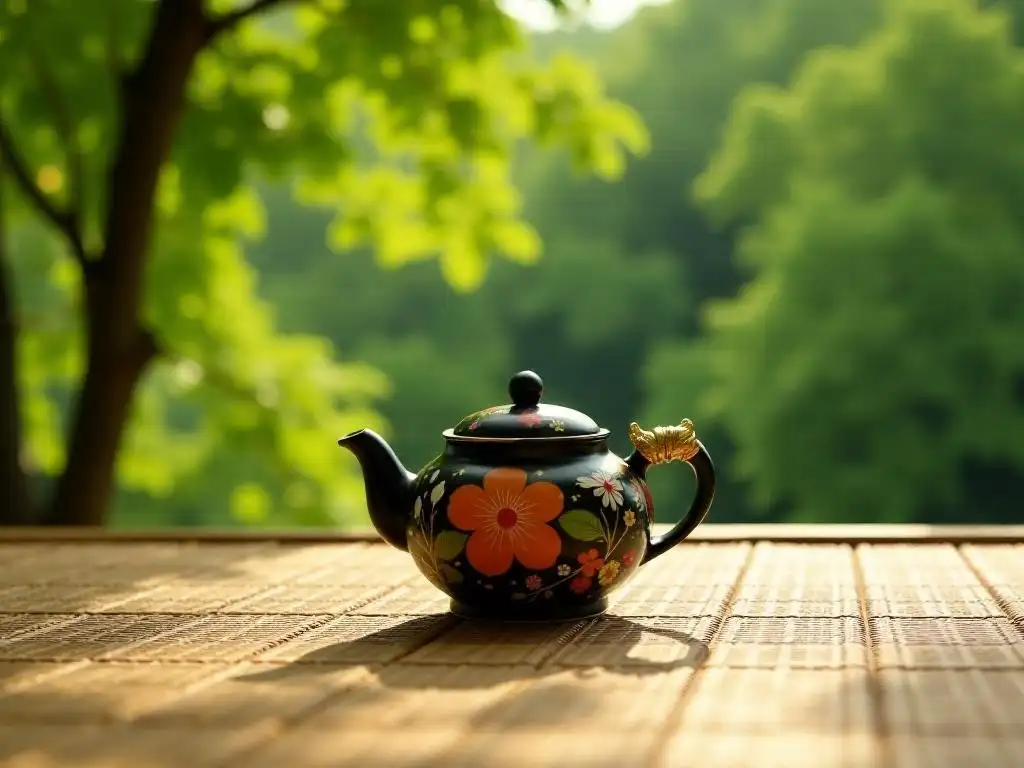
Autumn in Japan is a time of reflection and gratitude, deeply embedded in the practices of the Japanese tea ceremony. This season, characterized by its stunning foliage and the harvest of crops, provides a backdrop for ceremonies that honor nature's bounty and the cycle of life. The tea ceremony during autumn becomes an intimate gathering where participants express their appreciation for the changing seasons and the beauty that surrounds them.
As the leaves transition from vibrant greens to shades of red, orange, and gold, this visual transformation symbolizes the fleeting nature of time, reminding participants to savor each moment. The rituals performed during this season often include elements that reflect the themes of gratitude and reflection, such as sharing stories about the past year and acknowledging the blessings received.
The Transition of Colors and Its Meaning
The transition of colors in autumn holds significant meaning in Japanese culture and is elegantly mirrored in tea ceremonies. The brilliant hues of changing leaves serve as a metaphor for impermanence, a core concept in Buddhism, which deeply influences Japanese aesthetics.
During the tea ceremony, hosts often select tea utensils and decorations that reflect the autumn palette. For instance, ceramic tea bowls might feature earthy tones or designs inspired by fall foliage. Furthermore, practitioners may incorporate seasonal motifs in their kimonos, favoring colors that evoke the beauty of autumn. This thoughtful selection enhances the sensory experience and deepens the participants' connection to nature.
Seasonal Foods and Their Place in Autumn Ceremonies
In addition to the visual elements, seasonal foods play a crucial role in autumn tea ceremonies. These ceremonies often feature light refreshments that reflect the harvest, such as chestnuts, persimmons, and sweet potatoes.
The use of seasonal ingredients not only elevates the flavor profiles of the refreshments but also reinforces the theme of gratitude for the earth's bounty. For example, wagashi (traditional Japanese sweets) might be crafted to resemble autumn leaves or fruits, adding an artistic touch that celebrates the season. Sharing these delicacies enhances the communal spirit of the ceremony, allowing participants to appreciate not only the taste but also the artistry and tradition behind each dish.
Winter: Introspection and Resilience in Tea Ceremonies
As winter descends upon Japan, the tea ceremony transforms into a practice of introspection and resilience. The cold and often harsh environment encourages participants to seek warmth not just physically, but also in spirit and connection. Winter ceremonies become a sanctuary where individuals can gather to find comfort and solace through the shared experience of tea.
This season's tea rituals often emphasize simplicity and warmth, mirroring the stark beauty of winter landscapes. The atmosphere cultivated during these ceremonies fosters a sense of community, allowing participants to reflect on their inner thoughts and feelings while engaging in meaningful conversations.
The Role of Warmth in Winter Tea Rituals
Warmth is a central theme in winter tea ceremonies, serving both a physical and emotional purpose. The preparation of matcha, a finely ground green tea, involves a process that not only warms the tea but also the hearts of those participating. The act of whisking the matcha creates a sense of rhythm and calm, inviting participants to focus on the present moment.
Additionally, the use of heated stones or warm kimonos enhances the experience, creating an inviting environment. Participants often engage in discussions that delve into personal reflections or shared experiences, fostering a deeper sense of connection amidst the winter chill.
Seasonal Decorations and Their Cultural Significance
Winter tea ceremonies are adorned with seasonal decorations that reflect the beauty and starkness of the season. Traditional elements such as pine, bamboo, and plum blossoms symbolize resilience and hope, reminding participants of the promise of renewal as spring approaches.
The choice of decorations is intentional and meaningful; for instance, pine signifies longevity and perseverance, while plum blossoms herald the arrival of spring and the resilience of life amid adversity. These symbols not only accentuate the aesthetics of the ceremony but also serve as reminders of the cyclical nature of life, encouraging participants to find strength and beauty even in the coldest months.
The Role of Seasonal Changes in Enhancing the Experience
The Japanese tea ceremony, known as chanoyu, is a profound cultural ritual that beautifully intertwines the elements of nature, art, and spirituality. One of the most captivating aspects of these ceremonies is the way seasonal changes influence every detail of the experience. From the selection of tea and utensils to the aesthetics of the setting, each season brings a unique flavor to the ceremony, enriching the participants' connection to nature and each other.
For instance, spring is often celebrated with cherry blossoms, leading to the use of lighter, more delicate teas and floral decorations. In contrast, winter ceremonies might embrace warm, robust flavors and cozy settings designed to evoke feelings of comfort and reflection. This seasonal adaptation not only enhances the sensory experience but also deepens the emotional resonance of the ritual, making each gathering a celebration of the present moment, shaped by the cyclical nature of the world.
How Seasons Affect Mood and Atmosphere
The mood and atmosphere of a tea ceremony are profoundly influenced by the changing seasons. Each season carries its own set of colors, scents, and sounds that can evoke specific emotions and responses from participants.
- Spring: The arrival of spring often brings feelings of renewal and joy. The vibrant colors of cherry blossoms and fresh greenery create an atmosphere of hope and beauty. Ceremonies during this time may focus on lighter, more floral flavors, enhancing feelings of happiness and connection.
- Summer: As summer unfolds, the ceremonies tend to be more vibrant and lively. The use of bright colors and refreshing tea varieties reflects the vitality of this season. The warm weather allows for outdoor gatherings, fostering a sense of community and celebration.
- Autumn: Autumn introduces a palette of warm, earthy tones that evoke feelings of nostalgia and reflection. The choice of richer teas and the incorporation of seasonal motifs, such as maple leaves, invite participants to appreciate the beauty in change and the passage of time.
- Winter: In winter, the atmosphere shifts to one of introspection and calm. The use of darker, more robust teas and the cozy, intimate settings encourage a sense of comfort and contemplation, allowing participants to connect more deeply with their inner selves.
Each season offers a distinct lens through which to experience the tea ceremony, reinforcing the idea that these rituals are not just about the tea itself, but also about the emotional and spiritual journey they facilitate.
The Importance of Mindfulness in Seasonal Tea Ceremonies
Mindfulness is a cornerstone of the Japanese tea ceremony, and its significance is amplified by the seasonal context. The act of preparing and serving tea is not merely a routine; it is a meditative practice that encourages participants to be fully present in the moment.
- Sensory Engagement: Each season presents unique sensory experiences—whether it's the sound of leaves rustling in the wind or the aroma of seasonal tea blends. Being mindful of these sensations enhances the overall experience, allowing participants to immerse themselves in the ritual fully.
- Reflection and Gratitude: Seasonal ceremonies provide an opportunity for reflection on the transience of life and nature. The changing seasons serve as a reminder of impermanence, prompting participants to express gratitude for the present moment and the beauty that surrounds them.
- Connection to Nature: Mindfulness practices in tea ceremonies foster a deeper connection to nature. By focusing on the natural elements reflected in the ceremony—such as the choice of tea, seasonal decor, and the setting—participants cultivate an appreciation for the world around them.
Incorporating mindfulness into seasonal tea ceremonies enhances the overall experience, allowing individuals to connect not only with each other but also with the rhythms of nature.
Conclusion: Embracing Nature Through Japanese Tea Ceremony Traditions
The Japanese tea ceremony is a profound expression of cultural heritage, where the beauty of nature is celebrated through ritual and mindfulness. Seasonal changes play a pivotal role in shaping these ceremonies, allowing participants to engage with the environment in a meaningful way. As seasons shift, so too does the experience of the tea ceremony, reflecting the qualities and emotions associated with each time of year.
The Lasting Impact of Seasonal Changes on Cultural Practices
The impact of seasonal changes on Japanese tea ceremony traditions is significant, extending beyond mere aesthetics to influence cultural practices as a whole. These rituals serve as a reminder of the interconnectedness of life, nature, and human experience.
- Cultural Reflection: Each season’s unique characteristics are often reflected in art, poetry, and other cultural expressions, reinforcing the importance of nature in Japanese society. The tea ceremony stands as a testament to this cultural connection, celebrating not just the act of drinking tea, but the appreciation of the seasons.
- Community Bonding: Seasonal tea ceremonies foster community bonding by bringing people together to share in the beauty of nature's cycles. This communal aspect strengthens social ties and cultivates a shared appreciation for the natural world.
Future of Japanese Tea Ceremony Traditions in Modern Society
As society continues to evolve, so too do the traditions surrounding the Japanese tea ceremony. The future of these rituals lies in their adaptability and relevance within modern contexts.
- Revival and Innovation: Contemporary practitioners are finding innovative ways to incorporate seasonal themes into tea ceremonies, creating new experiences that resonate with younger generations. This includes blending traditional practices with modern aesthetics and sensibilities.
- Global Influence: The growing interest in mindfulness and wellness practices globally has brought renewed attention to the tea ceremony. As people seek deeper connections with nature and themselves, the principles of the Japanese tea ceremony are increasingly being embraced worldwide.
- Sustainability and Ecology: There is a rising awareness of environmental issues, prompting a shift towards sustainable practices in tea cultivation and ceremony. This focus aligns with the core values of the tea ceremony, emphasizing harmony with nature and respect for the environment.
The future of Japanese tea ceremony traditions is one of evolution, where the essence of nature and mindfulness continues to thrive, enriching not only the participants' experiences but also the broader cultural landscape.
- Introduction to Japanese Tea Ceremony Traditions
- The Influence of Nature in Japanese Tea Ceremony Traditions
- Spring: Renewal and Rebirth in Tea Ceremonies
- Summer: Vibrancy and Celebration in Tea Ceremonies
- Autumn: Reflection and Gratitude in Tea Ceremonies
- Winter: Introspection and Resilience in Tea Ceremonies
- The Role of Seasonal Changes in Enhancing the Experience
- Conclusion: Embracing Nature Through Japanese Tea Ceremony Traditions
- What is the significance of seasonal changes in Japanese tea ceremonies?
- How do nature themes influence tea ceremony rituals?
- What are the key elements of the Japanese tea ceremony?
- How do tea ceremonies serve as a form of cultural expression in Japan?
- What role does hospitality play in the Japanese tea ceremony?
Frequently Asked Questions
What is the significance of seasonal changes in Japanese tea ceremonies?
The seasonal changes reflect nature's beauty and the ephemeral nature of life, emphasizing the harmony between human experience and the natural world in Japanese tea ceremony traditions.
How do nature themes influence tea ceremony rituals?
Nature themes play a pivotal role, as they guide the selection of utensils, decorations, and tea types used, allowing participants to connect deeply with the changing seasons and their symbolism.
What are the key elements of the Japanese tea ceremony?
Key elements include utensils (like tea bowls and whisks), tea types (usually matcha), and the ritualistic movements of the host, all of which reflect a deep respect for tradition and aesthetics.
How do tea ceremonies serve as a form of cultural expression in Japan?
Tea ceremonies are a form of cultural expression that embody aesthetic principles, philosophy, and social etiquette, showcasing the profound connection between art and everyday life in Japanese society.
What role does hospitality play in the Japanese tea ceremony?
Hospitality is central, as the host's attentiveness to guests fosters a sense of community and respect, highlighting the importance of interpersonal connections in Japanese tea ceremony traditions.
Final Reflection: Embracing Nature Through Japanese Tea Ceremony Traditions
The beauty of the Japanese tea ceremony traditions lies in their profound connection to the changing seasons, reminding us that nature's rhythms are integral to our lives. In a world that often feels rushed and disconnected, these rituals invite us to pause, reflect, and celebrate the present moment. The seasonal variations in tea ceremonies not only enhance the sensory experience but also deepen our appreciation for the natural world around us, making them more relevant than ever in today's fast-paced society.
Cultural practices like the Japanese tea ceremony serve as a bridge between the past and the present, continually shaping our understanding of mindfulness and appreciation for nature. The way these ceremonies adapt to the seasons highlights the importance of being attuned to our environment and the cycles of life. As we engage with these traditions, we are reminded of the wisdom in slowing down and savoring each moment. Tea is a religion of the art of life.
– Okakura Kakuzō. This quote encapsulates the essence of the tea ceremony, emphasizing that it is not merely about the act of drinking tea, but about cultivating a deeper connection with ourselves and the world around us.
As you reflect on the insights shared in this article, I encourage you to consider how you can incorporate the principles of the Japanese tea ceremony into your daily life. Take a moment to appreciate the changing seasons, create your own rituals, and find joy in the simple act of being present. Let the lessons of these time-honored traditions inspire you to cultivate mindfulness and gratitude, fostering a deeper relationship with nature and the people around you. Embrace the beauty of each season, and allow it to enrich your life in ways you may have never imagined.
Embrace the Season: Transform Your Tea Experience!
Thank you for diving into the fascinating world of seasonal tea ceremonies! By exploring these rich rituals, you’ve uncovered not just the beauty of tea, but also the connection between nature and mindfulness. Now, it’s time to take these insights and elevate your own tea experiences.
- Host your own seasonal tea ceremony: Gather friends or family, select a variety of teas that reflect the current season, and create an atmosphere that celebrates the natural beauty around you.
- Explore further: Discover the rich history of tea in various cultures and learn how they celebrate seasonal changes—share your findings with others who appreciate this art.
- Join a local tea club or online community to connect with fellow enthusiasts, exchanging ideas, techniques, and seasonal tea recipes.
What seasonal elements would you incorporate into your own tea ceremony to celebrate the beauty of nature?