
Western Diplomats in Japan: Bridging Two Cultures Through Dialogue

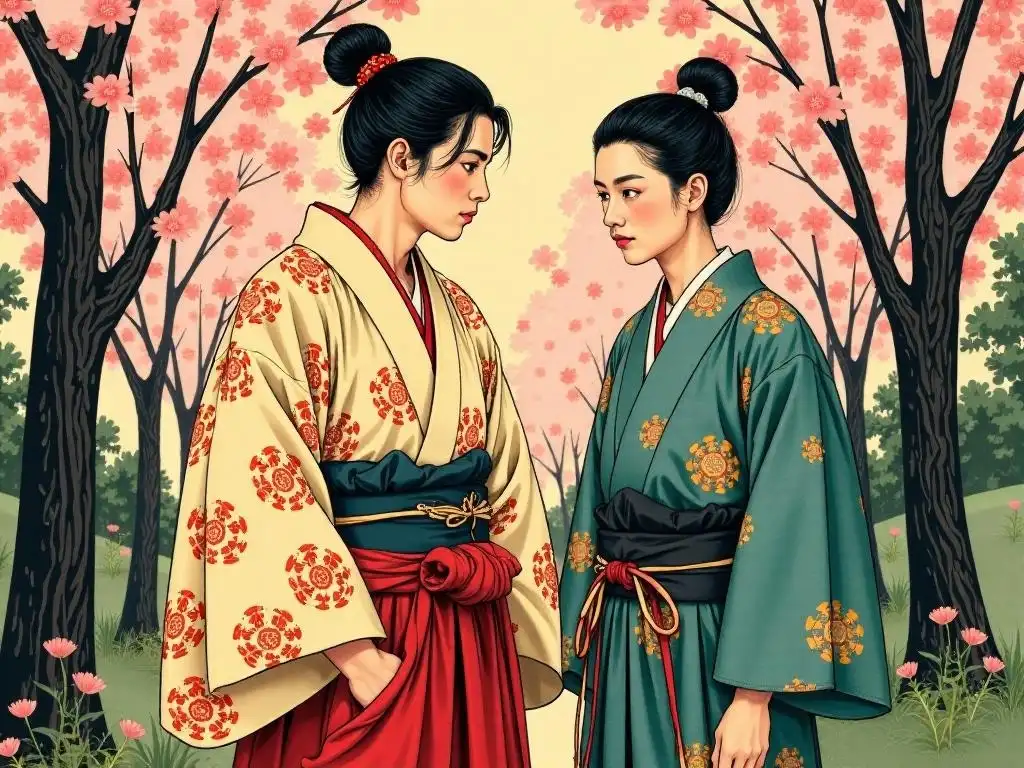
Welcome to Feudal Japan History, where we invite you to embark on a captivating journey through the intricate tapestry of Japan’s feudal era. In our featured article, “Western Diplomats in Japan: Bridging Two Cultures Through Dialogue,” we delve into the fascinating interactions between Eastern and Western worlds during a pivotal time in history. Discover how these diplomats played a crucial role in shaping cross-cultural relations, and explore the rich narratives that define this era. Prepare to unlock the secrets of a time when dialogue became a bridge between two vastly different societies—your adventure into the past begins here!
- Introduction to Western Diplomats in Feudal Japan
- The Arrival of Western Diplomats in Japan
- Cultural Exchange Between Western Diplomats and Japanese Society
- Challenges Faced by Western Diplomats in Feudal Japan
- The Evolution of Diplomatic Relations
- Case Studies: Notable Diplomatic Missions
- Legacy of Western Diplomats in Feudal Japan
- Conclusion: The Lasting Impact of Western Diplomats in Feudal Japan
- References
-
Frequently Asked Questions
- What was the role of Western diplomats in feudal Japan?
- How did Western diplomats impact Japanese society?
- What challenges did Western diplomats face in feudal Japan?
- What were the main outcomes of diplomatic relations between Japan and the West?
- How did Western diplomats influence Japan's modernization?
- Final Reflection: Bridging Cultures Through Dialogue
- Ignite Cultural Connections Today!
Introduction to Western Diplomats in Feudal Japan
The interaction between Western diplomats and Japan during the feudal era marks a significant chapter in the history of international relations. This period, spanning from the early 17th century to the mid-19th century, witnessed a complex interplay of cultures as Japan cautiously opened its doors to foreign influence while striving to maintain its traditional values. Understanding the role of Western diplomats in feudal Japan is crucial for appreciating how these encounters shaped not only Japan's foreign policy but also its cultural identity.
Through a series of dialogues, negotiations, and exchanges, these diplomats served as bridges between vastly different worlds, facilitating a deeper understanding of each other's societies. In this article, we will explore the historical context of feudal Japan, the significance of Western diplomacy, and the lasting impact these interactions had on both Japan and the Western nations involved.
Overview of Feudal Japan's Historical Context
Feudal Japan, characterized by a hierarchical society dominated by the samurai class and shogunates, was a period of both internal consolidation and external isolation. Beginning in the late 12th century and continuing until the Meiji Restoration in 1868, this era saw the establishment of a rigid social structure, with power concentrated in the hands of the shoguns and daimyos.
- Key Historical Phases:
- Kamakura Period (1185-1333): The rise of the samurai class and the establishment of the Kamakura shogunate.
- Muromachi Period (1336-1573): A time of relative instability marked by civil wars and the emergence of powerful regional lords.
- Edo Period (1603-1868): The Tokugawa shogunate brought peace and stability, yet also isolation from much of the world, particularly the West.
- Cultural Developments:
- The flourishing of arts and literature, including the development of unique forms of theater like kabuki and traditional practices such as tea ceremonies.
- A rigid class system that dictated the roles and responsibilities of samurai, farmers, artisans, and merchants.
The diplomatic engagements with Western nations began to increase during the Edo period, primarily as the Tokugawa shogunate faced pressures from foreign powers seeking trade and alliances.
Significance of Western Diplomacy in Japan
Western diplomacy in feudal Japan is significant for several reasons, particularly in how it transformed Japan's worldview and laid the groundwork for modernization.
- Opening of Japan: The arrival of Western diplomats heralded the beginning of Japan's gradual opening to the outside world, culminating in the signing of treaties such as the Treaty of Kanagawa in 1854. This treaty marked the end of Japan's isolationist policy and established formal diplomatic relations with the United States.
- Cultural Exchange: These diplomatic missions facilitated a two-way cultural exchange, introducing Western ideals of governance, science, and technology to Japan while also sparking interest in Japanese culture among Westerners. This exchange was essential in shaping Japan's modernization efforts in the late 19th century.
- Impact on Foreign Relations: The interactions with Western diplomats not only influenced Japan's domestic policies but also redefined its position in global politics. Japan transitioned from a secluded nation to a formidable power on the world stage, actively participating in international diplomacy and trade.
The role of Western diplomats in feudal Japan was pivotal in bridging two distinct cultures, fostering dialogue that would have lasting implications for both Japan and the West. As we delve deeper into this fascinating topic, we will uncover the specific events, key figures, and cultural impacts that defined this era of interaction.
The Arrival of Western Diplomats in Japan
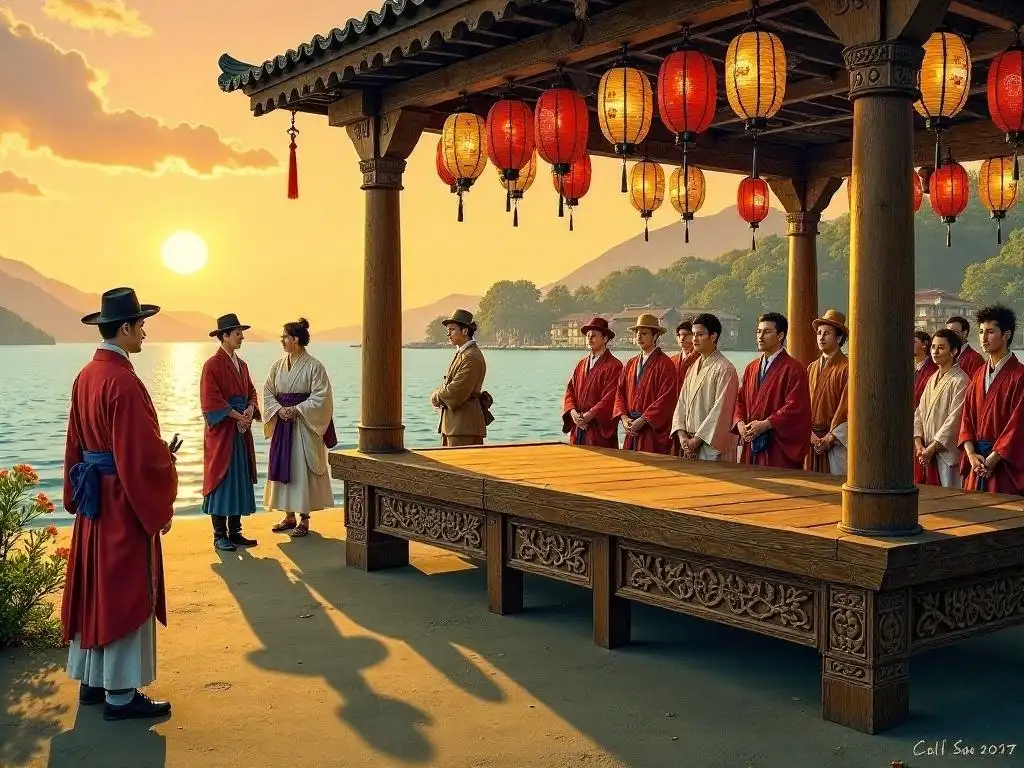
Early Encounters with European Traders and Explorers
The arrival of Western diplomats in feudal Japan can be traced back to the early 16th century, coinciding with the Age of Discovery when European powers sought new trade routes and territories. One of the first significant encounters occurred in 1543 when Portuguese traders landed on the islands of Tanegashima. This event marked the beginning of a new era in Japan's foreign relations and opened the door for further diplomatic and trade interactions.
As European traders introduced firearms and other technologies, Japanese interest in the West grew. The Portuguese not only brought goods but also established initial communication channels, paving the way for future diplomatic efforts. By the 1600s, the Dutch East India Company had established a monopoly on trade with Japan, leading to the establishment of a trading post in Nagasaki, which became a hub for Western diplomats and traders alike.
The initial encounters were characterized by both intrigue and caution. The Japanese were fascinated by Western technologies and cultural practices, while simultaneously wary of foreign influence. The introduction of Christianity by missionaries, primarily the Jesuits, further complicated these early interactions, leading to both alliances and conflicts with local authorities.
Key Figures of Western Diplomacy in Feudal Japan
Several key figures emerged during the early diplomatic interactions between Western nations and Japan.
- Francis Xavier (1506-1552): A Jesuit missionary, Xavier was among the first to advocate for Christianity in Japan. His efforts laid the groundwork for subsequent missionary activities and established a critical cultural exchange between Japan and the West.
- William Adams (1564-1620): An English navigator, Adams became the first Western samurai. His relationship with Tokugawa Ieyasu, the shogun of Japan, exemplified the potential for cooperation between Western diplomats and Japanese leaders. Adams' knowledge of shipbuilding and navigation was highly valued, and he served as a crucial advisor in maritime matters.
- Dutch Envoys: The Dutch, through their trading posts, sent numerous diplomats to Japan, notably the emissaries from the Dutch East India Company. Their ability to navigate the complex political landscape of feudal Japan allowed them to maintain a unique position as the only European nation allowed to trade with Japan during the sakoku (isolationist) period.
- Pieter van der Walle: A notable Dutch diplomat, van der Walle was instrumental in negotiating trade agreements and fostering diplomatic relations during the late 17th century, which solidified the Dutch presence in Japan.
These figures not only influenced trade relations but also facilitated cultural exchanges, bringing Western knowledge and customs to Japan.
Initial Reactions of Japanese Society to Western Diplomats
The reactions of Japanese society to Western diplomats were varied and complex. Initially, there was a sense of curiosity and fascination towards Western customs, technologies, and ideologies. Many Japanese individuals, particularly among the samurai class, recognized the potential benefits of engaging with Western powers.
Positive Reactions
- Technological Advancements: The introduction of firearms and Western shipbuilding techniques were seen as advantageous. Samurai and warlords were eager to incorporate these technologies into their military strategies.
- Cultural Exchange: The arrival of Western diplomats brought new ideas in art, philosophy, and science. This exchange fostered a period of intellectual curiosity, leading to the adoption of Western practices in various fields.
Negative Reactions
- Fear of Colonization: As Western powers expanded their influence globally, there was a growing fear among Japanese leaders that foreign engagement could lead to colonization. This apprehension contributed to the isolationist policies of the Edo period, which sought to limit foreign influence.
- Religious Conflicts: The spread of Christianity by Western missionaries faced significant resistance. The Tokugawa shogunate viewed Christianity as a threat to their authority, leading to the persecution of Christians and the eventual expulsion of missionaries.
The arrival of Western diplomats in feudal Japan marked a pivotal moment in the nation's history, characterized by a blend of curiosity, apprehension, and strategic adaptation. This complex interplay ultimately shaped Japan's approach to foreign relations during the feudal era and laid the groundwork for future interactions with the West.
Cultural Exchange Between Western Diplomats and Japanese Society
Cultural exchange between Western diplomats and Japanese society during the feudal era was a complex interplay of ideas, traditions, and practices that significantly impacted Japan's evolution. As Western diplomats began to establish their presence in Japan, they not only brought with them their own cultural norms but also engaged deeply with Japanese customs, leading to a unique fusion of influences.
The Influence of Western Culture on Japanese Practices
The arrival of Western diplomats in feudal Japan introduced new concepts and practices that began to permeate various aspects of Japanese life. For instance, diplomatic interactions often included exchanges of gifts, which were steeped in Western customs. These gifts, such as paintings, textiles, and books, were not only material items but also carriers of new ideas and cultural values.
- Adoption of Western Clothing: One of the most visible influences was the gradual acceptance of Western clothing styles among Japanese elites. As diplomats showcased their attire, Japanese nobles began to incorporate Western garments into their wardrobes, blending them with traditional kimonos. This blend symbolized a shift in social dynamics and the burgeoning influence of Western culture.
- Culinary Exchange: Food practices also saw a notable transformation. Western diplomats introduced new culinary techniques and ingredients, which were incorporated into Japanese cuisine. For example, the use of dairy products like cheese and butter, previously foreign to Japanese diets, started to gain popularity, leading to a fusion of flavors that enriched Japanese culinary traditions.
- Scientific Advancements: The exchange was not limited to the arts and lifestyle; it also extended to scientific practices. Western diplomats often brought with them knowledge of navigation, medicine, and agricultural techniques. This transfer of knowledge catalyzed advancements in various fields, ultimately contributing to Japan's modernization.
Contributions of Western Diplomats to Japanese Art and Literature
The influence of Western diplomats on Japanese art and literature was profound, leading to a renaissance of creative expression that incorporated both traditional Japanese forms and Western styles.
- Artistic Fusion: As Western diplomats commissioned Japanese artisans to create artworks, a new genre emerged that fused Western techniques with Japanese themes. This artistic collaboration resulted in the development of "Yōga," or Western-style painting, which utilized oil paints and perspective techniques unknown in traditional Japanese art. Notable artists like Yokoyama Taikan began to experiment with these styles, leading to a vibrant art scene.
- Literary Exchange: The literary arena also flourished through these intercultural interactions. Western diplomats translated and introduced Western literary works, which inspired Japanese writers to explore new themes and narrative structures. The introduction of novels and poetry from the West encouraged the emergence of modern Japanese literature, with authors such as Natsume Sōseki incorporating Western literary techniques into their works.
- Cultural Documentation: Western diplomats often documented their experiences in Japan, providing invaluable insights into Japanese culture and customs. Their writings served as a bridge between East and West, allowing for a greater understanding of Japanese society while influencing how Japan was perceived abroad.
Language and Communication: Bridging Cultural Gaps
Language served as both a barrier and a bridge in the interactions between Western diplomats and Japanese society. The challenge of communication necessitated innovative approaches to dialogue and understanding.
- Language Learning: Many Western diplomats took the initiative to learn the Japanese language, recognizing that language was key to effective communication. This effort not only facilitated smoother diplomatic relations but also demonstrated respect for Japanese culture. In some cases, diplomats even employed local interpreters, enabling deeper conversations that transcended mere transactional exchanges.
- Creation of Dictionaries: The need for effective communication led to the compilation of bilingual dictionaries and phrasebooks. These resources were essential for both diplomats and Japanese officials, assisting in the translation of concepts and ideas that were previously untranslatable. The process of creating these documents fostered a mutual understanding of language intricacies and cultural nuances.
- Cultural Sensitivity in Dialogue: Communication was not solely about language; it also involved an understanding of cultural context. Diplomats learned to navigate Japanese customs, such as the importance of politeness and indirect communication. This cultural sensitivity enriched interactions and fostered goodwill, paving the way for more effective diplomatic relationships.
The cultural exchange between Western diplomats and Japanese society was a multifaceted process that profoundly impacted both cultures. From the adoption of new practices to the fusion of art forms and the bridging of language gaps, these interactions laid the groundwork for a more interconnected world. Through dialogue and mutual respect, Western diplomats played a crucial role in shaping the trajectory of Japan during its feudal era.
Challenges Faced by Western Diplomats in Feudal Japan
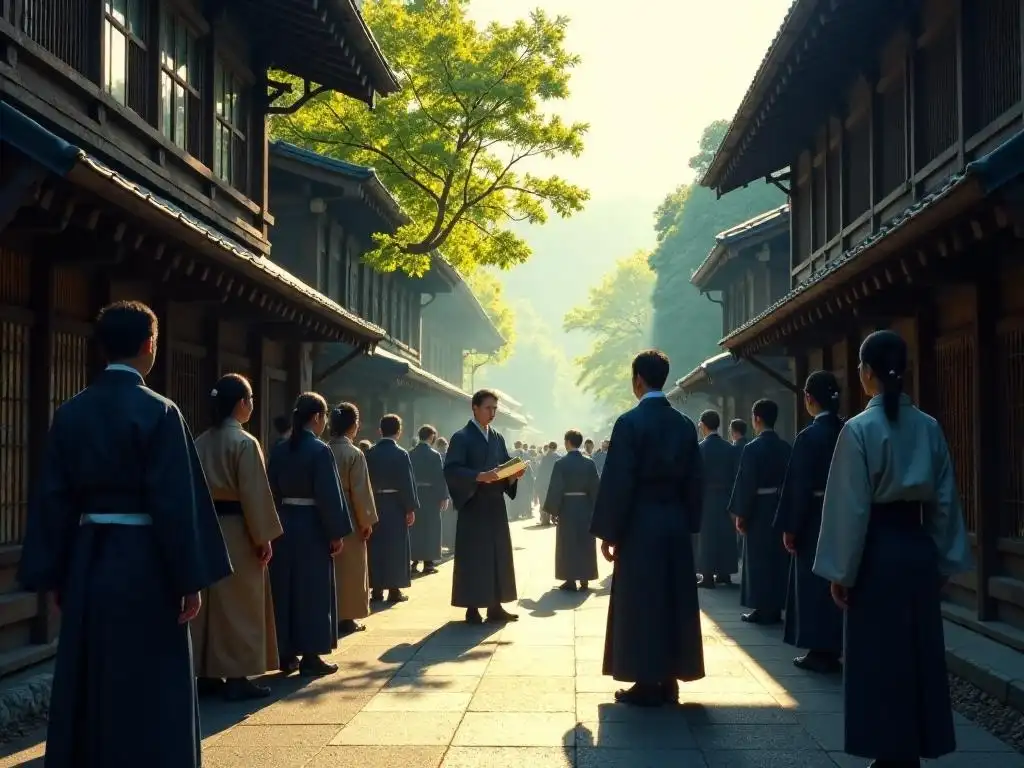
During the feudal era, Western diplomats confronted a myriad of challenges as they sought to navigate the complex socio-political landscape of Japan. These obstacles often stemmed from deeply rooted cultural differences, political structures, and religious influences, all of which shaped interactions between Japan and the Western world.
Political Obstacles Encountered by Diplomats
Western diplomats in feudal Japan frequently faced significant political hurdles that complicated their diplomatic missions. The rigid hierarchical structure of Japanese society, dominated by the shogunate and feudal lords (daimyō), created an environment where foreign diplomats had to tread carefully.
- Shogunal Authority: The Tokugawa shogunate, which ruled from 1603 to 1868, maintained strict control over foreign relations. The shogunate's policies, particularly the sakoku (closed country) policy, limited foreign interaction and restricted Western influence. Diplomats often had to negotiate their presence and activities within a framework that was not designed for open dialogue.
- Regional Power Dynamics: Japan's fragmented political landscape meant that local daimyō had considerable autonomy. Diplomats had to navigate a complex web of allegiances and rivalries, which often resulted in inconsistent support for their missions. For example, while some daimyō welcomed trade and diplomatic relations, others remained staunchly isolationist, complicating the diplomats' efforts to establish a unified approach.
- Limited Diplomatic Recognition: Many Western diplomats struggled for formal recognition. The Japanese government was reluctant to engage with foreign powers on equal terms, often relegating Western diplomats to a subordinate status. This dynamic hindered the ability of diplomats to advocate for their nations' interests effectively.
Cultural Misunderstandings and their Impact on Relations
Cultural misunderstandings were another significant challenge faced by Western diplomats in feudal Japan. The stark differences in customs, communication styles, and social norms often led to misinterpretations that strained relations.
- Language Barriers: The lack of a common language posed a fundamental challenge. Early diplomats often relied on interpreters, whose interpretations could be influenced by their own cultural biases. This sometimes resulted in miscommunications that could escalate tensions.
- Differing Customs and Protocols: Western diplomats were often unprepared for the intricate rituals and etiquette of Japanese court life. For instance, the practice of exchanging gifts was laden with meaning in Japan, and failure to understand these nuances could be perceived as disrespectful. Such misunderstandings could undermine diplomatic efforts and lead to diplomatic faux pas.
- Perception of Authority: Western diplomats often operated within a framework of direct communication and assertiveness, which contrasted sharply with the indirect and hierarchical communication style prevalent in Japan. This difference could lead to frustrations on both sides, as diplomats perceived reluctance to engage as a lack of interest or respect.
The Role of Religion in Diplomatic Engagements
Religion played a pivotal role in the interactions between Western diplomats and Japanese society. The introduction of Christianity and the existing Buddhist and Shinto beliefs created a complex backdrop for diplomatic relations.
- Christianity's Influence: The arrival of Christian missionaries in the 16th century initially opened doors for cultural exchange. However, as the Tokugawa shogunate grew wary of the influence of Christianity, particularly following the suppression of Christian practices in the 17th century, diplomats had to tread carefully. The association of Western diplomats with Christianity could lead to suspicion and hostility.
- Religious Tensions: The interplay between Buddhism, Shinto, and foreign religious influences often complicated diplomatic discussions. Western diplomats sometimes struggled to find common ground, as religious beliefs shaped cultural identities. This tension was particularly evident in discussions regarding moral and ethical frameworks, where differing values could lead to misunderstandings.
- Cultural Diplomacy: Despite these challenges, some diplomats attempted to use religion as a bridge for cultural exchange. By engaging with local religious leaders, they hoped to foster goodwill and understanding. However, the success of such efforts varied greatly depending on the local context and the prevailing attitudes toward foreign religions.
The challenges faced by Western diplomats in feudal Japan were multifaceted and deeply intertwined with the political, cultural, and religious fabric of Japanese society. Understanding these complexities is essential for appreciating the nuanced interactions that shaped early diplomatic relations between Japan and the Western world.
The Evolution of Diplomatic Relations
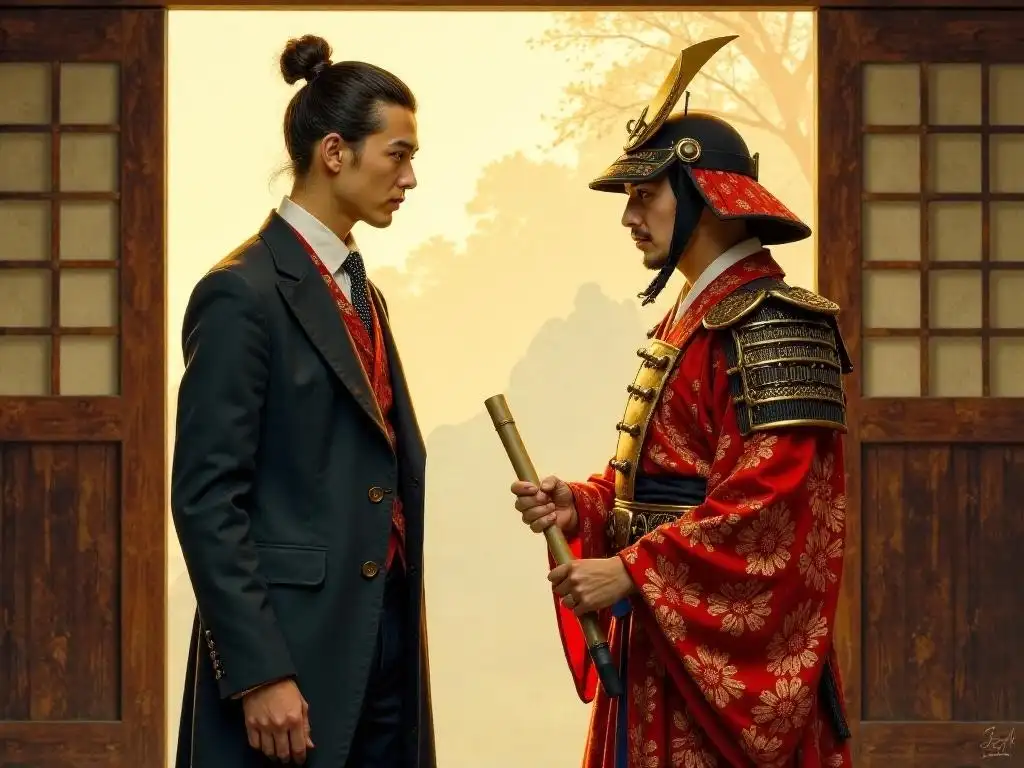
The diplomatic relations between Japan and Western nations during the feudal era were marked by a gradual evolution from isolation to engagement. Initially, Japan maintained a policy of sakoku (closed country) from the early 17th century until the mid-19th century, limiting foreign influence and trade primarily to the Dutch and Chinese. However, as Western powers began to expand their influence in Asia, Japan found itself at a crossroads, necessitating a reevaluation of its foreign policy.
The arrival of Western diplomats in feudal Japan catalyzed a significant shift in this isolationist stance. These diplomats were often seen as representatives of powerful nations, and their interactions with Japanese officials opened doors to new ideas, technologies, and cultural exchanges. The period leading up to the Meiji Restoration in 1868 was particularly crucial, as Japan began to adopt Western practices in an effort to modernize and compete with the Western powers.
Key Treaties and Agreements Involving Western Diplomats
The interactions between Western diplomats and Japan culminated in several key treaties that significantly altered Japan's foreign relations landscape. Notable among these are:
- Treaty of Kanagawa (1854): This treaty marked the end of Japan's isolation policy. Negotiated by Commodore Matthew Perry of the United States, it opened two ports to American vessels and established a U.S. consulate in Japan.
- Treaty of Amity and Commerce (1858): Following the Treaty of Kanagawa, this agreement further expanded trade relations between Japan and the United States, granting extraterritorial rights to American citizens in Japan.
- Unequal Treaties with European Powers: Similar treaties with Britain, France, and the Netherlands followed, which often favored Western interests and imposed restrictions on Japanese sovereignty. These agreements laid the groundwork for Japan's eventual push towards modernization and reform in response to foreign pressures.
| Treaty | Year | Key Features |
|---|---|---|
| Treaty of Kanagawa | 1854 | Opened two ports; established U.S. consulate |
| Treaty of Amity and Commerce | 1858 | Expanded trade; extraterritorial rights |
| Treaty with Britain | 1858 | Similar trade concessions; unequal terms |
| Treaty with France | 1858 | Established trade relations; unequal terms |
Transformative Events in Japan's Foreign Relations
The arrival of Western diplomats and the subsequent treaties initiated transformative events in Japan’s foreign relations:
- Commodore Perry's Expedition (1853-1854): Perry's voyages forced Japan to confront the realities of Western military and technological advancements, leading to the eventual opening of Japan to the West.
- The Meiji Restoration (1868): A pivotal moment in Japanese history, the Meiji Restoration was influenced by Western diplomatic engagement. The new government sought to modernize Japan's political, military, and economic systems, ultimately leading to Japan's emergence as a world power.
- Sino-Japanese War (1894-1895): This conflict showcased Japan's modernization efforts and marked its rise as a formidable military power in Asia, establishing Japan as a key player in international relations.
The increasing presence of Western diplomats and their influence on Japan's political landscape catalyzed these events, driving the nation towards significant reforms and modernization.
The Impact of Western Diplomacy on Japan's Modernization
The interactions with Western diplomats had profound implications for Japan’s modernization. These impacts can be categorized into several key areas:
- Cultural Exchange: Western diplomats introduced new ideas, philosophies, and cultural practices that began to permeate Japanese society. This exchange fostered a curiosity about Western education, science, and technology, leading to reforms in the Japanese educational system.
- Military Reforms: Exposure to Western military practices prompted Japan to overhaul its military structure. The adoption of Western technologies and training methods was crucial for Japan's success in subsequent conflicts, including the Sino-Japanese War and the Russo-Japanese War.
- Economic Transformation: The treaties opened Japan to foreign trade, leading to the establishment of modern banking systems and industrialization efforts. This economic transformation was vital for Japan's integration into the global economy.
- Political Reforms: The influence of Western diplomatic practices encouraged Japan to adopt a more centralized and bureaucratic government structure, which facilitated the transition from feudalism to a modern state.
The role of Western diplomats in feudal Japan was instrumental in bridging two distinct cultures. Their presence not only transformed Japan’s diplomatic relations but also propelled the nation towards modernization, reshaping its trajectory in the global landscape.
Case Studies: Notable Diplomatic Missions
Example 1: Commodore Matthew Perry and the Treaty of Kanagawa
Context and Objectives of the Mission
In the mid-19th century, Japan was largely isolated from Western powers, adhering to its Sakoku (closed country) policy. Commodore Matthew Perry of the United States aimed to open Japan to trade and diplomatic relations. Arriving in Edo Bay in 1853 with a fleet of “black ships,” Perry's mission was to deliver a letter from President Millard Fillmore, requesting the opening of Japanese ports to American vessels. This diplomatic mission was not just about trade; it was also about establishing political ties, ensuring the safety of shipwrecked American sailors, and promoting commerce.
The backdrop of this mission included the increasing presence of Western powers in Asia and the desire for the United States to expand its influence in the Pacific. Perry's expedition was characterized by a show of naval power, as he understood that Japan's leadership might respond more favorably to strength than to diplomacy alone.
Outcomes and Lasting Effects on Japan-West Relations
The Treaty of Kanagawa, signed in 1854, marked a pivotal shift in Japan's foreign relations. It ended over 200 years of isolation by opening two ports—Shimoda and Hakodate—to American ships, thus initiating Japan's engagement with Western powers.
The treaty had several significant outcomes:
- Commercial Relations: It paved the way for future treaties with other Western nations, establishing Japan as a player in international trade.
- Cultural Exchange: The opening of Japan led to an influx of Western ideas and technologies, profoundly influencing Japanese society, education, and industry.
- Political Implications: The treaty and subsequent Western pressures contributed to the internal unrest that eventually led to the Meiji Restoration in 1868, as Japan sought to modernize and strengthen itself against foreign influence.
Overall, Perry's mission exemplified the complex interplay between diplomacy, military power, and cultural exchange that defined the era of Western diplomats in feudal Japan.
Example 2: Townsend Harris and the Harris Treaty
Context and Objectives of the Mission
Following the initial opening of Japan through Commodore Perry's efforts, Townsend Harris was appointed as the first American consul to Japan in 1856. His mission aimed to negotiate a more comprehensive trade agreement that would build on the foundations laid by the Treaty of Kanagawa. Harris sought not only to expand trade but also to establish diplomatic recognition and protections for American citizens in Japan.
Harris's approach was characterized by his diplomatic finesse and understanding of Japanese customs. He recognized the need for a respectful and nuanced approach to engage with Japanese leaders, which was crucial in a time when Japan was still adjusting to foreign interactions.
Outcomes and Lasting Effects on Japan-West Relations
The Harris Treaty, signed in 1858, was instrumental in further opening Japan to the West. It established several key provisions:
- Trade Expansion: The treaty allowed for the opening of additional ports for American trade, which significantly increased commerce.
- Diplomatic Relations: It officially recognized the United States as a diplomatic partner, facilitating further negotiations with other Western nations.
- Cultural Exchange and Legal Protections: Provisions included the extraterritorial rights for Americans, which allowed them to be tried in their own consular courts rather than Japanese courts, a point of contention that later influenced Japanese legal reforms.
The Harris Treaty had lasting repercussions, fostering a climate of active engagement between Japan and the West. It set a precedent for future treaties and initiated a broader cultural exchange that would have lasting effects on Japanese society, ultimately leading to rapid modernization during the Meiji period. The negotiations and outcomes of Harris’s mission underscored the significant role that Western diplomats played in shaping Japan's trajectory during its transformation from isolation to engagement with the world.
Legacy of Western Diplomats in Feudal Japan
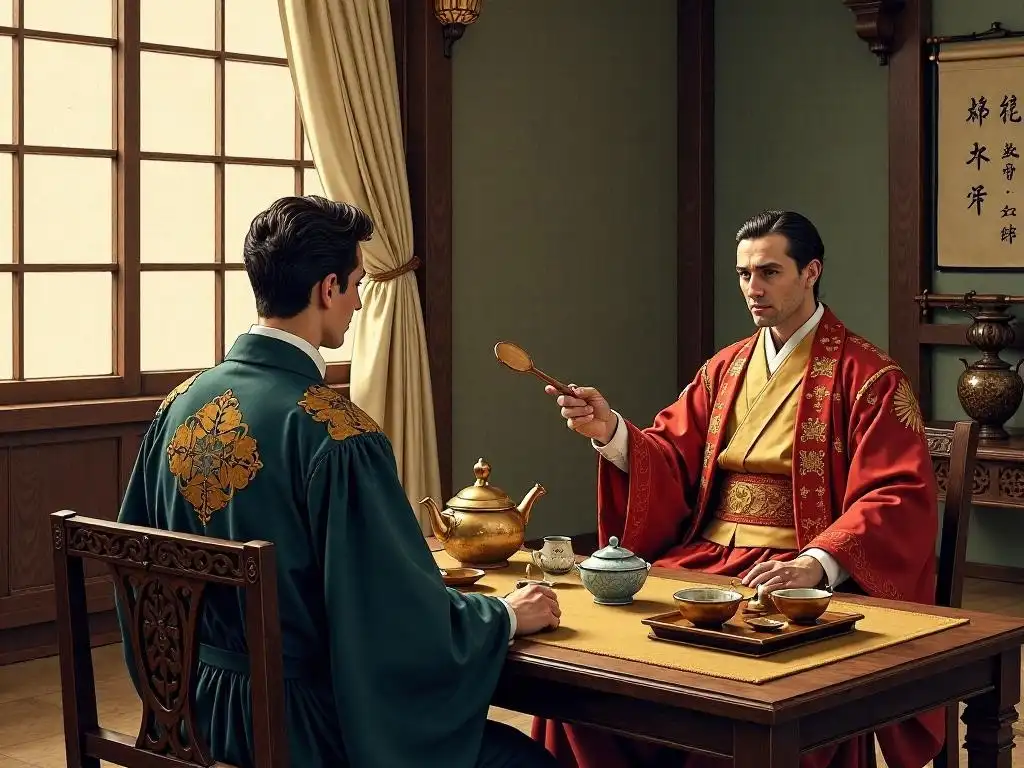
Lasting Influences on Japanese Society and Governance
The presence of Western diplomats in feudal Japan left an indelible mark on Japanese society and governance, influencing various domains ranging from politics to cultural practices. One of the most notable impacts was the introduction of Western political concepts, such as democracy and individual rights. These ideas began to permeate the thoughts of Japanese leaders, particularly during the late Edo period and the subsequent Meiji Restoration.
- Political Reforms: The exposure to Western diplomatic practices prompted Japanese officials to reassess their own governance structures. For example, the establishment of the Iwakura Mission in 1871, which aimed to study Western political systems, was heavily influenced by earlier diplomatic exchanges with Western nations.
- Legal Frameworks: The introduction of Western legal principles and frameworks led to significant reforms in Japan's legal system. The adoption of a constitution and legal codes that reflected Western influences can be traced back to these early diplomatic interactions.
- Cultural Exchange: Western diplomats played a critical role in the transfer of knowledge and culture. They brought with them not only political ideas but also technological innovations and educational practices that reshaped Japanese society. For instance, the introduction of Western-style education systems laid the groundwork for Japan's rapid modernization.
The Role of Western Diplomacy in Japan's Transition to Modernity
Western diplomacy acted as a catalyst for Japan's transition from a feudal society to a modern nation-state. The interactions with Western diplomats during the 19th century were pivotal in reshaping Japan's self-perception and its place in the world.
- Treaties and Agreements: The signing of treaties, such as the Treaty of Kanagawa in 1854 and the Treaty of Amity and Commerce in 1858, marked the beginning of Japan's engagement with Western powers. These agreements forced Japan to open its ports to foreign trade, which not only stimulated economic growth but also exposed Japanese society to new ideas and goods.
- Military Modernization: The influence of Western military practices and technology was profound, leading to the reformation of the Japanese military. The Satsuma Rebellion of 1877 highlighted the tensions between traditional samurai values and the new military ethos inspired by Western practices.
- Economic Transformation: The influx of Western trade and investment catalyzed Japan's industrialization. The establishment of railways, factories, and modern banking systems can be traced back to the diplomatic efforts of Western nations that recognized Japan's potential as a trading partner.
Reflections on Cultural Integration and Exchange
The interactions between Western diplomats and Japanese society fostered a unique cultural integration that shaped both entities. This exchange was characterized by a blend of admiration, curiosity, and resistance, resulting in a complex relationship that influenced art, literature, and everyday life in Japan.
- Artistic Influences: The introduction of Western art forms and techniques led to a renaissance in Japanese arts. The appreciation for Western painting styles, such as oil painting, inspired Japanese artists to experiment with new mediums and perspectives, creating a distinct fusion of styles known as Yōga.
- Literary Exchange: Western literature and philosophical ideas permeated Japanese literary circles, influencing writers such as Natsume Sōseki and Mori Ōgai. The integration of Western themes into Japanese literature reflected a broader cultural dialogue that enriched both traditions.
- Social Dynamics: The presence of Western diplomats challenged traditional Japanese social hierarchies. The interactions with diplomats and merchants led to the emergence of a new social class that was more cosmopolitan and open to Western ideas, facilitating a gradual shift towards a more egalitarian society.
The legacy of Western diplomats in feudal Japan is marked by a profound transformation in Japanese society, governance, and culture. The interactions during this era laid the foundation for Japan's modernization and its eventual emergence as a prominent player on the global stage. These diplomatic exchanges not only bridged two cultures but also fostered a mutual influence that continues to resonate in contemporary Japan.
Conclusion: The Lasting Impact of Western Diplomats in Feudal Japan
Summary of Key Contributions and Challenges
The era of Western diplomats in feudal Japan marked a pivotal shift in Japan's foreign relations and cultural exchange. These diplomats, often acting as intermediaries between their home countries and the isolated Japanese state, played significant roles in fostering dialogue and understanding, albeit amid considerable challenges.
One of the most notable contributions of Western diplomats was their ability to introduce new ideas and technologies into Japan. For instance, diplomats like Townsend Harris, who served as the first American consul in Japan, advocated for the establishment of trade agreements that not only opened Japanese ports to American ships but also introduced Western innovations in areas such as maritime navigation and agricultural techniques. This exchange paved the way for Japan's modernization and eventual emergence as a global power.
However, the journey was fraught with challenges. Many Western diplomats faced resistance from Japanese officials who were wary of foreign influence. The Tokugawa shogunate was particularly concerned about the potential disruption of its strict social order and the preservation of Japanese cultural identity. Diplomatic negotiations often became contentious, with cultural misunderstandings and differing worldviews complicating the dialogue.
Despite these obstacles, the persistence of Western diplomats led to incremental changes in Japan's foreign policy. The signing of treaties, such as the Treaty of Kanagawa in 1854, exemplified how diplomacy could overcome initial resistance and establish formal relations between Japan and the West.
Future Implications for Japan-West Relations
The interactions between Western diplomats and feudal Japan laid the groundwork for modern Japan-West relations, influencing diplomatic practices and cultural perceptions that extend to the present day. As Japan gradually embraced Western philosophies and technologies, it transformed its approach to foreign relations, moving from isolationism to active participation in global affairs.
Understanding the historical context of these early diplomatic efforts is crucial for comprehending contemporary Japan's position on the world stage. Today's diplomatic relations are informed by a legacy of mutual influence, where cultural exchanges and economic partnerships continue to thrive.
Furthermore, the lessons learned from the challenges faced by early diplomats can inform current diplomatic strategies. The importance of cultural sensitivity, the need for clear communication, and the value of patience in negotiations remain relevant in today’s global interactions.
As Japan continues to navigate its role in international relations, the historical experiences of Western diplomats in feudal Japan serve as a reminder of the complexities involved in bridging cultural divides. This legacy not only shapes Japan's diplomatic identity but also emphasizes the ongoing importance of dialogue and understanding in fostering harmonious international relations.
References
The interactions between Western diplomats and Japan during the feudal era are rich with nuance and complexity. This section provides a curated list of references that can deepen understanding of the subject and offer various perspectives on the dynamics at play.
Suggested Further Reading on Western Diplomacy in Feudal Japan
- The Diplomacy of the Early Modern World - This book explores the various diplomatic missions conducted by Western powers in Asia, including Japan. It provides insight into the motivations, challenges, and outcomes of these interactions.
- Japan's Encounter with the West: 1543-1853: - A comprehensive analysis of Japan's gradual opening to Western influence, this text delves into the cultural exchanges and diplomatic negotiations that shaped Japan's perception of the West.
- The Role of Dutch Traders in Japan's Foreign Relations - This work focuses on the specific contributions of the Dutch in establishing diplomatic channels with Japan, emphasizing their unique position as the only European nation allowed to trade during the Sakoku period.
- Western Diplomats in Feudal Japan: A Historical Perspective: - An essential read that chronicles the lives and missions of key Western diplomats, shedding light on their interactions with Japanese leaders and their impact on Japan's eventual modernization.
- Cultural Exchange between Japan and the West - This book examines the broader cultural implications of diplomatic relations, highlighting how Western diplomats influenced Japanese art, literature, and philosophy.
Academic Sources and Historical Texts on Japan-West Interactions
| Source Title | Author | Description |
|---|---|---|
| The Making of Modern Japan | John D. Young | A detailed exploration of Japan's transformation and the role of Western diplomats in this process. |
| Japan and the West: A Cultural History | Thomas W. Mullins | This text offers a cultural lens on the interactions, focusing on how Western diplomats were perceived in Japanese society. |
| Treaties and Diplomacy in East Asia | Haruki Kuroda | This academic source examines the treaties between Japan and Western nations, providing context to the diplomatic negotiations. |
| The Tokugawa World | Peter Nosco | A comprehensive look at the Tokugawa shogunate, including the influence of Western diplomats on its policies and practices. |
| From Isolation to Interaction: Japan and the West | Anne Walthall | An analysis of the shift from Japan’s isolationist policies to engagement with Western diplomats, highlighting key moments in history. |
These references serve as a gateway for those interested in delving deeper into the intricate relationships that shaped Japan's diplomatic landscape during the feudal era. Each source offers unique insights into the motivations and outcomes of Western diplomacy in feudal Japan, making them invaluable for scholars and enthusiasts alike.
Frequently Asked Questions
What was the role of Western diplomats in feudal Japan?
Western diplomats played a crucial role in establishing diplomatic relations and facilitating cultural exchange between Japan and Western nations during the feudal era.
How did Western diplomats impact Japanese society?
They introduced new ideas, technologies, and cultural practices, which influenced various aspects of Japanese society and contributed to modernization efforts in Japan.
What challenges did Western diplomats face in feudal Japan?
Western diplomats encountered resistance due to Japan's isolationist policies, cultural differences, and the complex feudal hierarchy, making their missions challenging.
What were the main outcomes of diplomatic relations between Japan and the West?
The establishment of diplomatic relations led to trade agreements, the exchange of cultural knowledge, and ultimately paved the way for Japan's integration into the global community.
How did Western diplomats influence Japan's modernization?
Their interactions contributed to the Meiji Restoration, where Japan adopted various Western practices in governance, military, and industry, significantly shaping its modern identity.
Final Reflection: Bridging Cultures Through Dialogue
The interactions between Western diplomats and feudal Japan are not merely historical footnotes; they are a testament to the enduring power of dialogue in fostering understanding and cooperation. In an era where cultural exchanges are more vital than ever, the lessons learned from these early encounters remind us of the importance of empathy and communication in overcoming differences. As we navigate a world increasingly defined by globalization, the spirit of these diplomatic efforts serves as a beacon for contemporary relations between diverse cultures.
Cultural diplomacy has shaped our societies in profound ways, influencing everything from trade to art and philosophy. The legacy of Western diplomats in feudal Japan illustrates how meaningful exchanges can lead to mutual respect and collaboration. As we reflect on this historical narrative, we can appreciate the words of the renowned diplomat and author, Henry Kissinger: Diplomacy is the art of restraining power.
This sentiment resonates deeply today, as we strive to balance national interests with the need for global cooperation, reminding us that dialogue is essential in navigating the complexities of our interconnected world.
As we move forward, I invite you to consider how you can contribute to the ongoing dialogue between cultures in your own life. Reflect on the ways you engage with those from different backgrounds and seek to understand their perspectives. Whether through personal relationships, professional interactions, or community involvement, each of us has the power to bridge divides and foster a more inclusive world. Let the spirit of the Western diplomats in feudal Japan inspire you to embrace dialogue as a tool for connection and understanding, paving the way for a brighter, more harmonious future.
Ignite Cultural Connections Today!
Thank you for diving into the fascinating world of Western diplomats in Japan. By exploring their rich interactions, you’ve uncovered how dialogue can bridge cultural divides. Now it’s time to take that inspiration further and actively contribute to cross-cultural understanding.
Here are some empowering actions you can take:
- Join a local cultural exchange program to immerse yourself in diverse traditions and practices.
- Share your experiences with friends or on social media to spark meaningful conversations about cultural diversity.
- Participate in discussion groups centered on intercultural dialogue to learn from the perspectives of others.
What unique culture or tradition do you wish to learn more about, and how can you start that journey today?