
The Connection Between Tea Ceremonies and Japanese Festivals

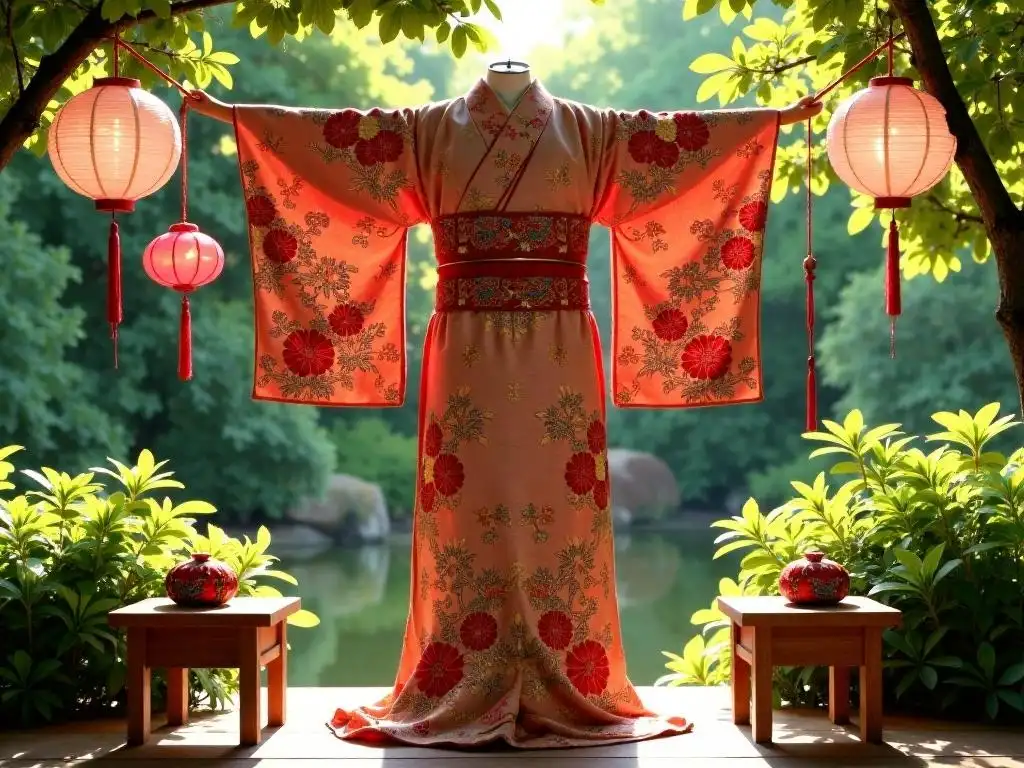
Welcome to Feudal Japan History, where we invite you to journey through the rich tapestry of Japan’s feudal era. Dive into the intricate world of Japanese tea ceremony traditions, a cornerstone of culture that beautifully intertwines with the vibrant festivals of the time. As you explore our expert-driven insights, you'll uncover the fascinating connections that bind these serene rituals to the lively celebrations of yesteryear. Prepare to be captivated by stories that reveal the deeper significance of tea in Japanese society, and let your curiosity lead you to discover more about this enchanting aspect of cultural history.
Introduction to Japanese Tea Ceremony Traditions
The Japanese tea ceremony, known as "Chanoyu" or "Sado," is a profound cultural ritual that transcends mere beverage preparation. It embodies a rich tapestry of history, aesthetics, and philosophy, intricately woven into the fabric of Japanese society. This article aims to explore the deep-seated connections between tea ceremonies and the various festivals celebrated throughout Japan, highlighting how these traditions reflect the values and beliefs of the time.
The significance of tea extends beyond taste; it serves as a conduit for social interaction, spiritual reflection, and artistic expression, making it a vital part of Japan's cultural heritage. By examining these connections, we can gain insight into the role of Japanese tea ceremony traditions in shaping community ties and celebrating the seasons.
Overview of Japanese Tea Ceremony
The Japanese tea ceremony is characterized by its meticulous attention to detail and its embodiment of harmony, respect, purity, and tranquility—known as the four principles of tea (wa, kei, sei, and jaku). These ceremonies often take place in specially designed tea rooms and include the serving of matcha, a powdered green tea, accompanied by seasonal sweets. Each step in the ceremony is performed with grace and intention, creating an atmosphere of mindfulness and appreciation for the moment.
- Key Elements of the Tea Ceremony:
- Utensils: The tea bowl (chawan), tea whisk (chasen), and tea scoop (chashaku) are essential tools, each with its own significance.
- Seasonal Themes: Ceremonies are often themed around the seasons, reflecting the changing beauty of nature.
- Invitation and Preparation: The host carefully prepares the environment and greets guests, emphasizing hospitality.
Importance of Tea in Japanese Culture
Tea has played a pivotal role in Japanese culture for centuries, serving not only as a beverage but also as a symbol of social status and cultural identity. It fosters connections among participants, promoting a sense of community and shared experience. The act of sharing tea during festivals and gatherings reinforces bonds among family and friends, marking significant life events and seasonal celebrations.
- Cultural Significance:
- Symbol of Hospitality: Offering tea is a gesture of welcome and respect.
- Artistic Expression: The aesthetics of the tea ceremony reflect Japanese art, architecture, and garden design.
- Spiritual Reflection: The ceremony provides a moment for introspection and mindfulness, aligning with Buddhist practices.
Historical Context of Tea Ceremonies in Feudal Japan
The historical roots of tea in Japan trace back to the early 9th century, with its introduction by Buddhist monks returning from China. Over time, tea drinking evolved into a ceremonial practice that was embraced by the samurai class and later by the nobility. This evolution reflects broader societal changes during the feudal era, where rituals became integral to cultural identity.
Origins of Tea Drinking in Japan
The first documented mention of tea in Japan appeared in the "Nihon Kiryaku," a historical text from the Heian period (794-1185). Initially used for medicinal purposes, tea soon gained popularity among the elite, leading to the establishment of tea gardens and the cultivation of specific tea varieties. The initial associations with Zen monks laid the groundwork for the spiritual dimensions of tea drinking that would become central to the tea ceremony.
Development of Japanese Tea Ceremony Traditions
As tea culture flourished, the practice of the tea ceremony began to take shape in the 15th and 16th centuries. Influential figures, such as Sen no Rikyū, refined the aesthetics and philosophy of the ceremony, emphasizing simplicity and natural beauty. This period marked the transition from a luxury enjoyed by the elite to a more widespread appreciation, ultimately influencing Japanese arts, literature, and philosophy.
- Key Developments:
- Wabi-Sabi Aesthetic: Embracing imperfection and transience became a fundamental principle of the tea ceremony.
- Integration into Festivals: Tea ceremonies became a highlight of various festivals, celebrating agricultural cycles and seasonal changes.
Influence of Zen Buddhism on Tea Practices
Zen Buddhism profoundly shaped the development of Japanese tea ceremony traditions, introducing concepts of mindfulness and meditation. The quietude of the tea ceremony mirrors Zen principles, fostering an environment conducive to reflection and tranquility. This spiritual dimension has made the tea ceremony not just a social event but a practice of self-cultivation, allowing participants to engage deeply with their surroundings and with themselves.
- Zen Principles in Tea Ceremony:
- Mindfulness: Each action is performed with intention and awareness, creating a meditative space.
- Impermanence: The fleeting nature of the tea experience encourages appreciation of the present moment.
- Community: The shared experience of tea fosters a sense of unity and collective mindfulness among participants.
The intricate relationship between tea ceremonies and Japanese festivals reveals the depth of cultural significance embodied in these traditions. Understanding this connection offers a glimpse into the historical evolution of Japanese society, where tea serves as both a beverage and a profound ritual that continues to resonate in contemporary cultural practices.
Significance of Japanese Festivals in Cultural History
Japanese festivals, known as matsuri, play a pivotal role in the cultural history of Japan, serving as vibrant expressions of local traditions, spirituality, and community identity. These festivals often reflect the agricultural cycles, religious beliefs, and historical events significant to the regions they inhabit. Festivals are not merely events; they are a celebration of heritage, bringing together various elements of Japanese culture, including music, dance, and culinary practices.
The significance of these festivals lies in their ability to preserve and transmit cultural values and practices from one generation to the next. By participating in matsuri, individuals reinforce their connection to their ancestral roots and contribute to the continuity of community traditions. Additionally, these gatherings foster social cohesion, providing a platform for interaction among community members while promoting a shared identity that transcends individual differences.
Overview of Major Japanese Festivals (Matsuri)
Japan is home to numerous festivals, each showcasing unique aspects of local culture and history. Some of the most renowned matsuri include:
- Gion Matsuri (Kyoto): Celebrated in July, this festival is known for its spectacular procession of floats, elaborate costumes, and traditional music, honoring the deity of Yasaka Shrine.
- Aoi Matsuri (Kyoto): Held in May, this ancient festival features a grand procession with participants dressed in the style of the Heian period, celebrating the Kamo deities.
- Nebuta Matsuri (Aomori): Taking place in August, this festival is famous for its illuminated floats depicting warriors and mythical figures, accompanied by vibrant music and dance.
- Tanabata Matsuri (Throughout Japan): Celebrated in July or August, this festival commemorates the meeting of two celestial deities and includes decorations of colorful streamers and wishes written on tanzaku (small pieces of paper).
Each festival reflects local customs and beliefs, making them integral to the cultural tapestry of Japan.
Role of Festivals in Japanese Society
Festivals serve multiple roles in Japanese society, acting as both social and spiritual gatherings. They provide a sense of belonging and community, allowing participants to engage in shared experiences that strengthen social ties. Festivals also play a crucial role in the spiritual life of communities, often dedicated to Shinto or Buddhist deities, ensuring the blessings of the gods for harvests, health, and prosperity.
Moreover, festivals offer an opportunity for cultural exchange and tourism, attracting visitors from around the world who seek to experience authentic Japanese traditions. This influx of tourists contributes to the local economy and fosters a greater appreciation for Japan's cultural heritage.
The Interplay Between Tea Ceremonies and Japanese Festivals
The relationship between tea ceremonies and Japanese festivals is deeply intertwined, reflecting the broader cultural significance of tea in Japanese society. The act of preparing and serving tea, known as chanoyu, embodies principles of harmony, respect, purity, and tranquility, which resonate with the spirit of many festivals.
Cultural Significance of Tea in Celebrations
Tea holds a special place in Japanese celebrations, symbolizing hospitality and refined taste. During festivals, tea is often served to guests as a gesture of welcome and respect. The ceremonial aspects of tea drinking, including the careful preparation and presentation, elevate the experience, allowing participants to engage in mindfulness and appreciation of the moment.
In many cases, tea ceremonies during festivals serve as communal rituals that strengthen bonds among participants. The act of sharing tea fosters connections, encourages conversation, and reinforces community values, making it a vital component of the celebration.
Historical Events Linking Tea Ceremonies and Festivals
Historically, tea ceremonies have been linked to various festivals, often serving as a means to commemorate significant events or honor deities. For instance, during the Gion Matsuri, tea may be offered as part of the rituals dedicated to the deities, emphasizing the spiritual aspect of the celebration. Similarly, tea ceremonies have been incorporated into New Year festivities, where the act of tea drinking symbolizes renewal and hope for the coming year.
These historical connections illustrate how tea ceremonies have evolved alongside festivals, adapting to the changing cultural landscape while retaining their core values.
Case Studies of Specific Festivals Featuring Tea Ceremonies
Several festivals prominently feature tea ceremonies, showcasing their cultural integration. One notable example is the Urasenke Chakai, held during the Gion Matsuri, where traditional tea is served to festival participants, creating a serene moment amidst the vibrant celebrations. Another example is the Shamisen Matsuri in Takamatsu, where tea ceremonies are conducted alongside performances of traditional music, merging the auditory and gustatory experiences for attendees.
These case studies highlight the rich interplay between tea ceremonies and festivals, underscoring tea's role as a cultural bridge that enhances the celebratory atmosphere while reflecting Japan's intricate social fabric.
Elements of Japanese Tea Ceremony Traditions at Festivals
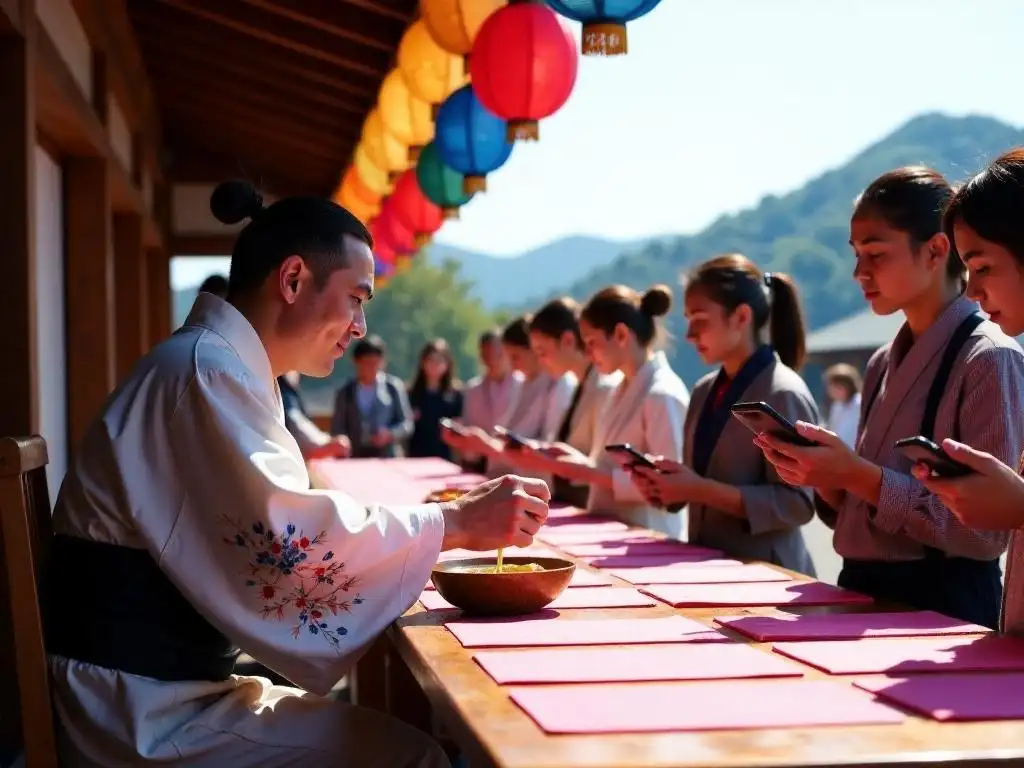
Japanese tea ceremony traditions are deeply embedded in the rich tapestry of Japan's cultural heritage, particularly during festivals. Festivals provide a vibrant backdrop for these ceremonies, allowing participants to engage in a blend of ritual, artistry, and community spirit. The elements of these tea ceremonies during festivals often include meticulously prepared tea, thoughtfully designed settings, and a strong emphasis on mindfulness and presence.
In the context of festivals, the tea ceremony transforms into a communal activity, where the act of sharing tea becomes a symbol of hospitality and connection. This is prevalent in festivals such as Hanami, where cherry blossoms bloom, and communities gather to celebrate the beauty of nature. Here, tea ceremonies serve not only as a way to enjoy the beverage but also as a means of fostering relationships and sharing cultural values.
Ritualistic Aspects of Tea Preparation
The preparation of tea during Japanese festivals adheres to traditional rituals, which emphasize precision and respect for the ingredients. This process typically involves several key steps, including:
- Selecting the Tea: The choice of tea varies depending on the festival. Matcha is often favored for its vibrant color and rich flavor.
- Utensil Arrangement: The tea utensils, including the tea bowl (chawan), tea whisk (chasen), and tea scoop (chashaku), are arranged with intention, reflecting the aesthetic principles of simplicity and harmony.
- Water Rituals: The water used for preparation is often sourced from natural springs, symbolizing purity and connection to nature.
These ritualistic aspects highlight the significance of mindfulness and intention, elevating the act of tea preparation into a meditative practice that resonates with the festive atmosphere.
Aesthetic Elements in Tea Ceremonies During Festivals
Aesthetic elements play a crucial role in enhancing the experience of the Japanese tea ceremony during festivals. The visual and sensory aspects are carefully curated to create a harmonious environment. Key aesthetic features include:
- Seasonal Decor: The setting is often adorned with seasonal flowers, such as cherry blossoms in spring or maple leaves in autumn, reflecting the beauty of nature and the changing seasons.
- Ceremonial Attire: Participants typically wear traditional kimono, which not only adds to the visual appeal but also signifies respect for the occasion and cultural heritage.
- Choreographed Movements: The movements of the host during the ceremony are graceful and deliberate, embodying the principles of Wabi-Sabi, which emphasizes beauty in simplicity and imperfection.
These aesthetic elements contribute to the overall ambiance of the festival, creating an immersive experience that celebrates both the art of tea and the spirit of community.
Symbolism of Tea in Festival Celebrations
Tea holds profound symbolism in Japanese culture, and its role in festival celebrations extends beyond mere enjoyment. The act of sharing tea during festivals embodies several key themes:
- Harmony and Unity: Serving tea to guests symbolizes hospitality and the desire for harmony among participants, fostering a sense of community.
- Transience of Life: The ephemeral nature of tea ceremonies mirrors the fleeting beauty of the moments celebrated during festivals, reminding participants to cherish each experience.
- Spiritual Connection: Tea is often seen as a bridge between the physical and spiritual realms, creating a space where participants can reflect and connect with deeper meanings.
This rich symbolism enhances the significance of tea in festival celebrations, transforming it into a medium for expressing cultural values and communal bonds.
Modern Interpretations of Japanese Tea Ceremony Traditions in Festivals
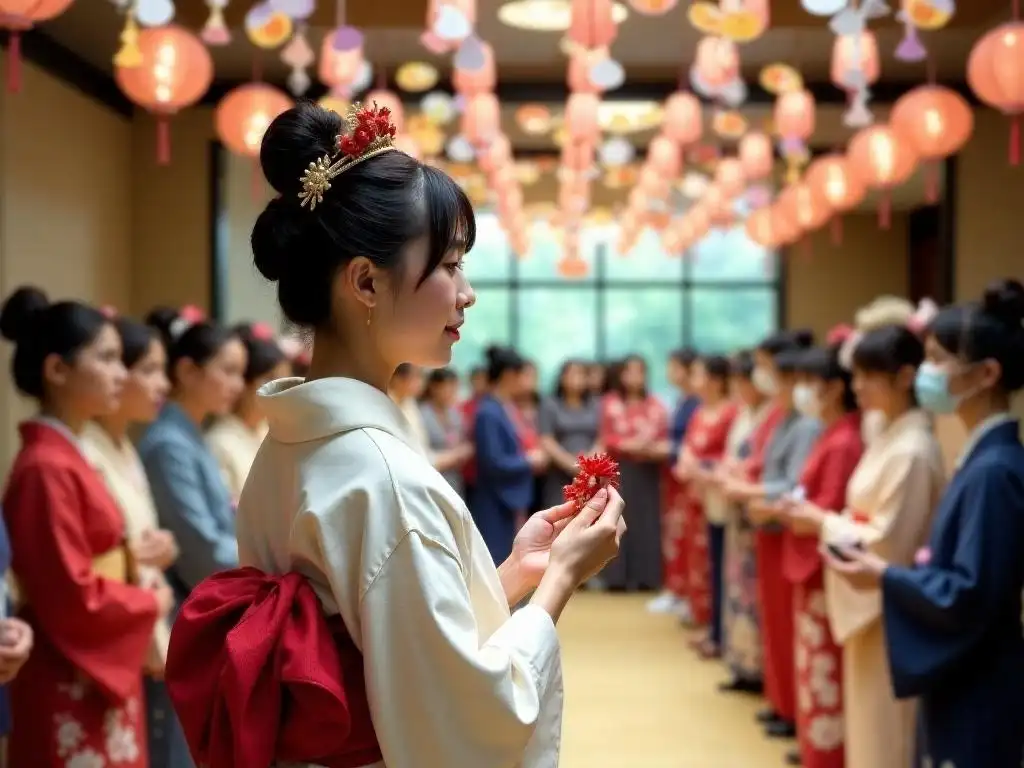
As Japan continues to evolve, so do its cultural practices, including tea ceremonies at festivals. Modern interpretations reflect changing societal values while still honoring traditional elements.
Contemporary Practices in Tea Ceremonies at Festivals
Contemporary tea ceremonies at festivals often embrace innovation while respecting tradition. Some notable practices include:
- Fusion Events: Integrating tea ceremonies with other cultural elements, such as music and dance, to create a more dynamic festival experience.
- Interactive Workshops: Offering festival-goers the chance to participate in tea-making and learn about the history and significance of the ceremony, fostering a deeper appreciation.
- Thematic Variations: Ceremonies are sometimes themed according to the festival, allowing for creative expressions that resonate with the event's spirit.
These contemporary practices breathe new life into traditional tea ceremonies, ensuring their relevance in modern society.
Influence of Globalization on Traditional Practices
Globalization has significantly impacted Japanese tea ceremony traditions, especially during festivals. This influence manifests in several ways:
- Cultural Exchange: The exposure to global traditions leads to the incorporation of diverse elements into tea ceremonies, enriching the experience for participants.
- Increased Popularity: The growing interest in Japanese culture worldwide has led to a rise in international festivals featuring tea ceremonies, promoting cultural dialogue and understanding.
- Adaptation and Innovation: Traditional practices are being adapted to suit modern tastes and preferences, resulting in a fusion of techniques and flavors that reflect both heritage and contemporary life.
While globalization brings challenges to the preservation of traditional practices, it also offers opportunities for growth and reimagining the tea ceremony.
Preservation of Cultural Heritage through Festivals
Festivals serve as vital platforms for preserving and promoting Japanese tea ceremony traditions. They play a crucial role in:
- Education and Awareness: Festivals often include demonstrations and workshops that educate attendees about the history and significance of tea ceremonies, fostering appreciation among younger generations.
- Community Engagement: Local communities actively participate in organizing and hosting tea ceremonies, reinforcing cultural ties and encouraging collaboration.
- Celebrating Diversity: Festivals provide an opportunity to showcase various regional tea practices, highlighting the diversity within Japanese culture and ensuring that unique traditions are celebrated and remembered.
Through these efforts, festivals contribute significantly to the preservation of Japanese tea ceremony traditions, ensuring that they continue to thrive for future generations.
Conclusion: The Enduring Legacy of Tea Ceremonies and Festivals in Japan
The intersection of tea ceremonies and Japanese festivals represents a rich tapestry of cultural heritage that continues to thrive in contemporary society. These traditions are not merely historical relics but living practices that adapt and evolve while maintaining their core values. The rituals surrounding the Japanese tea ceremony, with their emphasis on harmony, respect, purity, and tranquility, resonate deeply within the context of festivals, which celebrate community, art, and spirituality.
As Japan progresses into the future, the legacy of tea ceremonies will likely persist, serving as a bridge between generations. They provide a unique opportunity for individuals to connect with their cultural roots, fostering a sense of identity and belonging amidst a rapidly changing world. The enduring appeal of these traditions is evident in their integration into various modern festivals, where they continue to captivate audiences and participants alike.
Reflection on Japanese Tea Ceremony Traditions
Japanese tea ceremony traditions, or "chanoyu," embody a philosophy that transcends mere beverage preparation. Rooted in Zen Buddhism, these rituals emphasize mindfulness, appreciation of nature, and the beauty of simplicity. Each element of the ceremony, from the carefully selected tea utensils to the intricate movements of the host, reflects a deep-seated respect for both the tea and the guests.
The aesthetic principles of "wabi-sabi," which celebrate imperfection and transience, are integral to the experience. This perspective encourages participants to appreciate the moment and find beauty in the ordinary. In festivals, these traditions become a vehicle for community engagement, allowing individuals to share in the experience and deepen their understanding of Japanese culture.
Through the lens of festivals, tea ceremonies also serve as a conduit for educating both locals and tourists about Japan's rich cultural heritage. Workshops and demonstrations during festivals offer insights into the artistry and philosophy of the tea ceremony, fostering a broader appreciation for its significance.
Future of Tea Ceremonies in Japanese Cultural Festivals
Looking ahead, the future of tea ceremonies within Japanese cultural festivals appears promising, albeit with some challenges. As global interest in Japanese culture continues to grow, there is an increasing opportunity to showcase these traditions on an international stage. However, preserving the authenticity and depth of these rituals will require careful attention and adaptation.
Innovative approaches, such as interactive tea ceremony experiences or fusion with contemporary art forms, can attract younger generations while maintaining the essence of traditional practices. Furthermore, leveraging technology to enhance the experience, such as virtual reality tours of tea houses or live-streamed ceremonies, could engage a wider audience.
Additionally, as Japan grapples with the impacts of modernization and globalization, ongoing efforts to promote and revitalize tea ceremonies within festivals will be crucial. By fostering partnerships with cultural institutions, community organizations, and educational entities, there is potential for tea ceremonies to flourish as a vital aspect of Japan's cultural identity for years to come.
The symbiotic relationship between tea ceremonies and Japanese festivals not only enriches cultural celebrations but also ensures that these timeless traditions remain relevant and cherished in the hearts of future generations.
- Introduction to Japanese Tea Ceremony Traditions
- Historical Context of Tea Ceremonies in Feudal Japan
- Significance of Japanese Festivals in Cultural History
- The Interplay Between Tea Ceremonies and Japanese Festivals
- Elements of Japanese Tea Ceremony Traditions at Festivals
- Ritualistic Aspects of Tea Preparation
- Aesthetic Elements in Tea Ceremonies During Festivals
- Symbolism of Tea in Festival Celebrations
- Modern Interpretations of Japanese Tea Ceremony Traditions in Festivals
- Conclusion: The Enduring Legacy of Tea Ceremonies and Festivals in Japan
- Reflection on Japanese Tea Ceremony Traditions
- Future of Tea Ceremonies in Japanese Cultural Festivals
Frequently Asked Questions
What is the significance of the Japanese tea ceremony?
The Japanese tea ceremony is a ritualistic preparation and consumption of matcha, symbolizing harmony, respect, purity, and tranquility in Japanese culture.
Tea ceremonies often feature prominently during Japanese festivals, serving as a means to foster community spirit and celebrate cultural traditions through shared experiences.
What are some common elements found in a tea ceremony?
Key elements include the tea utensils, matcha tea, a serene environment, and the careful presentation of tea, all reflecting the aesthetic values of Japanese culture.
How have tea ceremonies evolved over time in Japan?
Originally a Zen Buddhist practice, tea ceremonies have evolved to encompass various styles and customs, adapting to cultural shifts while retaining their core principles.
What role do tea ceremonies play in modern Japanese society?
Today, tea ceremonies serve as a way to connect with tradition, promote mindfulness, and engage in social gatherings, reinforcing their cultural significance in contemporary Japan.
Final Reflection: Embracing the Harmony of Japanese Tea Ceremony Traditions
The connection between tea ceremonies and Japanese festivals is more than just a cultural practice; it is a profound expression of community, mindfulness, and respect for nature. In today's fast-paced world, where instant gratification often overshadows the beauty of tradition, the essence of Japanese tea ceremony traditions serves as a reminder to slow down and appreciate the simple joys of life. This timeless practice not only enriches our understanding of Japanese culture but also invites us to cultivate a sense of presence and gratitude in our daily lives.
Cultural traditions like the Japanese tea ceremony continue to shape our social landscape, fostering connections that transcend generations. The rituals of these ceremonies, intertwined with the vibrant celebrations of Japanese festivals, create a tapestry of shared experiences that bind communities together. As we navigate through modernity, it is essential to remember the wisdom embedded in these traditions. Tea is the magic key to the vault where my brain is kept.
– Frances Hardinge. This quote encapsulates the idea that through the act of sharing tea, we unlock deeper connections and insights, reminding us of the importance of community and reflection.
As we conclude this exploration of Japanese tea ceremony traditions, I invite you to reflect on the role of rituals in your own life. How can you incorporate moments of mindfulness and connection into your daily routine? Whether it’s through a simple cup of tea or a gathering with loved ones, let us embrace the teachings of these traditions and create spaces for harmony and reflection in our modern lives. By doing so, we not only honor the past but also pave the way for a more connected and mindful future.
Thank you for taking the time to explore the beautiful connection between tea ceremonies and Japanese festivals. You’ve uncovered the intricate layers of tradition and culture that celebrate harmony and mindfulness. Now, let’s carry this profound experience forward!
Here are some actionable steps you can take to deepen your connection with this enchanting aspect of Japanese culture:
- Participate in a Local Tea Ceremony: Seek out a nearby cultural center or community event that hosts tea ceremonies. Immerse yourself in the tranquility and artistry firsthand!
- Share Your Insights: Discuss what you've learned with friends or on social media. Use the hashtag #TeaAndFestivals to spark conversations and encourage others to appreciate this rich tradition.
- Explore Related Festivals: Research and attend upcoming Japanese festivals that feature tea ceremonies. Discover how different regions celebrate this graceful art and the unique flavors of their traditions.
How will you honor and integrate the beauty of tea ceremonies into your daily life? We look forward to hearing your thoughts!