
The Hidden Gems: LesserKnown Samurai Swords Worth Collecting

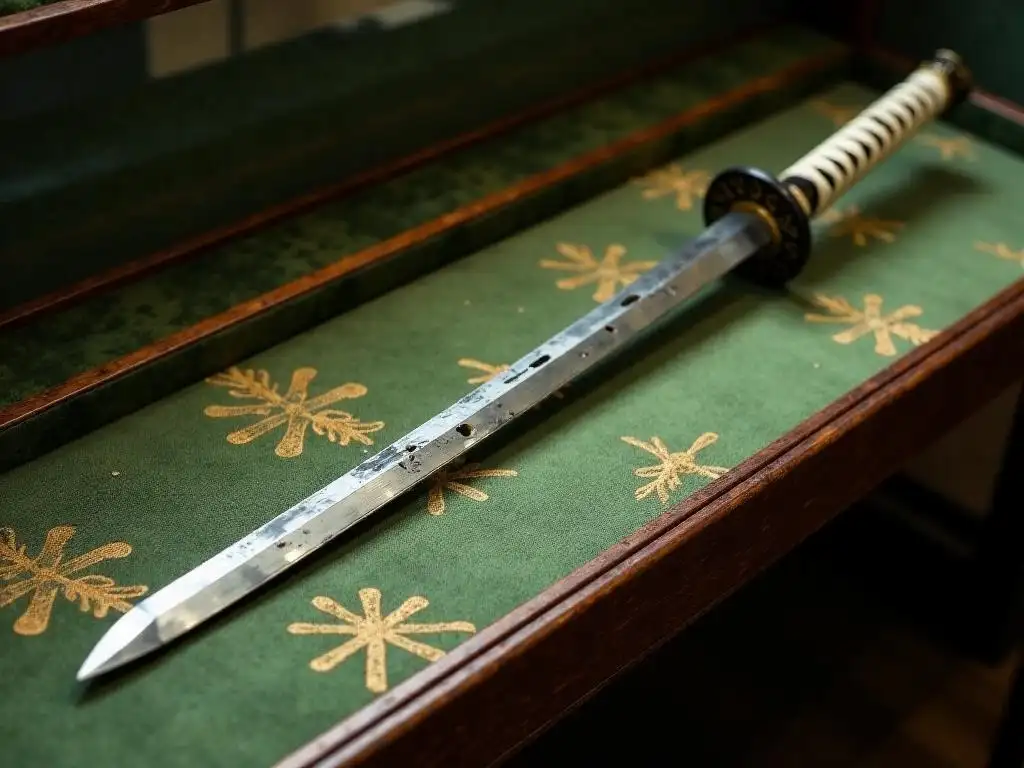
Welcome to Feudal Japan History, where we take you on a fascinating journey through Japan's rich feudal era. Dive deep into the intricate tapestry of history, culture, and society, and discover the treasures that await. In our featured article, “The Hidden Gems: Lesser-Known Samurai Swords Worth Collecting,” we unveil the allure of rare samurai swords for collectors—an enchanting world that intertwines artistry, craftsmanship, and legacy. Are you ready to uncover these hidden gems and enrich your understanding of this captivating period? Join us as we explore the stories behind these exquisite weapons and what makes them truly remarkable!
Introduction to Rare Samurai Swords for Collectors
The allure of samurai swords, or katana, extends far beyond their sharp blades and elegant designs. For collectors, particularly those captivated by the rich history of feudal Japan, rare samurai swords represent not only a tangible connection to the past but also a unique investment opportunity. In this article, we will delve into the hidden gems of the samurai sword world, focusing on lesser-known examples that are worthy of attention from collectors. Understanding these swords requires an appreciation of their historical significance, craftsmanship, and the stories they embody.
As we explore the fascinating realm of rare samurai swords for collectors, we will uncover specific pieces that stand out due to their unique characteristics and provenance. From blades forged by lesser-known artisans to swords with intriguing backstories, this exploration aims to enlighten collectors on what makes these weapons not only valuable but also a vital part of Japan's cultural heritage.
What Makes a Samurai Sword Rare and Valuable?
The rarity and value of a samurai sword can be attributed to several factors, which collectors must consider when evaluating potential additions to their collections. Here are some key aspects that contribute to the allure of these historical artifacts:
- Provenance: The history of ownership greatly influences a sword's value. Swords that have been owned by notable figures or that have significant historical relevance tend to be more sought after.
- Craftsmanship: The quality of the blade, including the skill of the smith and the techniques used in its creation, plays a crucial role. High-quality swords are often characterized by intricate patterns in the steel, known as hamon.
- Materials: The materials used in the sword's construction, such as the type of steel and the quality of the fittings, can also determine its value. For instance, swords made from tamahagane steel, a traditional Japanese steel, are particularly prized.
- Condition: The physical state of the sword, including any signs of wear, restoration, or damage, can significantly affect its market value. Well-preserved pieces fetch higher prices.
- Rarity: Naturally, the fewer the number of a particular sword style or maker, the more valuable it becomes. This includes limited production runs or swords made during specific historical periods.
By understanding these elements, collectors can better navigate the market for rare samurai swords, ensuring that their investments not only enhance their collections but also deepen their appreciation for the art and history behind each piece.
Top Lesser-Known Samurai Swords Worth Collecting
While many collectors are familiar with the iconic katana, the world of samurai swords is vast, filled with lesser-known yet equally fascinating blades. These rare samurai swords offer unique historical significance, craftsmanship, and beauty, making them exceptional additions to any collection. Below are some of the top lesser-known samurai swords that collectors should consider.
1. The Uda Sword
The Uda sword, originating from the Uda region in Nara, is renowned for its exceptional craftsmanship and unique design. Made primarily during the Kamakura period, these swords are characterized by their distinctive curve and robust hilt, which provides a comfortable grip. What sets the Uda sword apart is its high-quality steel, often featuring a beautiful hamon (temper line) that reflects the skill of the smith. Collectors value these swords not only for their aesthetic appeal but also for the historical context surrounding their creation, as they were often associated with the samurai elite.
2. The Murasama Blade
The Murasama blade holds a legendary status among collectors due to its reputed supernatural qualities. According to folklore, swords forged by Murasama are believed to carry a curse, bringing misfortune to their owners if misused. Despite this ominous reputation, the Murasama blades are highly sought after for their intricate designs and the exceptional quality of the steel. Collectors appreciate the unique history and the craftsmanship that goes into each blade, making them a fascinating addition to any collection.
3. The Kōtō Era Swords
The Kōtō era, spanning from the 16th to the 19th century, produced some of the most revered swords in Japanese history. These swords exhibit a range of styles and characteristics, reflecting the evolution of sword-making techniques over time. Kōtō swords are often characterized by their long, slender blades and elaborate tsuba (handguards). Collectors often seek these swords for their historical significance, as they represent a pivotal period in Japanese martial culture. Notable examples include blades crafted by renowned smiths like Masamune and Yoshimitsu, which are highly coveted by enthusiasts.
4. The Tachi Sword
The Tachi sword predates the katana and is notable for its longer blade and distinctive curvature. Traditionally worn suspended edge-down for cavalry use, the Tachi features a more pronounced curvature than the katana, enhancing its slashing capabilities. These swords often bear elaborate decorations and inscriptions, indicating the skill of the craftsman and the status of the owner. Collectors of rare samurai swords often seek Tachi swords for their historical importance and aesthetic beauty, as they exemplify the artistry of Japanese sword-making during the Heian and Kamakura periods.
5. The Shinto Sword
Shinto swords emerged during the Edo period and are distinguished by their refined and elegant design. They often feature a straight blade with a subtle curve, showcasing a strong, durable construction. Shinto swords were typically made by skilled artisans who adhered to traditional forging techniques, resulting in blades with striking aesthetics and remarkable functionality. Collectors appreciate Shinto swords for their craftsmanship and the cultural significance they carry, representing the transition of samurai swords into an art form during this period.
How to Identify and Authenticate Rare Samurai Swords
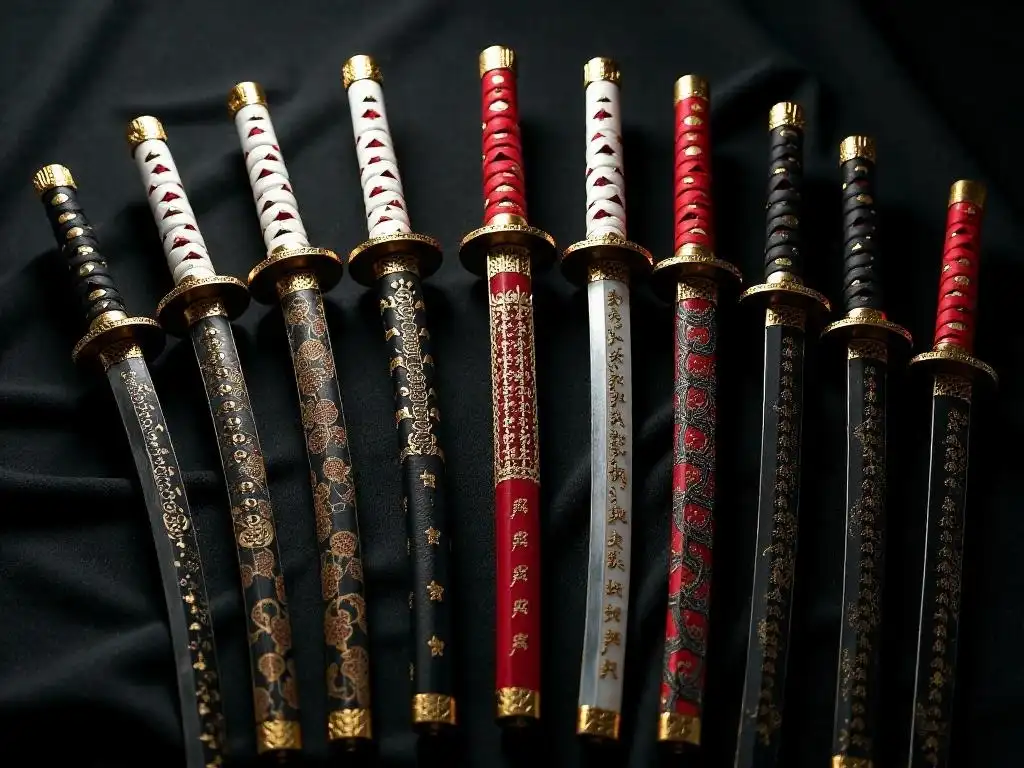
Authenticating rare samurai swords requires a keen eye and a thorough understanding of historical context, craftsmanship, and materials. Collectors should consider the following steps to identify and authenticate these blades:
- Examine the Tang (Nakago): The tang of the sword often contains inscriptions that can indicate the maker, age, and origin. Look for signatures (mei) or other markings that can provide insights into the sword's history.
- Assess the Blade's Condition: Authentic samurai swords will show signs of age, including patina and wear that are consistent with their period. Pay attention to the quality of the steel and the presence of a hamon, which reflects the sword's craftsmanship.
- Analyze the Tsuba and Fittings: The tsuba and other fittings should match the era of the blade. Examine the materials used and the craftsmanship, as genuine fittings often display intricate designs and high-quality materials.
- Research Provenance: Gathering historical records and previous ownership details can help establish authenticity. Provenance adds value and significance to a sword, making it more desirable to collectors.
- Consult Experts: When in doubt, seek the opinion of experts or appraisers who specialize in samurai swords. Their insights can provide invaluable information on the sword's authenticity and market value.
By following these guidelines, collectors can enhance their ability to identify and authenticate rare samurai swords, ultimately enriching their collections with genuine historical artifacts.
Caring for Your Rare Samurai Sword Collection
Caring for your rare samurai sword collection is essential to preserve its historical significance, aesthetic appeal, and value. Proper maintenance not only ensures that these exquisite pieces of craftsmanship remain in excellent condition but also allows collectors to appreciate their beauty and heritage. Here are some vital aspects to consider when caring for your samurai swords:
- Cleaning and Maintenance
- Use a soft, dry cloth to wipe down the blade after each handling to remove moisture, fingerprints, and dirt. This helps prevent rust and tarnishing.
- For deeper cleaning, apply a light coat of choji oil, a traditional oil specifically designed for maintaining the surface of the blade. This oil protects the steel and enhances its luster.
- Avoid using abrasive materials or harsh chemicals, as they can damage the blade’s finish and alter its historical features.
- Storage Solutions
- Store your swords in a climate-controlled environment to prevent temperature fluctuations and humidity that can lead to corrosion and warping.
- Traditional wooden sword displays, known as “katana stands,” are ideal for showcasing your collection while keeping them secure. Ensure the swords are sheathed to protect the blades from dust and accidental damage.
- For long-term storage, consider using a silk or cotton bag to wrap each sword, providing an additional layer of protection against scratches and environmental factors.
- Regular Inspections
- Periodically inspect your swords for signs of wear, rust, or damage. Early detection of issues allows for timely restoration and care.
- Monitor the condition of the tsuka (handle) and the tsuba (guard) as well. Any loosening or deterioration could compromise the sword's integrity and usability.
- Professional Care
- If you notice significant damage or if your sword requires extensive restoration, seek the help of a professional sword polisher or restorer who specializes in samurai swords. Their expertise ensures that your sword is cared for correctly without compromising its historical value.
By adhering to these guidelines, collectors can ensure that their rare samurai sword collection remains a source of pride and enjoyment for years to come.
Conclusion: The Future of Collecting Rare Samurai Swords
The future of collecting rare samurai swords appears promising, with a growing interest among enthusiasts and collectors worldwide. As the appreciation for Japanese culture and craftsmanship expands, so does the market for these historical artifacts. Here are several trends and considerations shaping the future of samurai sword collecting:
- Increased Global Interest
- With the rise of global connectivity and cultural exchange, more collectors are seeking rare samurai swords. Online platforms and auctions have made it easier to access these artifacts, leading to a diverse range of collectors from different backgrounds.
- Investment Potential
- Rare samurai swords are increasingly viewed as alternative investments. Collectors recognize their intrinsic values, not only as historical pieces but also as financial assets that can appreciate over time. This perception is likely to attract more investors to the market.
- Educational Opportunities
- As interest grows, there are more opportunities for education about samurai swords through workshops, exhibitions, and online resources. Knowledgeable collectors and historians are sharing insights into the significance of these weapons, fostering a deeper appreciation for their artistry and history.
- Preservation Efforts
- Collectors are becoming more conscious of the importance of preservation, leading to a trend in proper care and maintenance practices. This attitude not only helps maintain the integrity of individual collections but also contributes to the overall appreciation of samurai swords as cultural heritage.
- Innovation in Collecting
- Advances in technology, such as augmented reality (AR) and virtual reality (VR), are transforming how collectors experience and showcase their collections. Virtual exhibitions and online forums are creating new ways for enthusiasts to connect and share their passion.
The realm of collecting rare samurai swords is set to flourish. With a blend of education, investment potential, and a dedicated community, collectors can look forward to a vibrant future filled with opportunities to explore and cherish these exquisite pieces of history.
- Introduction to Rare Samurai Swords for Collectors
- What Makes a Samurai Sword Rare and Valuable?
- Top Lesser-Known Samurai Swords Worth Collecting
- How to Identify and Authenticate Rare Samurai Swords
- Caring for Your Rare Samurai Sword Collection
- Conclusion: The Future of Collecting Rare Samurai Swords
Frequently Asked Questions
What are rare samurai swords?
Rare samurai swords are unique and often historically significant blades that were produced during Japan's feudal era. They are sought after by collectors for their craftsmanship and cultural value.
Why should collectors focus on lesser-known samurai swords?
Lesser-known samurai swords can offer unique investment opportunities and serve as conversation starters. They often have fascinating stories and attributes that distinguish them from more famous blades.
How can I identify a genuine rare samurai sword?
To identify a genuine sword, look for authentic markings, specific craftsmanship features, and the provenance of the blade. Consulting with an expert or appraiser can also provide valuable insights.
Where can I find rare samurai swords for my collection?
Rare samurai swords can be found at specialized auctions, antique shops, and through reputable dealers. Online marketplaces and forums dedicated to sword collecting are also good resources.
What should I consider before purchasing a rare samurai sword?
Before purchasing, consider the sword's condition, provenance, and market value. Additionally, ensure that you are buying from a reputable source to avoid counterfeit items.
Final Reflection: The Timeless Allure of Rare Samurai Swords
In exploring the hidden gems of lesser-known samurai swords, we uncover not just artifacts of martial prowess but also profound stories woven into the fabric of history. These rare samurai swords for collectors represent a bridge between the past and present, reminding us of the artistry, craftsmanship, and cultural significance that transcends time. As we delve into the world of these exquisite weapons, we recognize their enduring relevance in today's society, where the appreciation for heritage and craftsmanship is more vital than ever.
The influence of these remarkable swords extends far beyond mere collection; they embody a rich tapestry of tradition and honor that continues to resonate within our cultural landscape. As collectors and enthusiasts, we become custodians of history, preserving the legacy of the samurai for future generations. The words of renowned historian John M. Smith encapsulate this sentiment perfectly: Every sword tells a story, and in its blade lies the spirit of its maker and its wielder.
This ongoing dialogue between the past and present enriches our understanding of not only the samurai culture but also the values of discipline, respect, and artistry that we can apply to our lives today.
As you reflect on the insights shared in this article, I invite you to consider how the lessons of the samurai can inspire your own journey. Whether you are a seasoned collector or a curious newcomer, let the allure of these rare samurai swords encourage you to seek out the stories behind the artifacts you encounter.
Embrace the opportunity to connect with history, honor the craftsmanship of the past, and perhaps even discover your own hidden gem along the way. The journey of collecting is not merely about possession; it is about understanding, appreciating, and celebrating the legacy that each piece carries with it.
Unveil Your Next Adventure in Samurai Sword Collecting!
Thank you for diving into the fascinating world of lesser-known samurai swords with us! We're thrilled you took the time to explore these hidden gems that can enrich your collection and deepen your appreciation for history. Now, let’s turn that inspiration into action!
- Start your quest by researching and locating a unique samurai sword that resonates with you. **Explore well-known auction houses or visit local antique shops** to uncover treasures waiting to be discovered.
- Share your discoveries with fellow enthusiasts! **Join online forums or social media groups** to connect with collectors who share your passion. Exchange stories and tips to enhance your understanding of these exquisite pieces.
- Plan a visit to exhibitions showcasing samurai swords or related artifacts. **Keep an eye on museum schedules and events** to immerse yourself further in the rich heritage of these iconic weapons.
What unique aspect of samurai sword collecting excites you the most, and how will you begin your journey?