
The Cultural Significance of Edo's Public Spaces

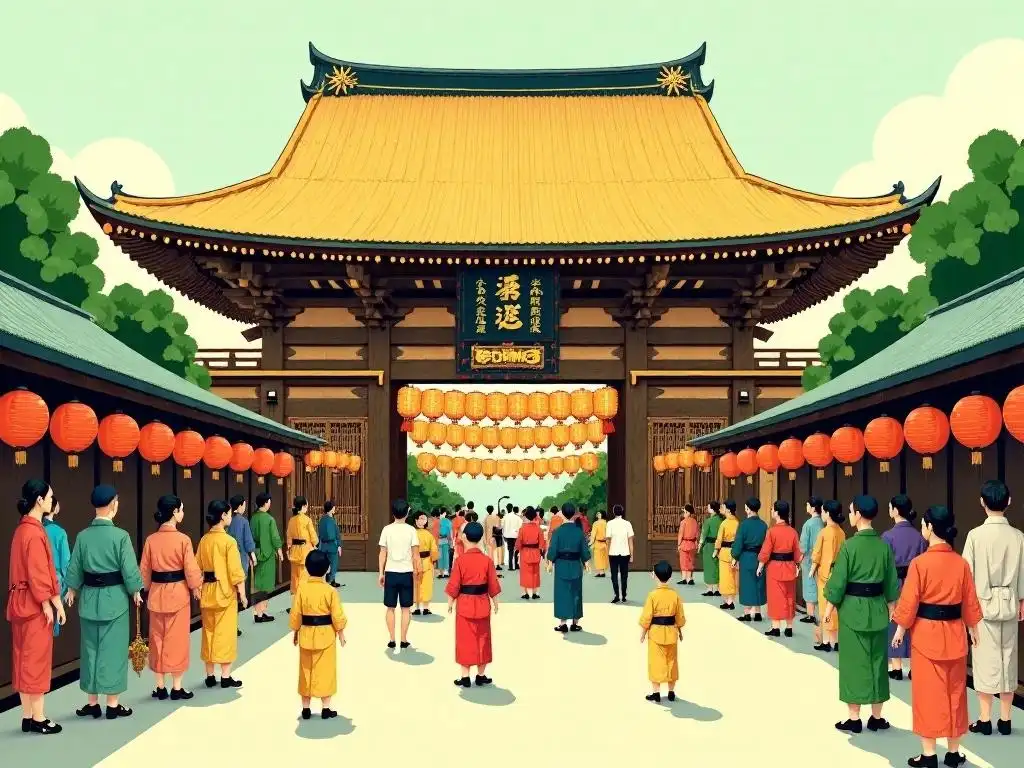
Welcome to Feudal Japan History, where the intricate tapestry of Japan’s feudal era unfolds before you. In our latest exploration, we delve into the cultural significance of Edo's public spaces, revealing how these vibrant hubs shaped society and economy during this fascinating period. What roles did these communal areas play in daily life, and how did they influence the dynamics of Edo society? Prepare to embark on a journey that uncovers the hidden narratives of an era that continues to captivate the world. Dive in and discover the profound impact of these spaces on Japan's rich historical landscape!
Introduction to Edo Period Public Spaces Significance
The Edo period, spanning from 1603 to 1868, marks a remarkable phase in Japanese history characterized by peace, political stability, and economic growth. During this era, Edo, now known as Tokyo, emerged as one of the world's largest cities, thriving with a bustling population that demanded not only residential areas but also vibrant public spaces.
The significance of these public spaces extends far beyond mere physical locations; they served as the heart of social interaction, cultural exchange, and economic activity. This article delves into the intricate tapestry of Edo's public spaces, exploring their cultural importance and how they shaped the urban landscape of Japan during this transformative period.
Overview of the Edo Period
The Edo period is often regarded as a golden age in Japan, as it followed the tumultuous Sengoku period of civil war. Under the Tokugawa shogunate, the country saw the establishment of a centralized feudal government that brought about stability and enforced a strict social hierarchy. This era also witnessed significant advancements in arts, literature, and commerce, fostering a unique culture that blended traditional Japanese elements with influences from abroad. The bustling city of Edo became a cultural epicenter, housing theaters, markets, and parks that catered to the diverse needs of its inhabitants.
Importance of Public Spaces in Urban Development
Public spaces during the Edo period were integral to urban development, serving as venues for commerce, leisure, and community engagement. They provided essential areas for:
- Commerce: Markets and street fairs thrived in public spaces, facilitating trade and economic growth.
- Cultural Exchange: Theaters, temples, and festivals held in these areas promoted cultural activities and community bonding.
- Social Interaction: Parks and open areas became gathering spots for citizens, fostering social relations and communal identity.
The design and organization of these spaces were not merely functional but were deeply embedded in the social fabric, reflecting the values and priorities of Edo society.
Historical Context of Edo's Public Spaces
The Evolution of Urban Spaces in Edo
As Edo transformed from a small fishing village to a sprawling metropolis, its public spaces evolved accordingly. Initially, the city's layout was influenced by the need for defense and governance, but over time, the focus shifted to accommodating the growing population and their diverse needs. The introduction of parks, plazas, and entertainment districts can be traced back to:
- The Rise of Merchant Class: As commerce flourished, public spaces became essential for merchants to display their goods and attract customers.
- Cultural Developments: With the rise of kabuki theater and ukiyo-e art, dedicated spaces for performances and exhibitions emerged, further enriching the cultural landscape.
Key Historical Events Influencing Public Spaces
Several historical events played a pivotal role in shaping the public spaces of Edo. Notable among them are:
- The Great Fire of 1657: This catastrophic event led to significant urban reconstruction, prompting the redesign of public spaces to enhance fire safety and accessibility.
- The Arrival of Foreign Influences: As Japan began to engage with Western nations in the mid-19th century, new ideas about urban planning and public amenities began to permeate Edo, influencing the development of parks and recreational areas.
These events highlight the dynamic relationship between historical occurrences and the evolution of public spaces, underscoring their significance in the urban narrative of Edo.
Types of Public Spaces in Edo
During the Edo period (1603-1868), Tokyo, then known as Edo, transformed into a vibrant urban center characterized by its diverse public spaces. These spaces played a crucial role in shaping the social, economic, and cultural landscape of the city. Among the various types of public spaces in Edo, parks and gardens, marketplaces, and temples and shrines stand out as integral components that catered to the needs and aspirations of its citizens.
Parks and Gardens: Green Oases in Urban Life
Edo was renowned for its beautiful parks and gardens, which provided essential green spaces amidst the bustling urban environment. These oases of tranquility offered residents a respite from the crowded streets and a chance to connect with nature.
- Notable Examples: Famous gardens, such as the Shinjuku Gyoen and the Hamarikyu Gardens, were designed not only for aesthetic appeal but also for recreational enjoyment. These gardens often featured walking paths, seasonal flowers, and ponds, attracting visitors year-round.
- Cultural Significance: Parks and gardens also served as venues for cultural activities, including poetry readings, tea ceremonies, and traditional performances. The integration of nature into daily life reflected the Edo period's appreciation for aesthetics and harmony with the environment.
Marketplaces: Centers of Commerce and Community
Marketplaces were vital to the economic and social fabric of Edo. They served as bustling centers where goods were bought and sold, and where people from various backgrounds came together.
- Key Locations: Prominent marketplaces like the Nihonbashi were not only commercial hubs but also social gathering points. They facilitated the exchange of food, crafts, and ideas, making them essential for the urban economy.
- Social Dynamics: The lively atmosphere of the marketplaces fostered a sense of community. Merchants, artisans, and consumers interacted, creating a dynamic social network that enhanced communal ties and cultural exchange.
Temples and Shrines: Spiritual and Cultural Hubs
Temples and shrines were more than just religious sites; they were central to the social and cultural life of Edo. These spaces provided spiritual guidance and served as venues for community gatherings.
- Cultural Role: Major shrines, such as the Meiji Shrine and Senso-ji Temple, attracted thousands of visitors for religious festivals and rituals. These events not only reinforced spiritual beliefs but also strengthened community bonds.
- Architectural Beauty: The architectural grandeur of these structures often reflected the artistry and craftsmanship of the period, making them important cultural landmarks that showcased Japan’s rich heritage.
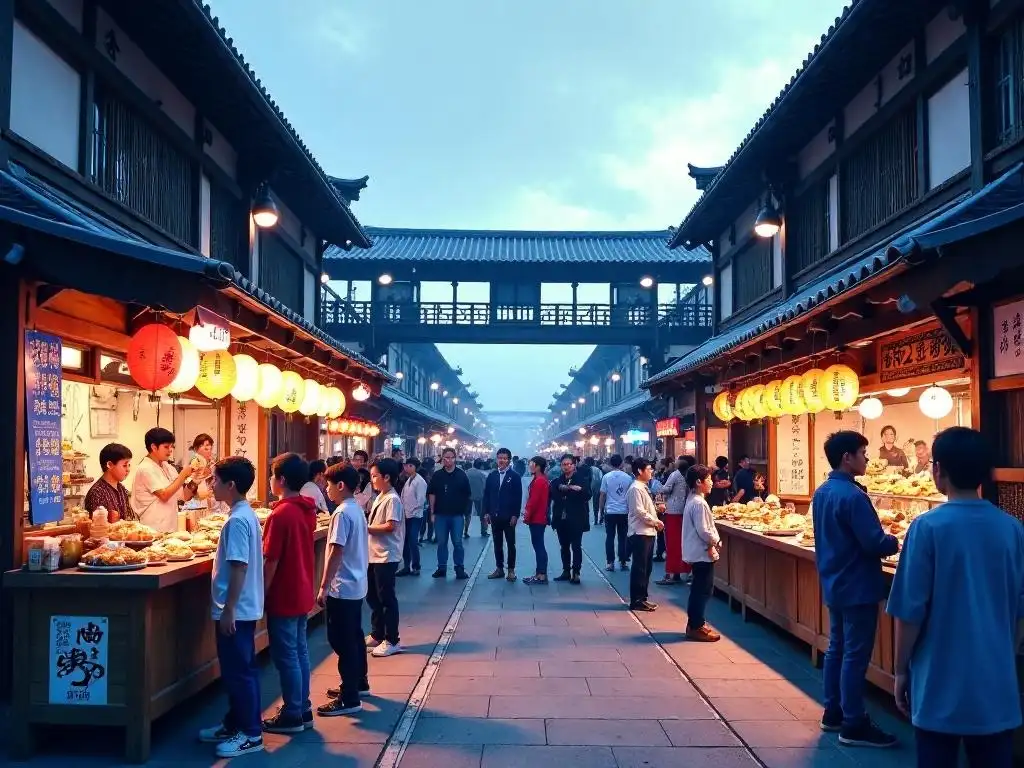
The public spaces of Edo played a multifaceted role in shaping social interactions and community dynamics. They were essential not only for commerce and spirituality but also for fostering social cohesion and cultural identity.
Gathering Places for Social Interaction
Public spaces in Edo served as vital gathering points for residents, encouraging social interaction and community engagement.
- Community Events: Parks and marketplaces often hosted local events, such as seasonal festivals and performances, which brought people together and fostered a sense of belonging.
- Everyday Encounters: These spaces facilitated informal meetings and conversations, allowing individuals from diverse backgrounds to connect, share ideas, and build relationships.
Role in Festivals and Cultural Celebrations
Festivals and cultural celebrations were integral to Edo's public life, with public spaces serving as their focal points.
- Seasonal Festivals: Celebrations such as the Hanami (cherry blossom viewing) and Tanabata (star festival) transformed parks into vibrant hubs of activity, where people came together to celebrate nature and cultural traditions.
- Cultural Exchange: These events often featured performances, food stalls, and artisan displays, emphasizing the cultural richness of Edo and reinforcing community identity.
Impact on Community Identity and Cohesion
The significance of Edo's public spaces extended beyond immediate social interactions; they played a crucial role in shaping community identity and cohesion.
- Symbol of Unity: Public spaces became symbols of collective identity, where shared experiences and cultural practices fostered a sense of unity among residents.
- Civic Pride: The beauty and vibrancy of these spaces instilled civic pride in Edo's citizens, contributing to a strong sense of belonging and community responsibility.
The public spaces of Edo were fundamental to the cultural significance of the period, serving as essential venues for social interaction, economic activity, and cultural expression, all of which helped to shape the identity of this historical urban center.
Cultural Practices Associated with Public Spaces
During the Edo period, public spaces played a pivotal role in shaping the cultural landscape of Japan. These areas were not merely physical locations but vibrant hubs of social interaction and cultural expression. Festivals, parades, and community gatherings frequently filled the streets, reflecting the communal spirit of Edo society. The famous hanami (flower viewing) parties, where people gathered to admire cherry blossoms, exemplify the importance of public spaces as sites of cultural practice and celebration.
Moreover, the aesthetics of these spaces were deeply intertwined with the seasonal changes and local traditions. Spaces such as parks, temples, and markets became venues for various cultural activities, fostering a unique urban culture that blended art, performance, and culinary delights. This dynamic interaction among the community members in public areas laid the groundwork for rich cultural practices that defined the era.
Art and Performances in Edo's Public Spaces
Edo's public spaces were vibrant stages for a plethora of artistic expressions. The streets and open areas hosted traditional performances, including kabuki and bunraku (puppet theater), which attracted diverse audiences. Artists and performers would often set up makeshift stages or perform in the open air, making art accessible to all social classes.
Additionally, public festivals frequently featured parades that showcased elaborate floats and costumes, reflecting the artistic craftsmanship of the time. These performances not only entertained but also served as a means of storytelling, conveying historical narratives and moral lessons through engaging acts. The blend of visual art, theatrical performance, and community participation created a rich tapestry of cultural expression that resonated throughout Edo.
The Influence of Public Spaces on Traditional Japanese Theater
The design and accessibility of public spaces significantly influenced the evolution of traditional Japanese theater during the Edo period. The proximity of theaters to public squares and marketplaces allowed for spontaneous performances, which encouraged the development of new theatrical forms. The kabuki theater, for instance, thrived in these open spaces, attracting a wide-ranging audience and fostering a culture of theatrical appreciation.
Public spaces also enabled the fusion of various artistic disciplines. For instance, music, dance, and narrative storytelling were often interwoven in performances, allowing for a richer theatrical experience. The interplay between theater and public life cultivated a distinct cultural identity, as these performances often reflected contemporary societal issues, folklore, and regional traditions, thereby reinforcing the importance of public spaces in the cultural fabric of Edo.
Culinary Culture and Street Food in Public Areas
Edo's public spaces were culinary hotspots, bustling with vendors selling a variety of street foods that catered to the tastes of the urban populace. This vibrant food culture reflected the social dynamics of the city, where people from various backgrounds came together to enjoy simple yet flavorful dishes. Popular street foods included yakitori (grilled chicken skewers), takoyaki (octopus balls), and dango (rice dumplings), which were often enjoyed in communal settings.
These culinary offerings not only satisfied the hunger of the masses but also became a form of cultural exchange, as regional specialties were introduced and adapted in the urban environment. The lively atmosphere of food stalls and markets fostered social interactions, creating a unique blend of culinary enjoyment and communal bonding. As a result, public spaces in Edo became essential not only for sustenance but also for the promotion of social ties and cultural identity through food.
Economic Implications of Public Spaces in Edo
Edo's public spaces were not just cultural hubs but also key economic drivers. The urban landscape was designed to facilitate commerce and trade, with marketplaces and open areas serving as vital centers for economic activity. The significance of these spaces extended beyond immediate transactions; they contributed to the overall economic structure of the era.
Contribution to Local Economies through Trade
Public spaces, such as the famous Nihonbashi bridge and the surrounding markets, were crucial for trade during the Edo period. These areas acted as focal points for commerce, where merchants and craftsmen from various regions gathered to exchange goods. The accessibility of public spaces encouraged local economies to flourish by providing a platform for the distribution of products ranging from textiles to food.
Moreover, these markets served as venues for seasonal fairs and festivals, which attracted not only locals but also visitors from surrounding areas. The influx of people during these events stimulated economic activity, benefiting local businesses and artisans. As a result, public spaces became integral to sustaining local economies and promoting trade networks throughout the region.
Employment Opportunities Created by Public Spaces
The bustling nature of public spaces in Edo generated numerous employment opportunities for the urban populace. The thriving markets and street food stalls required a workforce that included vendors, artisans, and performers. This created a diverse job market that supported various trades and crafts, helping to alleviate poverty levels in the city.
Additionally, the construction and maintenance of public spaces themselves provided jobs, from artisans who built and decorated these areas to laborers who ensured they remained clean and accessible. The economic benefits extended further as public spaces attracted visitors, leading to the growth of hospitality services, such as inns and tea houses, thus creating even more employment opportunities.
Public Spaces as Catalysts for Economic Growth
The strategic layout of Edo's public spaces facilitated economic growth by fostering interactions between various sectors. The physical proximity of markets, theaters, and social gathering spots created an ecosystem where commerce flourished alongside cultural activities. This synergy not only enhanced the quality of life for residents but also attracted traders and visitors from afar, boosting overall economic activity.
Moreover, public spaces served as incubators for innovation, where new ideas and products could be showcased and tested. The vibrant atmosphere encouraged entrepreneurship, with many individuals seizing opportunities to introduce novel goods or services. As a result, Edo's public spaces were more than just areas for social interaction—they were essential catalysts for economic growth, shaping the city's development during the feudal era.
The Decline and Transformation of Edo's Public Spaces
The Edo period, spanning from 1603 to 1868, saw the flourishing of urban life in Japan, particularly in Edo (modern-day Tokyo). However, with the Meiji Restoration and the rapid modernization that followed, Edo's public spaces underwent significant decline and transformation. The shift from feudalism to a more centralized government meant that the traditional uses of public spaces, which had been integral to the social and cultural fabric of Edo, began to wane.
As the new government focused on industrialization and Westernization, many public spaces that served as cultural hubs and gathering spots for the community were repurposed or diminished in their significance. The parks and open areas that once hosted festivals and communal activities were increasingly encroached upon by modern infrastructure, leading to the loss of their cultural resonance. The transformation was not merely physical but also symbolic, as the new urban landscape often failed to reflect the rich heritage and communal life that characterized Edo's public spaces.
Factors Leading to Changes in Public Space Usage
Several factors contributed to the changing usage of public spaces in Edo post-restoration. First and foremost was the political shift during the Meiji era, which prioritized Western-style urban planning and development. This shift led to an influx of Western architectural styles and urban layouts, often at the expense of traditional Japanese aesthetics and community-oriented spaces.
Additionally, the industrial revolution brought about significant economic changes, resulting in increased urban migration and a rapidly growing population. This created a demand for more functional spaces, such as factories and housing, which took precedence over public areas designed for leisure and community engagement.
Social changes also played a role. As Japan modernized, the traditional social structures that had defined public interactions began to dissolve. The communal activities that once thrived in public spaces were replaced by a more individualistic approach to leisure, reflecting changing cultural values and lifestyles.
Preservation Efforts for Edo's Cultural Heritage
In response to the decline of Edo's public spaces, various preservation efforts emerged to safeguard the cultural heritage of the region. Organizations and local governments began to recognize the importance of these spaces as historical and cultural assets. Initiatives included:
- Restoration Projects: Many of Edo's historical sites, including parks and temples, underwent restoration to maintain their original aesthetics and functions. This included the conservation of traditional landscapes and the revival of seasonal festivals that once animated these areas.
- Cultural Programs: Community-driven programs aimed at revitalizing public spaces through cultural events, art installations, and workshops helped rekindle interest in Edo's heritage. These programs encouraged public participation, fostering a renewed sense of community.
- Education and Awareness Campaigns: Efforts to educate the public about the historical significance of Edo's public spaces were crucial. Schools and cultural institutions organized seminars and exhibitions to highlight the importance of preserving these areas for future generations.
Modern Interpretations of Edo Public Spaces
In contemporary Japan, the legacy of Edo's public spaces continues to inspire modern urban planners and designers. Today's interpretations focus on blending traditional elements with modern functionality, creating spaces that honor the past while serving present-day needs.
- Reimagined Parks: Many former Edo parks have been redesigned to accommodate both recreational activities and cultural events, often incorporating traditional Japanese landscaping techniques and features such as koi ponds and cherry blossom trees.
- Cultural Festivals: Modern events that celebrate Edo culture, such as matsuri (festivals) and art fairs, are frequently held in these public spaces. They serve to engage the community and attract visitors, echoing the vibrant public life of the Edo period.
- Public Art Installations: Contemporary artists are increasingly using public spaces to create installations that reflect Edo's history, encouraging dialogue around urbanization and cultural identity. These installations often draw from traditional aesthetics while employing modern materials and technologies.
Conclusion: The Lasting Legacy of Edo's Public Spaces
The transformation of Edo's public spaces, although marked by decline, has given rise to a rich tapestry of cultural significance that endures today. The spaces that once served as the heartbeat of Edo society now play a crucial role in defining contemporary urban life in Japan.
Reflection on the Cultural Significance
Reflecting on the cultural significance of Edo's public spaces reveals a profound connection between history and modern urban identity. These spaces are not merely remnants of the past; they are living examples of how communal life can be fostered through thoughtful design and engagement. The festivals, parks, and cultural programs that exist today are testaments to the enduring legacy of a society that once thrived in these public arenas.
Lessons from Edo for Contemporary Urban Planning
The lessons drawn from Edo's public spaces are invaluable for contemporary urban planning. They emphasize the need for:
- Community Engagement: Involving local populations in the planning and revitalization of public spaces can create a sense of ownership and belonging, ensuring that these areas reflect the community's identity.
- Cultural Preservation: Balancing modern development with the preservation of cultural heritage is essential for maintaining the historical significance of urban areas.
- Flexible Spaces: Designing adaptable public spaces that can accommodate various activities and events fosters inclusivity and enhances social interaction, mirroring the dynamic nature of Edo's communal life.
The significance of Edo's public spaces extends far beyond their physical presence; they embody a legacy that continues to influence urban development and cultural identity in Japan today.
References and Further Reading
The Edo period, spanning from 1603 to 1868, represents a pivotal era in Japan's history, marked by significant developments in urbanization, culture, and societal norms. The public spaces of Edo (modern-day Tokyo) played a crucial role in shaping the cultural landscape of this time, serving as sites of social interaction, commerce, and artistic expression. To deepen your understanding of the cultural significance of Edo's public spaces, the following resources provide valuable insights and scholarly perspectives.
Suggested Books and Articles on Edo Period Public Spaces
-
"Edo: The City That Became Tokyo" by Edward Seidensticker
This book offers a comprehensive overview of the transformation of Edo into Tokyo, focusing on the cultural and urban development during the Edo period. Seidensticker's narrative captures the essence of public spaces and their role in daily life.
-
"The World of the Shining Prince: Court Life in Ancient Japan" by Ivan Morris
Although primarily focused on earlier periods, this work provides context on the evolution of Japanese public spaces leading into the Edo period, highlighting cultural continuities and changes.
-
"Edo Culture: Daily Life and Diversions in Urban Japan, 1600-1868" by Mikiso Hane
Hane’s book delves into the daily lives of Edo residents, exploring how public spaces functioned as vital centers for social and cultural activities.
-
"The Architecture of Edo" by R. J. Smith
This work focuses on the architectural aspects of Edo, discussing how the design and layout of public spaces reflected the cultural values and social structures of the time.
-
"Ukiyo-e: The Floating World" by Richard Lane
This book examines the visual arts of the Edo period, particularly ukiyo-e woodblock prints, which often depicted public life and spaces, offering insights into their cultural significance.
Online Resources for Further Exploration of Edo Culture
-
National Diet Library Digital Collections
A treasure trove of digitized materials, including historical documents and artworks from the Edo period, providing a firsthand look at life in Edo.
-
The Edo-Tokyo Museum Website
This museum's site includes virtual exhibits and educational resources that highlight the historical evolution of Edo's public spaces and their cultural importance.
-
Japan National Tourism Organization (JNTO) - Edo Period History
A resourceful website that offers historical insights and tourism information related to Edo, detailing the significance of various public spaces and their roles in society.
-
The Japan Society of New York
This organization features articles and event listings about Japanese culture, including discussions on Edo period public spaces, arts, and historical context.
-
Digital Public Library of America (DPLA)
A vast collection of photographs, texts, and multimedia related to Japan's history, including the Edo period, that can provide additional context and understanding of public spaces.
By exploring these references and resources, readers can gain a deeper appreciation for the cultural significance of public spaces during the Edo period, enhancing their understanding of this fascinating chapter in Japanese history.
- Introduction to Edo Period Public Spaces Significance
- Historical Context of Edo's Public Spaces
- Types of Public Spaces in Edo
- Social Functions of Edo's Public Spaces
- Cultural Practices Associated with Public Spaces
- Economic Implications of Public Spaces in Edo
- The Decline and Transformation of Edo's Public Spaces
- Conclusion: The Lasting Legacy of Edo's Public Spaces
- References and Further Reading
- What were the main public spaces in Edo during the Edo period?
- How did public spaces reflect the culture of Edo period Japan?
- What role did public spaces play in the daily life of Edo residents?
- How did the significance of public spaces evolve during the Edo period?
- Why are Edo period public spaces important in Japanese history?
Frequently Asked Questions
What were the main public spaces in Edo during the Edo period?
The main public spaces included markets, temples, and parks. These areas served as hubs for social interaction, commerce, and cultural events.
How did public spaces reflect the culture of Edo period Japan?
Public spaces in Edo represented the cultural values of society, showcasing art, tradition, and community interaction. They were essential for cultural exchange and the promotion of local customs.
What role did public spaces play in the daily life of Edo residents?
Public spaces were vital for social gatherings, commerce, and leisure, significantly shaping the daily routines and social dynamics of Edo residents.
How did the significance of public spaces evolve during the Edo period?
As Edo grew, public spaces became more diverse and inclusive, reflecting the changing demographics and social needs of the population, thus enhancing their cultural importance.
Why are Edo period public spaces important in Japanese history?
They are crucial for understanding the socio-economic and cultural development of Japan, highlighting the interconnectivity of urban life and the heritage that shaped modern Japanese society.
Final Reflection: The Enduring Legacy of Edo's Public Spaces
The cultural significance of Edo's public spaces resonates profoundly in today's society, reminding us of the essential role communal areas play in fostering social interaction and community identity. As we navigate an increasingly digital world, the lessons from the Edo period serve as a striking reminder of the importance of physical spaces where people can gather, share experiences, and cultivate relationships. The essence of these public spaces transcends time, urging us to reflect on how we engage with our environments today.
Edo's public spaces were not merely functional; they were vibrant centers of culture, art, and social exchange that shaped the lives of its citizens. The influence of these spaces continues to be felt in contemporary urban planning and community-building efforts, emphasizing the need for inclusive and accessible environments. Public spaces are the heart of a city, where the pulse of life beats strongest.
This observation highlights the ongoing relevance of Edo's public spaces, reminding us that they are crucial to fostering a sense of belonging and community in our modern lives.
As we contemplate the significance of Edo's public spaces, I invite you to reflect on your own interactions with the communal areas in your life. Consider how these spaces can be revitalized or reimagined to enhance social connections and cultural expression in your community. By embracing the lessons of the past, we can create vibrant public spaces that honor our shared heritage while nurturing the relationships that define our present and future. Let us take action to ensure that our public spaces continue to thrive, echoing the rich cultural tapestry of the Edo period for generations to come.
Embrace the Spirit of Edo: Explore, Engage, and Enrich!
Thank you for delving into the vibrant world of Edo's public spaces! We hope you’ve gained a newfound appreciation for the cultural richness they embody and their role in shaping social interactions. Now, it’s time to take that knowledge and channel it into meaningful action.
Here’s how you can keep the spirit of Edo alive:
- Dive deeper: Visit a local museum or cultural exhibit that showcases artifacts or art from the Edo period to enhance your understanding of this fascinating era.
- Get social: Share your insights on the influence of public spaces on modern culture by discussing with friends or posting on social media using the hashtag #EdoPublicSpaces.
- Join a community: Participate in workshops or engage in forums that focus on Japanese history or cultural events to connect with others who share your passion.
Which aspect of Edo's public spaces resonates with you the most, and how can it inspire positive change in your community today?