
Sumo Wrestling: The Ancient Sport of Strength and Ritual in Feudal Japan

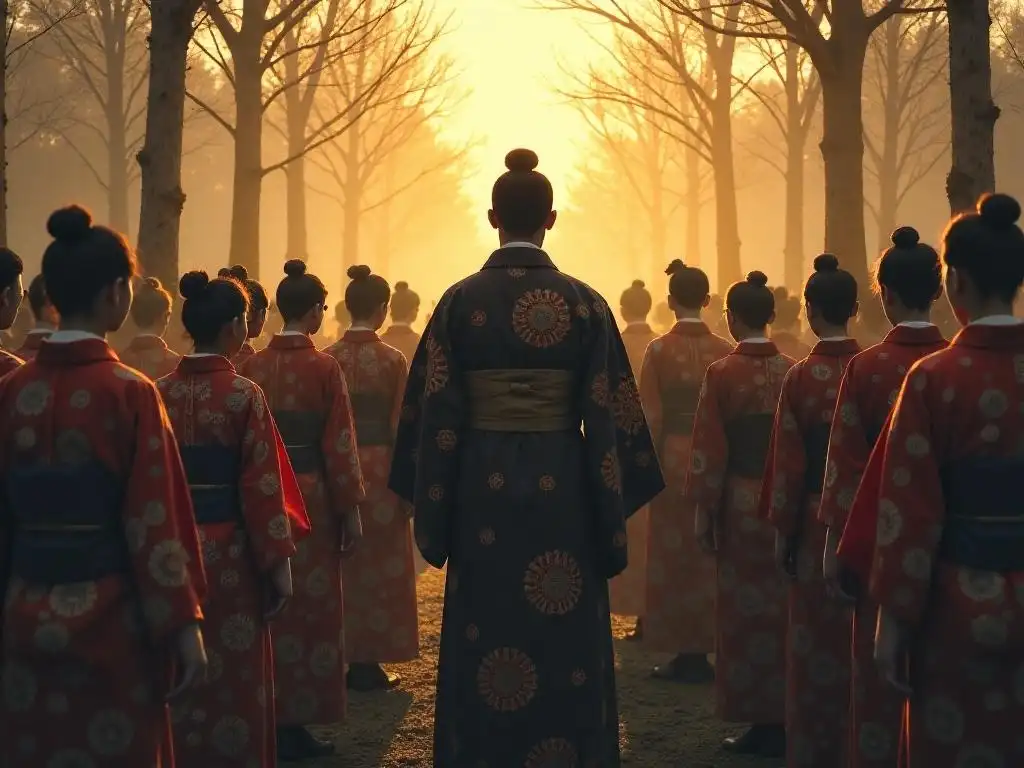
Welcome to Feudal Japan History, where we invite you to embark on a fascinating journey through the rich tapestry of Japan’s feudal era. In this corner of history, the ancient sport of sumo wrestling emerges not just as a display of strength, but as a profound ritual steeped in tradition and cultural significance. Our featured article, “Sumo Wrestling: The Ancient Sport of Strength and Ritual in Feudal Japan,” delves into the captivating history of this iconic sport, exploring its roots and its vital role in daily life and society during these pivotal times.
Are you ready to uncover the stories behind the shouts of the rikishi and the echoes of the dohyō? Dive in and discover the legacy of sumo wrestling that continues to resonate today!
Introduction to Sumo Wrestling in Feudal Japan
Sumo wrestling, a sport deeply intertwined with Japan's cultural and historical fabric, is more than just a physical contest of strength; it embodies centuries of tradition, ritual, and societal values. Originating from ancient practices, sumo evolved significantly during the feudal era, shaping its role within Japanese society.
This article aims to provide a comprehensive exploration of feudal Japan sumo wrestling history, examining its origins, cultural significance, and the evolution of this compelling sport throughout the ages. Understanding sumo's roots in feudal Japan not only reveals the sport's unique characteristics but also highlights its impact on the social dynamics and entertainment of the time.
Overview of Feudal Japan Sumo Wrestling History
The history of sumo wrestling in feudal Japan is a fascinating journey that reflects the country's transformation over centuries. Feudal Japan, spanning from the 12th to the 19th centuries, was characterized by a strict social hierarchy and the dominance of samurai culture. During this time, sumo wrestling transitioned from a ritualistic practice tied to the Shinto religion into a formalized sport, gaining popularity among the samurai and the general populace alike.
Key milestones in this journey include:
- Early Rituals: Sumo's origins can be traced back to ancient agricultural rituals intended to ensure a bountiful harvest.
- Samurai Influence: As sumo gained traction, it became associated with the samurai class, who saw it as a demonstration of strength and discipline.
- Formalization: By the late feudal period, sumo wrestling had established rules and rituals, paving the way for the modern sport we recognize today.
Significance of Sumo Wrestling in Japanese Culture
Sumo wrestling served as more than mere entertainment in feudal Japan; it was a vital part of the cultural identity and social life of the era. The sport was steeped in tradition and ritual, often performed during festivals and ceremonies to invoke blessings from the gods.
The significance of sumo in Japanese culture can be summarized as follows:
- Cultural Heritage: Sumo embodies various aspects of Japanese tradition, including Shinto beliefs and values of honor and respect.
- Community Bonding: Sumo matches often brought communities together, fostering social ties and local pride.
- Symbol of Strength: The sport was seen as a reflection of the samurai ethos, emphasizing physical prowess, discipline, and honor.
Origins of Sumo Wrestling
The origins of sumo wrestling are rooted in the ancient practices of Japan, where physical contests were often intertwined with spiritual and agricultural rituals. Understanding these origins provides valuable insight into how sumo developed into the sport recognized today.
Historical Roots of Sumo Wrestling in Ancient Japan
Sumo wrestling's earliest records date back to the Yayoi period (300 BC - 300 AD), where it was associated with religious ceremonies aimed at ensuring successful harvests. These early forms of sumo were not structured as modern competitions but were rather ritualistic displays of strength and skill among participants.
Key aspects of sumo's historical roots include:
- Shinto Rituals: Sumo matches were often held as offerings to the gods, intertwining physical strength with spiritual significance.
- Community Events: Early sumo contests were community-driven events, fostering local engagement and participation.
Evolution of Sumo Wrestling during the Feudal Era
As Japan transitioned into the feudal era, sumo underwent significant evolution, integrating various elements from the samurai culture and transforming into a structured sport.
During this period, the following changes were notable:
- Formalized Rules: Sumo began to adopt specific rules and guidelines, leading to a more organized approach to matches.
- Rise of Professional Wrestlers: The emergence of professional sumo wrestlers, known as rikishi, marked a pivotal shift in the sport, attracting wider audiences.
- Cultural Rituals: Sumo matches incorporated elaborate rituals, enhancing their significance within the context of feudal Japanese society.
The evolution of sumo wrestling during feudal Japan not only established it as a popular sport but also solidified its status as a cultural icon, reflecting the values and traditions of the time.
The Role of Sumo Wrestling in Society
Sumo wrestling held a pivotal role in the social fabric of feudal Japan, weaving together aspects of culture, spirituality, and community. Originating from ancient practices that involved agricultural rituals, sumo evolved into a professional sport that was deeply embedded in the societal structure. It was not merely a competition; it represented a blend of physical prowess and spiritual significance, often performed for the gods to ensure bountiful harvests. The sport attracted the attention of samurai, who viewed it as an embodiment of discipline and strength, reinforcing the ideals of honor and combat readiness within their ranks.
In feudal Japan, sumo wrestling also served as a means of social cohesion. Festivals featuring sumo matches were communal events, drawing large crowds and fostering a sense of unity among villagers. These events were often linked to seasonal celebrations, and the participation of local wrestlers was a source of pride for communities. The matches provided entertainment but also reinforced local identity, as each region developed its own wrestling styles and champions.
Moreover, sumo was an avenue for social mobility. Wrestlers, particularly those from humble backgrounds, could achieve fame and wealth through their prowess in the ring. This potential for elevation appealed to many, making sumo a sport that transcended class boundaries. The sport's structure allowed for the emergence of a new class of celebrities, with top wrestlers enjoying significant status and influence, which further integrated sumo into the broader context of feudal society.
Sumo Wrestling as a Cultural Symbol in Feudal Japan
In feudal Japan, sumo wrestling emerged as a powerful cultural symbol, embodying the values and traditions of the era. The sport was not just a physical contest; it was steeped in the spiritual and cultural heritage of the Japanese people. Sumo wrestlers, known as rikishi, were seen as embodiments of strength and resilience, representing the ideals of the samurai warrior class. Their training and lifestyle reflected the dedication and discipline associated with bushido, the way of the warrior.
Various elements of sumo wrestling, such as the dohyo (ring) and the rituals preceding matches, held deep cultural significance. The dohyo itself was considered sacred, constructed with specific materials and imbued with spiritual meaning. The act of purifying the ring with salt before matches was a ritualistic practice that highlighted the connection between sumo and Shinto beliefs, emphasizing the sport's role in fostering a relationship with the divine.
Moreover, sumo wrestling was tied to various festivals and ceremonies, integrating it into the larger tapestry of Japanese cultural life. The matches were often accompanied by traditional music and dance, further enhancing their status as cultural events. As a result, sumo became a symbol of Japanese heritage, reflecting the nation's history, spirituality, and collective identity.
The Influence of Sumo on Japanese Identity and Community
Sumo wrestling has played a significant role in shaping Japanese identity and fostering a sense of community throughout its history. The sport transcends mere competition; it encapsulates values such as honor, respect, and perseverance, which are deeply ingrained in the Japanese ethos. Sumo wrestlers are revered figures, often regarded as role models who embody these ideals.
The communal aspect of sumo matches is also noteworthy. Wrestling events often draw large crowds, transforming the matches into social gatherings where people come together to support their local rikishi. This shared experience of watching sumo fosters a sense of belonging and pride within communities. Moreover, regional rivalries and the celebration of local champions create a unique bond among residents, reinforcing local identity and heritage.
As sumo continues to evolve, its influence on Japanese identity remains profound. The sport serves as a bridge between the past and present, reminding contemporary society of its rich cultural heritage. Sumo wrestling is not only a sport; it is a living tradition that continues to unite people, encapsulating the spirit of Japan and its enduring values.
The Rituals and Traditions of Sumo Wrestling
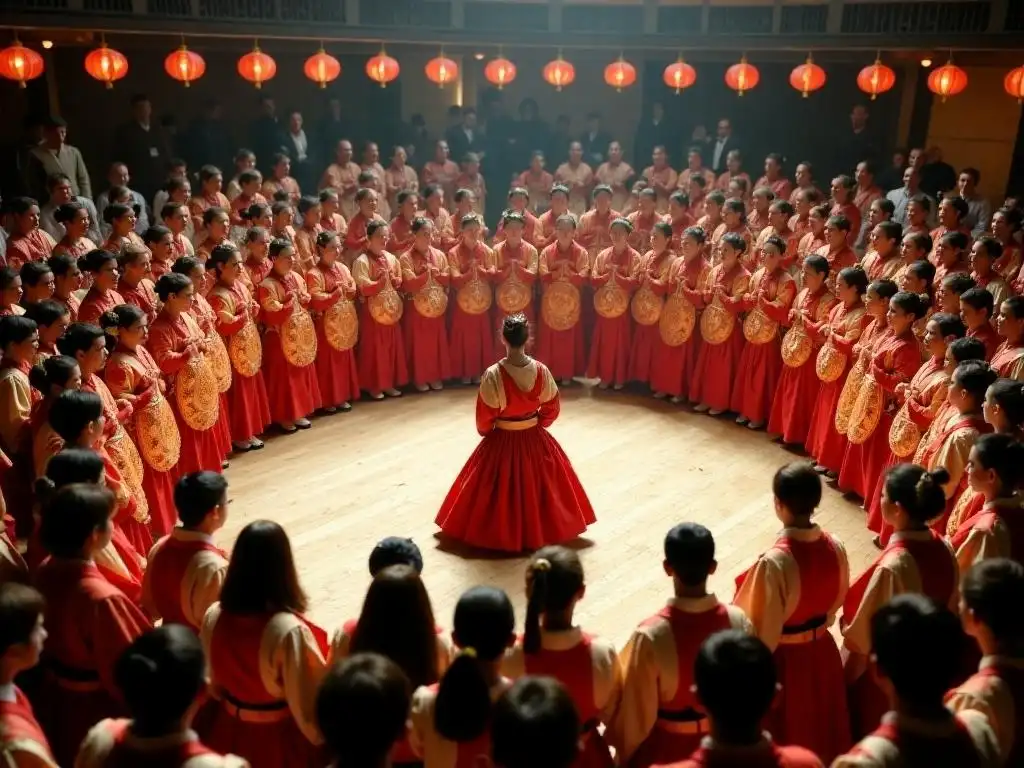
Sumo wrestling is distinguished by a plethora of rituals and traditions that enhance its cultural significance and reflect its ancient origins. These rituals are deeply rooted in Shinto beliefs and serve to sanctify the sport, connecting wrestlers to the divine and the community to their cultural heritage. The elaborate ceremonies preceding matches are a testament to the sport's rich traditions and the reverence it commands.
Sacred Rituals Associated with Sumo Wrestling
The sacred rituals associated with sumo wrestling are integral to the sport's identity. Before each match, wrestlers engage in a series of ceremonial practices designed to purify and bless the dohyo. One of the most notable rituals is the sprinkling of salt, which is believed to ward off evil spirits and ensure a fair contest. This act of purification underscores the spiritual dimensions of sumo, as the ring is seen as a sacred space where the physical and spiritual realms intersect.
Additionally, wrestlers perform a series of movements known as "shiko," which involves lifting one leg and stomping it down. This ritual is believed to strengthen the body and spirit while also demonstrating a connection to the earth. Each movement in this ritual has symbolic meaning, reflecting the spiritual connection that underpins the sport. These rituals elevate sumo from a mere physical contest to a profound spiritual experience, aligning it with Japan's ancient cultural practices.
The Ceremonial Elements of Sumo Matches
The ceremonial elements of sumo matches contribute to the sport's unique atmosphere and cultural richness. Matches often begin with a formal introduction of the rikishi, where each wrestler is introduced alongside their respective stables and titles. This introduction is not just a formality; it highlights the hierarchy and lineage within the sport, paying homage to the traditions that have shaped sumo over centuries.
The attire of the rikishi during matches also adds a ceremonial dimension to the sport. Wrestlers wear a "mawashi," a traditional belt that signifies their status and role within the sumo community. The colors and patterns of the mawashi can denote the wrestler’s rank, with top-level rikishi often donning elaborate designs.
Furthermore, the pre-match rituals include a series of stomping and hand clapping, which are performed to intimidate the opponent and showcase readiness. This performance aspect of sumo, combined with the rituals and formalities, creates a deeply immersive experience that captivates audiences, reinforcing the sport's cultural significance in feudal Japan.
Training and Techniques in Sumo Wrestling
Sumo wrestling, deeply rooted in the traditions of Feudal Japan, is not only a sport but a cultural ritual that emphasizes discipline, strength, and strategy. The training and techniques involved in this ancient sport reflect its historical significance and the rigorous lifestyle of its practitioners.
Rigorous Training Regimens of Sumo Wrestlers
The training regimen for sumo wrestlers, known as "rikishi," is intense and meticulously structured. Wrestlers typically begin their day early, often around 5 AM, engaging in a series of exercises that build strength, agility, and endurance.
- Morning Practices: Training sessions, referred to as "beya," involve a combination of techniques, including shiko (leg stomps), suriashi (sliding footwork), and various grappling drills. These exercises are designed to enhance footwork and balance, essential for effective sumo wrestling.
- Diet and Lifestyle: Diet plays a critical role in shaping a wrestler's physique. The traditional sumo meal, "chanko-nabe," is a hearty stew packed with protein and vegetables, helping wrestlers gain and maintain their weight. Wrestlers often consume large amounts of this dish to fuel their demanding training schedules.
- Spiritual Aspects: Training also incorporates spiritual elements, reflecting the sport's Shinto origins. Rituals, such as the "dohyo-iri" (ring-entering ceremony), are performed regularly to honor the deities and seek their blessings for success in the ring.
These rigorous training practices not only prepare the rikishi for competition but also instill a sense of camaraderie and discipline, deeply embedded in the culture of sumo.
Key Techniques and Strategies in Sumo Wrestling
Sumo wrestling is characterized by a variety of techniques and strategies that wrestlers employ to gain an advantage over their opponents. The primary objective is to force the opponent out of the circular ring or to make any part of their body, other than the soles of their feet, touch the ground.
- Basic Techniques: Among the fundamental techniques are:
- Oshi-zumo: This style emphasizes pushing and thrusting to overpower an opponent.
- Yori-zumo: Focused on grappling and throwing techniques, where wrestlers aim to gain a superior position.
- Nage-waza: This includes various throwing techniques that can quickly turn the tide of a match.
- Strategic Mindset: Wrestlers must also adopt a strategic approach during bouts. Observing an opponent’s weaknesses and adapting tactics in real-time is critical. Some rikishi may feign weakness to draw their opponents into a vulnerable position, allowing for a counterattack.
Mastery of these techniques requires years of practice and a deep understanding of the sport's nuances, showcasing the blend of physical prowess and mental acuity that defines sumo wrestling.
Famous Sumo Wrestlers of the Feudal Era
The history of sumo wrestling is enriched by the contributions of several iconic wrestlers who left an indelible mark on the sport during the feudal era. These figures not only excelled in the ring but also influenced the cultural and social aspects of sumo.
Notable Figures in Sumo Wrestling History
One of the most celebrated figures in sumo history is Yamato Takeru, a legendary warrior whose exploits are often linked to the origins of sumo. His prowess in combat and wrestling is recounted in ancient texts, establishing a mythological foundation for the sport.
Another prominent figure is Sadanoyama Katsutaro, a famous wrestler of the late Edo period known for his exceptional skill and strength. He became the first rikishi to achieve the title of "Yokozuna," the highest rank in sumo, symbolizing excellence and dominance in the sport.
Their Contributions to the Evolution of Sumo Wrestling
The contributions of these wrestlers extend beyond their victories in the ring. Yamato Takeru is often credited with popularizing sumo as a national sport, integrating it into Shinto rituals and imperial ceremonies, thereby elevating its status within Japanese culture.
Sadanoyama Katsutaro played a pivotal role in the formalization of sumo wrestling standards and techniques. His success led to the establishment of training schools and the promotion of a more structured competitive environment, paving the way for future generations of wrestlers.
These figures not only shaped the sport's competitive landscape but also contributed to its cultural significance, ensuring that sumo wrestling remains a celebrated tradition in Japan's rich history.
The Decline and Resurgence of Sumo Wrestling
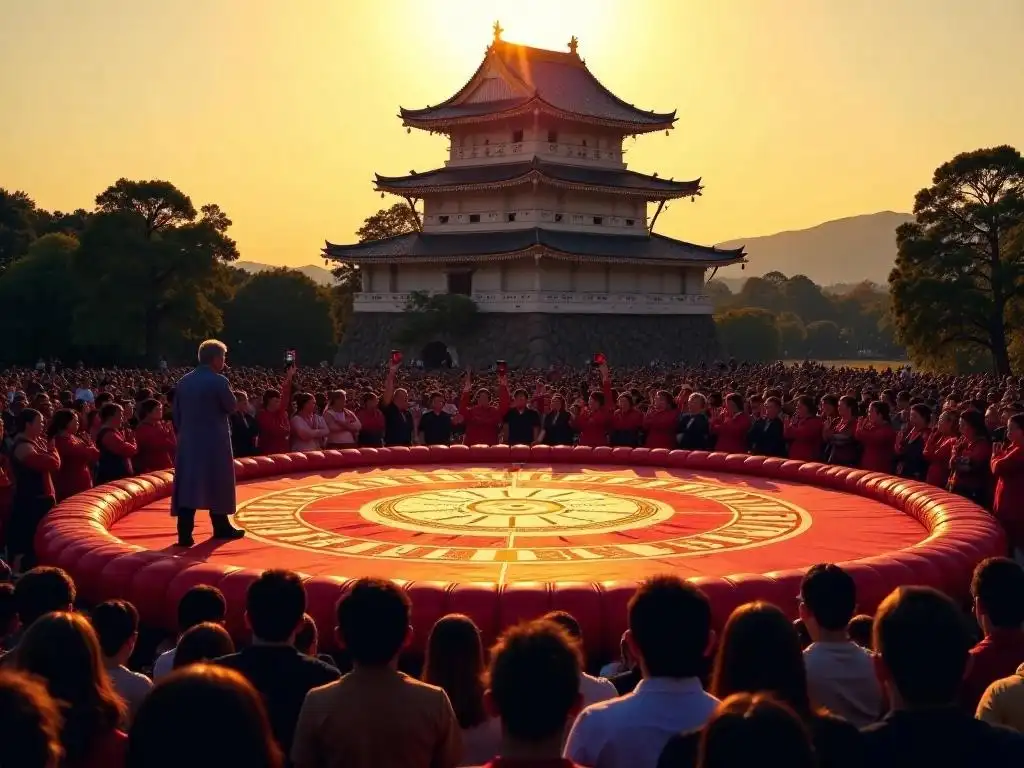
The history of sumo wrestling in Japan is characterized by periods of both decline and resurgence, reflecting broader societal changes and the evolution of cultural values. During the feudal era, sumo was not merely a sport but a complex ritual imbued with significance, serving as a reflection of the social hierarchy and the spiritual beliefs of the time. However, various factors contributed to its decline, particularly during the tumultuous periods of Japan's transition into modernization.
Factors Leading to the Decline of Sumo Wrestling in Feudal Japan
The decline of sumo wrestling in feudal Japan can be attributed to several interrelated factors:
- Political Instability: The rise and fall of various shogunates disrupted the patronage that sumo wrestlers relied on for financial support and status. Sumo events were often used by the ruling classes to display power and influence, but as political entities changed, so did the support for this traditional sport.
- Western Influence: The opening of Japan to the West in the 19th century brought about significant cultural changes. As Western sports gained popularity, traditional Japanese practices, including sumo, faced competition and began to lose prominence among the populace.
- Social Changes: The Meiji Restoration in 1868 marked a significant shift in Japanese society towards modernization and Westernization. This transformation often marginalized traditional practices, including sumo, leading to a decrease in participation and interest.
- Economic Factors: Economic hardships during the Edo period, coupled with the industrialization of Japan, diverted attention away from sumo wrestling. Many people moved to urban areas for work, leading to a decline in the rural support base that had traditionally sustained sumo.
The Revival of Sumo Wrestling in Modern Japan
Despite its decline, sumo wrestling experienced a revival in modern Japan, primarily due to national pride and a renewed interest in cultural heritage. Several key aspects contributed to this resurgence:
- Cultural Renaissance: The post-World War II era saw a resurgence of interest in traditional Japanese culture as a means of rebuilding national identity. Sumo wrestling was embraced as a symbol of Japanese heritage and a unique sport that differentiates Japan from Western influences.
- Professionalization: The establishment of the Japan Sumo Association in 1925 helped to formalize and professionalize the sport. This organization introduced standardized rules, training programs, and promotional activities, making sumo more accessible and appealing to the public.
- Media Exposure: Increased media coverage, including television broadcasts of sumo matches, brought the sport into the homes of millions. This visibility generated excitement and a fan base that supported the resurgence of sumo wrestling.
- International Interest: As Japan became more integrated into the global community, international interest in sumo wrestling grew. Tours, exhibitions, and the inclusion of foreign wrestlers in the sport broadened its appeal and showcased its unique traditions.
Conclusion: The Legacy of Sumo Wrestling in Feudal Japan
The legacy of sumo wrestling in feudal Japan is multifaceted, encompassing not only the sport itself but also its cultural, spiritual, and social significance. The rituals and practices associated with sumo have left an indelible mark on Japanese society, shaping its values and traditions.
Lasting Impact on Japanese Culture and Society
Sumo wrestling has been integral to Japanese culture in various ways. Its rituals, such as the pre-match ceremonies and the use of salt for purification, highlight the spiritual elements that resonate with Shinto beliefs. Moreover, sumo represents ideals of strength, perseverance, and honor, which are deeply embedded in the Japanese ethos. The sport also fosters a sense of community, as local sumo stables (beya) serve as centers for camaraderie and training.
Sumo Wrestling’s Place in Contemporary Japan
Today, sumo wrestling continues to thrive as a cherished tradition in Japan. It occupies a prominent place in the nation's cultural landscape, attracting both domestic and international audiences. Major tournaments like the Grand Sumo Tournament draw large crowds, and the sport is celebrated for its unique blend of athleticism and ritual. Additionally, sumo wrestlers, known as rikishi, are regarded as cultural icons, representing the strength and resilience of Japanese heritage. As Japan moves forward, the enduring legacy of sumo wrestling remains a testament to its historical roots and cultural significance.
References
The history of sumo wrestling in Feudal Japan is rich and multi-faceted, drawing from various cultural, historical, and societal influences. To dive deeper into the intricate world of sumo, the following suggested readings and sources will provide invaluable insights and comprehensive explorations.
Suggested Readings on Feudal Japan Sumo Wrestling History
-
"Sumo: A History of the Sport" by David Benjamin
This book offers an extensive overview of sumo wrestling, tracing its roots back to ancient times and detailing its evolution throughout the feudal era. Benjamin explores the rituals, training regimens, and cultural significance of sumo, providing a thorough understanding of its place in Japanese history.
-
"The Way of Sumo" by John D. McClain
McClain’s work delves into the philosophy and traditions of sumo wrestling, linking its practices to the societal norms of Feudal Japan. The book also examines the role of sumo wrestlers and their status in society, making it a crucial read for those interested in the sport's historical context.
-
"Sumo Wrestling: A Cultural History" by Taro Yoshida
This book presents an in-depth analysis of sumo as a cultural phenomenon, focusing on how the sport has shaped and been shaped by Japan's feudal society. Yoshida highlights key events, figures, and rituals associated with sumo, providing a comprehensive narrative of its historical significance.
-
"Wrestling in Japan: The Significance of Sumo in Japanese Culture" by Akira Takahashi
Takahashi's exploration of sumo wrestling emphasizes its importance not only as a sport but also as a ceremonial practice deeply intertwined with Shinto beliefs. This book is essential for understanding the religious and cultural dimensions of sumo in Feudal Japan.
Recommended Sources for Further Exploration of Sumo Wrestling
-
Journal of Japanese Studies
This scholarly journal publishes articles and research papers on various aspects of Japanese history and culture, including sumo wrestling. Readers can find peer-reviewed studies that offer new perspectives and findings related to the sport's development during the feudal era.
-
The Japan Times
As a leading English-language news source in Japan, The Japan Times frequently features articles on sumo wrestling, covering both its historical significance and contemporary relevance. The archives contain a wealth of information for those looking to understand the sport’s evolution.
-
National Museum of Nature and Science, Tokyo
The museum hosts exhibitions and collections related to traditional Japanese sports, including sumo wrestling. Their resources provide visual and contextual materials that enrich the understanding of sumo's historical background.
-
Sumo Association Official Website
The official website of the Japan Sumo Association contains historical data, archives of past tournaments, and information on the current state of sumo wrestling. This is a valuable resource for enthusiasts seeking to learn about both the past and present of the sport.
- Introduction to Sumo Wrestling in Feudal Japan
- Origins of Sumo Wrestling
- The Role of Sumo Wrestling in Society
- The Rituals and Traditions of Sumo Wrestling
- Training and Techniques in Sumo Wrestling
- Famous Sumo Wrestlers of the Feudal Era
- The Decline and Resurgence of Sumo Wrestling
- Conclusion: The Legacy of Sumo Wrestling in Feudal Japan
- References
- What is the significance of sumo wrestling in Feudal Japan?
- How did sumo wrestling evolve during the feudal era?
- What role did sumo wrestlers play in society during this time?
- What are some key rituals associated with sumo wrestling in Feudal Japan?
- How does the history of sumo wrestling in Feudal Japan influence modern practices?
Frequently Asked Questions
What is the significance of sumo wrestling in Feudal Japan?
Sumo wrestling held a cultural and spiritual significance in Feudal Japan, serving as both a sport and a ritual to honor the Shinto gods and ensure a good harvest.
How did sumo wrestling evolve during the feudal era?
During the feudal era, sumo wrestling transitioned from military training to a more organized sport, incorporating formal ceremonies and rules that are still influential today.
What role did sumo wrestlers play in society during this time?
Sumo wrestlers were often viewed as celebrity figures, holding a unique status that combined elements of religion, entertainment, and power, reflecting the broader societal hierarchy of Feudal Japan.
What are some key rituals associated with sumo wrestling in Feudal Japan?
Key rituals include the dohyo-iri (ring-entering ceremony), which symbolizes the connection to Shinto beliefs, and various purification rites that emphasize the sport's spiritual importance.
How does the history of sumo wrestling in Feudal Japan influence modern practices?
The history of sumo wrestling in Feudal Japan has shaped modern sumo by preserving many traditions, rituals, and organizational structures that still define the sport today.
Final Reflection: The Enduring Legacy of Sumo Wrestling in Feudal Japan
The history of sumo wrestling in feudal Japan is not just a tale of strength and competition; it is a profound narrative that intertwines cultural identity, ritual, and tradition. As we explore the roots of this ancient sport, we uncover its significance in shaping societal values and the communal spirit of Japan. In a world increasingly driven by technology and individualism, the essence of sumo reminds us of the importance of community, respect, and the rituals that bind us together.
The influence of sumo wrestling extends far beyond the ring; it permeates the cultural and social fabric of Japan, serving as a symbol of resilience and honor. The rituals and traditions associated with sumo are a reflection of the values held dear by Japanese society, emphasizing discipline, respect for one’s opponents, and the celebration of physical prowess. Sumo is not just a sport; it is a way of life that embodies the spirit of Japan.
This ongoing reverence for sumo wrestling highlights its role as a cultural touchstone, fostering a sense of belonging and continuity in an ever-changing world.
As we reflect on the lessons embedded in the history of sumo wrestling, let us be inspired to embrace the values of strength, respect, and community in our own lives. Consider how you can incorporate these principles into your daily interactions and relationships. Whether through fostering connections, honoring traditions, or simply showing respect to those around you, we can all contribute to a more harmonious society. Let the legacy of sumo wrestling inspire you to cultivate strength not just in body, but in spirit and community as well.
Unleash Your Inner Champion: Dive Deeper into Sumo!
Thank you for taking the time to explore the fascinating world of sumo wrestling. You've unearthed the rich traditions and strength behind this ancient sport, and now it's time to put that inspiration into action.
Here are some steps you can take to further immerse yourself in the sumo experience:
- Attend a Local Sumo Event: Seek out live sumo matches in your area or consider planning a trip to Japan during a tournament season to witness the grandeur firsthand.
- Join a Sumo Workshop: Look for local classes or workshops that focus on this ancient sport, providing you with the opportunity to learn techniques and rituals from experienced practitioners.
- Share What You’ve Learned: Engage in discussions about this captivating sport with friends or share interesting facts on social media to raise awareness about sumo’s cultural significance.
What steps will you take to connect with the vibrant world of sumo wrestling? We invite you to share your thoughts and experiences below!