
The Influence of Chinese Art on Feudal Japanese Aesthetics

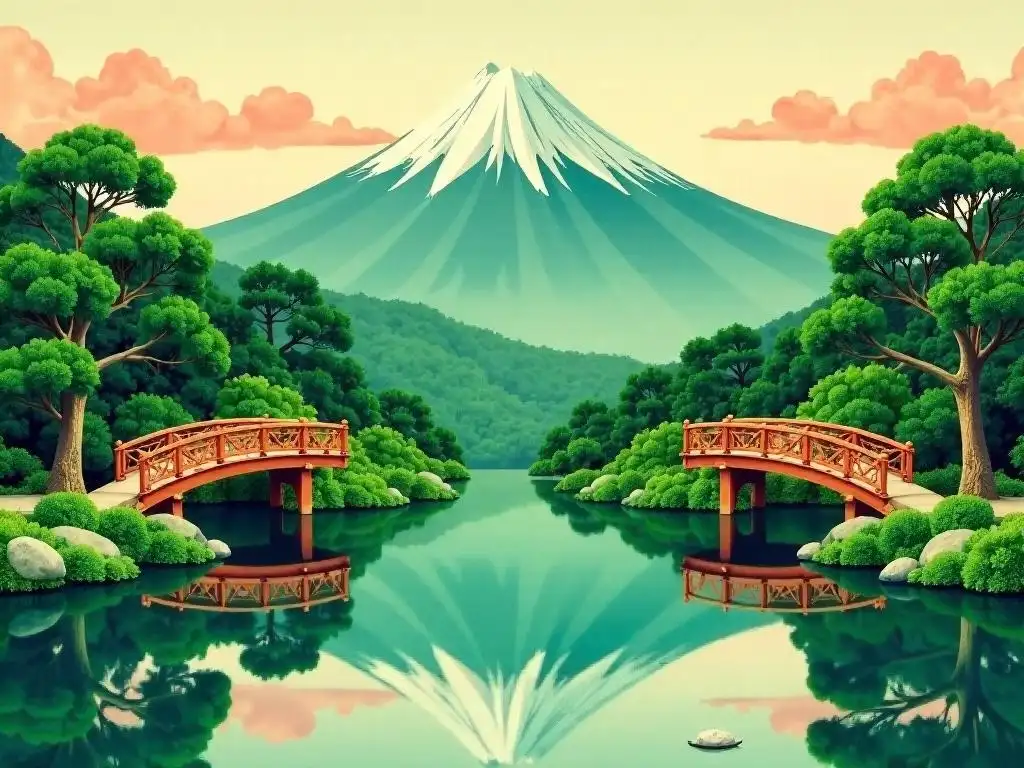
Welcome to Feudal Japan History, where we embark on a fascinating journey through the intricate tapestry of Japan’s feudal era. Here, we delve into the profound influence of Chinese art on Japan, a topic that reveals the interconnectedness of cultures and the rich exchange of ideas that shaped Japanese aesthetics. What secrets lie within the brush strokes and sculpted forms that traveled across seas?
Prepare to uncover the layers of history, culture, and artistry that not only transformed Japan but also defined its unique identity. Join us as we explore the captivating interplay between these two great civilizations and inspire your curiosity to learn more!
Introduction to Chinese Art Influence on Japan
The intricate tapestry of Feudal Japan's artistic landscape is deeply interwoven with the threads of Chinese art. The influence of Chinese aesthetics not only shaped the visual arts but also permeated various aspects of Japanese culture, including literature, philosophy, and even architectural styles. As Japan navigated through its feudal era, the infusion of Chinese artistic principles fostered a unique blend of creativity that would define its cultural identity. Understanding this exchange illuminates the profound impact of Chinese art on Japan, revealing how cross-cultural interactions can transform and enrich a society's artistic expressions.
Overview of Chinese Art in Historical Context
Chinese art, with its rich history spanning several millennia, encompasses a wide range of styles, techniques, and philosophies. From the elegance of Tang dynasty pottery to the intricate brushwork of Song dynasty paintings, Chinese art has been characterized by its emphasis on harmony, nature, and the spiritual connection between the artist and their subject. The aesthetic principles established in these periods became foundational elements that would later influence Japanese art forms.
- Characteristics of Chinese Art:
- Emphasis on nature and landscape
- Use of symbolism and allegory
- Techniques in calligraphy and ink painting
- Integration of philosophy and aesthetics
During Japan's early interactions with China, particularly during the Nara (710-794) and Heian (794-1185) periods, these artistic ideals were absorbed and adapted, leading to the development of distinct Japanese styles that retained the essence of their Chinese predecessors while embracing local traditions.
Significance of Chinese Aesthetics in Japanese Culture
The significance of Chinese aesthetics in Japanese culture can be seen in various artistic disciplines, including painting, ceramics, and textile design. The introduction of Chinese artistic techniques not only enriched Japanese craftsmanship but also inspired new forms of expression that reflected the unique experiences and sensibilities of the Japanese people.
- Cultural Integration:
- Adoption of Chinese painting styles in Japanese scrolls
- Influence on ceramic designs, notably in the creation of porcelain
- Impact on poetry and literature, particularly through the incorporation of Chinese characters and themes
As Japanese artists began to interpret and innovate upon these Chinese traditions, a distinctive aesthetic emerged, characterized by simplicity, elegance, and a profound appreciation for nature.
Historical Background of Art Exchange Between China and Japan
The historical relationship between China and Japan is marked by significant periods of artistic exchange that laid the groundwork for the profound influence of Chinese art on Japanese aesthetics. This exchange was facilitated through trade, diplomatic missions, and the spread of Buddhism, creating a rich dialogue between the two cultures.
Early Influences: The Tang Dynasty and Its Impact
The Tang dynasty (618-907) is often regarded as a golden age of Chinese culture and art, with its influence reaching far beyond China's borders. During this period, Japan sent numerous missions to China, resulting in the importation of not only political and religious ideas but also artistic techniques.
- Influential Aspects:
- Tang ceramics and their impact on Japanese potters
- Adoption of Tang painting styles in early Japanese art
- The establishment of trade routes that facilitated cultural exchange
These early influences laid the foundation for a deeper appreciation and adaptation of Chinese art within Japan, setting the stage for future developments during the feudal era.
The Role of Buddhism in Artistic Transmission
Buddhism played a crucial role in the transmission of art and aesthetics from China to Japan. As the religion spread, it brought with it various artistic forms, including temple architecture, sculpture, and painting, which were heavily influenced by Chinese precedents.
- Key Contributions:
- Introduction of Buddhist iconography and motifs
- Development of temple art and architecture, inspired by Chinese models
- Influence on the creation of scroll paintings that depicted religious narratives
This religious context not only facilitated artistic transmission but also fostered a unique integration of Chinese aesthetics within the spiritual framework of Japanese culture.
Key Historical Events Leading to Cultural Exchange
Several key historical events marked the evolution of cultural exchange between China and Japan, shaping the artistic landscape of feudal Japan.
- Notable Events:
- The Taika Reform (645) which encouraged the adoption of Chinese governance and culture
- The establishment of the Imperial court in Nara, serving as a center for Chinese cultural influence
- The influx of Chinese artisans and scholars who contributed to the development of Japanese art and crafts
These events highlight the dynamic interplay between the two nations, emphasizing how historical context and cultural interactions led to the profound influence of Chinese art on Japanese aesthetics, ultimately enriching Japan's artistic heritage during the feudal era.
Key Characteristics of Chinese Art Adopted in Japan
The influence of Chinese art on Japan is evident in various aesthetic dimensions, ranging from painting and calligraphy to sculpture and decorative arts. Key characteristics that were adopted include themes of nature, the use of monochromatic palettes, and an emphasis on harmony and balance. Chinese artists often utilized natural elements and landscapes, which inspired Japanese artists to similarly reflect nature in their works. Furthermore, the philosophical underpinnings of Chinese art, such as Confucianism and Taoism, encouraged a pursuit of simplicity and serenity that resonated with Japanese cultural values.
In addition, the technique of using ink wash in painting became a hallmark of Japanese aesthetics, allowing for the expression of subtlety and depth. This technique, known for its fluidity and gradation of tones, was adapted into Japanese painting styles, reinforcing the connection between the two cultures. Moreover, the incorporation of Chinese motifs, such as dragons, phoenixes, and cloud patterns, became prevalent in Japanese art, showcasing the cross-cultural exchange that defined this era.
Painting Techniques: From Chinese Scrolls to Japanese Screens
Chinese scroll painting, particularly the hanging scroll and handscroll formats, significantly influenced Japanese painting techniques. The meticulous brushwork and attention to detail found in Chinese scrolls were adopted by Japanese artists, who began to create their own versions that reflected local themes and styles. The transition from scrolls to screens in Japan marked a pivotal moment in the artistic landscape, where folding screens, or byōbu, became popular during the Muromachi period.
Japanese artists embraced the Chinese method of depicting landscapes and scenes from daily life, often integrating elements of Japanese culture. The use of gold and silver leaf in screen paintings created a distinctive luminosity, enhancing the visual impact and aligning with the aesthetics of the time. Notable examples include the works of artists like Hasegawa Tohaku, whose landscapes echo the serene beauty of Chinese art while incorporating indigenous elements, thus creating a unique blend.
Calligraphy: The Art of Writing and Its Aesthetic Appeal
Calligraphy in China was not merely a means of communication; it was an esteemed art form that emphasized beauty and expression. This profound appreciation for calligraphy was adopted by the Japanese, who began to develop their own styles, such as shodō. Japanese calligraphy flourished under the influence of Chinese characters (kanji), integrating brush techniques that emphasized fluidity and rhythm.
The aesthetic appeal of calligraphy in Japan extended beyond legibility; it became a reflection of the artist's emotions and state of mind. The incorporation of blank space, or ma, in calligraphy emphasized the importance of balance and simplicity, concepts that resonated deeply within Japanese culture. As a result, Japanese calligraphy evolved into a distinct form that celebrated both the beauty of the written word and the philosophy underlying its practice.
Sculpture: Influence of Chinese Buddhist Art on Japanese Practices
Chinese Buddhist art had a profound impact on the development of Japanese sculpture, particularly during the introduction of Buddhism to Japan in the 6th century. The stylistic elements present in Chinese Buddhist statues, such as elongated forms and serene expressions, were adopted and adapted by Japanese sculptors. These influences can be seen in the creation of significant works like the Great Buddha of Nara, which reflects the grandeur of Chinese Buddhist iconography.
Over time, Japanese artisans began to infuse their creations with local stylistic elements, resulting in a unique synthesis of Chinese inspiration and Japanese craftsmanship. The depiction of divinities and bodhisattvas evolved to incorporate Japanese cultural traits, resulting in a distinctive form of religious art that maintained the spiritual essence of the original Chinese influences while being tailored to Japanese sensibilities.
The Evolution of Japanese Aesthetics through Chinese Influence
The interaction between Chinese art and Japanese aesthetics led to a significant evolution in artistic expressions throughout Japan's history. This evolution is characterized by a selective adaptation of Chinese styles and philosophies, which were integrated into the fabric of Japanese culture. The appreciation for simplicity, natural beauty, and the pursuit of harmony became central to Japanese aesthetics, shaping the way art was created and perceived.
The Concept of Wabi-Sabi in Relation to Chinese Philosophies
Wabi-sabi, a Japanese aesthetic concept that finds beauty in imperfection and transience, can trace its philosophical roots back to Chinese influences. The Chinese appreciation for nature's cycles and the acceptance of impermanence resonated within Japanese culture, leading to the development of wabi-sabi as a distinct aesthetic. This ideology values simplicity, asymmetry, and the natural aging process of materials, which contrasts with the more ornate and rigid styles often found in traditional Chinese art.
The influence of Zen Buddhism, which was introduced from China, further reinforced the principles of wabi-sabi. Japanese artists and craftsmen began to embrace these ideas, which permeated various art forms, including pottery, tea ceremonies, and landscape gardens. The result was a uniquely Japanese interpretation of beauty that celebrated the fleeting nature of life.
Integration of Chinese Motifs in Japanese Decorative Arts
The integration of Chinese motifs into Japanese decorative arts is seen across various mediums, including textiles, ceramics, and lacquerware. Popular Chinese designs, such as floral patterns, dragons, and intricate landscapes, were adopted and adapted to suit Japanese tastes. This cross-pollination of artistic styles enriched Japanese decorative arts, allowing for the creation of unique products that reflected both Chinese inspiration and local craftsmanship.
The use of blue-and-white porcelain, initially a Chinese innovation, became highly sought after in Japan, leading to the development of distinct Japanese styles such as Imari ware. Japanese artisans not only replicated Chinese techniques but also introduced their interpretations, resulting in a vibrant decorative arts scene that celebrated both cultural influences.
The Impact on Japanese Garden Design and Architecture
Chinese influence extended into the realm of garden design and architecture, where principles of balance, harmony, and natural beauty were paramount. The design of Japanese gardens often mirrors the Chinese ideal of creating a miniature landscape that reflects the essence of nature. Elements such as water features, rocks, and plant arrangements were meticulously planned to evoke tranquility and contemplation.
Japanese architecture, particularly during the Heian period, showcased the influence of Chinese design principles. The use of wooden structures, tiled roofs, and open spaces drew heavily from Chinese architectural styles, evolving into the distinctive look of traditional Japanese buildings. Temples and shrines often incorporated elements from Chinese designs, blending them with indigenous practices to create spaces that were both functional and spiritually resonant.
The intricate web of influence that Chinese art had on Japanese aesthetics is a testament to the rich cultural exchanges that defined the feudal era. The adaptations and innovations that arose from this interaction continue to shape Japan's artistic landscape today.
Notable Japanese Artists Influenced by Chinese Art
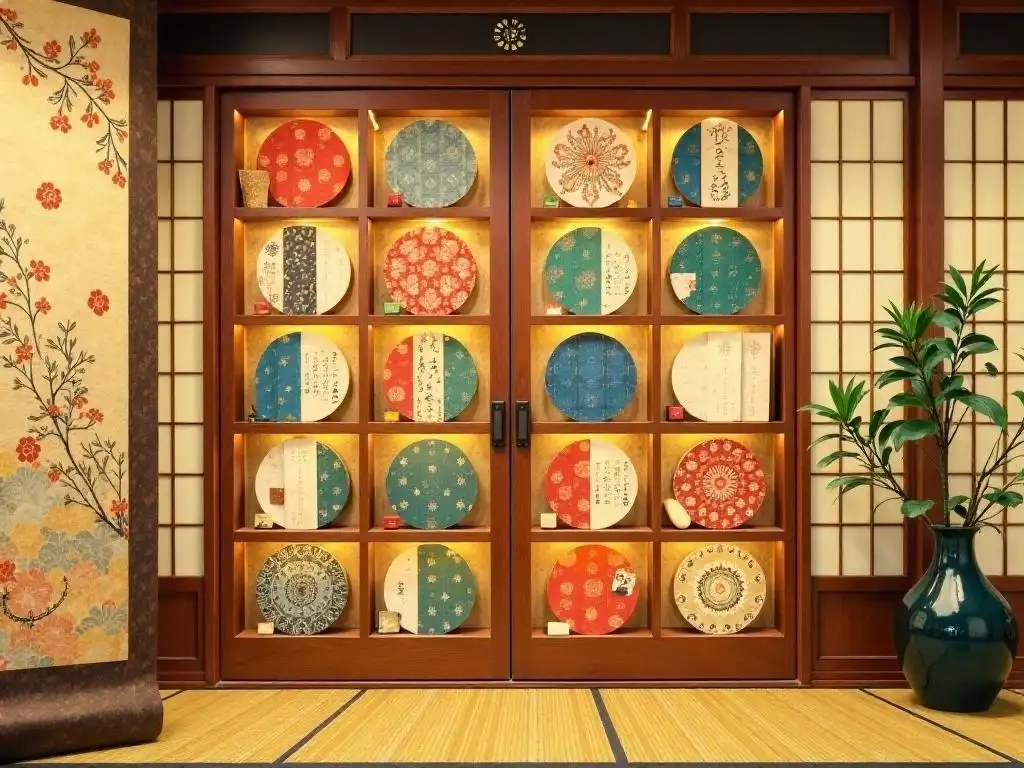
Throughout history, several Japanese artists have drawn significant inspiration from Chinese art, leading to a unique fusion of styles that characterized the aesthetic landscape of feudal Japan. Notable figures such as Sesshū Tōyō and the artists of the Kano school exemplify this artistic dialogue. Their works not only reflect the beauty and techniques of Chinese art but also incorporate indigenous Japanese elements, creating a rich tapestry of visual culture.
The Works of Sesshū Tōyō: Bridging Two Cultures
Sesshū Tōyō (1420-1506) stands as one of the most prominent figures in Japanese art history, renowned for his mastery in ink painting. After studying in China, Sesshū returned to Japan and began to integrate the sophisticated brush techniques he learned there into his works.
His pieces, such as "Winter Landscape," showcase the influence of Chinese monochrome ink paintings, employing a depth and perspective that mirrors Chinese landscapes while simultaneously infusing them with a distinctly Japanese sensibility. This blending of styles not only established Sesshū as a bridge between two cultures but also paved the way for future generations of Japanese artists to explore and reinterpret Chinese artistic traditions.
The Role of Kano School in Merging Chinese and Japanese Styles
The Kano school, founded in the 15th century, played a crucial role in merging Chinese and Japanese artistic styles. This school of painting emphasized the incorporation of Chinese elements, particularly in the use of color and composition, while also adapting them to fit Japanese themes and narratives.
Artists like Kano Eitoku and Kano Motonobu are known for their large-scale screen paintings that often depicted scenes from Japanese folklore infused with Chinese techniques. The Kano school’s ability to balance these diverse influences allowed for a flourishing of art that resonated deeply within Japanese culture, establishing a distinctive aesthetic that remained dominant through the Edo period.
Modern Interpretations of Chinese Influence in Contemporary Japanese Art
In contemporary Japan, the influence of Chinese art can be seen in various forms, from traditional practices to innovative modern expressions. Artists today continue to draw upon the rich heritage of Chinese aesthetics, reinterpreting them through the lens of modernity. For instance, contemporary painters may utilize traditional Chinese brushwork while incorporating abstract elements that reflect current societal themes. This dialogue between the past and present not only honors the historical influence of Chinese art but also invigorates Japan’s contemporary art scene, creating a space for ongoing exploration and reinterpretation.
The Lasting Legacy of Chinese Art in Japanese Aesthetics
The influence of Chinese art on Japanese aesthetics has left an indelible mark on the cultural identity of Japan, shaping its artistic practices and philosophical approaches to beauty.
How Chinese Influence Shaped Japanese Cultural Identity
The integration of Chinese artistic practices into Japanese culture has contributed significantly to the development of Japan's cultural identity. This influence is evident in various domains, including literature, poetry, and visual arts, where themes of nature, spirituality, and emotional depth resonate strongly. Through the adoption of Chinese techniques, Japanese artists cultivated a unique perspective that celebrated both the beauty of the external world and the introspective nature of human experience. This duality has become a cornerstone of Japanese aesthetics, emphasizing harmony, simplicity, and the transient beauty of life.
The Contemporary Relevance of Historical Art Exchange
The historical exchange of artistic ideas between China and Japan continues to be relevant in today’s globalized art landscape. Contemporary artists often look back at this rich history as they navigate their creative journeys, drawing inspiration from the techniques and philosophies that have shaped their cultural heritage. Exhibitions showcasing this historical interplay not only educate audiences about the shared influences but also encourage a renewed appreciation for the depth and complexity of both Chinese and Japanese art forms. This ongoing dialogue enhances cultural understanding and fosters a collaborative spirit in the art world.
Future Directions: Preserving and Evolving Artistic Traditions
As we look to the future, the preservation and evolution of artistic traditions influenced by Chinese art remain vital. Artists and institutions are tasked with maintaining the integrity of these traditions while also allowing for innovative interpretations that reflect contemporary realities. This balance between honoring the past and embracing the future can lead to exciting new forms of expression. Educational programs and exhibitions focused on the historical relationship between Chinese and Japanese art will play a crucial role in fostering appreciation and encouraging new generations of artists to explore and expand upon this rich artistic legacy.
Conclusion: The Enduring Impact of Chinese Art on Feudal Japanese Aesthetics
The influence of Chinese art on feudal Japanese aesthetics is a profound testament to the power of cultural exchange. Over centuries, as Japan engaged with China through trade, diplomacy, and the spread of Buddhism, the artistic traditions of China found fertile ground in Japan.
This interaction not only enriched Japanese art but also fostered unique adaptations that reflected the distinct cultural identity of Japan. From the early adoption of Chinese painting techniques to the integration of Chinese motifs into Japanese craft, the legacy of this relationship is evident in the aesthetic principles and artistic practices that emerged during the feudal era.
The enduring impact is seen in various aspects, such as the aesthetic appreciation for nature, the emphasis on simplicity and elegance, and the development of specific art forms like ink wash painting. The assimilation of Chinese styles has led to a diverse artistic landscape in Japan, blending Chinese influences with indigenous traditions to create a rich tapestry of cultural expression that continues to inspire contemporary Japanese art.
Summary of Key Insights on Cultural Exchange
To encapsulate the exchanges that shaped feudal Japanese aesthetics, several key insights emerge:
- Buddhism as a Catalyst: The transmission of Buddhism from China to Japan was pivotal in introducing new artistic themes, particularly in religious art and architecture.
- Techniques and Styles: Japanese artists adopted various Chinese painting techniques, such as the use of ink and brushwork, which became fundamental to Japanese painting schools like the Kanō school.
- Cultural Adaptations: While heavily influenced by Chinese art, Japanese artisans adapted these styles to reflect local tastes and spiritual beliefs, resulting in unique interpretations evident in ceramics, textiles, and woodblock prints.
- Philosophical Underpinnings: The principles of Taoism and Confucianism that permeated Chinese art also influenced Japanese aesthetics, promoting themes of harmony, balance, and the transient beauty of nature.
These insights showcase how deeply intertwined the artistic traditions of Japan and China are, highlighting a narrative of mutual respect and creative dialogue that transcended geographical and cultural boundaries.
Final Thoughts on the Interwoven Nature of Chinese and Japanese Art
The relationship between Chinese and Japanese art is not merely one of influence but a complex interweaving of ideas and techniques that shaped the artistic landscape of both cultures. This blend of influences exemplifies the dynamic nature of cultural heritage, where the exchange of artistic practices leads to innovation and evolution.
In feudal Japan, the adaptation of Chinese aesthetic principles fostered a distinct Japanese identity that celebrated both the borrowed and the indigenous. The reverence for nature, the pursuit of simplicity, and the spiritual depth found in art can be traced back to this rich tapestry of cultural interaction.
Today, as we continue to explore and appreciate these art forms, it is essential to recognize the enduring legacy of this exchange, which not only shaped the past but also continues to inform contemporary artistic practices in Japan and beyond. The dialogue between Chinese and Japanese art serves as a reminder of the beauty that can emerge from cultural exchanges, celebrating both uniqueness and commonality in the world of art.
- Introduction to Chinese Art Influence on Japan
- Historical Background of Art Exchange Between China and Japan
- Key Characteristics of Chinese Art Adopted in Japan
- The Evolution of Japanese Aesthetics through Chinese Influence
- Notable Japanese Artists Influenced by Chinese Art
- The Lasting Legacy of Chinese Art in Japanese Aesthetics
- Conclusion: The Enduring Impact of Chinese Art on Feudal Japanese Aesthetics
- What was the primary influence of Chinese art on feudal Japan?
- How did Chinese philosophies impact Japanese art during the feudal era?
- Were there specific art forms that were primarily influenced by Chinese techniques?
- How did trade between China and Japan facilitate artistic exchange?
- What role did the samurai class play in the appreciation of Chinese art?
Frequently Asked Questions
What was the primary influence of Chinese art on feudal Japan?
Chinese art introduced new techniques, styles, and philosophies that deeply shaped Japanese aesthetics, particularly in painting, ceramics, and architecture.
How did Chinese philosophies impact Japanese art during the feudal era?
Chinese philosophies, particularly Buddhism and Confucianism, influenced the themes and subjects in Japanese art, encouraging a focus on spirituality and moral values.
Were there specific art forms that were primarily influenced by Chinese techniques?
Yes, art forms like ink painting, calligraphy, and ceramics were significantly influenced by Chinese techniques, which were adapted and transformed within the Japanese context.
How did trade between China and Japan facilitate artistic exchange?
Trade routes facilitated the exchange of ideas and materials, allowing Japanese artists to access Chinese artworks, which inspired them to incorporate Chinese elements into their own creations.
What role did the samurai class play in the appreciation of Chinese art?
The samurai class played a crucial role in the patronage of Chinese art, as they sought to embody cultural sophistication and refinement through the collection and appreciation of Chinese-inspired works.
Final Reflection: The Enduring Legacy of Chinese Art in Japanese Aesthetics
The intricate relationship between Chinese art and feudal Japanese aesthetics remains profoundly relevant today, as it highlights the power of cultural exchange in shaping identities. This historical dialogue not only enriched Japan's artistic landscape but also laid the foundation for a unique aesthetic sensibility that continues to resonate in contemporary art and design. The influence of Chinese art on Japan is a testament to how interconnected our worlds can be, transcending borders and time.
The impact of this cultural exchange is evident in various aspects of Japanese society, from traditional tea ceremonies to modern visual arts. The aesthetic principles derived from Chinese art have woven themselves into the very fabric of Japanese culture, inspiring countless artists and thinkers throughout history. Art is the most beautiful of all lies.
This quote encapsulates the essence of how art can transcend reality, allowing us to explore deeper truths about ourselves and our connections to others. The legacy of Chinese influence serves as a reminder of the beauty that emerges from collaboration and mutual respect among cultures.
As we reflect on the profound influence of Chinese art on Japan, I invite you to consider how these lessons can be applied in your own life. Embrace the richness of cultural diversity and seek inspiration from the world around you. Let the stories of artistic exchange ignite your creativity and encourage you to explore new perspectives. In doing so, you not only honor the past but also contribute to a future where art continues to bridge gaps and foster understanding among different cultures.
Unveil the Beauty: Embrace the Fusion of Cultures!
Thank you for taking the time to explore the fascinating influence of Chinese art on feudal Japanese aesthetics. You've uncovered the rich tapestry of cultural exchange that shaped historical perceptions and artistry. Now, let's take the next step together and dive deeper into this captivating subject!
Here are some exciting actions you can take:
- Explore: Visit a local museum featuring East Asian art or browse online galleries that highlight this unique blend of cultures.
- Share: Discuss your insights with friends or on social media; encouraging conversations can help spread awareness and appreciation for these art forms.
- Create: Try your hand at a fusion art project! Combine elements from both Chinese and Japanese styles, and share your artwork with our community for feedback.
What aspect of this artistic fusion intrigues you the most, and how do you see it influencing contemporary aesthetics?