
Sumie: The Spiritual Journey Behind Japanese Ink Painting

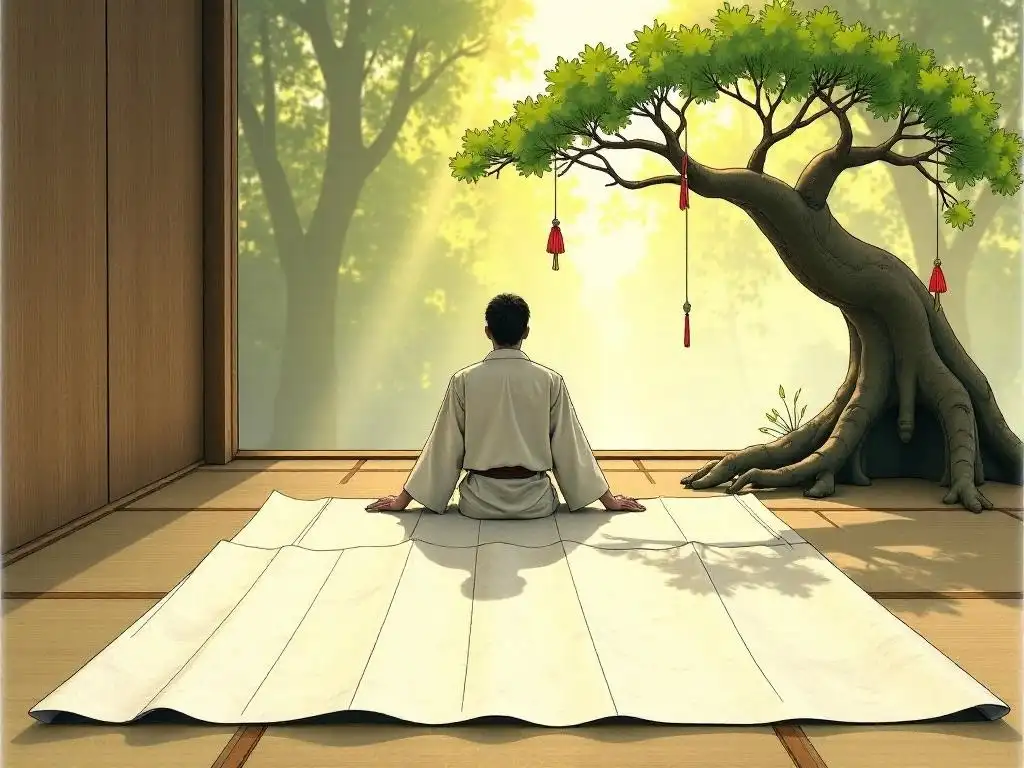
Welcome to Feudal Japan History, where we embark on an intriguing journey through the rich tapestry of Japan's feudal era. Here, we delve into the cultural history that shaped a nation, uncovering the art, traditions, and philosophies that still resonate today. In our featured article, "Sumie: The Spiritual Journey Behind Japanese Ink Painting," we invite you to explore the mesmerizing world of Japanese ink painting techniques. Discover the profound connection between artistry and spirituality that defines this timeless craft, and let your curiosity guide you further into the depths of Japan's fascinating past.
Japanese ink painting, known as Sumie, is a profound artistic tradition that encapsulates the essence of Japanese aesthetics and spirituality. This art form, steeped in history and cultural significance, serves not only as a means of expression but also as a pathway to inner tranquility and enlightenment.
By exploring Japanese ink painting techniques, we delve into the intricate methods and philosophies that define Sumie, revealing the deep connections between art, spirituality, and history that have shaped this unique practice. In this article, we will embark on a comprehensive exploration of Sumie, examining its definition, historical context, and the spiritual foundations that underpin this revered form of artistic expression.
Introduction to Japanese Ink Painting Techniques
Japanese ink painting techniques are characterized by their simplicity, grace, and a profound connection to nature. This art form employs a limited palette, primarily using black ink, which allows the artist to focus on the fluidity of brush strokes and the interplay of light and shadow. The techniques used in Sumie are not merely mechanical; they embody a philosophy that emphasizes the relationship between the artist and the canvas, encouraging mindfulness and presence in the creative process.
Definition and Significance of Sumie
Sumie, or "ink painting," translates to a style of painting that utilizes black ink, traditionally made from natural materials. The significance of Sumie lies in its ability to convey emotion and capture the essence of the subject matter with minimalistic strokes. This technique is deeply rooted in the belief that less is more, emphasizing the beauty of simplicity and the power of suggestion over explicit detail. The practice of Sumie is not just about creating art; it is a meditative experience that allows artists to express their inner thoughts and feelings.
Historical Context of Japanese Ink Painting
The origins of Japanese ink painting can be traced back to the 7th century, influenced by Chinese artistic traditions. As Buddhism and Taoism began to flourish in Japan, they brought along concepts of harmony, nature, and spirituality that would shape the development of Sumie. Over the centuries, various schools of painting emerged, each contributing unique techniques and styles.
The Edo period, in particular, saw a rise in the popularity of ink painting, as artists sought to express their individuality while adhering to traditional methods. This historical backdrop not only highlights the evolution of Japanese ink painting techniques but also reflects the broader cultural shifts within Japanese society.
The Spiritual Foundations of Sumie
At the heart of Sumie lies a rich spiritual tradition that intertwines with the concepts of Zen Buddhism and meditation. This connection elevates the practice of ink painting beyond mere craftsmanship; it becomes a form of spiritual exploration and self-discovery.
Connection Between Art and Zen Buddhism
Zen Buddhism plays a pivotal role in the philosophy of Sumie. The principles of Zen—simplicity, mindfulness, and the pursuit of enlightenment—are deeply embedded in the practice of ink painting. Artists often approach their work as a form of meditation, where each brush stroke is a reflection of their state of mind. The act of painting becomes a spiritual journey, allowing the artist to connect with their inner self and the universe around them. This connection is what makes Sumie a profound expression of not only artistic skill but also spiritual depth.
The Role of Meditation in Japanese Ink Painting
Meditation is integral to the practice of Japanese ink painting. Before beginning a piece, artists often engage in meditative practices to clear their minds and focus their energy. This preparation fosters a state of mindfulness, enabling the artist to channel their emotions and intentions into their work. The rhythmic motion of the brush, coupled with the silence of the mind, creates a harmonious environment that enhances creativity. By integrating meditation into their process, artists cultivate a deeper awareness of their surroundings and themselves, resulting in artwork that resonates with authenticity and spiritual significance.
Key Japanese Ink Painting Techniques
Japanese ink painting, or Sumie, is a profound art form that combines aesthetics with philosophy. This technique emphasizes simplicity, spontaneity, and the expression of the artist's inner spirit. Here are some key techniques integral to mastering Japanese ink painting:
- Spontaneity: Unlike Western painting, where meticulous planning is often emphasized, Sumie encourages artists to act spontaneously. The idea is to capture the essence of the subject in a single stroke, allowing emotions to flow freely onto the canvas.
- Line Variation: The use of varied brush strokes is essential in Sumie. Artists manipulate the pressure and angle of the brush to create lines that can be thick or thin, dark or light, conveying depth and texture.
- Negative Space: In Sumie, negative space is as important as the painted areas. The unpainted portions of the paper invite the viewer’s imagination and create a harmonious balance within the artwork.
- Layering: Artists often apply multiple layers of ink to build depth and richness in their paintings. This technique allows for the development of complex tones and shades, enhancing the overall visual impact.
By understanding and practicing these techniques, artists can convey their emotions and ideas effectively through the medium of ink.
Brushwork Techniques in Sumie
Brushwork is at the heart of Sumie, and mastering it is crucial for any aspiring artist. Here are the essential brushwork techniques:
- Fude: This is the brush used in Sumie painting, known for its flexibility. The way the artist wields the fude can greatly influence the outcome of the strokes.
- Asa-no-Hana: This technique involves creating fine, delicate lines that resemble the petals of a flower. It requires a light touch and precision, showcasing the artist's skill.
- Kake: This technique emphasizes bold, sweeping strokes that convey movement and dynamism. Kake is often used for landscapes and abstract representations.
- Kumo: This technique imitates the texture of clouds, allowing artists to create soft, blended effects in their paintings. It often involves quick, flicking movements of the brush.
Each of these brushwork techniques contributes to the overall expression and harmony of the artwork, reflecting the artist's inner state.
Ink Preparation and Application
The preparation and application of ink are foundational to the Sumie process. Here’s how these aspects are approached:
- Ink Stick and Stone: Artists traditionally use an ink stick and an ink stone (suzuri) to prepare their ink. The ink stick is ground against the stone with a small amount of water until the desired consistency is achieved.
- Ink Consistency: The thickness of the ink can dramatically affect the painting's outcome. A thinner ink produces lighter strokes, while a thicker ink creates bold, dark lines. Artists often experiment to find the perfect balance.
- Application Techniques: The application of ink is performed with careful consideration. Artists utilize a variety of strokes, from rapid, sweeping motions to deliberate, slow lines, each contributing to the expressive quality of the painting.
Through careful preparation and application of ink, Sumie artists can create artwork that resonates with the viewer on a spiritual level.
Materials and Tools for Japanese Ink Painting
The materials and tools used in Japanese ink painting are integral to its practice. Each element plays a vital role in the creation of a Sumie piece.
Traditional Japanese Paper: Washi
Washi is the traditional paper used in Japanese ink painting, known for its unique texture and durability. Here are some key features of washi:
- Texture: Washi has a distinct texture that allows for the absorption of ink while still maintaining crisp lines. The fibers used in washi often come from the bark of the mulberry tree, creating a soft yet resilient surface.
- Variability: Different types of washi offer varying levels of absorbency and texture, allowing artists to choose the paper that best suits their artistic intentions.
- Sustainability: The production of washi is an environmentally friendly process, adhering to traditional methods that have been passed down through generations. This connection to nature is reflected in the art created on washi.
Using washi enhances the overall aesthetic of Sumie paintings and ensures that the artwork remains timeless.
Essential Tools for Sumie Practice
In addition to washi, several essential tools are required for practicing Sumie effectively. These include:
- Fude (Brush): As mentioned earlier, the brush is the primary tool for ink application. Its quality and type can significantly impact the brushwork's effectiveness.
- Suzuri (Ink Stone): This tool is necessary for grinding the ink stick and mixing it with water. The suzuri is often made from stone, providing a smooth surface for preparation.
- Bokuseki (Ink Stick): The ink stick is made from soot and binding agents. Its quality influences the richness and texture of the ink produced.
- Kake (Palette): While not always necessary, a palette can be used to mix different shades of ink or to hold ink for easier application.
Together, these tools form the foundation of Sumie practice, allowing artists to express their creativity and spirituality through the medium of ink painting.
The Symbolism in Japanese Ink Painting
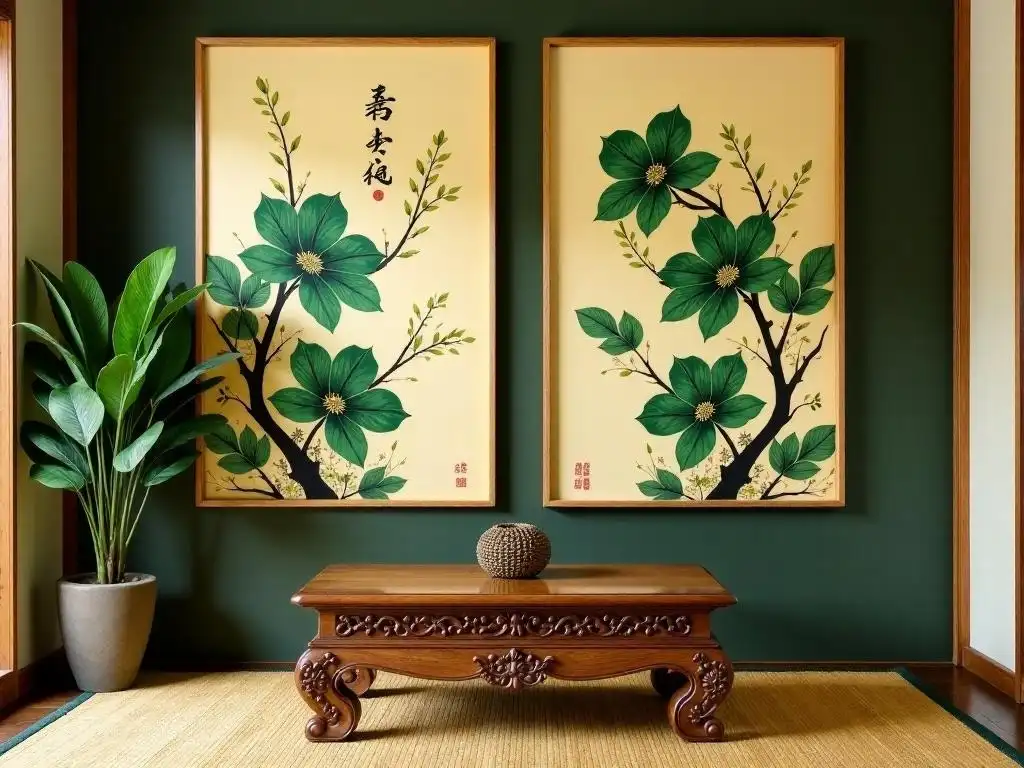
Japanese ink painting, or Sumie, is not merely an artistic expression but a profound spiritual journey that encapsulates the essence of nature, philosophy, and the human experience. Each brushstroke in Sumie is imbued with meaning, reflecting the artist's inner state and their connection to the world around them. The use of ink, a medium that can convey both strength and delicacy, symbolizes the duality of life and the balance of opposites, such as light and shadow, chaos and order.
In this art form, symbolism is deeply rooted in the cultural context of Japan. For instance, the choice of subject matter often holds specific meanings. Bamboo represents resilience and flexibility, while cherry blossoms symbolize the transient beauty of life. The minimalist approach of Sumie emphasizes the essence of the subject, allowing viewers to engage with the work on a spiritual level, fostering a meditative experience that invites reflection and contemplation.
Common Themes and Motifs in Sumie
Nature and Landscape
Nature serves as the primary inspiration for Sumie artists. Landscapes, mountains, rivers, and forests are depicted not just as physical spaces but as representations of the artist's emotional and spiritual journey. The use of negative space is a hallmark of this style, allowing for the viewer's imagination to fill in the gaps.
Animals and Mythical Creatures
Animals often symbolize various virtues and characteristics. For example, a crane represents longevity and good fortune, while koi fish signify perseverance and strength. Mythical creatures, such as dragons, embody power and wisdom, frequently appearing in artworks that delve into the spiritual and fantastical realms of Japanese culture.
Human Figures and Philosophical Themes
While less common, human figures do appear in Sumie, often in the context of spiritual contemplation or harmony with nature. The depiction of figures in serene poses or engaging in traditional practices emphasizes the philosophy of simplicity, tranquility, and the importance of living in harmony with the environment.
The Spiritual Meaning Behind Nature in Sumie Art
In Sumie, nature is revered as a source of inspiration and a reflection of the spiritual journey of life. Each element in nature, from the smallest flower to the vast mountains, carries its own significance and teaches valuable life lessons. The transient nature of cherry blossoms, for instance, reminds us of the impermanence of life, encouraging an appreciation for the present moment.
The practice of painting nature in a meditative state allows artists to connect deeply with their subjects, promoting a sense of mindfulness and presence. This connection is not only essential for the creation of art but also for personal growth and spiritual development. Sumie thus becomes a medium through which artists explore their relationship with the world, allowing for a dialogue between the self and nature.
Learning and Mastering Japanese Ink Painting Techniques
Embarking on the journey of mastering Japanese ink painting requires dedication, practice, and an understanding of the fundamental techniques that define Sumie. While the path may seem daunting, the process is deeply rewarding, offering insights into both the art form and oneself.
Steps to Begin Your Sumie Journey
- Gathering Materials: Start with the essential tools: rice paper, Chinese brushes, ink stick, and an ink stone. Each tool plays a vital role in the creation of authentic Sumie art.
- Understanding Basic Techniques: Familiarize yourself with basic brush strokes, such as the dot, line, and wash. Practice these strokes to develop control and fluidity.
- Studying Nature: Spend time observing nature, as it is the primary subject of Sumie. Take notes, sketch, or photograph elements that resonate with you.
- Creating Simple Compositions: Begin with simple subjects like bamboo or flowers. Focus on capturing the essence rather than striving for perfection.
- Embracing Mindfulness: Approach each painting session with a meditative mindset. Allow yourself to be present in the moment, letting go of distractions and expectations.
Advanced Techniques for Experienced Artists
Once comfortable with the basics, artists can explore advanced techniques that add depth and dimension to their work:
- Layering Washes: Mastering the technique of layering ink washes can create stunning gradients and textures, enhancing the overall composition.
- Sumi-e Techniques: Techniques such as "kakejiku" (hanging scroll) and "fusuma" (sliding doors) can expand the artist's repertoire, allowing for more complex and larger-scale works.
- Incorporating Color: While traditional Sumie is monochromatic, incorporating subtle colors can add a modern twist, enhancing the emotional impact of the artwork.
- Experimenting with Different Papers: Using various types of rice paper can yield different textures and effects, allowing for greater creativity and expression in your work.
By embracing these advanced techniques, artists can deepen their understanding of Sumie and elevate their practice, continuing the spiritual journey that this beautiful art form embodies.
The Cultural Impact of Sumie in Feudal Japan
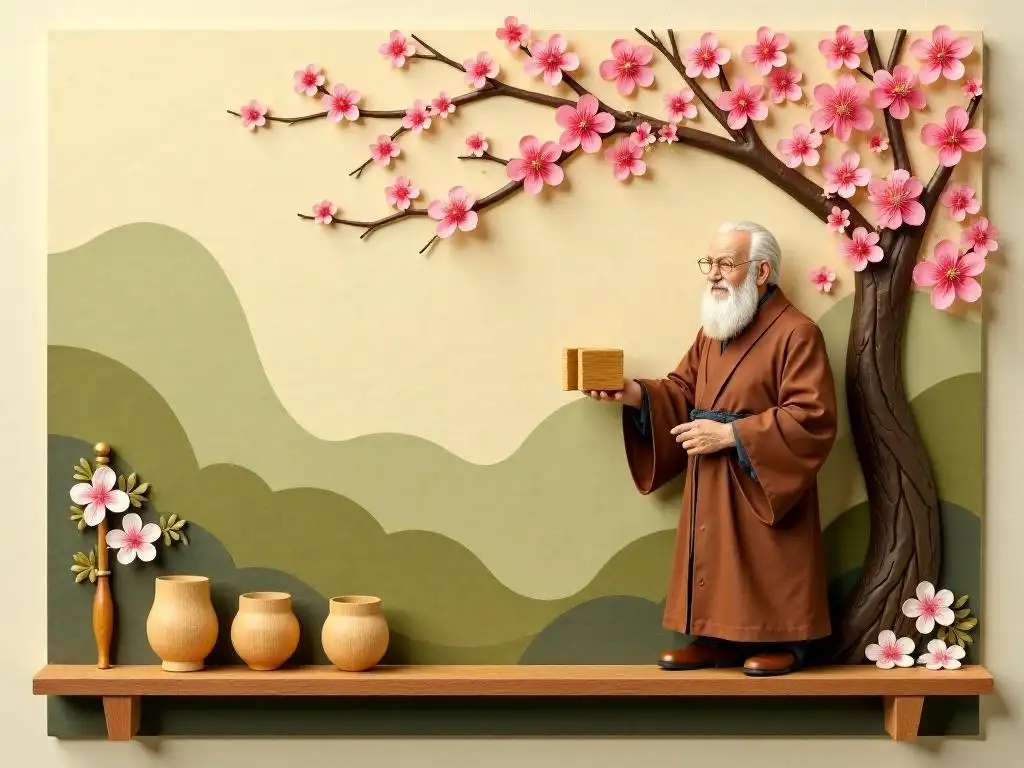
Sumie, or Japanese ink painting, emerged as a significant art form during the feudal era, reflecting the spiritual and cultural ethos of its time. This technique, characterized by its expressive brushwork and monochrome palette, not only served as a form of aesthetic expression but also played a vital role in the spiritual life of the samurai class and the Zen Buddhist community. The meditative nature of Sumie encouraged artists to cultivate a mindset of mindfulness and contemplation, aligning closely with the Zen philosophy that permeated various aspects of Japanese society during this period.
In feudal Japan, Sumie was often practiced by scholars, monks, and samurai, intertwining artistic creation with the spiritual quest for enlightenment. This connection elevated the status of artists, who were seen not merely as craftsmen but as philosophers and spiritual practitioners. Paintings often depicted landscapes, flora, and fauna, inviting viewers to reflect on the transient beauty of nature and the impermanence of life—a key tenet in both Zen Buddhism and the samurai’s bushido code.
Sumie in the Context of Japanese Society
The practice of Sumie was deeply woven into the fabric of Japanese society during the feudal era. It served as a vehicle for expressing personal and communal identity, allowing artists to convey their experiences and observations of the world around them. The art form was primarily influenced by the arrival of Chinese ink painting techniques, which were adapted and transformed by Japanese artists to suit their cultural context.
In the context of Japanese society, Sumie also functioned as a form of social commentary. Artists used their work to reflect on the tumultuous events of their time, including wars, political upheavals, and the changing social landscape. The themes of harmony and balance prevalent in Sumie resonated with the societal ideals of the time, promoting a sense of unity and resilience amidst chaos.
Moreover, the practice of Sumie was often associated with scholarly pursuits. Many samurai were expected to be well-versed in the arts, and the ability to create beautiful ink paintings was seen as an essential skill that complemented their martial prowess. This duality of spirit and strength underscored the cultural significance of Sumie in shaping the identity of the samurai and the broader society.
Influence of Sumie on Other Art Forms
The influence of Sumie extended beyond its own boundaries, leaving a significant mark on various other art forms in Japan. The principles of simplicity and elegance inherent in Sumie inspired the development of traditional Japanese arts such as calligraphy, ceramics, and even textile arts. The aesthetic values of Sumie, characterized by a focus on natural beauty and the use of minimalism, became foundational in many Japanese artistic expressions.
Furthermore, Sumie played a crucial role in the evolution of landscape painting in Japan. Artists began to explore the representation of landscapes not just as a backdrop but as a central theme, emphasizing the relationship between man and nature. This shift laid the groundwork for later movements, such as ukiyo-e, which celebrated the beauty of everyday life and the ephemeral moments of existence.
In addition, the techniques employed in Sumie have influenced modern art movements, encouraging contemporary artists to explore abstraction and expressiveness. The spiritual and emotional depth of Sumie continues to inspire artists around the world, demonstrating its enduring relevance and versatility across different mediums.
Conclusion: The Lasting Legacy of Japanese Ink Painting Techniques
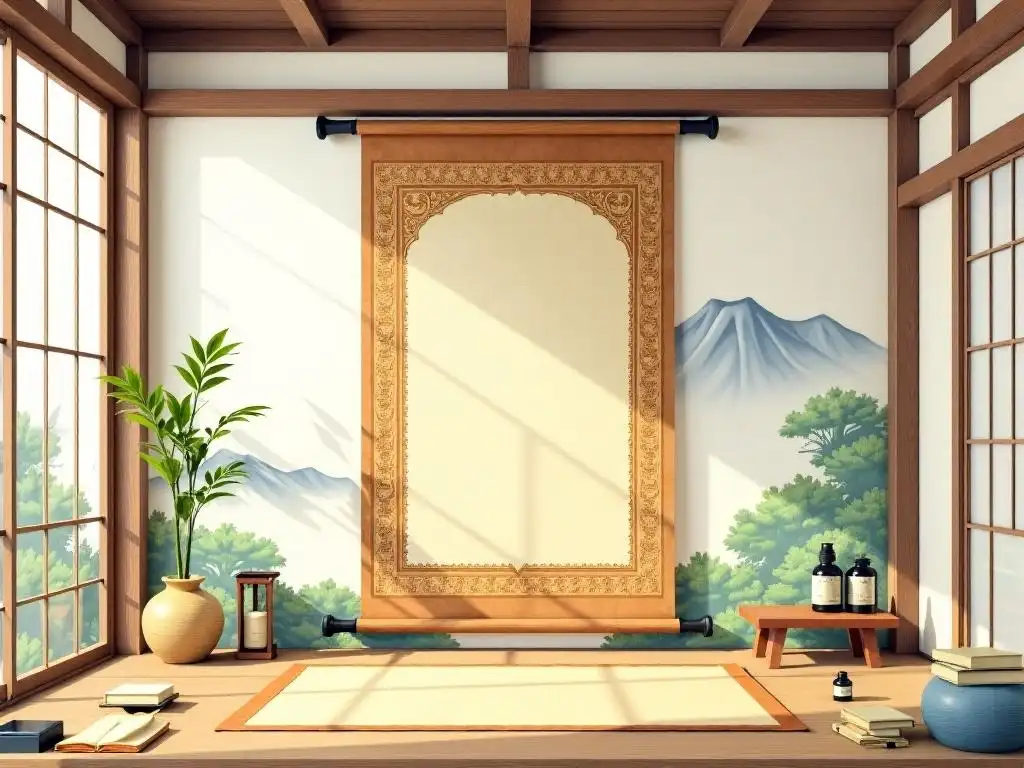
The legacy of Sumie as a form of Japanese ink painting is profound and enduring. Its techniques, characterized by fluid brushstrokes and a focus on the essence of subjects rather than their exact representations, have influenced countless artists over the centuries. Sumie's emphasis on the spiritual journey and the artist's inner world resonates with contemporary practices, establishing a bridge between past and present.
Sumie’s Relevance in Modern Art
In the context of modern art, Sumie retains its relevance through its philosophical underpinnings and unique techniques. Contemporary artists often draw from the simplicity and serenity of Sumie, incorporating its principles into their work. This revival of interest reflects a broader cultural movement that seeks to reconnect with traditional practices while exploring new forms of expression.
Moreover, workshops and exhibitions dedicated to Sumie have gained popularity globally, allowing new generations to engage with this timeless art form. Artists and art enthusiasts alike appreciate the meditative quality of Sumie, using it as a tool for relaxation, reflection, and creativity in a fast-paced world.
The Spiritual and Cultural Heritage of Japanese Ink Painting
Sumie embodies the spiritual and cultural heritage of Japan. It serves as a reminder of the interconnectedness of art, philosophy, and nature, promoting a holistic understanding of existence. The practice encourages mindfulness, urging individuals to appreciate the present moment and the beauty in simplicity.
As a cultural artifact, Sumie continues to be celebrated not only for its aesthetic qualities but also for its role in fostering a deeper understanding of Japanese identity and heritage. The spiritual journey behind each brushstroke reflects a rich history that invites exploration and appreciation, ensuring that the legacy of Japanese ink painting techniques endures for generations to come.
- Introduction to Japanese Ink Painting Techniques
- The Spiritual Foundations of Sumie
- Key Japanese Ink Painting Techniques
- Materials and Tools for Japanese Ink Painting
- The Symbolism in Japanese Ink Painting
- Common Themes and Motifs in Sumie
- The Spiritual Meaning Behind Nature in Sumie Art
- Learning and Mastering Japanese Ink Painting Techniques
- The Cultural Impact of Sumie in Feudal Japan
- Sumie in the Context of Japanese Society
- Influence of Sumie on Other Art Forms
- Conclusion: The Lasting Legacy of Japanese Ink Painting Techniques
- Sumie’s Relevance in Modern Art
- The Spiritual and Cultural Heritage of Japanese Ink Painting
Frequently Asked Questions
What is Sumie in Japanese ink painting?
Sumie is a traditional Japanese ink painting technique that emphasizes the use of black ink and focuses on capturing the essence of subjects through minimalist brush strokes.
How did Sumie evolve during the feudal era?
During the feudal era, Sumie was influenced by Zen Buddhism, leading to a deeper spiritual connection with nature and a shift towards meditative practices in painting.
What are the key materials used in Sumie?
The essential materials for Sumie include sumi ink, rice paper, and brushes made from animal hair, which all contribute to the unique texture and expressiveness of the artwork.
How does Sumie differ from other Japanese painting styles?
Unlike other styles, Sumie focuses on simplicity and spirituality, often portraying natural elements with minimal colors and an emphasis on the movement of ink rather than intricate detail.
Can anyone learn Sumie, and what are the benefits?
Yes, anyone can learn Sumie. It offers benefits such as improved focus, enhanced creativity, and a deeper appreciation for Japanese culture and its artistic traditions.
Final Reflection: The Spiritual Essence of Japanese Ink Painting
The journey through the world of Japanese ink painting techniques reveals a profound connection between art and spirituality that resonates deeply in today's fast-paced society. As we navigate through our daily lives, the meditative practice of Sumie invites us to pause, reflect, and find beauty in simplicity. This art form not only showcases the technical prowess of the artist but also serves as a reminder of the importance of mindfulness and presence in our creative expressions.
The influence of Sumie extends far beyond the canvas, shaping our cultural appreciation for the delicate balance between nature and artistry. This ancient technique encourages us to embrace imperfection and spontaneity, fostering a deeper understanding of ourselves and our surroundings. As the renowned artist Katsushika Hokusai once said, "> To know the spirit of the brush is to know the spirit of the universe." This sentiment encapsulates the essence of Japanese ink painting, urging us to explore the interconnectedness of all things through our artistic endeavors.
As you reflect on the themes presented in this article, I invite you to consider how the principles of Sumie can enrich your own life. Take a moment to engage in a creative practice that encourages mindfulness, whether it be through painting, writing, or any other form of expression. Allow the spirit of Japanese ink painting to inspire you to cultivate patience, embrace the beauty of imperfection, and connect with the world around you. In doing so, you not only honor the tradition of Sumie but also embark on your own spiritual journey of self-discovery and artistic growth.
Embrace Your Creative Spirit with Sumie!
Thank you for diving into the mesmerizing world of Sumie and the spiritual journey behind Japanese ink painting! As you explore this art form, remember that creativity can be a profound expression of your inner self. Now, it's your turn to take action and deepen your connection with this beautiful tradition.
- Start your own Sumie practice by gathering some essential supplies such as ink, brushes, and high-quality paper. Numerous online tutorials can guide you through your initial strokes.
- Join a local art class or workshop to learn from experienced instructors and share your experiences with fellow enthusiasts.
- Share your Sumie creations on social media or with friends to inspire others to explore this calming and meditative art form!
What emotional themes or personal stories will your first Sumie painting reveal?