
The Samurai’s Code of Ethics in Warfare: A Deep Exploration

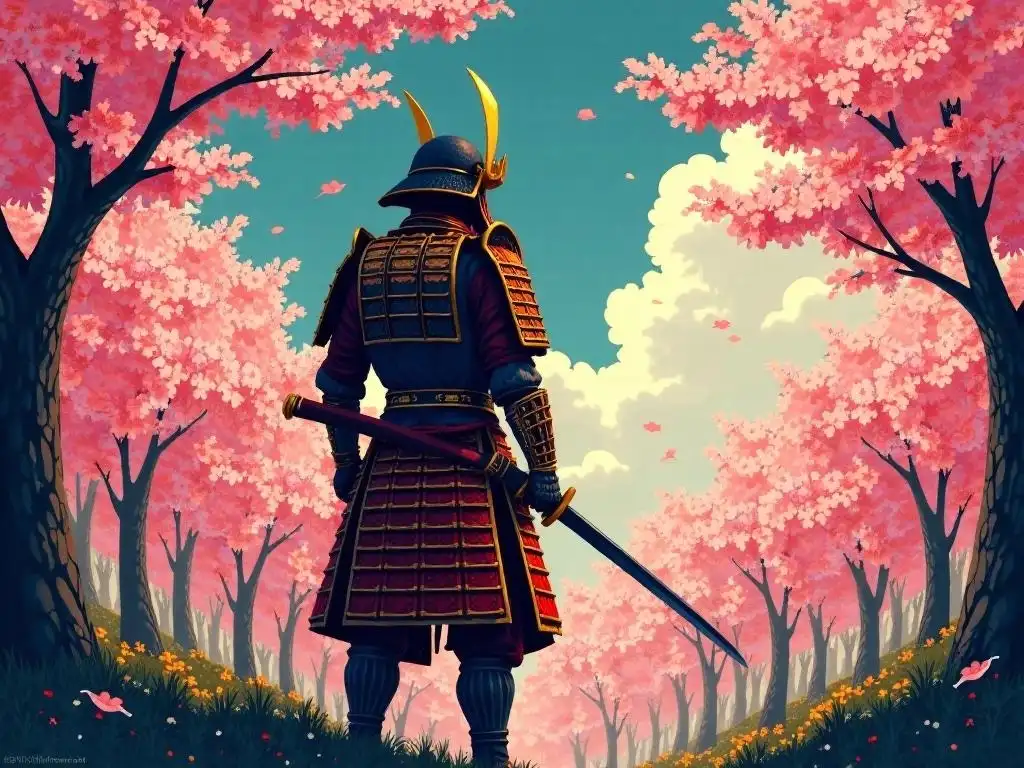
Welcome to Feudal Japan History, where we embark on a captivating journey through the intricate tapestry of Japan's feudal era. Here, we delve into the fascinating Samurai code of ethics, a cornerstone of military conduct that shaped not only the warriors of the time but also the very culture of Japan. Are you ready to uncover the profound principles that governed a samurai's life and actions in warfare? Join us as we explore the depths of honor, loyalty, and discipline that defined these legendary figures. The story unfolds—dive in to discover the essence of the samurai spirit!
Introduction to the Samurai Code of Ethics
The Samurai code of ethics, often encapsulated in the term Bushido (the "way of the warrior"), represents a complex set of moral principles and values that guided the conduct of samurai warriors throughout Japan’s feudal period. This code not only shaped their behaviors in battle but also influenced their interactions within society, emphasizing virtues such as loyalty, honor, and discipline.
As we delve into the intricacies of this code, we will uncover its profound impact on both warfare and the cultural landscape of feudal Japan. Understanding these ethical frameworks is essential for grasping the samurai's role and legacy in Japanese history, especially as it relates to military conduct and societal expectations.
Overview of Samurai Culture and Values
The samurai were not merely warriors; they were a distinct social class with a rich cultural identity deeply rooted in Confucian principles and Zen Buddhism. Their values can be summarized as follows:
- Honor (Meiyo): The samurai's reputation was paramount, and maintaining honor was often considered more important than life itself.
- Loyalty (Chūgi): A samurai’s loyalty to their lord was absolute, often leading to personal sacrifice.
- Courage (Yū): Bravery in the face of danger was a highly regarded trait, with samurai expected to confront fear head-on.
- Respect (Sonkei): Respect towards others, including enemies, was essential, reflecting the samurai’s noble status.
- Self-Discipline (Shūjitsu): Rigorous self-control was necessary, fostering a mindset conducive to both warfare and personal development.
These values were not only crucial in battle but also formed the foundation of samurai life, influencing their art, literature, and philosophy.
Importance of Ethics in Samurai Warfare
The ethical framework of the samurai was critical during warfare, as it dictated not just how battles were fought but also the principles governing their engagement. The samurai believed that:
- Warriors should fight for a just cause: Engaging in battle was not merely for personal gain but for the honor and protection of one’s lord and country.
- Mercy and respect towards enemies: Even in combat, samurai were expected to show respect towards their adversaries, often adhering to certain rules of engagement that prevented unnecessary cruelty.
- Acceptance of death: The samurai's acceptance of death, illustrated by the concept of seppuku (ritual suicide), was a testament to their commitment to honor above life.
These ethical considerations not only shaped individual conduct but also influenced broader societal norms regarding warfare.
Historical Context of Samurai Ethics
To fully appreciate the samurai code of ethics, it is essential to explore its historical context. The evolution of the samurai code reflects the changing dynamics of feudal Japan, influenced by political, social, and spiritual developments.
The Evolution of Samurai Code Throughout Feudal Japan
The samurai code evolved significantly from the Heian period (794-1185) to the Edo period (1603-1868). Initially, samurai were primarily mercenaries for the noble class, but as they gained power, their roles transformed. Key milestones include:
- Kamakura Period (1185-1333): The rise of the Kamakura shogunate marked the beginning of a more defined samurai class, where loyalty and honor became institutionalized.
- Muromachi Period (1336-1573): The tumultuous nature of this era led to a more robust formulation of Bushido, emphasizing loyalty and martial prowess.
- Edo Period (1603-1868): With peace established, samurai shifted from warriors to bureaucrats, yet the ethical code remained vital, guiding their conduct in governance and daily life.
This evolution illustrates how the samurai adapted their ethical principles to fit the changing political landscape while maintaining core values.
Influence of Bushido on Samurai Warfare Ethics
Bushido, often referred to as the samurai's "way of life," was instrumental in shaping the ethical standards governing warfare. It is characterized by:
- Moral training: Samurai were trained not just in martial skills but also in ethics and philosophy, ensuring that their conduct in warfare reflected their values.
- Spiritual dimensions: The integration of Zen Buddhism encouraged a mindset of calmness and acceptance, influencing how samurai approached battle and death.
- Legacy and literature: Texts such as "Hagakure" and "The Book of Five Rings" codified these ethical principles, ensuring their transmission through generations.
As we explore the samurai code of ethics further in this article, we will analyze its lasting impact on both samurai warfare and the broader cultural narrative of Japan.
Key Principles of the Samurai Code of Ethics
The Samurai code of ethics, known as Bushido, encompasses a set of principles that guided the behavior and mindset of the samurai class during Japan's feudal era. Central to this code are several key principles that shaped not only their conduct in warfare but also their daily lives. These principles include honor, loyalty, courage, respect, and compassion.
The samurai viewed these ethical guidelines as essential to maintaining their social status, personal integrity, and moral responsibilities. Upholding the code was not merely a matter of personal choice; it was a societal expectation that reinforced the samurai's role as both a warrior and a protector of the realm. Each principle interlinked, creating a comprehensive ethical framework that defined the samurai's identity and purpose.
Honor and Loyalty in Samurai Warfare
Honor was perhaps the most revered principle of the samurai code. A samurai's honor was intrinsically tied to their reputation, which could be tarnished by dishonorable acts. Therefore, samurai were compelled to act with integrity and to uphold their word. An act of disloyalty or betrayal could lead to a samurai losing their honor, which was often regarded as worse than death itself.
Loyalty was equally paramount in the samurai's worldview. Samurai were expected to serve their lords (daimyō) with unwavering loyalty, often placing their lord's needs above their own lives. This loyalty forged a bond that transcended mere feudal obligation; it was a matter of duty and respect. Samurai demonstrated this loyalty through acts of valor in battle and a commitment to protect their lord's interests, often involving significant personal sacrifice.
Courage and Valor as Ethical Imperatives
Courage and valor were essential components of the samurai code, integral to their identity as warriors. Samurai were trained from a young age to face fear and adversity head-on. This not only applied to physical confrontations in battle but also to moral challenges they might encounter. Engaging in combat required more than just physical prowess; it demanded the courage to stand firm in one's beliefs and to uphold the samurai's ethical standards, even in the face of death.
Valor, a direct manifestation of this courage, was often celebrated in tales and legends. Samurai sought to embody valor by engaging in honorable combat, demonstrating skill, and facing their opponents without deceit or treachery. The courage to fight justly and with integrity was seen as a reflection of a samurai's true character.
Respect and Compassion: The Human Side of Warfare
While the samurai were fierce warriors, their code also emphasized respect and compassion. Respect was not only directed toward fellow samurai but also extended to enemies, the battlefield, and the natural world. This principle dictated that even in warfare, a samurai should treat their adversaries with dignity, recognizing their humanity.
Compassion played a critical role in how samurai approached conflict. They were expected to avoid unnecessary bloodshed and to show mercy when possible, particularly to those who surrendered. This aspect of the samurai code highlighted a belief in the sanctity of life, promoting the idea that warfare was a means to protect and serve rather than merely a pursuit of power or glory.
The Role of Bushido in Shaping Samurai Ethics
Bushido, the "way of the warrior," was the overarching philosophy that shaped the samurai code of ethics. It provided a structured framework that encompassed not just the principles of warfare but also the samurai's conduct in daily life. Rooted in Zen Buddhism, Confucianism, and Shinto, Bushido emphasized the importance of self-discipline, moral integrity, and the pursuit of personal excellence.
Bushido's influence was profound, permeating the samurai's psyche and guiding their actions. It was this philosophy that allowed the samurai to reconcile the duality of their existence as both noble defenders of their lords and skilled warriors engaged in brutal combat.
Core Tenets of Bushido
The core tenets of Bushido include rectitude, courage, benevolence, respect, honesty, honor, and loyalty. Each of these virtues shaped the samurai's ethical framework and influenced their decisions in various aspects of life.
- Rectitude: The ability to make the right decision without hesitation.
- Courage: The mental strength to face fear and adversity.
- Benevolence: Showing kindness and compassion toward others.
- Respect: Valuing the dignity of all individuals.
- Honesty: Upholding truthfulness in all interactions.
- Honor: Maintaining one’s reputation and integrity.
- Loyalty: Devotion to one’s lord, family, and comrades.
These tenets not only guided samurai conduct in battle but also dictated their interactions with society, creating a model of behavior that was both disciplined and principled.
How Bushido Influenced Samurai Combat Strategies
Bushido profoundly influenced samurai combat strategies by instilling a sense of ethical conduct even in warfare. Samurai warriors were trained to engage in battles that aligned with their moral beliefs, often avoiding ambushes and deceitful tactics. They believed that victory achieved through honorable means was far more valuable than one gained through treachery.
Moreover, Bushido encouraged the development of a unique combat style that emphasized skill and technique over sheer brute strength. The samurai adopted strategies that highlighted their training in martial arts, including swordsmanship, archery, and horseback riding. The result was a sophisticated approach to warfare that sought to minimize unnecessary violence while upholding the samurai's ethical standards.
In essence, the principles of Bushido not only shaped the samurai's identity but also transformed the nature of warfare in feudal Japan, creating a legacy that continues to influence perceptions of honor and ethics in martial practices today.
Ethical Dilemmas Faced by Samurai in Warfare
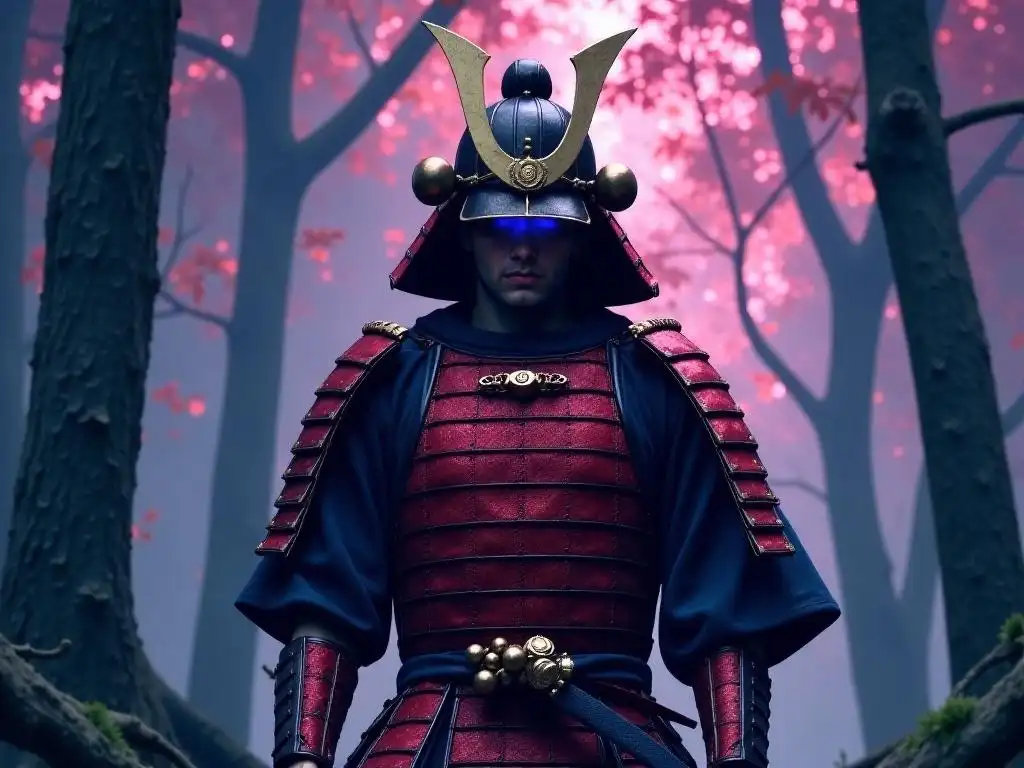
The samurai, as the warrior class of feudal Japan, were bound by a strict code of ethics known as Bushido, which emphasized virtues such as loyalty, honor, and bravery. However, the realities of warfare often presented ethical dilemmas that challenged these principles. Samurai were faced with difficult decisions that could pit their duty to their lord against their personal moral beliefs.
One significant ethical dilemma revolved around the treatment of enemies and captives. While Bushido advocated for honor in combat, the chaotic nature of war sometimes necessitated brutal measures. Samurai were required to balance their duty to defeat enemies with the ethical consideration of mercy. This often led to conflicts, especially when they had to decide whether to execute a subdued foe or spare their life.
Additionally, the samurai faced moral challenges regarding loyalty. In cases where a lord’s demands conflicted with the samurai’s personal values, such as executing innocent civilians or fighting unjust wars, the samurai had to navigate these treacherous waters carefully. The decision to act against the orders of a lord could result in severe consequences, including loss of status or death, yet maintaining personal integrity was equally vital.
Balancing Duty and Humanity During Battles
During battles, samurai wrestled with the tension between their duty to their lord and their innate sense of humanity. The Bushido code emphasized loyalty above all else, often requiring samurai to engage in battles that felt morally questionable. For instance, many samurai believed in protecting the weak and innocent, but warfare often led them to confront scenarios where they had to choose between their lord’s orders and their ethical beliefs.
In the heat of combat, the samurai's training and discipline were put to the test. They were taught to remain stoic and composed, yet the chaos of battle could evoke profound emotional responses. Samurai sometimes found themselves grappling with the consequences of their actions, reflecting on the lives they took and the collateral damage inflicted upon the civilian population.
Moreover, the samurai’s code urged them to seek honor in combat. This meant engaging in fair fights and avoiding underhanded tactics. However, as wars escalated and the stakes heightened, the lines between honor and survival blurred, leading to ethical quandaries regarding how far one should go to achieve victory.
The Impact of Ethical Decisions on Samurai Reputation
The reputation of a samurai was paramount and often dictated their standing within society. Ethical decisions made during warfare could have lasting implications for a samurai's honor and legacy. A samurai known for noble conduct, even in the face of brutal warfare, would be revered and respected, whereas those who acted dishonorably faced scorn and disgrace.
Reputation was not only a matter of personal standing but also affected the clan's honor. A samurai's actions could reflect on their lord and peers, potentially leading to a broader reputation for the entire clan. Consequently, ethical decision-making was not taken lightly; it was a collective concern that influenced familial and clan dynamics.
Furthermore, samurai were often chronicled in historical texts and folklore, where their ethical choices were immortalized. These accounts served as lessons for future generations, reinforcing the importance of moral integrity in warfare and the consequences of straying from the samurai code of ethics.
Case Studies of Samurai Ethics in Action
To illustrate the principles of samurai ethics in warfare, several notable case studies shed light on how these warriors navigated complex moral landscapes. These cases reflect the broader themes of duty, honor, and the personal struggles faced by samurai during significant historical events.
Notable Samurai Leaders and Their Ethical Choices
Several samurai leaders are renowned for their ethical choices during warfare, exemplifying the ideal of Bushido. One such figure is Minamoto no Yoshitsune, who, despite being a formidable warrior, displayed compassion towards his enemies. After defeating the Taira clan, he is said to have spared the lives of captives, reflecting a deep understanding of the value of mercy in warfare.
Another prominent example is Oda Nobunaga, whose strategic decisions during his campaigns often sparked controversy. While he was known for his ruthless tactics, there were instances where he chose to negotiate rather than engage in unnecessary bloodshed, illustrating the complexity of samurai ethics in the context of ambition and loyalty.
Analysis of Famous Battles Through the Lens of Samurai Ethics
Examining famous battles, such as the Battle of Sekigahara, provides insight into the ethical considerations that samurai faced. This pivotal encounter in 1600 not only marked the end of the Sengoku period but also showcased the conflicts between personal loyalties and broader political motivations. Samurai on both sides grappled with the implications of their choices, weighing their duty to their lords against their understanding of what constituted a just cause.
Another significant battle is the Siege of Osaka, where ethical dilemmas were prevalent, particularly regarding the treatment of civilian populations and prisoners. Samurai leaders had to decide how to conduct themselves in a protracted conflict where the lines between right and wrong were often obscured by the chaos of war.
Through these case studies, it becomes evident that samurai ethics were not merely theoretical constructs but practical guides that influenced behavior in the heat of battle, shaping the legacy of these warriors for generations to come.
The Legacy of the Samurai Code of Ethics
The Samurai code of ethics, known as Bushido, has left an indelible mark on Japanese history and culture. This code, which emphasizes virtues such as loyalty, honor, and discipline, shaped not only the lives of the samurai but also the broader societal norms of Japan. Emerging during the Kamakura period (1185-1333), Bushido provided a framework for warriors, influencing their conduct in battles and their relationships with lords and peers. The principles of Bushido became deeply embedded in the national psyche, affecting everything from martial arts practices to contemporary business ethics.
The legacy of the samurai code transcends mere historical relevance; it continues to resonate in modern Japan. Elements of Bushido are visible in various aspects of Japanese culture, including literature, arts, and even corporate practices. The emphasis on honor and respect informs interpersonal relationships, while the disciplined approach to work mirrors the samurai's commitment to their craft. This enduring legacy demonstrates how the samurai's ethical tenets have evolved, maintaining significance in a rapidly changing world.
Influence on Modern Japanese Society and Culture
The influence of the samurai code of ethics on modern Japanese society is profound. Bushido has informed the moral compass of contemporary Japan, where values such as honor, loyalty, and respect remain highly regarded. In the realm of education, Bushido principles are often incorporated into curricula, fostering a sense of discipline and responsibility among students. The samurai's dedication to self-improvement and mastery is echoed in the Japanese pursuit of perfection, seen in practices ranging from tea ceremonies to martial arts.
Moreover, the samurai code has permeated popular culture through films, literature, and anime, portraying the samurai as idealized figures that embody the virtues of Bushido. This representation reinforces the cultural significance of these ethical principles, inviting both admiration and emulation. Even in business, the samurai spirit manifests through concepts like wa (harmony) and giri (duty), shaping corporate ethics and leadership styles in Japan.
Reflections on the Samurai Code in Contemporary Warfare Ethics
In contemporary discussions of warfare ethics, the samurai code offers a unique perspective that contrasts sharply with modern military doctrines. While modern warfare often emphasizes strategic advantage and technological superiority, the samurai code prioritizes honor and ethical conduct in battle. The samurai engaged in combat not only for survival but also out of a deep sense of duty to their lord and their own moral convictions. This perspective is increasingly relevant as military forces around the world grapple with ethical dilemmas in asymmetric warfare and counter-terrorism operations.
The principles of Bushido can inspire modern military personnel to consider the moral implications of their actions, fostering a culture of accountability and respect for both allies and adversaries. As global conflicts evolve, the samurai code serves as a reminder that ethics in warfare are not solely about victory or defeat; they are also about the integrity of the warrior and the values they uphold on the battlefield.
Conclusion
The exploration of the samurai's code of ethics reveals a complex interplay between honor, duty, and morality that has shaped not only the samurai themselves but also broader Japanese society. As we reflect on the legacy of Bushido, it becomes evident that its impact is both historical and contemporary, offering valuable insights into ethical conduct in various domains.
The Lasting Impact of the Samurai Code of Ethics on Military History
The samurai code of ethics has had a lasting impact on military history, influencing not only Japanese warfare but also the evolution of martial codes globally. The principles of Bushido have been adapted and integrated into various military traditions, resonating with the universal themes of honor and loyalty. This cross-cultural exchange highlights the enduring relevance of ethical frameworks in shaping the conduct of warriors throughout history.
As military leaders study the samurai's approach to ethics, they recognize the importance of integrating moral considerations into strategy and operations. The legacy of Bushido prompts us to evaluate the human cost of warfare and to aspire toward a more ethical approach to conflict resolution.
Final Thoughts on the Relevance of Samurai Ethics Today
In today’s world, where ethical challenges abound in both personal and professional spheres, the relevance of the samurai code of ethics remains striking. The ideals of loyalty, honor, and self-discipline championed by the samurai resonate with contemporary values and serve as a source of inspiration.
As societies navigate complex moral landscapes, revisiting the lessons of Bushido can provide guidance. The samurai's commitment to ethical conduct, even amidst the chaos of warfare, emphasizes the importance of integrity in all endeavors, inviting us to reflect on our own values and actions in the modern context. Ultimately, the samurai code of ethics is not merely a relic of the past; it is a living legacy that continues to inform our understanding of ethics and honor today.
- Introduction to the Samurai Code of Ethics
- Historical Context of Samurai Ethics
- Key Principles of the Samurai Code of Ethics
- The Role of Bushido in Shaping Samurai Ethics
- Ethical Dilemmas Faced by Samurai in Warfare
- Case Studies of Samurai Ethics in Action
- The Legacy of the Samurai Code of Ethics
- Conclusion
Frequently Asked Questions
What is the Samurai code of ethics?
The Samurai code of ethics, also known as Bushido, represents a set of moral principles that guided the behavior and values of the Samurai class in feudal Japan, emphasizing honor, loyalty, and discipline.
How did the Samurai code influence Japanese society?
The Samurai code of ethics greatly influenced Japanese society by promoting values such as courage, benevolence, and integrity, which shaped social norms and interactions among different classes during the feudal era.
What are the key principles of Bushido?
Key principles of Bushido include rectitude, courage, benevolence, respect, honesty, honor, and loyalty. These principles were fundamental in guiding the conduct of Samurai both in warfare and in daily life.
How did the Samurai code affect warfare practices?
The Samurai code of ethics dictated that warfare should be conducted with honor and respect for the enemy, often encouraging a sense of nobility in battle rather than sheer brutality, which was a distinctive feature of Samurai warfare.
Is the Samurai code of ethics still relevant today?
While the Samurai code of ethics is rooted in feudal Japan, its principles continue to resonate in modern Japanese culture, influencing concepts of discipline and respect in various aspects of life, including business and martial arts.
Final Reflection: Embracing the Samurai Code of Ethics in Modern Life
The principles of the Samurai code of ethics resonate profoundly in today's world, where honor, discipline, and respect are often overshadowed by chaos and conflict. As we navigate through our daily lives, the values upheld by the Samurai remind us of the importance of integrity and moral courage in our actions. In a time when ethical dilemmas abound, the Samurai's unwavering commitment to their code serves as a beacon of hope and guidance, urging us to reflect on our own values and choices.
The Samurai code of ethics has not only shaped historical narratives but continues to influence contemporary culture and social dynamics. From literature and film to personal development, the ideals of Bushido—loyalty, honor, and self-discipline—encourage individuals to strive for excellence and cultivate a sense of purpose. As the renowned author and philosopher, Joseph Campbell, once said, "> The cave you fear to enter holds the treasure you seek." This quote encapsulates the essence of the Samurai's journey, urging us to confront our fears and embrace the challenges that lead to personal growth and fulfillment.
As we conclude this exploration of the Samurai's code of ethics, I invite you to reflect on how these timeless principles can be woven into the fabric of your own life. Consider the ways in which you can embody honor, respect, and discipline in your daily interactions and decisions. By embracing the spirit of the Samurai, we can forge a path toward a more ethical and meaningful existence, ultimately contributing to a world that values integrity and compassion. Let us carry forward the lessons of the Samurai, allowing their legacy to inspire us to become better versions of ourselves.
Embrace the Samurai Spirit: Take Action Today!
Thank you for exploring the fascinating world of the Samurai’s code of ethics in warfare. By delving into their principles, you’ve uncovered timeless lessons on honor, discipline, and resilience that resonate in today’s life. Now, let’s turn this inspiration into action!
Here’s how you can embody the Samurai spirit in your daily routine:
- Reflect on Integrity: Spend ten minutes tonight journaling about a situation where you upheld your values or could have improved your response. Consider how you can incorporate honor into your everyday life.
- Share the Wisdom: Introduce a friend or colleague to the values of the Samurai. Share this article to spark a conversation about ethics and honor in our modern world.
- Explore Further: Dive deeper into the history of the Samurai through insightful books or documentaries. You might also consider visiting local museums or exploring virtual exhibitions that showcase Samurai artifacts.
What will you commit to today that aligns with the honor and integrity of the Samurai?