
Footwear of the Feudal Elite: The Significance of Geta and Zori

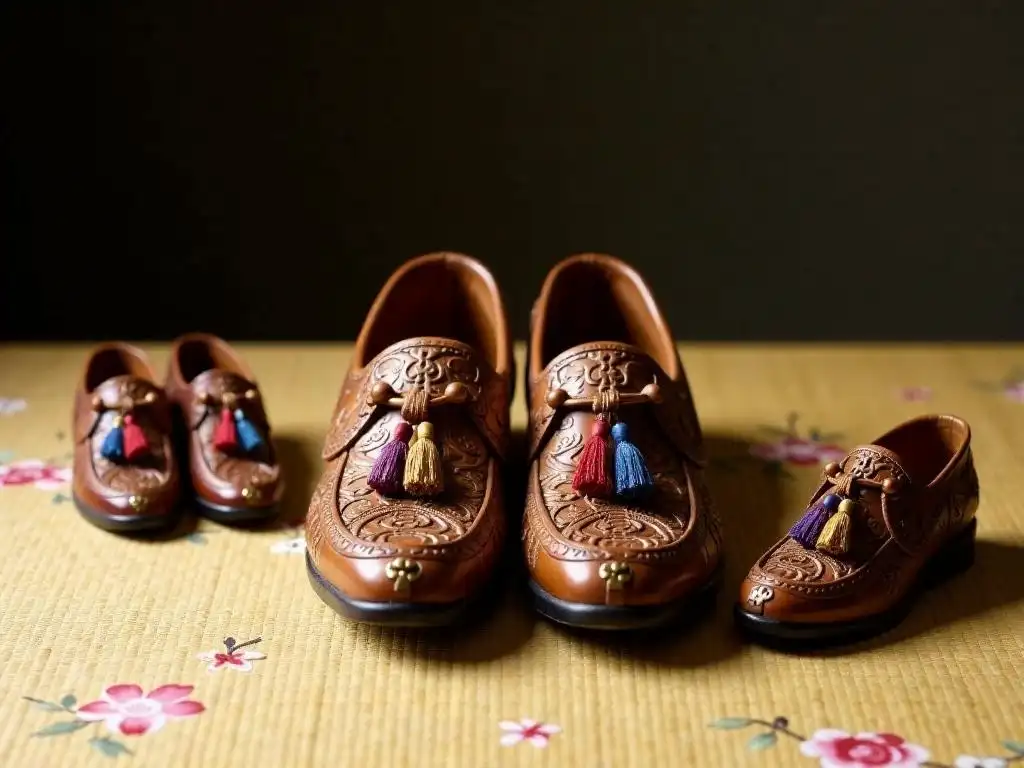
Welcome to Feudal Japan History, where we embark on a fascinating journey through the intricate tapestry of Japan’s feudal era. Here, we delve into the daily life and societal nuances that defined a remarkable period in history. In our featured article, we explore the significance of footwear among the feudal elite, examining the cultural importance of geta and zori. What secrets do these traditional shoes hold about status, identity, and daily life in feudal Japan? Join us as we uncover the stories behind each step taken by the elite and enrich your understanding of this captivating era.
- Introduction to Feudal Japan Footwear Significance
- Historical Context of Footwear in Feudal Japan
- The Role of Geta in Feudal Japanese Society
- The Role of Zori in Feudal Japanese Culture
- Comparative Analysis: Geta vs. Zori
- The Craftsmanship Behind Feudal Footwear
- Footwear as a Reflection of Feudal Society
- Conclusion: The Enduring Legacy of Feudal Japan Footwear
- Further Reading on Feudal Japan Clothing and Fashion
- Frequently Asked Questions
- Final Reflection: The Enduring Legacy of Feudal Japan Footwear
- Step into History: Embrace the World of Feudal Footwear!
Introduction to Feudal Japan Footwear Significance
The study of footwear in Feudal Japan reveals much more than mere fashion choices; it opens a window into the intricate social hierarchies, cultural practices, and artistic expressions of the time. The significance of footwear such as geta and zori extends far beyond their functional purpose, embodying the values and norms of a society deeply attuned to aesthetics, status, and tradition.
This article delves into the rich tapestry of Feudal Japan's footwear, examining how these items were not only essential for daily life but also served as powerful symbols of identity and class. By understanding the significance of footwear in this historical context, we gain insight into the broader societal dynamics of Feudal Japan.
Overview of Footwear in Feudal Japan
In Feudal Japan, footwear was a vital component of both daily life and ceremonial occasions. The two most prominent types of footwear were geta and zori, each serving distinct purposes and reflecting varying aspects of social standing.
- Geta:
- Typically made of wood, geta are elevated sandals characterized by their unique design featuring two wooden posts beneath the sole.
- Initially designed for outdoor use, they were particularly popular among the working class and rural populations, allowing for better mobility in wet and muddy conditions.
- Zori:
- Made from rice straw, cloth, or leather, zori are flat sandals that became associated with more formal settings.
- These were often worn by the elite and during significant events, representing a refined sense of style.
As footwear evolved, it mirrored changes in social norms, gender roles, and fashion trends. The craftsmanship of these items became a reflection of the artisans' skills and the wearers' status, with intricate designs and materials denoting wealth and prestige.
Footwear in Feudal Japan was imbued with cultural significance, impacting social interactions and perceptions. The choice between geta and zori could indicate one's social class, occupation, and even regional affiliation. Some key aspects of this significance include:
- Symbol of Status:
- The type of footwear one wore was often a direct reflection of their social rank. For instance, noble classes favored zori made from luxurious materials, while commoners typically wore simpler, more utilitarian footwear.
- Cultural Expressions:
- Footwear also played a role in traditional ceremonies, festivals, and rituals, where specific styles were worn to convey respect and adherence to cultural customs.
- Gender Dynamics:
- The design and use of footwear varied significantly between genders, with women's footwear often being more elaborate, highlighting their roles within society.
Understanding the significance of footwear like geta and zori in Feudal Japan provides a deeper appreciation of how daily life, cultural practices, and societal structures intertwined during this fascinating era. The legacy of these historical footwear styles continues to influence modern Japanese fashion, making their study relevant even today.
Historical Context of Footwear in Feudal Japan
The history of footwear in Feudal Japan is deeply intertwined with the social, cultural, and economic developments of the era, spanning from the late 12th century to the 19th century. Footwear not only served a practical purpose but also acted as a status symbol, reflecting the hierarchical structure of society.
During this period, the footwear styles evolved significantly, influenced by the changing roles of the samurai, the rise of merchants, and the increasing interaction with foreign cultures. The most prevalent types of traditional footwear were geta and zori, each serving distinct functions and worn in different contexts.
Evolution of Footwear Styles During the Feudal Era
The evolution of footwear styles during the Feudal Era can be traced through several key phases:
- Early Years (12th - 14th Century)
- Geta: Initially made of wood, geta comprised raised platforms with a thong that secured the foot. They were often worn by peasants and laborers due to their durability and ability to keep feet dry in wet conditions.
- Zori: Woven from rice straw or cloth, zori emerged as a more refined option, primarily for the nobility. They were flat and comfortable, suitable for indoor settings.
- Muromachi Period (14th - 16th Century)
- Footwear began to reflect the aesthetic preferences of the upper classes. Geta became more decorative, featuring intricate designs and higher platforms, while zori saw the introduction of luxurious materials, such as brocade.
- The influence of Zen Buddhism led to simpler designs, embodying the principles of minimalism and elegance.
- Edo Period (17th - 19th Century)
- This period marked the peak of the samurai class and the flourishing of urban culture. Footwear became a canvas for artistic expression, with elaborate patterns and colors.
- Geta were often customized with elaborate carvings, while zori transformed into more sophisticated versions, including those adorned with silk and intricate braiding.
The transition from practical to symbolic footwear highlights the complex interplay of utility and artistry in Feudal Japan's daily life.
Influence of Class and Status on Footwear Choices
Footwear choices in Feudal Japan were significantly influenced by class and status, serving as a visual representation of one’s position in society. The following points illustrate this phenomenon:
- Samurai Class:
- Samurai typically wore geta with elevated platforms that denoted their status. The height and decoration of the geta could indicate rank, with higher platforms often associated with higher status.
- The material and craftsmanship of their zori reflected their wealth, with the most affluent samurai opting for those made from expensive fabrics and adorned with intricate designs.
- Nobility:
- The nobility favored zori for formal occasions, often selecting pairs made from luxurious silks and embellished with decorative stitching.
- Geta were also worn, but their designs were more ornate and often showcased the latest trends in fashion, indicating the owner’s awareness of societal shifts.
- Commoners:
- Commoners predominantly wore simple geta, designed for durability and practicality in everyday life. A lack of embellishment was typical, as ostentation was frowned upon among the lower classes.
- However, variations in color and style did exist, allowing individuals to express personal identity while adhering to social norms.
The footwear of Feudal Japan was not merely a functional item but a profound representation of the social structure. Each type of footwear carried its own significance, with the styles and materials chosen reflecting the wearer’s class and status in a meticulously stratified society.
The Role of Geta in Feudal Japanese Society
Description and Characteristics of Geta
Geta are traditional Japanese wooden sandals that have been an integral part of Japanese footwear since ancient times. Typically made from a wooden base elevated by two teeth (often referred to as "ha"), geta were designed to keep the wearer’s feet above muddy or wet ground. The unique structure allows for ease of movement, as the elevated design provides a certain level of stability.
The materials used in crafting geta vary, with common choices including cedar and cypress for the base, complemented by cotton or silk straps (called "hanao") that provide comfort and support. The aesthetic appeal of geta is notable; they often feature intricate designs painted or carved into the wood, reflecting the craftsmanship of the era.
The height of the geta can also vary, with some styles being quite tall, particularly among the samurai class, who wore them to signify their status. The sound produced by geta while walking—often described as a rhythmic clacking—further accentuated the presence of the wearer, making them a distinctive element of feudal Japanese life.
Symbolism of Geta Among the Feudal Elite
In the context of feudal Japan, footwear was more than just a practical necessity; it served as a status symbol, particularly among the elite classes. Geta, with their unique design and craftsmanship, represented a connection to tradition and societal hierarchy.
For the samurai, wearing geta was a way to assert their identity and honor. The choice of material, height, and embellishments of the geta often conveyed the wearer’s rank and wealth. For instance, a samurai might wear taller geta adorned with elaborate motifs during formal occasions, emphasizing their elevated social standing.
In addition to their practical use, geta also held spiritual significance. They were sometimes believed to ward off evil spirits, particularly when worn during specific festivals or rituals. This belief underscored the connection between footwear and the spiritual life of the feudal elite, positioning geta not merely as fashion items but as talismans that carried cultural meaning.
Geta in Daily Life and Special Occasions
The role of geta extended beyond mere status symbols; they were essential in both daily life and special occasions. In everyday settings, the practicality of geta made them a favored choice for the samurai and nobility, especially in rural areas where mud and uneven terrain were common. The elevated design allowed for greater comfort and maneuverability, making them suitable for various activities.
During special occasions, such as weddings, festivals, and ceremonial events, the significance of geta was amplified. For weddings, brides often wore ornate geta decorated with beautiful fabrics and intricate designs, symbolizing purity and elegance. Similarly, during festivals like the Gion Matsuri, participants donned elaborate geta that showcased their cultural heritage and community pride.
The transition from daily wear to ceremonial use demonstrates the versatility and importance of geta in feudal Japan. It encapsulates the interplay between functionality, aesthetics, and cultural significance within the framework of feudal society, illustrating how footwear was deeply embedded in the fabric of daily life and special traditions.
The footwear of the feudal elite—especially the iconic geta—highlights not only the practical aspects of daily life but also the rich tapestry of symbolism and cultural significance in feudal Japan. Understanding the role of geta provides valuable insights into the societal structures and cultural practices that defined this era.
The Role of Zori in Feudal Japanese Culture
Description and Characteristics of Zori
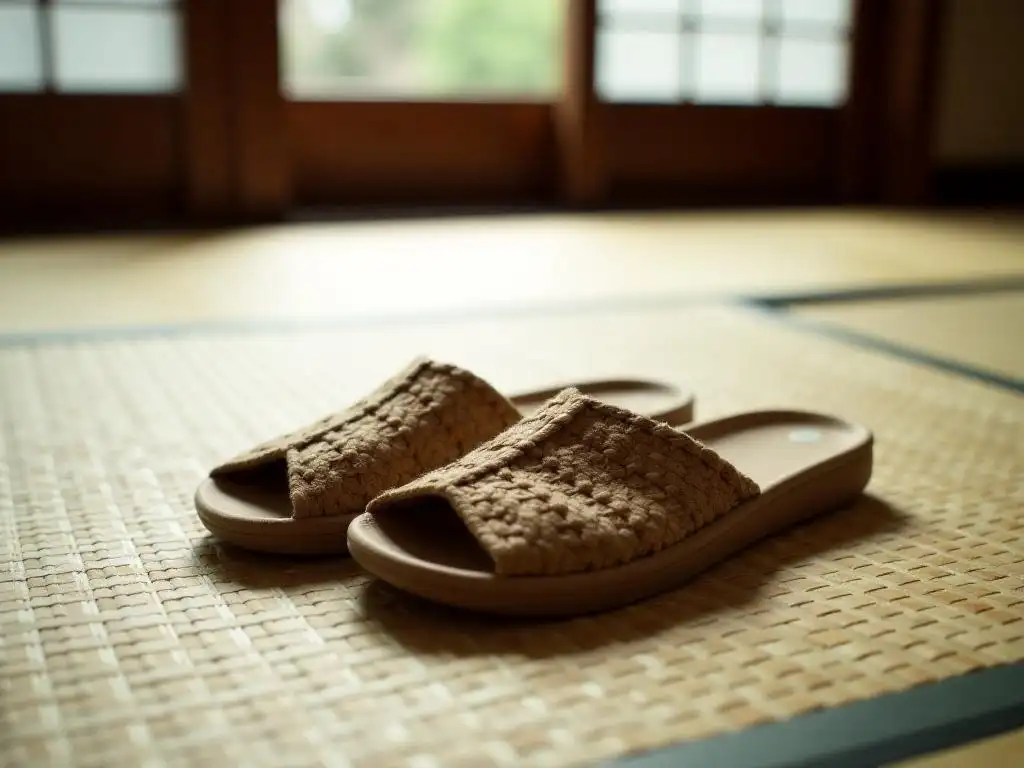
Zori are a traditional type of Japanese sandal that have played a significant role in the footwear landscape of Feudal Japan. Typically made from rice straw, wood, or synthetic materials, zori feature a flat sole and a thong that passes between the first and second toes. This design not only offers comfort but also reflects the aesthetic sensibilities of the time.
The construction of zori varies by region and purpose. For example, the more luxurious types were created for the samurai class and the wealthy, often adorned with ornate decorations or crafted from high-quality materials such as silk. In contrast, simpler versions were more common among the peasantry, emphasizing practicality and durability over embellishment.
| Material | Description |
|---|---|
| Rice Straw | Commonly used for everyday zori, lightweight and breathable. |
| Wood | Often used for formal occasions, providing a more stable base. |
| Synthetic | Emerged later, combining comfort with modern styles. |
The versatility of zori allowed them to be worn in various settings, from casual outings to formal ceremonies, further embedding them into the cultural fabric of Feudal Japan.
The significance of zori transcends mere functionality; they also symbolize the social hierarchy prevalent in Feudal Japan. For the elite, zori served as a status symbol. Elaborate designs and the use of luxurious materials indicated wealth and prestige. For instance, samurai often wore zori made from fine silk, which not only provided comfort but also showcased their elevated social standing.
Conversely, the commoners wore more humble versions of zori constructed from less expensive materials. Despite their simplicity, these sandals were essential to daily life, allowing for mobility across various terrains, particularly in rural areas where the ground could be uneven or muddy.
Social Class vs. Footwear Type
- Samurai and Nobility:
- Luxurious materials (e.g., silk)
- Ornate designs
- Often paired with formal garments
- Commoners:
- Made from straw or simple wood
- Functional and durable
- Worn with everyday clothing
This distinction in zori demonstrates how footwear not only catered to the practical needs of different classes but also mirrored their respective societal roles and identities.
Zori in Cultural Practices and Ceremonies
Zori held significant importance in various cultural practices and ceremonies throughout Feudal Japan. They were commonly worn during traditional celebrations, religious ceremonies, and even during periods of mourning. The choice of zori often reflected the context of the occasion.
In formal settings, such as weddings or tea ceremonies, the type of zori selected could convey respect and adherence to cultural norms. For instance, during tea ceremonies, it was customary to wear zori made from refined materials, symbolizing purity and attention to detail.
Moreover, zori were integral to the practice of bowing. The flat sole design allowed for seamless transitions between standing and kneeling, which was essential in social interactions, particularly among the samurai class where etiquette was paramount.
Key Cultural Contexts for Zori
- Weddings:
- Elegant zori to signify the importance of the event.
- Tea Ceremonies:
- Specific styles chosen for their aesthetic harmony and respect for tradition.
- Festivals:
- Brightly colored or patterned zori to celebrate community and culture.
The intricate relationship between zori and cultural practices illustrates how footwear transcended its basic utility, becoming a vital element of identity and tradition in Feudal Japan.
Comparative Analysis: Geta vs. Zori
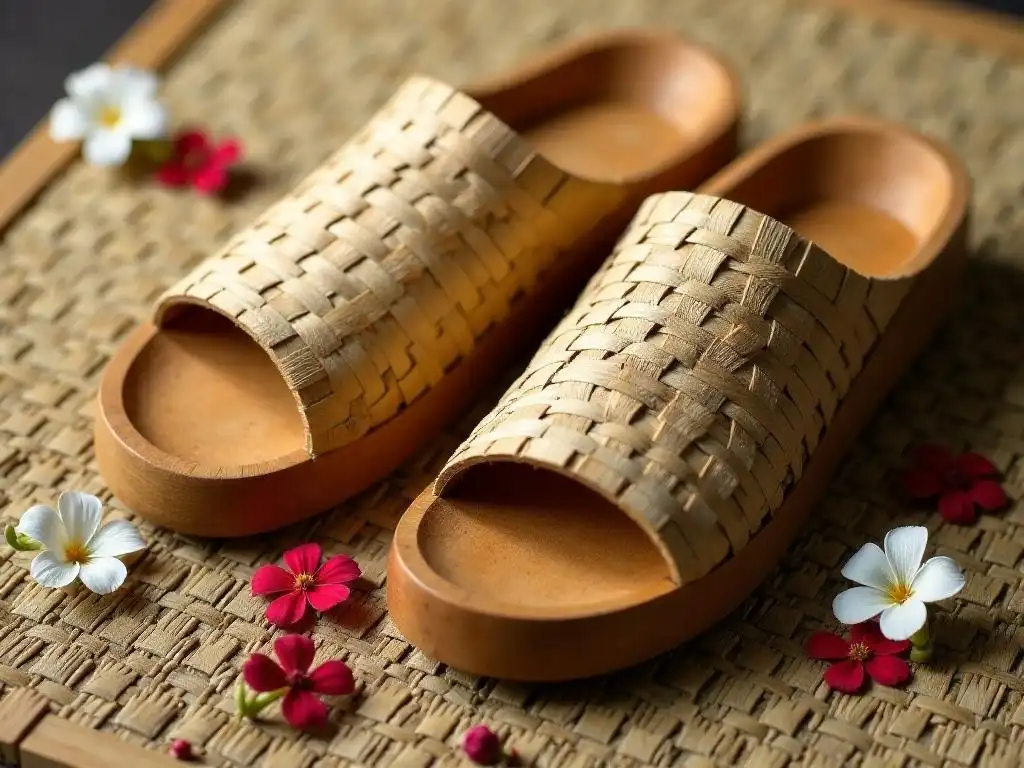
In the realm of Feudal Japan footwear significance, two prominent types of traditional footwear stand out: geta and zori. Both serve not only functional purposes but also hold deep cultural meanings. This section will explore the key differences, advantages, disadvantages, and cultural significance of each type of footwear, providing a comprehensive understanding of their roles in feudal society.
Key Differences Between Geta and Zori
When comparing geta and zori, several factors set them apart:
| Feature | Geta | Zori |
|---|---|---|
| Design | Elevated wooden base with two upright teeth | Flat, woven or fabric sole |
| Material | Typically made from wood | Often made from straw, cloth, or synthetic materials |
| Usage | Commonly worn outdoors | Primarily used indoors |
| Seasonality | Suitable for rainy weather | Preferred in dry conditions |
| Cultural Associations | Associated with the working class and informal settings | Linked to formal attire and ceremonies |
Geta's elevated design is particularly advantageous during the rainy season, as the raised platform keeps the wearer above puddles and mud. In contrast, zori's flatter design is ideal for indoor use, making it a staple for formal occasions and ceremonies.
Advantages and Disadvantages of Each Footwear Type
Each footwear type boasts unique benefits and drawbacks:
Geta
- Advantages:
- Stability: The elevated teeth provide excellent grip on uneven surfaces.
- Durability: Made primarily from wood, geta are long-lasting and resilient.
- Ventilation: The open design allows air circulation, making them comfortable in warm weather.
- Disadvantages:
- Noise: The clacking sound of geta while walking can be disruptive in quiet settings.
- Comfort: The rigid wooden base may not be as comfortable for long periods of wear.
Zori
- Advantages:
- Comfort: The flat sole conforms to the shape of the foot, making them suitable for extended wear.
- Versatility: Zori can be worn with both casual and formal attire, making them a versatile choice.
- Aesthetic Appeal: Often crafted with intricate designs, zori can enhance the beauty of traditional outfits.
- Disadvantages:
- Less Traction: The flat sole can be slippery, especially on wet surfaces.
- Limited Outdoor Use: Zori are not ideal for outdoor settings, particularly during inclement weather.
Cultural Significance of Choosing Geta or Zori
The choice between geta and zori extends beyond mere functionality; it reflects social status, occasion, and cultural identity.
- Geta are often associated with the working class, worn by farmers and laborers due to their practicality. However, they also hold a place in traditional festivals and celebrations, symbolizing a connection to the earth and nature. In contrast, zori are more commonly associated with the elite and formal occasions. The choice of zori for ceremonies signifies respect and honor, particularly when paired with kimono attire.
- Moreover, the materials and craftsmanship of both footwear types can indicate wealth and status. Luxurious zori made from silk or embellished with intricate designs may suggest a high social standing, while simple wooden geta are more representative of everyday life.
The footwear of feudal Japan embodies a rich tapestry of cultural significance, reflecting the values, social structures, and practical needs of the time. Understanding the distinctions between geta and zori enriches our appreciation for the complexities of Feudal Japan footwear significance and the lasting impact of these traditions on contemporary Japanese culture.
The Craftsmanship Behind Feudal Footwear
The footwear of feudal Japan, particularly geta and zori, highlights not only the aesthetic preferences of the era but also the intricate craftsmanship involved in their creation. These traditional sandals were more than mere accessories; they symbolized status, culture, and the artistry of skilled artisans. Understanding the craftsmanship behind these shoes offers insight into the daily lives of the feudal elite and the societal norms of the time.
Materials Used in the Making of Geta and Zori
The materials chosen for crafting geta and zori were selected for their durability, comfort, and cultural significance.
- Wood:
- Geta: Traditionally made from wood, the elevated design of geta was often carved from a single block, providing both strength and stability. Common woods included cypress and pine, which were not only readily available but also lightweight.
- Zori: While some zori were made from wood, many were crafted from straw, bamboo, or other plant fibers, allowing for a more flexible and comfortable fit.
- Textiles:
- The straps of zori were typically made from woven fabrics such as silk, cotton, or ramie. The choice of textile often reflected the wearer’s social status, with silk being reserved for the elite.
- Patterns and colors were also significant, often featuring motifs that held cultural meaning or represented seasonal changes.
- Other Materials:
- Rubber and leather began to emerge in later periods, especially during the Edo period, as they offered enhanced durability and weather resistance.
- Some artisans incorporated decorative elements such as lacquer or paint to enhance the aesthetic appeal, showcasing their skills and the status of the wearer.
Techniques and Skills Required for Crafting Footwear
The artistry involved in creating geta and zori was a specialized skill that required years of training and practice.
- Woodworking Techniques:
- Geta crafting involved techniques such as carving, polishing, and joining. Artisans used chisels and knives to shape the wood, ensuring a perfect fit for the foot while maintaining the sandal's structural integrity.
- The finishing process included sanding and applying lacquer to protect the wood and enhance its appearance.
- Weaving and Textile Skills:
- For zori, the skill of weaving was paramount. Artisans meticulously wove straps from silk or cotton, requiring precision to ensure comfort and durability.
- Decorative elements were often added through intricate stitching patterns, which not only enhanced the visual appeal but also strengthened the straps.
- Attention to Detail:
- The ability to customize footwear for individual clients was a highly valued skill. Artisans needed to understand the unique preferences and requirements of their customers, tailoring each piece to fit both functionally and aesthetically.
- The craftsmanship involved not only technical skills but also an artistic eye for color and design, reflecting the evolving tastes of feudal society.
The craftsmanship behind feudal Japan footwear is a testament to the rich cultural heritage of the era, encapsulating the interplay of materials, techniques, and societal values. The significance of this footwear goes beyond mere functionality, representing a blend of artistry and status that defined the lives of the feudal elite.
Footwear as a Reflection of Feudal Society

In feudal Japan, footwear played a pivotal role in reflecting the complex social hierarchy and the intricate relationships within society. The styles, materials, and even the way footwear was worn could indicate one's status and position. The most prominent footwear among the elite were geta and zori, each serving distinct purposes and embodying cultural significance.
Footwear in feudal Japan was more than just a practical necessity; it was a visual representation of one's social standing. The differences in design, materials, and ornamentation of geta and zori varied significantly between the classes.
- Geta: Often associated with the upper classes, these elevated wooden sandals were crafted from high-quality wood, often adorned with intricate carvings or lacquer finishes. The height of the geta could also signal status, with taller styles indicating a higher rank. For instance, samurai would wear geta with elevated teeth to navigate through uneven terrain, demonstrating both utility and prestige.
- Zori: In contrast, zori were typically worn by the lower classes and were made from more modest materials such as straw or cotton. While zori could be well-made and even ornately decorated, they lacked the grandeur of their wooden counterparts. For instance, the use of silk for the straps of zori was more common among the wealthy, showcasing their affluence without the elevation provided by geta.
The way these footwear options were worn further emphasized social stratification. Higher-ranking individuals often paired their footwear with elaborate kimonos, whereas lower classes wore simpler clothing. This correlation between attire and footwear highlights how fashion choices were intertwined with societal roles in feudal Japan.
The Role of Footwear in Feudal Japanese Identity
Footwear was not only a marker of social status but also played a crucial role in shaping the identity of individuals within the feudal system. The significance of geta and zori transcended mere functionality, embedding themselves within the cultural fabric of the time.
- Cultural Symbolism:
- Geta were often worn during festivals and special occasions, symbolizing celebration and cultural identity. The vibrant colors and intricate designs of the geta reflected the craftsmanship and artistic expression prevalent in feudal Japan.
- Zori, while more everyday wear, also held cultural meaning. They were associated with the rituals of daily life, including tea ceremonies and religious practices. The simplicity of zori allowed for a focus on the activity rather than on ostentation.
- Ritualistic Significance:
- Footwear was integral to various rituals and ceremonies in feudal Japan. For example, upon entering a home or a sacred space, individuals would often remove their footwear, signifying respect and the transition from the outside world to a more sacred or private space. This practice underscored the importance of footwear in maintaining cultural and social decorum.
- Identity and Group Affiliation:
- The specific styles of footwear could also signify allegiance to certain clans or samurai houses. Different regions may have had distinct styles of geta or zori, linking footwear choices to regional identity and pride. This local variation added another layer to the tapestry of feudal Japanese identity.
The significance of footwear in feudal Japan extends far beyond mere practicality. It encapsulates the complexities of social status, cultural symbolism, and identity, making geta and zori crucial elements in understanding the daily life and societal dynamics of the era.
Conclusion: The Enduring Legacy of Feudal Japan Footwear
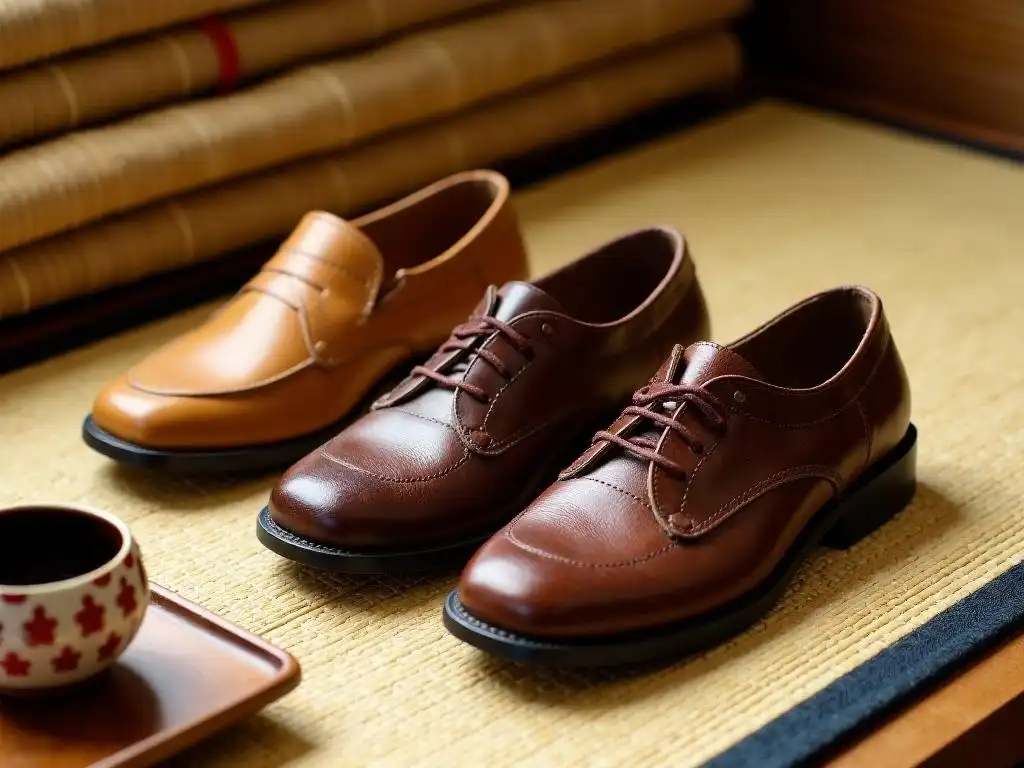
The study of footwear in Feudal Japan, particularly the geta and zori, unveils a rich tapestry of cultural significance and societal norms that have persisted through the centuries. These two types of traditional Japanese footwear not only served practical purposes but also played a crucial role in expressing status, identity, and regional affiliation among the feudal elite. The significance of these footwear types can be seen in their materials, designs, and the way they were integrated into daily life and ceremonial occasions.
The transition from the more utilitarian aspects of these shoes to their symbolic meanings illustrates the intricate relationship between clothing and societal hierarchy during the feudal era. Geta, often associated with the common folk, were sometimes adopted by the samurai class, illustrating a blend of practicality and status. Zori, on the other hand, were more refined and closely associated with the aristocracy, showcasing the aesthetic values of the time.
Summary of Geta and Zori Significance
Geta and zori represent more than just footwear; they embody the cultural and aesthetic values of Feudal Japan.
- Geta:
- Typically made of wood, geta are characterized by their elevated base, which allowed wearers to navigate muddy streets and maintain a level of cleanliness.
- They were often decorated with elaborate designs, reflecting the wearer's status.
- Geta were also worn during festivals and celebrations, symbolizing a connection to traditional practices.
- Zori:
- Crafted from rice straw, silk, or synthetic materials, zori were more formal and often worn during important ceremonies such as weddings and religious events.
- Their flat design and elegant straps made them suitable for indoor use, aligning with the refined aesthetics of the samurai and nobility.
- Zori's designs could denote specific ranks or affiliations within feudal society, further emphasizing their significance.
The distinction between these two types of footwear illustrates the nuanced social stratification of the time, where footwear choices were not merely about comfort but also about status and cultural identity.
Contemporary Influence of Feudal Footwear in Modern Japan
Today, the legacy of feudal Japan’s footwear can still be observed in various aspects of modern Japanese culture. The appreciation for traditional aesthetics has led to a resurgence of interest in geta and zori, particularly in the context of cultural festivals, tea ceremonies, and traditional weddings.
- Fashion Trends:
- Modern designers often incorporate elements of geta and zori into contemporary fashion, creating hybrid styles that marry traditional craftsmanship with modern trends.
- The use of natural materials and intricate designs in footwear reflects a desire to reconnect with Japan's rich heritage.
- Cultural Events:
- Traditional footwear is frequently worn during cultural festivals, where participants don yukata or kimono, emphasizing the importance of maintaining cultural practices.
- Educational institutions and cultural organizations often host events to teach younger generations about the significance of these traditional shoes.
While the practical uses of geta and zori may have diminished in everyday life, their cultural significance endures. They remain a vital symbol of Japan's feudal history, illustrating the intricate relationship between footwear and social identity. As modern Japan continues to navigate its cultural heritage, the footprints of feudal footwear leave an indelible mark on the nation's identity, reminding us of the past while embracing the future.
Further Reading on Feudal Japan Clothing and Fashion
Recommended Sources for In-Depth Exploration
To deepen your understanding of the footwear of the feudal elite in Japan, as well as other aspects of clothing and fashion during this period, the following sources offer valuable insights:
- Books:
- The Tale of Genji by Murasaki Shikibu: This classic work not only provides a narrative of court life but also describes clothing and footwear styles of the era.
- Japanese Costume: From the Eighth to the Twentieth Century by Noriko Takeda: A comprehensive analysis of Japanese clothing, including detailed sections on footwear like geta and zori.
- Academic Journals:
- The Journal of Asian Studies: Articles often focus on cultural artifacts, including clothing and footwear, providing scholarly perspectives on their significance.
- Clothing Cultures: This journal explores the intersection of clothing and identity, including studies on historical Japanese fashion.
- Online Resources:
- The National Museum of Japanese History: Their website features a collection of articles and exhibits that delve into the clothing practices of feudal Japan.
- The Tokyo National Museum: Offers virtual exhibitions showcasing artifacts, including traditional footwear, with contextual information on their historical significance.
- Documentaries:
- "Japan: The Lost World of the Samurai" (available on various streaming platforms) offers visual insights into the daily lives of the samurai, including their attire and footwear.
- "The Art of Japanese Costume" provides a detailed look at the evolution of clothing and the cultural meanings behind various styles.
By exploring these sources, readers can gain a more nuanced appreciation of Feudal Japan footwear significance and its broader implications within the context of clothing and fashion during this pivotal era.
For those interested in exploring the broader context of daily life and societal norms during the feudal era, the following articles offer an enriching perspective:
- Cultural Practices in Feudal Japan: This article elaborates on various customs and traditions that shaped the daily lives of the feudal elite, including their clothing choices and social interactions.
- The Role of the Samurai in Feudal Society: A deep dive into the samurai class, examining their influence on culture, fashion, and societal structure, including the significance of their footwear.
- Family and Social Structure in Feudal Japan: An analysis of how family dynamics and social hierarchies affected clothing and fashion choices, providing a backdrop to the understanding of footwear significance.
- Artisan Crafts in Feudal Japan: This piece discusses the artisans who crafted footwear and clothing, highlighting the skill and artistry involved in creating geta and zori, and their importance in daily life.
These articles complement the understanding of Feudal Japan footwear significance by placing it within the larger framework of societal practices, cultural values, and the daily lives of those who shaped this historical period.
Frequently Asked Questions
What are Geta and Zori?
Geta and Zori are traditional Japanese footwear worn during the feudal era. Geta are elevated wooden sandals, while Zori are flat sandals made of rice straw or fabric.
Why were Geta and Zori significant in Feudal Japan?
The significance of Geta and Zori lies in their cultural importance and social status. They were not just practical footwear but also reflected the wearer's rank and identity in society.
How did the design of Geta and Zori evolve over time?
Over time, the designs of Geta and Zori evolved to reflect changes in fashion, climate, and social customs. Their materials and styles adapted to meet the needs of both the elite and commoners.
Footwear was a clear indicator of social hierarchy in Feudal Japan. The type and quality of sandals often signified a person's status, with the elite wearing more elaborate designs.
Are Geta and Zori still used in modern Japan?
Yes, Geta and Zori are still used in modern Japan, especially during traditional events and ceremonies. They remain a symbol of Japanese culture and heritage, linking the past with the present.
Final Reflection: The Enduring Legacy of Feudal Japan Footwear
The significance of footwear in Feudal Japan transcends mere functionality; it embodies the intricate social hierarchies and cultural values of the time. Today, as we navigate a world where fashion often reflects identity and status, the historical context of geta and zori serves as a poignant reminder of how attire can signify one's place within society. The elegance and craftsmanship of these traditional shoes not only highlight the aesthetic sensibilities of the feudal elite but also prompt us to consider how our own choices in footwear and fashion communicate our identities in contemporary society.
Cultural artifacts like geta and zori continue to shape our understanding of social dynamics and heritage. The way these shoes were worn and the materials used reveal much about the status and lifestyle of their wearers. As we appreciate the artistry behind these designs, we also recognize their role in the broader narrative of Japanese history. Fashion is the armor to survive the reality of everyday life.
This quote resonates deeply as it encapsulates how clothing, including footwear, can be a powerful expression of self and societal norms.
As we reflect on the significance of Feudal Japan footwear, I invite you to consider your own relationship with fashion and identity. What stories do your choices tell about you? Embrace the lessons from the past and recognize that every piece of clothing, every pair of shoes, carries with it a legacy. Let us honor that legacy by making conscious choices that reflect our values and aspirations, ensuring that our personal narratives are as rich and meaningful as those of the feudal elite.
Step into History: Embrace the World of Feudal Footwear!
Thank you for exploring the captivating realm of Feudal Japan and uncovering the significance of **Geta** and **Zori**! Your interest enriches our understanding of the intricate cultural fabric that defined this era. Now that you have these insights, it’s time to delve deeper and connect with history.
Here are some exciting ways you can take action:
- Shop for a replica of traditional Geta or Zori to experience the craftsmanship and style of Feudal Japan firsthand.
- Join a local cultural workshop to learn about traditional Japanese attire and footwear, enhancing your appreciation of this art form.
- Share your thoughts on social media or in the comments below about how footwear influences cultural identity across different societies—let's spark a conversation!
What aspect of Feudal Japanese footwear intrigues you the most, and how do you believe it influenced the daily lives of the elite?