
The Legacy of the Shogunate: Understanding Its Impact on Modern Japan

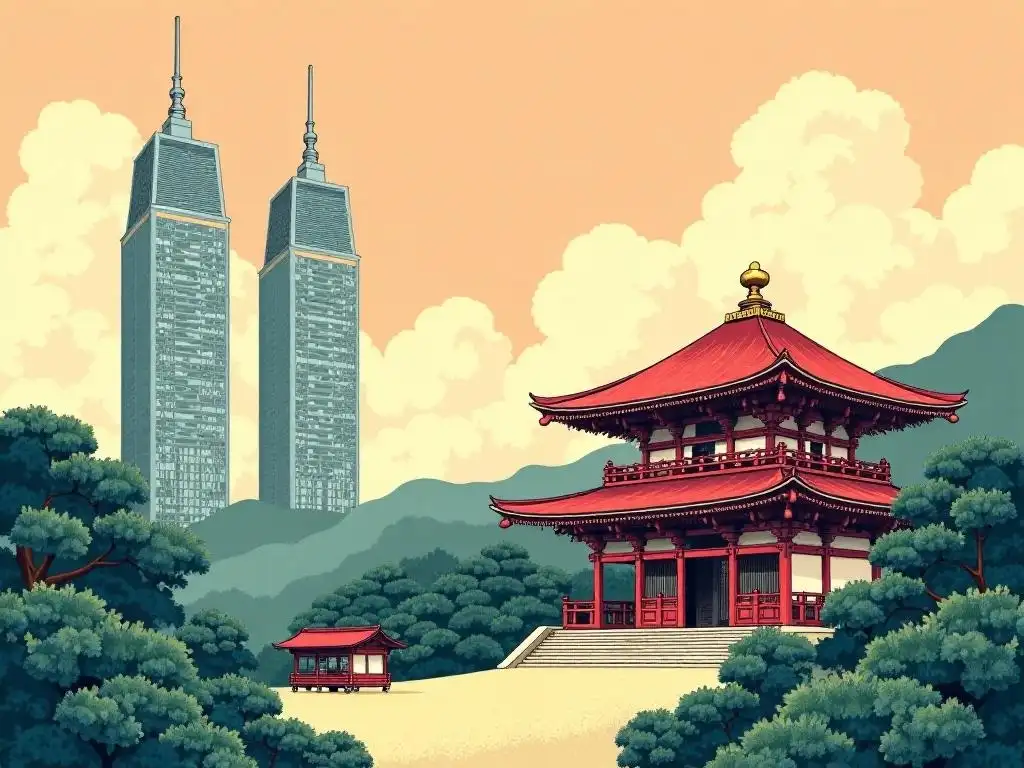
Welcome to Feudal Japan History, your gateway to an enthralling journey through the rich tapestry of Japan’s feudal era. Here, we delve deep into the impact of the Shogunate on modern Japan, uncovering the intricate threads that connect past and present. As you explore our expertly crafted articles, prepare to be captivated by the profound cultural and societal shifts that shaped the nation. What legacy does the Shogunate leave behind? Join us as we unravel the mysteries and invite you to discover the echoes of history that still resonate today.
The legacy of the Shogunate era is a profound and intricate tapestry that has shaped the political, cultural, and societal frameworks of modern Japan. Spanning several centuries, the Shogunate was characterized by a unique governance system that established military rulers, known as shoguns, who wielded significant power over the country, often in the name of the emperor.
Understanding the impact of the Shogunate on modern Japan requires a comprehensive exploration of its historical context, key features, and the enduring influences that continue to resonate today. From political structures to cultural legacies, the ramifications of this pivotal era are deeply embedded in the fabric of contemporary Japanese society.
Introduction to the Shogunate Era
Overview of the Shogunate Period
The Shogunate period in Japan, often referred to as the feudal era, lasted from the late 12th century until the mid-19th century. It marked a significant shift from imperial rule to a decentralized form of governance dominated by military leaders. The most notable shogunates include the Kamakura, Ashikaga, and Tokugawa periods, each contributing uniquely to the evolution of Japanese governance and society. During this time, Japan experienced a series of conflicts, political alliances, and cultural developments that would lay the groundwork for its modern identity.
Key Features of Shogunate Governance
The governance structure of the Shogunate was characterized by several key features:
- Military Rule: Shoguns, as military dictators, held de facto control over the country, often sidelining the emperor's authority.
- Feudal Hierarchy: A complex class system emerged, comprising samurai, farmers, artisans, and merchants, each with defined roles and responsibilities.
- Land Ownership and Taxation: The shogunate managed land distribution and taxation, which were critical in maintaining power and loyalty among the samurai class.
- Isolationist Policies: Particularly during the Tokugawa Shogunate, Japan adopted isolationist policies that limited foreign influence and trade, shaping its cultural and social development.
The Shogunate's Political Influence on Modern Japan
Evolution of Political Structures from the Shogunate to Today
The transition from Shogunate rule to modern governance in Japan was marked by significant transformations. Following the Meiji Restoration in 1868, Japan underwent rapid modernization, adopting Western political structures and ideologies. The remnants of shogunal influence, however, can still be observed in aspects of Japan's political hierarchy and decision-making processes. The enduring respect for authority and a structured bureaucratic system can trace their roots back to the governance styles established during the Shogunate era.
The Role of Samurai Culture in Contemporary Politics
Samurai culture, which flourished under the shogunate, has left an indelible mark on modern Japanese political identity. The values of loyalty, honor, and discipline that defined the samurai ethos continue to permeate contemporary politics, influencing leadership styles and political conduct. This cultural legacy fosters a unique blend of traditional values within Japan's modern democratic framework, creating a distinctive political culture that resonates with the populace.
Lasting Impacts on Japan's Legal System
The legal system in modern Japan also bears the hallmarks of shogunate governance. Many legal codes and practices established during the shogunate have evolved but remain foundational to contemporary law. The emphasis on order, hierarchy, and societal roles reflects the feudal legal traditions that prioritized stability over individual rights. This historical lineage is crucial for understanding the complexities of Japan's current legal and judicial frameworks, highlighting how the past continues to shape the present.
Through this exploration, we can gain a deeper understanding of the enduring impact of the Shogunate on modern Japan, revealing a rich history that continues to influence its political, cultural, and legal landscapes.
Cultural Impacts of the Shogunate on Modern Japanese Society
The Shogunate period profoundly shaped Japanese culture, leaving a legacy that resonates in modern society. The values, traditions, and artistic expressions established during this time continue to influence contemporary Japanese identity. The intricate relationship between the Shogunate and cultural practices can be observed across various domains, including the arts, identity formation, and traditional celebrations.
Preservation of Traditional Arts and Crafts
During the Shogunate, various traditional arts and crafts flourished, supported by a class of samurai and merchants who valued cultural pursuits. Crafts such as pottery, textiles, and woodblock printing not only thrived but were also preserved through generations. This preservation is evident in modern Japan, where traditional crafts are celebrated and protected by artisans and cultural institutions. For example, the art of kintsugi, or repairing pottery with gold, remains a symbol of resilience and beauty, attracting both domestic and international admirers.
In addition, festivals celebrating traditional crafts, such as the Kamakura Matsuri, highlight the ongoing appreciation for these art forms. Contemporary artisans often blend traditional techniques with modern aesthetics, ensuring that these crafts remain relevant and cherished in today's market.
The Influence of Shogunate Ideals on Modern Japanese Identity
The Shogunate's emphasis on loyalty, honor, and duty has had a lasting impact on the formation of modern Japanese identity. The concept of bushido, or the way of the warrior, promotes values that are still revered in Japanese culture today. These ideals manifest in various aspects of life, from business practices emphasizing loyalty to the company to social interactions that prioritize respect and harmony.
Moreover, the historical narratives shaped during the Shogunate era are ingrained in Japanese education and popular culture. Literature, films, and anime often reflect themes rooted in the Shogunate, illustrating how these historical ideals continue to shape modern narratives and national pride.
Shogunate Festivals and Their Modern-Day Relevance
Many festivals originating from the Shogunate period persist in contemporary Japan, often serving as a link between the past and present. Events like the Gion Matsuri in Kyoto, which dates back to the Heian period but was significantly influenced by the Shogunate, showcase traditional practices, costumes, and rituals that draw on historical roots.
These festivals not only celebrate cultural heritage but also foster community bonding and tourism, highlighting their economic and social significance in modern society. The revival of Shogunate-era festivals has also encouraged younger generations to engage with their cultural history, ensuring its continuity and relevance in a rapidly changing world.
Economic Legacy of the Shogunate
The economic systems established during the Shogunate period laid the groundwork for modern Japan’s economic framework. The feudal economy, characterized by agricultural production and local trade, has profoundly influenced contemporary economic policies and practices.
Feudal Economics and Their Effects on Modern Economic Policies
The Shogunate's feudal economic structure, which centered around land ownership and agricultural production, has left an indelible mark on Japan's economic policies. The land tax system implemented during this era established a precedent for property taxation that continues to influence modern taxation practices.
Additionally, the reliance on agriculture has shaped Japan's policies towards food security and farming subsidies. Today, Japan's government continues to support agricultural initiatives, reflecting the historical significance of farming that dates back to the Shogunate.
Trade Practices Established During the Shogunate
The Shogunate period was marked by significant developments in trade practices, both domestically and internationally. The establishment of the Sakoku (closed country) policy limited foreign influence, yet it also laid the foundation for domestic trade networks.
The kanban system, which facilitated trade and inventory management, emerged during this time, influencing modern business practices. Techniques such as just-in-time inventory, which originated from post-war practices, can trace their lineage back to the trade efficiencies developed during the Shogunate.
The Transformation of Land Ownership from the Shogunate Era to Present
The transformation of land ownership from the Shogunate era to the present day illustrates the evolution of Japan's economic landscape. Post-Shogunate reforms, particularly during the Meiji Restoration, led to the dissolution of feudal landholdings and the emergence of private property rights.
This shift not only democratized land ownership but also paved the way for industrialization and urbanization, fundamentally altering Japan’s economic structure. Today, land ownership remains a crucial aspect of economic policy, impacting everything from real estate markets to agricultural production, demonstrating the enduring influence of Shogunate-era practices on modern Japan.
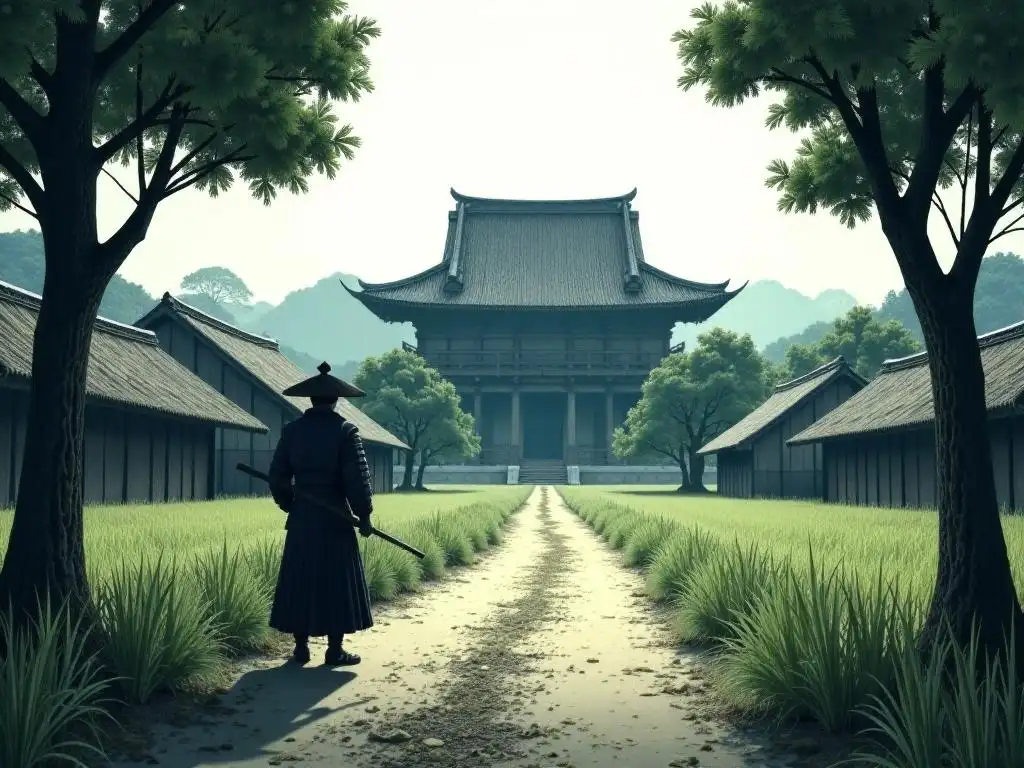
The social hierarchies established during the Shogunate era were pivotal in shaping the societal framework of feudal Japan. The Shogunate created a rigid class system that defined not only social interactions but also economic and political dynamics. At the top of this hierarchy was the emperor, albeit a largely symbolic figure, followed by the shogun, who held actual power. Below the shogun were the daimyōs (feudal lords), who governed various provinces and maintained their own samurai warriors.
The samurai class was revered for their martial skills and adherence to the code of bushido, which emphasized loyalty, honor, and discipline. Below the samurai were the farmers, artisans, and merchants, each with specific roles that contributed to the economy and culture of the time. This hierarchical system created a sense of order and stability but also led to significant disparities in wealth and power, elements that echo in modern Japan's social dynamics.
Class Structure during the Shogunate and Its Evolution
The class structure of the Shogunate was not static; it evolved over time in response to various internal and external pressures. Initially, the samurai class held significant power, but as commerce flourished, the merchant class began to gain wealth and influence. Despite their economic power, merchants remained at the bottom of the social hierarchy, reflecting the Shogunate's prioritization of agricultural production over trade.
By the late Edo period, the rigid class distinctions began to blur, especially as the influx of Western ideas and technology challenged traditional values. The Meiji Restoration in the late 19th century marked a dramatic shift, abolishing the class system and promoting a more meritocratic society. This evolution laid the groundwork for contemporary Japan, where social mobility is more accessible, though remnants of feudal hierarchies can still be observed in societal attitudes and structures.
The Role of Women in Shogunate Society and Modern Implications
Women in Shogunate society experienced a complex status, often relegated to domestic roles but sometimes wielding substantial influence within their households. The ideal of a virtuous wife and mother was deeply entrenched, yet women could also inherit property and manage family businesses, particularly in merchant families. Notable figures such as Hojo Masako exemplify how women could exert political power behind the scenes.
In modern Japan, the legacy of these roles persists. While women today enjoy legal equality, societal expectations often still tether them to traditional roles. The ongoing discussions around gender equality in Japan reflect the historical complexities of women's status, highlighting the need for continued progress in dismantling patriarchal structures that have roots in the feudal era.
Comparisons of Shogunate Class Systems with Today's Social Dynamics
The Shogunate's class system established a framework that can be compared to contemporary social dynamics in Japan. While modern society promotes a more egalitarian approach, remnants of the past can still be seen in the form of economic disparities and social stratification. The concept of "kawaii" culture and loyalty to community can be traced back to the communal values of the samurai and merchant classes.
Moreover, the lingering influence of hierarchical thinking is present in corporate structures, where seniority often dictates workplace dynamics. This comparison underscores how the historical context of social hierarchies continues to shape modern interactions and societal expectations in Japan.
Technological Advancements During the Shogunate
The Shogunate period was a time of notable technological advancements, primarily driven by the need for military efficiency, agricultural productivity, and trade expansion. Innovations in agriculture, such as improved irrigation techniques and crop rotation, significantly boosted food production, supporting a growing population.
In addition to agricultural innovations, the period saw the introduction of firearms and advancements in weaponry, which transformed samurai warfare. The infrastructure developed during this time, including road systems and communication networks, laid the groundwork for future technological progress in Japan.
Innovations and Their Influence on Modern Technology
Technological innovations during the Shogunate have had a lasting impact on modern technology in Japan. The emphasis on precision and craftsmanship seen in the creation of weapons and tools during this era contributed to Japan's reputation for high-quality manufacturing.
Furthermore, the Shogunate's infrastructural developments facilitated trade and communication, elements that are foundational to today’s technological landscape. The principles of efficiency and quality control established during this time can be seen in modern industries, particularly in Japan's renowned automotive and electronics sectors.
The Impact of Shogunate Infrastructure on Current Developments
The infrastructure built during the Shogunate era has had significant implications for current developments in Japan. The road systems, which connected various regions, fostered trade and cultural exchange, serving as a precursor to modern transportation networks.
Contemporary Japan continues to benefit from these early developments, as the country boasts one of the most advanced transportation systems in the world. The legacy of the Shogunate's focus on infrastructure has influenced urban planning and development, illustrating how historical choices shape modern realities, making it clear that the impact of the Shogunate on modern Japan extends far beyond the political realm.
The Shogunate's Lasting Influence on Japanese Education
The legacy of the Shogunate in Japan extends far beyond the political realm and into the educational systems that have shaped contemporary Japanese society. The Shogunate established frameworks and philosophies that not only influenced the educational practices of their time but also left a lasting imprint on modern education in Japan. This influence can be traced through various educational structures and ideologies that continue to resonate today.
Educational Structures Established by the Shogunate
During the Edo period, the Tokugawa Shogunate implemented a series of educational reforms that laid the groundwork for the modern education system. One of the most significant contributions was the establishment of terakoya, or temple schools, which aimed to provide basic literacy and moral education to children, primarily from merchant and samurai families. This grassroots educational model emphasized practical knowledge and ethical conduct, fostering a sense of civic responsibility among students.
Moreover, the Shogunate supported the development of hankō (domain schools) that educated the samurai class, focusing on Confucian principles, military strategy, and governance. These institutions were pivotal in shaping the intellectual elite of Japan during the feudal era. The curriculum often included literature, history, and philosophy, creating a well-rounded education that would influence Japan's bureaucratic and administrative systems in the years to come.
The Role of Confucianism in Shogunate Education and Its Modern Relevance
Confucianism played a central role in the educational landscape under the Shogunate, promoting values such as filial piety, loyalty, and respect for authority. The teachings of Confucius became integral to the curriculum in both terakoya and hankō, emphasizing moral education alongside academic learning. This philosophical framework not only guided the education of the samurai class but also permeated broader society, shaping the moral fabric of Japan.
In modern Japan, the echoes of Confucian values can still be observed in the educational system. The emphasis on respect for teachers, discipline, and collective responsibility in schools can be traced back to this feudal ethos. Additionally, the focus on moral education persists, reflecting the enduring relevance of Confucian principles in cultivating responsible citizens and leaders.
Conclusion: The Enduring Impact of the Shogunate on Contemporary Japan
The legacy of the Shogunate is deeply woven into the fabric of modern Japan, particularly in the realm of education. The structures and philosophies established during this feudal period have laid a foundation that continues to influence educational practices and societal values today.
Summary of Key Impacts of Shogunate on Modern Japan
The Shogunate's impact on modern Japan is multifaceted, particularly evident in:
- Educational Frameworks: The establishment of schools such as terakoya and hankō set precedents for Japan's current educational institutions.
- Confucian Ideals: The integration of Confucianism in education has created a lasting emphasis on moral and ethical education, influencing contemporary values.
- Civic Engagement: The focus on civic responsibility and ethical conduct fosters a culture of participation and engagement in modern Japanese society.
Reflections on the Future of Shogunate Influence in Japan
As Japan continues to navigate the complexities of globalization and modernization, the influence of the Shogunate remains relevant. Future educational reforms could benefit from revisiting these historical frameworks to balance traditional values with contemporary needs. The ongoing dialogue around civic education and moral responsibility can draw inspiration from the Shogunate's legacy, ensuring that Japan's rich historical context continues to inform its future development. As scholars and policymakers reflect on the past, the Shogunate's contributions to education and societal ethics will undoubtedly play a crucial role in shaping Japan's trajectory in the 21st century.
- Introduction to the Shogunate Era
- The Shogunate's Political Influence on Modern Japan
- Cultural Impacts of the Shogunate on Modern Japanese Society
- Economic Legacy of the Shogunate
- Social Hierarchies Established by the Shogunate
- Technological Advancements During the Shogunate
- The Shogunate's Lasting Influence on Japanese Education
- Conclusion: The Enduring Impact of the Shogunate on Contemporary Japan
Frequently Asked Questions
What was the role of the Shogunate in feudal Japan?
The Shogunate served as the military government of Japan, wielding significant power over the emperor and shaping the political landscape of the country during the feudal era.
How did the Shogunate influence modern Japanese society?
The impact of the Shogunate on modern Japan includes the establishment of centralized authority, which laid the groundwork for modern governance and influenced cultural values still present today.
What are some cultural legacies of the Shogunate?
The Shogunate contributed to various cultural aspects such as art, literature, and martial traditions, which continue to resonate in contemporary Japanese culture.
How did the Shogunate affect Japan's international relations?
During the Shogunate, Japan adopted a policy of isolation, limiting foreign relations, which profoundly influenced its modern diplomatic strategies and interactions with the world.
Why is it important to study the Shogunate's legacy?
Understanding the legacy of the Shogunate helps to comprehend the historical foundations of modern Japan, shedding light on its political structures and cultural identity.
Final Reflection: The Enduring Impact of the Shogunate on Modern Japan
The legacy of the Shogunate is not merely a chapter in history; it is a foundational pillar that continues to shape the cultural, political, and social landscape of modern Japan. The intricate web of governance, societal structure, and cultural practices established during the Shogunate era has left an indelible mark on contemporary Japanese society. As we navigate the complexities of modern life, understanding this historical influence becomes essential in appreciating the nuances of Japan's identity today.
The Shogunate's impact resonates deeply within Japan's cultural fabric, influencing everything from art and literature to social hierarchies and governance. The echoes of this era remind us of the resilience and adaptability of Japanese society. As noted by historian John Dower, “The past is never dead; it’s not even past.” > This sentiment encapsulates the ongoing relevance of the Shogunate's legacy, urging us to recognize how historical narratives continue to inform our present realities and shape our future aspirations.
As we reflect on the lessons drawn from the Shogunate's influence, let us embrace the opportunity to engage with our history and its implications for our lives. I invite you to explore how the values, traditions, and governance models of the past can inspire our actions today. By acknowledging the impact of the Shogunate on modern Japan, we can cultivate a deeper understanding of our own identities and contribute to a more informed and interconnected world.
Unveil the Legacy: Take Action for Understanding Modern Japan!
Thank you for diving into the fascinating world of the Shogunate and its lasting impact on Japan today! Your interest equips you with a deeper understanding of this historical era and inspires you to uncover even more about its relevance. Now, let’s transform that curiosity into meaningful action!
- Explore the rich tapestry of modern Japanese culture by visiting local festivals or trying your hand at traditional arts like calligraphy or tea ceremonies.
- Connect with fellow history enthusiasts in online communities or local clubs to share insights and discoveries about Japan's past and present.
- Share your newfound knowledge! Write a blog post or social media update about what you learned and how it relates to the modern world.
What aspect of the Shogunate’s legacy intrigues you the most, and how do you think it shapes today’s society? Let's engage in a discussion!