
The Role of the Ronin: Honor, Disgrace, and Survival in Feudal Japan

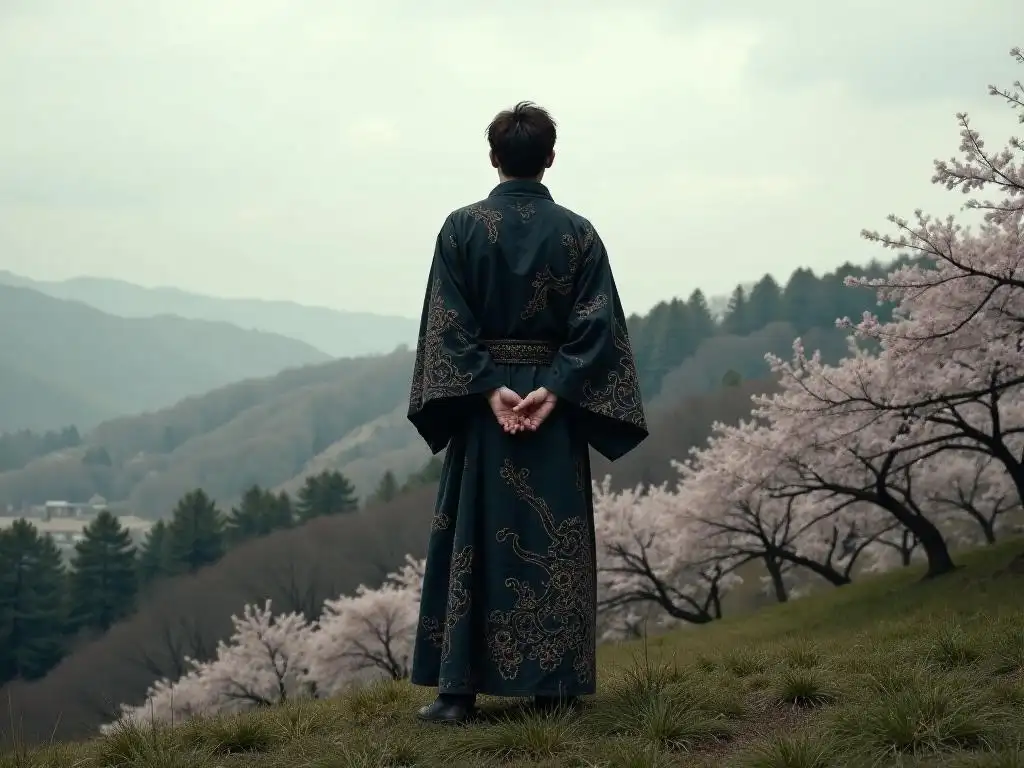
Welcome to Feudal Japan History, where we invite you to embark on a captivating journey through a time of honor, valor, and complex social structures. In our featured article, "The Role of the Ronin: Honor, Disgrace, and Survival in Feudal Japan," we delve into the intriguing lives of the ronin—masterless samurai navigating the tumultuous waters of feudal society. Discover the delicate balance between loyalty and survival as we explore their struggles, triumphs, and the rich tapestry of history that shaped their existence.
Prepare to unlock the mysteries of this fascinating era and uncover the stories that define the ronin's legacy. Dive in, and let the exploration begin!
Introduction to Ronin Life in Feudal Japan
The phenomenon of the ronin—masterless samurai—plays a significant role in the tapestry of Japan's feudal history. These warriors, often seen as embodiments of both honor and disgrace, navigated a complex social landscape characterized by loyalty, duty, and survival. The term "ronin" translates to "drifting man," reflecting their precarious position in a society where allegiance to a lord was paramount.
As we delve into the intricacies of ronin life in feudal Japan, we will explore the underlying concepts, historical context, and the myriad circumstances that led to the emergence of these enigmatic figures. Understanding the duality of their existence—straddling the line between noble samurai and wandering outcast—provides invaluable insight into the cultural and societal norms of the time.
Understanding the Concept of Ronin
The concept of ronin is steeped in the traditions of the samurai class, which revered loyalty, honor, and martial skill. Unlike regular samurai who served a lord, ronin found themselves without a master due to various circumstances, such as the death of their lord, loss in battle, or even a personal failure. This status was not merely a matter of employment; it carried significant social stigma. Ronin were often viewed as dishonored warriors, struggling to find their place in a society that valued loyalty above all else.
- Characteristics of a Ronin:
- Masterless and often wandering
- Viewed with suspicion or disdain by society
- Required to adapt to a life outside of the samurai code
This unique status led many ronin to either seek new lords or become mercenaries, while others turned to desperate measures for survival. The complexities of their lives and the choices they made reflect the broader themes of honor and disgrace within the samurai ethos.
Historical Context of Ronin in Feudal Japan
The emergence of ronin must be understood against the backdrop of Japan's feudal system, which was characterized by a hierarchical structure of feudal lords and their vassals. During periods of political stability, samurai served their lords with unwavering loyalty. However, as feudal conflicts intensified, particularly during the Sengoku period (1467-1603), the prevalence of ronin increased dramatically.
- Key Historical Points:
- The Ashikaga Shogunate and its decline led to widespread power struggles.
- The Tokugawa Shogunate later established a more stable regime, yet remnants of ronin remained.
- Notable ronin, such as Miyamoto Musashi, became legendary figures, shaping cultural perceptions of these masterless warriors.
As battles raged and feudal allegiances shifted, many samurai found themselves without a lord, thus becoming ronin. Their stories, often romanticized, highlight the tension between duty and survival in a volatile era.
The Emergence of Ronin: Causes and Circumstances
The rise of the ronin can be attributed to a variety of factors, each contributing to their status as masterless warriors in a tumultuous feudal landscape. Understanding these circumstances sheds light on the broader implications for samurai culture and societal norms.
The Fall of a Samurai's Lord: Disgrace and Loss
When a samurai's lord fell in battle or was overthrown, the consequences for the samurai were dire. Losing their master was not only a personal tragedy but also a significant blow to their honor. This loss often forced samurai into ronin status, as they could no longer fulfill their duties of loyalty and service.
- Impact of Lord's Fall:
- Immediate loss of social standing and purpose
- Stigmatization within the samurai community
- Challenges in reintegrating into society or finding new lords
The loss of honor and the disgrace associated with becoming a ronin were deeply felt, leading many to seek vengeance or new opportunities to restore their honor.
Economic and Social Factors Leading to Ronin Status
The economic landscape of feudal Japan played a crucial role in the emergence of ronin. As warfare disrupted agricultural production and trade, many samurai found themselves unable to support themselves if their lords fell from power.
- Contributing Factors:
- Decline in feudal estates due to constant conflict
- Economic instability affecting samurai livelihoods
- Social mobility challenges, leading to increased numbers of ronin
As a result, many ronin turned to alternative means of survival, such as mercenary work, banditry, or seeking employment as guards or retainers for merchants—activities that were often looked down upon by their peers.
The Impact of War and Political Turmoil on Samurai and Ronin
The constant state of warfare and political upheaval during the feudal era directly influenced the lives of samurai and the rise of ronin. The Sengoku period, known as the "Age of Warring States," was particularly significant in this regard.
- Key Impacts:
- Frequent battles led to significant loss of life and territory.
- Shifting allegiances and betrayals resulted in many samurai becoming ronin.
- The need for adaptability—ronin often had to navigate both samurai codes and the emerging merchant class.
The environment of chaos and uncertainty not only shaped the destinies of individual samurai but also transformed the very nature of what it meant to be a warrior in feudal Japan. As we explore the role of the ronin further, we will uncover their struggles, contributions, and the legacies they left behind.
The Code of Honor: Principles Guiding Ronin Life
The life of a ronin—masterless samurai—was deeply rooted in a complex code of honor that shaped their actions and societal perceptions. This code, influenced by the broader samurai ethos known as Bushido, dictated their behavior and moral framework. The principles of courage, loyalty, and respect were paramount, often forcing ronin to navigate a world where their honor was constantly tested and questioned due to their status.
Ronin were expected to uphold a certain level of dignity and self-discipline, even in the face of adversity. This meant that despite being without a lord, they often adhered to the same ethical standards as their samurai counterparts. The concept of giri (duty) and ninjo (human emotion) also played a crucial role in guiding their decisions, creating a balance between personal feelings and obligations to others.
Bushido and Its Influence on Ronin Ethics
Bushido, the way of the warrior, served as the philosophical backbone for samurai culture, and its tenets had a significant impact on ronin life as well. Key elements of Bushido, such as loyalty, honor, and self-sacrifice, influenced how ronin perceived their existence and responsibilities.
Despite their status, ronin often felt an obligation to maintain their reputation. Many sought to honor their former lords even after their deaths, demonstrating loyalty to ideals rather than titles. This adherence to Bushido allowed ronin to navigate a world fraught with challenges while maintaining a semblance of purpose and identity, often inspiring others with tales of their bravery and moral fortitude.
Honor and Disgrace: The Duality of the Ronin Experience
The ronin experience was marked by a profound duality: honor intertwined with disgrace. While ronin could embody the principles of courage and integrity, their status as masterless warriors often led to societal stigma and ridicule. The loss of a lord typically signified failure; thus, many ronin struggled with feelings of shame and inadequacy.
This duality manifested in various ways. Some ronin took on mercenary roles or sought employment with new lords, hoping to restore their honor through service. Others, however, resorted to less honorable means of survival, such as theft or banditry, further complicating their relationship with honor. This struggle for identity and recognition was a critical aspect of ronin life, highlighting the tension between societal expectations and personal integrity.
Examples of Renowned Ronin and Their Codes of Conduct
Several historical figures epitomize the ronin experience, showcasing various interpretations of honor and conduct. One of the most famous is Miyamoto Musashi, a legendary swordsman known for his unmatched martial prowess and philosophical writings. Musashi emphasized the importance of self-discipline, strategy, and the pursuit of personal improvement, reflecting a unique interpretation of the samurai code.
Another notable ronin is Katsu Kaishu, a former samurai who became instrumental during the Meiji Restoration. His approach to honor involved adapting to changing times, demonstrating that maintaining one's principles did not necessitate rigid adherence to outdated traditions.
These examples illustrate that while the ronin were often seen as outcasts, many navigated their circumstances with integrity and ingenuity, contributing richly to the tapestry of feudal Japan’s history.
The Struggles of Survival: Daily Life of a Ronin
The daily life of a ronin was fraught with challenges, as they often had to fend for themselves without the support of a lord or clan. Their survival hinged on a mix of skills, resourcefulness, and sometimes sheer luck. The transition from samurai to ronin was not merely a change in status; it represented a drastic shift in lifestyle, necessitating a reevaluation of their place in society.
Economic Hardships Faced by Ronin
Economic instability was a significant hardship for many ronin. With no steady income or land to cultivate, they often found themselves in dire financial situations. The transition from a life of service to one of independence could mean a drastic reduction in living standards, leading to poverty and hunger.
Many ronin struggled to secure basic necessities, often relying on sporadic work or alms from others. The lack of a structured support system made it difficult for them to reestablish themselves, forcing some to adopt a nomadic lifestyle in search of opportunities. This economic hardship underscored the precarious existence of ronin and highlighted the vulnerabilities that came with their masterless status.
Employment Opportunities: Mercenary Work and Other Roles
Despite the challenges, ronin were not entirely without options. Employment as mercenaries became a common avenue for survival. Many sought contracts from feuding clans or local leaders in need of skilled fighters, offering their services in exchange for pay. This mercenary work, while often dangerous, allowed ronin to utilize their combat skills effectively.
Additionally, some ronin pursued roles as bodyguards, instructors, or even in administrative positions, leveraging their samurai training in non-combat scenarios. This adaptability was crucial for their survival, as it allowed them to navigate the shifting political landscape of feudal Japan while still adhering to their personal codes of honor.
The Social Stigma of Being a Ronin
The social stigma attached to being a ronin was a heavy burden. Many viewed them with suspicion, often associating their status with dishonor or failure. This perception led to social isolation, making it difficult for ronin to reintegrate into society or find acceptance among their peers.
The stigma was exacerbated by the perception that ronin were often involved in criminal activities or lacked the discipline characteristic of samurai. This societal bias created a challenging environment for ronin, who had to constantly prove their worth and integrity in a world that judged them harshly based on their status. The struggle for respect and recognition remained a persistent theme in the lives of many ronin, further complicating their quest for survival and honor.
Ronin in Popular Culture: Myths and Realities
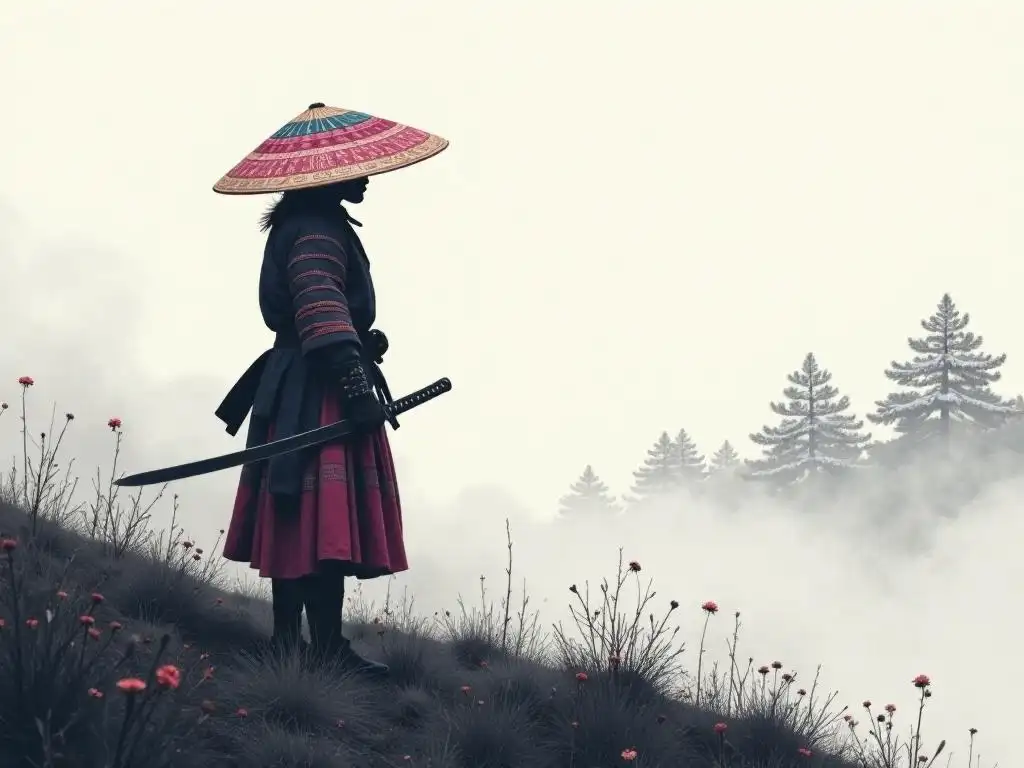
The figure of the ronin has captivated the imagination of many, becoming a symbol of both noble ideals and tragic existence. In popular culture, the portrayal of ronin often oscillates between romanticized heroism and grim realism, leading to a complex understanding of their role in feudal Japan. This section aims to dissect these representations, separating myth from reality while examining how these narratives have shaped our perception of these masterless samurai.
Representation of Ronin in Literature and Film
Literature and film have played pivotal roles in shaping the ronin's image. Classic works like The Tale of the Heike and modern interpretations such as Akira Kurosawa's Yojimbo and Sanjuro depict ronin as skilled warriors navigating a chaotic world. In literature, ronin often embody themes of loyalty, honor, and the struggle for redemption.
Films frequently portray them as solitary figures, grappling with their past and seeking purpose in a society that has cast them aside. This narrative framework resonates deeply with audiences, who are drawn to stories of individual struggle against overwhelming odds. However, while these representations highlight the romantic allure of the ronin's life, they often simplify the complexities of their historical reality.
The Romanticized Image vs. Historical Reality
The romanticized image of the ronin often glosses over the harsh realities of their existence. In popular narratives, ronin are depicted as noble wanderers, driven by a code of honor. In contrast, historical accounts reveal that many ronin faced dire circumstances. Stripped of their master, they were vulnerable to poverty, dishonor, and societal scorn.
The life of a ronin was not merely about adventure and heroics; it involved navigating a precarious social landscape where survival depended on cunning and adaptability. The contrast between the idealized ronin and their historical counterparts reflects broader themes in Japanese culture, such as the tension between societal expectations and individual agency.
Case Studies of Famous Ronin in Fiction and History
Several ronin have become iconic figures in both fiction and history, illustrating the diverse narratives associated with their lives.
- Miyamoto Musashi: Perhaps the most famous ronin, Musashi is celebrated for his unparalleled swordsmanship and his philosophical writings, such as The Book of Five Rings. His life story exemplifies the journey from a wandering warrior to a revered master.
- Kurosawa's Characters: In movies like Yojimbo, the ronin is depicted as a shrewd anti-hero, using his skills to manipulate rival factions for personal gain. This portrayal has influenced countless adaptations and has become a staple in the samurai genre.
- The 47 Ronin: This historical incident involving a group of ronin avenging their master's death has been immortalized in numerous adaptations, emphasizing themes of loyalty and sacrifice. Their story continues to resonate in modern narratives, showcasing the enduring legacy of the ronin in Japanese culture.
The Legacy of Ronin in Japanese Culture
The cultural impact of the ronin extends beyond their historical context, influencing various aspects of Japanese identity and societal values. Their legacy can be seen in contemporary representations as well as in the lessons learned from their lives.
Influence on Modern Japanese Society and Identity
In modern Japan, the ronin symbolize resilience and adaptability in the face of adversity. The concept of a masterless warrior resonates with contemporary individuals navigating a rapidly changing society, reflecting the ongoing struggle for identity and purpose.
Ronin stories are often invoked in discussions about personal integrity, responsibility, and the importance of community, underscoring the lasting influence of these figures on Japanese societal values. Additionally, the romanticized aspects of ronin life continue to inspire artists, writers, and filmmakers, ensuring that the ronin remain a significant cultural touchstone.
Ronin as Symbols of Freedom and Individualism
The ronin's status as masterless warriors embodies themes of freedom and individualism. They represent the choice to forge one's path, unbound by feudal obligations and societal norms. This notion of freedom resonates with contemporary ideals of self-determination and personal agency.
In popular culture, the image of the ronin often serves as a metaphor for the struggle against oppression and conformity, appealing to audiences who value independence and the quest for authenticity. This symbolic legacy underscores the complexity of the ronin's role in both historical and modern contexts.
Lessons from Ronin Life in Contemporary Contexts
The lessons drawn from the lives of ronin are relevant even today. Their experiences highlight the importance of adaptability, resilience, and the pursuit of personal honor in the face of challenges.
In contemporary society, individuals can learn from the ronin's ability to navigate uncertainty and redefine their identities. The ronin's story encourages a reflection on personal values, the significance of community, and the pursuit of one's goals, regardless of the obstacles presented by society. By examining the ronin's legacy, we gain insights into our struggles and aspirations within a complex and ever-evolving world.
Conclusion: The Enduring Significance of Ronin Life in Feudal Japan
The life of the ronin in feudal Japan encapsulates a complex interplay of honor, disgrace, and survival that resonated throughout the socio-political landscape of the time. These masterless samurai, often viewed with a mix of admiration and suspicion, played a pivotal role in shaping the narratives surrounding loyalty and identity within the samurai class. Their existence symbolizes not only the struggles of individuals navigating the turbulent waters of feudal allegiances but also the broader implications of social mobility and personal honor in a rigid hierarchical society.
Ronin were not merely warriors without masters; they represented a unique cultural phenomenon that challenged the traditional values of feudal Japan. Their stories, filled with both tragic and heroic elements, continue to inspire literature, film, and art, highlighting their enduring significance in Japanese culture. The ronin's journey often reflects broader themes of resilience and the quest for purpose, making their legacy a vital part of Japan's historical narrative.
Reflection on the Honor, Disgrace, and Survival of Ronin
The dichotomy of honor and disgrace in the lives of ronin is a poignant aspect of their existence. While many ronin retained their code of bushido, a few resorted to actions that could be seen as dishonorable, such as mercenary work or banditry. This duality illustrates the moral quandaries faced by these individuals: how to maintain personal integrity while navigating a world that often left them marginalized.
Survival was a constant challenge for ronin, who often found themselves in precarious situations, uprooted from the security that a feudal lord could provide. Their necessity to adapt led to a variety of roles within society, from skilled artisans to wandering scholars. These adaptations were not just about mere survival but were also a means of reclaiming agency in a society that often cast them aside. The ronin's resilience is a testament to the human spirit's ability to endure and thrive, even in the face of adversity.
Final Thoughts on the Impact of Ronin in Military History and Culture
The impact of ronin on military history and culture is profound and multifaceted. They served as both a cautionary tale and a source of inspiration, embodying the struggles of loyalty and the consequences of political upheaval. The ronin's narrative has influenced the perception of the samurai ethos, where honor is paramount but can be tested by circumstances beyond one's control.
Moreover, the romanticized portrayal of ronin in popular culture has solidified their place as cultural icons. Films and literature often depict them as noble outcasts, further embedding their legacy in the cultural consciousness of Japan and beyond. This portrayal not only reflects historical realities but also reinterprets them, allowing for a continuous dialogue about honor, duty, and individualism in the face of societal constraints.
The life of the ronin in feudal Japan is a compelling study of honor, disgrace, and survival, with lasting implications for both military history and cultural narratives. Their enduring significance continues to resonate, reminding us of the complexities of human experience within the framework of honor and loyalty.
- Introduction to Ronin Life in Feudal Japan
- The Emergence of Ronin: Causes and Circumstances
- The Code of Honor: Principles Guiding Ronin Life
- The Struggles of Survival: Daily Life of a Ronin
- Ronin in Popular Culture: Myths and Realities
- The Legacy of Ronin in Japanese Culture
- Conclusion: The Enduring Significance of Ronin Life in Feudal Japan
Frequently Asked Questions
What is a ronin in feudal Japan?
A ronin was a masterless samurai who, after the death or fall of their lord, often faced the challenge of survival without a clan to support them.
How did ronin survive in feudal Japan?
Many ronin took on roles such as mercenaries, bodyguards, or even farmers, while some sought to regain honor through acts of valor or service to a new lord.
What is the significance of honor for a ronin?
Honor was a crucial aspect of a ronin's identity, as they often struggled to maintain their samurai values despite their loss of status and support.
Were ronin considered disgraced samurai?
Yes, ronin were often viewed as disgraced, as their masterless status contradicted the samurai ideal of loyalty, leading to societal stigma.
How did the societal role of ronin evolve during the feudal era?
As the feudal era progressed, the role of ronin shifted from being primarily warriors to becoming more involved in commerce, leading to a complex relationship with society.
Final Reflection: The Enduring Legacy of the Ronin in Feudal Japan
The life of a ronin, marked by themes of honor, disgrace, and survival, resonates profoundly in today's world. In an era where personal identity and societal roles are constantly evolving, the story of the ronin serves as a powerful reminder of the complexities of loyalty and the quest for purpose. The struggles faced by these masterless samurai reflect a timeless narrative of resilience and adaptation that remains relevant as we navigate our own challenges in a rapidly changing society.
Culturally, the legacy of the ronin continues to shape our understanding of honor and individuality. The ronin's journey, often fraught with moral dilemmas and societal rejection, invites us to examine our values and the sacrifices we make in pursuit of our beliefs. As we witness the ongoing influence of these themes in literature, film, and art, we are reminded of the words of the philosopher Miyamoto Musashi: The ultimate aim of martial arts is not having to use them.
This sentiment encapsulates the essence of the ronin's life, where the true battle lies not in physical confrontation but in the struggle for self-definition and integrity.
As we reflect on the lessons of the ronin, I invite you to consider your own journey and the roles you play in your life. What does honor mean to you, and how do you navigate the complexities of your own identity? Embrace the spirit of the ronin by seeking purpose and resilience in the face of adversity. Let their story inspire you to forge your own path, honor your values, and survive with dignity in a world that often challenges our sense of self.
Embrace the Spirit of the Ronin: Take Action Now!
Thank you for exploring the intricate world of the Ronin and the rich tapestry of honor, disgrace, and survival they navigated in Feudal Japan. Your engagement with this topic unlocks a deeper understanding of resilience and the complexities of loyalty. Now, let’s take those insights and channel them into meaningful actions!
Here’s how you can step into the world of the Ronin:
- Enroll in a local martial arts class to learn about the discipline and skills that defined the Ronin’s way of life.
- Share this article with friends or on social media to spark conversations about honor and personal integrity in today's context.
- Visit museums or exhibitions that showcase artifacts from Feudal Japan, allowing you to gain a tangible connection to the history and culture of the Ronin.
As you take these steps, consider this: What modern-day challenges resonate with the spirit of the Ronin in your life, and how can you embody their resilience?