
The Impact of the Mongol Invasions on Japanese Naval Strategies

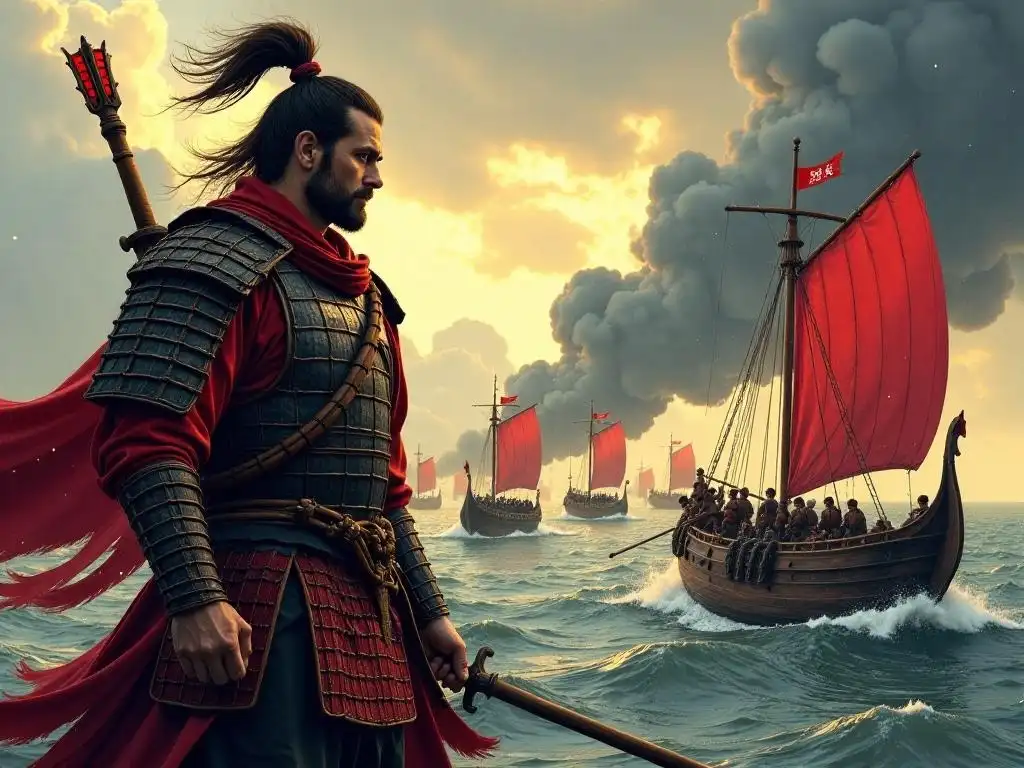
Welcome to Feudal Japan History, where we embark on a journey through the captivating tapestry of Japan’s feudal era. Here, you will discover the intricate interplay of historical events, cultural nuances, and societal transformations that shaped this remarkable period. In our featured article, we delve into the Mongol invasions and their profound influence on Japanese naval strategies—a pivotal moment that redefined maritime warfare in the archipelago.
What tactics emerged in response to these formidable threats? Join us as we unravel the strategies and decisions that led to Japan's resilience against invasion, inviting you to explore the depths of military history like never before.
The Mongol invasions of the late 13th century represent a critical juncture in Japanese history, profoundly shaping the nation’s military tactics, particularly its naval strategies. This period of conflict, marked by the attempted invasions in 1274 and 1281, not only tested Japan's military capabilities but also catalyzed significant shifts in how naval warfare was perceived and executed.
The Mongol forces, under the leadership of Kublai Khan, sought to expand their empire and viewed Japan as a crucial target. However, the resulting confrontations revealed vulnerabilities in both Mongol tactics and Japanese defenses, leading to innovations in naval warfare that would have lasting implications for the archipelago.
This article delves into the intricacies of these invasions, examining the strategic responses of the Japanese military, the evolution of naval technologies, and the cultural ramifications of these encounters. By analyzing historical accounts and expert insights, we aim to provide a comprehensive understanding of how the Mongol invasions reshaped Japanese naval strategies and ultimately influenced the broader narrative of military history in feudal Japan.
In subsequent sections, we will explore the detailed timelines of the invasions, the techniques employed by both sides, and the pivotal role played by natural phenomena, such as typhoons, famously known as "kamikaze," or divine winds. Through this exploration, we will uncover the intricate relationship between warfare and maritime strategy that defined this fascinating period in Japanese history.
- Introduction to the Mongol Invasions
- Japanese Naval Strategies Before the Invasions
- The Mongol Invasions: Events and Outcomes
- Transformation of Japanese Naval Strategies Post-Invasions
- The Long-Term Impact on Japanese Maritime Culture
- Conclusion: Lessons Learned from the Mongol Invasions
- References and Further Reading
- Frequently Asked Questions
- Final Reflection: The Enduring Legacy of the Mongol Invasions on Japanese Naval Strategies
- Unveil the Secrets of Japan's Naval Resilience!
Introduction to the Mongol Invasions
The Mongol invasions of Japan in the late 13th century mark a significant turning point in the nation's military history. These invasions not only showcased the formidable military prowess of the Mongol Empire but also forced Japan to adapt its naval strategies in response to an unprecedented external threat. This section delves into the background of the Mongol Empire, the context of the invasions, and their lasting impact on Japanese military tactics, particularly concerning naval warfare.
Overview of the Mongol Empire and its Expansion
The Mongol Empire, founded by Genghis Khan in the early 13th century, rapidly grew to become the largest contiguous empire in history. By the time of the invasions of Japan, the empire had expanded across vast territories in Asia and Europe, including parts of China, Persia, and Eastern Europe. The Mongols were known for their highly mobile cavalry and innovative military strategies, which allowed them to conquer and control diverse regions.
- Key Aspects of the Mongol Military:
- Mobility: The Mongol cavalry was highly skilled in horsemanship and archery, enabling rapid movement and surprise attacks.
- Tactics: Utilization of feigned retreats and psychological warfare to destabilize enemies.
- Logistics: The Mongols efficiently managed supply chains, which was crucial for sustaining long campaigns.
As the Mongol Empire sought to extend its influence further into East Asia, Japan became a target due to its strategic location and the potential for rich resources. The Mongols' ambition to conquer Japan was driven by both military strategy and an effort to consolidate their power in the region.
Context of the Mongol Invasions in the 13th Century
In the 1270s, following successful campaigns in China and Korea, the Mongol leadership, under Kublai Khan, turned their attention to Japan. The backdrop of this military endeavor involved complex geopolitical dynamics, particularly the Mongols' previous attempts to subdue the Korean peninsula, which had become a vassal state to the Mongol Empire.
- Timeline of Events:
- 1268: Kublai Khan sends emissaries to Japan demanding tribute, which is refused.
- 1274: The first invasion occurs, involving a fleet estimated at over 900 ships and thousands of troops.
- 1281: A second, larger invasion is launched with an even more formidable naval force.
The Mongol forces faced numerous challenges in their attempts to invade Japan, including fierce resistance from samurai warriors and the inherent difficulties of launching amphibious assaults in the face of Japan’s rugged coastline. The strategic choice of targeting Japan was informed by the Mongols' previous successes and the belief that Japanese military forces could be overwhelmed through sheer numbers.
Significance of the Mongol Invasions for Japan
The Mongol invasions had profound implications for Japan's military strategies, particularly in naval warfare. The invasions catalyzed significant changes in how Japan approached maritime defense and naval capabilities.
- Impact on Naval Strategies:
- Development of Coastal Defenses: Japanese feudal lords (daimyōs) recognized the need to strengthen coastal fortifications and develop specialized naval forces to counter Mongol attacks.
- Technological Advancements: The invasions prompted advancements in shipbuilding and naval tactics. The Japanese began to focus on assembling fleets that could effectively combat the larger Mongol armadas.
- Unified Military Response: The threat of invasion galvanized the samurai class, fostering a sense of unity among the various clans that had previously been engaged in internecine conflict.
The most dramatic turn of events came during the second invasion in 1281, when a typhoon, referred to as "kamikaze" or "divine wind," struck the Mongol fleet, leading to a catastrophic defeat for the invaders. This event not only thwarted the Mongol ambitions but also became a symbol of divine protection for the Japanese people.
The Mongol invasions were a pivotal moment in Japanese history that reshaped naval strategies and military thinking. The adaptations made in response to these invasions laid the groundwork for Japan's future maritime endeavors and its enduring legacy of resilience in the face of foreign threats.
Before the Mongol invasions of the late 13th century, Japanese naval warfare was characterized by a variety of localized practices, largely dictated by the geography and political landscape of the time. The Japanese archipelago, with its extensive coastline and numerous islands, fostered a culture where maritime activities were vital for trade, fishing, and communication.
Key Features of Pre-Invasion Naval Warfare:
- Small Scale Engagements: Naval conflicts primarily involved smaller vessels, such as the sampan and waki-bune, which were used for quick raids and defensive maneuvers.
- Regional Rivalries: The absence of a centralized government meant that various clans engaged in naval skirmishes to assert dominance over coastal territories.
- Nature of Warfare: Warfare at sea often mirrored land tactics, focusing on surprise attacks and the use of archery from ships, reflecting the martial skills of the samurai.
During this period, the Japanese employed several tactics and technologies that influenced their naval capabilities.
Notable Tactics:
- Ambush Strategies: Smaller fleets would utilize the element of surprise by hiding in coves or along the coast, launching sudden attacks on larger enemy forces.
- Coastal Defense: Fortifications along the coast were integral to Japan's defense strategy, allowing for effective countermeasures against invading fleets.
- Rapid Maneuvering: The design of Japanese vessels facilitated quick turns and agility, enabling them to evade larger ships and engage in hit-and-run tactics.
Technologies Employed:
- Ship Design: The waki-bune, a type of longboat, was designed for speed and maneuverability, often equipped with sails and oars. These ships were crucial for both fishing and military purposes.
- Weaponry: The use of longbows and fire arrows from ships was common, allowing crews to strike at enemy vessels from a distance.
- Navigation Techniques: Mariners relied on celestial navigation and coastal landmarks, which were essential for effective maritime travel and combat.
The samurai class, traditionally associated with land warfare, also played a significant role in naval operations during the pre-invasion period. Their involvement was pivotal in shaping Japanese naval strategies.
Contributions of the Samurai:
- Leadership: Samurai leaders often commanded naval forces, bringing their tactical expertise from land battles to sea engagements.
- Training and Discipline: The samurai's rigorous training in martial arts extended to naval warfare, where skills such as archery and swordsmanship were adapted for use on ships.
- Cultural Significance: Naval prowess was a reflection of a clan's strength and honor, with successful maritime campaigns enhancing a samurai's reputation.
Formation of Naval Forces:
- Clan Fleets: Various clans maintained their own naval forces, which were essential for protecting trade routes and asserting territorial claims.
- Alliances and Conflicts: The complex web of alliances and rivalries among clans often led to joint naval operations against common foes, showcasing the importance of naval power in feudal politics.
The evolution of Japanese naval strategies before the Mongol invasions laid the groundwork for the more sophisticated tactics that emerged in response to the Mongol threat. The experiences and lessons learned during this period would significantly influence Japan's naval response to future conflicts.
The Mongol Invasions: Events and Outcomes
The Mongol invasions of Japan, which occurred in the late 13th century, were pivotal events that significantly influenced Japanese naval strategies. These invasions were primarily orchestrated by Kublai Khan, the grandson of Genghis Khan, aiming to expand the Mongol Empire into Japan. The two major invasions took place in 1274 and 1281, both of which sought to conquer the islands and integrate them into the Mongol realm.
Despite the overwhelming numbers and advanced military techniques employed by the Mongols, including the use of siege weaponry and a formidable naval fleet, the invasions ultimately failed. The outcomes of these invasions led to profound changes in Japanese military tactics, particularly in naval warfare, as Japan learned to adapt and fortify its defenses against future threats.
Detailed Timeline of the Mongol Invasions of Japan
- 1268: Kublai Khan sends a letter to the Japanese Emperor, demanding submission to Mongol rule. The Japanese court, however, refuses the ultimatum.
- 1274: The first invasion occurs. Mongol forces land on the northern coast of Kyushu, engaging in battles at Hakata Bay. The invasion initially meets success but is thwarted by a sudden storm, causing significant losses and forcing a retreat.
- 1281: The second invasion is launched with a larger force. This time, the Mongols employ a two-pronged attack with one fleet landing in Hakata and another in the southern regions.
- July 1281: The two fleets converge, leading to fierce battles against Japanese defenders.
- August 1281: Another devastating typhoon strikes, famously known as the "kamikaze" or "divine wind," destroying a large portion of the Mongol fleet and forcing the remaining forces to retreat.
- 1293: Kublai Khan acknowledges the failure of the invasions, leading to a shift in Mongol focus elsewhere.
This timeline illustrates not only the events of the invasions but also the resilience of Japanese forces and their eventual adaptation to the realities of warfare.
Key Battles: Tsushima and Hakata
The battles of Tsushima and Hakata were critical in determining the outcomes of the Mongol invasions and showcased the evolution of Japanese naval strategies.
- Battle of Hakata (1274):
- The initial invasion saw the Mongols land at Hakata, where they faced fierce resistance from samurai warriors.
- Japanese forces utilized their knowledge of the local terrain to launch surprise attacks, employing tactics such as ambushes and hit-and-run strategies.
- Although the Mongols initially gained ground, the storm that struck during the battle turned the tide, leading to a chaotic retreat.
- Battle of Hakata (1281):
- The second invasion brought a much larger Mongol force, which included both Korean and Chinese troops.
- This time, the Japanese were better prepared, having learned from the previous invasion. They fortified their defenses and improved their naval capabilities.
- The battle escalated into a series of skirmishes along the coast, with the Japanese employing more effective naval tactics, including the use of small, agile ships that could maneuver quickly in the shallow waters.
The outcomes of these battles not only thwarted Mongol ambitions but also instilled a sense of national pride and unity among the Japanese, further solidifying their naval strategies moving forward.
One of the most significant factors in the failure of the Mongol invasions was the weather, particularly during the second invasion. The term "kamikaze," which translates to "divine wind," refers to the typhoon that struck the Mongol fleet in August 1281.
- Impact of the Kamikaze:
- The kamikaze played a crucial role in altering the course of the invasion by decimating the Mongol fleet. It is estimated that around 80% of the fleet was lost due to the storm.
- This event not only saved Japan from conquest but also changed the perception of naval warfare in Japan, emphasizing the need for preparedness against natural elements.
- Adaptation of Naval Strategies:
- Following the invasions, Japanese naval strategies evolved to include better weather forecasting and improved ship design.
- The lessons learned led to the development of more robust ships capable of withstanding harsh weather conditions and greater emphasis on naval training for samurai.
The Mongol invasions were a turning point in Japanese history, profoundly influencing naval strategies and military tactics. The combination of fierce resistance, strategic adaptation, and the unpredictable forces of nature ultimately shaped Japan's approach to future naval warfare.
The Mongol invasions of Japan in the late 13th century marked a pivotal moment in the development of Japanese naval strategies. These invasions, particularly the failed attempts in 1274 and 1281, not only demonstrated the vulnerabilities of Japan's coastal defenses but also spurred significant transformation in naval tactics, technology, and overall maritime military strategy. The impact of these invasions led to a more proactive and sophisticated approach to naval warfare that would shape Japan's military landscape for centuries.
Prior to the Mongol invasions, Japanese naval strategies were primarily defensive. The focus was on protecting the archipelago from potential invaders, with little emphasis on conducting offensive operations. However, the realization that the Mongols could successfully launch large-scale attacks prompted a significant shift in tactics.
- Proactive Engagement:
- The invasions highlighted the need for Japan to not only defend its shores but also to take the fight to the enemy. This led to the development of strategies aimed at intercepting and engaging Mongol forces before they could reach Japanese territory.
- Use of Smaller Vessels:
- The Japanese began to favor smaller, more agile ships that could maneuver effectively in coastal waters, allowing for quick strikes against larger Mongol fleets. This approach enabled Japanese forces to exploit their knowledge of local waters and weather conditions.
- Formation of Naval Units:
- The establishment of dedicated naval units, often comprising samurai warriors, became common. These units were trained not only in combat but also in seamanship, enhancing their effectiveness in naval engagements.
- Adaptation of Guerrilla Tactics:
- Inspired by the Mongol's own tactics, Japanese forces began employing guerrilla-style engagements, using surprise attacks and hit-and-run strategies to disrupt enemy operations.
The Mongol invasions catalyzed advancements in naval technology that significantly enhanced Japanese maritime capabilities. The need to counter the Mongol threat resulted in innovations that would redefine naval warfare in Japan.
- Ship Construction:
- Japanese shipbuilders began designing larger and sturdier vessels capable of withstanding the rigors of naval combat. This included the development of the sengokubune, a type of warship that combined speed with durability.
- Armaments:
- The introduction of more effective weaponry on ships, including catapults and fire arrows, allowed Japanese forces to engage enemies from a distance, minimizing the risk to their own crews.
- Navigation and Communication:
- Improvements in navigation techniques and communication methods were implemented to facilitate coordinated attacks and better strategic planning during naval engagements.
- Defensive Measures:
- In addition to offensive capabilities, enhancements in hull design and the use of protective materials were adopted to improve survivability against enemy fire.
The Mongol invasions not only prompted immediate changes in Japanese naval strategies but also left a lasting influence on how naval warfare was conducted in Japan.
- Understanding of Enemy Tactics:
- Japanese commanders studied Mongol tactics, including their use of speed and mobility, which informed their own strategies in subsequent conflicts. The incorporation of these lessons allowed for more effective countermeasures against future invasions.
- Emphasis on Training:
- The need for specialized training in naval warfare became apparent, leading to the establishment of training programs for samurai and sailors alike. This focus on skill development contributed to a more capable and disciplined naval force.
- Alliances and Cooperation:
- The invasions underscored the importance of cooperation among various clans and factions. Subsequent naval strategies often involved forming alliances to pool resources and enhance collective naval power.
- Cultural Integration of Naval Warfare:
- The experiences during the invasions led to a cultural shift, where naval warfare became more integrated into the broader military traditions of Japan. This integration is evident in literature and art, celebrating naval victories and heroism at sea.
The Mongol invasions served as a catalyst for profound changes in Japanese naval strategies, leading to enhanced tactics, innovative technologies, and a lasting impact on the naval warfare culture of Japan. The legacy of this transformation is evident in the subsequent maritime engagements that shaped Japan's military history.
The Long-Term Impact on Japanese Maritime Culture
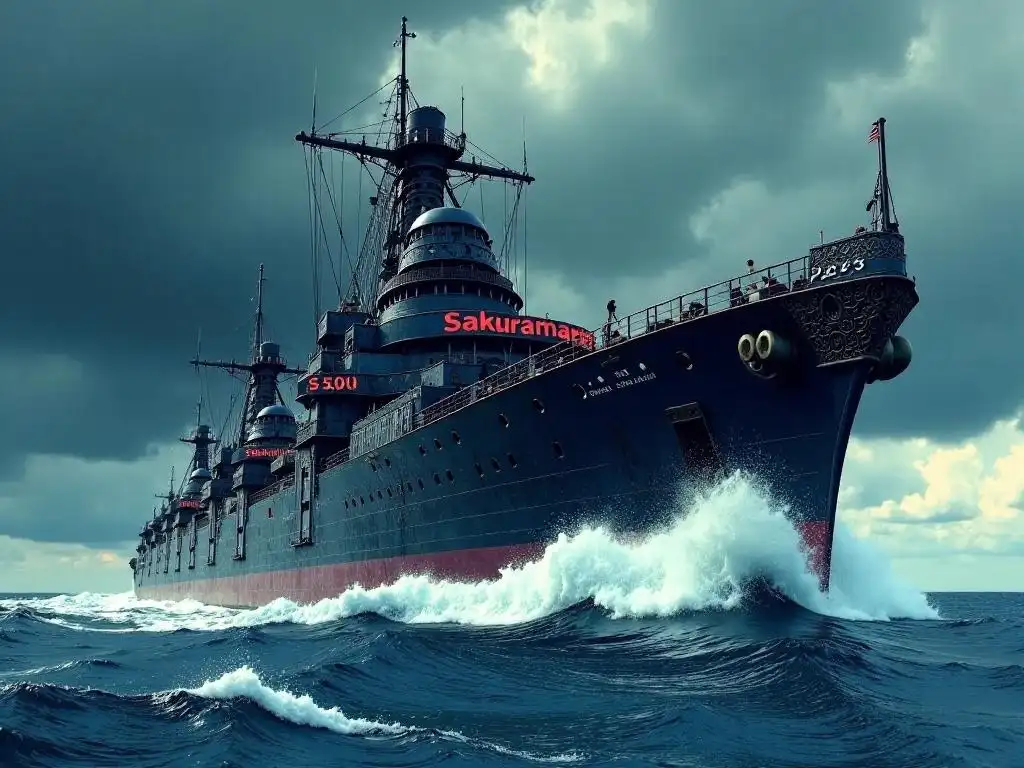
The Mongol invasions of Japan in the late 13th century had profound and lasting effects on Japanese maritime culture, particularly regarding naval strategies and the evolution of naval warfare. These invasions highlighted the need for a robust maritime defense and led to shifts in leadership dynamics, trade policies, and a legacy that would influence Japan's naval history for centuries.
The Mongol invasions catalyzed the emergence of samurai as prominent naval leaders, a shift from their traditional land-based roles. Before the invasions, the samurai class primarily engaged in terrestrial battles, but the necessity of defending against a naval threat transformed their role significantly.
- Naval Training and Tactics: Samurai began to incorporate maritime skills into their training. This included shipbuilding techniques, navigation, and combat tactics suited for naval engagements.
- Leadership in Naval Battles: Notable figures such as Minamoto no Yoritomo and his descendants emerged as key naval commanders. The famous Battle of Kōan in 1281 showcased samurai leadership in maritime warfare, where strategic naval maneuvers played a pivotal role in repelling the Mongol fleets.
This shift not only redefined the samurai’s role within Japanese society but also established a new hierarchy in naval command, blending traditional land warfare strategies with maritime tactics.
Changes in Trade and Maritime Policies Post-Invasion
The aftermath of the Mongol invasions prompted significant changes in Japan's trade and maritime policies. The invasions served as a wake-up call regarding the vulnerabilities of Japan’s maritime borders and the need for a more proactive approach to trade and defense.
- Increased Maritime Security Measures: The Japanese government recognized the necessity for enhanced coastal defenses and established a more organized naval presence. This included fortifying ports and implementing regular patrols to safeguard against potential invasions.
- Shift in Trade Routes: The invasions disrupted traditional trade routes, compelling Japan to seek new ones. This led to an increase in trade with other regions, particularly with Southeast Asia, as merchants sought safer passage for their goods.
- Regulation of Maritime Activities: The government imposed stricter regulations on maritime activities, including the licensing of ships and the management of trade. This not only aimed to protect Japan’s economic interests but also to prevent unauthorized foreign incursions.
These policy shifts laid the groundwork for a more structured approach to maritime affairs, influencing Japan's trade dynamics for generations.
The legacy of the Mongol invasions extends far beyond immediate military responses; it fundamentally shaped the trajectory of Japanese naval history.
- Innovation in Naval Warfare: The necessity to counter the Mongol threat led to innovations in ship design and naval tactics. The development of faster, more maneuverable vessels became a priority, enhancing Japan's naval capabilities in subsequent conflicts.
- Cultural Integration of Naval Themes: The invasions inspired various cultural expressions, including literature and art, which highlighted the valor of naval defenders and the significance of maritime prowess. This cultural integration reinforced the importance of naval defense in the national consciousness.
- Foundation for Future Conflicts: The experiences and lessons learned during the Mongol invasions set a precedent for Japan's approach to future naval engagements, including the conflicts with Western powers in the 19th century. The emphasis on naval strength became a recurring theme in Japan's military strategy.
The Mongol invasions of Japan were pivotal in reshaping Japanese naval strategies, leading to the rise of samurai as naval leaders, significant policy changes in maritime trade, and a lasting legacy that influenced Japan's naval history for centuries to come.
Conclusion: Lessons Learned from the Mongol Invasions

The Mongol invasions of Japan during the late 13th century had a profound impact on the development of Japanese naval strategies. As the Mongols attempted to expand their empire into Japan, they brought with them sophisticated naval techniques and tactics that forced the Japanese to adapt to new challenges. The invasions culminated in two major attempts, in 1274 and 1281, which revealed several key lessons for the Japanese.
-
Adaptation of Ship Design:
The Mongol fleets were notably larger and more organized than anything Japan had previously seen. This prompted Japanese shipbuilders to innovate by creating larger vessels with improved stability and maneuverability. The design of the "atakebune" (warships) evolved, incorporating features for better combat efficiency.
-
Tactical Innovations:
The invasions highlighted the need for better naval tactics. Japanese commanders began to emphasize the importance of coordinated naval engagements, using smaller, more agile ships to outmaneuver the larger Mongol vessels. This shift laid the groundwork for more sophisticated naval tactics in subsequent conflicts.
-
Defensive Strategies:
The invasions underscored the necessity of fortified coastal defenses. The Japanese established lookout posts and fortified harbors, ensuring early detection of enemy fleets. This approach not only helped in repelling the Mongols but also set a precedent for future naval defense strategies.
The lessons learned from the Mongol invasions shaped the trajectory of Japanese naval warfare for centuries to come. The adaptations made during this period influenced the development of Japan's naval capabilities, leading to several implications for future warfare:
-
Enhanced Maritime Focus:
The invasions led to a more pronounced focus on maritime power within Japanese military strategy. As a result, naval warfare became a critical component of Japan's military doctrine, influencing conflicts in the centuries that followed.
-
Integration of Technology:
The need to counter larger fleets prompted Japan to invest in maritime technology. This included advancements in shipbuilding, navigation, and weaponry, establishing a foundation for Japan's naval prowess in later periods, such as the Sengoku and Edo eras.
-
Cultural Reverberations:
The cultural memory of the Mongol invasions and the subsequent defense became embedded in the Japanese psyche. This historical event fostered a sense of unity and resilience, which would be echoed in Japan's future military endeavors.
Reflection on the Historical Significance of the Invasions
The Mongol invasions hold a significant place in the narrative of Japanese military history. Their impact extends beyond mere naval tactics, resonating through various aspects of Japanese society and culture:
-
Symbol of Resistance:
The successful repulsion of the Mongol invasions is often celebrated as a defining moment of national identity and pride. The "kamikaze" or "divine winds" that are said to have destroyed the Mongol fleets became a symbol of protection and resilience, deeply ingrained in Japanese folklore and history.
-
Legacy of Military Strategy:
The invasions prompted a reevaluation of military strategies that would influence Japan's approach to both land and naval warfare. The integration of lessons from the Mongol encounters into military training and strategy helped to refine Japan's overall military capabilities.
-
Cultural Exchange and Influence:
The invasions also facilitated a level of cultural exchange, as the Japanese observed and adapted elements of Mongol naval practices. This cross-cultural interaction contributed to the evolution of Japanese maritime culture and strategies, showcasing the interconnectedness of military history.
The Mongol invasions were instrumental in shaping Japanese naval strategies, leaving a lasting legacy that influenced Japan's military trajectory and cultural identity. The responses to these invasions laid the groundwork for the future of naval warfare in Japan, underscoring the importance of adaptability and resilience in the face of external challenges.
References and Further Reading
-
Mongol Invasions of Japan by Stephen Turnbull
This comprehensive account details the events surrounding the Mongol invasions of Japan in 1274 and 1281. Turnbull provides a thorough analysis of the military tactics employed by both the Mongols and the Japanese, highlighting the impact these invasions had on naval strategies.
-
The Samurai: A Military History by John M. Smith
Smith's work dives into the evolution of the samurai class during feudal Japan, with a specific focus on how military conflicts, including the Mongol invasions, influenced naval warfare strategies. The book offers insights into the cultural and operational adaptations made by the Japanese.
-
The Mongol Conquest of Japan: A Historical Study by Richard H. Davis
This book presents a meticulous examination of the Mongol invasions from a historical perspective, discussing the broader implications for Japanese military tactics, including those related to naval engagements.
-
Naval Warfare in Japan: A History of Japanese Naval Strategies by Akira Nakano
Nakano's book explores the evolution of Japan’s naval strategies through various historical events, including the Mongol invasions. It provides a detailed analysis of the naval innovations and adaptations that emerged as a response to these external threats.
Articles and Journals for In-Depth Research
-
"The Role of the Kamikaze in the Mongol Invasions of Japan"
This article, published in the Journal of Asian Studies, examines the phenomenon of the kamikaze or "divine winds" and their crucial role in thwarting the Mongol fleet. It analyzes how this event shaped future Japanese naval strategies.
-
"Military Adaptation and Response: A Study of Japanese Naval Strategies During the Mongol Invasions"
Featured in the International Journal of Maritime History, this research paper highlights how the Japanese military adapted its naval tactics in response to the Mongol threat, providing a detailed examination of the strategic shifts that occurred.
-
"The Mongol Invasions and the Transformation of Japanese Warfare"
This scholarly article reflects on the long-term impacts of the Mongol invasions on Japanese military practices, specifically focusing on naval developments and their implications for future conflicts.
Online Resources for Exploring Feudal Japan's Military History
-
Japan's Mongol Invasions: Historical Overview
A detailed online resource that provides an overview of the Mongol invasions of Japan, including maps, timelines, and analyses of naval strategies. This site offers a wealth of information for both casual readers and serious researchers.
-
Feudal Japan and the Evolution of Naval Warfare
An educational website featuring articles, primary sources, and multimedia presentations that explore the evolution of naval warfare in feudal Japan, with a focus on the influence of the Mongol invasions.
-
The Kamikaze Phenomenon
This resource delves into the legendary storms that thwarted the Mongol fleet, offering a comprehensive look at how these events shaped Japanese naval strategies and military thinking.
By exploring these resources, readers can gain a deeper understanding of the complex interplay between the Mongol invasions and the development of Japanese naval strategies during feudal Japan.
Frequently Asked Questions
What were the Mongol invasions of Japan?
The Mongol invasions refer to two major military campaigns led by Kublai Khan in 1274 and 1281, aiming to conquer Japan. These invasions significantly influenced Japanese military tactics and societal responses.
The invasions prompted Japan to develop more effective naval strategies and fortifications. As a result, the Japanese navy focused on enhancing their shipbuilding techniques and combat tactics to counter future threats.
What role did the kamikaze play during the invasions?
The term kamikaze, or "divine winds," refers to the typhoons that destroyed much of the Mongol fleet during the invasions. This natural phenomenon significantly influenced Japanese beliefs about divine protection and their naval defenses.
Were there any lasting effects on Japanese society from the invasions?
Yes, the Mongol invasions led to heightened national unity and a sense of identity among the Japanese people. These events also contributed to the rise of the samurai class and changes in feudal power dynamics.
How did the invasions shape Japan's maritime policies?
In response to the invasions, Japan implemented stricter maritime policies to bolster its defenses. This included enhanced surveillance of coastal areas and increased investment in naval technology to protect against further attacks.
The Mongol invasions of the late 13th century were pivotal events that reshaped not only Japan's military tactics but also its national identity. Today, as we navigate a world marked by rapid globalization and shifting power dynamics, the lessons learned from these historical confrontations remain strikingly relevant. The resilience and adaptability demonstrated by the Japanese in the face of overwhelming odds serve as a powerful reminder of the importance of strategic foresight and unity in times of crisis.
The influence of the Mongol invasions extends far beyond the battlefield; it has permeated cultural narratives and national consciousness. The strategies developed in response to these invasions laid the groundwork for Japan's future naval prowess and fostered a sense of collective identity that persists to this day. As historian John Man aptly noted, The Mongol invasions were not just military campaigns; they were catalysts for change that forged a new path for Japan.
This observation underscores the profound impact that these events had on shaping not only military strategies but also the very fabric of Japanese society.
As we reflect on the lessons of the past, let us consider how the spirit of innovation and resilience demonstrated during the Mongol invasions can inspire us today. I invite you to contemplate how you can apply these principles in your own life, whether through personal challenges or broader societal issues. Embrace the opportunity to learn from history, adapt to changing circumstances, and unite with others in pursuit of common goals. In doing so, we honor the legacy of those who faced adversity with courage and ingenuity, ensuring that their lessons continue to resonate in our modern world.
Thank you for exploring the fascinating impact of the Mongol invasions on Japanese naval strategies! Your interest in this pivotal moment in history not only enriches your understanding but also honors the courage and innovation of those who faced such challenges. Now, it’s time to deepen your knowledge and apply it in meaningful ways.
Here are some actionable steps you can take:
- Explore historical naval warfare by researching how these strategies influenced modern maritime practices. Choose a specific tactic and investigate how its legacy persists today!
- Join the conversation! Share your insights about the Mongol invasions in our community forum. Which strategies do you think were most effective in shaping Japan’s naval power?
- Create your own timeline of significant naval battles in Japanese history, highlighting how responses evolved over time, particularly in reaction to the Mongol threats.
What strategies do you believe would be most effective for a nation facing invasion today, inspired by Japan’s historic responses?