
The Samurai’s Dilemma: Loyalty and Conflict During the Tokugawa Period

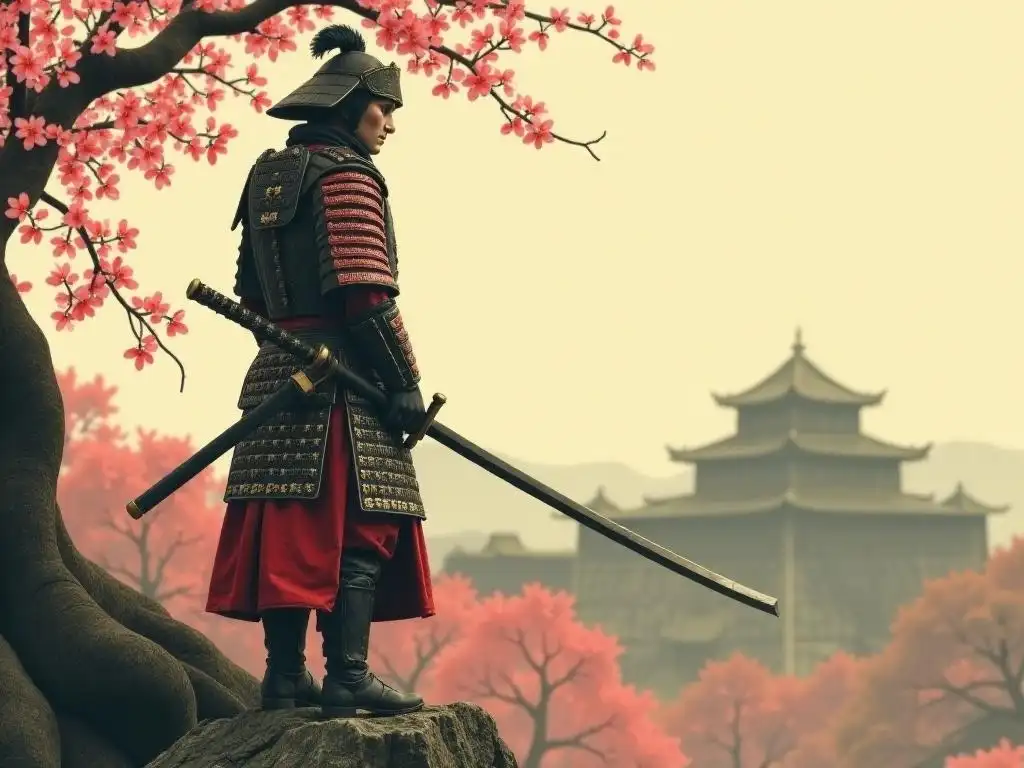
Welcome to Feudal Japan History, where we invite you to journey through the intricate tapestry of Japan’s feudal era. Here, we delve into the profound complexities of political history, exploring themes that shaped a nation. In our featured article, “The Samurai’s Dilemma: Loyalty and Conflict During the Tokugawa Period,” we unravel the delicate balance of samurai loyalty amidst turbulent times.
What compelled these noble warriors to uphold their allegiances, even when faced with insurmountable conflict? Join us as we uncover the stories and motivations that defined an era, sparking your curiosity to delve deeper into the world of feudal Japan.
Introduction to the Tokugawa Period
The Tokugawa period, spanning from 1603 to 1868, represents a crucial era in Japanese history marked by the establishment of the Tokugawa Shogunate, which brought about a long period of peace and stability known as the Edo period. This era profoundly influenced the cultural, political, and social landscape of Japan, culminating in the intricate dynamics of loyalty that defined the samurai class.
As the country transitioned from a feudal system rife with conflict to a more centralized form of governance, the samurai found themselves grappling with the expectations of loyalty to their lords while navigating personal conflicts that challenged their values and identity.
During this time, the samurai were not merely warriors; they were also the custodians of a rich cultural heritage and a complex ethical code. The concept of loyalty, deeply ingrained in the samurai ethos, became both a source of strength and a cause of conflict. As we delve deeper into the nuances of samurai loyalty during the Tokugawa period, we will uncover how these warriors balanced their commitments to their daimyō (feudal lords) against their own personal beliefs and honor.
Overview of the Tokugawa Shogunate
The Tokugawa Shogunate was founded by Tokugawa Ieyasu, who emerged victorious from the tumultuous Sengoku period to consolidate power and establish a centralized feudal government. This shogunate implemented a strict social hierarchy and a policy of isolationism that allowed Japan to flourish economically and culturally, largely free from foreign influence.
At the top of this hierarchy were the samurai, who served as both military leaders and civil administrators. The stability of the Tokugawa regime provided a unique backdrop against which the samurai's loyalty was tested, as they were expected to uphold the interests of their lords while adhering to their own moral codes.
Significance of Samurai in Feudal Japan
The samurai were not only the military elite of feudal Japan; they were also central to the cultural and political life of the country. Their role extended beyond mere combat; they were involved in governance, arts, and education, and were expected to embody the virtues of loyalty, honor, and discipline.
The samurai's significance is underscored by their influence on Japanese society, where they served as models of ethical behavior and guardians of cultural traditions. Their loyalty to their lords was not just a matter of duty; it was a reflection of their identity and a cornerstone of their social standing.
The Concept of Loyalty in Samurai Culture
Loyalty, or "chu," is a fundamental tenet of samurai culture, encapsulated within the ethos of Bushido—the "Way of the Warrior." This code dictated not only their conduct in battle but also their relationships with their lords and peers. Loyalty was seen as an unwavering commitment to one's daimyō, often requiring personal sacrifice and adherence to a strict moral compass. However, this concept of loyalty was complex and multifaceted, as it often conflicted with personal honor and the samurai's sense of righteousness. Understanding this duality is essential to grasping the dilemmas faced by samurai during the Tokugawa period.
The Nature of Loyalty Among Tokugawa Period Samurai
Defining Loyalty in the Context of the Tokugawa Era
In the Tokugawa era, loyalty took on specific meanings shaped by the political and social context of the time. Samurai were expected to exhibit absolute fidelity to their lords, often at the expense of their own welfare and beliefs. This unwavering loyalty was essential for maintaining the stability of the Tokugawa Shogunate; however, it also led to tensions when personal beliefs clashed with obligations. The samurai's loyalty was not merely a hierarchical obligation but also a deeply personal commitment, often resulting in profound internal conflicts.
The Role of Bushido in Shaping Samurai Loyalty
Bushido played a pivotal role in shaping the samurai's understanding of loyalty. This ethical code emphasized virtues such as bravery, honor, and self-sacrifice, which were integral to the samurai identity. Through the principles of Bushido, loyalty was not only a duty but also an honor that elevated the samurai's status. The code demanded that they act in the best interest of their lords, fostering a sense of communal loyalty that transcended personal desires. Yet, this strict adherence to Bushido sometimes led to tragic outcomes, as samurai were compelled to choose between loyalty and their own moral convictions.
Loyalty vs. Personal Honor: A Complex Relationship
The relationship between loyalty and personal honor created a complex dynamic for samurai during the Tokugawa period. While loyalty to one's lord was paramount, the samurai also held their personal honor in high regard. Conflicts often arose when a samurai's sense of honor was at odds with the demands of loyalty.
This internal struggle could lead to drastic choices, including seppuku (ritual suicide) as a means of preserving honor in the face of loyalty conflicts. The resulting dilemmas highlight the intricate balance that samurai had to maintain between their obligations to their lords and their commitment to their own ethical standards.
As we continue to explore these themes, we will delve deeper into specific examples and case studies that illustrate the samurai's struggles with loyalty during this transformative period in Japanese history.
Conflicts Faced by Samurai During the Tokugawa Shogunate
The Tokugawa Shogunate, which lasted from 1603 to 1868, brought about a long period of peace known as the Pax Tokugawa. However, this era was not devoid of conflicts for the samurai class. The samurai, originally warriors dedicated to their lords and the art of combat, found themselves navigating a complex landscape of loyalty amidst shifting political and social norms. This section explores the internal and external conflicts that characterized the samurai experience during this transformative period in Japanese history.
Internal Conflicts: Balancing Loyalty to Lords and Personal Beliefs
The samurai's loyalty during the Tokugawa period was often tested by internal conflicts arising from the need to balance their obligations to their feudal lords with their personal beliefs and values. Samurai were expected to adhere to the bushido code, which emphasized loyalty, honor, and duty. However, as the political landscape stabilized, many samurai began to question the nature of their service.
Some found themselves serving lords whose actions contradicted their moral beliefs. For example, a samurai might be ordered to suppress a peasant revolt, but his personal ethics might lean towards supporting the oppressed. This created a moral dilemma, as disobeying a lord could lead to severe repercussions, including loss of status or even death. The samurai's internal struggle often led to a profound sense of conflict, as they grappled with their loyalty to their lord versus their duty to uphold personal honor and ethics.
External Conflicts: The Impact of Political Change on Samurai Loyalty
Externally, the Tokugawa period was marked by significant political changes that impacted samurai loyalty. The unification of Japan under Tokugawa Ieyasu created a centralized power structure that diminished the traditional roles of samurai as military leaders. As the shogunate imposed strict social hierarchies and regulated the samurai class, many found themselves in positions that were less about martial prowess and more about bureaucratic governance.
This shift led to external conflicts as samurai were often caught in the crossfire of political maneuvers. Some samurai became disillusioned with the Tokugawa regime, feeling that their loyalty was being exploited for political gains rather than upheld as a noble virtue. The increased tensions among different clans and the rise of dissenting factions added layers of complexity to the samurai's loyalty, as they had to navigate alliances and rivalries that were often fluid and unpredictable.
Case Studies of Notable Samurai Conflicts
Several notable cases illustrate the conflicts faced by samurai during the Tokugawa period. One prominent example is the story of the Forty-Seven Ronin, a classic tale of loyalty and revenge. After their lord was forced to commit seppuku due to a conflict with a court official, the ronin sought to avenge him, demonstrating their unwavering loyalty despite the risks involved. Their actions sparked a national conversation about the nature of loyalty, honor, and justice.
Another significant case is the Ikedaya Incident of 1864, involving samurai from the Choshu clan who opposed the Tokugawa regime. Their attempt to incite a rebellion highlighted the growing discontent among samurai regarding their roles in a peaceful society and their loyalty to a government they perceived as corrupt and ineffective. These case studies exemplify the varied and often conflicting loyalties that samurai navigated during the Tokugawa period.
The Impact of the Tokugawa Peace on Samurai Loyalty
The lengthy peace of the Tokugawa period had a profound impact on samurai loyalty, reshaping their roles within society and altering the dynamics of their allegiances.
How the Pax Tokugawa Changed Samurai Roles
With the establishment of the Pax Tokugawa, the samurai's role transitioned from that of a warrior to a more complex identity involving administrative duties. Many samurai became landowners or bureaucrats, managing the affairs of their domains rather than engaging in warfare. This transformation often led to a reevaluation of their loyalty, as samurai were now required to serve the interests of the shogunate and their lords in ways that were more tied to economic stability than to martial valor.
The shift in focus from combat to governance challenged the traditional ideals of bushido, prompting some samurai to struggle with their sense of identity. As their roles changed, so too did the nature of their loyalty. They were now often more loyal to the bureaucratic structures that sustained their livelihoods rather than to the warrior ethos that had defined their ancestors.
The Shift from Military to Bureaucratic Responsibilities
The decline of military conflict during the Tokugawa period meant that samurai were increasingly tasked with bureaucratic responsibilities. This shift resulted in a new form of loyalty, as samurai had to navigate complex political landscapes and adhere to the rigid expectations of the shogunate.
As samurai became involved in administration, they were required to balance their traditional values with the demands of governance. Many found themselves in positions where they had to prioritize the interests of the state over personal loyalties to their lords or fellow samurai. This evolution not only affected their loyalties but also their status within society, as they began to be viewed more as civil servants than as noble warriors.
Effects of Peace on the Loyalty Dynamics Among Samurai
The prolonged peace of the Tokugawa era fundamentally altered the loyalty dynamics among samurai. While the absence of warfare might suggest a unifying effect, the reality was more complex. With the decline of martial engagement, samurai loyalty became increasingly tied to economic and social stability, leading to factions and divisions within the samurai class.
As some samurai flourished in their new roles, others faced hardship and disillusionment, which in turn affected their allegiances. The emergence of ronin, or masterless samurai, exemplified this shift; many found themselves without purpose or direction, leading to a crisis of loyalty and identity. The dynamics of loyalty during the Tokugawa period were thus shaped by both the peaceful environment and the socio-political changes that necessitated a reevaluation of what it meant to be a samurai in a time of relative tranquility.
Loyalty and Betrayal: Notable Historical Examples

The Tokugawa period, spanning from 1603 to 1868, was a time of relative peace and stability in Japan, yet it was also marked by complex relationships between samurai and their lords. Notable historical examples of loyalty and betrayal during this era highlight the intricate dynamics at play. One significant figure is Yamamoto Tsunetomo, a samurai who famously expressed the importance of loyalty in his work, Hagakure (The Hidden Leaves). His writings underscored the expectation that samurai remain loyal to their daimyō (feudal lords) above all else.
Another striking case is that of the 47 Ronin, a group of masterless samurai who avenged their lord’s death after he was forced to commit seppuku (ritual suicide) for defending his honor. This act of revenge, while a demonstration of unwavering loyalty, ultimately led to their own execution, raising questions about the value of loyalty when it results in catastrophic consequences. These examples serve as a testament to the complex interplay of honor, loyalty, and the tragic potential of betrayal during the Tokugawa period.
Analysis of Prominent Samurai Loyalty Betrayals
The phenomenon of loyalty betrayals among samurai during the Tokugawa period can be analyzed through several key events and figures. One of the most notable instances is the betrayal of Tokugawa Ieyasu by the samurai Matsudaira Tadayoshi. Initially loyal, Tadayoshi shifted his allegiance during a power struggle, which ultimately ended in his downfall. This case illustrates how shifting loyalties were often driven by personal ambition and the changing political landscape.
Moreover, the betrayal of Lord Asano Naganori, who attacked Kira Yoshinaka, is a compelling case of how loyalty and honor could lead to disastrous choices. Asano’s actions were considered a breach of decorum, resulting in his seppuku, while Kira’s subsequent role in the affair exemplified the complex nature of loyalty, where personal vendettas could overshadow traditional allegiances. Such betrayals not only affected the individuals involved but also resonated through their clans and the broader samurai class, leading to a legacy of distrust and political intrigue.
The Consequences of Betrayal in the Tokugawa Period
The consequences of betrayal during the Tokugawa period were profound and multifaceted. Betrayal often led to violent repercussions, such as seppuku, which was seen as a way to restore honor after a dishonorable act. The execution of the 47 Ronin serves as a prime example of how the consequences of betrayal could extend beyond the immediate individuals involved, impacting entire clans and communities.
Politically, betrayals could destabilize feudal alliances, leading to shifts in power dynamics that affected not only the samurai class but also the broader socio-political landscape of Japan. The Tokugawa Shogunate, which prioritized stability, viewed betrayals as threats to their governance and would often respond with severe punishments to maintain order and loyalty among the samurai.
Socially, the culture of loyalty and betrayal influenced the samurai's personal relationships and their roles within society. Betrayals were often viewed as deep stains on one's honor, resulting in a loss of status, respect, and even familial connections. This cultural perspective has left an indelible mark on the samurai ethos, instilling a sense of caution and vigilance in the relationships between samurai and their lords.
The Legacy of Samurai Loyalty in Japanese History
The legacy of samurai loyalty extends far beyond the Tokugawa period, influencing the course of Japanese history and culture. This legacy is characterized by a complex interplay of honor, duty, and the ramifications of loyalty conflicts. The samurai code of ethics, known as Bushidō, emphasized loyalty as a fundamental virtue, shaping the values of future generations and the perception of loyalty in Japanese society.
How Tokugawa Period Loyalty Influenced Future Generations
The loyalty exhibited during the Tokugawa period set profound precedents for subsequent generations. The ideals of loyalty and honor became ingrained in the cultural consciousness, influencing various aspects of Japanese society, including military conduct, governance, and interpersonal relationships. This period cultivated a sense of duty that would resonate during later conflicts, including the Boshin War and World War II, wherein loyalty to the nation was often equated with the samurai's loyalty to their lords.
Furthermore, the narratives surrounding samurai loyalty, such as those of the 47 Ronin, became cultural touchstones, serving as moral lessons about the virtues and pitfalls of loyalty. These stories continue to be retold in literature, theater, and modern media, preserving the ideals of samurai loyalty as a guiding principle in Japanese culture.
The Evolution of Samurai Loyalty Post-Tokugawa
As Japan transitioned from the Tokugawa period to the Meiji Restoration, the concept of loyalty evolved significantly. With the abolition of the samurai class in favor of a more modern military, the traditional notions of loyalty to a feudal lord began to shift. Loyalty became redefined in the context of the nation-state, where allegiance was directed toward the emperor and the modern nation of Japan.
This transformation was marked by the emphasis on national loyalty during the Meiji period, which sought to unify the diverse elements of society under a singular national identity. The samurai’s legacy of loyalty adapted to this new context, fostering a sense of patriotism that would ultimately shape Japan's modernization efforts and military ethos in the late 19th and early 20th centuries.
Cultural Reflections of Samurai Loyalty in Modern Japan
In contemporary Japan, the reflections of samurai loyalty are evident in various cultural expressions, from literature to film and even corporate environments. The enduring fascination with samurai ideals can be seen in popular media, where themes of loyalty, honor, and sacrifice continue to resonate with audiences. Films such as The Last Samurai and anime series like Rurouni Kenshin portray the complexities of samurai loyalty, often romanticizing their struggles and dilemmas.
Moreover, the principles of loyalty derived from the samurai code influence modern Japanese business practices, emphasizing dedication and commitment among employees. The cultural legacy of loyalty remains a critical component in understanding social interactions and expectations in Japan today.
The legacy of samurai loyalty from the Tokugawa period has left an indelible mark on Japanese culture, shaping historical narratives, influencing societal values, and continuing to inspire generations in both historical reflection and contemporary life.
Conclusion: The Enduring Dilemma of Loyalty and Conflict
The Tokugawa period, spanning from 1603 to 1868, is often characterized by its rigid social structure and the intricate relationships that defined samurai loyalty. The samurai, as the warrior class, were bound by a strict code of conduct, particularly bushido, which emphasized loyalty, honor, and duty to one's lord. However, this loyalty was frequently tested by political maneuvering, social change, and personal conflict. The complexities of these loyalties reveal a profound aspect of the samurai identity, where the conflict between personal beliefs and obligations to their lords created a persistent dilemma.
Throughout this era, the samurai faced situations that forced them to weigh their loyalty against their moral compass. The paradox of serving a potentially corrupt or inept lord while adhering to the principles of bushido often left samurai in a quandary. The societal expectations dictated loyalty above all else, yet the shifting dynamics of power within the Tokugawa shogunate fostered an environment where personal honor sometimes clashed with feudal loyalty. The result was an enduring struggle that continues to resonate in discussions of loyalty and ethics in leadership today.
Summary of Key Insights on Tokugawa Period Samurai Loyalty
- Feudal Obligations: Samurai loyalty was primarily directed toward their lords, dictated by a hierarchical system that demanded unwavering allegiance. This loyalty was not just personal but was enshrined in the very fabric of feudal society.
- Bushido Code: The ethical framework of bushido played a crucial role in shaping samurai behavior. It emphasized virtues such as courage, honor, and loyalty, yet also allowed for personal interpretation, leading to conflicts of interest.
- Political Intrigue: The Tokugawa period was rife with political intrigue and power struggles, which often put samurai loyalty to the test. The rise of the Tokugawa shogunate brought relative stability, yet the samurai were caught in a web of shifting allegiances as power dynamics evolved.
- Cultural Impact: The portrayal of samurai loyalty in literature and art during the Tokugawa period has left a lasting legacy, influencing contemporary understandings of honor and duty in Japanese culture.
- Modern Reflections: The dilemmas faced by samurai during the Tokugawa period continue to echo in modern society, where individuals grapple with loyalty to organizations or leaders versus personal ethics.
Final Thoughts on the Relevance of Samurai Loyalty Today
The concept of loyalty, as explored through the lens of Tokugawa period samurai, remains profoundly relevant today. In a world where individuals often navigate complex relationships with authority figures, the lessons learned from samurai loyalty can offer valuable insights. The tension between adhering to hierarchical loyalty and maintaining personal integrity is a common struggle, whether in corporate environments, political arenas, or social contexts.
Furthermore, the historical narrative of samurai loyalty encourages a deeper understanding of the ethical dimensions of loyalty itself. It invites us to reflect on what loyalty means in our lives, how it shapes our decisions, and the consequences of blind allegiance. As we examine the samurai's dilemmas, we are reminded of the importance of balancing loyalty with personal values, a lesson that transcends time and culture. Ultimately, the enduring legacy of samurai loyalty serves as a mirror that reflects our own challenges in navigating the complexities of loyalty in contemporary society.
- Introduction to the Tokugawa Period
- The Nature of Loyalty Among Tokugawa Period Samurai
- Conflicts Faced by Samurai During the Tokugawa Shogunate
- The Impact of the Tokugawa Peace on Samurai Loyalty
- Loyalty and Betrayal: Notable Historical Examples
- The Legacy of Samurai Loyalty in Japanese History
- Conclusion: The Enduring Dilemma of Loyalty and Conflict
Frequently Asked Questions
What was the Tokugawa period known for?
The Tokugawa period, lasting from 1603 to 1868, is marked by political stability, economic growth, and the strict social hierarchy of feudal Japan.
How did samurai loyalty manifest during this time?
Samurai loyalty during the Tokugawa period was primarily towards their daimyōs (feudal lords) and was often tested by conflicting interests between personal honor and loyalty to their lord.
What role did conflict play in the lives of samurai?
Despite the peaceful environment of the Tokugawa era, samurai faced internal conflicts as they navigated their duty to their lord and their personal moral codes.
How did the samurai's dilemma affect society?
The dilemma of loyalty among samurai influenced the social fabric of Japan, impacting relationships within the warrior class and their interactions with the peasantry.
What are the lasting impacts of samurai loyalty from the Tokugawa period?
The principles of loyalty established during the Tokugawa period continue to influence Japanese culture, particularly in concepts of honor and duty that resonate in modern society.
Final Reflection: The Enduring Legacy of Tokugawa Period Samurai Loyalty
The complexities of loyalty and conflict during the Tokugawa period remain profoundly relevant today, as they echo in our modern struggles with allegiance and ethical dilemmas. In an era where personal values often clash with societal expectations, the samurai's dilemma serves as a poignant reminder of the sacrifices made in the name of loyalty. The choices faced by these warriors resonate with our contemporary challenges, urging us to reflect on the nature of our commitments and the consequences they entail.
Cultural narratives surrounding the samurai have shaped our understanding of honor, duty, and the weight of loyalty. The Tokugawa period samurai's unwavering dedication to their lords, despite the potential for personal conflict, highlights a timeless struggle that transcends history. As we navigate our own lives, we can draw inspiration from their stories. Loyalty is not just a word; it is a commitment that defines our actions and shapes our identity.
This sentiment encapsulates the essence of what it means to be loyal, reminding us that our choices can have far-reaching implications.
As we reflect on the lessons of the Tokugawa period, let us consider how we can embody the virtues of loyalty and integrity in our own lives. I invite you to examine your own allegiances—whether to family, friends, or principles—and ponder how these commitments shape your identity and actions. In a world often fraught with conflict, embracing the samurai's spirit of loyalty can guide us toward a more harmonious existence, where our choices reflect our deepest values and contribute to the greater good.
Embrace the Legacy of Loyalty and Honor Today!
Thank you for diving into the fascinating complexities of loyalty and conflict during the Tokugawa period! Your understanding of these historical themes not only enriches your knowledge but also empowers you to draw valuable lessons from the past. Now, let's take the next step together and put this knowledge into action!
- Reflect on your community: Consider how the values of loyalty and honor influence your relationships and decisions. What commitments can you strengthen today?
- Share your thoughts: Engage with friends or family about the dilemmas faced by samurai—how would you navigate similar challenges in your own life?
- Join a community discussion: Explore our forum dedicated to the history of feudal Japan to connect with others who share your passion for this remarkable era and exchange ideas!
What aspects of loyalty and conflict resonate most with you in your life today? Join the conversation below!