
The Influence of Buddhism on Feudal Art Forms: A Cultural Intersection

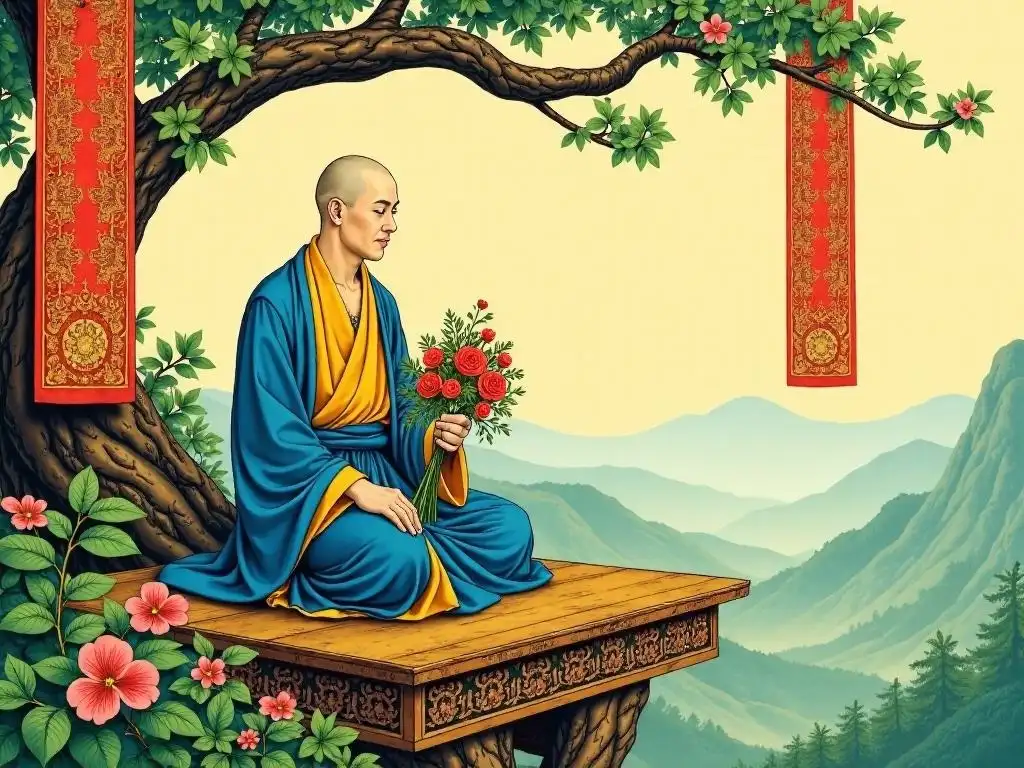
Welcome to Feudal Japan History! Dive into the rich tapestry of Japan’s feudal era, where culture, art, and spirituality intertwine in fascinating ways. In our featured article, "The Influence of Buddhism on Feudal Art Forms: A Cultural Intersection," we unravel the profound impact Buddhism had on the artistic expressions of the time. Discover how the teachings and aesthetics of Buddhism shaped the visual narratives of feudal Japan, inviting you to explore the delicate balance between faith and creativity. Prepare to embark on a journey through history that will ignite your curiosity and deepen your understanding of this captivating period!
Buddhism has played a pivotal role in shaping various aspects of Japanese culture, particularly during the feudal era. This period, marked by the rise of samurai culture and the establishment of powerful feudal lords, witnessed a profound cultural intersection where Buddhist ideologies and artistic expressions coalesced.
As we delve into the influence of Buddhism on feudal art forms, we will explore how this religion not only transformed artistic practices but also reflected the societal values and beliefs of the time. From intricate sculptures to delicate paintings, the legacy of Buddhism can be seen interwoven within the fabric of feudal Japan's artistic heritage.
Introduction to Buddhism and Feudal Japan
Overview of Buddhism's Arrival in Japan
Buddhism was introduced to Japan in the 6th century, primarily through the Korean Peninsula. It quickly gained traction among the ruling classes and eventually permeated various aspects of Japanese life. The early sects, such as Tendai and Shingon, emphasized esoteric teachings and rituals, which resonated deeply with the Japanese populace. This influx of new spiritual paradigms not only influenced religious practices but also sparked a significant artistic evolution, as artists began to depict Buddhist themes and symbols in their works.
The Evolution of Feudal Japan
Feudal Japan, spanning from the 12th to the 19th century, saw the consolidation of power among regional lords, known as daimyōs, and the rise of the samurai class. This era was characterized by a rigid social hierarchy and a culture that greatly valued loyalty, honor, and martial prowess.
As Buddhism became more entrenched within society, it began to influence the moral and ethical frameworks of the samurai, leading to a unique blend of martial and spiritual ideals. This interplay is reflected in the art of the period, which often depicted not only religious themes but also the virtues and struggles of the samurai.
Understanding Feudal Art Forms
Definition and Characteristics of Feudal Art
Feudal art in Japan is distinguished by its diverse forms, including painting, sculpture, ceramics, and textiles. This art often served both aesthetic and functional purposes, with many pieces created for religious contexts, such as temple adornments and ritual objects. Key characteristics of feudal art include:
- Symbolism: Many artworks incorporated Buddhist symbols, such as lotus flowers and mandalas, representing purity and enlightenment.
- Naturalism: Artists began to adopt more realistic representations of figures and landscapes, influenced by Chinese art techniques.
- Narrative Elements: Storytelling played a vital role in feudal art, with many pieces illustrating tales from Buddhist scriptures or samurai legends.
Key Artists and Art Movements During the Feudal Era
Several prominent artists and movements emerged during the feudal era, further exemplifying the influence of Buddhism on artistic expression. Notable figures include:
- Kōbō Daishi (Kukai): A key figure in the introduction of Esoteric Buddhism, his contributions to art included the establishment of the Shingon school, influencing artistic practices related to religious iconography.
- Sesshū Tōyō: A master of ink painting, he blended Zen Buddhist principles with traditional Japanese aesthetics, creating works that emphasize simplicity and tranquility.
- Muromachi Period Art: This era saw the rise of the Nihonga style, which incorporated Buddhist themes and techniques, significantly transforming the landscape of Japanese art.
Through these explorations, we can better understand how Buddhism's influence shaped the artistic landscape of feudal Japan, leaving a lasting legacy that continues to resonate in contemporary Japanese culture.
The Interplay Between Buddhism and Feudal Art
Buddhism's introduction to Japan in the 6th century marked a significant turning point in the country’s cultural and artistic development. As the religion spread, it began to intertwine with indigenous beliefs and practices, creating a unique blend that profoundly influenced various art forms during the feudal era.
The relationship between Buddhism and feudal art was not merely one of inspiration; it was a dynamic interplay where art served both devotional purposes and societal functions. Artists and craftsmen drew upon Buddhist themes, iconography, and teachings, resulting in works that not only reflected religious values but also addressed the socio-political context of the time.
Additionally, the patronage of feudal lords played a crucial role in the promotion of Buddhist art. Many samurai and noble families supported the construction of temples and the creation of artworks as a means of demonstrating their piety and enhancing their social status. This patronage helped to establish a cultural framework where artistic expression was both a spiritual endeavor and a vehicle for political power. The fusion of these elements led to a rich tapestry of artistic achievement that characterized the feudal period in Japan.
How Buddhism Shaped Artistic Expression
The influence of Buddhism on artistic expression in feudal Japan can be seen in various forms, including painting, sculpture, and decorative arts. Buddhist teachings emphasized concepts such as impermanence and enlightenment, which artists incorporated into their works. For instance, the aesthetic principles of wabi-sabi, which celebrate the beauty of imperfection and transience, can be traced back to Buddhist philosophy. This perspective encouraged artists to explore more abstract and emotive representations, moving away from purely realistic depictions.
Moreover, Buddhist narratives and iconography provided a wealth of subject matter for artists. Scenes from the Jataka tales, which recount the previous lives of the Buddha, became popular themes in painting and sculpture. The portrayal of bodhisattvas, enlightened beings who assist others in achieving enlightenment, also influenced the development of artistic styles. Artists sought to convey the spiritual essence of these figures through their craftsmanship, resulting in highly stylized and thoughtful representations.
The Role of Buddhist Temples in Art Development
Buddhist temples served as both spiritual centers and hubs for artistic activity during the feudal era. They were places where monks practiced their faith, but they also functioned as schools for artists and craftsmen. Many renowned artists trained under the guidance of monks, learning the techniques and philosophies that would shape their work. Temples commissioned vast amounts of art, from intricate paintings to grand sculptures, thus driving the demand for skilled artisans.
In addition to serving as educational institutions, temples were often the site of significant artistic innovations. The construction of temples like Hōryū-ji in Nara, one of the oldest wooden structures in the world, exemplified the integration of architectural design with Buddhist ideals. These structures were not only places of worship but also masterpieces of art, showcasing the capabilities of Japanese builders and artists. The collaboration between religious leaders and artisans resulted in a flourishing of creativity that left a lasting legacy.
Major Art Forms Influenced by Buddhism
Buddhism's influence permeated various art forms during the feudal era, each reflecting unique aspects of the faith and its teachings. From painting to architecture, these art forms illustrate how deeply intertwined Buddhist philosophy was with the cultural fabric of feudal Japan.
Painting: The Integration of Buddhist Themes
Buddhist themes were prominently featured in the painting styles that emerged during the feudal period. Artists often depicted scenes from Buddhist texts, illustrating narratives that conveyed moral lessons and spiritual insights. Notable works included large-scale murals within temple complexes, which served both didactic and decorative purposes. The use of color and composition in these paintings was carefully considered to evoke a sense of tranquility and devotion.
The incorporation of ink wash techniques also marked a significant evolution in painting styles, allowing for expressive brushwork that mirrored the fluidity of Buddhist thought. This technique enabled artists to convey emotions and spiritual states, making the viewer's experience more immersive. The art of painting during this period reflected not only religious devotion but also the broader cultural shifts that were occurring as Buddhism took root in Japanese society.
Sculpture: Notable Buddhist Statues in Feudal Japan
Sculpture during the feudal era was heavily influenced by Buddhist iconography, with many artists creating statues of the Buddha and various bodhisattvas. These sculptures were often made from wood, stone, or bronze and were characterized by their intricate details and symbolic elements. The Nara period (710-794) saw the creation of some of the most iconic Buddhist statues, such as the Great Buddha of Nara (Daibutsu), which stands as a testament to the artistry and devotion of the time.
Sculpture served both devotional and aesthetic purposes; statues were placed in temples and homes as objects of worship and reflection. The craftsmanship involved in creating these works was highly revered, with artists often dedicating their lives to perfecting their skills. The emphasis on realism and expressiveness in these sculptures reflected the Buddhist ideals of compassion and enlightenment, allowing devotees to connect with the spiritual teachings embodied in the works.
Architecture: The Design of Buddhist Temples and Stupas
The architectural designs of Buddhist temples and stupas in feudal Japan were deeply influenced by Buddhist principles and aesthetics. The layout of temples often mirrored the cosmos, symbolizing the connection between the earthly and spiritual realms. The use of natural materials and harmony with the surrounding landscape were also hallmarks of Buddhist architecture, reflecting the faith's respect for nature.
Stupas, which serve as reliquaries for sacred relics, were designed not only for function but also for spiritual significance. The construction of these structures involved meticulous planning and artistry, often resulting in elaborate designs that conveyed a sense of peace and enlightenment. Notable examples include the pagodas of Hōryū-ji and the Great Stupa of Nara, which exemplify the blend of aesthetic beauty and spiritual purpose in Buddhist architecture.
As a result, the architectural legacy of feudal Japan is interwoven with Buddhist thought, creating spaces that inspire contemplation and reverence.
The Symbolism of Buddhism in Feudal Art
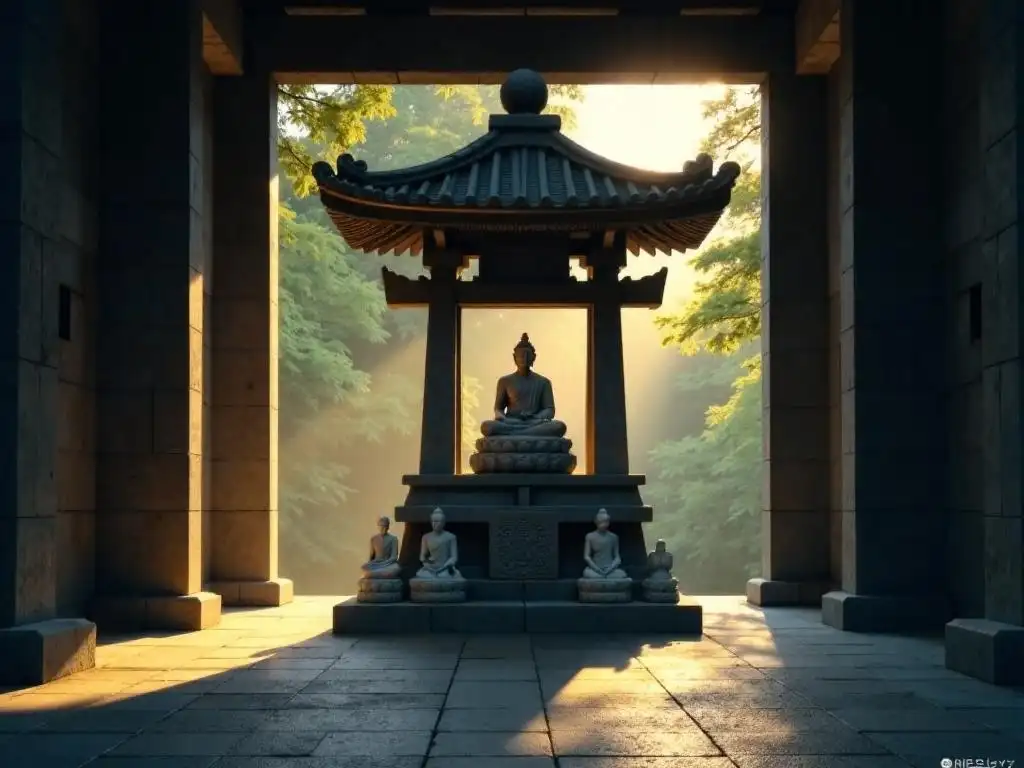
Buddhism profoundly influenced the artistic expressions during Japan's feudal era, serving as a lens through which spiritual and cultural narratives were conveyed. The symbolism embedded in feudal art often depicted Buddhist teachings, spiritual beliefs, and moral lessons, making these artworks not just decorative but deeply meaningful. The integration of Buddhist iconography into various art forms, such as painting, sculpture, and textiles, reflects a broader cultural synthesis that resonated with the spiritual aspirations of society.
Artisans skillfully incorporated symbols like the lotus flower, representing purity and enlightenment, and the dharma wheel, symbolizing the path to spiritual awakening. These motifs were prevalent in both religious and secular art, illustrating how Buddhism permeated daily life. By embedding Buddhist symbolism within their works, artists created a visual language that communicated complex philosophical ideas, making them accessible to a wider audience.
Iconography in Feudal Artworks
The iconographic elements of feudal art are rich and varied, often reflecting the specific schools of Buddhism that flourished during different periods. The use of Buddha figures, Bodhisattvas, and various celestial beings in sculpture and painting served as focal points for worship and meditation. Each figure carried distinct attributes and gestures (mudras), which conveyed specific teachings and virtues.
For instance, the Amida Buddha, often depicted seated in meditation, symbolizes compassion and the promise of salvation. In contrast, Kannon, the Bodhisattva of mercy, is frequently shown with multiple arms, representing her ability to reach out to all beings in need. These representations were not solely artistic endeavors; they were imbued with spiritual significance, often serving as objects of devotion and veneration within temples and homes.
Artworks also included narrative scenes illustrating Buddhist parables and stories, helping to educate the populace about moral conduct and the principles of Buddhism. This combination of iconography and narrative enriched the cultural fabric of feudal Japan, making Buddhism an integral part of the artistic landscape.
The Significance of Buddhist Symbols in Daily Life
Buddhist symbols in feudal art transcended mere aesthetic appeal; they served as reminders of the spiritual truths and ethical practices that guided daily life. For many, these symbols provided comfort and hope, fostering a sense of community and shared belief. Artisans often crafted amulets and talismans featuring Buddhist symbols, which people carried for protection and blessings.
Moreover, the presence of Buddhist motifs in everyday objects, such as pottery, textiles, and household items, illustrates how deeply ingrained these beliefs were in the culture. The use of symbols like the endless knot, representing the interconnectedness of life, encouraged individuals to reflect on their actions and the consequences they bore in their lives and communities.
As Buddhism became a dominant cultural force, its symbols found their way into festivals, rituals, and social gatherings, reinforcing communal bonds and shared values. This integration of Buddhist symbolism into daily life exemplifies the profound impact of Buddhism on the artistic and cultural identity of feudal Japan.
Case Studies of Specific Artworks
Analysis of "The Great Buddha of Nara" and Its Buddhist Influence
"The Great Buddha of Nara," or Nara Daibutsu, stands as one of the most significant representations of Buddhist art in Japan. Completed in 752 CE, this monumental bronze statue of Amitabha Buddha reflects the grandeur of the Buddhist faith and its pivotal role in the sociopolitical landscape of the time. The sheer scale of the statue, reaching over 15 meters high, symbolizes the importance of Buddhism in providing spiritual guidance and authority during the Nara period.
The intricate details of the statue, including the lotus pedestal and the serene expression of the Buddha, embody the ideals of peace and enlightenment that Buddhism espouses. The craftsmanship involved in creating such a large-scale work demonstrates the dedication and skill of artisans, who aimed to convey the transcendence of the Buddha through art. As a focal point for worship, the Great Buddha not only attracted pilgrims but also became a national symbol of unity and spiritual strength, influencing subsequent artistic endeavors across Japan.
Furthermore, the Great Buddha's construction was accompanied by an extensive temple complex, Todai-ji, which served as a center for Buddhist learning and practice. This synergy between art and architecture exemplifies how Buddhism shaped the cultural and spiritual landscape of feudal Japan.
The Impact of "The Night Parade of One Hundred Demons" on Feudal Culture
"The Night Parade of One Hundred Demons," or Hyakki Yagyō, is a fascinating artwork that illustrates the intersection of Buddhist beliefs and Japanese folklore. This narrative painting depicts a procession of supernatural beings, including yokai (spirits) and other creatures, as they roam the night. While initially rooted in indigenous Shinto beliefs, the inclusion of Buddhist themes and figures reflects the syncretism of religious traditions in feudal Japan.
The presence of Buddhist figures within this chaotic parade serves as a reminder of the transient nature of life and the importance of moral conduct. The artwork highlights the struggle between good and evil, a common theme in Buddhist teachings. By portraying these supernatural entities alongside Buddhist figures, the artist underscores the idea that even in chaos, the principles of Buddhism provide guidance and protection.
This artwork not only entertained audiences but also served as a cultural commentary on societal fears and the moral dilemmas faced by individuals. It illustrates how art could function as a vehicle for exploring complex themes, making it a vital part of the cultural dialogue during the feudal era. The blending of Buddhist symbolism with folklore in "The Night Parade of One Hundred Demons" exemplifies the rich tapestry of beliefs that defined feudal Japanese art and culture.
The Legacy of Buddhism in Contemporary Japanese Art
The influence of Buddhism on Japanese art is profound, echoing through centuries and manifesting in various forms, from traditional paintings to modern installations. Contemporary Japanese artists continue to draw inspiration from Buddhist themes, aesthetics, and philosophies, showcasing the lasting legacy of this ancient religion. The integration of Buddhist concepts in contemporary art reflects not only the historical significance of Buddhism in shaping Japan's cultural identity but also a resurgence of interest in spirituality and mindfulness in today's fast-paced society.
Many modern artists incorporate elements such as Zen philosophies, which emphasize simplicity and the beauty of impermanence. This can be seen in minimalist art movements where the focus is on the essence of materials and the space around them, often evoking a meditative experience for the viewer. Traditional Buddhist motifs like lotus flowers, mandalas, and depictions of bodhisattvas are reimagined in innovative ways, merging ancient symbolism with contemporary artistic expression.
Continuation of Buddhist Themes in Modern Art
Buddhist themes continue to permeate modern art in Japan, with artists exploring concepts such as enlightenment, suffering, and the cycle of life and death. This exploration often manifests through various mediums, including painting, sculpture, and installation art.
For instance, the use of traditional painting techniques, such as ink wash, is prevalent among contemporary artists who aim to evoke the spiritual essence of their subjects. Artists like Takashi Murakami and Yoshitomo Nara have incorporated elements of Buddhist iconography into their works, blending them with pop culture to create a dialogue between the past and the present.
Moreover, the practice of art as a form of meditation remains significant, with many artists engaging in processes that encourage mindfulness and reflection. This continuation of Buddhist themes highlights the religion's adaptability and relevance in addressing contemporary societal issues.
The Influence of Feudal Buddhist Art on Today’s Artists
Feudal Buddhist art has left an indelible mark on modern Japanese artists, providing a rich source of inspiration and a foundation upon which contemporary practices are built. The intricate craftsmanship and spiritual symbolism of feudal art forms such as woodblock prints, temple architecture, and statuary have influenced various art movements in Japan.
Today, artists often revisit these historical styles, infusing them with modern techniques and perspectives. For example, the detailed narratives found in feudal art, such as the stories depicted in ukiyo-e prints, inform the storytelling aspects of contemporary installations. Additionally, the importance of nature in Buddhist art resonates with current ecological concerns, prompting artists to address environmental themes within a spiritual context.
The enduring influence of feudal Buddhist art serves as a bridge between past and present, allowing contemporary artists to explore their cultural heritage while innovating new forms of expression.
Conclusion: The Lasting Impact of Buddhism on Feudal Art Forms
Buddhism's impact on feudal art forms has been profound and multifaceted, shaping not only the aesthetic qualities of art but also the underlying philosophies that guide artistic creation. The intersection of religious belief and artistic expression has led to a unique cultural landscape in Japan, where art serves as a medium for spiritual exploration.
Summary of Key Influences
The key influences of Buddhism on feudal art can be summarized as follows:
- Spiritual Themes: Central Buddhist concepts such as enlightenment, compassion, and impermanence have permeated artistic expressions.
- Aesthetic Principles: The emphasis on simplicity, balance, and harmony in Buddhist art has shaped the visual language of numerous art forms.
- Cultural Symbolism: Iconography derived from Buddhist teachings has provided a rich tapestry of symbols that continue to resonate in contemporary works.
Reflections on the Cultural Intersection of Religion and Art
The cultural intersection of Buddhism and art in Japan reveals a dynamic relationship that has evolved over centuries. This interplay has not only enriched the artistic landscape but has also fostered a deeper understanding of spirituality in relation to daily life.
As artists continue to grapple with themes of existence, identity, and the human experience, the legacy of Buddhism remains a vital source of inspiration. The ongoing dialogue between ancient practices and modern interpretations highlights the adaptability of Buddhist ideas, ensuring their relevance in the ever-changing cultural milieu of Japan today.
In essence, the influence of Buddhism on feudal art forms is a testament to the enduring power of spiritual expression, reminding us of the profound connections between art, culture, and belief systems that shape human experience.
- Introduction to Buddhism and Feudal Japan
- Understanding Feudal Art Forms
- The Interplay Between Buddhism and Feudal Art
- Major Art Forms Influenced by Buddhism
- The Symbolism of Buddhism in Feudal Art
- Case Studies of Specific Artworks
- The Legacy of Buddhism in Contemporary Japanese Art
- Conclusion: The Lasting Impact of Buddhism on Feudal Art Forms
- What is the main focus of the article on Buddhism's influence on feudal art?
- How did Buddhism affect artistic themes during Japan's feudal era?
- What are some key art forms discussed in relation to Buddhism?
- Why is it important to study the influence of Buddhism on feudal art?
- Are there specific examples of art pieces mentioned in the article?
Frequently Asked Questions
What is the main focus of the article on Buddhism's influence on feudal art?
The article delves into the cultural intersection between Buddhism and feudal art forms in Japan, exploring how religious beliefs shaped artistic expressions.
How did Buddhism affect artistic themes during Japan's feudal era?
Buddhism introduced spiritual and philosophical themes that significantly influenced imagery, sculpture, and architecture, creating a unique blend of religious and aesthetic values.
What are some key art forms discussed in relation to Buddhism?
The article discusses various art forms such as painting, sculpture, and temple architecture, highlighting how each was impacted by Buddhist ideology and practices.
Why is it important to study the influence of Buddhism on feudal art?
Understanding this influence provides insights into cultural evolution in Japan, emphasizing how religion and art coalesce to reflect societal values and beliefs.
Are there specific examples of art pieces mentioned in the article?
Yes, the article references notable works like Amida Buddha sculptures and Zen garden designs, illustrating the direct impact of Buddhism on feudal artistic practices.
Final Reflection: The Enduring Legacy of Buddhism's Influence on Feudal Art
The intersection of Buddhism and feudal art forms remains a powerful testament to the cultural dialogues that shape our world today. As we explore the intricate ways in which Buddhist philosophy and aesthetics permeated feudal societies, we uncover a rich tapestry of creativity and spirituality that continues to resonate in contemporary art and culture. This enduring influence reminds us that art is not merely a reflection of its time but also a bridge connecting diverse beliefs and practices across generations.
Culture is a living entity, constantly evolving yet deeply rooted in its history. The influence of Buddhism on feudal art has not only enriched the artistic landscape of the past but has also laid the groundwork for ongoing cultural exchanges. As we witness the resurgence of interest in mindfulness and spiritual practices in modern society, we can see echoes of these ancient artistic traditions in contemporary works. Art is the most beautiful of all lies.
– Claude Debussy. This quote encapsulates the idea that art transcends mere representation; it embodies the essence of cultural narratives and spiritual journeys that continue to inspire us today.
As you reflect on the themes presented in this article, consider how the principles of Buddhism can inform your own creative expressions and interactions with art. Embrace the idea that art is a dialogue, a means of connecting with others and understanding diverse perspectives.
Let the lessons of compassion, mindfulness, and interconnectedness guide your journey, encouraging you to explore the depths of your own creativity and the cultural influences that shape it. The legacy of Buddhism in feudal art is not just a historical footnote; it is a call to engage with the world around us, fostering a deeper appreciation for the beauty and complexity of our shared human experience.
Uncover the Spiritual Resonance of Feudal Art!
Thank you for exploring the fascinating intersection of Buddhism and feudal art forms with us! Through this journey, you've gained valuable insights into how spiritual beliefs shaped artistic expressions during a pivotal period in history. Now, it's time to deepen your curiosity and connect with this rich cultural tapestry.
Here are some immediate steps you can take:
- Dive deeper into Buddhist art: Visit a nearby museum or gallery that showcases Buddhist art to witness its beauty firsthand.
- Start a discussion: Share your reflections and insights about the impact of Buddhism on art with friends or in online forums. Your thoughts could spark an enlightening conversation!
- Explore historical texts: Look for books or documentaries that examine the influence of Buddhism on various cultures, expanding your understanding of its global impact.
What aspect of the fusion between Buddhism and feudal art intrigues you the most, and how might it inspire your own creative journey?