
The Ashigaru's Contribution to Japanese Military Innovations


Welcome to Feudal Japan History, where we delve into the rich tapestry of Japan's feudal era! In our latest exploration, we shine a light on the Ashigaru, the foot soldiers who played a pivotal role in shaping Japan’s military landscape. Discover how their innovative tactics and unique adaptations revolutionized warfare and contributed to the rise of powerful clans. What secrets lie within their strategies? Join us as we unravel the fascinating story of Ashigaru military innovations in Japan—a journey that promises to deepen your understanding of this extraordinary period. Your adventure into the past begins now!
- Introduction to Ashigaru Military Innovations in Japan
- The Evolution of the Ashigaru
- Key Contributions of Ashigaru to Military Innovations
- The Ashigaru's Influence on Samurai Warfare
- Technological Advancements Driven by Ashigaru
- Cultural Impact of Ashigaru Military Innovations
- Conclusion: The Lasting Impact of Ashigaru Military Innovations in Japan
- Frequently Asked Questions
- Final Reflection: The Lasting Legacy of Ashigaru Military Innovations in Japan
- Unveil the Legacy of the Ashigaru!
Introduction to Ashigaru Military Innovations in Japan
The Ashigaru, a class of foot soldiers in feudal Japan, played a pivotal role in shaping the military landscape of the country during its tumultuous periods of warfare. Their contributions were not merely as soldiers but as innovators who adapted and transformed military strategies and technologies.
This article delves into the significant impact that Ashigaru had on Japanese military innovations, highlighting their evolution from mere infantry into a crucial component of samurai warfare. By understanding the multifaceted role of Ashigaru, we can appreciate how their developments influenced not only battles but also the broader societal and cultural aspects of Japan during the feudal era.
Understanding the Role of Ashigaru in Feudal Japan
The Ashigaru emerged during the Kamakura period (1185–1333) and became a prominent force by the Muromachi period (1336–1573). Initially, these foot soldiers were often peasants conscripted to serve as infantry in battles. Their significance grew as they began to receive specialized training and equipment, which set them apart from their samurai counterparts.
-
Social Structure:
The Ashigaru were typically lower-class individuals, often farmers or laborers, who sought to improve their social standing through military service. This dynamic created a unique social mobility opportunity, allowing them to gain respect and status in a society dominated by the samurai class.
-
Training and Organization:
Over time, the Ashigaru underwent rigorous training, developing into organized units capable of executing complex battle strategies. They were often armed with polearms, such as the naginata, and later, firearms, reflecting their adaptability to changing warfare tactics.
-
Tactics and Strategy:
The Ashigaru's integration into battle tactics revolutionized military engagements. They frequently fought in formation, supporting the samurai cavalry with coordinated assaults and defensive strategies. This collaboration marked a significant shift in combat dynamics, leading to more sophisticated battlefield maneuvers.
Overview of Military Innovations in Japanese History
Japan's military history is characterized by a series of innovations that not only influenced the effectiveness of its armies but also set the foundation for modern warfare. The Ashigaru were instrumental in several key developments:
-
Gunpowder Weaponry:
The introduction of firearms in the 16th century transformed Japanese warfare. Ashigaru units were often the first to adopt these weapons, using them effectively in battles like the Battle of Nagashino in 1575, where organized gunfire decimated the enemy cavalry.
-
Siege Warfare:
Ashigaru played a crucial role in the evolution of siege tactics. Their ability to construct fortifications and employ artillery during sieges marked a turning point in military strategy, demonstrating their importance beyond mere foot soldiers.
-
Logistical Innovations:
The Ashigaru were also involved in logistical improvements, such as supply management and troop movement, which were essential for sustaining prolonged campaigns. Their understanding of terrain and local resources gave commanders a strategic advantage in various military campaigns.
The contributions of the Ashigaru to military innovations in Japan underscore their vital role in the feudal era, highlighting how a class often overlooked in history became a cornerstone of Japanese military advancement.
The Evolution of the Ashigaru
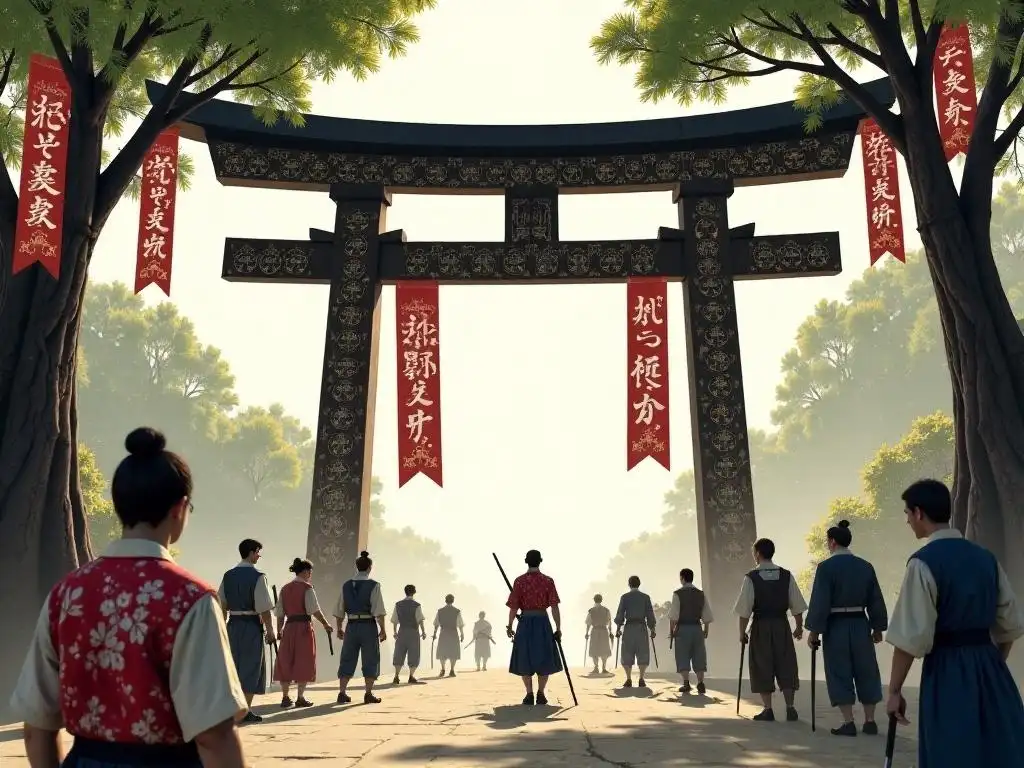
The Ashigaru, originally composed of foot soldiers in Japan, underwent a significant evolution throughout the feudal era, particularly from the late 15th century to the early 17th century. Their role shifted dramatically from simple conscripts to an essential component of the samurai-led armies. This transformation was influenced by various military, social, and economic factors that shaped their contributions to Japanese military innovations.
Historical Background of Ashigaru in Japan
The term "Ashigaru" translates literally to "light-footed," which aptly describes these foot soldiers who were primarily utilized during the Sengoku period (1467-1603). Initially, the Ashigaru were drawn from the lower classes, including peasants and laborers, who were conscripted by their local lords during times of war. They typically fought alongside samurai, but their status was significantly lower, and they were often equipped with basic weapons such as spears (yari) and bows (yumi).
Key Points in Ashigaru History:
- Origins: The Ashigaru emerged as a distinct military class during the late 15th century, as warfare became more prevalent and the need for large armies increased.
- Role in Battles: Despite their lower status, Ashigaru played pivotal roles in battles such as the famous Battle of Nagashino in 1575, where they utilized firearms (tanegashima) alongside samurai.
- Training and Equipment: Over time, the Ashigaru received more formal training and better arms, reflecting the evolving military strategies of the period.
As they gained prominence, the Ashigaru began to influence Japan's military innovations, particularly in the adoption and use of firearms and other tactical formations.
The development of the Ashigaru was not solely a military phenomenon; it was also deeply rooted in the social and economic contexts of feudal Japan.
Economic Changes:
- Rise of Agrarian Economies: The increase in agricultural productivity provided local lords with more resources to equip and maintain larger armies, allowing for the recruitment of more Ashigaru.
- Taxation and Conscription: Many lords implemented systems of conscription, where peasants were required to serve in their lord's army during conflicts, thus integrating the Ashigaru into the social fabric.
Social Dynamics:
- Class Mobility: The chaos of the Sengoku period allowed for some degree of social mobility. Successful Ashigaru could rise in rank and even attain samurai status, which motivated many to enlist.
- Cultural Integration: As Ashigaru became more integral to military operations, they adopted various aspects of samurai culture, including warrior ethics and training rituals, which further legitimized their role in society.
Impact on Military Innovations:
The evolution of the Ashigaru was a catalyst for several military innovations:
- Firearms Usage: The Ashigaru were instrumental in the widespread adoption of firearms in Japanese warfare. Their proficiency with the tanegashima changed the dynamics of battles, favoring ranged combat.
- Tactical Formations: Ashigaru played crucial roles in developing new battlefield tactics, such as the use of massed formations, which maximized the effectiveness of both infantry and artillery.
- Logistics and Supply Chains: The need to support larger armies led to advancements in military logistics, enabling more organized supply chains that benefited not only the Ashigaru but the entire military structure.
The Ashigaru's evolution during Japan's feudal era was characterized by significant historical developments and social transformations. Their contributions to military innovations, particularly through the adoption of firearms and new tactics, underscore the importance of this often-overlooked class in shaping Japan's military history.
Key Contributions of Ashigaru to Military Innovations
Introduction of Firearms in Japanese Warfare
The introduction of firearms to Japan marked a significant turning point in military engagements during the late 16th century. The Ashigaru, as foot soldiers, played a crucial role in the integration and adaptation of these new weapons into Japanese warfare. Their flexibility and mass mobilization allowed for the rapid dissemination of firearms across various regions, fundamentally altering combat strategies and battlefield dynamics.
The arrival of Portuguese traders in the 1540s brought the first matchlock guns, or tanegashima, to Japan. Initially seen as exotic novelties, these firearms quickly caught the attention of feudal lords and military strategists. The Ashigaru, who were often lower-ranked soldiers, became instrumental in learning, operating, and later, perfecting the use of these weapons.
Impact of Ashigaru on the Adoption of Guns
The Ashigaru's willingness to adopt firearms transformed the nature of Japanese warfare. As a large, often untrained group, they were perfectly positioned to be trained in the use of firearms, allowing for a rapid increase in the number of gunmen on the battlefield. This shift was not only a matter of firepower but also of tactics.
- Massed Firepower: The Ashigaru utilized their numbers to create a wall of gunfire, overwhelming opponents through sheer volume rather than precision. This tactic changed the dynamics of traditional samurai combat, which emphasized individual skill and honor.
- Training and Tactics: While samurai were trained in traditional weaponry, Ashigaru units underwent specific training in firearms, making them crucial to the strategic development of gunpowder weaponry in Japan. Their adaptability allowed commanders to experiment with formations and tactics that incorporated firearms effectively.
Case Study: The Battle of Nagashino and the Use of Arquebuses
The Battle of Nagashino in 1575 stands as a quintessential example of the Ashigaru's significant contribution to military innovations through the use of firearms. In this battle, the forces of Tokugawa Ieyasu and his ally, Takeda Katsuyori, faced off with a clear emphasis on firearm tactics.
- Tactical Deployment: Tokugawa's forces deployed their Ashigaru armed with arquebuses in a three-line formation. This allowed for a continuous volley of gunfire, as the rear line could reload while the front line fired, creating a devastating barrage against the advancing Takeda cavalry.
- Decisive Victory: The effective use of firearms by the Ashigaru during this battle not only led to a decisive Tokugawa victory but also demonstrated the potential of gunpowder weapons in altering the course of battles in feudal Japan. The success at Nagashino showcased how the Ashigaru could leverage military innovations to change traditional warfare paradigms.
Tactical Innovations and Battlefield Strategies
The Ashigaru were not just passive recipients of military technology; they actively contributed to tactical innovations that reshaped Japanese military strategies. Their unique position as foot soldiers allowed for experimentation and adaptation in ways that traditional samurai forces could not.
Formation Techniques and Their Effectiveness
The development of new formations specifically for the Ashigaru was one of the most significant contributions to military innovations in Japan. The ability to organize large groups of Ashigaru into effective formations enhanced their combat effectiveness.
- Screening and Flanking: Ashigaru formations often included techniques for screening and flanking maneuvers, allowing them to protect more vulnerable units and exploit enemy weaknesses. By effectively coordinating the actions of groups, they could execute complex strategies that were previously difficult to achieve.
- Increased Mobility: The formations developed by the Ashigaru also emphasized mobility. Unlike heavily armored samurai, the Ashigaru could move quickly across the battlefield, allowing for rapid responses to enemy movements and changes in the battlefield landscape.
The Role of Ashigaru in Siege Warfare
In addition to their contributions on the battlefield, the Ashigaru also played a vital role in siege warfare. Their numbers and versatility made them essential components in both offensive and defensive operations.
- Assault and Defense: During sieges, Ashigaru units were often used to storm fortifications or to reinforce defensive positions. Their ability to utilize firearms effectively in close quarters made them invaluable in these high-stakes scenarios.
- Logistics and Supply: The Ashigaru also contributed to the logistical aspects of siege warfare. Their large numbers allowed for better management of supplies and resources, ensuring that armies remained well-equipped and sustained during prolonged engagements.
The innovations brought about by the Ashigaru in both tactical formations and siege warfare contributed significantly to the evolution of military strategy in feudal Japan, showcasing their indispensable role in the history of Japanese military innovations.
The Ashigaru's Influence on Samurai Warfare
Integration of Ashigaru into Samurai Armies
The incorporation of Ashigaru into samurai armies marked a significant transformation in the military landscape of feudal Japan. Initially, the Ashigaru were foot soldiers drawn from the lower classes, often farmers or commoners who were equipped at relatively low cost. Their integration into the samurai ranks not only bolstered the numbers of armies but also brought about a shift in tactics and strategy.
- Rise of Professional Soldiers: By the late 15th century, the Ashigaru began to serve as more than just auxiliary troops. As warfare became more prevalent and sophisticated, samurai leaders recognized the value of training these foot soldiers. The Ashigaru started to receive formal military training, thus evolving into a more professional fighting force. This change allowed them to adopt new techniques and weaponry, which transformed their role on the battlefield.
- Adoption of Firearms: One of the most notable innovations introduced by the Ashigaru was their proficiency with firearms. The arrival of Portuguese traders in the 16th century brought matchlock guns to Japan, and samurai commanders quickly began to utilize Ashigaru as gunmen. This shift not only diversified the weaponry used in battles but also altered the dynamics of combat significantly.
- Tactical Flexibility: The Ashigaru's versatility allowed samurai armies to develop more complex battle formations. They could be deployed in various ways—acting as skirmishers, forming the front lines, or providing support to heavily armored samurai. This adaptability was crucial during the Sengoku period, where battles often involved rapid changes in strategy.
The integration of Ashigaru into samurai armies exemplified a critical evolution in Japanese military innovations, reflecting the need for adaptability in the face of changing warfare dynamics.
Changes in Military Hierarchy and Structure Due to Ashigaru
The emergence of the Ashigaru as a central component of military forces led to profound changes in the hierarchy and structure of samurai armies. As they gained prominence, the traditional feudal system began to adapt to accommodate the new realities of warfare.
- New Command Structures: With the Ashigaru becoming an essential part of the military, new ranks and command structures emerged. The samurai began to rely on experienced Ashigaru leaders, creating a tiered system where Ashigaru could rise through the ranks based on merit rather than birth. This shift encouraged a more democratic approach within military ranks, allowing for greater fluidity and effectiveness in command.
- Strategic Alliances: The presence of Ashigaru also influenced the formation of alliances. Samurai lords who effectively utilized Ashigaru were better positioned to negotiate power dynamics with rival clans. The ability to field larger, more diverse armies made these lords formidable opponents, changing the nature of feudal relationships and warfare.
- Impact on Feudal Society: As Ashigaru gained status and recognition, this began to alter the socio-political landscape of feudal Japan. The traditional view of martial prowess being exclusive to the samurai class was challenged, leading to a reevaluation of class mobility in a society where military skill could elevate one’s status. This shift contributed to the gradual breakdown of rigid social hierarchies.
The changes in military hierarchy and structure brought about by the Ashigaru's integration into samurai armies not only enhanced military effectiveness but also set the stage for broader societal transformations in feudal Japan. The Ashigaru played a pivotal role in shaping the future of Japanese military innovations, highlighting their importance beyond mere foot soldiers.
Technological Advancements Driven by Ashigaru
The Ashigaru, as the foot soldiers of feudal Japan, played a significant role in shaping the military landscape during the Sengoku period (1467-1603). Their contributions extended beyond mere numbers; they were instrumental in driving technological advancements that transformed Japanese warfare. This section explores the various innovations introduced or popularized by the Ashigaru, focusing on weaponry, armor, and fortification techniques.
The Development of New Weaponry
The Ashigaru were pivotal in the evolution of Japanese military weaponry. As they transitioned from being largely conscripted peasants to organized soldiers, they began to adopt and innovate various weapons that would define the battlefield.
- Use of Firearms: The introduction of firearms to Japan, particularly the arquebus, revolutionized the way battles were fought. The Ashigaru were often the first to be equipped with these weapons, leading to new tactics that emphasized ranged combat. Notably, the Battle of Nagashino in 1575 showcased the effectiveness of Ashigaru armed with firearms, who deployed in formations that maximized their firepower.
- Polearms and Spears: The Ashigaru commonly wielded naginata and yari (spears), which were adapted for both thrusting and slashing. The yari, in particular, became a standard weapon and was adapted in various ways, leading to innovations such as the "yarisashi" technique, which allowed soldiers to engage effectively against cavalry.
- Bombards and Artillery: The Ashigaru also contributed to the development of early artillery. Bombards, which were large cannons, were utilized in sieges, and Ashigaru were often tasked with their operation. This marked a shift towards more strategic siege warfare, where artillery played a crucial role in breaching fortifications.
Innovations in Armor and Equipment
The evolution of armor and equipment during the feudal era was significantly influenced by the Ashigaru's practical needs on the battlefield. As foot soldiers, they required gear that balanced protection with mobility.
- Lightweight Armor: Unlike the heavier armor worn by samurai, Ashigaru armor was designed to be lightweight and functional. This included the use of do (chest armor) that provided adequate protection without encumbering movement. The introduction of simpler designs allowed for mass production, making it easier to equip large numbers of soldiers.
- Adaptation of Materials: The Ashigaru utilized various materials in their armor, often incorporating leather, iron, and textiles. This flexibility in materials not only enhanced protection but also allowed for individual customization, which was crucial in a diverse military landscape.
- Standardization of Equipment: The growth of the Ashigaru corps led to a greater standardization in equipment. This included not only weapons and armor but also provisions like food and supplies, enabling a more organized and efficient military campaign. The establishment of supply lines and logistic support became a hallmark of Ashigaru-led armies.
Influence on Fortification Techniques
The presence and strategies of the Ashigaru also led to advancements in fortification techniques, responding to the evolving nature of warfare during the period.
- Construction of Defensive Structures: The Ashigaru were involved in the construction and defense of castles and fortifications, which became critical during the Sengoku period. Their practical experience on the battlefield informed the design of defensive structures, emphasizing features such as moats, walls, and watchtowers.
- Tactics in Siege Warfare: The Ashigaru's role in siege warfare led to innovations in tactics. They were often deployed in large numbers to surround enemy fortifications, utilizing their skills in ranged combat to weaken defenses before samurai would engage in close combat. This division of labor allowed for more effective siege strategies.
- Use of Terrain: Ashigaru soldiers were adept at utilizing the terrain to their advantage, often employing guerrilla tactics that influenced how fortifications were designed. Understanding the landscape allowed them to identify vulnerabilities in enemy defenses, which in turn prompted defenders to adapt their structures and strategies.
The Ashigaru's contributions to military innovations in Japan were profound and multifaceted. From the development of new weaponry and armor to advancements in fortification techniques, their influence helped to shape the very fabric of Japanese military history during the feudal era.
Cultural Impact of Ashigaru Military Innovations
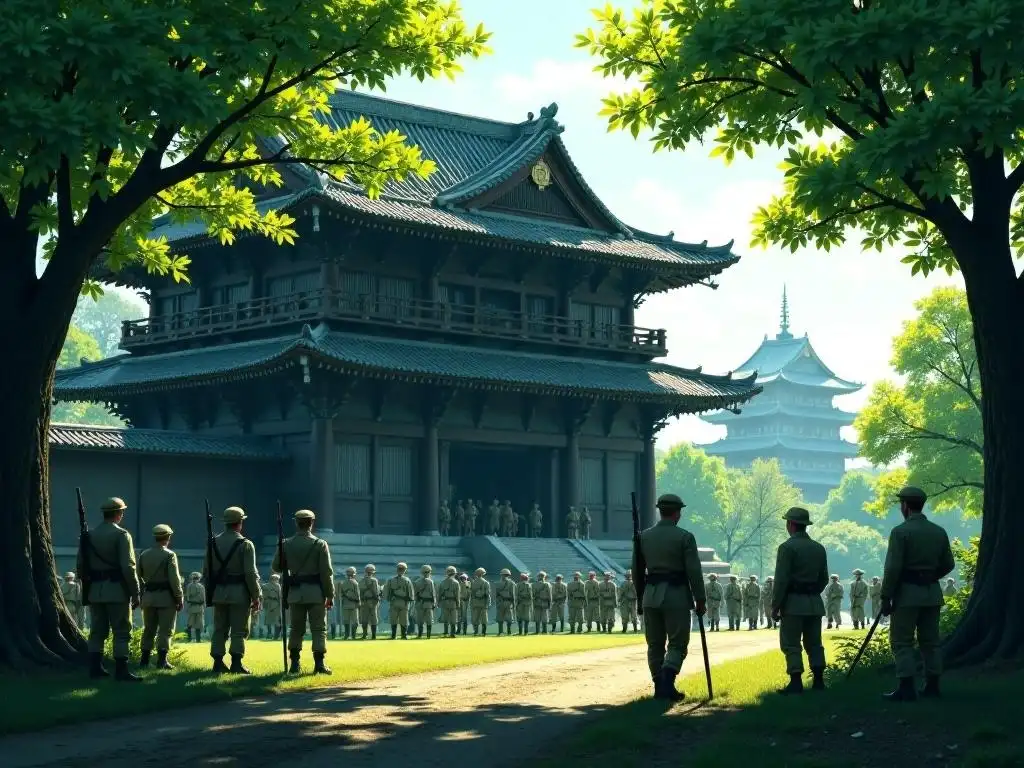
The Ashigaru, originally foot soldiers in Japan’s feudal era, played a crucial role not only in military strategies but also in the cultural landscape of Japan. Their contributions to military innovations had lasting effects that resonated throughout history, influencing literature, folklore, and modern military practices.
Ashigaru in Literature and Folklore
The depiction of Ashigaru in Japanese literature and folklore highlights their significance beyond the battlefield. These foot soldiers became symbols of resilience and loyalty, often portrayed as the unsung heroes in various narratives.
- Literary Works: In classic literature, such as "Heike Monogatari," Ashigaru are frequently mentioned. They are depicted as brave yet humble warriors who fought for their lords with unwavering dedication. Their stories often emphasize the themes of honor and sacrifice, showcasing their importance in the samurai hierarchy.
- Folklore: Folktales also contributed to the romanticized image of the Ashigaru. Many tales speak of their cunning and valor in battles, portraying them as figures who, despite their lower status compared to samurai, displayed remarkable bravery and tactical ingenuity. These stories often served as moral lessons, encouraging virtues such as loyalty, courage, and perseverance among the populace.
The legacy of Ashigaru in literature and folklore not only reflects their military contributions but also illustrates their role in shaping Japanese cultural identity. They became archetypes of the common soldier, inspiring future generations and contributing to the national narrative that celebrates both the noble samurai and the valiant foot soldier.
The Legacy of Ashigaru in Modern Japanese Military Practices
The influence of Ashigaru military innovations extends into modern Japanese military practices, demonstrating their enduring legacy. Their evolution from peasant foot soldiers to essential components of the samurai army laid the groundwork for several military strategies and organizational structures still relevant today.
- Tactics and Strategies: The Ashigaru were instrumental in developing innovative tactics, such as coordinated infantry maneuvers and the use of firearms. Their experiences helped shape modern military doctrines that emphasize mobility and adaptability on the battlefield.
- Training and Recruitment: The Ashigaru model of recruitment, which allowed for a broader base of soldiers drawn from various social classes, influenced the modern Japanese Self-Defense Forces. This approach fosters a diverse military environment, allowing individuals from different backgrounds to contribute to national defense.
- Civic Duty and National Pride: The spirit of the Ashigaru, embodying dedication to one's lord and country, is echoed today in Japan's military ethos. Modern Japanese forces emphasize civic duty and the importance of serving the nation, reflecting the values instilled by the historical Ashigaru.
The Ashigaru's contributions to military innovations in Japan not only reshaped the battlefield dynamics of their time but also left an indelible mark on Japanese culture and modern military practices. Their legacy continues to inspire a sense of duty and resilience, bridging the past with contemporary military identity.
Conclusion: The Lasting Impact of Ashigaru Military Innovations in Japan
The Ashigaru, originally peasant foot soldiers, played a pivotal role in shaping the military landscape of feudal Japan. Their contributions to military innovations were not only significant during their time but also left a lasting impact on the evolution of Japanese warfare. By adapting and integrating new techniques, weapons, and organizational strategies, the Ashigaru transformed from a mere auxiliary force into a formidable component of samurai-led armies.
Summary of Key Contributions and Innovations
The Ashigaru's influence on Japanese military innovations can be encapsulated in several key areas:
- Weaponry Adaptation:
- The introduction of firearms in the late 16th century marked a revolutionary shift in warfare. Ashigaru were often tasked with operating matchlock guns, which they used effectively in battle, altering traditional combat dynamics.
- The use of the Yari (spear) became widespread among the Ashigaru, leading to tactical formations that maximized their effectiveness against armored samurai.
- Tactical Flexibility:
- Unlike the heavily armored samurai, Ashigaru could maneuver swiftly on the battlefield. This agility allowed for the development of new tactics, such as the Ashigaru shield wall, which provided a robust defense while allowing for offensive strikes.
- Their ability to adapt to various terrains and combat scenarios enabled commanders to deploy them in diverse roles, from shock troops to skirmishers.
- Unit Organization and Structure:
- The Ashigaru contributed to the evolution of military hierarchy. With the rise of the Ashigaru commander position, a new layer of leadership emerged, allowing for more organized and strategic troop movements.
- This reorganization facilitated the creation of larger, more cohesive fighting units, enabling unprecedented levels of coordination in battles.
- Cultural Integration in Warfare:
- The integration of the Ashigaru into samurai armies helped blur the lines between social classes on the battlefield, fostering a sense of unity that was pivotal during conflicts like the Sengoku Jidai (Warring States period).
- Their presence also democratized military service, inspiring a shift in how soldiers were perceived, ultimately influencing the samurai code and military ethos.
Future Research Directions on Ashigaru and Military History
As interest in the Ashigaru and their military innovations continues to grow, several areas present opportunities for further research:
- Comparative Studies:
- An exploration of the Ashigaru's role in comparison to foot soldiers in other cultures, such as European mercenaries or medieval infantry, could yield insights into universal military trends and innovations.
- Archaeological Evidence:
- Investigating battlefield sites and analyzing weaponry remnants can provide concrete data on the Ashigaru's tactics and their effectiveness in various conflicts.
- Cultural Influence:
- Future studies could examine how Ashigaru innovations influenced later military strategies in Japan, particularly during the Edo period and beyond, shaping the evolution of Japanese military doctrine.
- Socio-Political Context:
- Understanding the socio-political dynamics surrounding the Ashigaru can shed light on their motivations and the impact of their contributions on feudal society, including the implications for class structures within the military.
The Ashigaru's military innovations were instrumental in the transformation of Japanese warfare, and ongoing research will continue to unveil their profound influence on military history in Japan. The legacy of the Ashigaru serves as a testament to the adaptability and resilience of these soldiers, who, despite their humble origins, played a crucial role in the evolution of a nation’s military prowess.
Frequently Asked Questions
What were the Ashigaru in feudal Japan?
The Ashigaru were foot soldiers in the Japanese feudal military system, primarily composed of commoners. They played a crucial role in the armies of samurai lords during the medieval period.
How did the Ashigaru influence military innovations in Japan?
The Ashigaru's role as foot soldiers led to significant military innovations, including the use of firearms and new tactics that improved battlefield effectiveness. Their adaptability allowed for a shift in how armies were organized and fought.
What types of weapons did the Ashigaru use?
Ashigaru were known for using a variety of weapons, including bows, spears, and later, firearms like matchlocks. Their training and equipment evolved to meet the needs of changing warfare in Japan.
Yes, the Ashigaru experienced a degree of social mobility compared to other classes. Successful Ashigaru could rise in rank and status, often being rewarded with land or titles for their service in battle.
How did the Ashigaru impact the samurai class?
The emergence of the Ashigaru changed the dynamics of the samurai class, as they became indispensable in battles. Their contributions led to a more professional military, altering traditional power structures in feudal Japan.
Final Reflection: The Lasting Legacy of Ashigaru Military Innovations in Japan
The contributions of the Ashigaru to Japanese military innovations are not just historical footnotes but resonate profoundly in today's understanding of adaptability and strategy in warfare. As we navigate a world marked by rapid technological advancements and shifting geopolitical landscapes, the lessons learned from the Ashigaru's evolution from foot soldiers to pivotal military innovators remind us that resilience and creativity are essential in overcoming challenges. Their ability to adapt and innovate in the face of adversity speaks volumes about the human spirit and its capacity for growth.
The Ashigaru's influence extends far beyond the battlefield; it has shaped cultural narratives and social structures within Japan. The transformation of these soldiers into key players in military strategy illustrates a broader theme of empowerment and the importance of every individual's contribution to collective success. As the historian John W. Hall once stated, The past is not a dead letter; it is a living force that shapes our present.
This observation underscores how the legacy of the Ashigaru continues to inspire contemporary discussions about leadership, teamwork, and the value of diverse perspectives in any endeavor.
As we reflect on the Ashigaru's remarkable journey, I invite you to consider how their story can inform your own life and pursuits. What innovations can you bring to your personal or professional challenges? Embrace the spirit of the Ashigaru by being open to change, fostering collaboration, and recognizing the potential within yourself and others. Let their legacy inspire you to forge your path, innovate fearlessly, and contribute meaningfully to the world around you.
Unveil the Legacy of the Ashigaru!
Thank you for diving into the fascinating world of the Ashigaru and their remarkable contributions to Japanese military innovations! We hope you gained valuable insights into how these foot soldiers shaped history. Now, it’s time to take your newfound knowledge and make it come alive!
Here are a few ways you can continue your journey through the captivating era of Feudal Japan:
- Explore further: Read more about the tactics and technologies introduced by the Ashigaru in our detailed articles.
- Join the conversation: Share your thoughts and questions in the comments section – we’d love to hear your insights!
- Connect with others: Find a local history group or engage in online forums where enthusiasts discuss the intricacies of Feudal Japan and military strategies.
What aspect of the Ashigaru’s impact on warfare amazes you the most? How do you think their innovations can be applied to modern military practices?