
The Samurai's Toolkit: A Comprehensive Guide to Feudal Japanese Weapons

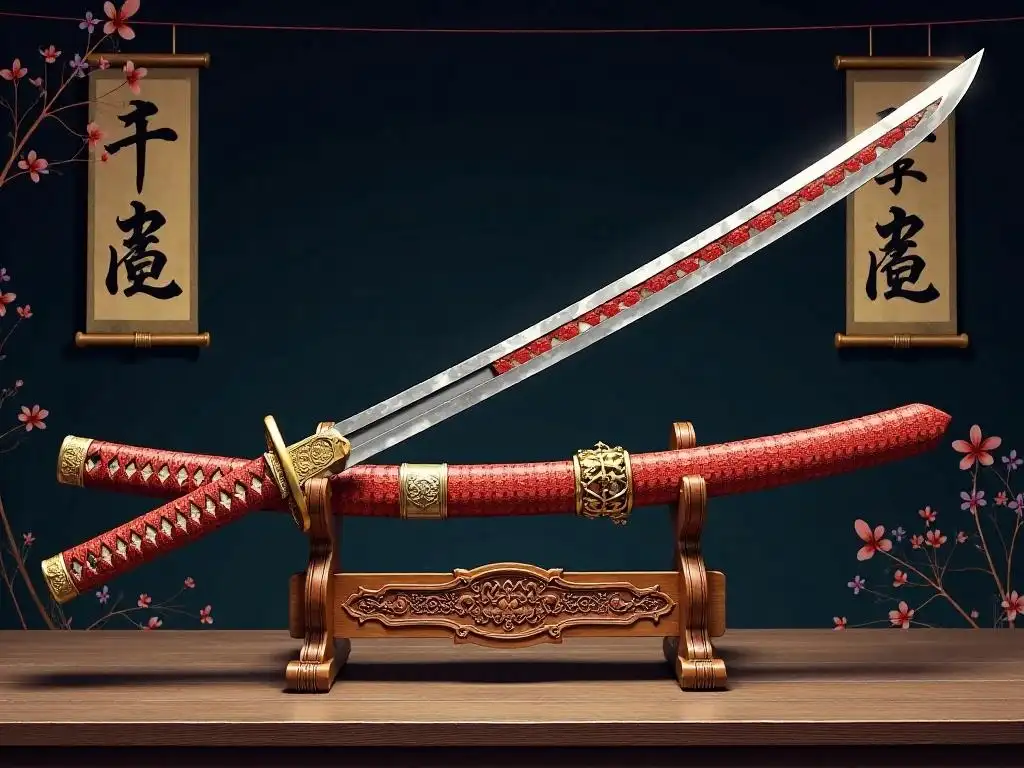
Welcome to Feudal Japan History, where we invite you to embark on a captivating journey through the intricate tapestry of Japan's feudal era. Here, you will uncover the rich historical, cultural, and societal elements that shaped this fascinating period. Our featured article, "The Samurai's Toolkit: A Comprehensive Guide to Feudal Japanese Weapons," promises to arm you with knowledge about the legendary armaments that defined the battlefield. Are you ready to delve into the artistry and craftsmanship behind these formidable weapons? Join us as we explore the tools of the samurai and unravel the stories they tell!
Introduction to Feudal Japanese Weapons
The feudal era of Japan, which spanned from the 12th to the 19th centuries, was marked by a complex tapestry of warfare, honor, and tradition. Within this period, the samurai emerged as a prominent warrior class, wielding a variety of specialized weapons that not only defined their martial prowess but also symbolized their social status and cultural identity. This article serves as a comprehensive guide to feudal Japanese weapons, detailing their historical significance, evolution, and the integral role they played in shaping the military landscape of Japan.
Understanding the weaponry of feudal Japan is crucial for grasping the nuances of samurai culture and the society that revered them. From the iconic katana to the lesser-known yari (spear), each weapon has its own story, rooted in both practical utility and spiritual symbolism. As we delve into this subject, we will explore the intricate relationship between these weapons and the samurai's code of ethics, known as Bushido, emphasizing how weaponry was not merely a tool of war but a reflection of the samurai's honor, loyalty, and duty.
Overview of Feudal Japan's Military History
Feudal Japan's military history is characterized by a series of conflicts, alliances, and power struggles that shaped the nation. The rise of the samurai class during the Heian period (794-1185) marked a pivotal shift in military organization, transitioning from the imperial court's influence to the emergence of regional warlords, or daimyōs. This era laid the groundwork for the Kamakura shogunate and subsequent military governments, which dominated Japan until the late 19th century.
Throughout this period, warfare evolved significantly, with shifting tactics and the introduction of new technologies. The samurai were not only skilled fighters but also strategic thinkers, often engaging in psychological warfare and employing advanced formations in battle. The importance of weaponry during these times cannot be overstated, as it was instrumental in both offensive and defensive strategies.
Importance of Weaponry in Samurai Culture
Weaponry was central to samurai culture, transcending mere functionality. Each weapon represented the identity of its wielder and was often seen as an extension of the samurai's soul. The katana, for example, was not only a weapon but a symbol of the samurai's honor and craftsmanship. The intricate process of forging a katana involved spiritual rituals and skilled artistry, making each blade unique and revered.
Moreover, the samurai's relationship with their weapons was deeply philosophical. The practice of kenjutsu (swordsmanship) was not just a martial discipline but a path to self-improvement and enlightenment. The respect for one's weapon was a reflection of the respect for life, underscoring the samurai's commitment to their values and the code of conduct that governed their actions.
The Evolution of Feudal Japanese Weapons
Early Weaponry in Feudal Japan
In the early stages of feudal Japan, weaponry was influenced by both indigenous designs and the arrival of foreign technologies. The tanto (dagger) and tachi (long sword) were among the earliest weapons utilized by warriors. These early forms of weaponry were often made from iron and featured simple yet effective designs suited for close combat.
As warfare became more organized, the need for specialized weapons grew, leading to advancements in both design and materials. The introduction of techniques such as folding steel resulted in stronger and more resilient blades. This evolution laid the foundation for what would later become the iconic katana.
The Influence of Chinese and Korean Arms
The weaponry of feudal Japan was significantly shaped by the influences of neighboring cultures, particularly China and Korea. The Chinese sword (jian) and the Korean long sword introduced various techniques and styles, leading to the refinement of Japanese weapon-making practices.
Through trade and cultural exchange, Japanese artisans adopted and adapted foreign designs, resulting in a unique synthesis of styles that characterized feudal Japanese weaponry. The yari (spear), for instance, saw enhancements that incorporated both Chinese and Korean elements, eventually becoming a staple of samurai warfare.
Development of Unique Japanese Weapons
As Japan's military needs evolved, so did the weapons used by samurai. The development of unique weapons such as the naginata (polearm) and the tanto allowed warriors to diversify their tactics on the battlefield. The naginata, with its long reach and versatility, became particularly popular among samurai and was even employed by women in defense of their homes.
In addition to these innovations, the art of archery also thrived, leading to the creation of the yumi (Japanese longbow), which was integral to both battlefield engagements and ceremonial practices. Each of these weapons not only served practical purposes but also reflected the artistic spirit of Japanese craftsmanship, contributing to the rich legacy of feudal Japanese arms.
This guide will delve deeper into each weapon, exploring their characteristics, historical contexts, and the role they played in the lives of samurai throughout Japan's feudal history.
Types of Feudal Japanese Weapons
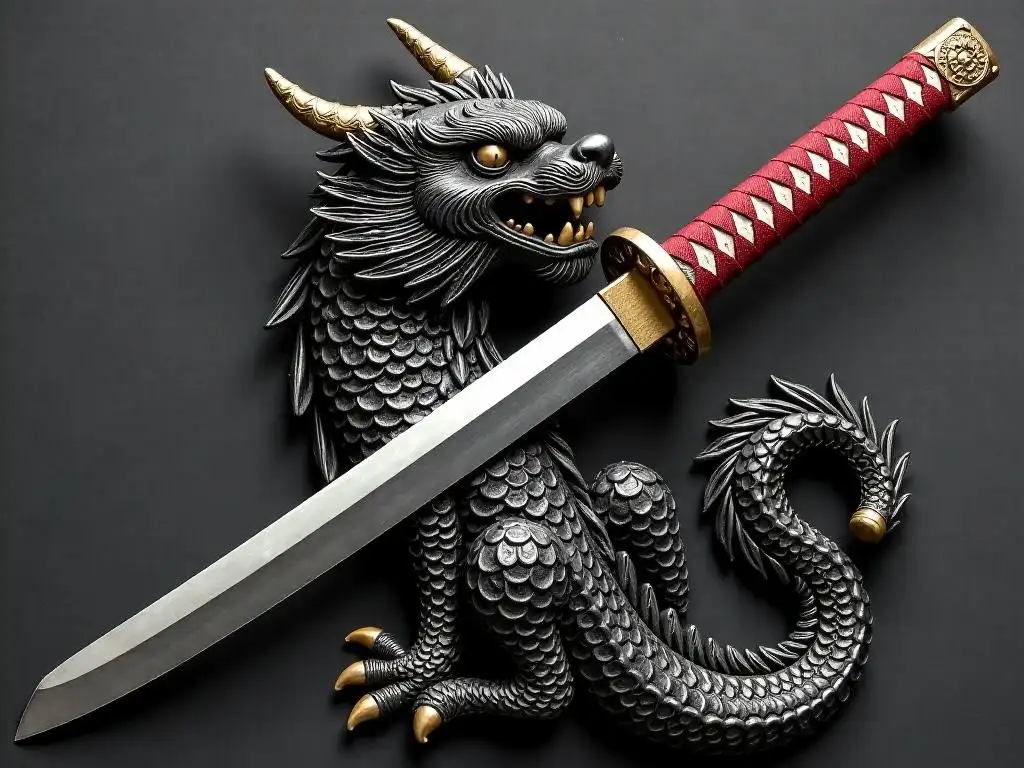
Feudal Japan was renowned for its distinctive and diverse array of weaponry, each designed for specific purposes and combat scenarios. The weapons of the samurai were not only tools of war but also symbols of status and craftsmanship. This section categorizes these weapons into three main types: bladed, projectile, and defensive.
Bladed Weapons
Bladed weapons were the hallmark of the samurai and included a variety of swords and cutting implements. The most iconic of these is the katana, characterized by its curved, single-edged blade and distinctive tsuba (handguard). The katana was not merely a weapon but a work of art, often passed down through generations.
Other notable bladed weapons include:
- Tanto: A small dagger used for close combat and self-defense.
- Wakizashi: A companion sword to the katana, shorter in length, often used for indoor fighting and ritual suicide (seppuku).
- Naginata: A polearm featuring a curved blade on the end, effective in both slashing and thrusting.
These weapons exemplified the samurai's mastery of martial arts and their philosophical connection to their weapons, emphasizing the importance of precision and skill in combat.
Projectile Weapons
Projectile weapons played a critical role in feudal Japanese warfare, allowing warriors to engage enemies from a distance. The most prominent of these was the yumi, a traditional longbow made from laminated wood. The yumi was known for its exceptional range and power, capable of penetrating armor at long distances.
Other projectile weapons included:
- Yarigatana: A spear that could be used for thrusting or throwing, versatile in both offense and defense.
- Shuriken: Small, star-shaped throwing weapons, often used as distractions or for stealth attacks.
The use of projectile weapons required not only strength but also a high degree of skill, as accuracy was vital for effectiveness in battle.
Defensive Weapons
Defensive weapons were essential for protecting samurai during combat. These included various forms of armor and shields, as well as weapons designed primarily for defense.
Key defensive weapons included:
- Tate: A wooden or metal shield used in battle to block incoming attacks.
- Kabuto: A traditional helmet that provided protection for the head while allowing for agility.
- Do: The chest armor, often made from iron or leather, protecting the torso without hindering movement.
These defensive weapons reflected the samurai's strategic approach to warfare, emphasizing the importance of both offense and defense in maintaining one’s honor and life on the battlefield.
The Craftsmanship Behind Feudal Japanese Weapons
The creation of feudal Japanese weapons was an intricate process that combined artistry with functionality. Craftsmen devoted years to perfecting their techniques, resulting in weapons that were not only effective in battle but also beautiful in design.
Traditional Japanese Sword-Making Techniques
The art of Japanese sword-making, known as tōkō, involved a meticulous process that included folding the metal multiple times to create a strong, resilient blade. The blades were often infused with different carbon content, leading to variations in hardness and flexibility.
Key steps in the sword-making process include:
- Tamahagane production: High-quality steel produced from iron sand.
- Forging: Heating and hammering the steel to form the blade.
- Quenching: Rapidly cooling the blade to harden it.
- Polishing: Fine-tuning the blade's edge and aesthetic appeal.
These techniques resulted in weapons known for their sharpness and durability, reflecting the samurai’s values of craftsmanship and precision.
The Role of the Tōkō in Weapon Crafting
The tōkō, or master swordsmith, played a pivotal role in the crafting of feudal Japanese weapons. These artisans were revered and often worked in small, family-run workshops that upheld traditional methods of weapon-making.
The tōkō was responsible for:
- Designing: Creating the initial design and deciding on the blade's specifications.
- Crafting: Utilizing traditional techniques passed down through generations to forge blades.
- Finalizing: Polishing and finishing the weapon to ensure it was both functional and visually striking.
The respect for the tōkō and their craft underscored the cultural significance of weaponry in feudal Japan, where a sword was often seen as an extension of the samurai's spirit.
Materials Used in Feudal Japanese Weapons
The materials used in crafting feudal Japanese weapons were carefully selected to enhance performance and longevity. The primary materials included:
- Tamahagane: A type of steel produced from iron sand, crucial for sword-making.
- Wood: Used for crafting the handles, bows, and shafts of spears.
- Leather: Often used for armor and as grip material on weapons.
- Bamboo: Commonly used in the construction of bows for its flexibility and strength.
These materials not only contributed to the functionality of the weapons but also reflected the natural resources available in Japan, showcasing a harmonious relationship between the samurai and their environment.
Cultural Significance of Feudal Japanese Weapons
Feudal Japanese weapons were more than mere tools of warfare; they were emblematic of a rich cultural heritage that intertwined with the identity of the samurai and the broader societal fabric of Japan. These weapons, particularly swords, served not only as instruments for combat but also as symbols of honor, loyalty, and the martial virtues revered within samurai culture. The craftsmanship involved in creating these weapons reflected the dedication to artistry and the philosophical underpinnings of bushido, the way of the warrior.
The spiritual and philosophical dimensions of feudal Japanese weaponry further enhanced their significance. For samurai, weapons were considered extensions of their spirit, embodying their values and beliefs. The act of wielding a weapon was seen as a reflection of one's character and discipline. Thus, weapons were often treated with the utmost respect, kept in ritualistic displays, and passed down through generations as heirlooms filled with historical meaning.
Symbolism of the Samurai Sword
The samurai sword, or katana, holds a prominent place in the cultural landscape of feudal Japan. It is often viewed as the soul of the samurai, representing their honor, courage, and commitment to their lords. The curved blade is not just a practical weapon but also a symbol of the samurai's identity, embodying the principles of bushido.
Each katana was uniquely crafted, often with intricate designs and engravings that told a story about its maker and owner. The process of forging a katana was deeply spiritual, involving rituals that connected the swordsmith to the weapon's essence. The katana's sharpness and durability made it a formidable weapon in battle, but it was its symbolism as a bearer of the samurai's spirit that truly elevated its status.
Weapons as Status Symbols in Feudal Society
In feudal Japan, weapons were not only functional but also served as status symbols within the rigid social hierarchy. The possession of certain weapons, such as the katana, was reserved for the samurai class, marking a clear distinction between the warrior elite and the common people. This exclusivity reinforced the samurai's role in society as both protectors and enforcers of order.
Additionally, the type and quality of weapons one possessed could indicate their wealth and rank. Elaborate fittings, unique designs, and the number of swords owned often reflected the owner's social standing. As such, weapons became a means of expressing personal identity and societal status, leading to a culture where the adornment of weapons was as important as their functional use.
The Role of Weapons in Rituals and Ceremonies
Weapons played a critical role in various rituals and ceremonies throughout feudal Japan. From the formal presentation of a sword to a newly appointed samurai to the various rites of passage that involved weapons, these items were integral to the cultural practices of the time.
Rituals often included purification ceremonies where weapons were cleansed and blessed to ensure their efficacy in battle. Additionally, the act of performing specific martial arts techniques with weapons could be seen as a form of meditation and spiritual practice, reinforcing the connection between the samurai and their tools. Such ceremonies highlighted the reverence held for these weapons and their place in the spiritual and ethical lives of the samurai.
The Legacy of Feudal Japanese Weapons
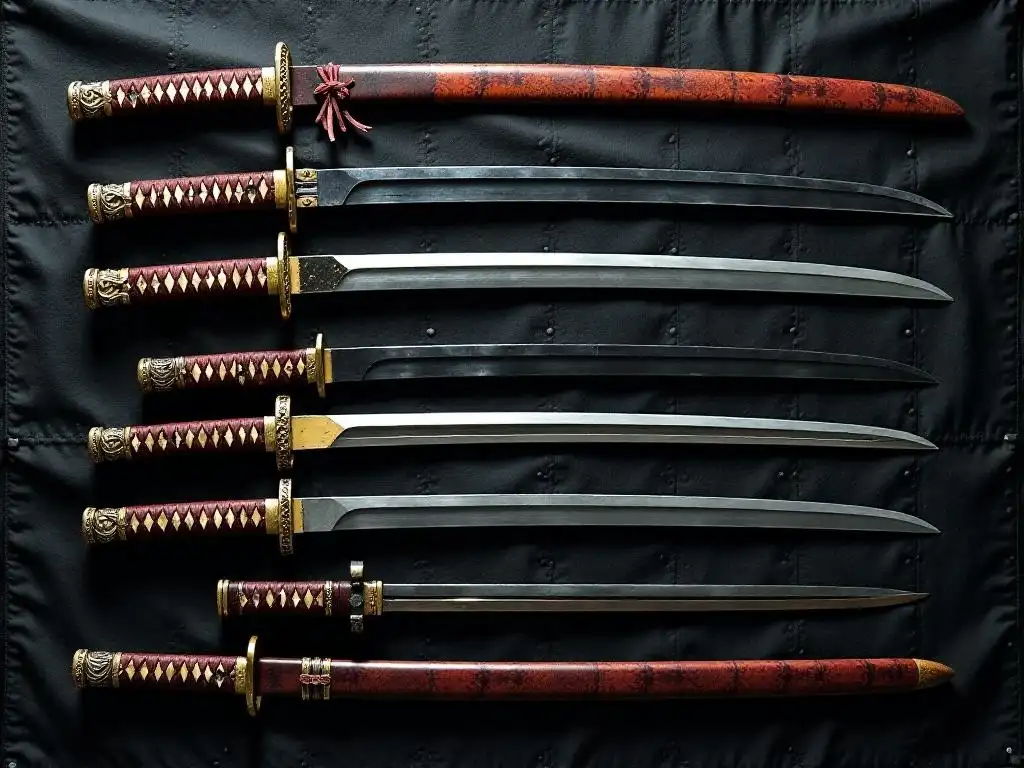
The influence of feudal Japanese weapons extends far beyond their practical applications in combat. Their legacy is felt in modern martial arts, contemporary Japanese culture, and the ongoing preservation of traditional craftsmanship.
Impact on Modern Martial Arts
The techniques and philosophies surrounding the use of feudal Japanese weapons have significantly shaped modern martial arts. Disciplines such as kendo, iaido, and naginatajutsu draw directly from the practices established during the samurai era. These martial arts emphasize not only physical skill but also mental discipline, respect, and the deep-rooted traditions of the samurai.
The practice of kata, or forms, in these martial arts is a direct reflection of the structured training that samurai underwent, ensuring that the legacy of these weapons continues to influence how they are used and appreciated today. The rituals and philosophies associated with weaponry have become integral parts of these martial arts, preserving the ethical teachings of bushido.
Influence on Contemporary Japanese Culture
Feudal Japanese weapons have permeated contemporary Japanese culture in various forms, from literature and film to fashion and art. The romanticized portrayal of samurai and their weapons in movies and anime has helped keep the cultural significance of these items alive in the modern imagination.
Moreover, traditional craftsmanship associated with weapon-making continues to captivate artisans and enthusiasts alike. The aesthetic appeal of swords and other weapons has led to a resurgence in interest, with collectors and practitioners valuing both the historical context and the artistry involved in their creation.
Preservation of Traditional Weaponry Techniques
The preservation of traditional weaponry techniques remains a vital aspect of cultural heritage in Japan. Various schools and dojos dedicate themselves to maintaining the methods of crafting and utilizing feudal weapons. This commitment ensures that the knowledge, skills, and artistry of weapon-making are passed down through generations.
Workshops and exhibitions often showcase traditional techniques, allowing the public to appreciate and understand the significance of these weapons in their historical context. Through these efforts, the legacy of feudal Japanese weapons continues to thrive, ensuring that their cultural importance is recognized and celebrated in modern society.
Conclusion: The Enduring Appeal of Feudal Japanese Weapons
The allure of feudal Japanese weapons extends beyond their physical form; they embody a rich tapestry of history, culture, and martial philosophy. These weapons, each with their own unique story and significance, reflect the values and artistry of the samurai class and their role in shaping Japan's martial landscape. From the intricate craftsmanship of the katana to the disciplined tactics of the naginata, these tools of war are not merely instruments of violence but also symbols of honor, discipline, and the warrior spirit.
As modern society continues to explore and appreciate this fascinating era, the legacy of feudal Japanese weapons remains strong. They are celebrated in various forms of media, from films and literature to martial arts practices, ensuring that their historical importance is not forgotten. This enduring appeal serves as a reminder of the intricate balance between art and functionality, which characterizes the weapons of the samurai.
Summary of Key Points from the Feudal Japanese Weapons Guide
- Diversity of Weapons: The feudal Japanese arsenal was vast, including swords like the katana and tachi, polearms like the naginata, and ranged weapons such as the yumi (longbow).
- Craftsmanship and Artistry: Weapons were often handcrafted by skilled artisans, with a strong emphasis on aesthetics along with functionality.
- Cultural Significance: Each weapon carried deep cultural meanings, often tied to the samurai's code of honor, loyalty, and personal identity.
- Evolution of Tactics: The usage of weapons evolved with changes in warfare, highlighting the adaptability of samurai tactics to meet the challenges of their time.
- Modern Legacy: Today, many of these weapons are not only studied for their historical importance but are also revered in martial arts and are featured in popular culture.
The Importance of Understanding Weaponry in Feudal Japanese History
Understanding feudal Japanese weapons is crucial for grasping the broader context of Japan's military history and social structure. Weapons were not only tools of war; they played a significant role in the samurai's identity and societal standing. By studying these weapons, we gain insights into:
- Military Strategies: The design and usage of weapons reflect the strategic considerations of the time, revealing how samurai adapted to various combat scenarios.
- Cultural Dynamics: Analyzing weaponry helps us understand the cultural values of the samurai, including the principles of bushido, which emphasized honor, courage, and loyalty.
- Artistic Expression: The craftsmanship involved in weapon-making showcases the blend of utility and artistry that was prevalent in feudal Japan, highlighting the era's aesthetic values.
- Historical Continuity: Exploring the evolution of these weapons allows us to trace the shifts in Japanese society, technology, and warfare from the feudal period to modern times.
Additional Resources for Feudal Japanese Weapons Exploration
For those interested in delving deeper into the fascinating world of feudal Japanese weapons, there are numerous resources available across various mediums. Here are some valuable avenues for further exploration:
Recommended Books and Articles on Japanese Weaponry
- "The Samurai Sword: A Handbook" by John M. Yumoto: This book covers the history and craftsmanship of the katana, offering insights into its significance in samurai culture.
- "The Complete Book of Japanese Swordsmanship" by Donn F. Draeger: An extensive resource on the techniques, history, and philosophy behind Japanese swordsmanship.
- "Weapons and Fighting Arts of the Samurai" by Dale A. O. K. T. T.: A comprehensive overview of various weapons and their associated martial arts, providing context on their use in combat.
Documentaries and Visual Media Related to Feudal Japan's Military History
- "Samurai: Behind the Blade": This documentary explores the history of the samurai and their weapons, showcasing the craftsmanship and cultural significance of the katana.
- "The Last Samurai" (2003): While a dramatized account, this film provides visual representation of samurai warfare and weaponry, highlighting their tactical usage in battle.
- YouTube Channels: Various channels dedicated to historical reenactments and martial arts often feature segments on the techniques and use of feudal Japanese weapons.
Museums and Exhibitions Showcasing Feudal Japanese Weapons
- Tokyo National Museum: Houses an extensive collection of samurai armor and weapons, providing insights into the craftsmanship and historical context of these artifacts.
- The British Museum: Features a selection of Japanese weapons and armor, allowing visitors to appreciate the artistry and historical significance of these items.
- Local Martial Arts Schools: Many martial arts schools offer demonstrations and workshops on historical weaponry, providing hands-on experience with the techniques and philosophy behind their use.
By exploring these resources, enthusiasts and scholars alike can deepen their understanding of feudal Japanese weaponry and its enduring legacy in both history and culture.
- Introduction to Feudal Japanese Weapons
- Overview of Feudal Japan's Military History
- Importance of Weaponry in Samurai Culture
- The Evolution of Feudal Japanese Weapons
- Types of Feudal Japanese Weapons
- The Craftsmanship Behind Feudal Japanese Weapons
- Cultural Significance of Feudal Japanese Weapons
- The Legacy of Feudal Japanese Weapons
- Conclusion: The Enduring Appeal of Feudal Japanese Weapons
- Additional Resources for Feudal Japanese Weapons Exploration
- What types of weapons were commonly used by samurai in feudal Japan?
- How did the design of feudal Japanese weapons evolve over time?
- What materials were used to create feudal Japanese weapons?
- Were there any specific combat techniques associated with these weapons?
- What role did feudal Japanese weapons play in samurai culture?
Frequently Asked Questions
What types of weapons were commonly used by samurai in feudal Japan?
Samurai commonly wielded katana, wakizashi, and naginata. Each weapon served specific purposes and reflected the warrior's status and skill level.
How did the design of feudal Japanese weapons evolve over time?
The design of feudal Japanese weapons evolved due to influences from warfare, trade, and cultural exchanges, leading to innovations in blade crafting and weapon functionality.
What materials were used to create feudal Japanese weapons?
Feudal Japanese weapons were primarily made from high-quality steel, often using techniques like folding to enhance strength. Other materials included wood for handles and leather for grips.
Were there any specific combat techniques associated with these weapons?
Yes, each weapon had its own combat techniques. For example, the katana was used for fast, precise strikes, while the naginata was effective for sweeping attacks and maintaining distance.
What role did feudal Japanese weapons play in samurai culture?
Feudal Japanese weapons were not just tools of war; they represented honor, status, and the samurai’s code of conduct, deeply intertwined with their cultural identity and spiritual beliefs.
Final Reflection: Embracing the Legacy of Feudal Japanese Weapons
The exploration of feudal Japanese weapons is not merely a historical inquiry; it is a profound journey into the values, artistry, and discipline that shaped a culture. Today, as we navigate a world filled with rapid technological advancements and shifting societal norms, the principles embodied in the samurai's toolkit—honor, precision, and resilience—remain remarkably relevant. The craftsmanship and philosophy behind these weapons serve as a reminder of the importance of mastery and dedication in any pursuit.
The impact of feudal Japanese weapons extends far beyond their physical form; they have become symbols of cultural identity and artistic expression. From the elegant curves of the katana to the strategic use of the naginata, these weapons reflect a deep connection to the land, the people, and their history. As noted by renowned historian Stephen Turnbull, The samurai's weaponry is not just about combat; it is a reflection of their spirit and the code they lived by.
This enduring legacy continues to inspire martial artists, historians, and enthusiasts alike, fostering a rich dialogue about tradition and innovation in contemporary society.
As we conclude this exploration of feudal Japanese weapons, I invite you to reflect on the lessons they impart. Consider how the values of discipline, respect, and artistry can be woven into your own life. Whether you are an aspiring martial artist, a history buff, or simply someone seeking inspiration, let the samurai's toolkit serve as a guiding light. Embrace the spirit of the samurai, and carry forward their legacy by applying these timeless principles in your daily endeavors.
Unleash Your Inner Warrior Today!
Thank you for taking the time to delve into the fascinating world of Samurai weaponry! You've gained valuable insights into the tools that shaped a legacy of honor and strength. Now, it’s your turn to truly engage with this rich history and embrace the spirit of the Samurai.
Here’s how you can take your passion for Feudal Japan to the next level:
- Explore local museums or libraries for exhibits on Samurai artifacts and share what you've learned with friends and family.
- Join discussions on online platforms dedicated to historical enthusiasts to exchange insights and deepen your knowledge about Japan's feudal era.
- Consider starting your own blog or social media page to document your journey into understanding Samurai culture and their remarkable tools.
What do you think is the most important lesson we can learn from the Samurai’s way of life today? Let's share our thoughts and inspire one another in the comments below!