
The Role of Tactics in Weapon Selection During Feudal Battles

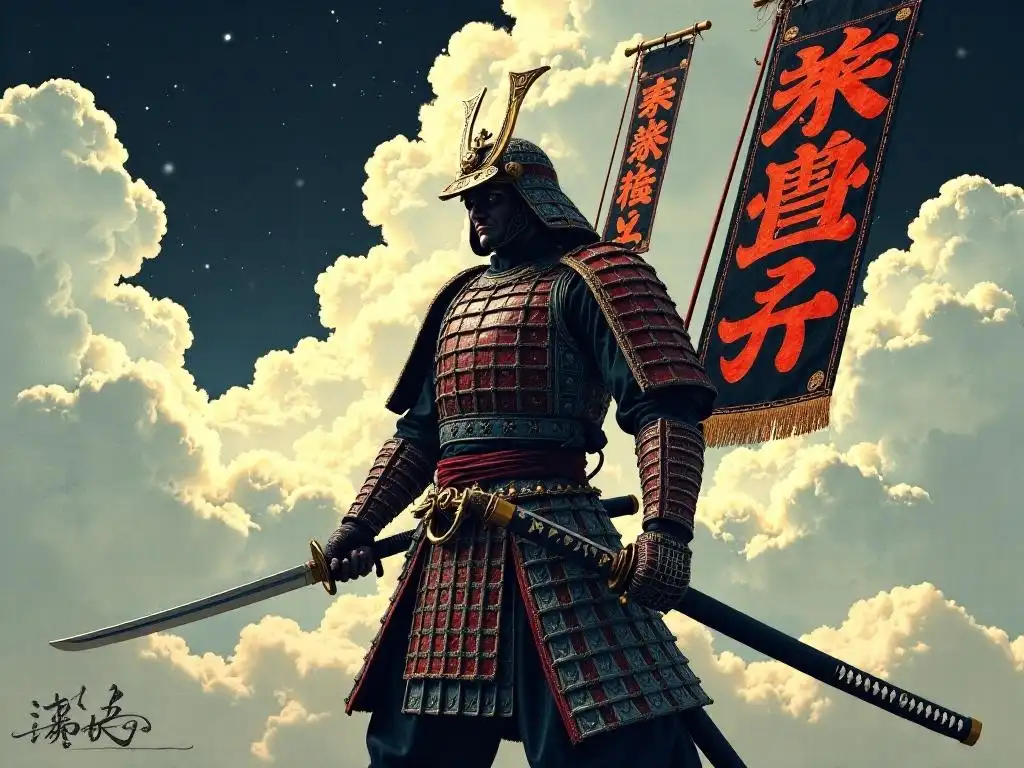
Welcome to Feudal Japan History, where we embark on a captivating journey through the intricate tapestry of Japan’s feudal era. Dive deep into the strategic complexities that defined this remarkable period, starting with our featured article on "Feudal Japan battle tactics." Discover how the choices of weaponry were not merely a matter of preference but a reflection of tactical genius that shaped the outcomes of epic battles.
As you explore the nuances of military strategy, prepare to unearth the fascinating interplay between culture and combat that defined an era. Your adventure into the heart of feudal Japan begins here—are you ready to uncover the secrets of the samurai?
The feudal era in Japan was a complex period characterized by numerous power struggles, shifting alliances, and evolving military strategies. Within this historical context, the selection of weapons was not merely a matter of availability; it was deeply intertwined with the tactics employed by samurai and their armies. This article aims to explore how battle tactics influenced weapon selection during feudal battles, shedding light on the intricate relationship between military strategy and armament. By examining the historical, cultural, and societal aspects of weaponry and armor, we can better understand the dynamic landscape of feudal Japan's military history.
Introduction to Feudal Japan Battle Tactics
Understanding the battle tactics of feudal Japan requires a closer look at the military structure and the strategic decisions made by warlords and samurai. The samurai, who were not only elite warriors but also landowners, played a crucial role in shaping military tactics. Their training, values, and responsibilities influenced the types of weapons they selected for combat.
Overview of Feudal Japan’s Military Structure
Feudal Japan's military structure was hierarchical and complex. It was dominated by powerful daimyo (feudal lords) who commanded samurai warriors. The organization of these forces was often based on:
- Vassalage: Samurai served their daimyo in exchange for land and protection.
- Clan Alliances: Families banded together for mutual support in battles.
- Local Militias: Peasants could be conscripted into service during times of war.
This structure led to a diverse array of tactics, as different clans adapted their military strategies based on their unique resources and objectives.
Importance of Tactics in Feudal Warfare
Tactics in feudal warfare were essential for achieving victory on the battlefield. The choice of weapons was often influenced by:
- Terrain: Hilly or wooded landscapes required different approaches and armaments.
- Enemy Forces: Understanding the strengths and weaknesses of opponents dictated weapon selection.
- Combat Style: Some clans favored mounted archery, while others prioritized close combat with swords.
The strategic deployment of weaponry played a critical role in determining the outcomes of battles, demonstrating the necessity of tactical planning.
Historical Context of Feudal Japan Battle Tactics
To comprehend the evolution of battle tactics in feudal Japan, one must consider the historical developments that shaped military engagements over the centuries. The interplay between cultural beliefs, technological advancements, and significant battles laid the foundation for tactical innovations.
The Evolution of Warfare in Feudal Japan
The evolution of warfare throughout feudal Japan saw significant changes in both tactics and weaponry. Notable developments included:
- Introduction of Gunpowder: The arrival of firearms in the 16th century transformed traditional battle tactics.
- Rise of Infantry: As warfare evolved, the importance of foot soldiers increased, leading to changes in weapon preferences.
- Strategic Fortifications: The use of castles not only served as defensive structures but also influenced siege tactics.
These shifts reflected broader societal changes and the need for adaptability in the face of new challenges.
Key Historical Battles Influencing Tactics and Weaponry
Several key battles in feudal Japan had a profound impact on military tactics and weapon selection. Some of the most influential include:
- The Battle of Okehazama (1560): This battle showcased the importance of surprise tactics and the effective use of terrain.
- The Battle of Sekigahara (1600): A pivotal conflict that led to the unification of Japan, highlighting the shift towards more organized and strategic military formations.
These battles not only influenced tactics but also shaped the weaponry used by samurai, illustrating the dynamic interplay between strategy and armament in the feudal era.
Key Elements of Feudal Japan Battle Tactics
Feudal Japan was characterized by a complex web of alliances, rivalries, and power struggles, which heavily influenced battle tactics. The key elements of these battle tactics can be summarized as follows:
- Terrain Utilization: Samurai and their commanders carefully assessed the battlefield's geography. They often chose to fight on terrain that offered strategic advantages, such as hills or narrow passes, enabling them to leverage their forces effectively and create chokepoints for the enemy.
- Formation and Discipline: Rigid formations were crucial in maintaining order and maximizing combat effectiveness. Samurai often fought in ranks, with specific formations tailored to the type of engagement, such as the "tachi" formation for cavalry charges or the "yumi" formation for archers.
- Surprise and Deception: The element of surprise was a vital tactic. Feudal lords employed scouts to gather intelligence and often used deceptive maneuvers to mislead their opponents about their true intentions or troop strength.
- Psychological Warfare: Psychological tactics, such as displaying the heads of defeated enemies or using loud war cries, were common to instill fear and demoralize opposing forces before battles even began.
Strategic Planning in Feudal Warfare
Strategic planning in feudal warfare was essential for ensuring victory against rival clans. Commanders relied on a combination of intelligence gathering, resource management, and strategic alliances to enhance their military capabilities.
- Intelligence Gathering: The use of spies and scouts was prevalent, as commanders sought to understand enemy movements and intentions. This information was crucial for planning ambushes or defensive positions.
- Resource Management: Commanders had to manage not only their troops but also supplies, including food and weaponry. Ensuring that soldiers were well-equipped and well-fed directly impacted morale and combat effectiveness.
- Alliances and Diplomacy: Forming alliances with other clans could provide additional manpower and resources. Diplomacy played a significant role, as feudal lords often negotiated truces or partnerships to strengthen their positions.
- Adaptability: Successful commanders demonstrated adaptability in their strategies, adjusting their plans in response to changing battlefield conditions or enemy tactics.
Types of Tactics Employed in Feudal Japan
Feudal Japan saw a variety of battle tactics that evolved over the centuries, reflecting changes in military technology and social dynamics.
- Cavalry Charges: One of the most formidable tactics was the use of cavalry. Samurai mounted on horseback would execute powerful charges to break enemy lines, often aiming for the flanks or rear.
- Archery and Ranged Combat: The longbow (yumi) was a staple of samurai warfare. Archers would deploy at strategic distances to rain arrows on the enemy before close combat ensued.
- Siege Warfare: In prolonged conflicts, tactics for siege warfare became vital. This included constructing fortifications, using siege engines, and employing diversion tactics to breach enemy defenses.
- Guerrilla Tactics: Smaller clans or those outnumbered often resorted to guerrilla tactics—hit-and-run assaults, ambushes, and nighttime raids—to disrupt larger enemy forces without engaging in direct confrontations.
Weapon Selection Based on Battle Tactics
The selection of weaponry in feudal Japan was profoundly influenced by the tactics employed in battle. Each weapon served a specific purpose aligned with the overarching military strategy.
Overview of Weaponry Used in Feudal Japan
The arsenal of feudal Japan was diverse, incorporating various weapons suited for different combat scenarios. Key weapons included:
- Katana: The iconic sword of the samurai, known for its sharpness and strength, primarily used in close combat.
- Yumi (Longbow): A powerful ranged weapon that allowed for effective archery, capable of striking enemies from a distance.
- Naginata: A polearm that combined the reach of a spear with the cutting power of a sword, ideal for both mounted and foot soldiers.
- Tanto (Dagger): Used as a sidearm, the tanto was effective in close quarters and for self-defense.
- Bō (Staff): A long wooden staff used for both offense and defense, particularly useful for foot soldiers.
The Relationship Between Tactics and Weapon Choice
The relationship between tactics and weapon choice in feudal Japan was crucial for battlefield success. The effectiveness of a weapon was often determined by the tactics employed:
- Close Combat Tactics: When battles were fought at close range, the katana and naginata were preferred for their effectiveness in melee combat. Commanders would often position their best swordsmen at the front lines, relying on their skill to break enemy formations.
- Ranged Engagements: Tactics that emphasized ranged combat necessitated the use of the yumi. Samurai archers would be strategically placed on elevated ground to maximize their effectiveness, allowing them to rain arrows on advancing foes.
- Mobility and Flexibility: In scenarios requiring quick maneuvers, lighter weapons like the tanto or bō allowed for greater agility. Troops trained in these weapons could adapt to changing battle conditions more effectively than those burdened with heavier armaments.
- Specialized Units: Different units within an army were often equipped based on their tactical role. For example, cavalry units favored faster, more maneuverable weapons, while infantry units might be armed with heavier, more defensive gear.
The interplay between tactics and weaponry was a defining feature of military engagements in feudal Japan, illustrating the depth of strategic thought that characterized this era.
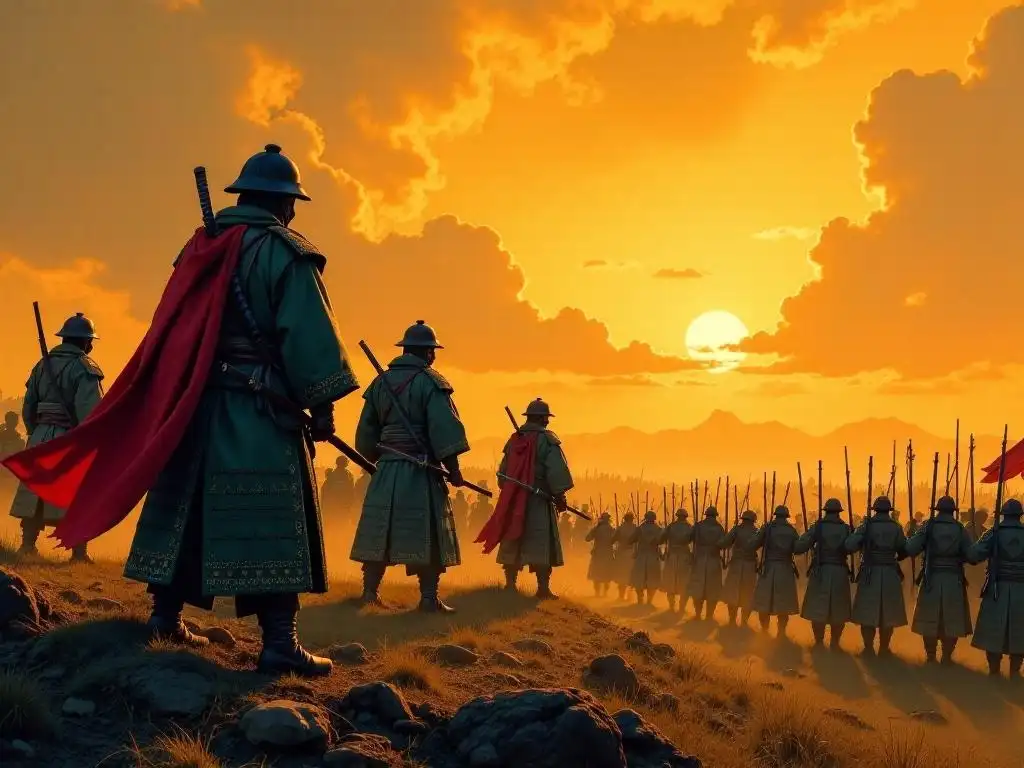
In feudal Japan, the interplay between cultural and social factors significantly influenced battle tactics and weaponry selection. The deeply ingrained values and beliefs of the samurai class shaped not only the way battles were fought but also the types of weapons that were favored. Honor, loyalty, and martial prowess were critical elements of samurai culture, and these tenets dictated tactical approaches on the battlefield.
The cultural reverence for martial skill led to the development and refinement of specific weapons such as the katana, which became synonymous with the samurai ethos. This iconic weapon was not merely a tool for combat; it embodied the spirit of the samurai and their code of conduct. Furthermore, the aesthetics of weaponry were highly valued, influencing designs that reflected the samurai’s status and the importance of honor in battle.
Social hierarchies also played a crucial role in determining which weapons were accessible to different classes. The samurai, as the ruling military elite, had the privilege of wielding advanced weaponry, while common foot soldiers were often limited to simpler arms. This disparity not only affected the dynamics of battle but also reinforced the social stratification of feudal Japan.
The Influence of Samurai Culture on Tactical Approaches
Samurai culture profoundly influenced tactical approaches during battles in feudal Japan. The bushido code, which emphasized virtues such as bravery, honor, and loyalty, shaped the samurai’s mindset and approach to warfare. Tactics were often designed around individual skill and the honor of personal combat, leading to highly stylized duels that were as much about reputation as they were about victory.
The favored tactics included ambushes, flanking maneuvers, and engaging in decisive one-on-one combat, reflecting the samurai’s desire to demonstrate their martial prowess. Additionally, the ritualistic aspects of warfare, such as the formal declaration of battle and the use of battle cries, were rooted in samurai culture, further affecting how conflicts were conducted.
Moreover, the samurai’s relationship with their weapons also dictated tactical choices. The katana, with its unique design suited for slashing, encouraged tactics that emphasized swift, close-quarters engagements rather than long-range skirmishes. The emphasis on personal honor and reputation often led to tactics that prioritized individual heroics over collective strategy.
Social Hierarchies and Their Effect on Weapon Access
Social hierarchies in feudal Japan created a significant divide in access to weaponry and influenced the overall tactics employed in battles. The samurai, as the military aristocracy, had access to superior weapons such as swords, armor, and polearms, which were often crafted with exceptional skill and artistry. This access to high-quality weaponry allowed samurai to engage in sophisticated combat tactics that leveraged their training and equipment.
In contrast, the lower classes, including ashigaru (foot soldiers), typically wielded simpler weapons like spears and wooden staves. This disparity limited their tactical options and forced them to adopt formations that relied on numbers rather than individual skill. For example, ashigaru might be used in mass formations to compensate for their lack of advanced weaponry, employing a strategy of overwhelming the enemy through sheer numbers.
The availability of resources also affected the weaponry choices of different classes. Wealthy samurai could afford to maintain multiple weapons and suits of armor, allowing for greater flexibility in tactical approaches. In contrast, poorer warriors had to make do with less effective arms, which ultimately influenced the outcome of battles.
Conclusion: The Interplay of Tactics and Weaponry in Feudal Japan
The relationship between tactics and weaponry in feudal Japan was complex and deeply interwoven with cultural and social dynamics. The samurai’s emphasis on honor and individual combat shaped both the selection of weapons and the tactical approaches employed in battles. Understanding these influences provides a clearer picture of the military strategies that defined the feudal era.
Summary of Key Points on Feudal Japan Battle Tactics
To summarize, the battle tactics of feudal Japan were significantly shaped by several factors:
- Cultural Influence: The samurai’s bushido code influenced tactical choices, emphasizing honor and individual prowess in combat.
- Weaponry Selection: The katana became the weapon of choice for its effectiveness in close combat, reflecting the samurai’s combat style.
- Social Hierarchy: Access to superior weaponry was largely determined by social class, affecting the tactical options available to different groups during battles.
These elements combined to create a unique military landscape, distinguishing feudal Japan’s approach to warfare from that of other cultures.
Final Thoughts on the Importance of Tactical Considerations in Weapon Selection
The considerations of tactics in weapon selection cannot be overstated in the context of feudal Japan. The samurai’s understanding of their weaponry's strengths and weaknesses directly influenced their battlefield strategies. As battles often hinged on the capabilities of the weapons being used, it became crucial for warriors to choose their arms wisely based on the tactics they intended to employ.
In essence, the tactical considerations surrounding weapon selection not only defined the outcomes of individual battles but also shaped the broader military history of feudal Japan. This interplay between tactics and weaponry remains a fascinating area of study, offering insights into the martial culture of a unique historical period.
Further Reading and Resources
To gain a deeper understanding of the intricate battle tactics and weapon selection during Feudal Japan's military history, a variety of resources are available. Below, we present both recommended books and online materials that provide valuable insights into this complex era.
Recommended Books on Feudal Japan Military History
-
"Samurai Warfare" by Stephen Turnbull
This book is an excellent resource for those interested in the strategic and tactical aspects of samurai warfare. Turnbull delves into the evolution of samurai tactics, detailing how they adapted to various battle scenarios and weaponry.
-
"The Art of War in Ancient Japan" by Paul A. S. Smith
Smith’s work offers a comprehensive analysis of ancient Japanese military strategies, including the influence of Chinese strategies. The book examines how various tactics shaped Japan’s feudal battles.
-
"Hired Swords: The Rise of Private Armies in Japan" by David M. McEwan
This book explores the role of mercenaries in feudal Japan and how their presence influenced the tactics and weaponry used in battles. It provides an intriguing perspective on the evolving military landscape.
-
"The Samurai: A Military History" by John M. Merriman
Merriman’s book focuses on the military history of the samurai class, exploring their weapon choices and tactical innovations. It serves as a foundational text for understanding the samurai’s role in feudal battles.
-
"Japanese Swordsmanship: Technique and Practice" by Donn F. Draeger
This work dives into the technical aspects of Japanese swordsmanship, including the types of weapons used and how they influenced battle tactics. Draeger’s insights into weapon handling are invaluable for enthusiasts and historians alike.
Online Resources for Understanding Feudal Japan Battle Tactics
-
The Samurai Archives
This website serves as a comprehensive database for all things related to samurai history, including tactics and weaponry. It features articles, discussions, and a forum for enthusiasts to delve deeper into feudal Japan's military strategies.
-
Sengoku Period: A Comprehensive Guide
This online resource provides detailed information about the Sengoku period, a time of intense military conflict in Japan. It includes analyses of battle tactics, notable figures, and the evolution of weaponry during this era.
-
The Japan Times - Historical Articles
The Japan Times features a section dedicated to historical articles that cover various aspects of feudal Japan, including military tactics. This resource is excellent for readers looking for contemporary insights and analyses of historical events.
-
YouTube Channels like "History of Japan" and "Samurai History"
These channels offer informative videos that visually explore the tactics and battles of feudal Japan. They provide engaging narratives that break down complex strategies into easy-to-understand formats.
-
JSTOR and Project MUSE
For those seeking academic articles and papers on the topic, JSTOR and Project MUSE host numerous scholarly works regarding feudal Japanese military tactics. Researchers can access a wealth of primary sources and peer-reviewed studies.
By exploring these resources, readers can enhance their understanding of how tactics influenced weapon selection in feudal battles, contributing to a richer appreciation of Japan's military history during this fascinating era.
- Introduction to Feudal Japan Battle Tactics
- Historical Context of Feudal Japan Battle Tactics
- Key Elements of Feudal Japan Battle Tactics
- Weapon Selection Based on Battle Tactics
- The Impact of Cultural and Social Factors on Tactics and Weaponry
- Conclusion: The Interplay of Tactics and Weaponry in Feudal Japan
- Further Reading and Resources
- What were the primary battle tactics used in Feudal Japan?
- How did weapon selection influence tactics in Feudal Japan?
- What role did terrain play in the battle tactics of Feudal Japan?
- Were there specific weapons that were favored for different types of battles?
- How did the cultural aspects of Feudal Japan affect battle tactics?
Frequently Asked Questions
What were the primary battle tactics used in Feudal Japan?
The primary battle tactics included the use of archery, cavalry charges, and infantry formations. These methods were designed to maximize the effectiveness of weapons and the strengths of troops on the battlefield.
How did weapon selection influence tactics in Feudal Japan?
Weapon selection directly influenced tactics by determining the type of combat strategies employed. For instance, swords were favored in close combat, while bows were used for ranged attacks, shaping the overall battle approach.
What role did terrain play in the battle tactics of Feudal Japan?
Terrain had a significant impact on battle tactics. Commanders often chose locations that provided strategic advantages, such as high ground or cover, which influenced their weapon selection and troop formations.
Were there specific weapons that were favored for different types of battles?
Yes, certain weapons were favored based on the battle context. For instance, katanas were preferred for duels, while naginatas were effective in group formations, showcasing the importance of weapon choice in tactics.
How did the cultural aspects of Feudal Japan affect battle tactics?
The cultural aspects of Feudal Japan, including samurai code and honor, influenced the choice of tactics in warfare. Strategies often emphasized heroic combat and individual skill, impacting weapon selection and battle formations.
Final Reflection: The Enduring Legacy of Feudal Japan Battle Tactics
The exploration of tactics in weapon selection during feudal battles is not just a historical inquiry; it is a vital lens through which we can understand the complexities of warfare and strategy that resonate even today. The intricate relationship between tactics and weaponry shaped the outcomes of countless conflicts, and this understanding remains relevant as modern societies grapple with the implications of military strategy and technology in contemporary conflicts.
Cultural and social landscapes are profoundly influenced by the lessons learned from historical battles. The tactics employed by samurai and their adversaries during feudal Japan not only determined the fate of armies but also forged a legacy that continues to inspire military strategists and historians alike. Those who cannot remember the past are condemned to repeat it.
This quote serves as a reminder that the study of past tactics is essential for informed decision-making in the present and future.
As we reflect on the intricate dance of tactics and weaponry in feudal Japan, I invite you to consider how these lessons can be applied in your own life. What strategies do you employ in your daily battles, whether personal or professional? Embrace the wisdom of history to inform your choices and actions, and let the legacy of feudal battle tactics inspire you to approach challenges with a thoughtful and tactical mindset.
Master Your Strategy and Choose Your Weapons!
Thank you for exploring the fascinating world of feudal battles with us! You've uncovered crucial insights into how tactics influenced weapon selection during those tumultuous times. Now, let’s turn that knowledge into action as you embark on your own explorative journey through history.
Here are some practical steps you can take to deepen your understanding and appreciation of feudal Japanese warfare:
- Explore different weaponry: Delve into the unique characteristics of various weapons used in feudal Japan. Consider visiting local museums or browsing online archives to view historical weapons up close.
- Join a discussion group: Connect with fellow history enthusiasts! Engage in forums or social media groups focused on feudal Japan to share your thoughts and insights about weapon tactics and their historical impact.
- Create your own tactical scenario: Challenge yourself by developing a fictional battle scenario. Which weapons would you select based on the strategies you've learned? This could serve as a great writing prompt or an exciting theme for a role-playing game!
What weapon would you choose for your own tactical strategy, and why? We’d love to hear your thoughts!