
Women’s Attire in the Heian Period: A Fashion Revolution or Cultural Constraint?

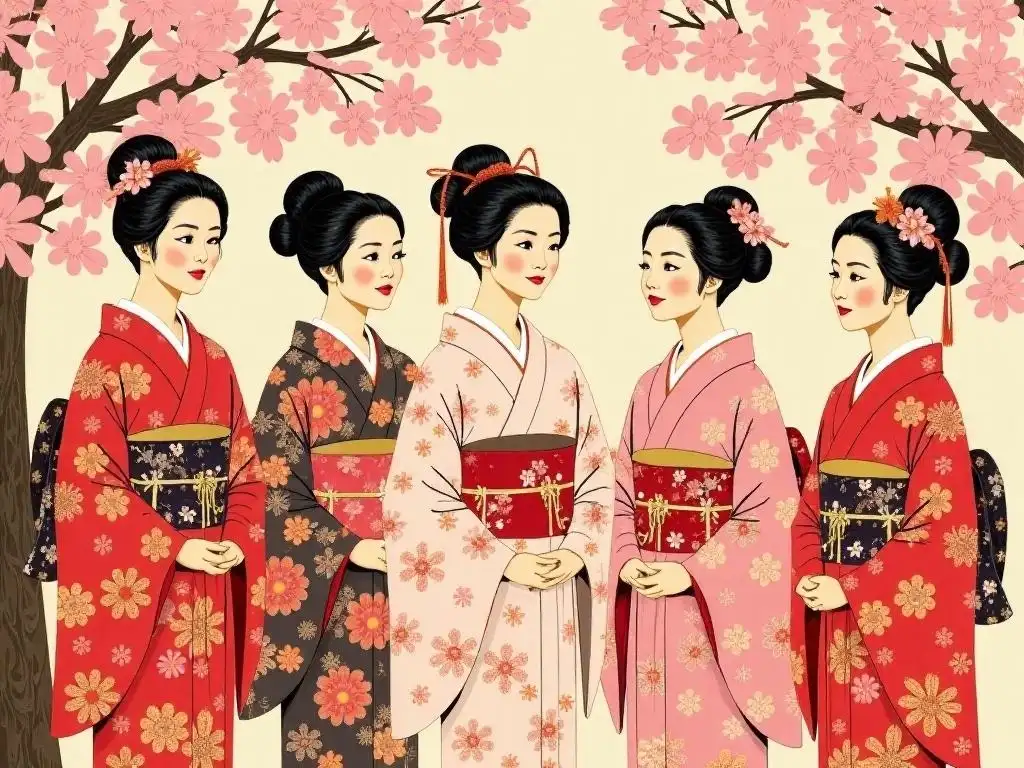
Welcome to Feudal Japan History, where we invite you to embark on a riveting journey through the intricate tapestry of Japan’s feudal era. Here, you’ll uncover the nuanced layers of historical, cultural, and societal dynamics that shaped this remarkable period. Dive into our featured article, “Women’s Attire in the Heian Period: A Fashion Revolution or Cultural Constraint?”, and explore the fascinating world of Heian period women's fashion—a topic that not only showcases exquisite attire but also raises profound questions about identity and societal roles.
What secrets lie within the folds of their garments? Join us as we unravel the stories woven into the fabric of history!
- Introduction to Heian Period Women's Fashion
- Characteristics of Heian Period Women's Attire
- Cultural Significance of Fashion in the Heian Period
- The Evolution of Heian Period Women's Fashion
- Fashion Revolution or Cultural Constraint?
- Case Studies of Notable Heian Women and Their Fashion
- Conclusion: Heian Period Women's Fashion in Perspective
- References and Further Reading
-
Frequently Asked Questions
- What was the Heian period known for in terms of women's fashion?
- How did social status influence women's clothing in the Heian period?
- Were there any restrictions on women's fashion during the Heian period?
- How did the Heian period impact modern Japanese fashion?
- What materials were commonly used in Heian period women's clothing?
- Final Reflection: The Dual Nature of Heian Period Women's Fashion
- Unveil the Legacy of Heian Fashion Today!
Introduction to Heian Period Women's Fashion
The Heian period (794-1185) represents a pivotal era in Japanese history, marked by a flourishing of culture, literature, and art. As the imperial court in Kyoto became the epicenter of political and social life, the fashion of the time evolved to reflect these changes, particularly in women's attire.
This article delves into Heian period women's fashion, examining whether it signifies a revolutionary shift in style or serves as a cultural constraint imposed by societal norms. By exploring the intricacies of clothing, textiles, and the cultural implications of fashion during this period, we aim to provide a comprehensive understanding of how women’s fashion was not only a reflection of individual identity but also a commentary on the broader societal values of the era.
Overview of the Heian Period (794-1185)
The Heian period is characterized by a significant transition from the earlier Nara period, where Chinese influences dominated, to a more distinctly Japanese cultural identity. This era is renowned for its advancements in literature, such as the creation of The Tale of Genji, attributed to Murasaki Shikibu, which is often considered the world's first novel. The period also saw the establishment of a courtly aesthetic that permeated various aspects of daily life, including architecture, poetry, and notably, fashion.
Women of the Heian period wore elaborate garments that were not only indicators of their status but also reflections of the cultural values of the time. The multilayered kimono, known as jūnihitoe, became a symbol of elegance and refinement. This complex attire consisted of multiple layers, with specific colors and patterns chosen to convey seasonal changes, personal sentiments, and social standing. The choice of fabric, often silk, and the intricacy of design spoke volumes about a woman's family background and her position within the court hierarchy.
Importance of Fashion in Heian Society
Fashion during the Heian period was more than just a means of personal expression; it played a critical role in the social fabric of the time. The way women dressed was intricately linked to their identity, societal roles, and even political alliances. Clothing functioned as a visual language, communicating messages about one's status and intentions without the need for words.
Key aspects of the importance of fashion in Heian society include:
- Status and Identity: The layers and colors of kimono were meticulously regulated by social class, making fashion a direct reflection of a woman's position in society.
- Cultural Significance: Fashion was tied to seasonal festivals and ceremonies, with specific garments reserved for particular occasions, thus reinforcing cultural traditions.
- Symbol of Artistic Expression: The aesthetic choices in clothing, including fabric patterns and accessories, showcased the artistic endeavors of the time, influencing later Japanese art and design.
Understanding women's attire in the Heian period presents a fascinating view into how fashion served as both a form of self-expression and a mechanism of cultural constraint, shaping the identities of women in a complex social hierarchy. As we explore this topic further, we will uncover the layers of meaning embedded in the garments of the Heian period, and how they continue to resonate in contemporary discussions about identity and cultural expression.
Characteristics of Heian Period Women's Attire
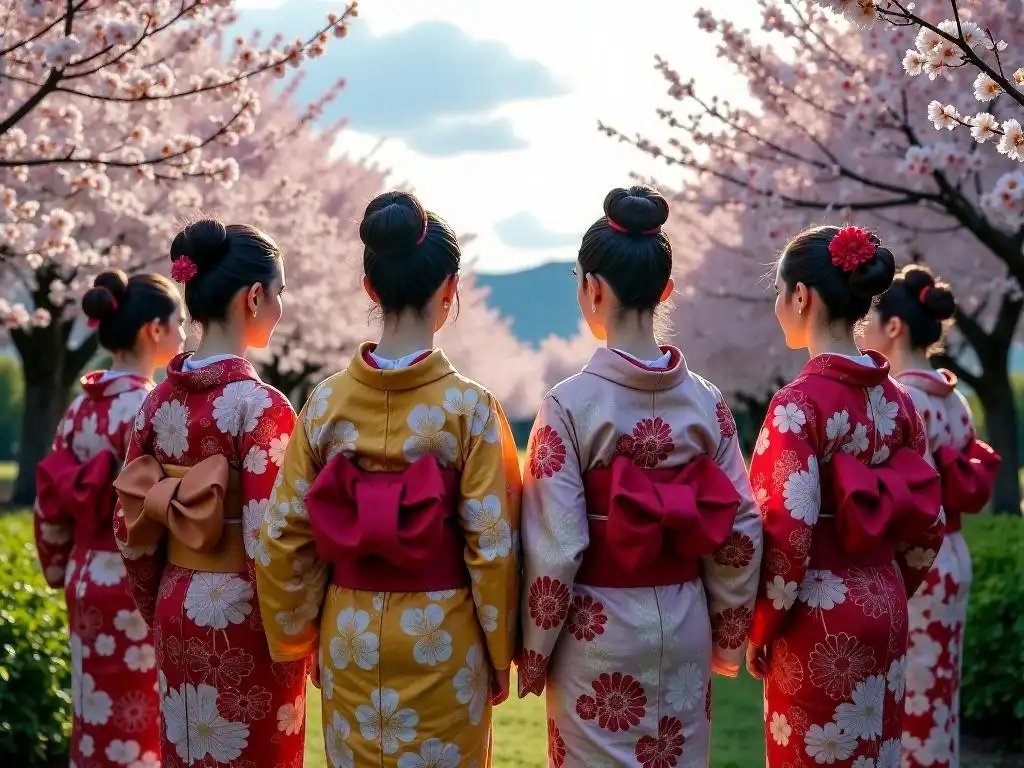
The Heian period (794-1185) is renowned for its distinctive cultural and artistic achievements, and women's attire from this era reflects a unique blend of elegance and complexity. Heian period women's fashion is characterized by its intricate layering, vibrant colors, and luxurious fabrics, which not only signified the wearer's social status but also played a crucial role in the cultural identity of the time.
Key Elements of Heian Women's Clothing
Women’s clothing in the Heian period primarily consisted of several layers, with each garment serving a specific purpose. The fundamental components of Heian women's attire included:
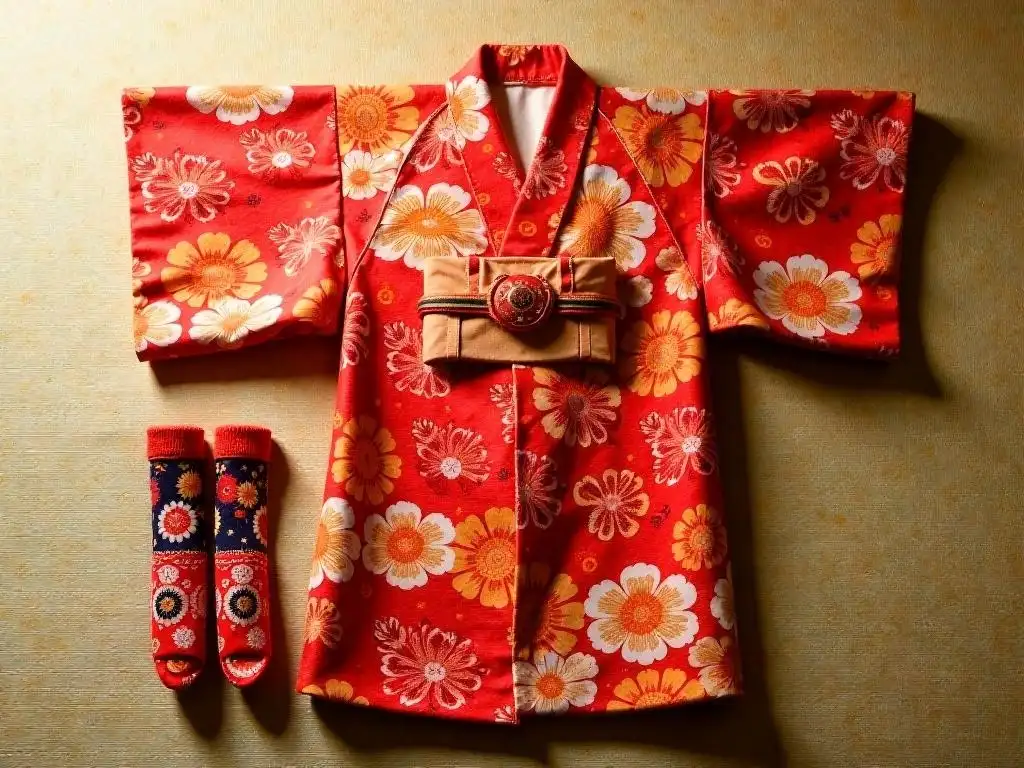
- Kimono: The basic garment, often referred to as "furisode," characterized by long, flowing sleeves. The kimono was typically made from silk and featured elaborate patterns.
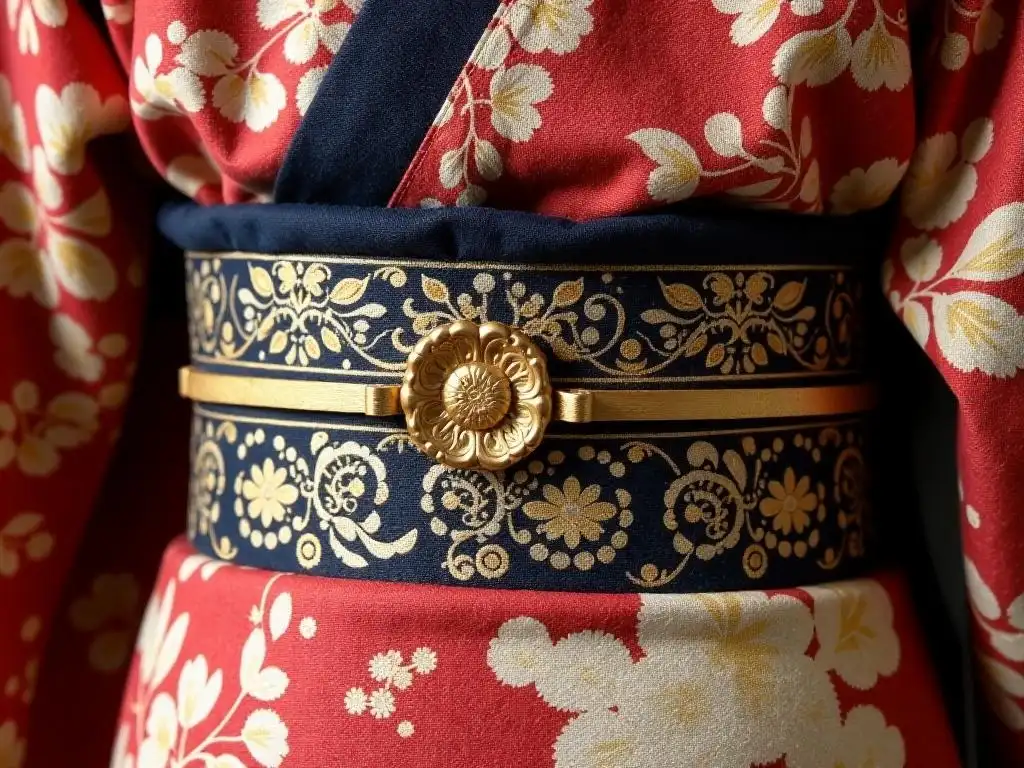
- Obi: A wide belt that secured the kimono, the obi was often ornately decorated and varied in width depending on the wearer's age and the occasion.
- Hakama: A pleated skirt worn over the kimono, hakama was common for more formal occasions and added an extra layer of sophistication to the ensemble.
- Jinbaori: A sleeveless coat worn over the kimono, often elaborately embroidered, providing warmth and style during cooler months.
The combination of these garments created a visually striking silhouette that emphasized both the artistry of the textiles and the wearer's grace.
Fabrics and Colors Used in Heian Fashion
Fabrics and colors played a significant role in Heian period women's fashion, often reflecting the season, occasion, and social status. Key characteristics include:
- Silk: The primary fabric, valued for its softness and luster. Silk was often dyed using natural materials, resulting in rich, deep colors.
- Cotton and Hemp: Used for undergarments and everyday wear, these fabrics were more accessible to the common populace.
Color Symbolism
Colors were not merely aesthetic choices; they were imbued with meaning:
- Red: Symbolized happiness and good fortune, frequently used in festive garments.
- Blue and Green: Represented tranquility and were popular in springtime attire.
- Black: Often associated with mourning, black garments were also worn by the elite during formal events.
The use of color was highly codified, with specific hues designated for various occasions, emphasizing the cultural importance of attire.
Layering Techniques in Heian Women's Attire
Layering was a fundamental aspect of Heian women's fashion, creating a distinctive aesthetic that has become emblematic of the era. The techniques involved include:
- Multiple Layers: Women typically wore several layers of clothing, with each layer visible at the sleeves and hem, enhancing the overall silhouette.
- Color Coordination: Layers were carefully chosen to complement one another, both in color and texture, creating harmony in the ensemble.
- Seasonal Adaptation: Layering allowed for versatility, enabling women to adapt their attire according to the changing seasons. For instance, lighter fabrics were favored in summer, while heavier silks adorned winter outfits.
This intricate layering technique not only provided functionality but also served as a medium for artistic expression, showcasing the wearer’s taste and refinement.
Heian period women's fashion was not just about clothing; it was a reflection of cultural values, social status, and the intricate artistry of the time. Understanding these characteristics illuminates the complexity and richness of women’s attire during this fascinating period in Japanese history.
Cultural Significance of Fashion in the Heian Period
The Heian period (794-1185) is often celebrated for its distinct cultural and artistic achievements, but one of its most profound influences lies in the realm of fashion. Women's attire during this era was more than mere clothing; it was a complex language of status, identity, and aesthetic expression. The elaborate garments worn by women reflected their societal roles and personal aspirations, intertwining fashion with cultural significance.
Fashion as a Reflection of Status and Identity
In the Heian period, clothing was a primary indicator of one's social hierarchy and personal identity. The kimono, the traditional garment of the time, was characterized by its long sleeves and intricate designs, with variations in fabric, color, and style denoting different statuses.
- Layers and Colors: Wealthier women wore multiple layers, known as "junihitoe" (twelve-layered robes), which not only showcased their affluence but also their ability to navigate the complexities of courtly life. The colors and patterns chosen were often symbolic:
- Seasonal Colors: Certain colors were associated with specific seasons, reflecting the natural beauty of Japan.
- Symbolic Patterns: Patterns such as cranes and plum blossoms conveyed auspicious meanings related to longevity and prosperity.
- Social Mobility: Clothing also played a role in social mobility. As women gained influence within the court, their fashion choices began to reflect their aspirations. A woman of lower status might adopt elements of the attire of the elite, thereby signaling her ambitions and desires.
The Role of Poetry and Aesthetics in Clothing Choices
Fashion in the Heian period was deeply intertwined with the appreciation of poetry and aesthetics. The women of the aristocracy were not only expected to be skilled in the art of dress but also in the crafting of poetry, which was an essential component of court life.
- Poetic References: Clothing choices were often imbued with poetic references, with garments named after famous poems or allusions. This created a dialogue between the physical garment and the ethereal beauty of poetry, enhancing the overall aesthetic experience.
- Aesthetic Principles: The principle of "mono no aware," a sensitivity to the ephemeral nature of beauty, influenced clothing choices. Women sought to embody this principle through their attire, opting for soft fabrics and subtle colors that reflected the fleeting beauty of the moment. The elegance of their clothing was meant to evoke emotions, aligning with the poetic ideals of the time.
Influence of Chinese Culture on Heian Women's Fashion
The Heian period was marked by a significant influence of Chinese culture, particularly in the realm of fashion. As Japan established diplomatic relations with China, elements of Chinese clothing began to permeate Heian women's fashion, leading to a unique blend of styles.
- Silk and Textiles: The introduction of silk, a luxurious fabric in China, revolutionized Heian women's attire. Women adorned themselves in richly dyed silks, which not only enhanced their status but also represented a connection to the broader cultural world.
- Design Elements: Certain design elements, such as the wide sleeves and flowing lines of the "hanfu" (traditional Chinese dress), were incorporated into Japanese garments, creating a hybrid style that defined the era. The intricate embroidery and layering techniques also drew inspiration from Chinese fashion, showcasing the era's commitment to beauty and craftsmanship.
The fashion of the Heian period was a rich tapestry woven from social status, poetic aesthetics, and cultural exchanges with China. Heian period women's fashion was not merely about garments; it was a profound expression of identity and cultural heritage that continues to influence Japanese fashion today.
The Evolution of Heian Period Women's Fashion
Early Heian Fashion Trends
The Heian period, spanning from 794 to 1185, marked a significant transformation in Japanese women's fashion, characterized by a blend of practicality and aesthetic beauty. Early in this era, women's clothing was heavily influenced by the styles of the Nara period, but soon evolved into a distinct fashion identity. The jūnihitoe (十二単), a multi-layered kimono, emerged as the quintessential garment for noblewomen. This elaborate attire consisted of numerous layers—often as many as twelve—which were worn in a specific order, signifying one's social status and adherence to court etiquette.
The color palette of early Heian fashion was vibrant and varied. Women favored hues that symbolized beauty and elegance, often opting for shades like aizome (indigo) and moegi (pale green). Fabrics were typically silk, showcasing intricate patterns and designs that reflected the seasonal changes. As a result, fashion during this time was not merely a matter of clothing but a form of art that communicated personal and familial prestige.
The styling of hair also played a crucial role in defining early Heian aesthetics. Women wore their hair long and elaborately styled, often adorned with ornamental combs and hairpins. This emphasis on hairstyle complemented the intricate layers of clothing, creating a harmonious visual effect that was both striking and dignified.
Changes in Attire Over the Heian Era
As the Heian period progressed, women’s fashion underwent notable changes that reflected evolving tastes and societal norms. By the middle to late Heian era, the layers of the jūnihitoe became less rigid, allowing for greater expression in personal style. Women began to experiment with combinations of colors and patterns, moving away from the strict conventions of earlier styles. The emergence of the kakeori (掛け織り) technique, which allowed for more vibrant and complex fabric designs, further spurred this trend.
The introduction of new textiles also played a pivotal role in shaping women's attire. The accessibility of various fabrics, coupled with advancements in dyeing techniques, enabled the creation of garments that were both visually stunning and comfortable. Additionally, as regional trade expanded, influences from other cultures began to permeate Heian fashion, introducing exotic materials and styles that enriched the existing wardrobe of noblewomen.
Accessories became increasingly important during this period, with women adorning themselves with elaborate jewelry and decorative belts, known as obi. The way in which these accessories were styled provided a glimpse into the wearer's social standing and personal taste, further emphasizing individuality in fashion.
The Heian period was not only a time of cultural wealth but also one of significant political shifts that profoundly influenced women's fashion. As the Fujiwara clan rose to prominence, their influence permeated every aspect of court life, including fashion. The ideals of beauty and elegance promoted by the Fujiwara women shaped the standards of attire for the nobility, leading to the codification of style that emphasized grace and refinement.
Moreover, the social stratification of Heian society played a crucial role in dictating fashion trends. The kugyō (公家) or high-ranking aristocrats set the fashion standards, which trickled down to lower classes, albeit in simpler forms. This hierarchical influence often meant that while clothing could signify wealth and status, it also imposed constraints on creativity for women of lower social standings, who were unable to replicate the elaborate styles of the elite.
The changing political landscape, particularly during the latter part of the Heian period, saw increased instability and the rise of samurai power. This shift impacted women's attire, as practicality began to emerge as a consideration alongside aesthetics. The functionality of clothing grew more important, leading to a gradual simplification of styles. As women adapted to the realities of a changing world, their fashion choices reflected not only personal expression but also the societal conditions of the era.
The evolution of Heian period women's fashion was a complex interplay of cultural expression, social hierarchy, and political dynamics. From the ornate layers of the jūnihitoe to the influences of changing power structures, women's attire during this era serves as a fascinating lens through which to understand the broader historical context of feudal Japan.
Fashion Revolution or Cultural Constraint?
The Heian period, spanning from 794 to 1185, is often celebrated for its ornate and vibrant women's fashion, which reflected both the cultural sophistication and the complexities of social norms of the time. The debate surrounding whether this fashion represents a true revolution in women's self-expression or merely a cultural constraint imposed by societal expectations remains a topic of scholarly discussion. This section delves into the dual perspectives of Heian period women's fashion, presenting arguments for both its revolutionary aspects and the constraints it entailed.
Arguments for Fashion as a Revolution
Empowerment Through Self-Expression
During the Heian period, women's attire was a powerful medium for self-expression. The layered kimono style, known as jūnihitoe, comprised multiple layers of silk robes, each with distinctive colors and patterns. This elaborate dressing allowed women to showcase their individual tastes and social status.
- Personal Choice: Women had the liberty to mix and match colors and fabrics, which often reflected their personality and mood.
- Cultural Significance: Certain colors and patterns were imbued with cultural meanings, enabling women to convey messages about their identity and aspirations through their attire.
The fashion choices made by women during this time were not merely about aesthetics; they were a means of asserting their identity within a highly stratified society.
Innovation in Textile and Design
The Heian period was also a time of significant advancements in textile production and design. The development of new weaving techniques and dyeing methods led to the creation of exquisite fabrics that were both visually stunning and luxurious.
- Silk Production: The introduction of sericulture in Japan allowed for an increase in silk availability, making it the fabric of choice for the elite.
- Artistic Expression: Court ladies engaged in the art of fabric design, often embroidering intricate patterns that showcased their craftsmanship. This not only revolutionized women's fashion but also elevated textile art to new heights.
As a result, the innovations of this period laid the groundwork for future Japanese fashion, influencing styles well beyond the Heian era.
Arguments for Fashion as a Constraint
Limitations Imposed by Social Class and Gender Roles
While the Heian period's fashion may appear to promote self-expression, it also reinforced strict social hierarchies and gender roles. Women's clothing was heavily influenced by their social status, dictating not only the type of garments they could wear but also how they could present themselves.
- Rigid Class Structures: The nobility had access to luxurious materials and elaborate designs, while commoners were restricted to simpler styles, often made from coarser fabrics.
- Gender Expectations: The societal expectation for women to conform to ideals of modesty and decorum often dictated their fashion choices, limiting their autonomy in personal style.
Thus, while fashion served as a form of expression, it simultaneously acted as a mechanism for reinforcing societal constraints.
The Burden of Elaborate Attire on Women
The elaborate attire of the Heian period, while visually striking, also imposed significant physical and psychological burdens on women. The layers of clothing not only added to the weight of the garments but also complicated daily activities.
- Physical Restrictions: The jūnihitoe could consist of up to twelve layers, making movement cumbersome and often requiring assistance to dress properly. This physical burden often hindered women's participation in both social and domestic activities.
- Psychological Toll: The pressure to maintain a perfect appearance and adhere to the elaborate fashion standards could lead to stress and anxiety among women, as their worth was often measured by their adherence to these societal expectations.
In this light, the fashion of the Heian period can be seen as a double-edged sword, offering avenues for creativity while simultaneously imposing constraints that affected women's lives in profound ways.
Case Studies of Notable Heian Women and Their Fashion
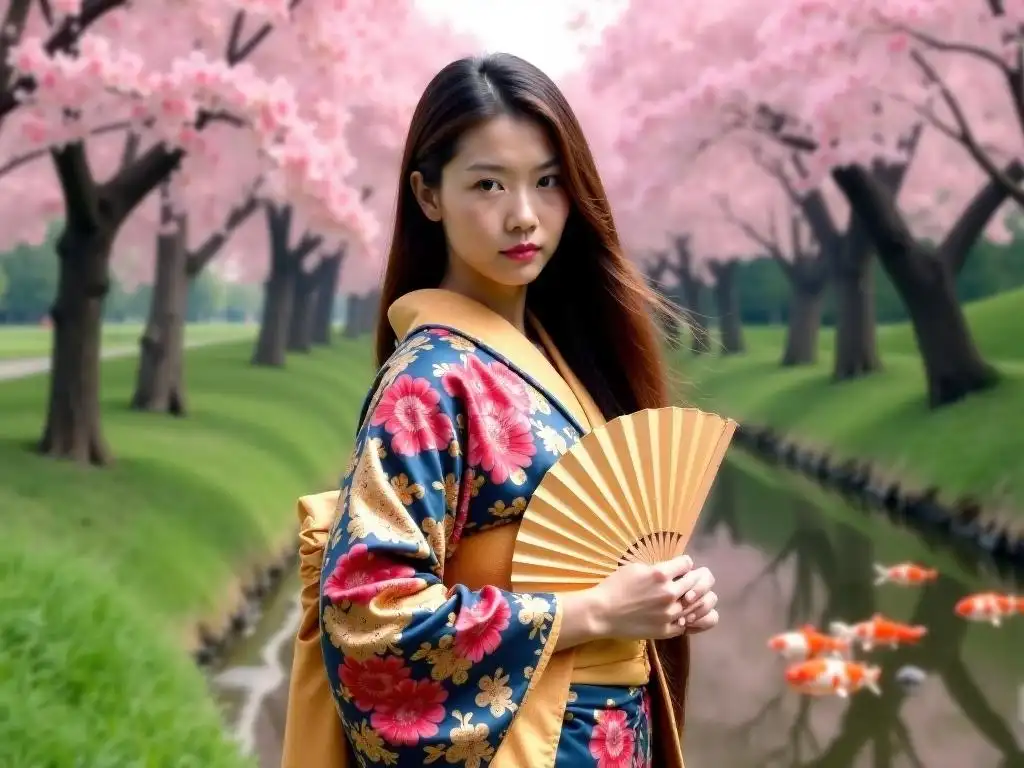
The Heian period (794-1185) was a time of significant cultural development in Japan, particularly in women's fashion. This section explores the fashion choices of notable women from this era, highlighting how their attire reflected both personal identity and societal norms.
The Fashion Choices of Court Nobles
Court nobles, known as kuge, were at the forefront of Heian period women's fashion. Their attire was characterized by the use of luxurious fabrics and intricate layering, often showcasing the highest quality silk dyed in vivid colors. The jūnihitoe, a multi-layered kimono, was particularly popular among noblewomen.
- Color Symbolism: The colors worn by these women were not merely for aesthetic purposes; they held significant meaning. For example, red symbolized vitality and was often paired with softer hues to create a harmonious look.
- Layering Techniques: The jūnihitoe typically consisted of up to twelve layers, with the outermost layer often being the most elaborately designed. This layering technique not only provided warmth but also allowed women to express their status and taste.
Prominent figures such as Sei Shonagon and Murasaki Shikibu exemplified the sophisticated fashion of this time. Their writings reveal insights into how clothing choices were closely tied to social standing and personal expression.
The Impact of Literary Figures on Women's Attire
Literary figures of the Heian period, especially those who were women, played a crucial role in shaping fashion trends. The writings of Sei Shonagon, in her work The Pillow Book, often included detailed descriptions of clothing, which influenced contemporary and future fashion.
- Cultural Reflections: The portrayal of attire in literature served as a reflection of the values and aesthetics of the time. Shonagon's admiration for specific colors and styles not only documented but also validated certain fashion choices among women in the court.
- Fashion as Narrative: Through storytelling, these literary figures provided context to their attire, often linking clothing to personal identity and social dynamics. The blend of narrative and fashion highlighted the intricate relationship between what women wore and how they were perceived in society.
The influence of these writers extended beyond the court, encouraging women from various backgrounds to adopt certain styles that were once exclusive to the elite.
Examples of Fashion in Heian Art and Literature
Heian art and literature serve as valuable sources for understanding women's fashion during this period. Paintings, such as The Tale of Genji illustrations, display not only the clothing but the social interactions of women in various settings.
- Visual Representation: The art from the Heian period often depicted women adorned in elaborate kimonos, showcasing the intricate designs and rich colors that characterized their attire. These visual representations provide critical insight into the fashion norms of the era.
- Literary Descriptions: In literary works, descriptions of clothing were often detailed and evocative. For instance, The Tale of Genji contains passages that describe the protagonist's love interests in terms of their attire, emphasizing how clothing could evoke emotions and signify social status.
Through these art forms, we see a comprehensive portrayal of how Heian women navigated their identities and roles within society, using fashion as a means of expression and connection.
The examination of notable Heian women, their fashion choices, and their representation in literature and art reveals a complex interplay between style, status, and identity, making the era a fascinating study of Heian period women's fashion.
Conclusion: Heian Period Women's Fashion in Perspective
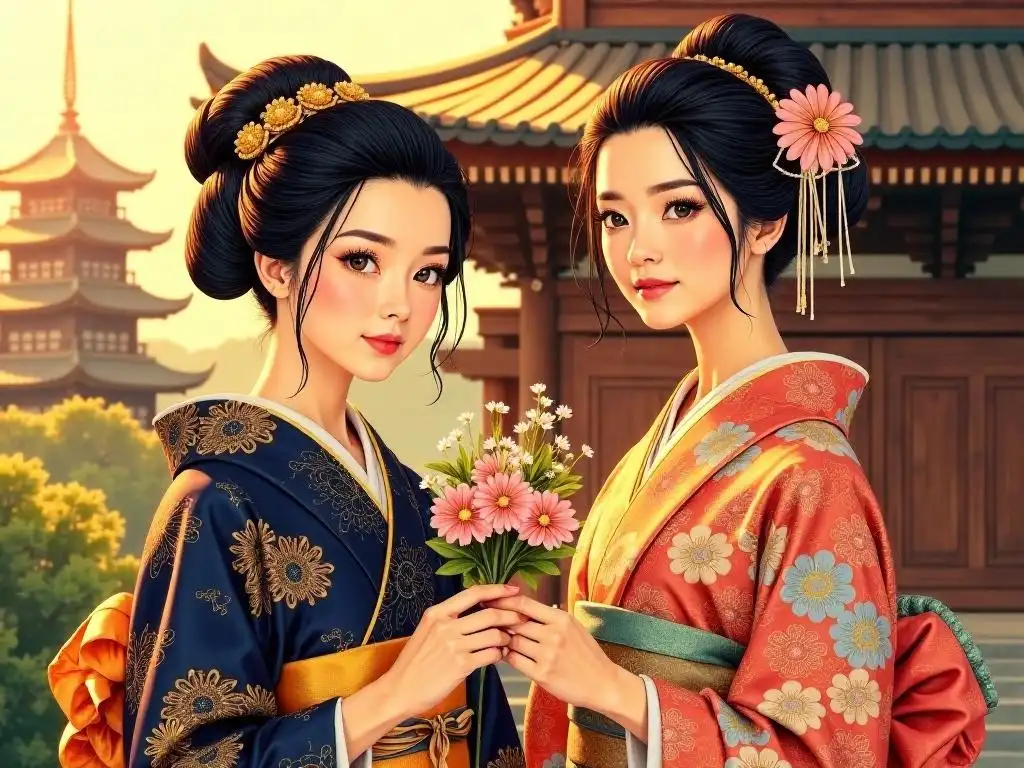
The Heian period (794-1185) stands as a pivotal era in Japanese history, not just for its political and artistic advancements, but also for the profound evolution of women's fashion. The clothing choices during this time were not merely a reflection of personal style; they were imbued with social significance, representing status, cultural ideals, and even the complexities of gender roles.
Summary of Key Findings
Through our exploration, several key findings have emerged regarding Heian period women's fashion:
- Layers and Complexity: Women’s attire during the Heian period was characterized by the use of multiple layers, known as jūnihitoe (十二単), which typically included a base layer and several colorful robes layered on top. This elaborate layering system not only displayed wealth but also indicated social status.
- Color Symbolism: The choice of colors and the arrangement of garments were steeped in symbolism. For instance, certain colors were reserved for specific seasons or occasions, while others conveyed personal attributes or family status. The Heian aesthetic leaned towards subtlety and harmony, with a preference for softer hues.
- Influence of Literature and Art: The fashion of the Heian period was heavily influenced by the era's literature and art. Works such as The Tale of Genji provided insights into the clothing styles and societal norms of the time, showcasing how fashion was intertwined with cultural narratives.
- Cultural Constraints vs. Expression: While the intricate styles allowed for a degree of personal expression, they also imposed constraints. The heavy layers could be cumbersome, limiting mobility and practical engagement in daily activities. Thus, the attire could be seen as both a means of cultural expression and a restriction on women's roles.
- Social Stratification: Fashion served as a marker of social stratification. The elite women adorned themselves in luxurious silks and intricate patterns, while commoners had more subdued and practical clothing. This disparity highlighted the broader dynamics of power and privilege within Heian society.
Lasting Legacy of Heian Fashion in Japanese Culture
The influence of Heian period women's fashion extends far beyond its temporal confines, leaving a lasting legacy that continues to resonate in contemporary Japanese culture.
- Traditional Garments: Elements of Heian fashion can still be observed in modern traditional garments such as the kimono. The layering techniques and color symbolism have influenced the way these garments are designed and worn today.
- Cultural Festivals and Performances: Many festivals and cultural performances in Japan incorporate Heian-inspired attire, celebrating this historical aesthetic. The visual richness of Heian fashion is often showcased in events like hanami and matsuri, where traditional costumes evoke the elegance of the past.
- Art and Literature: The artistic representations of women’s fashion from the Heian period continue to inspire modern artists and writers. The themes of beauty, nature, and the ephemeral nature of existence, prevalent in Heian literature, remain influential in contemporary narratives, highlighting the enduring impact of this era.
- Fashion as Cultural Heritage: Today, the Heian period is recognized not only for its historical significance but also as a vital part of Japan's cultural heritage. Fashion historians and enthusiasts study this period to appreciate the intricate designs and cultural meanings behind the garments.
While Heian period women's fashion may have imposed certain cultural constraints, it simultaneously represented a revolution in style and identity. The legacy of this fashion era continues to shape Japanese culture, reinforcing the notion that clothing is a powerful form of expression deeply intertwined with societal values and historical context.
References and Further Reading
Suggested Books on Heian Period Clothing
-
The World of the Shining Prince: Court Life in Ancient Japan by Ivan Morris
This classic work provides a detailed account of the Heian period's court life, including insights into women's fashion. Morris explores the aesthetics, social significance, and cultural implications of clothing during this era, making it a foundational text for understanding Heian period women's fashion.
-
Heian Women: A Study of Gender and Society in Classical Japan by H. Paul Varley
Varley's book offers an in-depth analysis of gender roles during the Heian period, with a particular focus on women's attire. The author discusses how clothing choices reflected women's social status and individual identities, providing context to the era's fashion trends.
-
Kimono: Fashioning Culture by Jennifer R. Pruitt
This book traces the history of the kimono, exploring its evolution from the Heian period onwards. Pruitt examines the cultural significance of the kimono and its impact on Japanese fashion, making connections to women's attire during the Heian period.
-
The Tale of Genji: A Novel in Six Parts by Murasaki Shikibu
While primarily a literary work, this classic novel offers rich descriptions of Heian court life, including the fashion choices of women. It serves as a valuable resource for understanding the cultural backdrop against which women's attire was both celebrated and constrained.
Academic Articles on Japanese Fashion History
-
"Fashion and Identity in Heian Japan: The Role of Clothing in Social Hierarchies" by Akiko Yamamoto
This article delves into how clothing functions as a marker of social status during the Heian period. Yamamoto analyzes the intricacies of Heian period women's fashion, discussing its implications for identity and societal roles.
-
"The Aesthetics of Heian Fashion: A Study of Color and Fabric" by Noriko Takahashi
Takahashi's scholarly work investigates the aesthetic principles guiding women's fashion in the Heian period. The article provides an analysis of color symbolism and textile choices, revealing deeper cultural meanings associated with women's attire.
-
"Subtlety and Excess: Gendered Perspectives on Heian Clothing" by Michiko Kato
In this article, Kato examines the dualities present in Heian women's fashion, balancing between subtlety and extravagance. The text discusses how these fashion choices relate to broader themes of power, gender, and cultural expression in the Heian era.
-
"From Practicality to Symbolism: The Evolution of Japanese Women's Clothing" by Satoshi Fujimoto
Fujimoto traces the evolution of women's clothing from the Heian period to modern Japan. This article highlights the shifts in fashion trends and their sociocultural implications, providing a comprehensive view of the historical context surrounding Heian period women's fashion.
Frequently Asked Questions
What was the Heian period known for in terms of women's fashion?
The Heian period (794-1185) is celebrated for its elaborate women's attire, characterized by layered garments and intricate designs that reflected social status and aesthetic values.
In the Heian period, social status greatly dictated women's fashion. Higher-ranking women wore more layers and rich fabrics, while lower classes had simpler attire, showcasing the class distinctions prevalent in society.
Were there any restrictions on women's fashion during the Heian period?
Yes, women's fashion during the Heian period was often subject to cultural constraints. Specific dress codes were enforced, and women had to adhere to styles that conveyed their family’s status and position.
How did the Heian period impact modern Japanese fashion?
The Heian period’s fashion, with its focus on elegance and refinement, has influenced modern Japanese aesthetics, inspiring contemporary designs that still incorporate traditional elements and layering techniques.
What materials were commonly used in Heian period women's clothing?
Heian period women's clothing was primarily made from silk and cotton, often dyed in vibrant colors. The use of rich materials was a symbol of wealth and prestige in society.
Final Reflection: The Dual Nature of Heian Period Women's Fashion
The exploration of women’s attire during the Heian period reveals a fascinating interplay between cultural expression and societal constraints. As we delve into the intricacies of Heian period women's fashion, we uncover not only the aesthetic choices of the time but also the underlying social dynamics that shaped these choices. This duality is particularly relevant today, as we navigate our own cultural landscapes where fashion often serves as both a form of self-expression and a reflection of societal expectations.
The Heian period's fashion has left an indelible mark on our understanding of gender roles and cultural identity. The elaborate layers and vibrant colors of women's clothing were not merely decorative; they were a reflection of status, artistry, and the complexities of women's lives in a patriarchal society. As we consider the ongoing influence of these historical styles, we can see how they resonate with contemporary discussions about body image, identity, and the power of clothing. Fashion is the armor to survive the reality of everyday life.
– Bill Cunningham. This quote encapsulates the enduring significance of fashion as a means of navigating societal norms, much like the women of the Heian period did.
As we close this exploration of Heian period women's fashion, I invite you to reflect on your own relationship with clothing and identity. Consider how your attire communicates your values, beliefs, and individuality in today's world. Just as the women of the Heian period navigated their cultural constraints through fashion, you too have the power to use clothing as a form of self-expression and empowerment. Embrace the lessons of the past, and let them inspire you to forge your own path in the ever-evolving tapestry of fashion and identity.
Unveil the Legacy of Heian Fashion Today!
Thank you for engaging with our exploration of women's attire in the Heian period! You've discovered how fashion can both revolutionize and constrain cultural identity. Now, it’s time to put that knowledge into action and redefine your understanding of historical fashion.
Here are a few steps you can take to deepen your connection with the rich tapestry of Heian culture:
- Dive Deeper: Explore additional resources, such as books or documentaries, that illustrate the intricate designs and cultural significance of Heian clothing.
- Engage with the Community: Join online forums or social media groups dedicated to Japanese history and fashion; share your thoughts and learn from fellow enthusiasts.
- Personal Reflection: Consider organizing a themed gathering where you and your friends can dress in Heian-inspired outfits, sparking conversations about the era’s cultural dynamics.
What insights about the interplay of fashion and culture inspire you to reflect on your attire choices today?