
The Social Hierarchy of Families: Class Distinctions in Feudal Japan

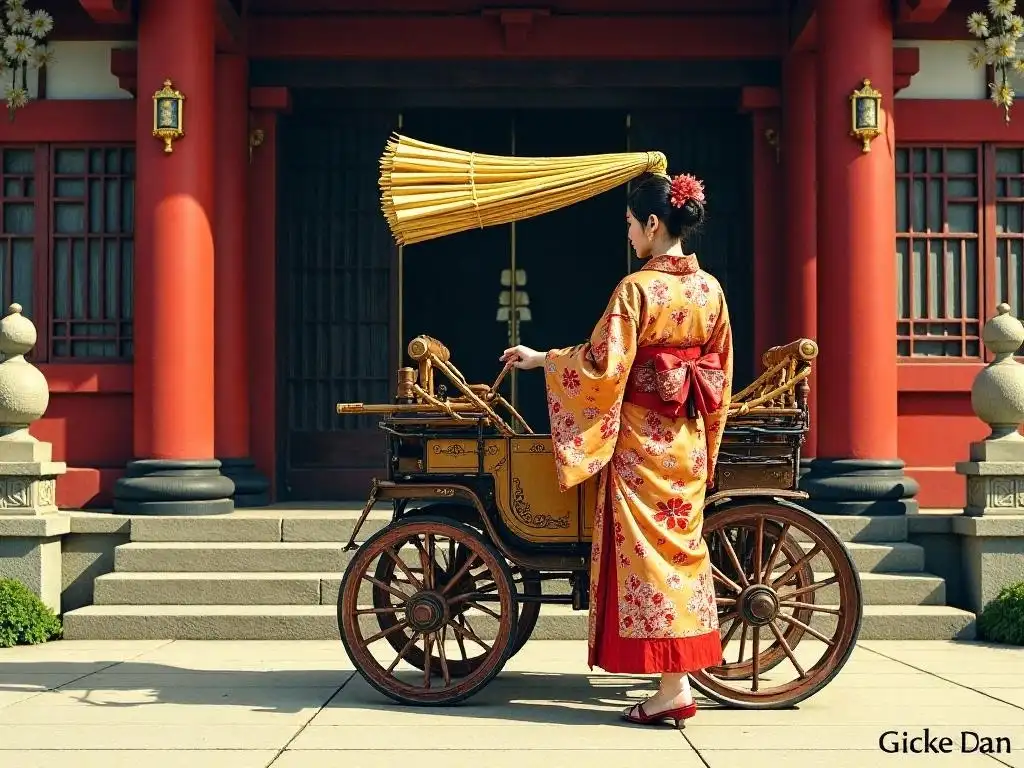
Welcome to Feudal Japan History, where we invite you to journey through the intricate tapestry of Japan's feudal era. Here, we delve deep into the fascinating dynamics of the social hierarchy, revealing how class distinctions shaped daily life and societal interactions. Our featured article, "The Social Hierarchy of Families: Class Distinctions in Feudal Japan," promises to unveil the secrets of this complex system, sparking your curiosity about the lives of samurai, farmers, and artisans.
Prepare to explore a world where every rank tells a story, and each family carries the weight of tradition. Uncover the layers of feudal society with us—your adventure awaits!
The social hierarchy of Feudal Japan was a complex and rigid structure that determined the roles, responsibilities, and privileges of individuals within society. Rooted in centuries of tradition, this hierarchy not only influenced daily life but also shaped the cultural and political landscape of the era.
Understanding the intricate layers of this social stratification is essential for grasping how families interacted, formed alliances, and navigated their place in a society governed by status and power. In this article, we will delve into the various classes that comprised the feudal system, exploring the significance of these distinctions within the framework of Japanese society.
Overview of Feudal Japan: A Brief Historical Context
Feudal Japan, spanning from the 12th to the 19th centuries, was characterized by a decentralized government led by powerful warlords known as daimyōs. This period witnessed the rise of the samurai class, who upheld the values of loyalty and honor. Amidst the backdrop of constant warfare and shifting allegiances, a rigid social hierarchy emerged, which was crucial in maintaining order and stability in a tumultuous environment. The feudal system was heavily influenced by Confucian ideals, emphasizing the importance of social roles and duties, and fostering a sense of loyalty among the various classes.
Importance of Social Hierarchy in Japanese Society
The social hierarchy in Feudal Japan played a pivotal role in shaping societal interactions and expectations. Each class had distinct obligations and privileges, which dictated not only individual behavior but also the overarching dynamics of power. The stratification fostered a sense of identity and belonging among the different classes, while also instilling a strong sense of duty to one's family and the greater community. This hierarchical structure was crucial for the functioning of society, as it ensured that roles were clearly defined and that individuals understood their place within the larger social framework.
Feudal Japan's social hierarchy can be broadly categorized into distinct classes, each with its own unique characteristics and roles. Understanding this structure is essential for appreciating how families operated within this rigid framework.
The Four Main Classes of Feudal Japan
- Samurai:
- The elite warrior class, samurai were the backbone of feudal military power. They adhered to the Bushido code, which emphasized loyalty, honor, and martial skill.
- Samurai families often held significant land and enjoyed various privileges, including the right to bear arms.
- Farmers (Peasants):
- Considered the backbone of the economy, farmers were responsible for food production and agricultural labor.
- While they were essential to society, they often faced heavy taxation and limited social mobility.
- Artisans:
- Skilled craftsmen who produced goods ranging from tools to textiles. Artisans played a vital role in urban economies and contributed to the cultural richness of Japan.
- Their status varied depending on their craft, with some artisans achieving considerable respect and wealth.
- Merchants:
- Often viewed with suspicion, merchants were responsible for trade and commerce. Despite their economic importance, they were typically at the bottom of the social hierarchy.
- This class had limited political power and was often looked down upon for profiting from the labor of others.
Understanding these classes and their interactions provides insight into the complexities of family dynamics and societal relationships in Feudal Japan. Each class, with its unique customs and responsibilities, contributed to the intricate tapestry of life during this captivating historical period.
In Feudal Japan, family played a pivotal role in shaping social structures and relationships. The family unit was not merely a personal or emotional association; it was deeply intertwined with the broader social hierarchy. Families were often categorized based on their social standing, which in turn influenced their power, wealth, and societal roles. Understanding the family’s role within this hierarchy gives insight into the complexities of feudal society and how class distinctions were maintained and perpetuated.
Family as the Basic Unit of Society
The family served as the foundational building block of society in Feudal Japan. It functioned as a microcosm of the larger social hierarchy, where each family’s status dictated its privileges and responsibilities. Families were typically organized around the patriarch, who held authority and made decisions for the household. The structure was often hierarchical, with clear distinctions in roles based on age, gender, and social rank.
In rural settings, families worked collectively in agriculture, while in urban environments, they might engage in trade or crafts. The family unit also acted as a crucial support system, providing economic stability and social identity. This strong familial bond was essential, as it reinforced loyalty and duty, key tenets of the samurai code and wider feudal beliefs.
Lineage and Ancestry: The Importance of Bloodlines
Lineage and ancestry were of utmost importance in Feudal Japan, significantly impacting one’s social standing. Families often traced their ancestry back to notable figures or samurai clans, and this heritage was a source of pride and legitimacy. The concept of "ie," or family lineage, dictated social interactions and marriage prospects, as individuals sought alliances that would enhance their bloodlines.
Moreover, the status of a family could shift dramatically based on their historical achievements or failures. For instance, a once-prominent clan could fall into disgrace if they lost a war or failed to maintain their lands. Conversely, lesser-known families could rise in status through strategic marriages or loyalty to powerful lords. This emphasis on lineage not only shaped individual identities but also reinforced the broader feudal structure.
Marriage Alliances: Strategic Connections Among Classes
Marriage alliances were a critical strategy for maintaining and enhancing social status among families in Feudal Japan. Families often arranged marriages to forge connections with other influential clans, thereby creating networks of power and influence. These alliances served various purposes, including consolidating wealth, securing political power, and ensuring the continuation of bloodlines.
The choice of a marriage partner was seldom based on personal affection; rather, it was a calculated decision that reflected the family’s social aspirations. For instance, a lower-ranking family might marry a daughter into a higher-ranking clan to elevate their status, while powerful families would use marriage to solidify their dominance and ensure loyalty among vassals. Such strategic connections were vital in a society where social mobility was limited, and family ties often determined one’s fate.
Class Distinctions and Their Implications
Class distinctions in Feudal Japan were not merely theoretical; they had tangible implications for daily life, responsibilities, and social interactions. The rigid social hierarchy dictated everything from occupation and residence to legal rights and social privileges. Understanding these distinctions reveals the complexities of life within feudal society and the various ways individuals navigated their roles.
Social Mobility within Feudal Japan
While Feudal Japan is often characterized by a rigid social hierarchy, there were limited avenues for social mobility. Individuals could potentially improve their status through exceptional service to a lord or by accumulating wealth through trade. However, such opportunities were rare, and most people remained within the social class into which they were born.
The samurai class, for instance, was primarily composed of hereditary warriors, with a few exceptions for those who distinguished themselves in battle or service. Conversely, commoners faced numerous barriers to upward mobility, often confined to agricultural or labor-intensive roles. Despite these limitations, some families managed to rise through strategic marriages or by aligning themselves with powerful clans, showcasing that while the system was rigid, it was not entirely impermeable.
The Impact of Class on Daily Life and Responsibilities
Class distinctions profoundly influenced daily life in Feudal Japan. Each social class had specific roles, responsibilities, and expectations that were often dictated by tradition. For example, samurai were expected to uphold honor, serve their lords loyally, and train in martial arts, while farmers were tasked with producing food and sustaining the economy.
The status of a family determined not only their lifestyle but also their legal rights and social interactions. Higher-ranking families enjoyed privileges such as tax exemptions and greater access to political power, whereas lower-ranking families often endured harsh living conditions and limited rights. This disparity in daily experiences illustrated the deeply entrenched nature of the feudal social hierarchy.
Gender Roles within the Social Hierarchy
Gender roles within the social hierarchy of Feudal Japan were closely tied to class distinctions. Women’s roles varied significantly depending on their family’s status. In samurai families, women were often tasked with managing household affairs and raising children, while also being expected to embody the virtues of loyalty and honor. They could wield influence through strategic marriages and were sometimes involved in political negotiations.
In contrast, women from lower classes typically engaged in labor and had fewer rights and opportunities for education or social mobility. Their roles were often limited to domestic responsibilities, with little chance to affect the social order. Despite these restrictions, some women found ways to assert their influence, particularly in the context of family lineage and inheritance, illustrating the complex interplay of gender and class within the feudal hierarchy.

The social hierarchy in feudal Japan, characterized by a rigid structure of classes including the Emperor, samurai, farmers, artisans, and merchants, began to decline towards the end of the Edo period (1603-1868). This decline was influenced by a myriad of factors that disrupted the established order. As Japan transitioned towards modernization, the traditional values and norms that had governed familial and societal roles started to shift. The rise of commerce, urbanization, and new political ideologies began to challenge the existing hierarchy, leading to a gradual but significant transformation of family structures and social dynamics.
Factors Leading to Changes in Social Structure
Several key factors contributed to the changes in the feudal Japan social hierarchy:
- Economic Shifts: The growth of commerce and the merchant class (chōnin) challenged the agrarian-based economy that had previously dominated Japan. As trade flourished, wealth became less tied to land ownership, allowing merchants to gain significant influence.
- Cultural Exchange: Increased contact with Western nations introduced new ideas and philosophies, particularly regarding democracy and individual rights. These concepts began to permeate Japanese society, encouraging a reevaluation of the rigid class distinctions that had long been accepted.
- Social Unrest: The late Edo period saw widespread dissatisfaction among the lower classes, particularly among farmers who faced heavy taxation and poor living conditions. This unrest was a catalyst for change, leading to uprisings and calls for reform.
- Political Changes: The decline of the Tokugawa shogunate, culminating in the Meiji Restoration, marked a decisive turning point. The new government sought to dismantle the feudal structure entirely, promoting meritocratic principles over hereditary privilege.
The Meiji Restoration and Its Impact on Family Structures
The Meiji Restoration of 1868 was a pivotal moment in Japanese history, catalyzing the end of feudalism and ushering in an era of modernization. With the restoration of imperial rule, the new government implemented sweeping reforms that significantly altered family structures and social hierarchies.
- Abolition of the Samurai Class: The samurai, once the ruling military class, were stripped of their privileges and stipends. This not only diminished their status but also led to many samurai seeking new roles in the burgeoning industrial economy.
- Legal Reforms: The Meiji government introduced the Civil Code in 1898, which redefined family roles and gender dynamics. The traditional patriarchal family structure was challenged as women's rights began to gain traction, leading to greater participation in society.
- Focus on Education: The emphasis on education in the Meiji era fostered social mobility. Families could rise in status through education and economic success, further eroding the rigid class distinctions of the past.
The decline of the feudal Japan social hierarchy has left a lasting legacy on modern Japanese society. While many of the rigid class distinctions have dissolved, traces of the feudal structure can still be observed in contemporary social dynamics and family roles. The transition from a strictly hierarchical society to a more fluid social structure reflects the ongoing evolution of Japanese culture.
Lasting Effects on Modern Japanese Society
In modern Japan, the remnants of the feudal hierarchy can be seen in various aspects of society, including respect for elders and the importance of familial relationships. Although contemporary Japan is characterized by a more egalitarian approach, the historical significance of the samurai and the merchant classes continues to influence cultural values and social interactions. The emphasis on education and hard work, stemming from the Meiji reforms, remains a cornerstone of Japanese identity today.
Reflection on the Importance of Understanding Feudal Structures
Understanding the feudal Japan social hierarchy is essential for grasping the complexities of modern Japanese society. The historical context provides insight into current familial structures, social expectations, and cultural practices. By studying the evolution of these hierarchies, we can better appreciate the transformative processes that have shaped Japan into the nation it is today. This reflection not only enriches our understanding of Japanese history but also highlights the dynamic interplay between past and present in shaping societal norms.
Understanding the intricate social hierarchy of feudal Japan requires diving into a variety of texts and resources that explore the historical, cultural, and societal dynamics of the era. Below, we outline key texts and online resources that will enrich your knowledge of feudal Japan's social structures.
Key Texts and Scholars in Feudal Japanese History
-
"The World of the Shining Prince: Court Life in Ancient Japan" by Ivan Morris
This seminal work provides a detailed look at the aristocratic life during the Heian period, highlighting the social structures that laid the foundation for later feudal hierarchies.
-
"Feudal Japan" by Richard Storry
Storry's book offers an accessible overview of feudal Japan’s historical context, focusing on the social classes and their interactions, making it an excellent resource for understanding the broader implications of social hierarchy.
-
"Samurai, Warfare and the State in Early Medieval Japan" by Karl Friday
This text delves into the military aspects of feudal Japan, examining how samurai culture influenced social status and class distinctions.
-
"The Making of Modern Japan" by Adrian Prefect
A comprehensive analysis of Japan’s evolution, this book touches upon the remnants of feudal society and how they shaped modern Japanese culture.
-
"Japan's Feudal Age: 1185-1600" by David A. Dilworth
Dilworth provides insights into the political and social organization of Japan during its feudal period, emphasizing the roles of various classes within society.
-
Scholarly Articles and Journals
Numerous academic journals, such as "The Journal of Japanese Studies" and "Asian Studies Review," frequently publish articles focusing on specific aspects of feudal society, including class distinctions and family structures.
Online Resources and Archives for Extended Learning
-
The National Diet Library of Japan
This online archive offers a wealth of documents, including historical texts and manuscripts that provide insights into the feudal system and its societal impacts.
-
The Japan Times Archives
Explore historical articles that discuss the evolution of Japan's social hierarchy from the feudal era to contemporary times, providing a broad perspective on class distinctions.
-
Digital Public Library of America
This resource hosts a collection of digitized primary sources related to Japanese history, including photographs, documents, and maps that reflect the social structures of feudal Japan.
-
HathiTrust Digital Library
An extensive repository of digitized books and documents, HathiTrust includes works on Japanese history that can enhance understanding of the feudal social hierarchy.
-
Japan Society
Offers various online programs and resources, including lectures and webinars from experts in Japanese history, focusing on societal and familial structures during the feudal era.
By utilizing these texts and online resources, readers can gain a deeper appreciation for the complexities of the feudal Japan social hierarchy and its lasting impact on Japanese culture and society.
- Introduction to Feudal Japan Social Hierarchy
- The Structure of Feudal Japan Social Hierarchy
- Role of Family in the Feudal Japan Social Hierarchy
- Class Distinctions and Their Implications
- The Decline of the Feudal Japan Social Hierarchy
- Conclusion: The Legacy of Feudal Japan Social Hierarchy
- References and Further Reading on Feudal Japan Social Hierarchy
Frequently Asked Questions
The social hierarchy in Feudal Japan was a rigid structure, primarily divided into four main classes: the samurai, farmers, artisans, and merchants. Each class had specific roles and responsibilities, influencing their status in society.
Who were the samurai in Feudal Japan?
The samurai were the warrior class of Feudal Japan, known for their loyalty, martial skills, and adherence to the Bushido code. They served as the ruling elite and were crucial in maintaining the order of the social hierarchy.
How did farmers contribute to Feudal Japan's economy?
Farmers were essential to Feudal Japan's economy, providing the necessary food supply for the population. Their work was highly valued, and they were often taxed heavily to support the ruling samurai and their lords.
Why were merchants considered the lowest class in Feudal Japan?
Despite their wealth, merchants were regarded as the lowest class in the social hierarchy due to their perceived lack of productive labor. They profited from the work of others, which was frowned upon in the feudal system.
What role did artisans play in Feudal Japan?
Artisans were skilled craftsmen who produced various goods, ranging from tools to textiles. They held a higher status than merchants but were still beneath farmers in the feudal social hierarchy, as their work was seen as less essential.
The exploration of Feudal Japan's social hierarchy reveals not only the rigid class distinctions of the past but also underscores the enduring impact of these structures on contemporary society. As we navigate our modern world, the echoes of historical social stratification remind us of the complexities of class and privilege that still resonate today. Understanding these dynamics is crucial, as they shape our perceptions of identity, power, and community.
The social hierarchy of Feudal Japan has left an indelible mark on cultural narratives and social interactions, influencing everything from literature to modern social structures. The rigid class system, with its samurai, farmers, artisans, and merchants, serves as a poignant reminder of how societal roles can dictate one's opportunities and experiences. History is not a burden on the memory but an illumination of the soul.
This quote encapsulates the importance of reflecting on our past to better understand our present and future.
As you reflect on the lessons of Feudal Japan's social hierarchy, consider how these insights can inspire you to challenge contemporary class distinctions in your own life. Take a moment to think about the roles you play within your community and how you can foster inclusivity and understanding. By acknowledging the historical context of social hierarchies, we can work towards a more equitable future, where every individual is valued regardless of their background. Let this reflection guide you in your journey to create a more just and compassionate society.
Thank you for diving into the fascinating world of Feudal Japan's social hierarchy! Your interest highlights the complexities of family structures and class distinctions that played a crucial role in shaping history. Now, let’s take a moment to translate that curiosity into action.
Here are a few engaging steps to further your exploration:
- Join the conversation! Share your thoughts about the intriguing family dynamics of Feudal Japan in the comments below or on social media.
- Explore further! Check out additional articles on our website to deepen your understanding of the customs and influences of this remarkable period.
- Surprise yourself! Research a lesser-known samurai family or feudal lord and share their story with others!
What aspects of the social hierarchy in Feudal Japan resonate with you the most, and how do you think they compare to modern societal structures? Let's discuss!