
Essential Utensils: A Deep Dive into the Tools of the Japanese Tea Ceremony

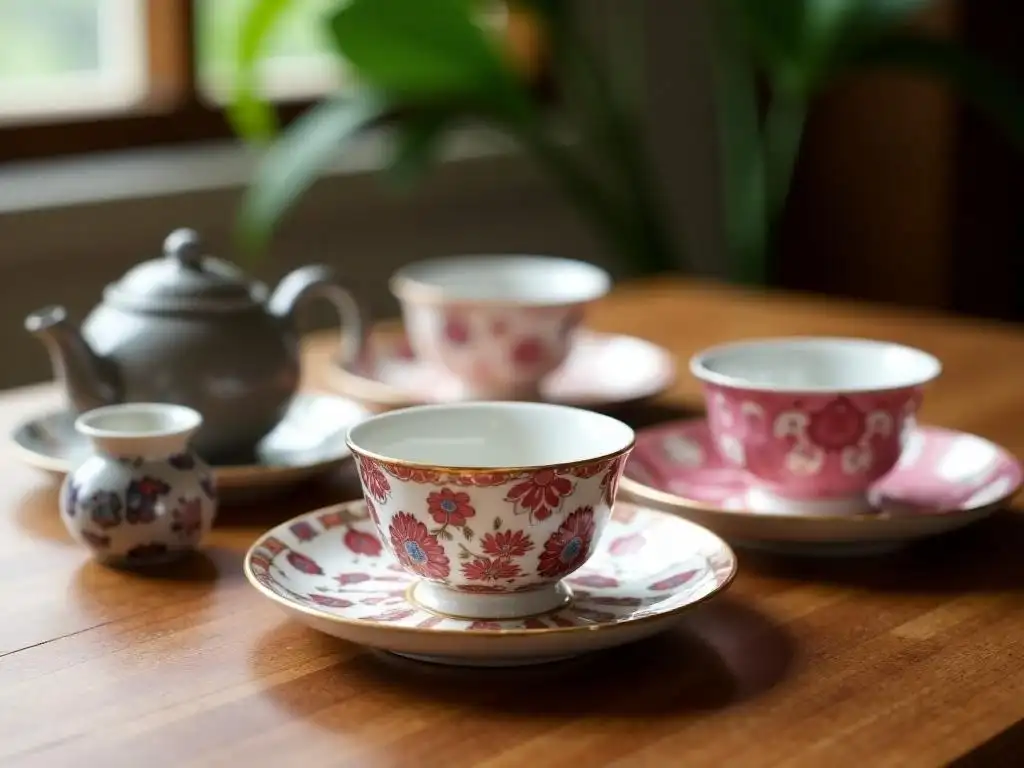
Welcome to Feudal Japan History, where we embark on a fascinating journey through the intricacies of Japan's feudal era. Here, you'll discover the rich tapestry of historical, cultural, and societal elements that shaped this remarkable period. Prepare to delve into our featured article, "Essential Utensils: A Deep Dive into the Tools of the Japanese Tea Ceremony," where we unveil the significance of the Japanese tea ceremony utensils—each tool a testament to centuries of tradition and artistry.
What secrets do these utensils hold? Join us as we explore their stories and the profound impact they have on Japanese cuisine and culture. Your adventure through the past begins here!
The Japanese tea ceremony, known as "Chanoyu" or "Chado," is an intricate ritual steeped in tradition, embodying centuries of cultural significance and aesthetic refinement. This ceremonial practice transcends mere tea preparation; it is a meditative art form that emphasizes harmony, respect, purity, and tranquility. At the heart of this ritual lies a carefully curated array of utensils that not only serve functional purposes but also contribute to the overall experience of the ceremony.
Understanding these Japanese tea ceremony utensils is crucial for anyone looking to appreciate the nuances of this revered tradition. Each tool, from the tea whisk to the tea bowl, plays a pivotal role in the ceremony, embodying the spirit of simplicity and elegance that defines Japanese culture. In this article, we will explore the essential utensils used in the Japanese tea ceremony, delving into their historical significance, craftsmanship, and the artistry involved in their use.
Understanding Japanese Tea Ceremony Utensils
The utensils used in the Japanese tea ceremony are as diverse as they are essential. Each piece is carefully chosen for its functionality and aesthetic appeal, reflecting the principles of Zen Buddhism and the beauty of imperfection. Here, we will take a closer look at some of the most important utensils, their purposes, and their significance within the context of the tea ceremony.
- Chawan (Tea Bowl): The chawan is one of the most recognizable utensils, crafted to hold the matcha (powdered green tea). Each bowl is unique, often handmade by artisans, and its design can reflect the season or the theme of the ceremony.
- Chasen (Tea Whisk): Made from bamboo, the chasen is essential for whisking the matcha into a frothy beverage. Its delicate, flexible strands allow for the perfect blending of tea and water, enhancing the overall texture and flavor.
- Chashaku (Tea Scoop): This slender bamboo scoop is used to measure the matcha powder. Its design allows for precise dosing, ensuring that each serving is consistent in quality.
- Natsume (Tea Caddy): The natsume is a small container that holds the matcha. It is often beautifully decorated, symbolizing the importance of the tea within the ceremony.
- Fukusa (Silk Cloth): This cloth is used for the ceremonial cleaning of utensils, representing purity and respect for the tools and the tea itself.
- Kensui (Waste Water Container): A practical yet significant utensil, the kensui holds the waste water from the chawan, ensuring that the ceremony maintains an air of cleanliness and order.
These utensils are not merely tools; they are embodiments of tradition, craftsmanship, and the philosophy that underpins the Japanese tea ceremony. As we delve deeper into the specifics of each utensil, we will uncover how they contribute to the overall experience and the profound meaning behind this cherished cultural practice.
Key Utensils Used in the Japanese Tea Ceremony
The Japanese tea ceremony is a meticulous art form that revolves around simplicity and mindfulness, and the utensils used play a crucial role in this ritual. Each tool is not merely functional; it embodies cultural significance and aesthetic beauty. Below are the essential utensils that contribute to the tea ceremony experience.
1. Chawan (Tea Bowl)
The Chawan, or tea bowl, is perhaps the most iconic utensil in the Japanese tea ceremony. Its primary function is to hold the matcha tea during preparation and serving. Chawans are crafted from various materials, predominantly ceramic, and come in various shapes, sizes, and designs.
- Aesthetics: The beauty of the Chawan is often emphasized, with many featuring unique glazes and textures that reflect the season or the occasion. The choice of Chawan can influence the mood of the ceremony.
- Functionality: Traditionally, the bowl is wide and shallow, designed to facilitate the whisking of matcha, allowing for optimal mixing with water. The shape also encourages participants to appreciate the tea's aroma and color.
2. Chasen (Tea Whisk)
The Chasen is a bamboo whisk used to froth matcha in the Chawan. This utensil is essential for achieving the desired consistency and frothiness of the tea.
- Craftsmanship: Chasens are carefully crafted from a single piece of bamboo, with fine tines that are delicately split to create a whisking effect. The number of tines can vary, typically ranging from 16 to 100, affecting the whisking efficiency.
- Technique: The whisking technique is critical; a gentle yet firm motion is required to create the perfect creamy layer on top of the matcha. The Chasen's design allows for this precision, making it an indispensable tool in the ceremony.
3. Chashaku (Tea Scoop)
The Chashaku is a bamboo scoop used to measure and transfer matcha powder into the Chawan.
- Precision: This tool ensures that the right amount of tea is used, typically one to two scoops per serving. The shape and length of the Chashaku facilitate easy scooping and transfer without spilling.
- Symbolism: The act of scooping tea is often performed with intention, reflecting the mindfulness that characterizes the tea ceremony. The Chashaku may also carry aesthetic value, with various designs representing different schools of tea.
4. Mizusashi (Water Container)
The Mizusashi serves as a water container, holding fresh water used to prepare the tea. This utensil is vital for maintaining the quality of the tea and the overall experience.
- Design: Mizusashi are often made from ceramic or metal and can vary in design, from ornate to minimalist, reflecting the host's style and the ceremony's formality.
- Functionality: During the ceremony, the Mizusashi is typically placed near the hearth or stove, allowing the host to refill the Chawan as needed. The freshness of the water is critical, as it impacts the flavor of the matcha.
5. Natsume (Tea Caddy)
The Natsume is a small caddy specifically designed to hold matcha powder. It plays a vital role in the presentation and preservation of the tea.
- Materials: Natsume are commonly made from lacquered wood or ceramic and may feature intricate designs that enhance their visual appeal.
- Usage: During the ceremony, the Natsume is opened with care, symbolizing the respect for the tea and the ritual. The host uses the Chashaku to scoop the tea out from the Natsume, reinforcing the connection between the utensils and the tea preparation process.
The Role of Utensils in Enhancing the Japanese Tea Ceremony Experience
The utensils used in the Japanese tea ceremony are not just tools; they are integral to the experience and philosophy of the ritual. Each utensil contributes to the aesthetic, spiritual, and sensory aspects of the ceremony.
- Mindfulness and Intent: The careful selection and handling of each utensil reflect the principles of mindfulness and respect for nature. The host's actions embody the spirit of hospitality (omotenashi), creating a serene environment for guests.
- Cultural Significance: Each utensil carries historical and cultural weight, serving as a reminder of Japan's rich traditions and the artistry involved in the tea ceremony. The crafting processes and the stories behind each tool add depth to the experience.
- Aesthetic Harmony: The combination of various utensils creates a harmonious visual and tactile experience. The colors, textures, and forms of the utensils work together to create an ambiance that enhances the appreciation of the tea itself.
The utensils of the Japanese tea ceremony are essential for both the practical aspects of tea preparation and the deeper cultural significance they embody, enriching the overall experience for both the host and the guests.
Caring for and Maintaining Japanese Tea Ceremony Utensils
Proper care and maintenance of Japanese tea ceremony utensils are crucial for preserving their functionality and beauty. Each utensil, from the tea bowl to the whisk, requires specific cleaning techniques and storage solutions to ensure longevity. By understanding how to care for these items, practitioners can maintain the integrity of their tea ceremony experience and honor the traditions that surround it.
1. Cleaning Techniques for Tea Utensils
Cleaning techniques vary depending on the material and type of utensil used in the Japanese tea ceremony. Here are some essential practices:
- Chawan (Tea Bowl): After each use, rinse the chawan with warm water. Avoid using soap, as it can leave residues that affect the flavor of the tea. Gently wipe the inside with a soft cloth, ensuring no scratches occur.
- Chasen (Whisk): Rinse the chasen under warm water immediately after use. Use your fingers to gently separate the bristles and remove any tea residue. Place it upright to dry, allowing air to circulate and prevent mold growth.
- Chashaku (Tea Scoop): Wipe the chashaku with a clean, dry cloth after each use. Avoid washing it with water, as the wood can warp.
- Kyūsu (Tea Pot): Rinse the kyūsu with warm water and allow it to air dry. For stubborn stains, use a soft sponge without soap. If it is made of clay, avoid soaking it in water for extended periods.
- Furo (Hot Water Container): Depending on the material, either rinse it with warm water or wipe it with a dry cloth. Ensure it is completely dry before storing to prevent rust or mold.
Maintaining these cleaning habits not only preserves the utensils but also enhances the overall experience of the tea ceremony, reflecting the attention to detail that is a hallmark of this cultural practice.
2. Storage Solutions for Utensils
Proper storage is essential to protect Japanese tea ceremony utensils from damage and environmental factors. Here are some effective storage solutions:
- Bamboo or Wooden Boxes: Use specially designed boxes made from natural materials to store utensils. These boxes protect against dust and moisture and are often aesthetically pleasing, aligning with the aesthetic values of the tea ceremony.
- Display Cases: For utensils that are frequently used or of significant value, consider using glass display cases. This not only protects the utensils but also showcases their beauty, allowing for admiration when not in use.
- Soft Cloth Pouches: Individual cloth pouches can be used for smaller items like the chashaku and chasen. This prevents scratches and provides an additional layer of protection.
- Drying Racks: After cleaning, utilize drying racks to allow utensils to air dry completely. Ensuring that items are fully dry before storage helps prevent mold and deterioration.
- Temperature-Controlled Environment: Store utensils in a climate-controlled environment to avoid extreme temperatures and humidity, which can damage delicate materials.
Implementing these storage solutions can help maintain the quality and appearance of tea ceremony utensils, ensuring they are always ready for use.
Conclusion: The Timeless Importance of Japanese Tea Ceremony Utensils
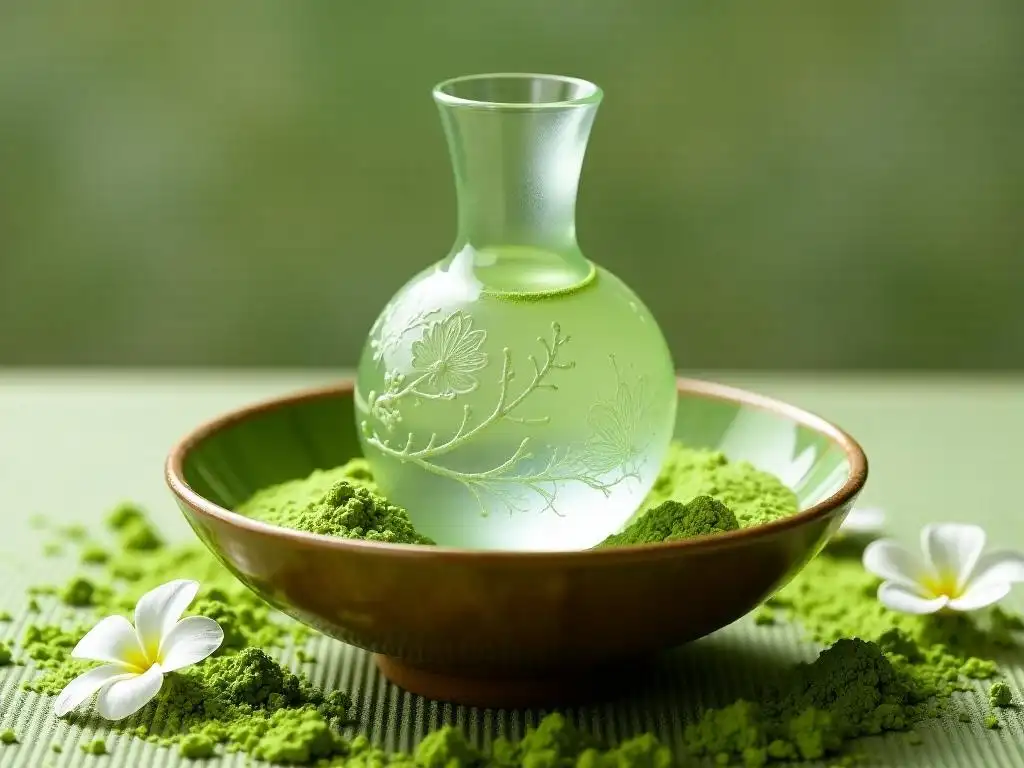
The utensils used in the Japanese tea ceremony are not just tools; they embody centuries of tradition, artistry, and philosophy. Each piece serves a unique purpose and contributes to the overall experience of the ceremony, reflecting the values of simplicity, mindfulness, and respect.
Proper care and maintenance of these utensils are paramount, as they ensure that the beauty and functionality of these items are preserved for future generations. By understanding their significance and the methods to maintain them, practitioners can continue to honor the rich heritage of the Japanese tea ceremony, fostering a deep appreciation for this art form and its essential utensils.
Call to Action
Exploring the intricacies of the Japanese tea ceremony utensils can deepen your appreciation for this beautiful art form. If you are intrigued by the elegance and significance of these tools, we encourage you to delve further into the world of Japanese tea culture.
- Experience a tea ceremony: Seek out local Japanese cultural centers or tea houses that offer authentic tea ceremonies. Participating in one can provide firsthand insight into the use and significance of each utensil.
- Educate yourself: Read books and watch documentaries on the history and philosophy behind the Japanese tea ceremony. This knowledge will enrich your understanding and enhance your practice.
- Try your hand at tea preparation: Gather some of the essential utensils and practice making matcha tea at home. Experimenting with the process allows for a personal connection to this traditional ritual.
- Join a community: Engage with others who share your interest in tea. Online forums, local clubs, or workshops can help you learn more and exchange experiences with fellow enthusiasts.
By immersing yourself in these activities, you can cultivate a deeper appreciation for the art of the Japanese tea ceremony and its utensils.
References
- Sen no Rikyū and the Way of Tea: A comprehensive look at the life and teachings of Sen no Rikyū, the most influential figure in the development of the tea ceremony.
- The Book of Tea by Okakura Kakuzō: This classic text explores the aesthetic and philosophical aspects of the tea ceremony and its utensils, providing historical context.
- Japanese Tea Ceremonies: A Cultural and Historic Perspective: A scholarly article detailing the evolution of the tea ceremony and the significance of various utensils used throughout history.
- Chaji: The Japanese Tea Ceremony: An in-depth guide to the different styles and forms of tea ceremonies, emphasizing the role of utensils in each practice.
- Tea Utensils of Japan: A Practical Guide: This resource provides detailed descriptions and functions of each utensil commonly used in tea ceremonies, along with illustrations.
- Understanding Japanese Tea Ceremony Utensils
- Key Utensils Used in the Japanese Tea Ceremony
- The Role of Utensils in Enhancing the Japanese Tea Ceremony Experience
- Caring for and Maintaining Japanese Tea Ceremony Utensils
- Conclusion: The Timeless Importance of Japanese Tea Ceremony Utensils
- Call to Action
- References
- What are the essential utensils used in the Japanese tea ceremony?
- How does each utensil contribute to the tea ceremony experience?
- Can you explain the significance of the tea bowl, or chawan?
- Are there specific rules for handling tea ceremony utensils?
- Where can I learn more about the cultural significance of these utensils?
Frequently Asked Questions
What are the essential utensils used in the Japanese tea ceremony?
The Japanese tea ceremony utilizes several key utensils, including the chawan (tea bowl), chasen (bamboo whisk), and chashaku (tea scoop). Each tool plays a vital role in the preparation and presentation of matcha.
How does each utensil contribute to the tea ceremony experience?
Each utensil enhances the aesthetic and spiritual aspects of the ceremony. For instance, the chawan is chosen for its beauty, while the chasen is crucial for achieving the perfect froth in the matcha, emphasizing the importance of craftsmanship.
Can you explain the significance of the tea bowl, or chawan?
The chawan symbolizes harmony and purity in the tea ceremony. Its design and texture can vary greatly, reflecting the season and the host's personal taste, making it a focal point during the ritual.
Are there specific rules for handling tea ceremony utensils?
Yes, there are various etiquette rules regarding the use of utensils. For example, the chasen should be handled with care to avoid damage, and the chashaku must be used to scoop the tea without touching the container directly, demonstrating respect for the tools.
Where can I learn more about the cultural significance of these utensils?
To delve deeper into the cultural significance of tea ceremony utensils, consider exploring expert-driven articles and resources specific to Japanese tea culture, as these provide a thorough understanding of the historical and social context of the ceremony.
Final Reflection: The Timeless Art of Japanese Tea Ceremony Utensils
The exploration of Japanese tea ceremony utensils reveals not only the intricate craftsmanship behind each tool but also their profound significance in fostering mindfulness and connection. In a world increasingly driven by technology and fast-paced living, the rituals surrounding the tea ceremony serve as a poignant reminder of the beauty found in simplicity and presence. The elegance of these utensils transcends mere functionality, inviting us to slow down and appreciate the moment.
Cultural practices like the Japanese tea ceremony have a lasting impact on our social fabric, encouraging us to cultivate a deeper appreciation for tradition and community. The utensils used in this sacred ritual—each with its own story and purpose—serve as a bridge connecting us to centuries of history and shared human experience. As the renowned tea master Sen no Rikyū once said, Tea is a religion of the art of life.
This sentiment encapsulates the essence of the tea ceremony, where every sip becomes a celebration of life itself, fostering a sense of harmony and tranquility.
As we reflect on the lessons imparted by the Japanese tea ceremony, let us embrace the opportunity to incorporate mindfulness into our daily lives. I invite you to consider how you can create your own moments of peace and connection, whether through a simple cup of tea or by engaging in rituals that ground you in the present. By honoring the art of the tea ceremony and its utensils, we can cultivate a deeper understanding of ourselves and our relationships with others, ultimately enriching our lives in profound ways.
Embrace the Art of Tea: Take Action Today!
Thank you for exploring the fascinating world of Japanese tea ceremonies with us! We hope you've gained a deeper appreciation for the essential utensils that make these rituals so special. Now, it’s time to take your interest to the next level.
Here are some inspiring actions you can take right now:
- Start your own tea ceremony journey: Gather traditional utensils or even improvise with what you have at home, and host a small tea ceremony for friends or family to share this beautiful experience.
- Explore more about Japanese culture: Dive deeper into the rich history of tea in Japan by reading related articles or checking out more resources available on our site.
- Join the conversation: Share your thoughts or questions about the tea ceremony in the comments below, and connect with fellow enthusiasts!
Which utensil are you most excited to learn more about, and how do you plan to incorporate it into your next tea experience?