
The Cultural Significance of Colors in Feudal Japanese Clothing

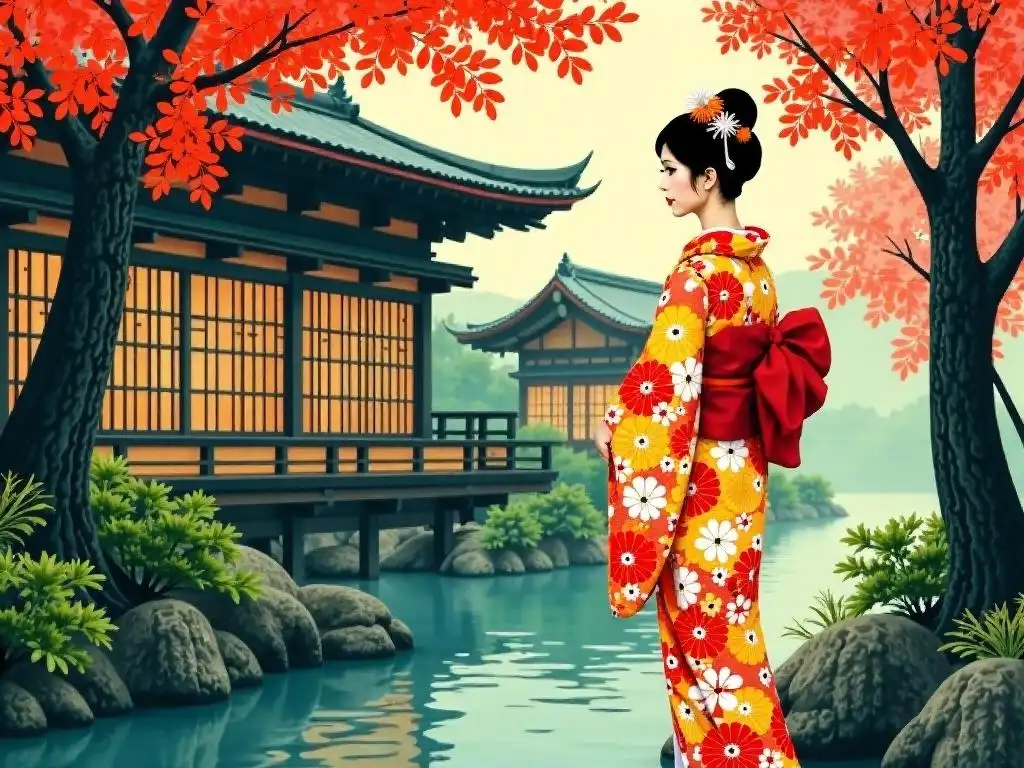
Welcome to Feudal Japan History, where the rich tapestry of Japan’s feudal era unfolds before your eyes. Prepare to embark on a fascinating journey as we delve into the cultural meanings of colors in Japan, revealing how vibrant hues shaped the identity and social structures of the time. In our featured article, "The Cultural Significance of Colors in Feudal Japanese Clothing," you'll discover the profound symbolism behind each color choice, and how these decisions resonated through daily life and societal norms. Curious about how color influenced status, emotion, and tradition? Let the exploration begin!
- Introduction to the Cultural Significance of Colors in Feudal Japanese Clothing
- Historical Context of Color Usage in Feudal Japan
- The Cultural Meanings of Colors in Japan
- Color and Its Role in Social Hierarchies
- Seasonal Influences on Color Choices
- The Impact of Religion and Philosophy on Color Usage
- Modern Interpretations of Historical Color Meanings
- Conclusion: The Enduring Legacy of Color in Japanese Clothing
- Frequently Asked Questions
- Final Reflection: The Enduring Legacy of Color in Japanese Culture
- Unveil the Colors of Tradition!
Introduction to the Cultural Significance of Colors in Feudal Japanese Clothing
The intricate tapestry of feudal Japan is woven not only with threads of silk and cotton but also with the rich symbolism embodied in color. In this article, we will delve into the cultural meanings of colors in Japan, particularly as they pertain to clothing during the feudal era. Clothing was more than mere fabric; it was a canvas on which societal roles, status, and personal identity were vividly displayed.
Each hue carried its own significance, often dictated by class, occasion, and even the season, reflecting the complex interplay between aesthetics and cultural values. By exploring the symbolism behind these colors, we gain a deeper understanding of how they influenced daily life and societal norms in historical Japan.
Overview of Feudal Japanese Clothing
Feudal Japanese clothing evolved significantly from the 12th to the 19th century, influenced by a variety of factors including social hierarchy, climate, and cultural exchange. During this period, clothing styles became increasingly elaborate, with specific garments designated for different classes and occasions.
- Kimono: The most iconic piece of clothing, the kimono, varied in style and fabric depending on the wearer's status. Nobility often wore kimonos made from luxurious silk, adorned with intricate patterns.
- Hakama: Traditionally worn over the kimono, hakama represented a formal attire for both men and women, symbolizing respect and dignity.
- Obi: This decorative sash held the kimono in place and was an essential accessory, with variations in width and style reflecting the wearer’s social standing.
The color palette of feudal clothing was diverse, with each color serving a purpose beyond mere aesthetics. From the vibrant reds of the samurai to the muted tones of the commoners, every choice reflected a deeper cultural meaning and a connection to the natural world.
Importance of Color in Japanese Culture
In Japanese culture, color is imbued with profound significance, often linked to emotions, seasons, and spiritual beliefs. During the feudal era, this connection was particularly evident in clothing choices, which were carefully curated to convey messages about identity and societal roles.
- Red: Symbolizing power and protection, red was frequently worn by the samurai class and during celebratory occasions.
- Blue: Representing tranquility and stability, blue hues were common among commoners, reflecting their connection to the everyday life of agriculture and nature.
- Black: Often associated with formality and mourning, black garments were worn during significant life events, including funerals.
The cultural meanings of colors in Japan were not static; they evolved with societal changes and regional influences, creating a rich tapestry of symbolism that continues to resonate in modern Japanese aesthetics. Understanding these meanings provides invaluable insights into the values, beliefs, and daily life of feudal Japan, allowing us to appreciate the depth of its historical clothing traditions.
Historical Context of Color Usage in Feudal Japan
The use of color in feudal Japan was deeply intertwined with the social, political, and cultural fabric of the time. From the Heian period (794-1185) through the Edo period (1603-1868), colors not only served aesthetic purposes but also conveyed complex meanings that reflected the societal hierarchy and cultural norms.
In ancient Japan, colors were derived from natural sources such as minerals and plants. The limited palette available during the early periods led to a rich tradition of dyeing techniques that evolved over time. By the late Heian period, color became a significant part of court culture, with distinct meanings assigned to various hues. For instance, the aristocracy would often employ vibrant colors to signify status and wealth. This practice laid the groundwork for an intricate system where colors became symbolic carriers of cultural values.
As we progress through the centuries, regulations known as "sumptuary laws" emerged, particularly during the Edo period. These laws restricted certain colors to specific classes, reinforcing the association between color and social status. This system not only regulated what the samurai, merchants, and peasants could wear but also reflected the broader cultural significance of colors in expressing identity and belonging.
Evolution of Color Symbolism in Japan
The evolution of color symbolism in Japan is a fascinating journey that mirrors the changes in society, religion, and aesthetics. Initially, colors were simply functional, used for practical purposes such as distinguishing different garments or indicating seasonal changes. However, as Japan moved into the Heian and Kamakura periods, colors began to acquire deeper meanings.
- Heian Period (794-1185): The aristocracy’s love for elaborate clothing saw the rise of specific colors associated with seasonal festivals and poetry. For example:
- Red was often used to symbolize protection and good fortune.
- Purple, reserved for nobility, represented dignity and power.
- Kamakura Period (1185-1333): The rise of the samurai class introduced more subdued colors, reflecting the values of honor and simplicity. Hues such as:
- Indigo became popular among the warrior class, symbolizing resilience and strength.
- Black started to be associated with formality and authority in clothing.
- Edo Period (1603-1868): The Edo period witnessed a flourishing of textile arts, with elaborate patterns and a broader spectrum of colors. New colors emerged, such as:
- Navy blue became widely used, symbolizing stability and reliability.
- Bright yellows and greens were associated with prosperity and vitality, particularly among the merchant class.
This evolution highlights how colors transitioned from mere decoration to powerful symbols, influenced by changing societal norms and the aesthetic values of different eras.
The social class of an individual had a profound impact on the colors they could wear, which was a reflection of the rigid stratification in feudal Japanese society. The color choices available to a person were not merely a matter of personal preference; they were dictated by laws and customs that reinforced social hierarchies.
- Samurai Class: The samurai, as the warrior elite, were often permitted to wear brighter and more varied colors. They favored:
- Crimson and deep blue, which indicated status and martial prowess.
- Patterns and motifs that conveyed their family crest, showcasing lineage and honor.
- Merchant Class: As the economy grew during the Edo period, merchants began to wield considerable wealth. However, their color choices were still restricted. They often chose:
- Indigo and earthy tones, which conveyed a sense of reliability and groundedness, allowing them to maintain a respectable appearance without overstepping social bounds.
- Vibrant colors like orange and yellow became popular, but only in subtle combinations, to avoid drawing too much attention.
- Peasants: For the peasant class, clothing was predominantly practical. They wore:
- Natural dyes, such as browns and greens, reflecting their connection to the land.
- Simple patterns that were functional rather than decorative, illustrating their daily lives rather than aspirations.
The cultural meanings of colors in Japan were intricately linked to the wearer’s social class, influencing not only their appearance but also their identity within the societal framework. This interplay of color and class illustrates the broader social dynamics at play during Japan's feudal era, revealing how garments served as both a personal expression and a public declaration of status.
The Cultural Meanings of Colors in Japan
In feudal Japan, colors were not only aesthetic choices but also held deep cultural significance, symbolizing various attributes, emotions, and social status. The cultural meanings of colors in Japan can be traced through historical narratives, religious beliefs, and the everyday life of its people. This section delves into the specific meanings associated with prominent colors used in clothing during this era, reflecting the values and aesthetics of the time.
Red: Symbol of Power and Protection
Red is one of the most prominent colors in Japanese culture and carries significant symbolism. In the context of feudal Japan, red represented power, protection, and good fortune.
- Symbolic Associations:
- Power: Red was often worn by the samurai class and nobility, signifying their status and authority. It was a color that demanded attention and commanded respect.
- Protection: Traditionally, red was believed to ward off evil spirits. This belief led to its frequent use in garments meant to protect individuals, especially children.
- Cultural Practices:
- During festivals and important ceremonies, red garments were favored to ensure prosperity and ward off misfortune. For instance, the popular Shichi-Go-San festival, celebrating the growth of children, prominently featured red clothing for boys and girls alike.
- Examples in Clothing:
- The Hakama, a traditional garment, often featured red hues, especially in ceremonial contexts. The use of red silk in kimono designs also indicated high status and significance.
Blue: Association with Calmness and Stability
Blue, particularly in its darker shades, was associated with calmness, stability, and serenity. This color was prevalent among the samurai and merchant classes, reflecting a more subdued yet profound aspect of Japanese culture.
- Symbolism:
- Calmness: The calming effect of blue was often linked to the natural world, such as the sky and the sea, representing tranquility and peace.
- Stability: In the context of social hierarchy, blue often indicated reliability and steadfastness, important traits for leaders and merchants.
- Cultural Interpretations:
- The use of indigo dye (known as aizome) in textiles was notable, as it was both practical and symbolic. The indigo plant was valued not only for its dye but also for its insect-repellent properties, making it a practical choice for everyday clothing.
- Examples in Clothing:
- Kimono fabrics often incorporated blue tones, particularly in everyday wear. The design patterns, such as seigaiha (waves), further emphasized the connection to nature and stability.
White: Purity and Simplicity
White is deeply ingrained in Japanese cultural practices, symbolizing purity, simplicity, and spirituality. In the feudal era, it was a color frequently associated with important rituals and ceremonies.
- Cultural Significance:
- Purity: White was often worn during religious ceremonies and rituals, symbolizing spiritual purity and innocence. It was common for brides to wear white kimonos during weddings, representing a new beginning.
- Simplicity: The minimalist aesthetic of white clothing reflected the Japanese philosophy of simplicity and elegance, aligning with the principles of wabi-sabi.
- Ritual Use:
- In the Shinto religion, white garments were essential for priests and during purification rituals, reinforcing the connection between the color white and the divine.
- Examples in Clothing:
- The shiro (white kimono) was traditionally worn by the nobility during ceremonial occasions, embodying both elegance and a connection to the spiritual realm.
The cultural meanings of colors in Japan during the feudal era provided layers of significance beyond mere aesthetics. They were deeply interwoven with societal norms, beliefs, and the fabric of daily life, reflecting the values and aspirations of the Japanese people.
In feudal Japan, black was a color imbued with deep significance, often associated with elegance and authority. It was a predominant color in the clothing of the samurai class, reflecting their status and the seriousness of their role in society. The use of black in garments such as hakama and kimono often signified a person’s rank and was commonly worn during formal occasions, ceremonies, and rituals.
The color black also carried connotations of mystery and power. In the context of the samurai, it represented the strength and resilience required in battle. Black dye was made from various natural sources, including soot, which made it a color that required careful craftsmanship to produce. This craftsmanship in producing black garments further elevated their status, as it demonstrated wealth and the ability to afford such intricately made clothing.
Moreover, black was not only limited to male attire. Women also wore black as a symbol of refinement and sophistication, particularly in the form of black kimono adorned with intricate patterns and designs. The color was often paired with white, creating a striking contrast that highlighted the gracefulness of the wearer. In this way, black clothing transcended mere functionality, evolving into a powerful symbol of authority and a mark of cultural identity in feudal Japan.
Green: Harmony with Nature

Green, a color deeply rooted in the natural world, played a significant role in the cultural meanings of colors in Japan. It was often associated with renewal, fertility, and growth, reflecting the agrarian society of feudal Japan where nature was revered and intimately connected with daily life. The lush landscapes of Japan, particularly during the spring and summer, are echoed in the use of green in clothing, symbolizing the harmony between humans and the environment.
In traditional garments, green was often used in shades ranging from bright to muted tones, allowing for a diverse expression of this color. Nobility would wear green to signify their connection to the earth and to demonstrate their wealth, as it was a color that required specific dyes, often derived from plants. The vibrancy of green also evoked feelings of tranquility and peace, aligning with the philosophical beliefs of Shinto and Buddhism that emphasized the importance of living in harmony with nature.
Moreover, during the Edo period, green became a common choice among the merchant class, who sought to showcase their prosperity and connection to the land. The use of green fabrics in clothing not only reflected personal identity but also served as a visual reminder of the importance of nature in the cultural landscape of Japan.
Yellow and Gold: Wealth and Nobility
Yellow and gold are colors that epitomize wealth, nobility, and prestige in feudal Japan. These colors were often reserved for the upper echelons of society, including the imperial family and high-ranking samurai. Gold, in particular, was a symbol of divine power and was frequently associated with the sun, embodying the radiance and authority of those who wore it.
In clothing, yellow and gold were used in various forms, from elaborate silk kimonos to decorative obis (sashes), often embellished with intricate patterns and designs. The richness of these colors communicated a sense of luxury and opulence, making them a popular choice for celebratory garments worn during festivals, weddings, and other significant events. The vibrancy of yellow, combined with the luster of gold, created a striking aesthetic that commanded attention and respect.
Additionally, the use of these colors was subject to strict regulations, particularly during the Edo period, when sumptuary laws dictated what colors and fabrics could be worn by different classes. This exclusivity further reinforced the association of yellow and gold with nobility, as only those of high status could legally don such garments. The cultural meanings of these colors not only highlighted social hierarchies but also reflected the values and aesthetics of feudal Japanese society.
Other Colors and Their Significance
In addition to the primary colors traditionally associated with Japanese culture, several other hues played a vital role in the clothing of feudal Japan, each imbued with its own unique significance and symbolism.
Black: Mystery and Elegance
Black was widely used in feudal Japanese clothing, signifying mystery, elegance, and formality. It was a color often worn by the samurai class, especially during ceremonies and rituals. The deep color represented authority and respect, making it a favored choice for formal attire. Additionally, black was associated with the concept of the void in Zen Buddhism, emphasizing the philosophical aspects of simplicity and introspection.
Purple: Royalty and Nobility
Historically, purple was a color reserved for the elite due to the labor-intensive process of dye extraction from mollusks. As a result, it came to symbolize wealth, power, and nobility. Nobles and high-ranking officials often donned purple garments to signify their status. The hue was not merely a fashion statement; it represented a deep connection to the imperial family and the divine, being associated with the concept of kami, or spirits, in Shinto beliefs.
Green: Fertility and Growth
Green, often linked to nature, fertility, and growth, was another significant color in feudal Japan. It represented the lush landscapes of Japan and the agricultural bounty of rice cultivation. In clothing, green was commonly worn during the spring and summer months, symbolizing renewal and vitality. It embodied a connection to the earth and was frequently used in the attire of those involved in farming and rural life.
Blue: Calmness and Stability
Blue held a prominent place in feudal Japanese culture, symbolizing calmness, stability, and fidelity. The color was favored among the merchant class, as it was associated with the flowing rivers and the ocean. In clothing, blue dyes were derived from the indigo plant, making the color accessible and popular. Wearing blue was seen as a way to convey a sense of tranquility and reliability, which was particularly important in the bustling trade environments of the time.
Red: Protection and Happiness
Red was a color imbued with a multitude of meanings, often signifying protection, happiness, and good fortune. It was commonly used in garments for newborns and during celebrations, such as weddings. In feudal Japan, red was believed to ward off evil spirits and bring blessings. The vibrant hue was often paired with white in auspicious occasions, creating a striking contrast that was visually appealing and culturally significant.
Gray: Modesty and Humility
While less vibrant than other colors, gray played a crucial role in the clothing of the samurai and common folk alike. Representing modesty and humility, gray was often used in everyday garments and was favored for its understated elegance. In the hierarchical society of feudal Japan, wearing gray indicated a sense of balance and restraint, reflecting the values of a society that prized humility over ostentation.
Summary
The cultural meanings of colors in feudal Japanese clothing were far-reaching, encompassing a rich tapestry of beliefs and social constructs. Each hue conveyed messages about social status, personal identity, and cultural values, contributing to the overall narrative of daily life in feudal Japan. Understanding these colors offers profound insights into the societal norms and artistic expressions of the era, reinforcing the intricate relationship between clothing and culture in this historical context.
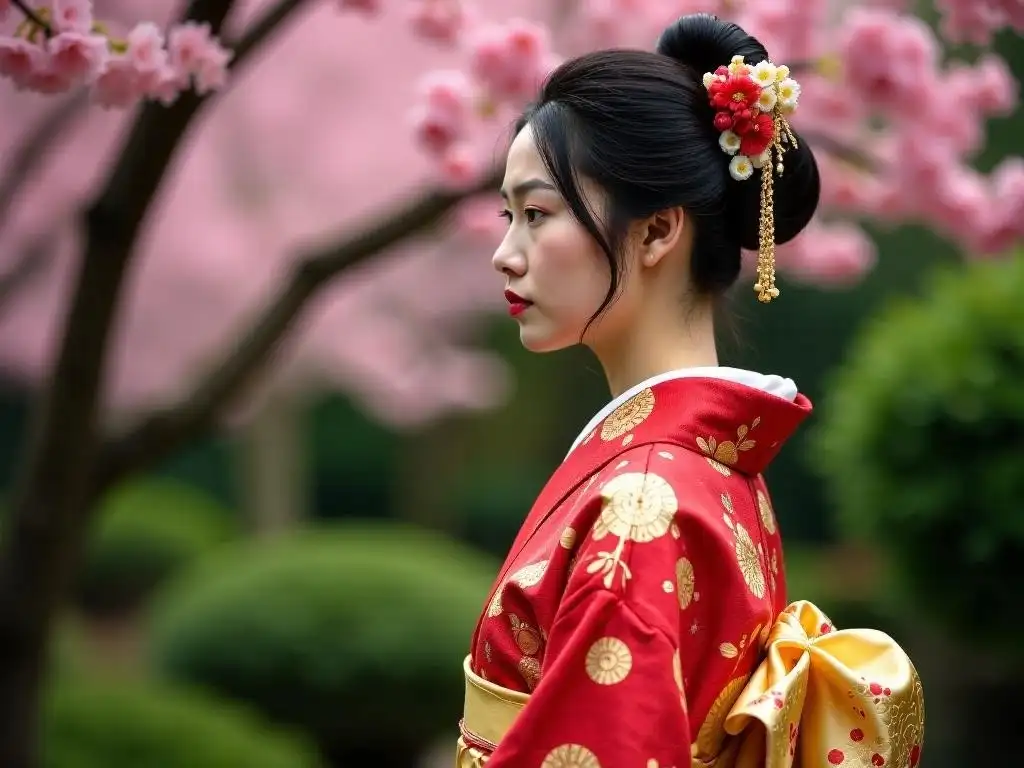
In feudal Japan, colors were not merely aesthetic choices in clothing; they served as vital indicators of social status, identity, and even moral virtues. Each hue carried distinct meanings and implications, shaping the way individuals were perceived within the rigid social structure of the time. The importance of color extended beyond personal preference; it was woven into the very fabric of societal norms and expectations, reinforcing hierarchies and cultural codes.
The use of color was intricately tied to social roles, with specific colors designated for different classes. This phenomenon created a "color code" that informed every aspect of daily life, from formal ceremonies to casual interactions. Understanding the cultural meanings of colors in Japan allows us to appreciate the depth of symbolism and the significant role it played in the lives of people across all societal strata.
The Color Code Among the Samurai Class
The samurai class, as the warrior elite, had a distinct color palette that reflected their status and values. Colors like indigo (藍色, ai-iro) and black (黒, kuro) were favored among samurai, symbolizing strength, loyalty, and honor. Indigo, in particular, was associated with the samurai’s connection to the natural world and their role as protectors of the land.
The use of red (赤, aka) was also notable, often representing courage and valor. Samurai armor frequently incorporated red, serving as a psychological tool in battle and a statement of bravery. The combination of black and red in their garments was a powerful visual cue, signifying not only their military prowess but also their adherence to bushido, the way of the warrior.
| Color | Symbolism | Usage in Samurai Clothing |
|---|---|---|
| Indigo | Strength, loyalty | Common in kimono and hakama |
| Black | Honor, power | Often used in armor and formal wear |
| Red | Courage, valor | Accents in armor and ceremonial attire |
Color Significance in the Nobility
The nobility in feudal Japan, including the daimyo and their families, employed a more elaborate color system that reflected their wealth and sophistication. Unlike the samurai, who emphasized simplicity and practicality, nobles often displayed vibrant colors and intricate patterns as symbols of their elevated status.
Gold (金, kin) and purple (紫, murasaki) were particularly significant. Gold signified wealth and divine favor, while purple was associated with high-ranking individuals, as it was historically expensive to produce. The use of these colors in clothing was not only an expression of personal identity but also a reflection of political power and influence.
Furthermore, the seasonal shifts influenced color choices. In spring, pastels like light pink (桜色, sakura-iro) symbolized renewal and beauty, while in autumn, deeper hues such as deep red and golden yellow echoed the changing leaves, suggesting the passage of time and the cyclical nature of life.
Commoners and Their Color Restrictions
In contrast to the samurai and nobility, commoners faced strict regulations regarding their clothing colors. The Tokugawa shogunate implemented sumptuary laws that dictated what colors and materials could be worn by different social classes. Commoners were often limited to darker hues such as browns and grays, which were practical for labor and less visually striking.
This color restriction served to reinforce social hierarchies, ensuring that the clothing of commoners did not rival that of the higher classes. However, there were exceptions; during festivals and celebrations, commoners could wear brighter colors, albeit in limited contexts. For instance, bright blue was sometimes permitted, often symbolizing joy and festivity.
Despite these restrictions, commoners found ways to express creativity within the confines of their color palette, utilizing patterns and textures to convey personal style. This adaptability illustrated the resilience of the lower classes and their ability to navigate and challenge the societal norms imposed upon them.
The cultural meanings of colors in Japan during the feudal era were deeply intertwined with social status, identity, and cultural expression. By examining the color code among the samurai, the significance of colors in the nobility, and the restrictions faced by commoners, we gain a richer understanding of how color served as a powerful tool for communication and societal organization in feudal Japan.
Seasonal Influences on Color Choices
The cultural meanings of colors in Japan were not only influenced by historical context but also by the changing seasons. Each season brought about a unique palette that reflected the natural world and resonated with the sentiments of the people. Understanding these seasonal influences provides deeper insight into the clothing choices made during the feudal era.
Spring Colors: Renewal and Growth
Spring in Japan, heralded by the blossoming of cherry blossoms (sakura), is a time of renewal and optimism. The colors typically associated with this season are soft pastels and vibrant shades, symbolizing growth and new beginnings.
- Light Pink: Emblematic of cherry blossoms, light pink was a prevalent color in spring garments. This hue symbolized the transient beauty of life and the joy of renewal.
- Green: Representing fresh foliage and growth, green was commonly worn in various shades, from pale mint to deep emerald. It embodied vitality and the promise of new life.
- Yellow: Associated with warmth and happiness, yellow was often used in clothing to reflect the brightening days of spring. It was a color that spoke of hope and cheerfulness.
Spring colors in clothing were typically lighter in fabric and design, allowing for movement and comfort as people engaged in festivities celebrating the season. These colors not only adorned the garments but also played a significant role in festivals and rituals, reinforcing their cultural importance.
Summer Colors: Vibrancy and Life
As the heat of summer settled in, the color choices in feudal Japan shifted to brighter and bolder hues, reflecting the vibrancy of life during this season.
- Bright Red: This color represented energy and passion. Often worn during festivals, bright red garments signified celebration and were believed to ward off evil spirits.
- Deep Blue: Symbolizing the vastness of the sky and seas, deep blue was a popular choice in summer clothing. It provided a cooling effect visually and was associated with tranquility and depth.
- Vivid Orange: A color that embodied enthusiasm and excitement, vivid orange was often chosen for summer garments to reflect the lively spirit of the season.
Summer attire was designed to be lightweight and breathable, allowing individuals to stay comfortable in the heat. The use of these vibrant colors not only enhanced personal expression but also played a role in social gatherings and cultural events, emphasizing the dynamic nature of summer life.
Autumn Colors: Change and Transition
Autumn brought about a significant transformation in the landscape, and this was reflected in the color palette of clothing worn during this season. The hues chosen during autumn were often more muted, evoking a sense of reflection and change.
- Warm Brown: Representing stability and grounding, warm brown shades were commonly worn in autumn clothing. This color mirrored the fallen leaves and the earth's transition as nature prepared for winter.
- Golden Yellow: A deeper, more muted yellow symbolizing harvest and abundance, golden yellow was prevalent in autumn attires, celebrating the bounty of the season.
- Crimson: Associated with the changing leaves, crimson signified both beauty and the bittersweet nature of transition. It was a color that conveyed a sense of nostalgia and reflection.
Autumn clothing often featured richer fabrics and layered designs, aligning with the cooler temperatures. The choice of these colors not only reflected nature's transformation but also resonated with cultural practices, as many festivals during this season celebrated the harvest and the cycle of life.
The seasonal influences on color choices in feudal Japanese clothing reveal a deep connection between nature and cultural expressions. Each season's colors were imbued with meanings that reflected societal values, emotional sentiments, and the ever-changing landscape, enriching the cultural tapestry of Japan during this vibrant era.
Winter Colors: Resilience and Endurance
In feudal Japan, winter colors in clothing were not merely a reflection of the season but also symbolized resilience and endurance. The cold, harsh winters required materials and hues that conveyed warmth and strength, both physically and metaphorically. Darker shades, such as deep blues, grays, and blacks, were commonly used during this time, representing the starkness of the winter landscape while also embodying the inner strength required to endure the season's challenges.
Cultural Significance:
The choice of colors during winter was deeply tied to the samurai class's ideals of perseverance and fortitude. For instance, the color black was often associated with nobility and power, symbolizing a steadfast spirit in the face of adversity. This connection to resilience was particularly important for the samurai, who viewed winter as a time to demonstrate their unwavering loyalty and commitment to their lords.
Materials and Textures:
Winter clothing was typically made from heavier fabrics, such as wool or layered silk, which provided warmth against the biting cold. The rich textures of these materials complemented the darker colors, enhancing their visual impact. The interplay of color and texture served to reinforce the theme of endurance; just as the fabric could withstand the winter chill, so too could the wearer embody strength and resilience.
Symbolic Associations:
Certain colors were also imbued with additional meanings during winter. For example, indigo blue, often used in the clothing of the working class, symbolized stability and sincerity. This color choice not only reflected the practical needs of warmth but also aligned with the cultural values of humility and hard work. The use of indigo was widespread among artisans and laborers, showcasing their dedication to their craft and community even in the cold months.
Winter colors in feudal Japanese clothing played a crucial role in expressing cultural values of resilience and endurance. Through the strategic use of darker shades and heavier materials, wearers conveyed strength and determination, reflecting the broader societal ideals of perseverance during one of the year's most challenging seasons.
The Impact of Religion and Philosophy on Color Usage
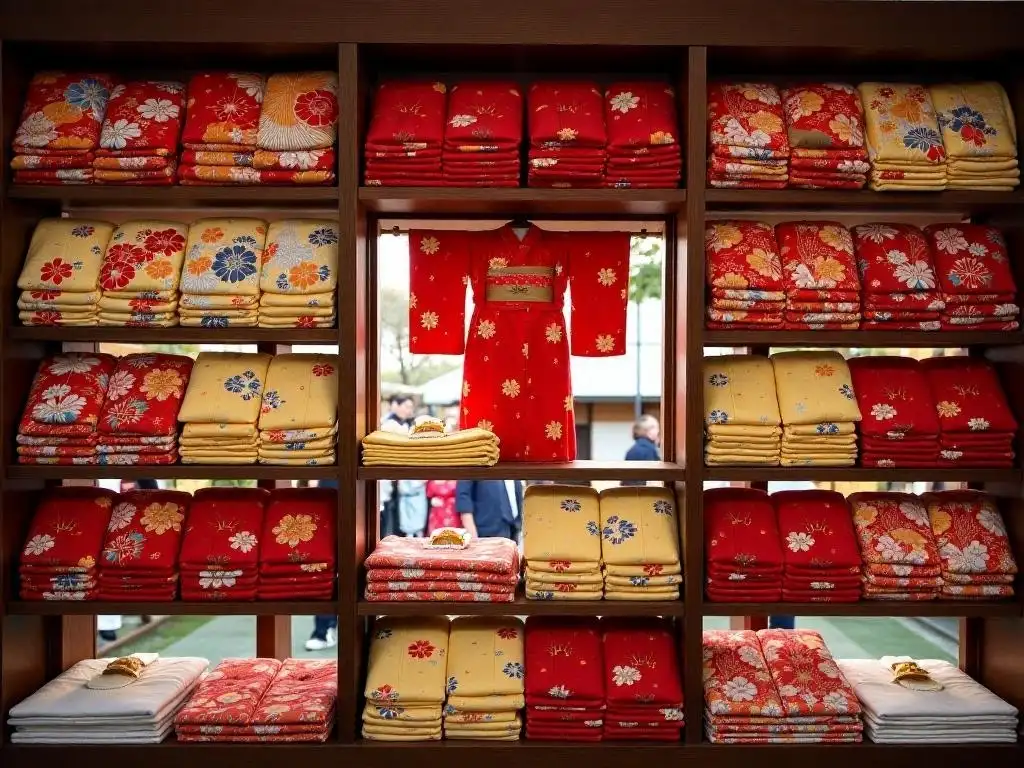
The influence of religion and philosophy on color usage in feudal Japan is profound, as these systems of thought shaped cultural perceptions and practices surrounding colors. Both Shinto and Buddhism played pivotal roles in determining the meanings ascribed to various hues, affecting everything from clothing to architecture. By examining these influences, we gain insight into how colors were not merely aesthetic choices but were imbued with deep spiritual significance.
Shinto Beliefs and Color Symbolism
Shinto, the indigenous spirituality of Japan, emphasizes the connection between humans and nature, and this relationship profoundly influences color symbolism. In Shinto beliefs, colors are often associated with natural elements and deities, reflecting the fundamental belief in kami (spirits) residing in all things.
- White (Shiro): In Shinto, white symbolizes purity and cleanliness. It is commonly used in rituals, such as the attire worn by Shinto priests. White garments are believed to ward off evil spirits and attract positive energy.
- Red (Aka): Red is a color of protection and vitality. It represents life and is often seen in torii gates and shrine decorations. The color is thought to repel malevolent spirits, making it a popular choice for celebratory garments and ceremonial objects.
- Green (Midori): Green signifies growth and fertility. It is closely associated with nature, reflecting the reverence for the environment inherent in Shinto beliefs. Traditional garments adorned with green often symbolize renewal and vitality.
- Black (Kuro): While black is often associated with mourning in contemporary Japan, in ancient Shinto practices, it represented the unknown and the spiritual realm. It was used in specific rituals to honor the dead and connect with the ancestors.
Buddhist Influences on Color Perception
Buddhism, which arrived in Japan in the 6th century, introduced a different set of symbolic meanings for colors, profoundly impacting the cultural landscape of feudal Japan. The religion emphasizes concepts such as impermanence and enlightenment, which are reflected in the color choices of clothing and textiles.
- Yellow (Kiiro): Yellow is often associated with the Buddha and represents the middle path, a key principle in Buddhism. Monks typically wore yellow robes to symbolize their renunciation of worldly desires and their pursuit of enlightenment.
- Purple (Murasaki): In the context of Buddhism, purple symbolizes nobility and divinity. During the feudal era, it became a color associated with the elite, often used in the garments of the samurai and nobility. Its association with the divine also made it a popular choice for temple decorations.
- Blue (Ao): The color blue is associated with tranquility and healing. In Buddhist art and literature, blue often represents the sky and the sea, symbolizing openness and peace. It was frequently used in clothing to convey a sense of calm and introspection.
- Gold (Kin): Gold signifies wealth, purity, and the divine light of the Buddha. Richly dyed fabrics with gold threads were often reserved for ceremonial occasions, reflecting the importance of opulence in religious and social contexts.
The cultural meanings of colors in Japan during the feudal era were deeply intertwined with religious beliefs, particularly those stemming from Shinto and Buddhism. Understanding these associations provides a richer perspective on how colors shaped clothing choices and social customs, enabling a deeper appreciation for the intricate tapestry of feudal Japanese culture.
Modern Interpretations of Historical Color Meanings
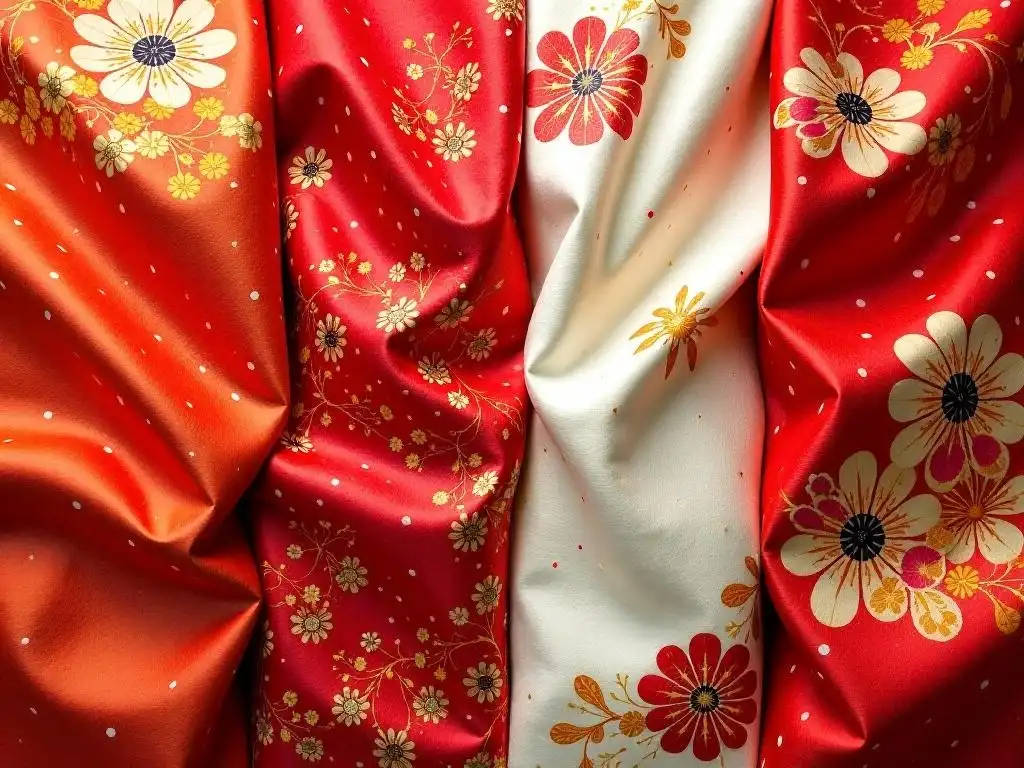
In contemporary Japan, the colors that once held profound meanings during the feudal era continue to resonate within fashion and cultural expressions. The historical significance of colors such as red, white, and black, which were emblematic of various social statuses and beliefs, has evolved but remains influential in modern design and aesthetics.
Many designers today are reinventing traditional color palettes, drawing inspiration from the vibrant hues that were prevalent in samurai attire, court garments, and peasant clothing. These color choices are not arbitrary; they reflect a deep-rooted cultural heritage that values symbolism and historical context.
Reviving Traditional Colors in Contemporary Fashion
The revival of historical colors in modern Japanese fashion can be seen in various contexts, from haute couture to streetwear. Designers often utilize colors like indigo, crimson, and gold to evoke sentiments associated with their historical counterparts.
- Indigo (Ai): Traditionally linked to the working class, indigo dyeing techniques are now celebrated in modern textiles. Its use in contemporary clothing symbolizes not just durability but also a connection to Japan's artisanal craft.
- Crimson (Aka): Once reserved for the elite, this color is now embraced in everyday wear, often signifying passion and vitality in a more accessible manner.
- Gold (Kin): Historically a color of wealth and power, gold accents in modern fashion reflect prosperity and are frequently used in accessories and ceremonial attire.
Designers incorporate these colors through innovative techniques, such as shibori (tie-dye) or kintsugi (repairing pottery with gold), which not only revitalize the aesthetic of the garments but also pay homage to traditional craftsmanship.
The Influence of Feudal Color Symbolism on Modern Japanese Culture
The feudal era's color symbolism continues to permeate various aspects of modern Japanese culture, influencing not only fashion but also art, design, and even branding.
- Festivals and Ceremonies: Color choices in traditional festivals often draw directly from historical meanings. For example, the use of white (Shiro) during Shinto ceremonies symbolizes purity and is still prevalent today.
- Art and Media: Contemporary artists and filmmakers frequently reference the color schemes of the feudal period, using them to evoke nostalgia or to comment on societal values. The use of color in anime and manga often reflects these deep-seated cultural significances, where character design incorporates historical color meanings to enhance storytelling.
- Brand Identity: Japanese brands often integrate historical color symbolism into their logos and product designs to convey trustworthiness, tradition, and quality. For instance, a brand may choose blue to communicate reliability, harkening back to its historical connotations of safety and stability.
The cultural meanings of colors in Japan, deeply rooted in the feudal era, continue to thrive in the modern context, bridging the past with the present. This vibrant interplay of color not only enriches contemporary fashion but also fosters a deeper appreciation for Japan’s rich historical tapestry, making it relevant in today’s society.
Conclusion: The Enduring Legacy of Color in Japanese Clothing
Summary of Cultural Significances
The cultural meanings of colors in Japan during the feudal era were deeply ingrained in the fabric of society. Each hue was not merely a choice of aesthetics but carried profound symbolism that influenced social hierarchy, personal identity, and cultural practices. For instance:
- Red was associated with protection and good fortune, frequently seen in garments for celebrations and rituals.
- White symbolized purity and was often reserved for formal occasions, such as weddings and ceremonial events.
- Black, while sometimes linked to mourning, also represented elegance and formality in clothing, especially among the samurai class.
- Blue indicated calmness and was commonly used in everyday garments, reflecting the connection to nature.
Understanding these significances helps to appreciate how color transcended mere visual appeal and entered the realm of spiritual and social representation. The intricate interplay of colors in clothing reflected the values, beliefs, and hierarchies of feudal Japan, allowing individuals to convey their status and intentions through their attire.
Final Thoughts on Colors and Identity in Feudal Japan
The significance of colors in feudal Japanese clothing extends beyond their immediate aesthetic appeal; they were integral to the identity and social fabric of the time. The choices made in clothing color were often deliberate, revealing insights into a person's status, role, and even aspirations within society.
As we reflect on the cultural meanings of colors in Japan, it's clear that these choices were a reflection of the broader societal context. The legacy of this colorful expression continues to influence modern Japanese culture, where traditional colors still hold significant meanings.
The vibrant palette of colors in feudal Japanese clothing serves as a reminder of the intricate connections between aesthetics, culture, and identity. These meanings resonate throughout history, offering a window into the values and beliefs that shaped a remarkable era. The enduring legacy of color in clothing remains a fascinating aspect of Japan's rich cultural tapestry, echoing through generations and inspiring contemporary interpretations.
Frequently Asked Questions
What were the main colors used in feudal Japanese clothing?
The main colors included red, blue, green, and black, each with its own cultural significance and association with various social classes.
In feudal Japan, colors were often restricted by social class. For instance, nobility could wear more vibrant and expensive colors, while commoners had limited options, reflecting their social standing.
What was the cultural meaning of red in feudal Japan?
Red symbolized power, protection, and happiness. It was commonly used in ceremonial attire and was believed to ward off evil spirits.
How did nature influence color choices in Japanese clothing?
The natural landscape of Japan deeply influenced color choices, with earthy tones reflecting the seasons and flora, which were often incorporated into clothing designs to showcase harmony with nature.
Are there specific ceremonial colors used in feudal Japan?
Yes, certain ceremonial colors like white for purity and purple for nobility held significant meaning during rituals and ceremonies, reinforcing the cultural values of the time.
Final Reflection: The Enduring Legacy of Color in Japanese Culture
The cultural meanings of colors in Japan resonate profoundly in today's society, reflecting a rich tapestry of history and tradition. As we navigate a world increasingly influenced by globalization, the significance of colors in feudal Japanese clothing serves as a reminder of how deeply intertwined aesthetics and identity can be. The vibrant hues that once adorned the garments of samurai and nobility continue to inspire contemporary fashion and art, underscoring the timeless nature of these cultural symbols.
The impact of color symbolism in Japan extends beyond mere aesthetics; it shapes our understanding of social hierarchies, emotions, and cultural narratives. The lessons gleaned from the past are still relevant as we explore our identities in a modern context. As noted by cultural historian John W. Dower, “The colors we choose to wear are not just personal preferences; they are reflections of our cultural heritage.” This observation highlights how the colors we embrace today can connect us to our roots, fostering a deeper appreciation for the stories behind them.
As you reflect on the cultural meanings of colors in Japan, consider how these lessons can be applied in your own life. Embrace the colors that resonate with your identity and values, and let them guide your expression in a world that often seeks to homogenize. By honoring the rich history of color symbolism, you not only celebrate your individuality but also contribute to the ongoing narrative of cultural significance that transcends time and borders.
Unveil the Colors of Tradition!
Thank you for diving into the vibrant world of feudal Japanese clothing with us! We hope you gained a deeper appreciation for how colors shaped not just fashion but also culture and identity during this fascinating era. Now, it's time to explore ways to bring these lessons into your own life!
Here are some action steps you can take:
- Start experimenting with color in your wardrobe — incorporate the meanings behind your favorite hues as they did in feudal Japan.
- Share your newfound knowledge with friends or on social media; inspire them to consider the significance of colors in their own lives.
- Join a local or online community focused on historical fashion — exchange ideas, styles, and inspirations that echo the rich traditions of the past.
As you reflect on the role of colors in your own life, consider this: What color resonates with you the most, and how does it express your identity today?