
The Dynamics of the Battle of Suriagehara: A Clash of Clans and Cultures

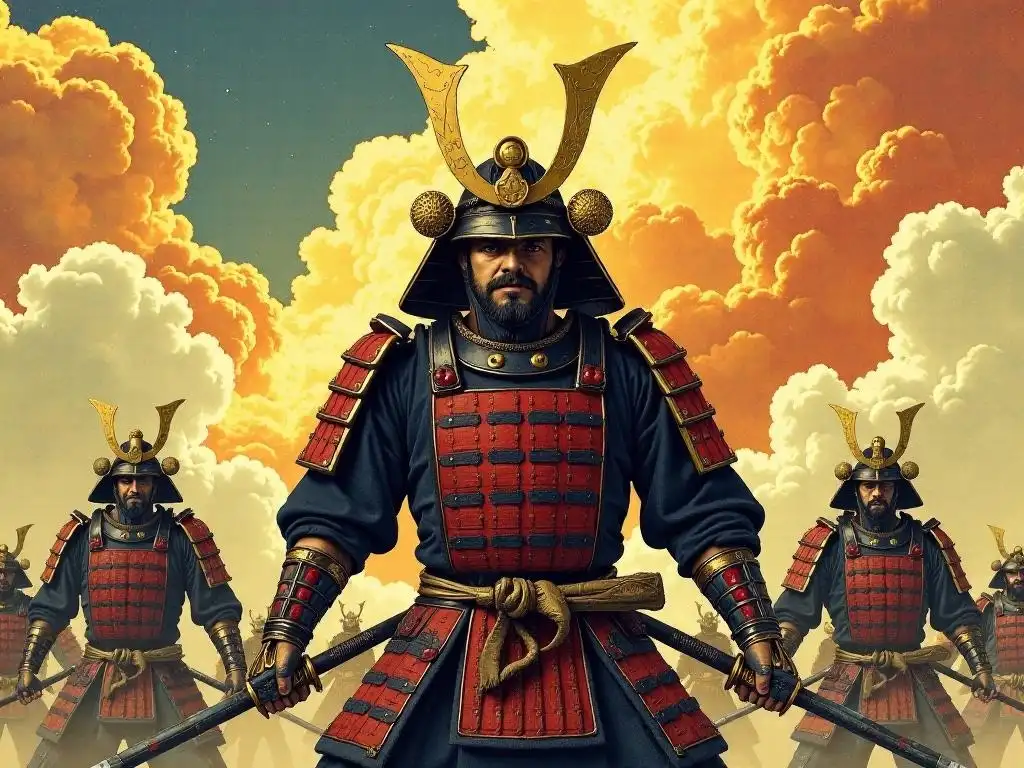
Welcome to Feudal Japan History, where we embark on a fascinating journey through the intricate tapestry of Japan’s feudal era. Here, we delve into the rich historical, cultural, and societal aspects that shaped this captivating period. In our featured article, "The Dynamics of the Battle of Suriagehara: A Clash of Clans and Cultures," we offer a thorough analysis of this pivotal conflict that not only changed the course of military history but also forged the very identity of a nation. Are you ready to uncover the hidden intricacies of this battle and its broader implications? Your exploration begins now!
Introduction to the Battle of Suriagehara
The Battle of Suriagehara stands as a defining moment in the tumultuous landscape of feudal Japan, encapsulating the fierce rivalry between two of the most powerful clans of the era: the Minamoto and the Taira. This battle, fought in 1184, was not merely a military confrontation; it represented a clash of cultures, ideologies, and ambitions that would shape the course of Japanese history.
In this article, we will delve deep into an analysis of the Battle of Suriagehara, exploring its historical context, the clans involved, and the key figures who played pivotal roles in this significant conflict. By examining these elements, we uncover the intricate dynamics at play during a time when the very fabric of Japanese society was undergoing profound changes.
Overview of the Historical Context
The backdrop of the Battle of Suriagehara is steeped in the power struggles that characterized the late Heian period. As the imperial court in Kyoto became increasingly weakened, regional clans began vying for control, leading to an era marked by civil strife and warfare. The Genpei War (1180-1185) is the larger conflict within which the Battle of Suriagehara occurred, highlighting the deep-seated animosities and rivalries between the Minamoto and Taira clans.
This battle emerged as a critical turning point in the Genpei War, as the Minamoto sought to consolidate their power against the Taira, who had already established dominance over the eastern provinces. The geographical setting of Suriagehara, located near present-day Gifu Prefecture, played a vital role in the strategies employed by both clans, as the rugged terrain influenced troop movements and battle tactics.
Importance of the Battle in Feudal Japan
The Battle of Suriagehara is significant not only for its immediate military outcomes but also for its long-lasting implications on the socio-political landscape of Japan. It marked a decisive moment in the decline of Taira influence and the rise of the Minamoto, setting the stage for the eventual establishment of the Kamakura shogunate.
This battle is often analyzed for its tactical innovations and the lessons it imparted on warfare in medieval Japan. It also illuminated the cultural and social dynamics of the time, reflecting the feudal system's values, including loyalty, honor, and the warrior ethos (bushido). The repercussions of the battle echoed throughout subsequent generations, influencing the structure of governance and military organization in Japan.
The Clans Involved in the Battle of Suriagehara
Overview of the Minamoto Clan
The Minamoto clan, also known as the Genji, was one of the four great clans of the Heian period. They were renowned for their military prowess and played a crucial role in the power dynamics of feudal Japan. The clan's leaders, particularly Minamoto no Yoritomo, were pivotal in rallying forces against the Taira, showcasing strategic acumen and leadership that would eventually lead them to victory in the Genpei War.
Overview of the Taira Clan
In contrast, the Taira clan, or Heike, had established itself as a dominant force in the imperial court, wielding considerable influence and power. Their initial successes in the Genpei War, including significant victories in earlier battles, made them formidable opponents. However, their overconfidence and the resulting strategic miscalculations ultimately contributed to their downfall at Suriagehara.
Key Figures in the Battle
The Battle of Suriagehara was marked by several key figures whose actions and decisions shaped the course of the conflict. Notable among them were:
- Minamoto no Yoshinaka: A leading commander for the Minamoto, known for his aggressive tactics and decisive leadership during the battle.
- Taira no Tomomori: A prominent leader of the Taira forces, whose strategic vision was critical in the earlier stages of the Genpei War but ultimately faltered at Suriagehara.
As we explore the details of the battle, these figures will be crucial in understanding the personal and clan-level motivations that drove the conflict, revealing the intricate tapestry of loyalties and rivalries that defined this pivotal moment in feudal Japan's military history.
The Cultural Implications of the Battle of Suriagehara
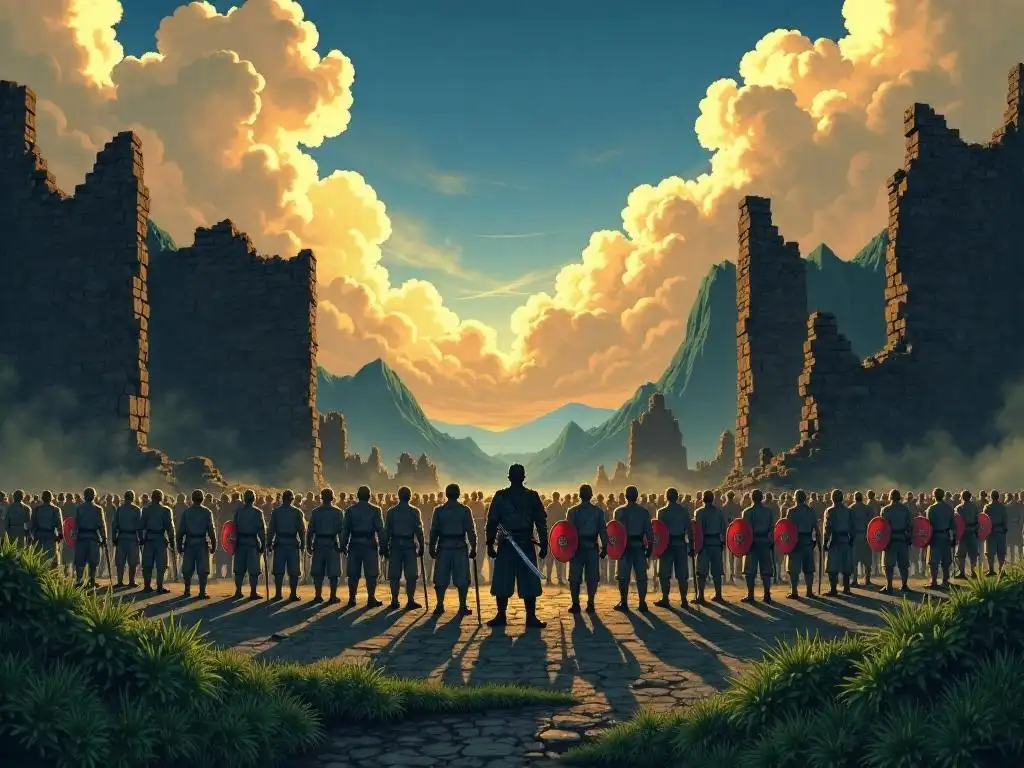
The Battle of Suriagehara, fought in 1184, was not just a significant military engagement but also a pivotal moment that influenced the cultural landscape of Japan during the feudal era. This battle showcased the clash of clans and the intertwining of various cultural elements that defined the samurai ethos and the broader societal norms. The outcomes of this battle reverberated through Japanese culture, shaping the values, beliefs, and practices that would characterize the samurai class and Japanese society as a whole.
Influence of Samurai Culture
The samurai culture was deeply impacted by the events surrounding the Battle of Suriagehara. The battle was emblematic of the feudal loyalty and honor that defined the samurai's way of life. As the Taira and Minamoto clans clashed, the samurai demonstrated their martial prowess, commitment to their lords, and adherence to the bushido code, which emphasized loyalty, courage, and honor. The victory of the Minamoto clan, led by Minamoto no Yoshinaka, reinforced the narrative of the samurai as noble warriors, and their triumphs became legendary stories passed down through generations, solidifying their cultural status.
Moreover, the aftermath of the battle saw an increase in the samurai's political power, as the Minamoto clan began to rise in prominence. This shift in power dynamics led to the establishment of the Kamakura shogunate, which marked the beginning of a new era in Japanese governance, deeply rooted in samurai ideals. The battle thus contributed not only to military history but also to the cultural identity of the samurai, which would become a cornerstone of Japan’s feudal society.
The Role of Religion and Spirituality
Religion and spirituality played a crucial role during the Battle of Suriagehara and its aftermath. The samurai were influenced by various religious beliefs, including Shintoism and Buddhism, which shaped their perceptions of honor, fate, and the divine will. Many samurai believed that the outcome of battles was influenced by the gods, leading them to seek blessings and protection before engaging in warfare. Rituals, prayers, and offerings to deities were commonplace, reflecting a deep-seated belief in spiritual intervention.
Furthermore, the battle itself was seen as a manifestation of the struggle between good and evil, with the Minamoto clan often portrayed as the righteous force against the corrupt Taira. This dichotomy not only served to rally troops but also contributed to the narrative that would be woven into Japanese folklore and historical texts. The religious undertones of the battle helped solidify the cultural significance of the samurai, associating their martial efforts with divine favor and moral righteousness.
Impact on Japanese Society and Governance
The Battle of Suriagehara had profound implications for Japanese society and governance, marking a transition from the Heian period to the Kamakura shogunate. The victory of the Minamoto clan signified a shift in power from the imperial court to the military elite, leading to a new governance structure where the shogunate held significant authority. This change not only altered the political landscape but also redefined social hierarchies, as the samurai class gained prominence over aristocratic families.
Additionally, the battle catalyzed the development of a more militarized society, where loyalty to one's lord became paramount. The feudal system became entrenched, with land and power distributed among samurai in exchange for military service. This evolution of governance contributed to the establishment of a warrior class that would dominate Japanese society for centuries, influencing everything from legal systems to cultural practices.
Detailed Analysis of the Battle of Suriagehara
The Battle of Suriagehara is often analyzed for its strategic significance and the complexities involved during the engagement. Understanding the pre-battle strategies, key events during the conflict, and the environmental factors that influenced the outcome provides a comprehensive insight into the dynamics of this historical clash.
Pre-Battle Strategies and Tactics
Prior to the battle, both the Taira and Minamoto clans employed distinct strategies and tactics that reflected their respective strengths and weaknesses. The Taira clan, with its established position in the imperial court, relied on its resources and alliances to maintain power. They sought to leverage their superior numbers and stronghold in the region, aiming for a decisive victory that would consolidate their control over the political landscape.
In contrast, the Minamoto clan, although initially at a disadvantage, focused on guerrilla tactics and strategic mobility. Led by strategists like Minamoto no Yoshinaka, they capitalized on their knowledge of the terrain and the element of surprise. The Minamoto's ability to rally support from local warriors and utilize swift maneuvers allowed them to counter the Taira's numerical superiority, setting the stage for a fierce confrontation.
Key Events During the Battle
The battle unfolded with a series of key events that highlighted the ferocity of the engagement. It began with a surprise attack by the Minamoto forces, who leveraged their knowledge of the terrain to ambush the Taira troops. The initial skirmishes were marked by fierce fighting, as both sides demonstrated their martial skills and resolve.
As the battle progressed, pivotal moments emerged, such as the duel between prominent samurai leaders, which not only raised the stakes but also served as a rallying point for their respective troops. The Minamoto's strategic use of cavalry and archers played a crucial role in breaking the Taira lines, ultimately leading to a decisive victory. The chaos and violence of the battlefield encapsulated the brutal reality of feudal warfare, with significant casualties on both sides.
The Environmental Factors Affecting the Battle
The environmental conditions during the Battle of Suriagehara were significant in shaping the strategies and outcomes for both clans. The battle took place in an area characterized by rugged terrain and natural obstacles, which the Minamoto forces expertly navigated to their advantage. Their knowledge of the landscape allowed them to execute flanking maneuvers and ambush tactics that the Taira found challenging to counter.
Weather conditions also played a role; rain and mud affected troop movements and visibility, impacting the effectiveness of the Taira's cavalry. The Minamoto's adaptability to these environmental challenges further contributed to their success in the battle. The interplay between military tactics and the natural environment exemplified the complexities of feudal conflict, highlighting how geographical and climatic factors could influence the fortunes of both clans on the battlefield.
The Aftermath of the Battle of Suriagehara
The Battle of Suriagehara, fought in 1184, was a pivotal confrontation during the Genpei War, marking a significant turning point in the power dynamics of feudal Japan. The aftermath of this battle not only reshaped the immediate relationships between the warring clans but also established a framework for future governance and military strategies in Japan. The consequences reverberated through the social, political, and cultural landscapes of the era.
Immediate Consequences for the Clans
In the immediate aftermath of the battle, the Taira clan faced devastating losses, both in terms of manpower and morale. The defeat at Suriagehara significantly weakened their position, leading to a loss of territory and influence. The Minamoto clan, on the other hand, emerged victorious, bolstering their reputation and emboldening their supporters. This victory prompted defections from other clans, further consolidating Minamoto power.
The immediate consequences also included a shift in alliances. Many former Taira supporters began re-evaluating their loyalty, as the tide of war appeared to favor the Minamoto. This shift not only impacted clan dynamics but also altered local governance, as leaders were forced to realign themselves with the prevailing power. The psychological impact of the battle fueled the conflict, leading to further skirmishes and a protracted struggle for supremacy.
Long-term Effects on Feudal Japan
The long-term effects of the Battle of Suriagehara extended far beyond the immediate conflict. The victory of the Minamoto clan ultimately facilitated their rise to power, culminating in the establishment of the Kamakura shogunate. This marked a significant transition in Japanese governance, shifting from imperial rule to military dictatorship, which would shape the political landscape for centuries.
Moreover, the battle and its aftermath contributed to the emergence of a new warrior class, the samurai, who would play a crucial role in Japanese society. As the Minamoto consolidated power, they implemented a feudal system that emphasized loyalty, land ownership, and military service, laying the groundwork for the socio-political structures that defined the era.
Additionally, the cultural ramifications of the conflict cannot be overlooked. The narratives surrounding the battle, including themes of honor, loyalty, and sacrifice, became integral to samurai culture and influenced Japanese literature and folklore. Thus, the Battle of Suriagehara not only affected immediate political dynamics but also left a lasting imprint on Japanese culture and identity.
Shifts in Power Dynamics and Governance
The Battle of Suriagehara catalyzed significant shifts in power dynamics within the clans and the broader feudal structure of Japan. Following the battle, the Minamoto clan's reinforced dominance created a ripple effect, prompting other clans to reassess their positions and allegiances. The once formidable Taira clan found itself increasingly isolated, leading to further fragmentation among their supporters.
In terms of governance, the battle highlighted the fragility of traditional imperial authority. As military leaders gained prominence, the imperial court's influence waned, ushering in an era where military might dictated political power. This shift led to the establishment of a more decentralized form of governance, where local lords, or daimyō, wielded significant authority over their domains, often in direct opposition to the imperial court.
The restructuring of power dynamics also resulted in new military strategies and alliances, as clans sought to either support the rising Minamoto or resist their dominance. The lessons learned from the battle informed future conflicts, emphasizing the importance of strategic planning, troop morale, and the mobilization of local support in determining outcomes.
Lessons Learned from the Battle of Suriagehara
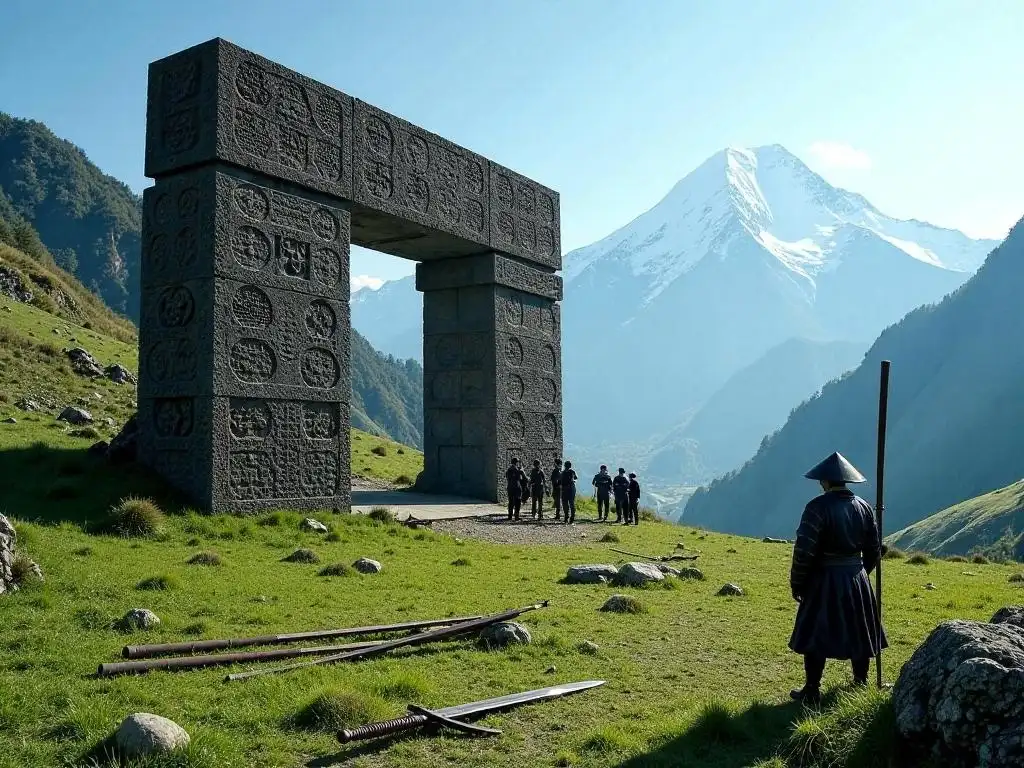
The Battle of Suriagehara provided critical lessons that would inform military approaches and cultural narratives in feudal Japan. Analyzing these lessons reveals insights into the evolving nature of warfare, loyalty, and leadership during this tumultuous period.
Military Strategies and Tactics
The engagement at Suriagehara showcased the necessity for adaptability in military strategies. The Minamoto's success stemmed from their ability to leverage terrain and exploit the Taira's vulnerabilities. This battle illustrated the importance of reconnaissance, troop positioning, and the integration of cavalry, which would become staples of samurai warfare.
Moreover, the significance of morale emerged as a central theme. The Minamoto forces, galvanized by their quest for revenge and justice, demonstrated the potent impact of psychological factors in warfare. This realization prompted future military leaders to prioritize troop morale and cohesion, recognizing that the spirit of the warriors could significantly influence the outcome of battles.
Cultural Insights and Historical Significance
Beyond the battlefield, the Battle of Suriagehara influenced cultural narratives and the development of samurai ethics. The themes of honor and loyalty, epitomized by the actions of warriors, became embedded in the samurai code of conduct, known as bushidō. This battle not only became a historical reference point but also transformed into a cultural touchstone that shaped Japanese identity.
The portrayal of the battle in literature and folklore further amplified its significance. The stories of valor and sacrifice surrounding the conflict resonated with subsequent generations, reinforcing the ideals of loyalty and honor within the samurai class. The historical significance of the battle thus transcended its military outcomes, embedding itself in the cultural consciousness of Japan.
Reflections on Leadership and Loyalty
The dynamics of leadership and loyalty were profoundly illustrated in the aftermath of the Battle of Suriagehara. The contrasting leadership styles of the Taira and Minamoto clans highlighted the importance of strategy, vision, and the ability to inspire loyalty among followers. The Taira's inability to adapt and unify their forces against the Minamoto showcased the pitfalls of complacency in leadership.
Conversely, the Minamoto's victory underscored the effectiveness of decisive and inspirational leadership. Leaders who could foster loyalty and commitment among their ranks emerged as pivotal figures in shaping the outcomes of conflicts. The battle served as a reminder that in feudal Japan, the loyalty of warriors was often tied to the character and competence of their leaders, a lesson that would resonate throughout the era.
The legacy of the Battle of Suriagehara thus extends beyond its immediate political ramifications, offering a rich tapestry of insights into military strategy, cultural identity, and the essence of leadership in a complex feudal society.
Conclusion
The Battle of Suriagehara stands as a pivotal moment in Japan's feudal history, characterized by intense rivalries among clans and a clash of cultural ideologies. This confrontation not only shaped the political landscape of the region but also had lasting implications for the samurai class and the emerging governance structures of Japan. The battle's intricate dynamics showcase the interplay of military strategy, personal rivalries, and the broader socio-political shifts occurring during the late Heian period. Understanding this battle allows for a deeper appreciation of the complexities that defined feudal Japan and the evolution of its warrior culture.
Summary of Key Points in the Battle of Suriagehara Analysis
- Clans Involved: The battle was primarily fought between the Taira and Minamoto clans, two of the most powerful families vying for dominance.
- Strategic Importance: Suriagehara's location was crucial as it served as a strategic point for controlling key trade routes and territories.
- Military Tactics: The battle featured innovative military tactics, including the use of cavalry and archers, which influenced subsequent warfare in Japan.
- Cultural Impact: The clash highlighted the cultural distinctions between the clans, as the Taira were closely associated with the imperial court, while the Minamoto were considered the warriors of the common people.
- Outcome and Consequences: The Minamoto's victory at Suriagehara set the stage for their eventual ascendancy during the Genpei War, leading to the establishment of the Kamakura Shogunate.
The Legacy of the Battle in Japanese History
The Battle of Suriagehara left an indelible mark on Japanese history, symbolizing the rise of the samurai as a dominant social class. Its legacy is reflected in the literature, folklore, and historical narratives that celebrate the valor and honor associated with this period.
The victory of the Minamoto clan not only shifted the power dynamics of feudal Japan but also laid the groundwork for the establishment of the shogunate system, which would govern Japan for centuries. Additionally, the strategies and tactics developed during the battle would influence military practices in subsequent conflicts, making it a significant reference point for scholars and historians studying Japan's military history.
Further Reading and Resources
For those interested in delving deeper into the Battle of Suriagehara and its historical context, there are numerous resources available that provide comprehensive analyses and insights.
Recommended Books on the Battle of Suriagehara
- "The Tale of the Heike" - This classic text chronicles the Genpei War, providing narratives that include the Battle of Suriagehara.
- "Samurai Warfare" by Stephen Turnbull - This book explores the strategies employed by samurai warriors, including insights into the battles of the period.
- "The Rise of the Samurai: 1180-1333" by John F. McCoy: - Examines the socio-political changes during the rise of the samurai class, with references to key battles like Suriagehara.
Articles and Journals for In-Depth Study
- "Feudal Japan: A Historical Overview" - Journal of Asian Studies: - Provides a scholarly analysis of the feudal era in Japan, including key battles and their implications.
- "Clash of Clans: The Genpei War" - Japanese Historical Review: - Focuses on the broader context of the Genpei War, with a section dedicated to the Battle of Suriagehara.
- "Military Strategies of the Samurai" - Journal of Military History - An academic exploration of the tactics and strategies employed by samurai during significant battles.
Documentaries and Visual Media on Feudal Japan
- "The Samurai: Warriors of Japan": - A documentary that provides an overview of samurai culture, including battles and their impact on Japanese society.
- "The Genpei War: The Battle for Japan": - This film delves into the historical context and events of the Genpei War, featuring the Battle of Suriagehara as a key focus.
- "Feudal Japan: A Time of War": - A visual exploration of Japan’s feudal era, highlighting major battles and the evolution of samurai warfare.
These resources collectively enrich the understanding of the Battle of Suriagehara and its significance within the broader tapestry of feudal Japanese history.
- Introduction to the Battle of Suriagehara
- Overview of the Historical Context
- Importance of the Battle in Feudal Japan
- The Clans Involved in the Battle of Suriagehara
- The Cultural Implications of the Battle of Suriagehara
- Detailed Analysis of the Battle of Suriagehara
- The Aftermath of the Battle of Suriagehara
- Lessons Learned from the Battle of Suriagehara
- Conclusion
- Further Reading and Resources
Frequently Asked Questions
What was the Battle of Suriagehara?
The Battle of Suriagehara was a significant conflict during Japan's feudal era, showcasing the clash between powerful clans and their cultural values. It marked a pivotal moment in the struggle for control over regional dominance.
What were the main causes of the battle?
The battle stemmed from political rivalries and the desire for territorial expansion among the warring clans. Disputes over resources and loyalty to different leaders fueled the tensions leading to the conflict.
How did the clan dynamics affect the outcome?
Clan dynamics played a crucial role, as alliances and rivalries influenced strategies and troop morale. The tactics employed by each clan reflected their unique cultural backgrounds, impacting the effectiveness of their military efforts.
What were the cultural implications of the battle?
The Battle of Suriagehara highlighted the interplay between warfare and cultural identity, revealing how battles helped shape social structures and political power in feudal Japan. The aftermath influenced subsequent cultural narratives.
Why is the Battle of Suriagehara considered significant in history?
This battle is significant because it exemplified the complex nature of feudal conflicts in Japan, serving as a key example of the struggles between clans and their cultural impacts on society, which are still studied today.
Final Reflection: Understanding the Battle of Suriagehara's Lasting Legacy
The Battle of Suriagehara stands as a pivotal moment in Japanese history, illustrating the intricate interplay of clans and cultures that shaped the nation. In our contemporary world, where cultural clashes and alliances continue to define societies, the lessons drawn from this historical event resonate deeply. The dynamics of power, strategy, and cultural identity observed during the battle remind us that history is not merely a collection of dates and events, but a living narrative that informs our present and future.
The impact of the Battle of Suriagehara extends beyond the battlefield, influencing the cultural and social landscape of Japan for centuries. The clash between the Taira and Minamoto clans serves as a poignant reminder of how conflict can lead to transformation and unity, even amidst division. As historian John W. Hall noted, The past is not a dead weight; it is a living force that shapes our identities and our futures.
This observation highlights the ongoing relevance of the battle's themes, urging us to reflect on how our own cultural narratives are formed and reformed through conflict and collaboration.
As we conclude our exploration of the Battle of Suriagehara, I invite you to reflect on your own experiences with cultural dynamics in your life. Consider how the lessons of this historical clash can inspire you to navigate your own challenges, fostering understanding and cooperation in a world that often feels divided. Embrace the complexity of your own cultural identity and seek to learn from the past, allowing it to guide you toward a more harmonious future.
Embrace the Legacy: Dive Deeper into Feudal Japan
Thank you for journeying through the intricate dynamics of the Battle of Suriagehara! By exploring this pivotal clash of clans and cultures, you’ve taken an important step in understanding Japan's rich history. Now, it’s time to delve even deeper and personally connect with this fascinating era.
Here are some engaging actions you can take:
- Join a discussion on our forum and share your insights about the Battle of Suriagehara—what intrigued you the most?
- Explore more articles on our site that uncover additional battles and cultural dynamics of feudal Japan.
- Consider visiting a local museum or exhibition that showcases artifacts or themes from feudal Japan, enriching your understanding in a tangible way.
What aspect of feudal Japan's history do you find most captivating, and how can you further explore its impact on modern culture?