
The Trade of Ideas: How Commerce Influenced Japanese Society

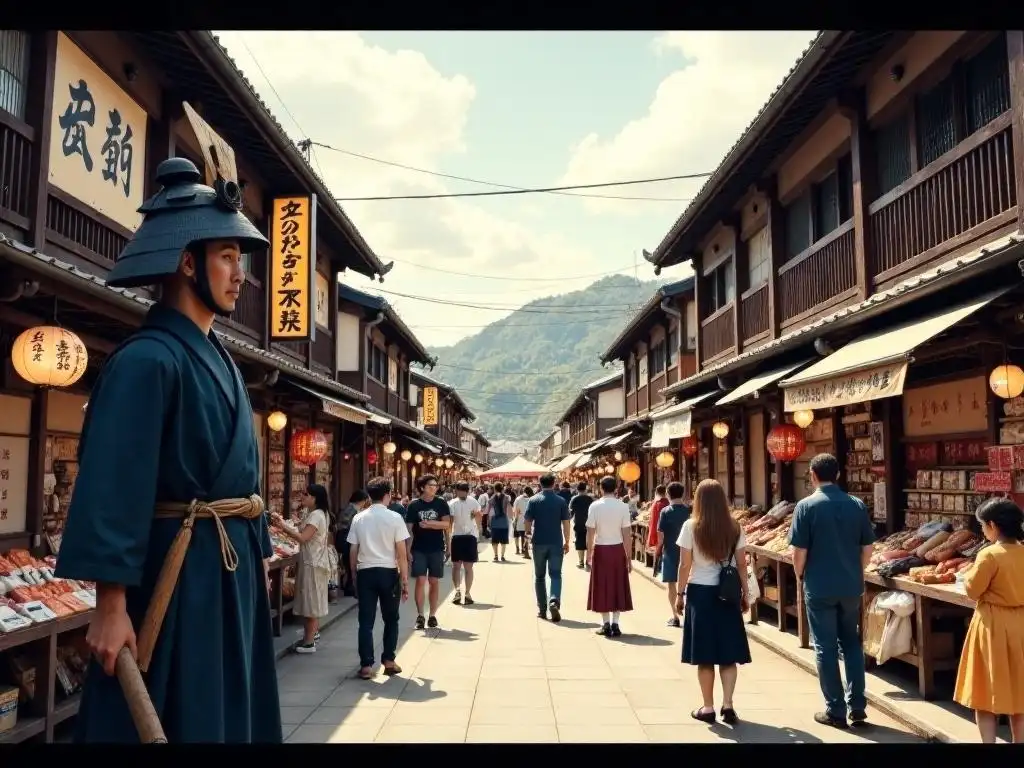
Welcome to Feudal Japan History, where we embark on a captivating journey through the intricate tapestry of Japan's feudal era. Here, we delve deep into the dynamic interplay between commerce and society, revealing how trade not only shaped economies but also transformed cultural identities. In our featured article, "The Trade of Ideas: How Commerce Influenced Japanese Society," you will uncover the profound impact of commerce on the very fabric of life in feudal Japan. Prepare to ignite your curiosity and explore the rich narratives that have defined an era!
Introduction to Commerce and Japanese Society Impact
Commerce played a pivotal role in shaping Japanese society throughout the feudal era, acting as a catalyst for cultural exchange, economic development, and social transformation. The intricate web of trade networks established during this period not only facilitated the movement of goods but also ideas, technologies, and cultural practices that significantly altered the landscape of Japan.
This article delves into the multifaceted impact of commerce on Japanese society, exploring how trade influenced social hierarchies, cultural exchanges, and the evolution of economic structures. By examining historical trade routes, key commodities, and the broader implications of commerce on societal norms, we aim to provide an insightful understanding of how these dynamics shaped the course of feudal Japan.
Overview of Feudal Japan's Economic Structure
Feudal Japan, spanning from the 12th to the 19th centuries, was characterized by a decentralized political system where power was distributed among various feudal lords, known as daimyōs. The economy during this era was primarily agrarian, with rice serving as the staple currency and a measure of wealth. However, as trade began to flourish, especially during the Edo period (1603-1868), the economic structure evolved significantly.
- Key Features of Feudal Japan's Economic Structure:
- Agricultural Basis: The economy heavily relied on agriculture, with rice cultivation at its core.
- Emergence of Merchant Class: As trade expanded, a new class of merchants began to rise, challenging traditional social hierarchies.
- Market Development: Towns and markets flourished, serving as hubs for commerce and cultural exchange.
The transformation of the economic landscape was deeply intertwined with the social fabric of Japan, leading to shifts in power dynamics and the emergence of new societal norms.
Significance of Trade in Shaping Society
Trade was not merely an economic activity; it was a significant force that shaped the cultural and social dimensions of feudal Japan. The exchange of goods fostered interactions among diverse communities, leading to the diffusion of ideas and practices that enriched Japanese culture.
- Cultural Exchange:
- The introduction of foreign goods and customs broadened the cultural horizons of the Japanese people.
- Influential philosophies such as Confucianism and Buddhism were transmitted through trade routes, impacting societal values.
- Social Mobility:
- The rising merchant class challenged the established samurai-dominated hierarchy, leading to a reconfiguration of social structures.
- Opportunities for wealth accumulation through trade allowed individuals from lower classes to ascend the social ladder.
The significance of trade in shaping Japanese society cannot be overstated; it fostered a dynamic environment where cultural and social boundaries were continually negotiated.
The Origins of Trade in Japan
The origins of trade in Japan can be traced back to the early interactions with neighboring countries, which laid the foundation for a complex system of commerce and exchange.
Early Trade Routes and Their Influence
From the 7th century onwards, Japan established trade routes that connected it to the Asian continent, particularly with China and Korea. These routes were instrumental in facilitating the exchange of goods, ideas, and technologies.
- Key Early Trade Routes:
- Silk Road: Although primarily associated with mainland Asia, its influence extended to Japan, introducing silk and other luxury goods.
- Maritime Trade: Japanese merchants engaged in maritime trade, enhancing connections with Southeast Asia and beyond.
The interactions along these routes not only enriched the economy but also played a crucial role in shaping Japan's cultural identity.
Key Commodities That Shaped Japanese Society
Certain commodities played a transformative role in Japanese society, influencing economic practices and cultural norms.
- Rice:
- As the primary agricultural product, rice was central to both the economy and cultural rituals.
- It served as a measure of wealth and a staple in the diet, influencing social structures.
- Silk and Textiles:
- The importation of silk from China became a symbol of status and luxury, impacting fashion and societal trends.
- Pottery and Ceramics:
- Local pottery production burgeoned, leading to a unique Japanese aesthetic that became a significant part of cultural identity.
These key commodities not only fueled economic growth but also facilitated cultural dialogues that enriched Japanese society, illustrating the profound impact of commerce throughout the feudal era.
The Role of Commerce in Feudal Japan
Commerce played a pivotal role in shaping the societal structures and cultural exchanges during Japan's feudal era, which spanned from the late 12th century until the mid-19th century. As Japan transitioned from a primarily agrarian economy to one increasingly influenced by trade, commerce became a vital engine for societal change. Wealth generated through trade allowed for the emergence of a merchant class, which began to challenge the traditional hierarchies dominated by the samurai and nobility.
The rise of cities, particularly during the Edo period (1603-1868), facilitated the growth of markets and trade routes. Urban centers like Edo (modern-day Tokyo), Osaka, and Kyoto became bustling hubs of commerce, drawing merchants, artisans, and consumers alike. Trade not only fostered economic prosperity but also encouraged the dissemination of ideas, technologies, and cultural practices, leading to a dynamic interchange that enriched Japanese society. As merchants developed extensive networks, both domestically and internationally, they played a crucial role in the socio-political landscape, influencing everything from local governance to cultural norms.
Merchants and Their Societal Standing
In feudal Japan, the societal standing of merchants underwent significant transformation over time. Initially, merchants were viewed with suspicion and often considered lower in status compared to the samurai and agricultural classes. This perception stemmed from Confucian ideals that prioritized land ownership and military service over commerce. However, as commerce flourished, particularly during the Edo period, the wealth generated by merchants began to alter their standing within society.
By accumulating capital, merchants gained economic power that allowed them to exert influence over local politics and culture. Some merchants even managed to rise to prominence, becoming philanthropists or patrons of the arts, which further elevated their status. The establishment of merchant guilds also played a role in solidifying their position, enabling them to negotiate better terms in trade and providing a collective voice in local governance. This evolution highlighted a significant shift in societal values, where wealth and commerce began to be seen as legitimate sources of power and influence.
The Evolution of Trade Practices in the Feudal Era
The trade practices of feudal Japan evolved significantly throughout the centuries, reflecting broader economic changes and societal needs. Initially, trade was predominantly localized, with bartering being a common practice among small communities. However, as agricultural surplus increased, particularly in the rice trade, the scope of commerce expanded. The introduction of currency during the late 7th century, especially with the adoption of the "bunchō" and later the "ryō," facilitated more complex trading practices.
During the Edo period, the Tokugawa shogunate implemented policies that encouraged internal trade while restricting foreign commerce. This led to the development of well-defined trade routes known as "gokaido," which connected major cities and facilitated the exchange of goods such as textiles, ceramics, and rice. The rise of "sankin-kōtai," a policy requiring daimyō to alternate their residence between their domains and Edo, further stimulated commerce as it necessitated the movement of goods and services to support the traveling samurai and their families.
Ultimately, the evolution of trade practices not only enhanced economic stability but also contributed to the emergence of a consumer culture in Japan. This shift laid the groundwork for the modernization that would follow in the Meiji Restoration.
Influence of Foreign Commerce on Japanese Society
Foreign commerce during the feudal era had a profound influence on Japanese society, particularly through the introduction of new goods, ideas, and cultural practices. While Japan maintained a largely isolationist policy during the Edo period, limited trade with foreign nations, notably the Dutch and Chinese, created opportunities for cultural exchange and economic benefit.
The Arrival of European Traders
The arrival of European traders in the 16th century marked a significant turning point in Japan's commercial landscape. The Portuguese were among the first to establish trade relations, bringing with them not only goods such as firearms and textiles but also new religious ideas, particularly Christianity. The Dutch followed suit, establishing a trading post in Nagasaki, which became Japan's primary gateway for foreign trade.
These interactions opened up avenues for technological and cultural exchange. For instance, European firearms revolutionized Japanese warfare, while Western knowledge in navigation and shipbuilding influenced Japan's maritime capabilities. Despite the Tokugawa shogunate's eventual decision to restrict foreign influence, the initial encounters with European traders left an indelible mark on Japanese society, prompting a reassessment of traditional practices and beliefs.
Cultural Exchange and Its Impact on Japanese Traditions
The cultural exchanges that occurred through foreign commerce had a lasting impact on Japanese traditions. As new ideas and products entered Japan, they began to blend with local customs, leading to unique adaptations. The introduction of Western art styles, for example, inspired Japanese artists, leading to the development of new forms such as "ukiyo-e," which depicted landscapes, kabuki actors, and scenes of everyday life.
Moreover, the influence of European cuisine, clothing, and even architecture began to permeate Japanese society, particularly in urban centers. This cultural infusion facilitated a gradual shift in social norms, as the Japanese began to embrace aspects of foreign life while retaining their distinct cultural identity. The complex interplay between foreign commerce and traditional Japanese culture ultimately enriched the social fabric of Japan, illustrating how commerce served as a catalyst for change and adaptation throughout the feudal era.
The Impact of Internal Trade on Japanese Society

The internal trade during Japan's feudal era played a pivotal role in shaping its society. As the country transitioned from a largely agrarian economy to one that embraced various forms of commerce, the dynamics of social structure, culture, and day-to-day life experienced significant transformations. The movement of goods, ideas, and people across regions facilitated not only economic growth but also fostered cultural exchange, which was crucial in the development of a more interconnected society.
The establishment of trade routes, such as the Tōkaidō and Nakasendō, allowed for the efficient transport of goods between key regions, including the capital, Kyoto, and the bustling port city of Edo (modern-day Tokyo). This movement encouraged the growth of local economies as producers and craftsmen began to specialize and cater to the demands of distant markets. As a result, the proliferation of regional markets became a defining characteristic of the period, leading to an increased standard of living for many.
Development of Regional Markets and Local Economies
The emergence of regional markets was a direct consequence of the heightened internal trade. Local economies began to flourish as specific areas became known for particular goods—rice in the Kanto region, silk in the Hokuriku area, and ceramics from Kyushu. These specialized markets not only met local demands but also contributed to the broader economic landscape of Japan.
As markets developed, merchants and farmers found new opportunities for trade, leading to increased agricultural production to meet the needs of urban centers. The rise of merchant guilds facilitated trade practices, regulated prices, and ensured quality, which ultimately enhanced the overall economy. Moreover, these guilds played a crucial role in fostering a sense of community among traders, further solidifying the ties between regions.
The Rise of Cities and Urbanization in Feudal Japan
The growth of internal trade catalyzed urbanization in feudal Japan. As trade routes flourished and regional markets expanded, the population began to gravitate towards urban centers, leading to the significant development of cities. Edo, in particular, became a major hub of commerce, attracting merchants, artisans, and samurai alike. The population boom resulted in diverse urban cultures and the emergence of new social classes.
These cities were not only economic centers but also cultural melting pots where ideas and practices from various regions converged. The influence of commerce on urban life manifested in many ways, including the rise of entertainment districts, such as the Yoshiwara in Edo, where kabuki theater and other cultural activities thrived. This urbanization contributed to a dynamic society, marked by increasing social mobility and the blending of traditional and modern influences.
Commerce and the Samurai Class
The samurai class, traditionally associated with warfare and landownership, underwent a transformation as commerce began to take center stage in Japanese society. The economic power of the samurai was increasingly linked to their involvement in trade, leading to a reevaluation of their roles within society. Many samurai recognized the importance of financial stability, which often came from participating in or controlling commercial activities.
Economic Power of the Samurai Through Trade
As commerce flourished, many samurai found themselves in positions to capitalize on trade opportunities. Those who managed land could derive income from agricultural surpluses, while others engaged directly in trade, either as merchants or through partnerships with trading guilds. Wealth accumulation through trade allowed some samurai to enhance their status and influence, often financing lavish lifestyles and cultural pursuits.
Furthermore, samurai who embraced commerce could afford the costs associated with maintaining their status, including the upkeep of their armor, weapons, and household. This shift marked a significant departure from the traditional view of samurai as solely warriors, highlighting their adaptability in a changing economic landscape.
Interaction Between Samurai and Merchants
The relationship between samurai and merchants was complex, often characterized by both cooperation and tension. While samurai held the social and military power, merchants wielded economic influence. This dynamic led to a mutually beneficial relationship, where merchants provided financial support and resources that allowed samurai to maintain their status.
Despite the interdependence, there was an underlying social hierarchy that often placed samurai above merchants. However, as the commercial economy expanded, some merchants acquired significant wealth, challenging the traditional class distinctions. Instances of samurai engaging in trade or forming alliances with wealthy merchants became more common, illustrating the blurring of lines between these two classes.
The interplay between commerce and the samurai class was instrumental in shaping the socio-economic landscape of feudal Japan, reflecting the complexities of a society in transition.
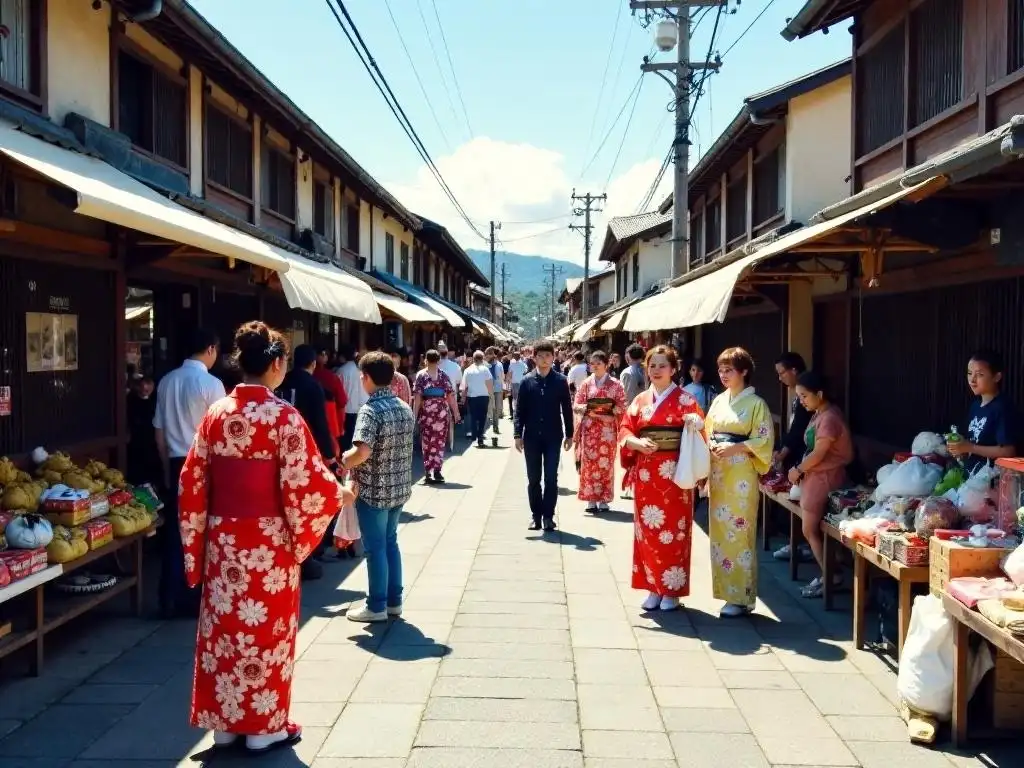
The feudal era in Japan was characterized by a rigid social hierarchy, dominated by the samurai class, with peasants, artisans, and merchants occupying lower ranks. However, the rise of trade during this period significantly transformed these social structures. As commerce flourished, particularly from the 16th century onwards, the traditional hierarchy began to shift, leading to a more complex social fabric.
Trade routes expanded, and with them, the interregional exchange of goods and ideas became more prevalent. This increased interaction among different social classes began to blur the lines that once defined them. Merchants, who were often looked down upon in the hierarchical system, started to gain wealth and influence, challenging the established norms. Their economic power allowed them to exert social influence, thereby altering perceptions of their status and contributions to society.
How Commerce Shifted Class Dynamics
The influx of wealth generated by trade led to a reassessment of class dynamics. As the merchant class grew in prominence, they began to invest in cultural and artistic endeavors, creating a rich tapestry of cultural life that included the flourishing of literature, theater, and visual arts. This cultural investment further solidified their position in society, allowing them to patronize artists, support local festivals, and participate in the governance of their communities.
Merchants also engaged in political affairs, aligning themselves with samurai and other influential figures. This strategic collaboration not only enhanced their social standing but also provided a platform for negotiating better terms for their businesses. As a result, we see a gradual shift where economic power began to equate with social prestige, leading to a more meritocratic society where talent and wealth could potentially elevate one's status irrespective of their birthright.
The Emergence of a New Middle Class
The growth of trade during the feudal period facilitated the emergence of a new middle class, often referred to as the chōnin, consisting of urban merchants and craftspeople. This class played a crucial role in the economic and cultural landscape of Japan. With their newfound wealth, the chōnin became patrons of the arts and education, leading to a cultural renaissance that celebrated Japanese literature, theater, and visual arts.
The chōnin not only contributed to the economy through trade but also helped shape urban centers into vibrant hubs of commerce and culture. Cities like Edo (modern-day Tokyo) grew rapidly, becoming focal points for trade and cultural exchange. The lifestyle of the chōnin often mirrored that of the samurai, leading to a blending of cultural practices and further diminishing the rigid social stratifications of the past.
Conclusion: The Lasting Legacy of Commerce on Japanese Society
Summary of Key Impacts of Trade on Society
The impacts of trade on Japanese society during the feudal era were profound and multifaceted. The transformation of the social hierarchy allowed for greater mobility and influence for merchants, thereby reshaping the dynamics of power and prestige. The rise of a new middle class fostered a cultural renaissance, contributing significantly to Japan's artistic and intellectual heritage. Furthermore, these changes laid the groundwork for Japan's eventual modernization, influencing its societal structures well into the contemporary era.
Reflection on the Evolution of Commerce and Its Modern Implications
Reflecting on the evolution of commerce during Japan's feudal era reveals important lessons about the interconnectedness of trade, culture, and social structure. The enduring legacy of this period is evident in modern Japan, where commerce continues to play a vital role in shaping societal norms and values. Understanding this historical context allows us to appreciate how commerce has not only influenced Japan's past but also continues to impact its present-day society, highlighting the intricate relationship between economic activities and social development.
- Introduction to Commerce and Japanese Society Impact
- The Origins of Trade in Japan
- The Role of Commerce in Feudal Japan
- Influence of Foreign Commerce on Japanese Society
- The Impact of Internal Trade on Japanese Society
- Development of Regional Markets and Local Economies
- The Rise of Cities and Urbanization in Feudal Japan
- Commerce and the Samurai Class
- The Transformation of Social Hierarchy Due to Trade
- How Commerce Shifted Class Dynamics
- The Emergence of a New Middle Class
- Conclusion: The Lasting Legacy of Commerce on Japanese Society
Frequently Asked Questions
What was the role of commerce in feudal Japan?
Commerce played a crucial role in shaping Japanese society, facilitating the exchange of goods, ideas, and culture among different regions, and contributing to the development of urban centers.
How did trade contribute to the evolution of Japanese culture?
Trade introduced foreign influences, leading to the adoption of new customs, technologies, and artistic styles, which enriched Japanese culture and diversified its cultural landscape.
What were the main commodities traded during feudal Japan?
Key commodities included silk, rice, and pottery, which were traded both domestically and internationally, driving economic growth and creating interregional connections.
The rise of commerce led to the emergence of a merchant class, which challenged the traditional samurai hierarchy and contributed to shifts in social dynamics and economic power.
What impact did global trade have on Japanese society?
Global trade opened Japan to international ideas and practices, fostering cultural exchange and prompting the introduction of Western technologies, which had long-lasting effects on Japanese society.
Final Reflection: The Enduring Legacy of Commerce in Shaping Japanese Society
The intricate relationship between commerce and Japanese society continues to resonate profoundly in today's globalized world. As we explore the historical interplay between trade and cultural evolution, it becomes evident that commerce is not merely an economic activity but a powerful catalyst for societal transformation. The way ideas, goods, and cultural practices have flowed through trade routes has shaped Japan's identity and values, demonstrating that the exchange of ideas is as vital as the exchange of currency.
Clearly, the impact of commerce on Japanese society is not confined to the past; it is a living narrative that influences contemporary culture and social dynamics. The fusion of traditional practices with modern commercial strategies exemplifies how commerce has become a vehicle for innovation and cultural exchange. As noted by historian John W. Hall, The history of Japan is a history of adaptation and change, where commerce has played a pivotal role in shaping its trajectory.
This ongoing evolution highlights the importance of understanding our historical context to navigate the complexities of modern society.
As we reflect on the lessons drawn from the trade of ideas, let us consider our own roles in this continuum. How can we, as individuals, contribute to the exchange of ideas in our communities? The legacy of commerce in Japan teaches us that every interaction, every shared thought, has the potential to foster understanding and growth. I invite you to embrace this spirit of exchange, to engage with diverse perspectives, and to recognize the power of ideas in shaping not only our society but also our collective future.
Ignite Your Curiosity: Dive Deeper into Japan's Cultural Transformations!
Thank you for taking the time to explore how commerce has shaped Japanese society throughout its history. Your journey through these insights not only enriches your understanding of feudal Japan but also connects us all through the power of ideas. Now, it’s your turn to continue this exploration!
- Join the conversation in our forum to share your thoughts and experiences about the impact of trade on culture!
- Explore related articles on our site to unveil deeper connections between commerce and tradition in Japan’s rich history.
- Surprise yourself by examining how modern commerce trends relate to historical practices; what parallels can you identify?
As you reflect on this fascinating subject, consider: How do you think the exchange of ideas continues to shape societies today?