
The Samurai's Impact on Japanese Warfare Tactics and Strategies

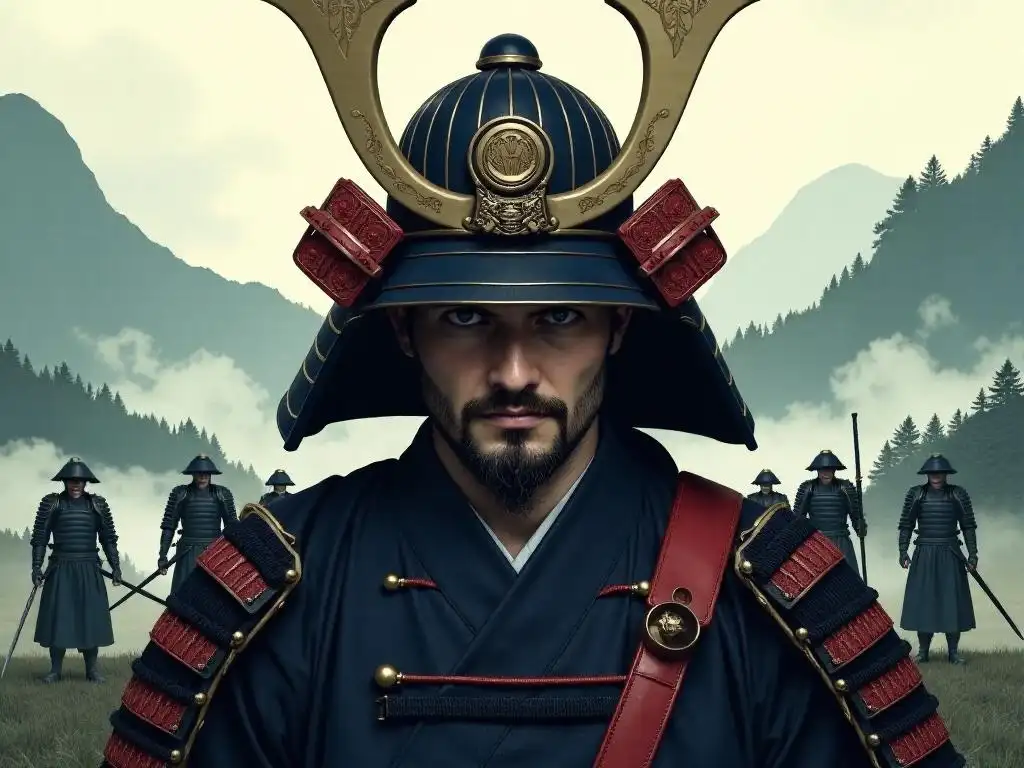
Welcome to Feudal Japan History, where we invite you to embark on a fascinating journey through the intricate tapestry of Japan's feudal era. Here, you will uncover the rich historical, cultural, and societal layers that shaped a nation. Delve into our featured article on the Samurai warfare tactics history, where we explore the profound impact of these legendary warriors on Japanese military strategies and political landscapes. What secrets lie behind their formidable techniques? Join us as we unravel the captivating stories and expert insights that define this pivotal chapter of history. Your adventure begins now!
Introduction to Samurai Warfare Tactics History
The history of samurai warfare tactics is a fascinating journey through Japan's feudal era, marked by the rise of the samurai class and their profound influence on military strategies. These elite warriors not only shaped the battlefield dynamics of their time but also left a lasting legacy on Japan's cultural and social fabric.
This article delves into the intricate details of how samurai tactics evolved, their historical context, and the significant role they played in the broader scope of Japanese warfare. Understanding the nuances of samurai warfare tactics history enriches our comprehension of the complexities involved in feudal Japan, where honor, loyalty, and martial prowess were paramount.
Overview of Samurai's Role in Feudal Japan
The samurai emerged as a dominant force in Japan during the Heian period (794 to 1185), evolving from provincial warriors to the ruling elite. They were not merely soldiers; samurai represented the values of bushido, the way of the warrior, which emphasized loyalty, honor, and discipline. Their role extended beyond the battlefield as they became key players in political affairs, serving as military leaders, advisors, and the enforcers of their lords' will.
- Key Characteristics of Samurai:
- Code of Conduct: Adhering to bushido, emphasizing loyalty and honor.
- Military Training: Rigorous training in various combat techniques.
- Social Status: Elevated status as the ruling class, influencing governance.
The samurai's military prowess and strategic acumen were critical in shaping Japan's feudal conflicts, particularly during the Gempei War and the subsequent establishment of the Kamakura shogunate.
Importance of Warfare Tactics in Japanese History
Warfare tactics played a central role in determining the outcomes of conflicts in feudal Japan. The ability to adapt and innovate in response to changing battle conditions often meant the difference between victory and defeat. From the use of archery and cavalry charges to the deployment of infantry formations, samurai tactics evolved in sophistication over the centuries.
- Significant Impact of Warfare Tactics:
- Strategic Alliances: Formed to bolster military strength.
- Technological Advancements: Introduction of new weapons and armor.
- Psychological Warfare: Use of intimidation and morale-boosting tactics.
The development of these tactics not only influenced military engagements but also shaped the political landscape of Japan, as powerful clans sought to expand their territories and consolidate their power.
Origins of Samurai Warfare Tactics
Historical Background of the Samurai Class
The origins of the samurai class can be traced back to the 8th century when landowners began to rely on armed retainers to protect their estates from rival factions and bandits. This early form of martial organization laid the groundwork for what would become the samurai class, characterized by their loyalty to a lord and their commitment to martial excellence.
- Key Historical Milestones:
- Taira and Minamoto Clans: Early samurai clans that played crucial roles in the Gempei War.
- Kamakura Shogunate: Established in 1185, marking the beginning of samurai rule.
Over time, the samurai became not only warriors but also administrators and landholders, deeply entwined in the socio-political fabric of Japan.
Evolution of Tactics from Early Japan to the Feudal Era
As the samurai class solidified its power, warfare tactics underwent significant evolution. Initially, battles were characterized by individual combat and small-scale skirmishes, but as conflicts grew larger and more organized, so too did the strategies employed.
- Evolutionary Stages of Tactics:
- Early Warfare: Focused on ambush and individual combat.
- Feudal Warfare: Development of organized formations and strategic planning.
- Integration of Technology: Adoption of gunpowder and cannons in later periods.
This evolution was driven by the need for more effective military strategies in response to the changing nature of warfare, ultimately leading to the sophisticated techniques that defined samurai combat in the late feudal period.
In exploring the impact of samurai on Japanese warfare tactics, we gain insights not only into military history but also into the broader cultural shifts that defined feudal Japan.
Key Samurai Warfare Tactics and Strategies
The Samurai were not just skilled warriors; they were also innovative tacticians whose strategies shaped the course of Japanese warfare. Their approach to combat was characterized by a combination of individual skill and collective tactics, emphasizing both psychological and physical elements. One of the defining aspects of Samurai warfare was the integration of various combat styles, which included infantry tactics, cavalry maneuvers, and the use of ranged weaponry.
Samurai tactics often revolved around the principles of surprise, speed, and precision. They would frequently engage in skirmishes to test their enemies and gather intelligence before launching a full-scale assault. Additionally, the emphasis on honor and the psychological impact of warfare led to strategies that aimed to demoralize the opponent by showcasing strength and skill in battle. The ultimate goal was not just victory but to achieve it in a manner that upheld the Samurai’s code of honor.
The Art of Kenjutsu: Swordsmanship Techniques
Kenjutsu, the traditional art of Japanese swordsmanship, was central to the Samurai's combat style. This discipline encompassed various techniques focusing on the use of the katana, which was not only a weapon but also a symbol of the Samurai's status and honor. Kenjutsu techniques emphasized precision cuts, defensive maneuvers, and the ability to engage multiple opponents simultaneously.
Training in kenjutsu was rigorous, often involving sparring sessions known as "tatami shiai" where warriors would practice against each other. These sessions were designed to develop reflexes, timing, and distance management—skills essential for survival on the battlefield. The evolution of kenjutsu also gave rise to other martial arts, influencing the development of combat techniques in Japan for centuries.
Use of Archery in Samurai Warfare
Archery played a significant role in Samurai warfare, especially during the early periods of feudal Japan. The bow, known as the "yumi," was a crucial weapon that allowed Samurai to engage enemies from a distance. Samurai archers were trained in the art of "kyujutsu," which focused on the precision and technique required to shoot accurately while mounted on horseback.
The use of archery in battle was not just about hitting targets; it was also about psychological warfare. A well-placed volley of arrows could disrupt enemy formations and instill fear, often leading to disarray among opposing troops. Archery became less dominant with the rise of firearms in the late 16th century, but its principles and techniques remained influential in Samurai training.
Cavalry Tactics: The Role of Horses in Samurai Battles
Horses were indispensable to Samurai warfare, providing mobility and speed on the battlefield. Samurai cavalry tactics revolved around the strategic use of horses to charge enemy lines and evade counterattacks. The ability to fight mounted allowed Samurai to engage in hit-and-run tactics, often striking swiftly before retreating to safety.
The training of both the horse and rider was paramount, with specific techniques developed for mounted combat. Samurai would practice “bajutsu,” which encompassed skills like mounting, dismounting, and using weapons effectively while on horseback. The cavalry's role was particularly significant in the open fields of Japan, where their speed and maneuverability could be leveraged to outflank and overwhelm the enemy.
The Influence of Bushido on Samurai Warfare
Bushido, the way of the warrior, was not merely a set of ethical guidelines for Samurai; it profoundly influenced their approach to warfare. The principles of loyalty, honor, and discipline dictated how Samurai engaged in battle and interacted with their enemies. This code encouraged a form of warfare that prioritized not just victory but the manner in which that victory was achieved.
The Samurai were expected to face their enemies with respect, often engaging in combat with a sense of honor that transcended the mere act of killing. This philosophy shaped their tactics, leading to battles that were as much about demonstrating skill and virtue as about achieving strategic objectives.
Understanding Bushido: The Samurai Code
Bushido encapsulated the values and ethics that guided the Samurai’s behavior both on and off the battlefield. It was built on principles such as loyalty to one's lord, bravery in the face of danger, and the importance of personal honor. This code influenced how Samurai approached warfare, emphasizing a sense of duty that often led them to engage in battles even when facing overwhelming odds.
Understanding Bushido is essential to grasp the Samurai's mindset during warfare. It instilled a sense of purpose and commitment to their cause, often rendering them formidable opponents. The adherence to Bushido also meant that Samurai sought to avoid unnecessary bloodshed, preferring to engage in battles that were just and honorable.
Ethical Implications of Warfare Tactics
The ethical implications of Samurai warfare tactics were profound. While the Samurai were trained to be ruthless on the battlefield, their actions were governed by the principles of Bushido, which called for restraint and respect for life. This duality created a complex relationship between the necessity of victory and the moral considerations of warfare.
For instance, while tactics such as ambushes and surprise attacks were employed, these were often viewed through the lens of honor. The Samurai believed that their actions should reflect their character, leading to a unique approach to warfare that prioritized ethical considerations alongside tactical effectiveness. This perspective contributed to a distinctive military culture that emphasized not just winning but doing so in a manner that preserved dignity and honor.
Comparative Analysis: Samurai Tactics vs. Other Feudal Warrior Classes
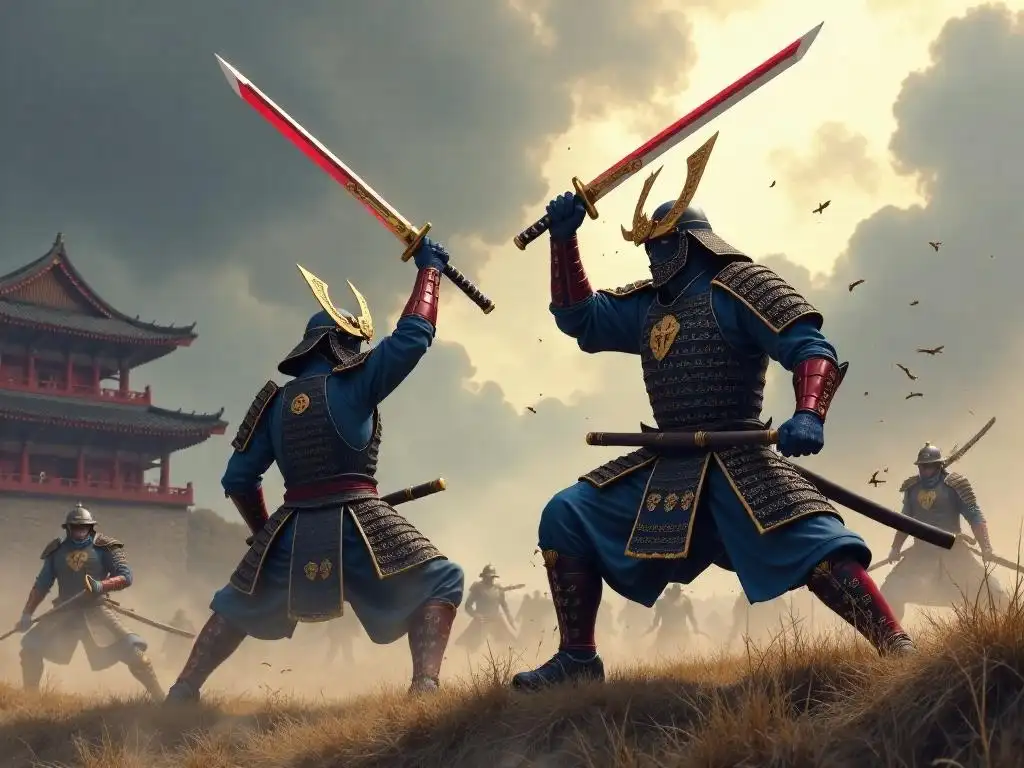
The samurai, as Japan's elite warrior class, developed distinct tactics and strategies that set them apart from other feudal warrior classes worldwide. While many cultures had their own forms of mounted and foot soldiers, the samurai combined a unique blend of martial prowess, disciplined training, and an intricate code of conduct known as Bushido. This combination influenced not only their combat effectiveness but also the structure of warfare in feudal Japan.
When comparing samurai tactics to those of European knights, Mongolian horsemen, and other warrior classes, several key differences emerge. Samurai warfare emphasized speed, agility, and the use of the katana, which allowed for slashing attacks and precision strikes. In contrast, European knights often relied on heavy armor and close combat techniques using swords and lances. The tactical formations also varied; samurai would often employ smaller, more flexible units capable of rapid movement, while European armies typically utilized larger, more rigid formations.
Furthermore, the samurai's integration of archery, particularly with the yumi (longbow), allowed them to engage enemies from a distance, a tactic less emphasized in knightly warfare, which often favored direct confrontation. This adaptability gave samurai a strategic edge in various terrains and battle scenarios, allowing them to outmaneuver and outsmart their opponents in many cases.
Samurai vs. European Knights: A Tactical Comparison
When examining the tactical approaches of samurai and European knights, it becomes evident that both classes were shaped by their respective cultures, technologies, and environments. Samurai warfare was characterized by:
- Mobility and Speed: Samurai were often mounted on horses and utilized swift maneuvers to flank and surprise their enemies. They valued speed over brute strength, allowing for quick retreats or assaults.
- Individual Skill: The samurai placed a strong emphasis on individual combat skills, with rigorous training in various martial arts and weaponry. This personal mastery of techniques often proved decisive in single combat situations.
In contrast, European knights employed:
- Heavy Armor and Fortifications: Knights were heavily armored and fought in formations that relied heavily on the protection offered by their gear. They typically fought on foot or horseback in tightly organized units, making them formidable in direct confrontations.
- Chivalric Codes: The concept of chivalry influenced knightly conduct, dictating not just battle tactics but also the ethical considerations of warfare. This code emphasized honor and loyalty, which could sometimes lead to less strategic decisions on the battlefield.
While both samurai and knights were elite warriors, their tactical philosophies reflected the diverse cultural backgrounds and military needs of their respective societies.
The Role of Ninja in Japanese Warfare
The ninja, or shinobi, held a unique and often misunderstood role in Japanese warfare. Unlike the samurai, who adhered strictly to the Bushido code, the ninja operated in the shadows, employing stealth, deception, and unconventional tactics. Their primary functions included espionage, sabotage, and assassination, which complemented the more traditional samurai methods of open battlefield engagements.
Ninja tactics often involved:
- Infiltration: Ninja would gather intelligence by infiltrating enemy territories, disguising themselves to blend in with local populations or using stealth to approach fortified positions.
- Guerrilla Warfare: They employed hit-and-run tactics, striking swiftly and retreating before the enemy could mount a counterattack. This approach was particularly effective against larger, more formal samurai forces.
- Psychological Warfare: The use of fear and misinformation was a staple of ninja tactics. By creating chaos and uncertainty, they could destabilize enemy morale and disrupt their plans.
While often viewed as mere assassins, the strategic contributions of the ninja to Japanese warfare were significant, providing the samurai with crucial intelligence and tactical advantages during conflicts.
Major Battles and Their Influence on Samurai Tactics
Throughout the feudal era, several significant battles shaped the evolution of samurai tactics. These engagements not only tested the resilience and adaptability of the samurai but also led to innovations in warfare strategies that would define future conflicts.
The Battle of Kurikara: A Tactical Examination
The Battle of Kurikara, fought in 1183 during the Genpei War, serves as a prime example of how samurai tactics evolved in response to battlefield conditions. The clash between the Minamoto and Taira clans highlighted several tactical innovations:
- Terrain Utilization: The Minamoto forces, under the leadership of Minamoto no Yoshinaka, effectively used the mountainous terrain to their advantage. This allowed them to execute surprise attacks and exploit the Taira's vulnerabilities.
- Combined Arms Approach: The samurai deployed a mix of cavalry and archers, showcasing their ability to adapt to various combat scenarios. The presence of skilled archers provided cover for advancing infantry, a tactic that became increasingly common in later battles.
- Leadership and Morale: The leadership of Yoshinaka was pivotal. His ability to inspire and rally his troops against a numerically superior enemy demonstrated the importance of morale and strategy over sheer numbers.
The outcomes of the Battle of Kurikara not only reinforced the tactical approaches of the Minamoto but also influenced samurai warfare in subsequent conflicts.
The Genpei War: Shifts in Samurai Warfare Strategies
The Genpei War (1180-1185) marked a transformative period in the history of samurai warfare, leading to a significant shift in tactics and strategies. The protracted conflict between the Minamoto and Taira clans resulted in several key developments:
- Naval Warfare Emergence: The Genpei War saw the rise of naval engagements, notably in the decisive Battle of Dan-no-ura. This shift indicated a growing recognition of the importance of controlling waterways and logistics in warfare.
- Emphasis on Mobility: As the conflict progressed, the samurai increasingly emphasized mobility and rapid maneuvering. Smaller, more agile units became preferred as they could adapt more easily to the ebb and flow of battle, allowing for quick strikes and effective retreats.
- Integration of New Technologies: The introduction of new weaponry, such as the tachi (a precursor to the katana), revolutionized the samurai's approach to combat. The development of more effective armor also changed how battles were fought, leading to a focus on both offensive and defensive strategies.
The Genpei War ultimately laid the groundwork for the samurai's evolving role in Japanese society and warfare, establishing principles that would guide future generations of warriors.
The Decline of Samurai Warfare Tactics
The decline of samurai warfare tactics marks a significant transformation in Japan's military structure and strategy, influenced by a mix of social, political, and technological changes. By the late 19th century, the samurai class was increasingly challenged by modernization efforts that sought to integrate Western military practices. This shift not only diminished the role of traditional samurai tactics but also signaled the end of an era characterized by feudal loyalties and individual martial prowess.
One of the most notable factors contributing to the decline was the Meiji Restoration (1868), which aimed to modernize Japan and strengthen its military in response to Western imperialism. The samurai were stripped of their privileges and titles, leading to a loss of status and influence. As the new government established a conscript army, the traditional samurai's elite status as warriors was diminished, effectively rendering their combat techniques obsolete.
Factors Leading to the Decline of the Samurai Class
Several factors played a crucial role in the decline of the samurai class and their associated warfare tactics:
- Political Reforms: The Meiji government enacted policies that dismantled the feudal system, abolishing the samurai's stipends and privileges. This led to increased dissatisfaction among samurai who found themselves without the means to support their families.
- Social Changes: As Japan underwent rapid modernization, the rigid class structures began to dissolve. The rise of a merchant class and the growth of urban centers reduced the samurai's traditional power base.
- Military Modernization: The adoption of Western military techniques and technologies, such as firearms and artillery, rendered traditional samurai tactics, which emphasized close combat and swordsmanship, less effective on the battlefield.
- Economic Shifts: Economic hardship following the abolition of the stipends forced many samurai to seek alternative employment. This change diluted their martial focus and contributed to their gradual disappearance as a distinct social class.
Transition to Modern Warfare and Tactics
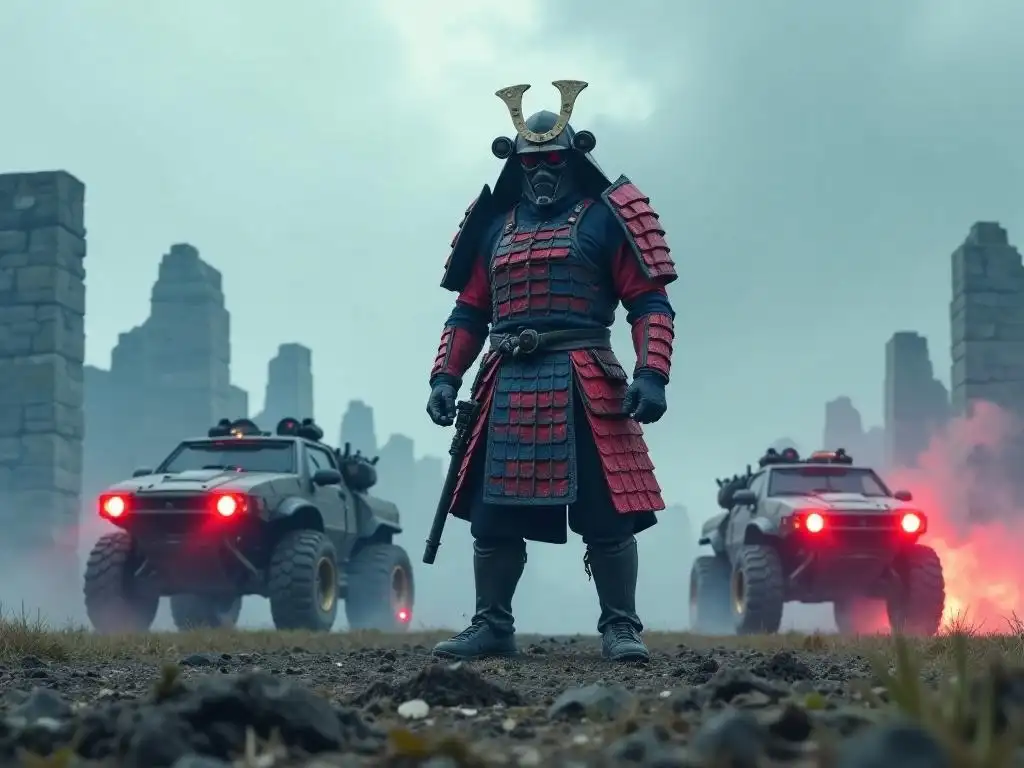
The transition from samurai warfare tactics to modern military strategies was marked by a fundamental shift in Japan's approach to combat. As the samurai class waned, the focus moved toward organized, large-scale military operations that relied on conscription and training rather than individual prowess.
- Introduction of Western Military Doctrine: The Japanese military adopted Western strategies, incorporating lessons from European conflicts. This shift emphasized discipline, coordinated maneuvers, and the use of advanced weaponry, leading to a more systematic approach to warfare.
- Development of a National Army: The establishment of a conscript army in 1873 marked a significant departure from the samurai-centric military model. This army was trained in modern tactics, focusing on teamwork and the effective use of new technologies.
- Shifts in Military Engagement: Modern warfare required new forms of logistics, communication, and strategy, which diminished the role of individual samurai tactics. Battles became more about collective strategy and less about individual heroics.
Lasting Legacy of Samurai Warfare in Modern Japan
Despite the decline of the samurai class, the legacy of their warfare tactics continues to influence Japan in various ways. Understanding this impact requires examining both military strategies and cultural representations that persist in contemporary society.
Influence on Contemporary Military Strategies
Modern Japan's Self-Defense Forces, established post-World War II, have retained certain philosophies rooted in samurai traditions. Key influences include:
- Emphasis on Honor and Duty: The samurai's code of conduct, known as Bushido, continues to resonate within the military ethos, promoting values of loyalty, discipline, and honor.
- Tactical Adaptability: While modern warfare has evolved, the principles of adaptability and strategic maneuvering found in samurai tactics are still valued in military training and operations today.
- Integration of Traditional Martial Arts: Many contemporary Japanese martial arts incorporate elements of samurai techniques, emphasizing the importance of historical practices in shaping modern combat training.
Cultural Representations of Samurai Tactics in Media
The portrayal of samurai warfare tactics has permeated Japanese culture and global media, providing a romanticized view of their martial prowess. This representation can be seen in various forms:
- Film and Television: Samurai films, such as Akira Kurosawa's Seven Samurai, depict the strategic brilliance and heroic valor of samurai warriors, influencing perceptions of Japanese martial culture worldwide.
- Literature and Video Games: Modern literature and video games often draw on samurai tactics, incorporating elements of strategy and honor, allowing audiences to engage with this historical legacy in innovative ways.
- Martial Arts Demonstrations: Public demonstrations of kendo and other martial arts often pay homage to samurai techniques, emphasizing the beauty and discipline of these traditional practices while preserving their historical significance.
While samurai warfare tactics may have declined with the advent of modern military strategies, their legacy endures in contemporary Japan, influencing both military practices and cultural representations. The samurai's impact on Japanese history remains a vital aspect of the nation's identity, echoing through time and shaping the narrative of warfare and honor.
Conclusion
The legacy of the samurai extends far beyond their legendary status as warriors, profoundly influencing the development of Japanese warfare tactics and strategies. The samurai's unique blend of martial prowess, adherence to a strict code of honor, and strategic acumen shaped the battlefield dynamics of their time. By examining their impact on military organization, psychological warfare, and the evolution of weaponry, we gain insight into how these elite fighters not only transformed combat but also left an indelible mark on Japanese culture and identity.
Summary of the Samurai's Impact on Japanese Warfare Tactics
The samurai class revolutionized Japanese warfare through several key innovations and practices. First and foremost, they introduced a system of martial arts training that emphasized discipline, skill, and strategy. This training fostered a new breed of warrior who was not only physically adept but also capable of making strategic decisions in the heat of battle.
Additionally, the samurai played a crucial role in the advancement of weaponry. The katana, their iconic sword, became not just a tool for combat but also a symbol of their status and honor. Their tactics shifted from large-scale, uncoordinated battles to more sophisticated maneuvers that emphasized flanking, ambushes, and psychological tactics to demoralize opponents.
Moreover, the samurai's commitment to loyalty and honor influenced the formation of military alliances and the feudal system, which shaped the political landscape of Japan. Their strategic use of terrain, understanding of cavalry and infantry dynamics, and incorporation of siege tactics further illustrated their profound impact on warfare.
Reflection on the Importance of Studying Samurai Warfare History
Understanding the history of samurai warfare tactics is essential for several reasons. Firstly, it provides valuable lessons on the evolution of military strategy and the importance of adaptability in warfare. The samurai's ability to innovate and learn from past conflicts speaks to the necessity of strategic evolution in any military context.
Furthermore, studying this period enhances our comprehension of Japanese culture and societal values. The samurai's code of conduct, known as Bushido, not only dictated their behavior on the battlefield but also permeated various aspects of Japanese society, influencing art, literature, and philosophy. By exploring these connections, we can appreciate the depth of samurai influence beyond mere combat.
Lastly, as contemporary societies face complex geopolitical challenges, reflecting on historical warfare tactics can offer insights into modern military strategy, diplomacy, and conflict resolution.
Further Reading on Samurai Warfare Tactics History
Recommended Books and Articles
-
"Hagakure: The Book of the Samurai" by Yamamoto Tsunetomo
This classic text provides a deep philosophical insight into the samurai code and its implications for warfare.
-
"Samurai Warfare" by Stephen Turnbull
An examination of the evolution of samurai tactics and their influence on Japanese military history.
-
"The Samurai: A Military History" by John M. S. M. P. H. A. S. H. T. B. K. T. K. C. W. G. B. T. L. T. W. H. A. S. H. T. L. T. B. K. T. W. H. A. S. H
This book offers a comprehensive overview of samurai warfare and its socio-political context.
-
"The Way of the Samurai" by Inazō Nitobe
A look into the philosophy and ethics of samurai warfare.
Documentaries and Resources on Samurai Warfare
-
"The Samurai: A History" (Documentary)
This documentary provides a visual exploration of the samurai’s role in Japanese history, illustrating their tactics and strategies.
-
"Secrets of the Samurai" (PBS Special)
A fascinating look at the weapons and tactics used by samurai, featuring reenactments and expert interviews.
-
"Samurai: Behind the Sword" (National Geographic)
An in-depth analysis of samurai warfare techniques, including their training practices and battlefield strategies.
These resources serve as a valuable starting point for anyone interested in delving deeper into the intricate history of samurai warfare tactics and their lasting influence on Japanese culture and military practices.
- Introduction to Samurai Warfare Tactics History
- Origins of Samurai Warfare Tactics
- Key Samurai Warfare Tactics and Strategies
- The Influence of Bushido on Samurai Warfare
- Comparative Analysis: Samurai Tactics vs. Other Feudal Warrior Classes
- Major Battles and Their Influence on Samurai Tactics
- The Decline of Samurai Warfare Tactics
- Factors Leading to the Decline of the Samurai Class
- Transition to Modern Warfare and Tactics
- Lasting Legacy of Samurai Warfare in Modern Japan
- Conclusion
- Further Reading on Samurai Warfare Tactics History
- What were the primary tactics used by Samurai in warfare?
- How did Samurai influence the evolution of Japanese warfare?
- What role did weapons play in Samurai warfare tactics?
- How did the societal structure of feudal Japan affect Samurai warfare?
- What are some notable battles that showcase Samurai warfare tactics?
Frequently Asked Questions
What were the primary tactics used by Samurai in warfare?
Samurai utilized strategic formations, such as the kakuyoku (extended line) and hikikomi (withdrawal), focusing on mobility and adaptability during battles.
How did Samurai influence the evolution of Japanese warfare?
The Samurai's emphasis on honor, discipline, and martial arts led to significant changes in battle strategies, emphasizing individual skill and group cohesion.
What role did weapons play in Samurai warfare tactics?
Weapons like the katana and yari (spear) were crucial in combat, with training emphasizing the skillful use of these tools to maximize effectiveness on the battlefield.
How did the societal structure of feudal Japan affect Samurai warfare?
The feudal system created a hierarchy where Samurai served as vassals, influencing their loyalties and tactical decisions, ultimately shaping the nature of conflict.
What are some notable battles that showcase Samurai warfare tactics?
Key battles, such as the Battle of Nagashino and the Battle of Sekigahara, highlight innovative tactics employed by Samurai, such as gunpowder usage and strategic positioning.
Final Reflection: The Enduring Legacy of Samurai Warfare Tactics
The intricate strategies and philosophies of samurai warfare continue to resonate in today's military and cultural landscapes, illustrating how historical practices can shape modern approaches to conflict. The samurai's unique blend of discipline, honor, and tactical ingenuity not only defined their era but also laid foundational principles that are still relevant in contemporary discussions about strategy and ethics in warfare.
The influence of samurai tactics extends beyond the battlefield, permeating various aspects of Japanese culture and even global military thought. The samurai's commitment to bushido, or the way of the warrior, has inspired countless individuals and organizations to adopt principles of loyalty, respect, and strategic foresight. As noted by historian John W. Hall, The samurai were not just warriors; they were the embodiment of a cultural ethos that valued honor and discipline above all.
This ethos continues to inspire leaders and thinkers, reminding us of the importance of integrity and strategic thinking in all areas of life.
As we reflect on the lessons of samurai warfare, let us consider how we can incorporate their principles into our own lives. How can we embrace the spirit of the samurai in our personal and professional endeavors? I invite you to think about the values of discipline, honor, and strategic planning in your daily actions. By doing so, we not only honor the legacy of the samurai but also empower ourselves to navigate the complexities of our modern world with courage and wisdom.
Unveil the Legacy of the Samurai: Take Action Today!
Thank you for diving into the fascinating world of the samurai and their profound influence on Japanese warfare tactics. Your curiosity opens the door to a deeper understanding of history and the lessons it imparts. Now, it’s time to transform that knowledge into action!
- Explore historical reenactments or local exhibitions to witness the art of samurai warfare firsthand.
- Share this article with friends and fellow history enthusiasts to spark engaging discussions about the samurai’s enduring impact on culture and strategy.
- Consider joining a local historical society or an online community dedicated to Japanese history to connect with others who share your passion.
As you reflect on the rich legacy of the samurai, think about this: How can the strategies employed by the samurai inspire your own approach to the challenges you face in everyday life? Let’s start a conversation!