
The Role of Religion in Commodore Perry's Mission to Japan


Welcome to Feudal Japan History, where we embark on a captivating journey through the intricate tapestry of Japan's feudal era. In this exploration, we delve into the crucial intersections of religion in Commodore Perry Japan, a topic that unveils the unseen forces shaping foreign relations during a pivotal moment in history. Prepare to uncover how spiritual beliefs influenced diplomacy and cultural exchanges, sparking profound changes that echo through time. Are you ready to unlock the secrets of this transformative period? Dive into our latest article and discover the fascinating role of religion in Perry's mission!
Introduction to Commodore Perry's Mission
The arrival of Commodore Matthew Perry in Japan during the mid-19th century marked a pivotal moment in the nation’s history, intertwining international relations with the prevailing religious landscape. Perry’s mission, primarily aimed at opening Japan to Western trade, was not merely a political endeavor; it was also deeply influenced by the religious context of the time. This article delves into how religion played a crucial role in shaping Perry's interactions with Japanese society, offering insight into the complexities of cross-cultural exchanges.
Overview of Commodore Perry's Expedition to Japan
In 1853, Commodore Perry, representing the United States Navy, sailed into Tokyo Bay with a fleet of "black ships" that signified both technological advancement and military strength. His arrival was a response to the growing desire among Western nations to access Japan's markets, which had remained largely isolated under the Tokugawa shogunate. Perry’s mission was multi-faceted, involving diplomacy, trade negotiations, and military presence. However, it also occurred against a backdrop of religious tensions, as Japan was influenced by both indigenous beliefs and foreign ideologies.
Significance of Religion in 19th Century Japan
During the 19th century, religion in Japan was not just a matter of personal belief; it was interwoven with politics, culture, and daily life. The dominant religions—Shinto, Buddhism, and Confucianism—shaped societal norms and governance. As Perry navigated the complexities of Japanese society, understanding these religious dynamics became essential. The influence of religion extended beyond spiritual practices; it impacted social hierarchies and the legitimacy of the shogunate itself.
Historical Context of Religion in Japan
To fully grasp the role of religion in Commodore Perry's mission, it is crucial to explore the historical context of religious practices in Japan during this era.
Major Religions in Japan during the Edo Period
During the Edo period (1603-1868), Japan's religious landscape was characterized by a blend of Shinto and Buddhism, often coexisting in harmony. Shinto, the indigenous faith, emphasized the worship of kami (spirits) and rituals connected to nature, while Buddhism, introduced from China, offered doctrines on the afterlife and spiritual enlightenment. Confucianism also gained prominence, influencing political thought and social ethics.
- Shinto: Focused on rituals and ancestor worship.
- Buddhism: Provided philosophical teachings and monastic traditions.
- Confucianism: Emphasized moral governance and societal roles.
This triad of religious beliefs shaped the worldview of the Japanese people and their understanding of authority, making it a critical factor during Perry's interactions.
The Role of Religion in Japanese Society and Governance
Religion in Japan served both spiritual and political purposes. It was integral in legitimizing the ruling class and maintaining social order. The Tokugawa shogunate utilized religious institutions to promote stability and suppress dissent, creating a synthesis of governance and spirituality. As Perry sought to negotiate trade treaties, he encountered a society where religion influenced not only the populace's beliefs but also the political elite's decisions.
The interplay of religion during Commodore Perry's mission to Japan highlights how deeply rooted spiritual beliefs affected diplomatic relations and cultural exchanges. Understanding this context is essential for comprehending the broader implications of Perry's expedition and its lasting impact on Japan's interaction with the world.
Commodore Perry's Religious Background
Commodore Matthew Perry, a pivotal figure in the opening of Japan to the West, carried a religious background that significantly colored his worldview and diplomatic endeavors. Born in 1794 in Rhode Island, Perry was raised in a predominantly Christian environment, which instilled in him a set of moral and ethical values shaped by Protestantism. His family was associated with the Congregational Church, a reflection of the religious landscape of early 19th-century America. This upbringing not only influenced his personal beliefs but also played a crucial role in shaping his perception of foreign cultures, including that of Japan.
As Perry navigated his naval career, his understanding of religion evolved, intertwining with his duties as a military officer and diplomat. He viewed his missions not only as military endeavors but also as opportunities for cultural exchange—one that he believed could be beneficial for both the United States and Japan. His religious convictions led him to regard the spread of Christianity as a moral obligation, further influencing his strategies in engaging with foreign nations.
Perry's Religious Affiliations and Beliefs
Perry's religious affiliations were primarily rooted in the Protestant faith, reflecting a broader American belief system during his time. His personal journals and letters often allude to a sense of divine purpose in his endeavors, suggesting that he perceived his role in Japan as not merely diplomatic but also as a missionary opportunity. He believed that introducing Western ideas, including Christianity, could elevate the moral and social fabric of Japanese society.
Despite his Protestant background, Perry's approach to religion was pragmatic. He understood that Japan, with its deep-rooted Shinto and Buddhist traditions, would not easily accept foreign religious ideologies. Thus, while he personally championed Christianity, he also recognized the importance of respecting Japan's existing religious structures. This duality in his beliefs—advocating for Christianity while respecting local customs—highlights the complexities of his character and mission.
Influence of Religion on Perry's Diplomatic Approach
Religion played a subtle yet significant role in Perry's diplomatic approach. His belief in the moral superiority of Western civilization, rooted in his Protestant upbringing, prompted him to advocate for the opening of Japan to Western influence under the guise of benevolence. Perry perceived his mission as a chance to uplift Japan, both materially and spiritually.
This influence manifested in his interactions with Japanese officials. Perry often framed his negotiations in terms of mutual benefit, emphasizing the potential for trade and cultural exchange. However, underlying this diplomatic language was a strong desire to introduce American religious ideals. He aimed to establish not only trade routes but also a foothold for Christianity in Japan, demonstrating how deeply intertwined religion was with his vision for U.S.-Japan relations.
The Intersection of Religion and Diplomacy
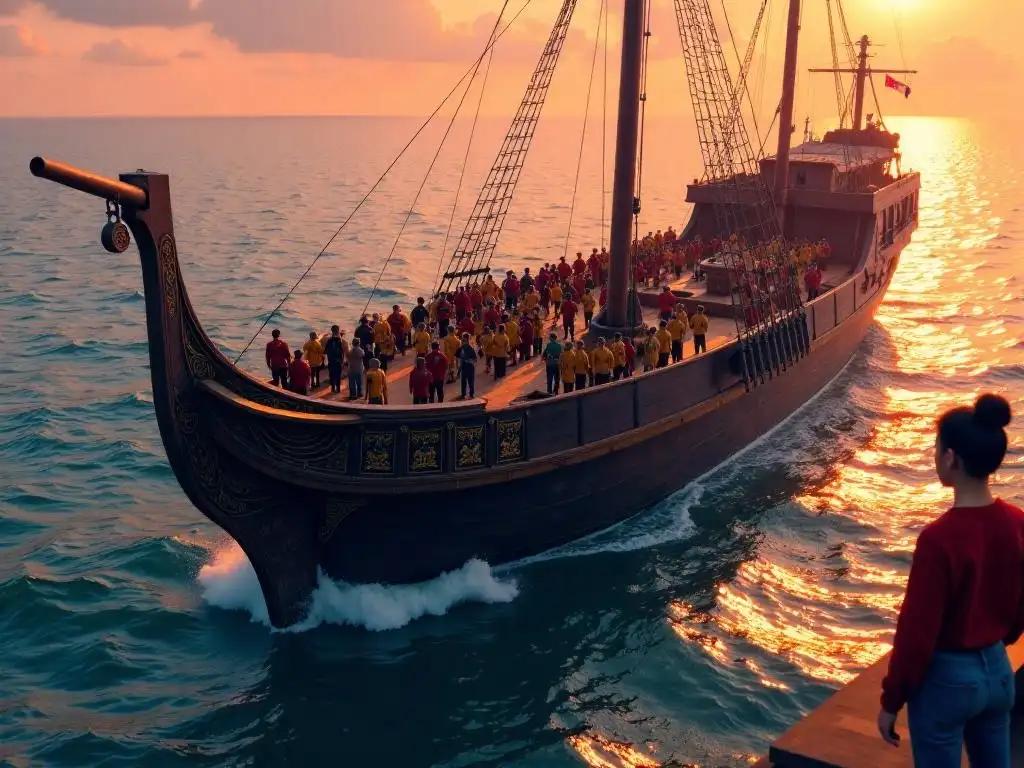
The intersection of religion and diplomacy during Perry's mission was marked by a complex interplay of cultural, moral, and political factors. At the heart of this relationship was the notion that religious beliefs could serve as both a motivator and a tool in international relations. Perry’s mission was not solely about establishing trade; it was also about promoting a worldview that favored Western ideologies over Eastern traditions.
Religious Justifications for Perry's Mission
Perry and his contemporaries often used religious justifications to rationalize their diplomatic missions. The idea of a "civilizing mission" was prevalent among many Western powers during the 19th century, and Perry subscribed to this belief. He viewed his efforts in Japan as an extension of a divine mandate to spread Christianity and Western values, aligning it with the broader belief in Manifest Destiny that characterized American exceptionalism at the time.
The justification for Perry's mission also found roots in the notion of "saving" non-Christian nations. By extending Christianity to Japan, Perry believed he was fulfilling a moral obligation to share what he considered the true faith. This framing not only provided a rationale for his actions but also appealed to the American public, who largely supported the idea of expanding U.S. influence abroad.
The Impact of Christianity on U.S. Foreign Policy
The impact of Christianity on U.S. foreign policy during the 19th century was profound, as it often shaped the nation’s diplomatic stance towards non-Western countries. The belief in American exceptionalism, intertwined with religious fervor, propelled the idea that the U.S. had a duty to spread democracy and Christianity worldwide. Perry's mission to Japan was emblematic of this trend, as it sought to forge a new path for U.S.-Japan relations through the lens of religious and cultural superiority.
Moreover, the presence of Christian missionaries in Japan following Perry's expedition further illustrated the growing influence of religion in foreign policy. These missionaries played a crucial role in establishing educational and healthcare systems, which were often viewed as vehicles for spreading Christian teachings. The intertwining of religion and diplomacy during this era created a legacy that would influence U.S. relations with Japan for decades to come.
Perceptions of Japanese Religions by Western Powers
Western perceptions of Japanese religions during Perry's time were often steeped in misunderstanding and prejudice. Many Westerners viewed Shinto and Buddhism through a lens of superiority, failing to grasp the complexities and cultural significance of these belief systems. This lack of understanding fueled a narrative that justified the imposition of Western religious ideals onto Japan.
Perry himself was not immune to these biases. His writings reflect a sense of bewilderment at the intricacies of Japanese religious practices, which he often contrasted with his own beliefs. This perspective was common among Western diplomats and missionaries, who frequently depicted Japanese religions as primitive or superstitious. Such perceptions not only affected diplomatic relations but also contributed to the broader narrative of Western imperialism that characterized the era.
The role of religion in Commodore Perry's mission to Japan was multifaceted, influencing both his personal beliefs and the broader diplomatic context. By examining the intersections of religion and diplomacy, we gain a clearer understanding of how these dynamics shaped the early relations between Japan and the United States.
The Role of Religion in Perry's Interactions with Japanese Officials
Commodore Matthew Perry's mission to Japan in the mid-19th century was not only a pivotal moment in the history of U.S.-Japan relations but also one where religion played a significant role in shaping interactions between Perry and Japanese officials. Understanding the religious landscape of Japan during this period is crucial, as it influenced diplomatic negotiations, cultural exchanges, and the overall reception of Perry's mission.
Perry was acutely aware of the cultural and religious sensitivities that characterized Japan, especially given the nation's isolationist policies and the importance of Shinto and Buddhism in Japanese society. His understanding of these factors often guided his approach, as he sought to establish rapport and convey respect toward Japanese traditions. This respect was vital in a society that valued harmony and mutual understanding, especially in the face of the powerful Western forces that were beginning to intrude upon its shores.
Initial Encounters: Cultural and Religious Sensitivities
In the initial encounters between Perry and Japanese officials, the cultural and religious sensitivities of the Japanese were paramount. Perry's arrival in 1853 was marked by a mixture of curiosity and caution from the Japanese side. The Japanese were well aware of the religious underpinnings of Western powers, especially in light of the earlier Christian missionary efforts that had caused significant upheaval in Japan.
During these early meetings, Perry demonstrated a strategic awareness of these sensitivities. He refrained from overtly promoting Christianity or Western religious ideologies, instead presenting himself as a representative of a friendly nation. This approach was crucial in easing tensions and allowing for constructive dialogue. The emphasis on mutual respect and understanding, particularly regarding Japan's unique religious identity, facilitated a more favorable atmosphere for discussions on trade and diplomatic relations.
Religion as a Tool for Negotiation and Understanding
Perry skillfully utilized religion as a tool for negotiation and understanding. By acknowledging the importance of Shinto and Buddhism in Japanese culture, he was able to establish a common ground which was vital for diplomatic engagement. His interactions were characterized by an effort to present Western beliefs in a manner that did not threaten or undermine Japanese traditions.
Moreover, Perry's team included individuals who were well-versed in Eastern religions and philosophies, allowing for a more nuanced dialogue. This knowledge helped bridge the gap between the two cultures, fostering a sense of respect and openness that was crucial for the negotiations that followed. The use of religion as a diplomatic instrument was not simply a means to an end; it was integral to Perry's broader strategy of pacification and cooperation, which ultimately facilitated the opening of Japan to the West.
Reactions of Japanese Society to Perry’s Mission
The arrival of Commodore Perry had profound implications for Japanese society, provoking a range of reactions that were deeply intertwined with the religious context of the time. As Japan grappled with the intrusion of foreign powers, the responses from various societal sectors—including religious leaders—were influenced by the prevailing fears and hopes associated with this encounter.
The Response of Religious Leaders to Perry's Arrival
Religious leaders in Japan had a complex response to Perry's arrival. Many were apprehensive, recalling the tumultuous history of Christianity in Japan, which had led to the suppression of foreign religions and a period of devastating persecution for Christians. This historical context made the arrival of a U.S. naval force, which was seen as a harbinger of Western influence, particularly concerning.
However, there was also a faction within the religious community that recognized the potential for positive change. Some Buddhist leaders, for instance, viewed the engagement with Perry as an opportunity to learn from Western science and technology, hoping to use this knowledge for the betterment of Japanese society. This duality in response illustrated the broader societal tensions between tradition and modernization, religion and pragmatism, as Japan faced the realities of a changing world.
How Religion Shaped Japanese Perceptions of the West
Religion significantly shaped Japanese perceptions of the West during Perry's mission. The prevailing Buddhist and Shinto beliefs influenced how Western powers were viewed—often with suspicion and wariness. Many Japanese saw the presence of Perry and his fleet not only as a political challenge but also as a potential religious threat.
The interpretation of Western nations as having an imperialistic or conversionist agenda was a common sentiment. This perception was fueled by historical experiences with missionaries and the internal conflicts they sparked. Consequently, the initial interactions with Perry were colored by these religious overtones, leading to cautious and sometimes hostile responses from various factions within Japanese society.
Over time, however, as the interactions continued, a gradual shift began to occur. Some segments of Japanese society started to view the West through a more pragmatic lens, recognizing that engagement could lead to technological and cultural advancements. This evolution in perception was not only a reflection of political necessities but also an intricate dance between maintaining religious identity and embracing the realities of a globalizing world.
The role of religion in Commodore Perry's mission to Japan was a multifaceted and significant factor shaping both diplomatic interactions and societal reactions. Understanding this context provides deeper insights into the complexities of Japan's response to Western influences during a pivotal moment in its history.
The Aftermath: Religion in Japan Post-Perry
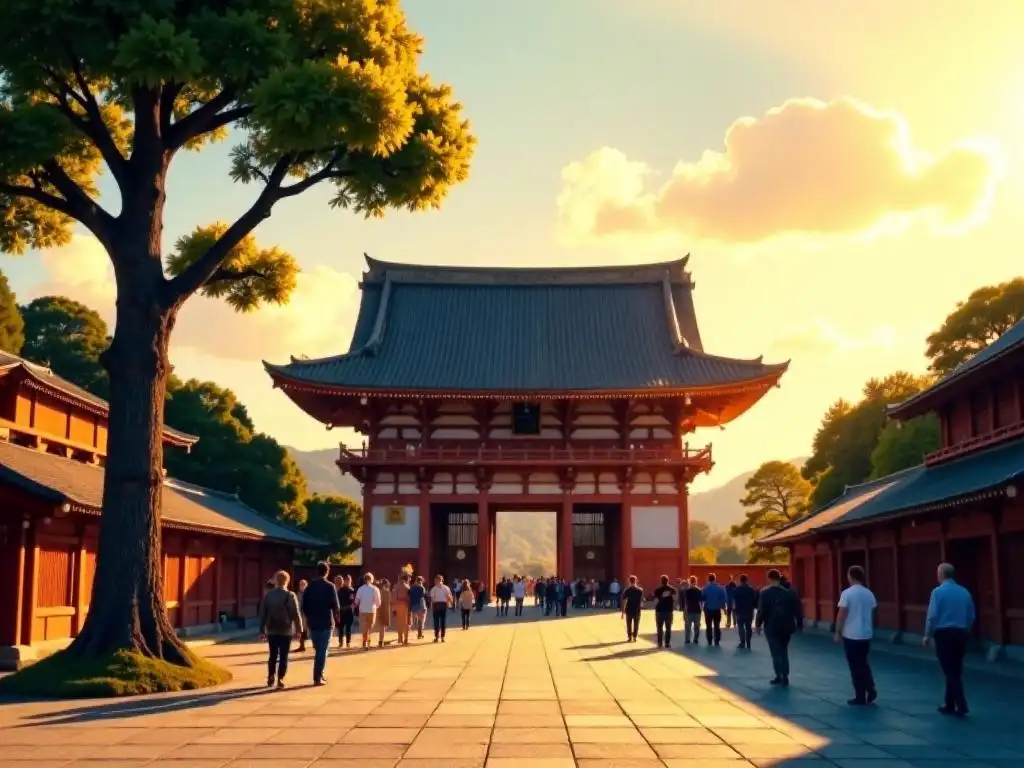
The arrival of Commodore Matthew Perry in Japan in 1853 marked a pivotal moment not only in the political landscape of the country but also in its religious dynamics. The forced opening of Japan to the Western world initiated a series of transformations that affected various aspects of Japanese society, including its religious practices and beliefs. The encounter with Perry and subsequent treaties catalyzed significant changes in how religions were practiced, perceived, and integrated into the rapidly evolving cultural fabric of Japan.
Changes in Religious Dynamics Following the Encounter
Prior to Perry’s mission, Japan had maintained a policy of isolation, largely limiting foreign influence, particularly from Western nations. This isolation also extended to religious practices, with Buddhism and Shintoism being the dominant faiths. However, the arrival of Perry fundamentally altered this dynamic. The treaties that followed his expedition allowed for increased foreign presence, leading to a gradual opening of Japan to various religions, particularly Christianity.
As Western missionaries began to enter Japan, they brought with them new religious ideologies and practices. This increased visibility of Christianity sparked a complex interplay with the existing religious landscape. Traditional beliefs were challenged, and in some instances, syncretism occurred, where elements of Christianity began to blend with indigenous practices. This period saw not only the introduction of new religious thought but also a re-evaluation of existing spiritual beliefs in light of the new cultural exchanges.
The Rise of Christianity in Japan: A Historical Perspective
The rise of Christianity in Japan during the post-Perry era can be traced back to the efforts of Western missionaries who were drawn to the newly accessible market for their faith. Although Christianity had a prior presence in Japan during the 16th century with Jesuit missionaries, the subsequent suppression of the religion meant that its influence had waned significantly. However, by the late 19th century, following Perry's mission, this trend began to reverse.
Many missionaries, motivated by both spiritual and humanitarian goals, established schools, hospitals, and churches throughout Japan. Their efforts aimed not only to convert the Japanese populace but also to contribute to societal improvements. This was instrumental in fostering a more favorable view of Christianity among some Japanese, particularly among the urban elite who were exposed to Western education and ideologies.
Despite facing resistance from traditionalists who viewed the new faith as a threat to Japanese culture and values, Christianity began to establish a foothold in the country. By the late 19th and early 20th centuries, various Christian denominations had gained a significant number of adherents, contributing to a diversification of religious expression in Japan.
Conclusion
Summary of Key Points on Religion in Commodore Perry's Japan
Commodore Perry's mission to Japan served as a catalyst for profound changes in the religious landscape of the nation. The encounter facilitated the opening of Japan to Western influences, including religion, which had previously been largely isolated. The subsequent rise of Christianity introduced new theological concepts and practices that challenged traditional beliefs. Key points include:
- The introduction of Christianity and other Western religious influences.
- The emergence of new religious dynamics and a re-evaluation of indigenous practices.
- The establishment of educational and healthcare institutions by missionaries, fostering a positive view of Christianity.
The Lasting Impact of Perry’s Mission on Japanese Religious Landscape
The long-term effects of Perry's mission on Japan's religious landscape are significant and enduring. The initial introduction of Christianity laid the groundwork for its establishment as a recognized faith within the country. Over the following decades, as Japan underwent modernization and globalization, religion continued to play a crucial role in the social and cultural identity of the nation.
Today, Japan's religious landscape remains diverse, with Shintoism, Buddhism, and Christianity coexisting alongside each other. While traditional beliefs continue to hold sway, the presence of Christianity, bolstered by the historical context of Perry's arrival, has contributed to a more pluralistic society. This blend of religions reflects Japan's ability to adapt and integrate diverse influences, a testament to the complex interplay between Western and indigenous beliefs that began with Commodore Perry's historic mission.
Further Reading
To gain a deeper understanding of the complex interplay between religion and Commodore Perry's mission to Japan, it is essential to explore a variety of resources that provide context and insights into this pivotal moment in history. Below are some suggested resources and related articles that shed light on the themes of religion, diplomacy, and cultural exchange during the feudal era in Japan.
Suggested Resources on Religion in Japan and Commodore Perry's Mission
- Books:
- Gods and Demons, Priests and Scholars: Eighteenth-Century Japan by Fumiko Enin - This book delves into the religious landscape of Japan and the interactions between Western and Eastern belief systems during the period leading up to Perry's arrival.
- The Mission of Commodore Perry to Japan by John M. McCarthy - A thorough account of Perry's expedition, including its religious implications, this book provides invaluable insights into the motivations behind the mission.
- Academic Journals:
- The Journal of Asian Studies often features articles examining the influence of religion in Japan during the 19th century, including pieces that relate to Commodore Perry's expedition.
- Japanese Journal of Religious Studies - This journal provides scholarly articles that discuss the various religious practices in Japan at the time of Perry's mission, highlighting their significance in the broader cultural context.
- Online Resources:
- The National Archives of Japan - Offers digitized documents and letters from the period, which include references to the religious perspectives of both Japanese and American participants in Perry's mission.
- Smithsonian Magazine - Articles discussing the cultural exchanges between Japan and the United States during the 1850s often highlight how religion influenced these interactions.
Related Articles on Japan’s Feudal Era and Foreign Relations
- Understanding the Tokugawa Shogunate: This article explores the political and social structures of Japan during the Tokugawa era, providing background on the environment into which Commodore Perry arrived.
- The Impact of Western Religion in Japan: An examination of how Western religious ideologies began to take root in Japan during the 19th century, influencing both local beliefs and diplomatic relations.
- Foreign Missions in Feudal Japan: A look at earlier missions to Japan prior to Perry, including how religious motives played a role in diplomatic efforts and cultural exchanges.
- The Treaty of Kanagawa and Its Implications: This article discusses the treaty that resulted from Perry's mission, analyzing how religious contexts influenced the negotiations and outcomes.
- Cultural Exchange and Conflict in the Late Edo Period: A comprehensive study of how foreign interactions, particularly those involving religion, affected Japan's socio-cultural landscape during the feudal era.
These resources not only enhance the understanding of the role religion played in Commodore Perry's mission but also provide a broader context of the religious dynamics in Japan during a transformative period in its history.
- Introduction to Commodore Perry's Mission
- Historical Context of Religion in Japan
- Commodore Perry's Religious Background
- The Intersection of Religion and Diplomacy
- The Role of Religion in Perry's Interactions with Japanese Officials
- Reactions of Japanese Society to Perry’s Mission
- The Aftermath: Religion in Japan Post-Perry
- Conclusion
- Further Reading
- What was the significance of religion during Commodore Perry's mission to Japan?
- How did Shinto and Buddhism influence Japanese society at the time?
- What role did Christianity play in Perry's interactions with Japanese officials?
- How did the Japanese government respond to the religious aspects of Perry's mission?
- What long-term effects did Perry's mission have on religious practices in Japan?
Frequently Asked Questions
What was the significance of religion during Commodore Perry's mission to Japan?
The religious context shaped diplomatic relations, as Christianity was viewed with suspicion by the Japanese, affecting Perry's approach during negotiations.
How did Shinto and Buddhism influence Japanese society at the time?
Shinto and Buddhism were the two major religions in Japan, deeply intertwined with cultural practices and the government, impacting societal norms and responses to foreign influence.
What role did Christianity play in Perry's interactions with Japanese officials?
Perry's mission aimed to open Japan to the West, but Christianity’s historical context created a barrier, as many Japanese were wary of foreign religions and their implications.
How did the Japanese government respond to the religious aspects of Perry's mission?
The Japanese government was cautious, focusing on maintaining political sovereignty while navigating the complex interplay of foreign religious beliefs and cultural practices.
What long-term effects did Perry's mission have on religious practices in Japan?
Perry's mission ultimately led to greater Western influence, including the introduction of Christianity, which would slowly integrate into Japanese society over the following decades.
Final Reflection: The Enduring Legacy of Religion in Commodore Perry's Mission to Japan
The intersection of religion and diplomacy during Commodore Perry's mission to Japan remains a pivotal chapter in history, illustrating how religion in Commodore Perry's Japan shaped not only the course of international relations but also the cultural exchanges that followed. Today, as we navigate an increasingly interconnected world, the lessons from Perry's expedition remind us of the profound impact that belief systems can have on political and social landscapes.
The influence of religion in Perry's mission underscores the complex dynamics of cultural interaction and the role of faith in shaping national identities. This historical moment serves as a reminder that religion can be both a bridge and a barrier in international relations. As Perry sought to open Japan to the West, he inadvertently ignited a dialogue that would evolve over time, influencing both Japanese society and American perceptions of the East. Religion is not merely a private matter; it is a public force that shapes our world.
As we reflect on the implications of Perry's mission, I invite you to consider how the themes of faith, diplomacy, and cultural exchange resonate in your own life. How can we apply the lessons learned from this historical encounter to foster understanding and cooperation in our contemporary interactions? Embrace the opportunity to engage with diverse perspectives, recognizing that the threads of religion and culture continue to weave through our global tapestry, urging us toward a future of mutual respect and shared humanity.
Embrace the Legacy: Connect with Japan's Rich History!
Thank you for taking the time to explore the fascinating intersection of religion and Commodore Perry's mission to Japan! Your engagement not only deepens your understanding but also honors the rich tapestry of cultural exchange that shaped history. Now, let’s turn this curiosity into action!
Here are a few steps you can take to further immerse yourself in this incredible journey:
- Delve deeper: Investigate primary sources related to Perry's expedition and its profound impact on Japanese society to gain valuable insights into this pivotal moment in history.
- Share your thoughts: Engage in discussion by leaving your perspective in the comments section below, or share this article with friends who are passionate about historical topics!
- Join our community: Sign up for our newsletter to receive updates on articles that explore the rich cultural histories of Japan, and connect with others who share your interests.
What aspect of Perry's mission to Japan intrigues you the most, and why? We would love to hear your thoughts!