
The Significance of Poetry in Social Gatherings and Leisure Activities

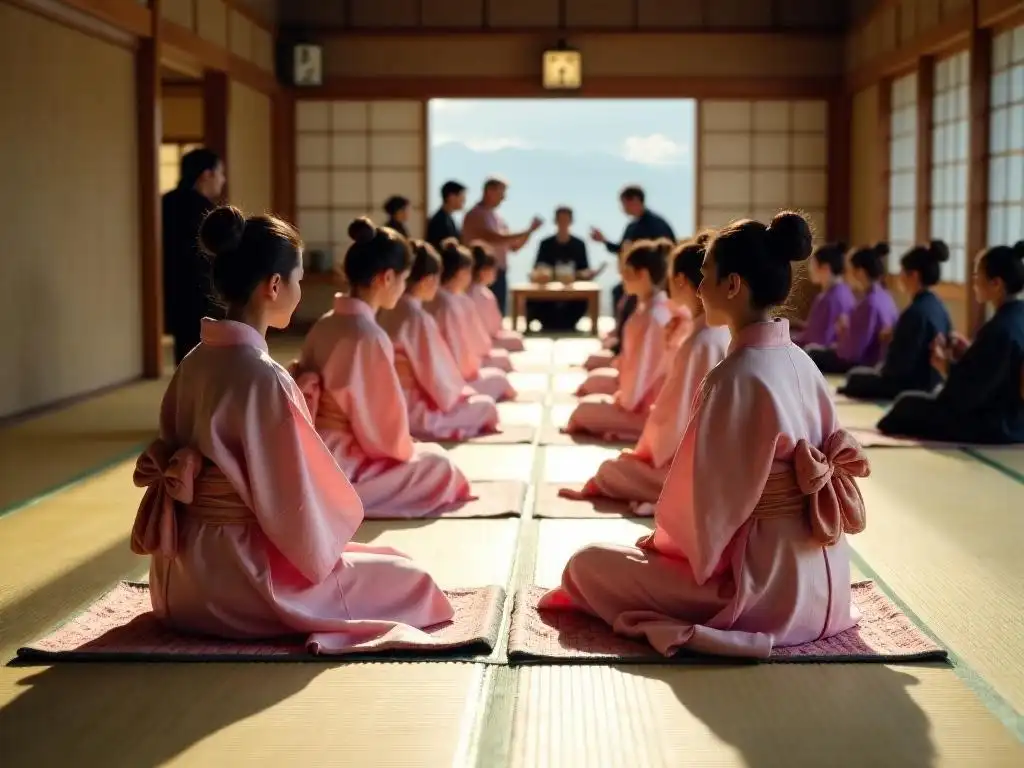
Welcome to Feudal Japan History, where we invite you to embark on a journey through the intricate tapestry of Japan’s feudal era. Dive deep into the Significance of Poetry in Social Gatherings and Leisure Activities as we unravel how verses shaped relationships and cultural exchanges during this fascinating period. What role did these poetic expressions play in the daily lives of the samurai and nobles?
Join us as we explore the enchanting world of Japanese poetry social gatherings, igniting your curiosity and shedding light on the profound connections that bind art and society. Your adventure into the heart of feudal Japan begins here!
Poetry has always played a vital role in the cultural fabric of Japan, especially during the feudal era, where it transcended mere artistic expression to become a significant social instrument. The rich traditions of Japanese poetry intertwined with daily life, serving as a medium for communication, celebration, and even contemplation.
In the context of social gatherings and leisure activities, poetry not only provided entertainment but also fostered connections among individuals, creating a shared sense of belonging and identity. This article delves into the profound significance of poetry in these social contexts, highlighting its various forms, functions, and the pivotal role it played in shaping interactions among people in feudal Japan.
Japanese poetry, with its unique styles and thematic depth, has been an essential part of the nation's cultural heritage. From haiku to tanka, these poetic forms often encapsulate the beauty of nature, human emotions, and social relationships. In social settings, poetry served as both a form of entertainment and a means of expressing sentiments, embodying the essence of the Japanese spirit. Understanding how poetry was integrated into social gatherings provides insight into the collective psyche of feudal Japan, illustrating the ways in which individuals interacted, celebrated, and connected with one another.
Overview of Japanese Poetry Traditions
Japanese poetry is characterized by its distinctive forms and rich history. Key styles include:
- Tanka: A five-line poem often reflecting personal feelings and experiences.
- Haiku: A three-line verse that captures a moment in nature or emotion, adhering to a 5-7-5 syllable structure.
- Renga: A collaborative linked-verse poetry form, encouraging group participation.
These traditions were not merely artistic endeavors; they were deeply embedded in the social and cultural practices of the time, often composed and recited during gatherings, festivals, and other communal events.
Importance of Poetry in Feudal Japanese Society
In feudal Japan, poetry was regarded as a marker of education and sophistication. The ability to compose and appreciate poetry was associated with the samurai and the aristocracy, who engaged in poetic contests and gatherings. The significance of poetry can be summarized as follows:
- Cultural Identity: Poetry fostered a sense of community and cultural identity among the Japanese people.
- Social Status: Mastery of poetry was often linked to social status, with elite classes engaging in poetic exchanges to assert their cultural refinement.
- Emotional Expression: Poetry provided a vehicle for expressing complex emotions, allowing individuals to articulate their feelings in a nuanced manner.
Poetry served as a central element in various social gatherings throughout feudal Japan, shaping interactions and enhancing the communal experience. These gatherings often revolved around formal and informal settings where poetry was celebrated.
Types of Social Gatherings in Feudal Japan
Social gatherings in feudal Japan varied widely, each offering a unique context for poetry:
- Poetry Contests (Utaawase): Competitive events where participants would compose and recite poems, often judged for creativity and emotional depth.
- Tea Ceremonies: Cultural rituals that included poetic recitations, emphasizing harmony and aesthetic appreciation.
- Festivals and Celebrations: Community events where poetry was performed to honor seasonal changes, religious observances, and significant milestones.
Each of these gatherings highlighted the communal aspect of poetry, emphasizing the importance of shared experiences and interactions.
Functions of Poetry in Social Interactions
The presence of poetry in social gatherings fulfilled several critical functions:
- Facilitating Communication: Poetry allowed individuals to express thoughts and feelings in a sophisticated manner, bridging gaps in understanding.
- Creating Bonds: Shared poetic experiences fostered connections among participants, reinforcing social ties and community spirit.
- Celebrating Moments: Poetry provided a means to commemorate special occasions, enhancing the emotional resonance of gatherings.
In essence, the integration of poetry into social gatherings not only enriched the cultural landscape of feudal Japan but also enhanced the quality of interpersonal relationships, making it an enduring element of Japanese social life.
Leisure Activities and Poetry
Leisure activities in feudal Japan were deeply intertwined with the appreciation of poetry, as both served to enrich social interactions and cultural expression. Poetry was not merely a form of artistic expression; it was a conduit through which individuals could connect, share experiences, and cultivate relationships in a society where social hierarchies were prominent. Gatherings often revolved around poetic recitations, allowing participants to showcase their literary skills while engaging in a shared appreciation of aesthetics and emotions.
These social settings, whether they be formal tea ceremonies, seasonal festivals, or informal gatherings among friends, provided a platform for individuals to express their creativity through waka, haiku, and other poetic forms. The recitation of poetry during these events created a sense of harmony and camaraderie, as participants would often respond to each other's verses, fostering a lively exchange of ideas and emotions. Thus, poetry became an integral part of leisure activities, enhancing the overall cultural fabric of feudal Japan.
Poetry as a Form of Entertainment
In feudal Japan, poetry served as a primary form of entertainment, captivating audiences and participants alike. During social gatherings, it was common for individuals to engage in uta-gaki (poetic composition) contests, where they would compose verses on the spot or in response to specific themes. This practice not only showcased the participants' creativity and wit but also encouraged a spirit of friendly competition that enlivened the atmosphere.
The accessibility of poetry as an entertainment form was further amplified by the use of utai or shamisen in conjunction with recitations. Musicians would accompany poets, enriching the experience and drawing in audiences who might not have been familiar with the intricacies of poetry. This blend of music and poetry allowed for a multi-sensory experience, making gatherings more enjoyable and memorable. As a result, poetry became a vital entertainment medium, fostering connections and enhancing the social fabric of the time.
The Influence of Nature on Japanese Poetry and Leisure
Nature has long been a profound source of inspiration in Japanese poetry, significantly influencing both the themes of poetic works and the leisure activities associated with them. The natural world, with its seasonal changes and serene landscapes, provided poets with a rich tapestry of imagery to draw upon, leading to the creation of verses that celebrated transient beauty and the impermanence of life.
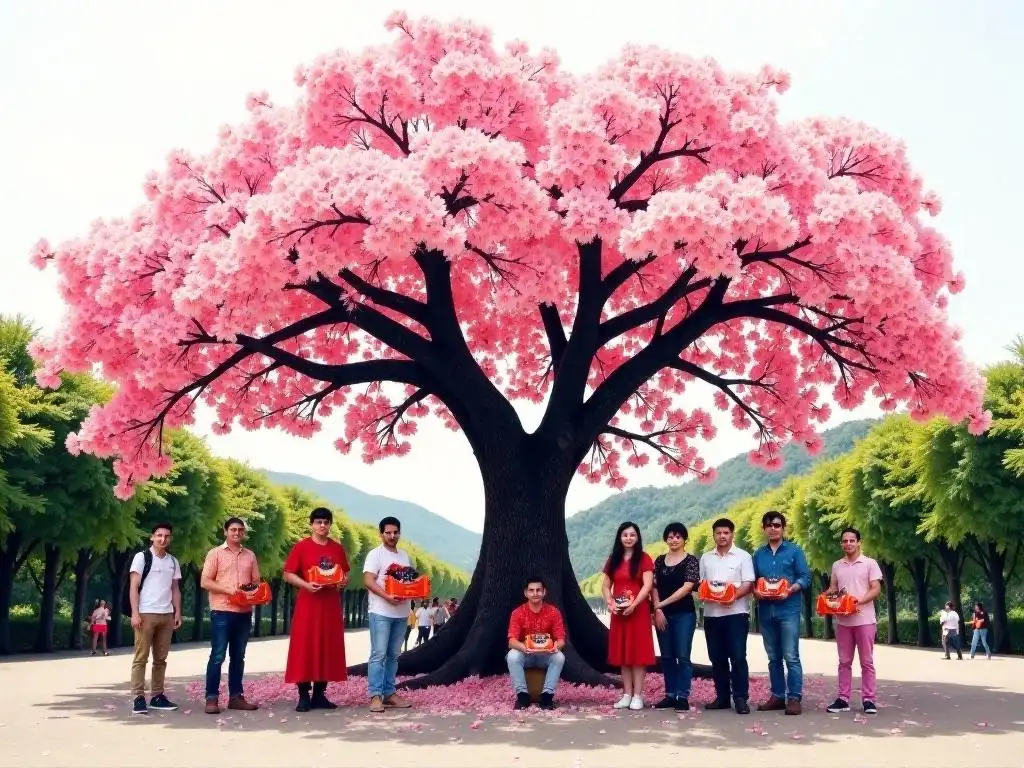
This connection to nature was often reflected in the leisure activities of the time, such as cherry blossom viewing ( hanami) or moon viewing ( tsukimi), where poetry would be composed in response to the surrounding environment.
These activities allowed participants to engage with nature while fostering a deeper appreciation for its beauty through poetry. As they gathered under blooming cherry trees or gazed at the full moon, individuals would often compose and share poems, capturing their feelings and observations in verse. This interplay between nature and poetry not only enriched leisure activities but also reinforced cultural values that emphasized harmony with the environment and the importance of appreciating life's fleeting moments.
Poetry has played a pivotal role in shaping the cultural landscape of social gatherings in feudal Japan. It acted as a unifying force, bridging gaps between different social classes and fostering a sense of shared identity among participants. Through the medium of poetry, individuals could express their thoughts, feelings, and experiences, contributing to a collective cultural narrative that transcended personal differences.
By incorporating poetry into social gatherings, communities were able to cultivate a rich artistic tradition that celebrated creativity and collaboration. This cultural impact extended beyond mere entertainment, influencing other aspects of daily life, including the arts, philosophy, and even political discourse. Poetry thus became a vital component of social gatherings, serving as both a reflection of societal values and a catalyst for cultural exchange.
Poetry as a Reflection of Society and Values
In feudal Japan, poetry often mirrored the social values and norms of the time, providing insight into the collective consciousness of its people. Poets used their craft to comment on various aspects of life, including love, duty, nature, and the human experience. The themes explored in their works often aligned with the prevailing ideals of the samurai code, such as honor, loyalty, and the appreciation of beauty.
During social gatherings, the recitation of poetry allowed individuals to engage in discussions about societal issues and personal dilemmas, reinforcing the idea that poetry was not just an art form but a means of exploring and reflecting upon the human condition. By sharing their verses, poets contributed to a dialogue that fostered a deeper understanding of societal values and personal experiences, making poetry an essential facet of social gatherings in feudal Japan.
The Legacy of Japanese Poetry in Modern Social Gatherings
The enduring legacy of Japanese poetry continues to influence modern social gatherings, where poetry remains a cherished tradition. Contemporary events often include poetry readings, collaborative writing sessions, and thematic competitions, echoing the customs of the past. The appreciation for poetic expression has persisted, as individuals seek to connect with each other through shared literary experiences.
Moreover, the themes and styles developed in feudal Japan still resonate today, with many modern poets drawing inspiration from the rich history of Japanese poetry. The integration of poetry into contemporary leisure activities serves to reinforce cultural identity and continuity, allowing new generations to appreciate the beauty and significance of poetic expression within social contexts. As such, the legacy of Japanese poetry endures, affirming its vital role in fostering connections and enriching the cultural landscape of society.
Conclusion
The role of poetry in the social gatherings and leisure activities of feudal Japan is a rich tapestry woven with cultural values, aesthetic expression, and social cohesion. Poetry was not merely an art form; it was an essential means of communication that transcended the spoken word, allowing individuals to express their innermost feelings, experiences, and philosophies. From the elegant verses of the waka to the playful spirit of haiku, poetry infused social interactions with depth and meaning, fostering connections among participants.
The Enduring Significance of Japanese Poetry in Daily Life
Japanese poetry has held a prominent place in the daily lives of people throughout history, serving as a medium through which emotions and societal values were articulated. The communal act of composing and reciting poetry during gatherings created bonds among participants, reinforcing social ties and shared cultural identities. This practice not only enriched personal relationships but also contributed to the preservation of historical narratives and cultural traditions.
Throughout the centuries, poetry has been an integral part of various celebrations, rituals, and festivals. It has the power to evoke nostalgia, celebrate nature’s beauty, and reflect on the transient nature of life, themes that resonate deeply within Japanese culture. The enduring significance of poetry can be seen in modern times as well, where traditional forms continue to inspire contemporary poets and enthusiasts, ensuring that the spirit of Japanese poetry remains alive in social contexts.
Final Thoughts on Poetry’s Role in Social Gatherings and Leisure Activities
The integration of poetry into social gatherings and leisure activities during the feudal era of Japan highlights its multifaceted role in society. It served not only as entertainment but also as a means of fostering intellectual engagement and emotional expression. The shared experience of poetry recitation and composition brought individuals together, creating a sense of community and camaraderie.
As we reflect on the significance of these practices, it becomes clear that poetry is more than just words; it is a reflection of the human experience, a tool for connection, and a vessel of culture. The legacy of poetry in Japan continues to inform our understanding of social interaction and artistic expression, reminding us of the timeless power of words to unite people across generations and social classes. Thus, the tradition of Japanese poetry in social gatherings remains a vital part of the cultural heritage, celebrating the nuances of life through the beauty of language.
- Introduction to Japanese Poetry in Social Contexts
- The Role of Poetry in Social Gatherings
- Leisure Activities and Poetry
- Cultural Impact of Poetry in Social Gatherings
- Conclusion
- What role did poetry play in social gatherings during feudal Japan?
- How did Japanese poetry contribute to leisure activities in historical Japan?
- Were there specific poetry forms popular in social settings during feudal Japan?
- How did social etiquette influence poetry during gatherings?
- What impact did poetry have on the cultural identity of feudal Japan?
Frequently Asked Questions
Poetry was central to social gatherings, serving as a medium for expression and entertainment. It fostered connections among attendees and showcased one’s literary skills.
How did Japanese poetry contribute to leisure activities in historical Japan?
Japanese poetry, especially forms like haiku and tanka, was often recited during leisure activities, enhancing the cultural experience and promoting artistic appreciation among participants.
Yes, tanka and haiku were particularly favored in social settings, as their brevity and emotional depth made them suitable for spontaneous recitation and sharing.
Social etiquette dictated that poetry be crafted with sensitivity and care. Participants were expected to respect themes and emotions, ensuring that the poetry reflected the nuances of social interactions.
What impact did poetry have on the cultural identity of feudal Japan?
Poetry was a vital component of cultural identity, reflecting values, traditions, and aesthetic sensibilities of the time. It played a key role in shaping the collective consciousness of Japanese society.
The significance of poetry in social gatherings and leisure activities cannot be overstated; it serves as a bridge that connects individuals through shared experiences and emotions. In today's fast-paced world, where digital interactions often overshadow face-to-face connections, the timeless art of Japanese poetry reminds us of the beauty found in simplicity and the profound impact of words. Poetry has the unique ability to evoke feelings, spark conversations, and create lasting memories, making it an essential element of social gatherings.
Culturally, Japanese poetry has influenced not just the literary landscape but also the way we engage with one another in social settings. The practice of reciting haiku or tanka during gatherings fosters a sense of community and encourages participants to express their thoughts and feelings in a creative manner. As poet Matsuo Bashō once said, Do not seek to follow in the footsteps of the wise; seek what they sought.
This sentiment resonates deeply today, as we continue to explore the depths of human connection through poetry, reminding us that the act of sharing our voices can lead to greater understanding and empathy.
As you reflect on the role of poetry in your own social interactions, consider how you might incorporate this art form into your gatherings. Invite your friends and family to share their favorite poems, or even compose your own together. By embracing the beauty of Japanese poetry, you not only enrich your leisure activities but also cultivate deeper connections with those around you. Let the words of poets inspire you to create moments of joy, reflection, and unity in your life, ensuring that the legacy of poetry continues to thrive in our social landscapes.
Embrace the Power of Poetry Today!
Thank you for exploring the enchanting world of poetry and its significance in social gatherings and leisure activities. We hope you gained valuable insights into how this timeless art form can enrich our connections and experiences. Now, let’s harness that inspiration and take action!
- Start a Poetry Circle: Gather friends or family to create a space where everyone can share their favorite poems or even their own creations.
- Explore Local Poetry Events: Look for nearby literary festivals, open mic nights, or community gatherings that celebrate and share poetry.
- Share Your Insights: Discuss what you learned from this article with your social circles; you never know who might be inspired to delve deeper into poetry!
How will you incorporate poetry into your next gathering? We invite you to share your thoughts below!