
Divorce and Separation: Navigating Family Conflicts in Feudal Japan


Welcome to Feudal Japan History, where we invite you to journey through the intriguing complexities of Japan's feudal era. Have you ever wondered how family conflicts shaped daily life and society during this pivotal time? In our featured article, "Divorce and Separation: Navigating Family Conflicts in Feudal Japan," we delve into the personal struggles that unfolded behind the shoji screens and the societal implications that rippled through the samurai classes and beyond.
Prepare to uncover the rich tapestry of relationships, power dynamics, and the often tumultuous paths of love and duty that defined an era. Join us as we explore these captivating narratives and much more!
- Introduction to Family Conflicts in Feudal Japan
- Historical Context of Family Conflicts in Feudal Japan
- Causes of Family Conflicts in Feudal Japan
- The Process of Divorce in Feudal Japan
- Case Studies of Notable Family Conflicts
- Consequences of Divorce and Separation
- Conclusion: The Legacy of Family Conflicts in Feudal Japan
- Frequently Asked Questions
- Final Reflection: Understanding Family Conflicts in Feudal Japan and Their Lasting Legacy
- Navigate Your Journey Through Feudal Family Dynamics!
Introduction to Family Conflicts in Feudal Japan
The concept of family in feudal Japan was deeply intertwined with social hierarchies, cultural expectations, and the prevailing values of loyalty and duty. Family conflicts during this era were not merely personal disputes; they often reflected broader societal issues, such as the struggle for power, inheritance disputes, and the rigid roles ascribed to each family member.
Understanding these conflicts, particularly in terms of divorce and separation, sheds light on the complexities of familial relationships and societal norms in feudal Japan. This article aims to navigate the intricate dynamics of family conflicts in this historical context, exploring how divorce and separation were perceived and managed within the framework of feudal society.
Overview of Family Structures in Feudal Japan
In feudal Japan, family structures were predominantly patriarchal, with the head of the household—typically the eldest male—holding significant authority. Families were often extended, incorporating multiple generations under one roof, which further complicated familial relationships. Key characteristics of family structures during this period include:
- Patrilineal Descent: Inheritance and lineage were traced through the male line, which significantly influenced family dynamics and conflicts.
- Roles and Responsibilities: Each family member had specific duties, with men typically responsible for external affairs and women managing the household.
- Marriage Arrangements: Marriages were often arranged for political or economic reasons, rather than for love, leading to potential discontent and conflicts within the marriage.
This structured family unit, while providing stability, could also be a source of tension, particularly when expectations were unmet or when personal desires clashed with familial obligations.
Importance of Understanding Divorce and Separation in Historical Context
Exploring divorce and separation in feudal Japan is crucial for several reasons:
- Cultural Insights: Examining how families navigated conflicts reveals the cultural values of loyalty, honor, and social duty that permeated everyday life.
- Social Dynamics: Understanding the mechanisms of divorce and separation provides insight into the social hierarchies and power dynamics that influenced family relationships.
- Legal Framework: The historical context of divorce laws and practices offers a glimpse into how societal norms shaped personal lives, reflecting the complexities of navigating family conflicts in a rigidly structured society.
By delving into these aspects, we can gain a deeper appreciation for the societal fabric of feudal Japan and the enduring impact of family conflicts on its historical trajectory.
Historical Context of Family Conflicts in Feudal Japan
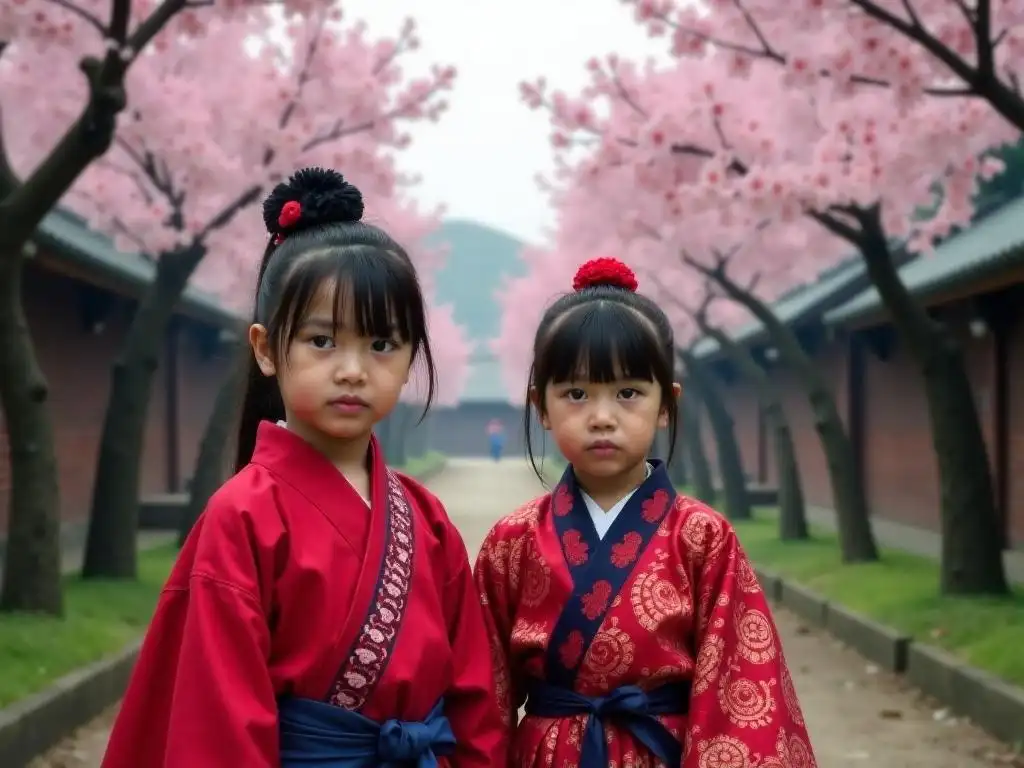
The Role of Marriage in Feudal Society
In feudal Japan, marriage was primarily viewed as a strategic alliance rather than a romantic union. Families aimed to strengthen their social status, economic power, and political ties through carefully arranged marriages. This practice meant that individual desires often took a backseat to familial obligations.
- Arranged Marriages:
- Parental Control: Parents typically selected spouses, often prioritizing compatibility with clan interests.
- Economic Considerations: Marriages were often negotiated with dowries or land exchanges, underscoring the economic motivations behind these unions.
- Roles and Responsibilities:
- Husbands: Expected to provide for the family and uphold the family honor.
- Wives: Tasked with managing the household and raising children, often facing significant pressure to bear sons.
The institution of marriage thus became a focal point of family conflicts. Disputes over property, infidelity, or failure to produce heirs could lead to significant tensions within families, laying the groundwork for potential separations or divorces.
Legal Framework Governing Divorce in Feudal Japan
The legal mechanisms surrounding divorce in feudal Japan were complex and varied by period and social class. Understanding the legalities is crucial for grasping the nature of family conflicts during this era.
- Types of Divorce:
- Divorce by Mutual Consent: Known as rikon, couples could agree to separate amicably, often involving negotiations regarding property and children.
- Divorce by Repudiation: A husband could unilaterally divorce his wife, often justified by her failure to fulfill her duties.
- Conditions and Procedures:
- Documentation: Legal divorces required written contracts, often detailing the terms of separation and custody arrangements.
- Judicial Oversight: In some cases, local magistrates would become involved to arbitrate disputes, reflecting the importance of legal structures in resolving family conflicts.
- Impact on Women:
- Limited Rights: Women faced significant disadvantages in divorce proceedings. Their social standing diminished post-divorce, often relegating them to lower social classes, which could exacerbate family conflicts.
The legal framework surrounding divorce thus served as both a tool for resolution and a mechanism that could intensify familial strife, particularly for women who found themselves navigating a patriarchal system.
Despite the legal provisions for divorce, social stigma played a significant role in shaping perceptions of family conflicts in feudal Japan. Cultural beliefs and societal norms heavily influenced how divorces were viewed.
- Cultural Views on Marriage:
- Sacred Union: Marriage was often seen as a sacred bond, leading to societal disapproval of separations that deviated from traditional norms.
- Family Honor: Divorce could tarnish a family's reputation, leading to ostracism within the community.
- Gendered Perspectives:
- Women's Shame: Women faced particularly harsh judgments for divorce, as they were often seen as failing in their primary role of maintaining the family unit.
- Men's Justification: Conversely, men might be viewed more leniently, as societal norms often granted them greater autonomy and control over marital decisions.
- Consequences of Stigma:
- Social Isolation: Divorced individuals, especially women, often faced social isolation, which could lead to compounded family conflicts.
- Economic Hardship: The stigma surrounding divorce could result in economic difficulties for the divorced, necessitating further familial strife.
The cultural perceptions of divorce and separation in feudal Japan were marked by deep-rooted social stigmas that significantly influenced familial relationships and conflicts, revealing the complexities surrounding the institution of marriage and the consequences of divorce.
Causes of Family Conflicts in Feudal Japan
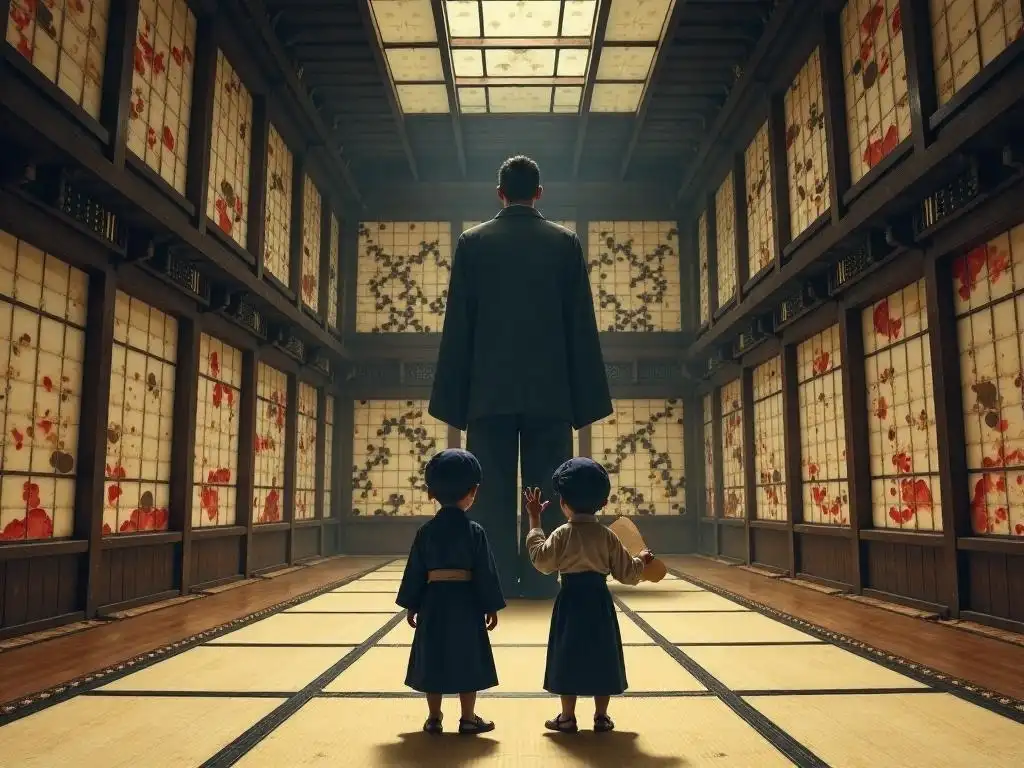
Economic Factors Leading to Divorce
Economic factors played a significant role in family conflicts during feudal Japan, where social status and wealth were closely tied to lineage and land ownership. In this hierarchical society, property disputes often led to tensions within families. When an inheritance was at stake, disputes could arise regarding the division of land or other assets, leading to conflicts between siblings or between spouses.
- Land Ownership: The samurai class, in particular, faced pressures to maintain their estates. If a marriage was not producing heirs or if financial support was lacking, a husband might seek divorce to marry someone who could provide better economic stability.
- Dowries and Financial Support: The practice of dowries could also lead to tensions. If a woman's family failed to provide an adequate dowry or if the husband's financial situation deteriorated, it could precipitate a separation. Economic hardships often prompted men to seek new alliances, undermining the existing marital bond.
The impact of these economic factors was profound, as they intertwined with the social and cultural norms of the period, shaping family dynamics and leading to conflicts that could result in divorce.
Political Alliances and Marital Disputes
In feudal Japan, marriages were often used as tools for forging political alliances, making them a significant source of family conflict. The strategic nature of marital unions meant that personal feelings were frequently secondary to political expediency.
- Arranged Marriages: Families often arranged marriages to strengthen their political power, which could lead to resentment if one partner felt trapped in an alliance that did not serve their interests. For instance, a woman married into a powerful clan might find herself at odds with her new family, leading to tensions that could culminate in divorce.
- Betrayal and Loyalty: Marriages could also be strained by issues of loyalty. If one partner acted against the family's political interests or was suspected of treachery, it could incite conflict. In some cases, these disputes escalated to the point of divorce, as maintaining a political alliance could become more important than the marital relationship.
Political alliances often dictated the course of family life, making it essential for couples to navigate their personal relationships carefully within the broader context of feudal obligations and expectations.
Personal Relationships and Emotional Strain
The emotional landscape of family life in feudal Japan was complex, with personal relationships often fraught with strain. The expectations placed upon individuals within the family structure could lead to significant emotional conflicts.
- Gender Roles: Traditional gender roles dictated that women were expected to be obedient and submissive, which could create emotional turmoil if they felt oppressed. This dissatisfaction could manifest as conflict within the marriage, particularly if a woman sought to assert her autonomy or express her discontent.
- Infidelity: Infidelity was another source of emotional strain. Samurai men, in particular, often took concubines, which could lead to jealousy and conflict with their wives. The emotional fallout from such relationships could lead to separations, as women struggled to cope with the societal norms that allowed their husbands such liberties while expecting loyalty in return.
The emotional dimensions of family conflicts in feudal Japan were not only personal but also deeply rooted in the societal expectations of the time. Understanding these aspects provides a nuanced view of the complex interplay between personal relationships and the broader societal structures that governed family life in this era.
The Process of Divorce in Feudal Japan

Traditional Practices and Rituals of Divorce
Divorce in feudal Japan was not merely a legal process but also steeped in cultural traditions and rituals that reflected the societal norms of the time. The customs surrounding divorce varied by region and class but generally adhered to several common practices.
- Types of Divorce:
- Kōsai: This type of divorce was initiated by the husband and typically involved a formal declaration. It was more common among samurai families.
- Tōshi: In contrast, this divorce initiated by the wife was often less favored and could carry social stigma.
- Rituals:
- Ceremonial Acts: Rituals often included the return of gifts and dowries. For instance, the wife would return her muko-dai (bride price) and any wedding gifts.
- Divorce Ceremony: A divorce could involve a small ceremony where both parties would formally announce their separation in front of family and friends, emphasizing that the decision was mutual and socially accepted.
- Social Implications:
- The divorced parties often faced societal repercussions. For women, divorce could lead to diminished status and challenges in remarriage, while men might have to contend with questions regarding their honor and the family lineage.
These practices underscore the complex interplay between personal choice and societal expectations in navigating family conflicts in feudal Japan.
Legal Procedures for Separation in Feudal Japan
The legal framework surrounding divorce in feudal Japan was intricate, varying significantly between classes and regions. While some divorces could be resolved through personal agreements, more formal legal mechanisms were also in place.
- Documentation:
- A written document outlining the terms of the divorce was often required. This document served to protect the rights and responsibilities of both parties, particularly regarding property and children.
- Court Involvement:
- In cases where disputes arose, families might involve local courts, especially in samurai households. The court could mediate the separation and ensure that both parties adhered to the agreed-upon terms.
- Examples of Court Judgments: Various historical records indicate that disputes were sometimes resolved through arbitration, with judges taking into account the social standing of each party.
- Property Rights:
-
The division of property was a significant aspect of the legal procedures. Generally, women retained control over their dowries, while men kept lands and other assets acquired during the marriage.
-
Table of Property Division:
Property Type Husband Wife Dowry Return required Retained Household Goods Divided Shared Land and Estates Retained N/A
-
Legal procedures, while formal, were often influenced by the prevailing social customs, highlighting the intersection of law and tradition in managing family conflicts.
Role of Mediators and Family Elders in Conflict Resolution
Mediators and family elders played a crucial role in resolving family conflicts, including those leading to divorce in feudal Japan. Their influence was essential in maintaining social harmony and mitigating disputes.
- Mediators:
- Often, a respected community member or a family elder would act as a mediator. Their role was to facilitate discussions between the conflicting parties, helping them to reach a mutually acceptable agreement.
- Skills of a Mediator: Effective mediators were typically skilled in negotiation and conflict resolution, understanding the cultural nuances that could impact discussions.
- Family Elders:
- Elders held significant authority within families and communities. Their involvement was critical, as they could provide wisdom and guidance based on their life experiences.
- Decision-Making Power: In many cases, the decisions made by family elders were final and respected by both parties, reinforcing family bonds and societal structures.
- Community Involvement:
- The mediation process often involved community members, reflecting the communal nature of feudal Japanese society. This collective approach served to reinforce social norms and expectations around marriage and family structure.
The role of mediators and family elders was pivotal in navigating family conflicts in feudal Japan, helping to resolve issues amicably and maintain social cohesion.
Case Studies of Notable Family Conflicts
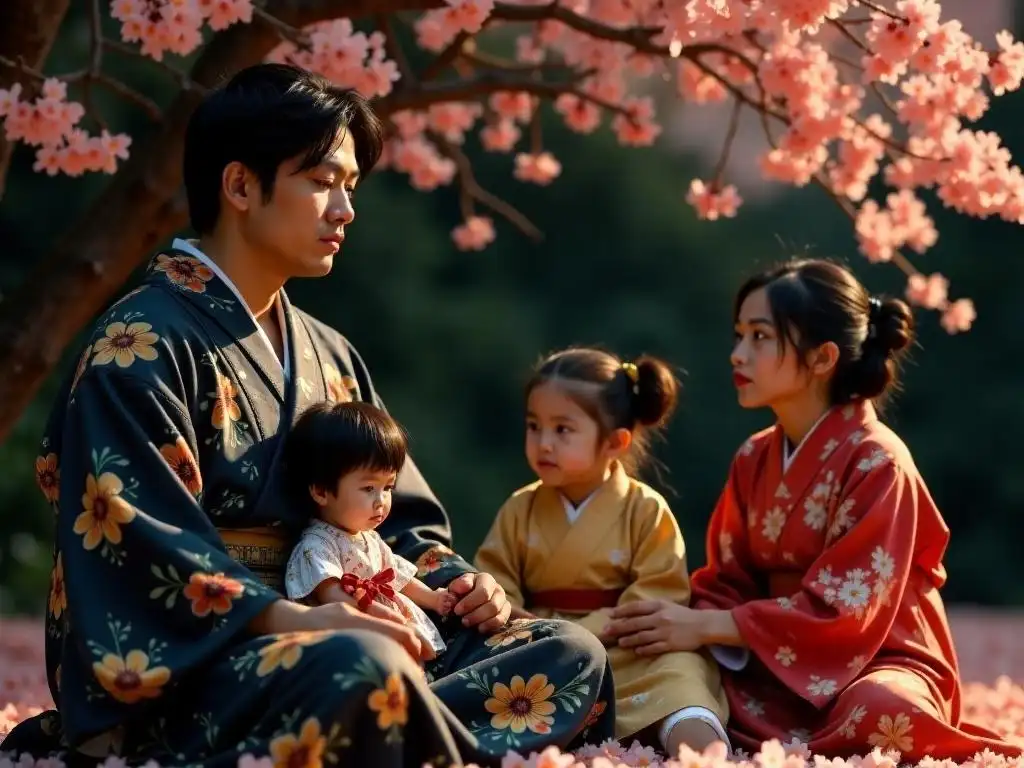
Example 1: The Divorce of Ashikaga Takauji and Hojo Masako
Background of the Conflict
The divorce between Ashikaga Takauji and Hojo Masako is a significant event in the annals of feudal Japan, illustrating the intricacies of family conflicts during this era. Ashikaga Takauji, the founder of the Ashikaga shogunate, married Hojo Masako, a member of the powerful Hojo clan, in the early 14th century. Their union was politically motivated, aimed at uniting two influential families to strengthen alliances.
However, as Takauji sought to consolidate power, tensions arose due to conflicting interests and loyalty to their respective clans. Masako’s loyalty to her family and her role as a political player became points of contention, leading to a complex web of familial strife.
Resolution and Its Impact on Society
The resolution of this conflict was marked by a dramatic divorce that not only affected the personal lives of Takauji and Masako but also had wider implications for feudal Japan. Following the separation, Hojo Masako retained significant influence, leveraging her lineage to maintain power within the political arena. The divorce highlighted the role of women in feudal Japan, as Masako continued to wield authority despite her marital dissolution. This situation resonated throughout society, demonstrating that even in separation, women could navigate and influence the political landscape, ultimately contributing to the evolving roles of women in feudal Japan.
Example 2: The Disputes of the Fujiwara Clan
Background of the Conflict
The Fujiwara clan, one of the most powerful families in feudal Japan, experienced significant internal strife that underscores the theme of family conflicts in feudal Japan. The disputes often revolved around succession issues, power struggles, and the distribution of wealth among the clan's members. As the clan sought to maintain its influence over the imperial court, rival factions emerged, each vying for control and favor from the emperor. These conflicts were exacerbated by marriages that were arranged to forge alliances, often leading to betrayal and factionalism within the family.
Resolution and Its Impact on Society
The resolution of the Fujiwara disputes was complex and often resulted in temporary alliances or further fragmentation. The clan's internal conflicts ultimately weakened its power, leading to a decline in influence by the late Heian period. This decline had significant societal implications, as it opened the door for the rise of the samurai class and the subsequent establishment of the shogunate system.
The power struggles within the Fujiwara clan exemplified how family conflicts could reshape the political landscape in feudal Japan, marking a transition from aristocratic rule to a more militarized society. This transition also influenced cultural norms surrounding family loyalty, honor, and the role of individual ambition in a hierarchical society.
Consequences of Divorce and Separation
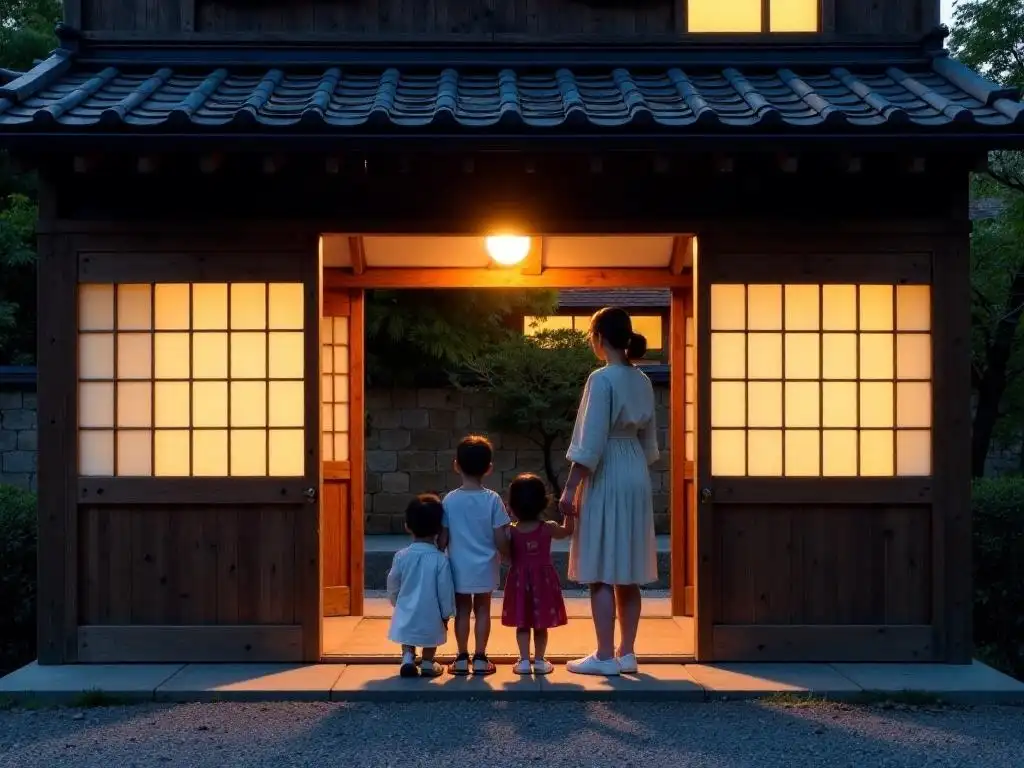
Impact on Women and Children in Feudal Japan
Divorce and separation in feudal Japan had profound consequences for women and children, often marking significant shifts in their social status and living conditions. Women, particularly those of the samurai class, faced a unique set of challenges post-divorce. The societal expectation that they would maintain loyalty and obedience to their husbands meant that a divorce could lead to considerable stigma. Even though women could initiate divorce under certain conditions, such as neglect or infidelity, they often found themselves ostracized or economically disadvantaged.
- Economic Stability: Many women lacked access to financial resources or land ownership, which made their situation precarious after separation. Typically, property was passed down through male lineage, leaving divorced women with little to no support.
- Custody and Upbringing of Children: The custody of children in divorce cases typically favored fathers, especially in samurai families. Mothers often lost their rights to raise their children, which had lasting emotional impacts on both parties. Children raised in such fractured environments faced uncertainty, affecting their future roles in society.
Societal Changes and Shifts in Family Dynamics
Family dynamics in feudal Japan were heavily influenced by the social and economic ramifications of divorce and separation. As these cases became more visible, certain societal changes began to emerge, slowly reshaping traditional views on family structures.
- Increased Autonomy for Women: Over time, some women began to assert greater independence. The rise of merchant classes allowed women to engage in trade and business, giving them more agency and the ability to support themselves post-separation.
- Changing Perceptions of Marriage: As divorce became more common, attitudes towards marriage began to shift. The concept of marriage evolved from a mere social contract to one that included personal satisfaction and emotional connection. This change laid the groundwork for future generations, challenging the notion of marriage solely as a duty.
Long-term Effects on Family Structures in Feudal Society
The consequences of divorce and separation extended beyond immediate impacts, leading to long-term changes in family structures within feudal society. As these changes unfolded, the traditional family unit faced increasing pressure to adapt to new societal norms.
- Shift in Family Roles: The roles within families began to diversify as women took on more responsibilities outside the home. This shift contributed to a gradual redefinition of gender roles, which impacted future generations.
- Emergence of Alternative Family Structures: With the rise of divorce rates, alternative family structures began to take shape, including blended families and single-parent households. These variations challenged the rigid family model that had dominated feudal Japan, paving the way for more flexible family arrangements.
The consequences of divorce and separation in feudal Japan were significant, affecting women, children, and the overall structure of families within society. As these changes unfolded, they contributed to a gradual evolution of societal norms, ultimately leading to a more complex understanding of family dynamics that would influence future generations.
Conclusion: The Legacy of Family Conflicts in Feudal Japan
Reflections on Divorce and Separation in Historical Context
The complexities of family conflicts in feudal Japan were deeply intertwined with the social, political, and economic structures of the time. Divorce and separation were not merely personal matters; they were influenced by family obligations, social status, and the rigid class hierarchies that defined the era. In many cases, marriages were strategic alliances designed to strengthen familial ties and consolidate power. Consequently, the dissolution of such unions could lead to significant ramifications not only for the individuals involved but also for their extended families and clans.
In the context of samurai families, divorce could serve as a means to maintain honor and reputation. If a marriage was deemed unsuccessful, a samurai could seek a divorce to preserve his standing in society. The process was often formalized through a set of rituals and agreements, ensuring that both parties could part ways with dignity. Notably, the primary grounds for divorce included issues such as infertility, infidelity, or failure to fulfill familial duties. This structured approach to divorce reflects the prioritization of social cohesion and familial loyalty over individual desires.
Additionally, women's roles in divorce proceedings were complex. While samurai men had the power to initiate divorce, women often faced societal stigmas that could limit their options post-separation. This imbalance highlights the gendered nature of family conflicts in feudal Japan, where women were frequently caught in the crossfire of societal expectations and familial obligations. As a result, many women sought refuge in their natal families or turned to the support of other women to navigate the challenges of separation.
Relevance to Contemporary Understanding of Family Conflicts in Japan
Understanding family conflicts in feudal Japan offers valuable insights into contemporary Japanese society and its enduring cultural norms. The historical perspectives on divorce and separation continue to resonate today, as modern Japan grapples with issues of marital stability, gender roles, and family dynamics. While the legal framework surrounding divorce has evolved, many cultural attitudes remain influenced by the past.
In contemporary Japan, the stigma surrounding divorce persists, albeit to a lesser degree than in feudal times. Many individuals still face societal pressures to maintain family cohesion, often prioritizing the collective over the individual's well-being. This can lead to conflicts within families, echoing the historical struggles faced by individuals in feudal Japan. Additionally, the legacy of gender inequality in marriage persists, with women often bearing the brunt of societal expectations related to family responsibilities.
Moreover, the historical context of family conflicts provides a framework for understanding modern legal and social reforms aimed at addressing these issues. As Japan continues to navigate the complexities of family life, the lessons learned from the feudal era can inform discussions about gender equality, parental rights, and the evolving nature of family structures.
The study of family conflicts in feudal Japan not only sheds light on the historical practices and societal norms of the time but also serves as a lens through which we can examine contemporary family dynamics and challenges. Understanding this legacy allows us to appreciate the progress made while recognizing the ongoing complexities that shape family life in Japan today.
Frequently Asked Questions
What were common causes of family conflicts in feudal Japan?
Family conflicts in feudal Japan often arose from issues such as inheritance disputes, marital discord, and clan rivalries, which were exacerbated by the strict social hierarchy.
How did divorce function in feudal Japan?
In feudal Japan, divorce was more socially acceptable than in many cultures, often initiated by men for reasons like infidelity or incompatibility, while women could also seek separation under specific circumstances.
What role did women play in family conflicts during this period?
Women in feudal Japan had limited rights but could influence family dynamics through roles as mothers or wives, and they sometimes played crucial parts in resolving disputes or securing alliances.
How did societal norms impact divorce rates in feudal Japan?
Societal norms played a significant role in divorce rates; while divorce was permissible, stigma often surrounded it, particularly for women, affecting their social standing and options.
What were the legal aspects of divorce in feudal Japan?
The legal aspects of divorce in feudal Japan included formal procedures outlined in clan rules, where contracts and documentation were necessary to validate the separation, ensuring protection of property rights.
Final Reflection: Understanding Family Conflicts in Feudal Japan and Their Lasting Legacy
The exploration of family conflicts in feudal Japan reveals a complex tapestry of human relationships that resonates deeply with our contemporary society. As we dissect the intricacies of divorce and separation during this historical period, we uncover not only the struggles faced by individuals but also the societal norms that shaped their experiences. This understanding prompts us to reflect on how family dynamics have evolved yet remain a pivotal aspect of our lives today.
Culture and society are inextricably linked, and the legacy of family conflicts in feudal Japan continues to influence our perceptions of relationships. The historical context of divorce and separation sheds light on the enduring nature of familial disputes, illustrating that while the settings may change, the underlying emotions and conflicts often remain the same. History is not just about the past; it is a lens through which we can understand our present.
This quote encapsulates the importance of examining these historical conflicts, as they provide insight into the ongoing challenges families face in navigating their relationships.
As we conclude this exploration, I invite you to reflect on your own familial relationships and the conflicts that may arise within them. Consider how the lessons learned from feudal Japan can inform your approach to resolving disputes and fostering understanding. By embracing the complexities of family dynamics, we can strive for healthier interactions and a deeper appreciation for the bonds that unite us, ultimately transforming our personal narratives and enriching our lives.
Thank you for immersing yourself in the intricate world of family conflicts during Feudal Japan. We hope you found valuable insights into how divorce and separation shaped relationships and societal structures. Now, it’s time to take those insights and put them into action!
Here’s how you can further explore and deepen your understanding of this fascinating topic:
- Dive Deeper into related subjects by reading our articles on the roles of women and the intricacies of social hierarchy in Feudal Japan.
- Share Your Thoughts and engage with our community by commenting below with your perspectives on how cultural norms influence family dynamics in contemporary society.
- Explore the Resources we’ve provided for further research; you might uncover surprising aspects of Japan’s social evolution that challenge your preconceptions!
What aspect of family life during Feudal Japan intrigues you the most, and how do you think it compares to modern family dynamics? We’d love to hear your insights!