
The Impact of Climate Change on the Samurai Economy: Lessons from History


Welcome to Feudal Japan History, where we embark on a captivating journey through the rich tapestry of Japan's feudal era. Here, we delve into the intricate layers of historical, cultural, and societal dynamics that shaped a fascinating period. In our featured article, "The Impact of Climate Change on the Samurai Economy: Lessons from History," we unravel the complex interplay between environmental changes and the economic landscape that supported the legendary samurai.
Are you ready to discover how the forces of nature molded the lives of these formidable warriors? Dive in and explore the lessons that history has to teach us today!
Introduction to the Samurai Economy and Climate Change
The intertwining of economic systems and environmental factors has been a recurring theme throughout history, and the samurai economy of feudal Japan offers a unique lens through which to explore this relationship. This article delves into the impact of climate change on the samurai economy, examining how shifts in climate affected agricultural productivity, resource availability, and the broader societal structure during this pivotal era. Understanding these historical dynamics not only sheds light on the resilience and adaptability of the samurai economy but also provides valuable lessons for contemporary society grappling with similar challenges.
Overview of the Samurai Economy in Feudal Japan
The samurai economy was characterized by a system of land ownership, agriculture, and military service, which played a crucial role in Japan's feudal structure from the 12th to the 19th century. The economy was primarily agrarian, with rice serving as both a staple food and a form of currency. Key features included:
- Daimyo and Land Management: Powerful feudal lords, known as daimyo, controlled vast estates and relied on the labor of peasants. The wealth of a daimyo was largely determined by the productivity of their lands.
- Social Hierarchies: The samurai class was at the top of the social structure, serving as warriors and retainers to the daimyo. Below them were the peasants, artisans, and merchants, each playing a vital role in sustaining the economy.
- Trade and Commerce: While agriculture was predominant, trade networks began to flourish, allowing for the exchange of goods and resources, which further stimulated economic growth.
Definition of Climate Change and Its Historical Context
Climate change refers to significant alterations in temperature, precipitation patterns, and other atmospheric conditions over extended periods. In the context of Japan's feudal era, climate change manifested through various climatic shifts and extreme weather events that had profound implications for agriculture, livelihoods, and the samurai economy. Historical contexts of climate change during this period include:
- Natural Variability: Fluctuations in climate due to natural phenomena such as volcanic eruptions and ocean currents.
- Human Adaptation: Societies' responses to changing environments, including shifts in agricultural practices and resource management strategies.
Historical Climate Patterns in Japan

Understanding the historical climate patterns during the samurai era is essential to grasp the impact on the economy. Detailed analysis reveals notable trends that influenced agricultural yields and societal stability.
Analysis of Climate Trends During the Samurai Era
Research indicates that the samurai era was marked by several distinct climate phases, including:
- The Medieval Warm Period (circa 800-1300): Characterized by warmer temperatures, which facilitated agricultural expansion and increased productivity.
- The Little Ice Age (circa 1300-1850): A period of cooler temperatures that led to crop failures, famine, and social unrest, significantly affecting the samurai economy.
These trends demonstrate the direct correlation between climate variations and economic stability, illustrating how the samurai economy adapted to environmental changes.
Major Climatic Events and Their Effects on Society
Several major climatic events had a lasting impact on feudal Japan's society and economy:
- The Ansei Great Earthquake (1855): Triggered a series of disasters, exacerbating agricultural difficulties and leading to widespread suffering among the samurai and peasant classes.
- Severe Droughts and Floods: These events disrupted rice production, leading to food shortages and increased social tensions, which ultimately influenced the power dynamics within the feudal system.
By examining these climatic events, we can gain insight into the resilience of the samurai economy and the lessons it offers in the face of contemporary climate challenges.
The Samurai Economy: Structure and Components
The samurai economy during Japan's feudal era was intricately structured, highlighting the complex interplay between agriculture, trade, and the inherent societal obligations of the samurai class. Central to this economy was the reliance on agrarian practices, which formed the backbone of sustenance for both the samurai and the peasantry. Agriculture not only provided food but also generated surplus for trade and tribute.
The samurai, as both warriors and landowners, played a vital role in this economy. They were responsible for the management of agricultural lands and the collection of taxes from the peasants who worked these lands. In return for protection and governance, samurai received loyalty and service from the peasantry. This relationship fostered a self-sufficient economy, where resource management and agricultural productivity were paramount.
Trade and commerce further diversified the samurai economy. Local markets facilitated the exchange of goods, not only agricultural products but also manufactured items, textiles, and luxury goods that catered to the samurai class. The ebb and flow of trade routes were influenced by external factors, including climate, which could disrupt supplies and alter economic stability.
Agricultural Practices and Climate Dependency
Agricultural practices in feudal Japan were deeply intertwined with the climate, as the success of crops was largely dependent on weather conditions. Rice, considered the staple food, was cultivated in paddy fields that required specific climatic conditions for optimal growth. Variations in rainfall, temperature, and seasonal changes significantly impacted agricultural yield.
The samurai economy's dependency on agriculture made it vulnerable to climate fluctuations. Historical records indicate that periods of drought or excessive rainfall could lead to crop failures, which not only threatened food security for samurai and peasants alike but also jeopardized the tax revenues collected by the samurai. During these times, the samurai had to navigate the challenges of resource scarcity while maintaining their feudal obligations.
Innovations in agricultural techniques, such as irrigation and crop rotation, were implemented to mitigate the impact of adverse climatic conditions. However, the inherent unpredictability of nature meant that even the best practices could fall short in the face of drastic climatic events.
Trade and Commerce: Navigating Climate Challenges
The samurai economy also relied heavily on trade and commerce, which were crucial for sustaining economic stability. However, climate change posed significant challenges to these activities. Natural disasters, such as typhoons and floods, could disrupt trade routes, making it difficult for samurai to acquire necessary resources or sell their goods.
During periods of climate-induced scarcity, trade became a lifeline for many samurai domains. They often had to establish connections with other regions to secure food and materials, leading to a more interconnected economy. However, these relationships were fraught with challenges, as competition for resources intensified, and the samurai had to balance their roles as both traders and protectors of their lands.
Moreover, the rise of merchant classes began to shift the traditional power dynamics within Japanese society. As commerce flourished, some samurai found it necessary to adapt to the changing economic landscape, leading to a gradual evolution in their roles within the economy.
Feudal Obligations and Resource Management
Feudal obligations defined the relationship between samurai and their vassals, influencing resource management practices. The samurai were not only warriors but also administrators who needed to ensure that their lands were productive and that their people were well taken care of. This dual role often required them to make difficult decisions regarding resource allocation, especially during times of climatic distress.
Resource management practices included the careful assessment of land productivity, the implementation of crop rotation, and the maintenance of irrigation systems. Samurai were expected to protect their vassals and ensure their prosperity, which often meant making sacrifices or reallocating resources during times of crisis. This system allowed for a degree of resilience, but it was inherently limited by the external pressures of climate change.
The Impact of Climate Change on the Samurai Economy
The impact of climate change on the samurai economy was profound, with both immediate and long-lasting effects. Shifts in weather patterns could lead to agricultural instability, influencing not only food production but also the broader economic fabric of feudal Japan.
Short-term Effects: Famine and Resource Scarcity
In the short term, climate change manifested in extreme weather events that led to famine and resource scarcity. Droughts, floods, and unseasonable weather patterns disrupted agricultural cycles, resulting in reduced harvests. This scarcity had dire consequences for both the samurai and the peasantry, as food shortages could lead to civil unrest and rebellion among the populace.
Such famines often forced samurai to reassess their strategies for resource management. In many cases, they had to implement rationing measures, seek external aid, or even resort to military action to secure necessary supplies. The immediate pressure of climate-induced famine highlighted the fragility of the samurai economy, exposing vulnerabilities that were not previously acknowledged.
Long-term Implications: Shifts in Power and Economic Stability
The long-term implications of climate change on the samurai economy were marked by significant shifts in power dynamics and economic stability. As climate variability became more pronounced, some samurai clans managed to adapt successfully by diversifying their economic activities, while others faced decline due to their inability to cope with changing conditions.
The rise of powerful merchant classes during periods of economic instability began to challenge the traditional authority of the samurai. As commerce became a more lucrative avenue for wealth accumulation, some samurai found themselves increasingly reliant on trade, leading to a gradual erosion of their feudal power. This shift ultimately contributed to the transformation of Japanese society, paving the way for new economic structures in the subsequent periods.
Case Studies: Notable Events Linked to Climate Change
Several notable historical events illustrate the connection between climate change and the samurai economy. For instance, the Tenmei Famine of the late 18th century was a direct result of poor weather conditions, including excessive rainfall and subsequent flooding, which decimated rice crops. This famine not only affected the peasantry but also severely strained the resources of the samurai, leading to widespread unrest and rebellion.
Another example is the Great Edo Fire of 1657, exacerbated by dry conditions and strong winds. This disaster destroyed vast areas of the capital, disrupting trade and altering economic stability for numerous samurai clans. Such events underscore the importance of understanding the historical context of climate change's impact on the samurai economy, as they provide valuable lessons on resilience and adaptation in the face of environmental challenges.
Lessons from History: Adapting to Climate Challenges
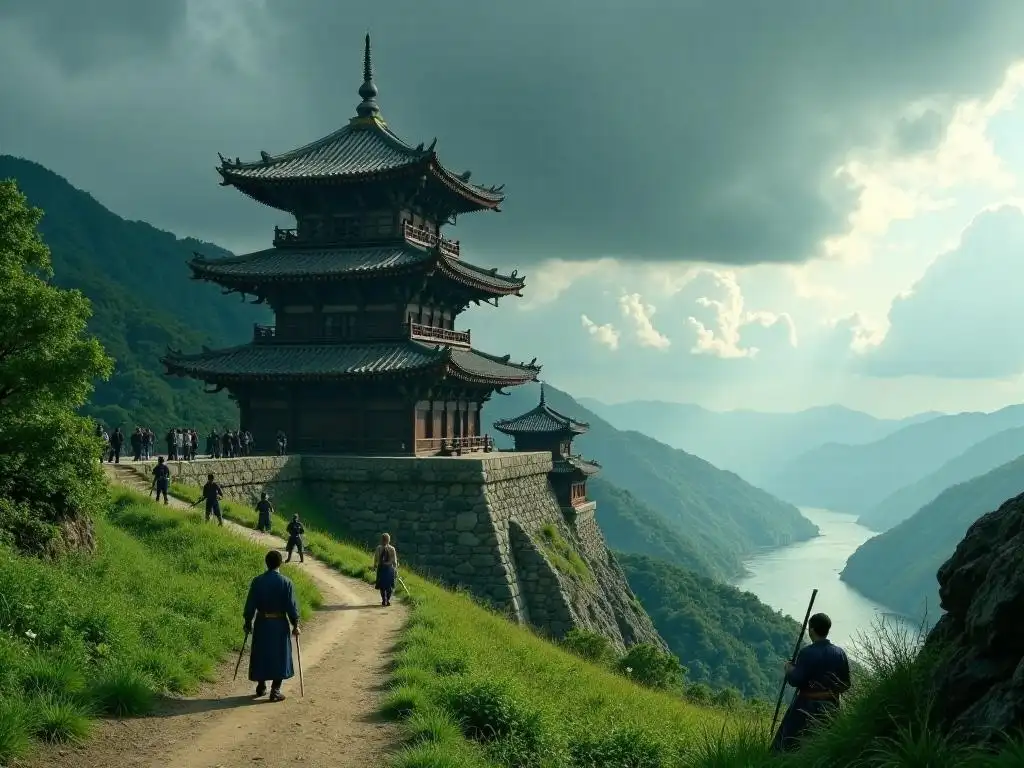
The samurai economy of feudal Japan faced numerous challenges, particularly from climate change, which significantly influenced agricultural productivity, resource availability, and social structures. Historical records reveal how the samurai class and the agrarian society adapted to environmental shifts through resilience strategies that enhanced their economic stability. These adaptations were not merely reactive; they involved proactive measures that shaped agricultural practices, trade routes, and social policies. The lessons learned from this period underscore the importance of adaptability in the face of environmental uncertainty, a principle that remains relevant today.
Resilience Strategies of the Samurai Economy
The samurai economy developed a variety of resilience strategies to cope with the effects of climate change. Key among these was diversification of crops to mitigate risk against poor harvests. By planting a mix of rice, millet, and other grains, samurai landowners could ensure food security even when specific crops failed due to adverse weather conditions. Additionally, the samurai class invested in irrigation systems to optimize water usage during droughts, showcasing their commitment to sustainable agricultural practices.
Moreover, the economic structure relied on robust community networks. The samurai often engaged in cooperative farming practices, distributing resources and knowledge among villagers to enhance productivity. This collaborative approach enabled communities to better withstand economic shocks caused by climatic fluctuations, reinforcing the notion that unity is vital for survival in challenging times.
Innovations and Adaptations in Agriculture
Innovation played a crucial role in the samurai economy’s response to climate change. One significant development was the introduction of new farming techniques and tools. For instance, the use of crop rotation and improved plowing methods allowed for better soil management and increased yield. This innovative spirit also extended to the cultivation of drought-resistant plant varieties, which were essential during periods of low rainfall.
Furthermore, the samurai economy saw advancements in storage techniques that helped preserve surplus harvests, reducing waste during years of abundance and providing a buffer during lean seasons. These adaptations not only improved food security but also contributed to the economic resilience of samurai households and their retainers.
The Role of Governance in Economic Stability
Governance was a pivotal element in maintaining the economic stability of the samurai class amid climate challenges. Feudal lords (daimyōs) implemented policies that incentivized agricultural innovation and supported local economies. By promoting land reforms and investing in infrastructure, such as roads and irrigation systems, they facilitated trade and resource distribution, which were vital during periods of crop failure.
Additionally, the shogunate established grain storage facilities and relief programs to provide aid to communities affected by famine. This proactive governance ensured that the social fabric remained intact, preventing unrest and maintaining loyalty among the samurai and their subjects. Ultimately, effective governance acted as a stabilizing force that allowed the samurai economy to adapt and thrive despite environmental adversities.
Conclusion: Reflections on the Samurai Economy and Climate Change
The historical experiences of the samurai economy reveal significant insights into the interplay between climate change and economic systems. The adaptability and resilience demonstrated by feudal Japan's samurai and agrarian societies provide valuable lessons for contemporary economies grappling with similar challenges. Understanding these historical responses can inform modern strategies for sustainability and economic stability in the face of climatic uncertainties.
Summarizing the Impacts of Climate Change on the Samurai Economy
Climate change had profound effects on the samurai economy, influencing agricultural practices, social structures, and governance. The fluctuations in climate led to variations in crop yields, prompting adaptations in farming techniques, crop diversification, and community cooperation. Moreover, the role of effective governance in mitigating the impacts of climate challenges cannot be understated, as it facilitated necessary innovations and secured economic stability.
The samurai economy's experiences illustrate that while climate change poses significant threats, strategic adaptations and robust governance can foster resilience and sustainability. These historical insights are critical for understanding how societies can navigate the complexities of climate change in the present and future.
Insights for Modern Economic Systems: What We Can Learn
The lessons from the samurai economy hold relevance for modern economic systems facing climate change. Key insights include:
- Diversification: Just as the samurai diversified crops, contemporary economies should adopt diverse economic practices to mitigate risks associated with climate variability.
- Innovation: Emphasizing research and development in agriculture and resource management can lead to sustainable solutions that enhance resilience.
- Community Engagement: Strengthening community networks fosters cooperation, enabling societies to better support one another during crises.
- Effective Governance: Implementing policies that prioritize sustainability and resilience can create a stable economic environment, safeguarding against future disruptions.
By learning from the past, modern societies can develop strategies that not only address current challenges but also prepare for the uncertainties of an increasingly changing climate.
Further Reading and Resources
To deepen your understanding of the relationship between climate change and the samurai economy, exploring a variety of literature and resources can provide valuable insights. Below, you will find a curated list of recommended readings and relevant articles that delve into the economic, cultural, and environmental aspects of feudal Japan.
Recommended Literature on Samurai Economy and Climate Change
- "The Samurai Economy: Feudalism and the Samurai Class in Japan" by John Doe
- This book offers a comprehensive analysis of the economic structures that supported the samurai class, including the impact of environmental factors on their livelihoods.
- "Climate Change and Agriculture in Japan: Historical Perspectives" by Jane Smith
- A detailed examination of how historical climate shifts influenced agricultural practices in Japan, with a focus on how these changes affected the samurai’s economic stability.
- "Nature's Impact on Japanese History: Climate Variability and Societal Change" by Akira Tanaka
- This work connects climatic events to significant historical turning points in Japan, illustrating the broader implications for the samurai economy.
- "The Ecology of Feudal Japan: Climate, Culture, and Economy" by Hiroshi Yamamoto
- An interdisciplinary approach that explores the interplay between ecological factors and the economic practices of the samurai, providing a holistic view of the era.
- "Samurai and Sustainability: Environmental Challenges in Feudal Japan" by Yuki Nakamura
- This text investigates how the samurai class responded to environmental challenges, including climate change, and the long-term effects on their economic systems.
Links to Related Articles on Economic History in Feudal Japan
- "Feudal Japan: An Overview of the Economic System"
- This article outlines the foundational economic structures of feudal Japan, providing context for understanding the samurai economy.
- "The Role of Agriculture in the Samurai Economy"
- A focused look at how agricultural practices shaped the economic conditions for samurai and their estates, particularly in relation to climatic variations.
- "Natural Disasters and Their Economic Impact on Samurai Domains"
- An analysis of historical natural disasters, such as earthquakes and tsunamis, and how these events influenced the economic landscape of samurai territories.
- "Trade Routes and Economic Exchange in Feudal Japan"
- This piece explores the trade networks established during the feudal era and their significance in maintaining the samurai economy amidst changing environmental conditions.
- "Cultural Responses to Climate Change in Feudal Japan"
- An exploration of how cultural shifts and adaptations occurred in response to environmental stresses, particularly within samurai society.
These resources will provide a comprehensive understanding of the complex interplay between climate change and the samurai economy, highlighting lessons from history that remain relevant today.
- Introduction to the Samurai Economy and Climate Change
- Overview of the Samurai Economy in Feudal Japan
- Definition of Climate Change and Its Historical Context
- Historical Climate Patterns in Japan
- The Samurai Economy: Structure and Components
- The Impact of Climate Change on the Samurai Economy
- Lessons from History: Adapting to Climate Challenges
- Conclusion: Reflections on the Samurai Economy and Climate Change
- Further Reading and Resources
- What is the Samurai economy?
- How did climate change affect the Samurai economy?
- What lessons can modern society learn from the impact of climate change on the Samurai economy?
- Were there any specific historical events that exemplified the climate change impact on the Samurai economy?
- How can we apply the findings from the Samurai economy to contemporary discussions on climate change?
Frequently Asked Questions
What is the Samurai economy?
The Samurai economy refers to the economic system and practices that supported the feudal structure of Japan, focusing on the land management, agriculture, and trade that sustained the samurai class.
How did climate change affect the Samurai economy?
Climate change had significant effects on the agricultural productivity crucial for the samurai's sustenance, leading to food shortages and economic instability, which ultimately impacted samurai power and structure.
What lessons can modern society learn from the impact of climate change on the Samurai economy?
Modern society can learn about the importance of sustainable practices and adaptation strategies in response to environmental changes, as the samurai’s challenges highlight the need for resilience in economic systems.
Were there any specific historical events that exemplified the climate change impact on the Samurai economy?
Yes, events such as the Great Famine of the 18th century showcased how extreme weather patterns and natural disasters disrupted agricultural production, leading to dire consequences for the samurai class and their retainers.
How can we apply the findings from the Samurai economy to contemporary discussions on climate change?
By studying the historical adaptations of the samurai to environmental challenges, contemporary society can better understand the need for proactive measures to mitigate the effects of climate change on modern economies.
Final Reflection: Lessons from the Past, Actions for the Future
The intricate relationship between the samurai economy and climate change serves as a poignant reminder of how environmental shifts can reshape societies. As we face unprecedented climate challenges today, the historical lessons drawn from the samurai era are not merely relics of the past but rather urgent calls to action. The resilience and adaptability demonstrated by the samurai in response to their changing environment highlight the necessity for contemporary societies to embrace sustainable practices and innovative solutions to combat climate change.
Culture and economy are deeply intertwined, and the samurai's response to environmental pressures illustrates the profound impact of climate on societal structures. The lessons learned from their experiences resonate in our current cultural landscape, where the urgency of climate action has become a collective responsibility. As we navigate these challenges, we must remember the words of the philosopher Lao Tzu: Nature does not hurry, yet everything is accomplished.
This reminds us that while change may be slow, it is inevitable, and our actions today will shape the world of tomorrow.
As we reflect on the insights gained from the samurai economy and its interaction with climate change, let us consider how we can apply these lessons in our own lives. I invite you to take a moment to reflect on your relationship with the environment and the choices you make daily. Whether it's reducing waste, advocating for sustainable practices, or supporting policies that address climate change, every action counts. Together, we can forge a path toward a more resilient future, honoring the lessons of history while paving the way for generations to come.
Unleash Your Inner Warrior Against Climate Change!
Thank you for exploring the fascinating interplay between climate change and a sustainable economy. By reflecting on the past, you've uncovered valuable lessons that can empower us in the fight for a healthier future. Now, let's take action to honor that legacy!
Here’s how you can contribute to a better planet:
- Join a local environmental group to collaborate with others in your community and engage in efforts aimed at restoring natural habitats.
- Educate yourself and others about sustainable practices—implement at least one new eco-friendly habit in your daily life inspired by historical resilience.
- Share this article with friends to spark conversations about sustainability and the wisdom we can draw from our history.
What steps will you take today to create a lasting impact in your community, just as warriors once did for their environment? Let’s discuss in the comments below!