
The Importance of Mentor Relationships in Samurai Education


Welcome to Feudal Japan History, where we embark on a remarkable journey through the intricate tapestry of Japan's feudal era. Here, the legacy of the samurai mentorship in education comes to life, revealing how these legendary warriors shaped not only their own futures but also those of generations to come. What wisdom did these mentors impart, and how did their teachings influence the very fabric of society? Dive into our detailed exploration of this fascinating topic, and uncover the profound impact of mentor relationships in the daily lives of samurai. Your adventure begins now!
Introduction to Samurai Mentorship in Education
In the intricate tapestry of feudal Japan, the samurai class emerged not only as formidable warriors but also as paragons of moral and ethical conduct. Central to their development was a profound system of mentorship that shaped their educational journey.
Samurai mentorship in education was not merely about the transfer of skills in combat or strategy; it encompassed a holistic approach to character building, philosophy, and the arts. This article delves into the vital role that mentor relationships played in the education of samurai, highlighting how these connections fostered both personal and societal growth during a transformative period in Japanese history.
Overview of the Samurai Education System
The samurai education system was highly structured and multifaceted, designed to cultivate not only martial prowess but also intellectual and artistic capabilities. Key components included:
- Martial Arts Training: Rigorous physical training in various forms of combat, including kenjutsu (swordsmanship), iaijutsu (drawing the sword), and other martial disciplines.
- Philosophical Studies: Education in Confucianism and Buddhism, which emphasized virtues such as loyalty, honor, and discipline.
- Cultural Arts: Mastery of traditional arts such as calligraphy, poetry, and tea ceremony, which contributed to a well-rounded samurai.
Mentors, often seasoned samurai or respected scholars, played a crucial role in guiding their students through this comprehensive education, ensuring that both practical skills and ethical values were imparted effectively.
Significance of Mentor Relationships in the Samurai Culture
Mentor relationships were foundational to the samurai culture, serving several important functions:
- Personal Development: Mentors helped shape the moral compass of their students, instilling values that would define their character as warriors and leaders.
- Knowledge Transmission: Through direct interaction, mentors passed down not only tactical knowledge but also historical insights and cultural nuances that were vital for a samurai's identity.
- Networking and Influence: Mentorship facilitated connections within the samurai community, often leading to alliances and support that were essential for political and social mobility.
The bond between mentor and mentee was characterized by mutual respect and loyalty, reflecting the very essence of the samurai ethos.
Historical Context of Samurai Mentorship
The Role of Mentorship in Feudal Japan
In feudal Japan, the hierarchical structure of society greatly influenced the dynamics of mentorship. The relationship between a samurai and their mentor was often formalized through a system of patronage, where the mentor provided guidance in exchange for loyalty and service. This relationship was not just educational but also deeply personal, often lasting a lifetime.
Key Figures in Samurai Education and Mentorship
Throughout history, several notable figures exemplified the ideals of mentorship in samurai education. For instance:
- Miyamoto Musashi: Renowned for his dual-wielding technique and philosophical writings, Musashi's teachings emphasized the importance of adaptability and personal growth.
- Yamamoto Tsunetomo: Author of Hagakure, Tsunetomo's insights into the samurai way of life highlight the pivotal role of mentorship in cultivating a samurai's spirit and purpose.
These figures, among others, played critical roles in shaping the educational landscape of the samurai, reinforcing the enduring impact of mentorship within this esteemed class.
Characteristics of Effective Samurai Mentors
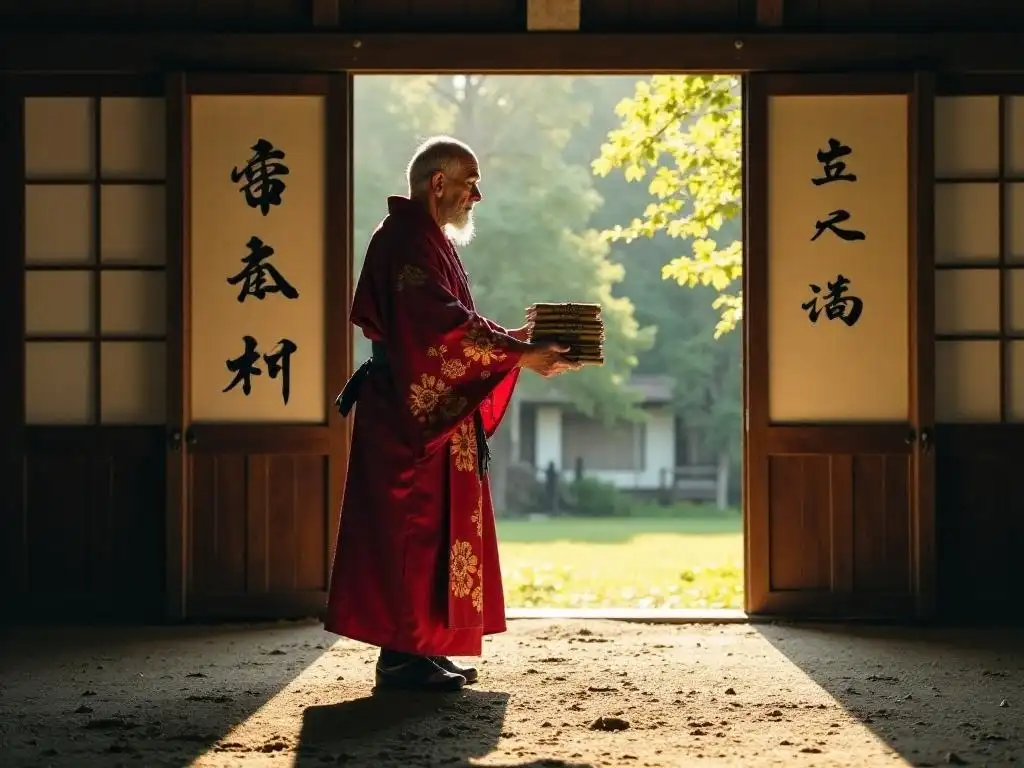
In the realm of samurai education, mentorship played a crucial role in shaping not only the skills but also the character of the samurai. Effective samurai mentors possessed a unique blend of characteristics that made them invaluable in the educational journey of their mentees. These mentors were not merely instructors; they were guides who imparted wisdom, discipline, and moral integrity.
Primarily, a good samurai mentor was expected to demonstrate expertise in martial skills and a deep understanding of bushido—the way of the warrior. This knowledge encompassed not just physical techniques but also strategic thinking and historical context. Additionally, effective mentors exhibited strong leadership qualities, inspiring their students through their actions and decisions.
Furthermore, emotional intelligence was a hallmark of effective samurai mentors. They needed to understand the emotional and psychological needs of their mentees, providing support and encouragement while also challenging them to grow. This balance of empathy and discipline fostered a nurturing environment where samurai could thrive.
Qualities That Define a Good Mentor
Several qualities define a good mentor in the samurai tradition:
- Wisdom: Knowledge accumulated through experience and study, enabling mentors to offer valuable insights.
- Patience: The ability to guide students through difficulties without frustration, allowing for growth and learning.
- Integrity: Upholding moral and ethical standards that reflect the values of bushido, serving as a role model for students.
- Communication Skills: The capacity to convey complex concepts clearly and effectively, adapting to the learning style of each mentee.
- Commitment: A genuine dedication to the growth and success of the student, indicating a long-term investment in their development.
These qualities foster a mentorship environment that encourages personal and professional growth, ultimately shaping accomplished samurai.
The Role of Experience in Samurai Mentorship
Experience is a pivotal element in samurai mentorship, as it informs both the mentor's teaching style and the lessons imparted to the mentee. A mentor's personal journey, filled with triumphs and failures, enriches their ability to guide students through their own challenges.
Samurai mentors, often seasoned warriors themselves, brought a wealth of practical knowledge to their teachings. This experience allowed them to provide real-world applications of techniques and strategies, emphasizing the importance of adaptability in various combat scenarios. Additionally, mentors shared personal stories that highlighted the values of perseverance and resilience, instilling these qualities in their mentees.
Moreover, experience in leadership roles enabled mentors to cultivate strategic thinking in their students. By discussing historical battles or personal encounters, they taught their mentees to analyze situations critically and make informed decisions swiftly in the heat of battle.
The Process of Samurai Mentorship

The process of samurai mentorship is structured and dynamic, evolving as the relationship between mentor and mentee deepens. This process typically unfolds in distinct stages, each characterized by specific goals and learning outcomes.
Stages of Mentor-Mentee Relationships in Samurai Education
- Initiation: The relationship begins with the mentor assessing the mentee's abilities, character, and potential. This stage establishes the foundation of trust and mutual respect.
- Development: During this phase, mentors actively teach various skills, from martial techniques to ethical principles. Regular practice and feedback are essential components, promoting growth and confidence.
- Maturation: As the mentee progresses, the mentor encourages independence, allowing the student to apply their knowledge in real situations. This stage fosters critical thinking and decision-making skills.
- Transition: The mentor prepares the mentee for the next phase of their journey, whether it be taking on a new role or passing on their knowledge to future generations. This stage often symbolizes the successful culmination of the mentorship.
Techniques Used by Samurai Mentors to Educate
Samurai mentors utilized a variety of techniques to facilitate effective education, each tailored to enhance the learning experience. Key techniques included:
- Demonstration: Mentors would physically demonstrate techniques, allowing mentees to observe and replicate movements.
- Socratic Method: Engaging students through questioning to stimulate critical thinking and self-discovery was a common practice among samurai mentors.
- Role-Playing: Simulating combat scenarios enabled students to practice decision-making under pressure, reinforcing their tactical skills.
- Reflection: Encouraging mentees to reflect on their experiences and learning helped solidify their understanding and fostered personal growth.
- Feedback: Regular and constructive feedback ensured that students understood their progress and areas for improvement.
These techniques not only imparted knowledge and skills but also fostered a strong bond between mentor and mentee, reinforcing the importance of mentorship in the samurai tradition.
The Impact of Samurai Mentorship on Education
The relationship between mentors and mentees in samurai education was pivotal in shaping the skills, values, and philosophical outlook of young warriors. Samurai mentorship was not merely an academic exercise; it was a holistic approach that intertwined martial training, ethical education, and personal development. The impact of these mentor relationships can be seen in various aspects of samurai life, including their approach to combat, governance, and the arts.
Mentorship provided a structured environment where samurai could learn from experienced warriors who had faced real-world challenges. This practical knowledge was essential for developing not only combat proficiency but also strategic thinking and decision-making skills. The mentor's role extended beyond teaching techniques; they were responsible for instilling virtues such as loyalty, honor, and resilience—traits that were paramount in samurai culture.
Moreover, mentorship fostered a sense of community and continuity within the samurai class. By passing down knowledge and traditions through generations, mentors played a crucial role in preserving the samurai ethos and ensuring that the values of bushido (the way of the warrior) were upheld. This legacy of mentorship contributed significantly to the stability and cohesion of samurai society.
How Mentorship Shaped Samurai Skills and Values
The mentorship model in samurai education was deeply rooted in the concept of experiential learning. Young samurai, often starting their training in childhood, would shadow their mentors in various activities, including martial arts, military strategy, and even cultural practices like calligraphy and poetry. This immersive experience allowed them to absorb not only techniques but also the underlying philosophies that governed samurai behavior.
Mentors were tasked with shaping the character of their mentees. They taught them about the importance of loyalty to their lord, the significance of honor in battle, and the necessity of self-discipline. For instance, a mentor might share personal stories of past battles, illustrating the consequences of dishonor and the rewards of bravery. Such narratives were key in reinforcing the values that defined the samurai way of life, ensuring that these lessons were internalized by the younger generation.
Additionally, mentorship encouraged the development of critical thinking skills. Young samurai were often placed in scenarios where they had to devise strategies or solve problems under the guidance of their mentors. This not only honed their tactical skills but also nurtured their moral compass, as they learned to navigate the complexities of loyalty, duty, and ethics in warfare.
Long-term Effects of Mentor Relationships in Samurai Society
The long-term effects of mentor relationships in samurai society were profound and multifaceted. First and foremost, these relationships laid the foundation for a robust social structure within the samurai class. By fostering strong bonds between mentors and mentees, samurai education contributed to a sense of trust and solidarity that was critical during times of conflict.
Moreover, mentor-mentee dynamics influenced leadership styles within samurai clans. Many influential leaders emerged from a lineage of strong mentorship, inheriting not just skills but also the wisdom and ethical frameworks established by their predecessors. This continuity ensured that the values of bushido were not only maintained but evolved to meet the needs of changing times.
The legacy of mentorship also extended beyond individual samurai. As successful mentees rose to prominence, they often became mentors themselves, perpetuating the cycle of education and moral development within their clans and beyond. This intergenerational transfer of knowledge and values helped shape the socio-political landscape of feudal Japan, where the principles learned through mentorship played a crucial role in governance and diplomacy.
Case Studies of Successful Samurai Mentorship
The historical records of feudal Japan provide numerous examples of successful samurai mentorship, illustrating how these relationships shaped individuals and, by extension, society. One notable case is that of Miyamoto Musashi, a legendary swordsman and strategist. Musashi's mentorship under various masters helped him refine his unique two-sword style, ultimately leading him to become one of the most revered figures in martial arts history. His writings, particularly "The Book of Five Rings," reflect not only his combat philosophy but also the profound impact of his mentors on his approach to life and warfare.
Another prominent example is Tokugawa Ieyasu, who later became the founder of the Tokugawa shogunate. Ieyasu was influenced by several mentors throughout his youth, including the formidable warrior Takeda Shingen. These relationships not only equipped him with essential military strategies but also taught him the importance of patience and political acumen. Ieyasu's ability to forge alliances and navigate the complexities of feudal politics can be traced back to the lessons learned from his mentors.
Notable Samurai Mentorship Examples
Several notable samurai figures exemplify the impact of mentorship in their rise to prominence. For instance, the relationship between Oda Nobunaga and his mentor, the skilled military strategist Katsuie Shibata, was instrumental in shaping Nobunaga’s military tactics during his campaign to unify Japan. Similarly, the mentorship between Date Masamune and his mentor, the tactician and statesman, exemplified how these relationships could influence not just individual success but also the broader landscape of feudal Japan.
These mentor-mentee relationships often extended beyond mere training; they were alliances that could influence political outcomes and shape the course of history. Samurai mentorship was, thus, a critical component in forging the leaders who would eventually transform Japan.
Lessons Learned from Historical Mentor-Mentee Relationships
The historical mentor-mentee relationships within the samurai class offer valuable lessons applicable beyond feudal Japan. Some of the key takeaways include:
- The Importance of Personal Connection: Strong mentor-mentee bonds foster trust and open communication, essential for effective learning.
- Value of Experience: The sharing of real-life experiences equips mentees with practical knowledge that transcends theoretical understanding.
- Ethical Development: Mentorship is a powerful tool for instilling values and ethics, crucial in shaping responsible leaders.
- Adaptability: As societal needs change, mentorship must evolve to remain relevant, emphasizing the need for lifelong learning and growth.
These lessons remind us that mentorship is an enduring practice that can shape individuals and societies across cultures and eras. In the context of samurai education, it played a fundamental role in preserving and transmitting the values that defined a culture.
Challenges in Samurai Mentorship
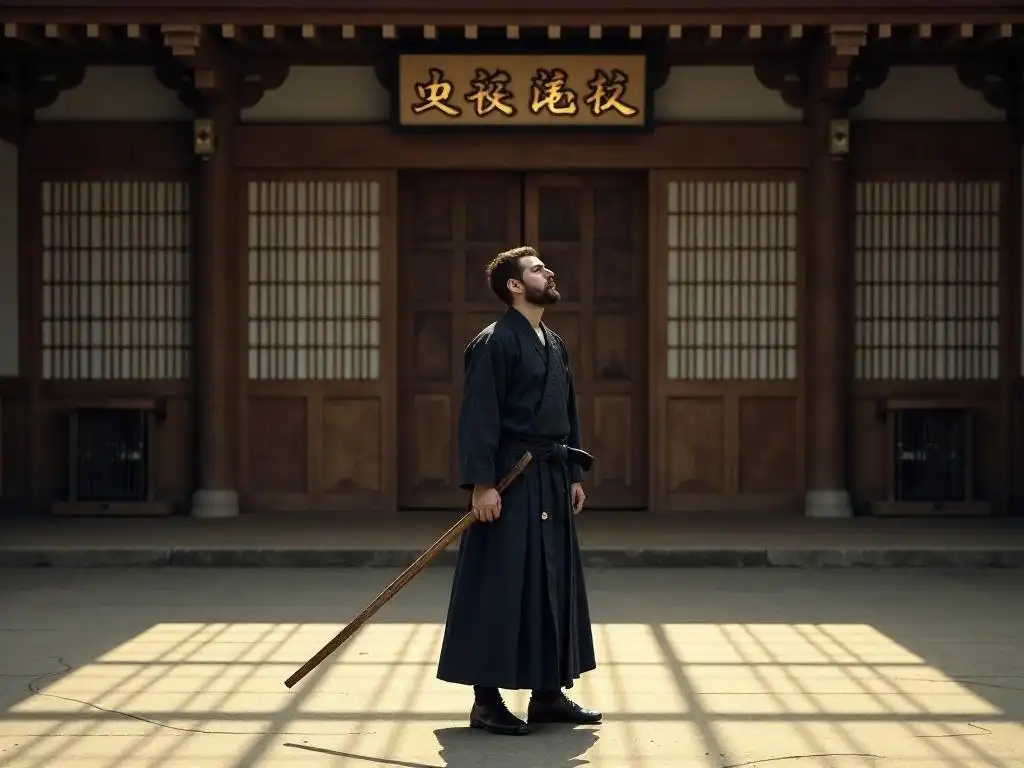
The relationship between a samurai and his mentor was crucial to the educational framework of the feudal era in Japan. However, this mentorship was not without its challenges. Various factors influenced the efficacy of these relationships, often leading to difficulties that both the mentor and mentee had to navigate.
Common Difficulties Faced in Mentor Relationships
One prominent challenge was the hierarchical nature of samurai society. Mentors were often high-ranking samurai, and the pressure to conform to traditional expectations could stifle open communication. This hierarchy sometimes led to a fear of failure in mentees, who might hesitate to ask questions or seek clarification on complex teachings. Additionally, mentors themselves faced the pressure of maintaining their status and reputation, which could result in them being less open to innovative ideas or alternative perspectives from their students.
Another common difficulty was the incompatibility of personalities. A mentor's teaching style might not resonate with every student, leading to frustration and disengagement. The strict discipline inherent in samurai training could also clash with the student's learning preferences, making it challenging to foster a productive educational environment. Furthermore, the societal expectations placed on both mentors and mentees could lead to conflicts of interest, where personal aspirations were set aside for the sake of honor and duty.
Overcoming Barriers to Effective Mentorship
Despite these challenges, many mentors and mentees found ways to cultivate effective relationships. Open dialogue was essential; mentors who encouraged questions and discussions created a more inclusive atmosphere that allowed for growth. By recognizing the unique strengths and weaknesses of each student, mentors could tailor their approaches, fostering a more personalized educational experience.
Another strategy was the establishment of clear expectations and mutual respect within the mentor-mentee dynamic. When both parties understood their roles and responsibilities, it created a foundation of trust that facilitated learning. Additionally, embracing a growth mindset helped both mentors and mentees to view challenges as opportunities for development, thereby reinforcing their commitment to the mentorship process.
Conclusion: The Legacy of Samurai Mentorship in Education
The mentorship model established during the samurai era has left a profound legacy that extends beyond its historical context. The principles and practices that characterized these relationships continue to resonate in modern educational paradigms.
The Enduring Influence of Samurai Mentorship on Modern Education
Today, the importance of mentor relationships is recognized in various educational settings. Just as samurai mentors passed down knowledge and skills, contemporary educators emphasize the role of mentorship in fostering student development. The emphasis on personal growth, character building, and mutual respect reflects the timeless values that were integral to samurai education.
Moreover, the challenges faced by samurai mentors offer valuable lessons for modern educators. The recognition of individual learning styles and the importance of creating an inclusive environment are principles that continue to shape effective teaching methodologies today.
Reflections on the Importance of Mentor Relationships Today
In a world that is increasingly complex, the role of mentorship remains crucial. Just as samurai mentorship provided guidance, support, and knowledge transfer, modern mentor relationships can empower individuals to navigate their own educational journeys. The enduring influence of these historical practices serves as a reminder of the impact that supportive, engaged mentors can have on personal and professional development.
The legacy of samurai mentorship in education not only highlights its historical significance but also underscores the importance of cultivating strong mentor relationships in contemporary society. By learning from the past, we can better appreciate the vital role that mentorship plays in shaping the future.
Additional Resources
Understanding the significance of mentor relationships in samurai education can be enriched by exploring various resources that delve into this intricate aspect of feudal Japanese society. The following sections provide recommended reading and related topics that will broaden your knowledge of samurai mentorship and its educational implications.
Recommended Reading on Samurai Mentorship in Education
-
"Hagakure: The Book of the Samurai" by Yamamoto Tsunetomo
This classic text offers insights into the philosophy and mindset of the samurai, emphasizing the importance of loyalty and mentorship in the development of a warrior’s character.
-
"The Soul of the Samurai: Modern Translations of Three Classic Works of Zen & Bushido" by Tomio S. Saito
This compilation includes translations of pivotal works that highlight the spiritual and educational journeys of samurai, showcasing the mentor-student relationship as foundational to samurai training.
-
"Samurai: The Story of a Warrior Tradition" by John Man
John Man explores the history of the samurai, examining the influence of mentorship on the training and education of samurai warriors throughout various periods in feudal Japan.
-
"Bushido: The Soul of Japan" by Inazo Nitobe
Although not solely focused on education, this book details the ethical principles guiding samurai life, with sections dedicated to the role of mentors in shaping these values.
-
"The Samurai's Garden" by Gail Tsukiyama
While a work of fiction, this novel beautifully illustrates themes of mentorship and learning within the context of Japanese culture, providing a personal narrative that complements historical studies.
Related Topics in Feudal Japan Education and Society
-
The Role of Dojo in Samurai Training
Dojos served as crucial environments for learning martial arts and philosophy, where mentorship played a pivotal role in shaping the next generation of samurai.
-
The Influence of Zen Buddhism on Samurai Education
Zen principles significantly impacted samurai education, emphasizing mindfulness and discipline, often imparted through mentor-student relationships.
-
The Samurai Code of Ethics (Bushido)
Understanding Bushido is essential for grasping the values that mentors instilled in their students, focusing on honor, loyalty, and self-discipline.
-
The Importance of Oral Tradition in Samurai Training
Mentor relationships often involved the transmission of knowledge through oral tradition, underscoring the deep cultural significance of direct instruction and personal guidance.
-
Female Samurai and Their Mentorship Roles
Exploring the contributions of women in the samurai class reveals unique perspectives on mentorship and education within the samurai community.
By engaging with these recommended readings and related topics, one can gain a deeper appreciation for the vital role of mentor relationships in samurai education, ultimately enriching the understanding of this fascinating aspect of feudal Japan’s societal structure.
- Introduction to Samurai Mentorship in Education
- Overview of the Samurai Education System
- Significance of Mentor Relationships in the Samurai Culture
- Historical Context of Samurai Mentorship
- Characteristics of Effective Samurai Mentors
- Qualities That Define a Good Mentor
- The Role of Experience in Samurai Mentorship
- The Process of Samurai Mentorship
- The Impact of Samurai Mentorship on Education
- Case Studies of Successful Samurai Mentorship
- Challenges in Samurai Mentorship
- Conclusion: The Legacy of Samurai Mentorship in Education
- Additional Resources
- What role did mentors play in samurai education?
- How did the mentor-mentee relationship influence samurai training?
- Were there specific qualities sought in a samurai mentor?
- How did samurai mentorship differ from other forms of education in feudal Japan?
- What impact did samurai mentorship have on Japanese society?
Frequently Asked Questions
What role did mentors play in samurai education?
Mentors were crucial in samurai education, guiding young samurai in both martial skills and ethical principles, ensuring they embodied the bushido code.
How did the mentor-mentee relationship influence samurai training?
The mentor-mentee relationship fostered a deep bond, allowing the mentor to pass down knowledge, strategies, and life lessons that shaped the mentee's character and capabilities.
Were there specific qualities sought in a samurai mentor?
Yes, ideal samurai mentors were expected to possess wisdom, experience, and a strong moral compass, as they played a vital role in shaping the future samurai's ethical conduct and skills.
How did samurai mentorship differ from other forms of education in feudal Japan?
Samurai mentorship was more personal and hands-on compared to other educational forms, emphasizing practical training and life lessons over purely theoretical knowledge.
What impact did samurai mentorship have on Japanese society?
The impact of samurai mentorship extended beyond individual samurai, fostering a culture of discipline, loyalty, and honor that influenced broader Japanese societal values during the feudal era.
Final Reflection: The Enduring Legacy of Samurai Mentorship in Education
The importance of mentor relationships in samurai education resonates profoundly in today's world. As we navigate an increasingly complex and interconnected society, the principles of samurai mentorship—dedication, discipline, and mutual respect—remain crucial for personal and professional growth. The wisdom imparted through these relationships not only shapes individuals but also cultivates a culture of excellence that can inspire future generations.
Clearly, the influence of samurai mentorship extends beyond the historical context, permeating our modern educational frameworks. The values instilled through these mentor-mentee dynamics foster resilience and character, essential traits in today’s fast-paced environment. > “A mentor is someone who sees more talent and ability within you than you see in yourself, and helps bring it out.” This quote encapsulates the transformative power of mentorship, reminding us that the guidance we receive can unlock our true potential and lead us toward greatness.
As you reflect on the lessons of samurai mentorship in education, consider how you can incorporate these timeless principles into your own life. Embrace the opportunity to seek out mentors who can guide you, and equally, strive to be a mentor for others. By fostering these relationships, we not only honor the legacy of the samurai but also contribute to a cycle of growth and enlightenment that can uplift our communities and shape a brighter future.
Unlock the Power of Mentorship Today
Thank you for exploring the fascinating world of mentorship in education! You've learned how these relationships have shaped not only individuals but also the legacies they leave behind. Now, it’s time to put this knowledge into action.
Here’s how you can embrace the spirit of mentorship in your own life:
- Seek out a mentor: Identify someone whose insights and experiences you admire, and reach out to them for guidance.
- Become a mentor: Share your knowledge by supporting someone who is on their own journey. This not only nurtures the next generation but also reinforces your own understanding.
- Engage in community discussions: Participate in forums, both online and locally, focused on mentorship and personal growth. Engaging with others can provide new perspectives and ideas.
What’s your next step towards building your own mentoring relationship? Share your thoughts below!