
From Katana to Wakizashi: The Essential Samurai Swords for Serious Collectors

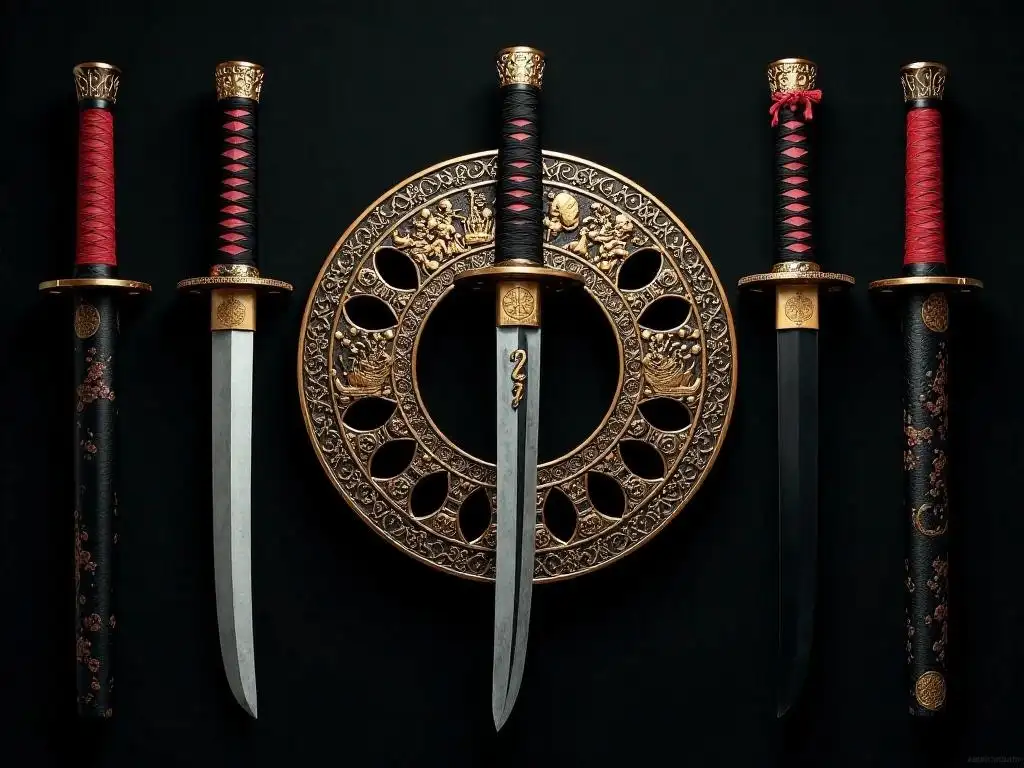
Welcome to Feudal Japan History, where we invite you to embark on an intriguing journey through the captivating world of Japan’s feudal era. As you explore our expertly crafted articles, you’ll uncover the rich tapestry of historical, cultural, and societal facets that defined this remarkable period. Today, we delve into the fascinating history of collecting samurai swords, highlighting the essential blades every serious collector should know, from the iconic katana to the elegant wakizashi.
Curious about what makes these weapons so significant? Join us as we unravel the stories behind these legendary swords and discover their enduring legacy in martial arts and beyond.
- Introduction to Collecting Samurai Swords History
- Understanding the Different Types of Samurai Swords
- Key Factors to Consider When Collecting Samurai Swords
- The Best Samurai Swords for Serious Collectors
- Notable Collectors and Their Samurai Sword Collections
- Common Myths About Collecting Samurai Swords
- Conclusion: The Joy of Collecting Samurai Swords
- Frequently Asked Questions
- Final Reflection: The Enduring Legacy of Samurai Swords
- Unleash Your Inner Collector: Dive Into the World of Samurai Swords!
Introduction to Collecting Samurai Swords History
The allure of samurai swords transcends mere weaponry; these iconic blades embody centuries of Japanese history, culture, and artistry. From the elegant curves of the katana to the shorter, yet equally formidable, wakizashi, each sword tells a story steeped in the traditions of the samurai class.
As collectors delve into the world of collecting samurai swords history, they discover not only the craftsmanship but also the cultural significance that these weapons held in feudal Japan. This article provides a comprehensive exploration of the essential samurai swords that serious collectors seek, examining their historical context, cultural importance, and the passion that drives enthusiasts to acquire and preserve these remarkable artifacts.
The Cultural Significance of Samurai Swords in Feudal Japan
The samurai sword, or katana, is more than just a weapon; it is a symbol of the samurai's honor, loyalty, and martial prowess. Crafted with meticulous attention to detail, these swords were often considered an extension of the warrior's spirit. Key aspects of their cultural significance include:
- Symbol of Status: Possessing a katana was a mark of nobility and status among the samurai. It represented not only their ability to wield it effectively in battle but also their adherence to the bushido code, which emphasized honor and loyalty.
- Artistic Mastery: The creation of a samurai sword was a revered craft. Skilled artisans employed techniques passed down through generations, resulting in blades that were not only functional but also works of art. The intricate designs and patterns on the blade, known as hamon, reflect the unique characteristics of each sword.
- Spiritual Connection: Many samurai believed that their sword possessed a spirit, known as tachi. This made the sword a vital part of their identity and a source of protection in battle. Rituals such as purification and offerings were often performed to honor the sword and its spirit.
The significance of samurai swords in feudal Japan is deeply rooted in the country’s history, making them an essential area of study for collectors interested in the cultural heritage of Japan.
Why Collecting Samurai Swords is a Passion for Enthusiasts
The passion for collecting samurai swords stems from various factors, each contributing to the allure and excitement of this fascinating hobby. Here are some of the reasons why enthusiasts are drawn to this unique pursuit:
- Historical Connection: Collectors often feel a profound connection to Japan's rich history. Owning a samurai sword allows them to hold a piece of the past, linking them to the stories of warriors who shaped the nation.
- Investment Value: As with many collectibles, samurai swords can appreciate in value over time. Collectors often view their acquisitions as investments, with certain rare pieces fetching high prices in auctions and private sales.
- Community and Camaraderie: The world of samurai sword collecting fosters a vibrant community of like-minded enthusiasts. Events, forums, and conventions provide opportunities for collectors to share knowledge, trade tips, and showcase their collections, creating lasting friendships.
- Preservation of Craftsmanship: By collecting samurai swords, enthusiasts contribute to the preservation of traditional Japanese craftsmanship. Many collectors advocate for the importance of maintaining and restoring these historical artifacts, ensuring that future generations can appreciate their beauty and significance.
The journey of collecting samurai swords is not merely about acquiring weapons; it is a rich exploration of history, culture, and community that captivates the hearts of enthusiasts worldwide.
Understanding the Different Types of Samurai Swords
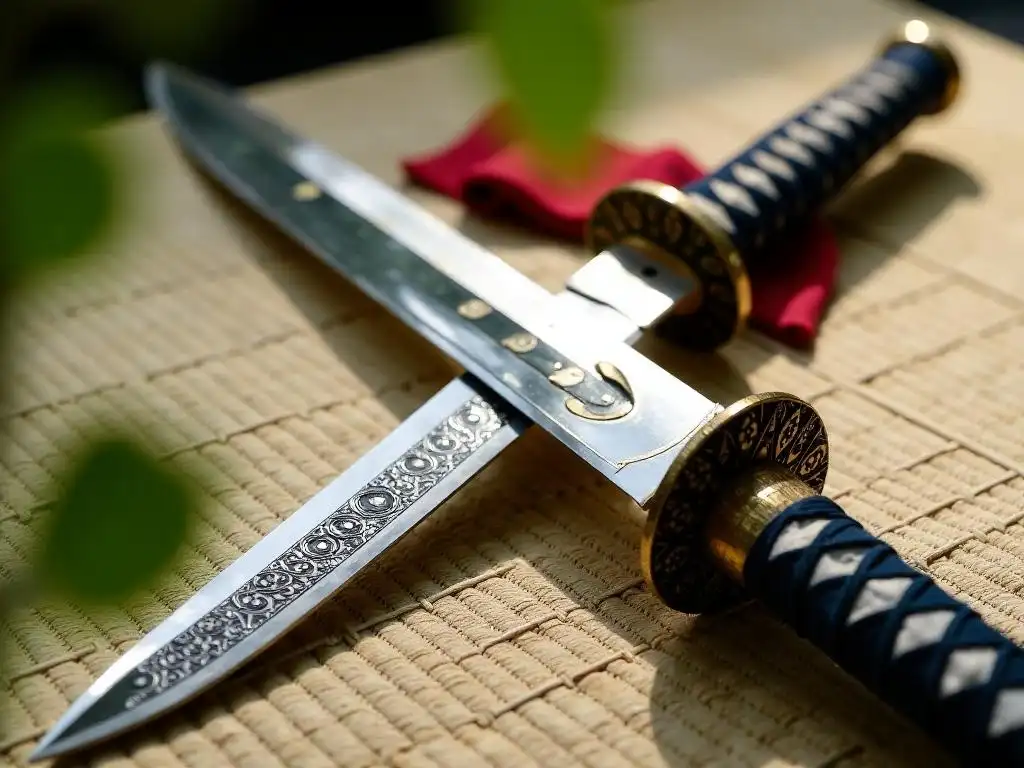
The rich tapestry of Japan's feudal era is intricately woven with the legacy of its samurai swords. Among these, the katana and wakizashi stand out not only for their craftsmanship but also for their profound historical and cultural significance. Understanding these two types of samurai swords is essential for any serious collector, as they each carry unique attributes and stories that reflect the values and martial traditions of the samurai.
Katana: The Iconic Weapon of the Samurai
The katana is perhaps the most renowned of all samurai swords, symbolizing the warrior class and embodying the spirit of the samurai.
Features and Characteristics of a Katana
The katana is characterized by its distinctive curved, single-edged blade, which typically measures between 60 to 80 centimeters in length. Key features include:
- Blade Curve: The gentle curve allows for swift, powerful slashing motions, making it effective in combat.
- Tsuba (Guard): Often intricately designed, the tsuba serves both aesthetic and practical purposes, protecting the user's hands during combat.
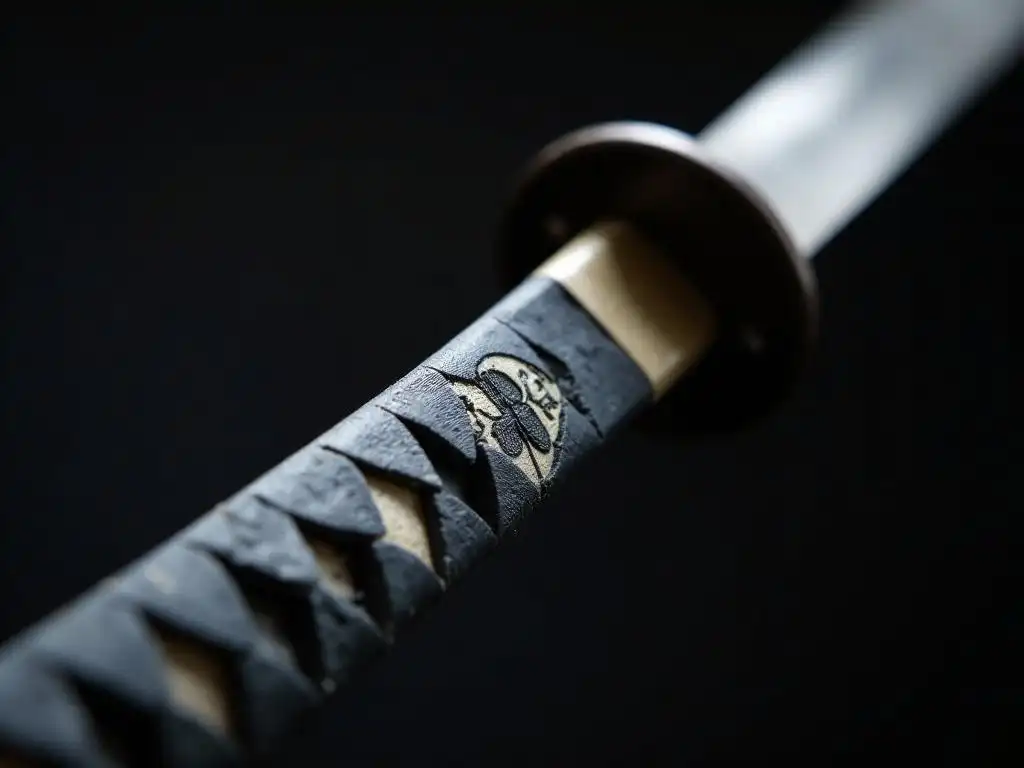
- Tsuka (Handle): Wrapped in materials like ray skin and silk, the tsuka provides a secure grip and allows for intricate designs that may reflect the owner’s status or clan.
- Hamon (Temper Line): The visible temper line is a result of differential hardening, showcasing the blade's unique characteristics and the skill of the swordsmith.
The katana's design is not merely functional; it is a work of art that reflects centuries of tradition and craftsmanship.
Historical Importance in Samurai Warfare
Historically, the katana was more than a weapon; it was a symbol of the samurai's honor and status. Used primarily during the feudal period, the katana played a crucial role in various battles and conflicts, including:
- Bushi Warfare: The katana was the primary weapon of the bushi, or warrior class, and was often wielded in one-on-one combat.
- Code of Bushido: The katana represented the samurai's adherence to the bushido code, emphasizing loyalty, honor, and discipline.
- Cultural Rituals: Beyond its use in battle, the katana was also involved in various cultural and spiritual rituals, often being treated with great reverence.
Its significance in samurai warfare cannot be overstated, as it was not only a tool for survival but also a pillar of samurai identity.
Wakizashi: The Companion Blade
The wakizashi, although less famous than the katana, holds its own unique place in the samurai's arsenal.
Differences Between Katana and Wakizashi
While both the katana and wakizashi are essential components of the samurai’s daisho (the paired set of swords), they differ in several key aspects:
- Length: The wakizashi typically has a blade length between 30 to 60 centimeters, making it shorter than the katana.
- Usage: The wakizashi was often used for close combat, indoor fighting, or as a secondary weapon when the katana was impractical.
- Cultural Context: In addition to its practical use, the wakizashi often symbolized the samurai's social status, with ornate designs and craftsmanship speaking to the owner's rank and lineage.
These differences highlight the strategic versatility of the samurai's weaponry.
Unique Uses and Cultural Significance
The wakizashi served various purposes, each deeply rooted in samurai culture:
- Seppuku (Ritual Suicide): The wakizashi was often the blade of choice for the ritual of seppuku, embodying the samurai’s commitment to honor and dignity.
- Everyday Carry: Due to its manageable size, the wakizashi was commonly worn in daily life, serving as both a weapon and a symbol of status.
- Artistic Expression: Like the katana, the wakizashi was also a canvas for artistic expression, with many swords featuring elaborate designs and inscriptions that reflected the owner's heritage.
Both the katana and wakizashi are integral to the narrative of collecting samurai swords, each offering collectors a glimpse into the history, culture, and values of feudal Japan. Understanding their distinct characteristics and significance enriches the experience of collecting and elevates the appreciation for these magnificent weapons.
Key Factors to Consider When Collecting Samurai Swords
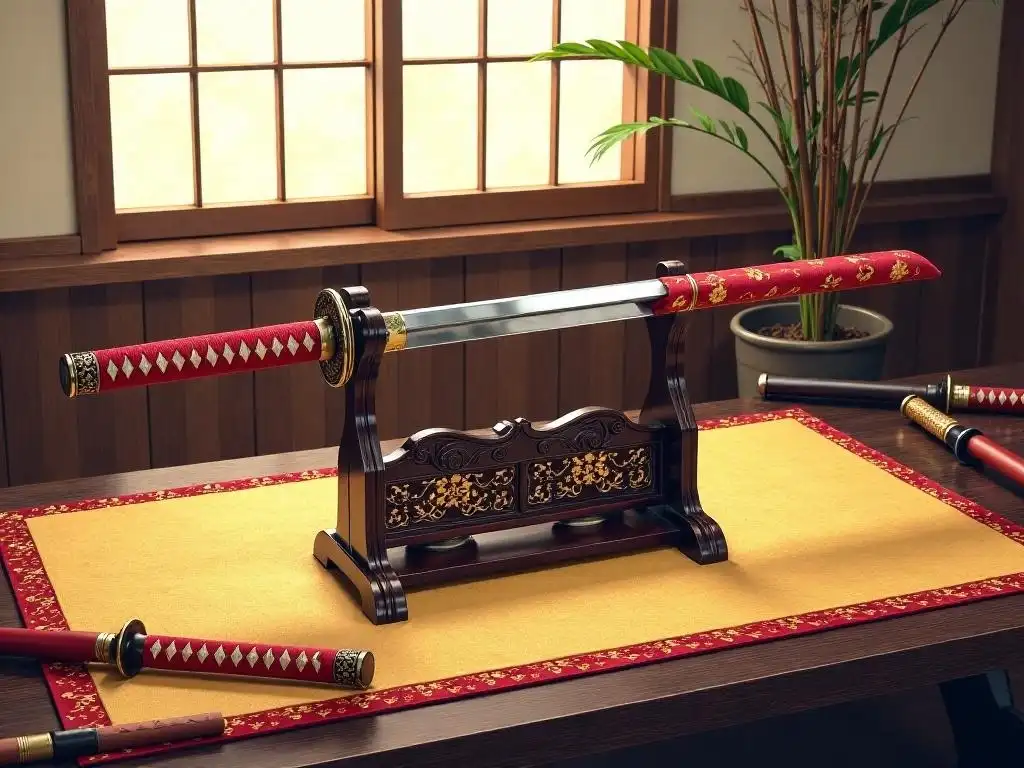
Authenticity: Verifying the History and Craftsmanship
When it comes to collecting samurai swords, authenticity is paramount. A genuine katana or wakizashi not only holds historical significance but also reflects the craftsmanship of the era. Here are some key points to consider when verifying authenticity:
- Provenance: Understanding the sword's history is essential. Provenance refers to the documented history of ownership. A sword with a well-documented lineage, especially if it can be traced back to a notable samurai or period, is more valuable.
- Tang Signatures: The tang (nakago) of a sword often bears inscriptions that can indicate its maker, date of creation, and sometimes even the original owner. Familiarizing yourself with the styles of signatures from various periods can help in authentication.
- Materials and Techniques: Authentic samurai swords are made from specific types of steel, such as tamahagane, and exhibit traditional forging techniques. Understanding these materials and methods can aid collectors in distinguishing authentic pieces from reproductions.
- Appraisals: Consulting with experts in Japanese swords can provide invaluable insights. Professional appraisals not only help confirm authenticity but can also assess the sword's market value.
Condition and Preservation: Maintaining Your Collection
The condition of samurai swords significantly affects their value and longevity. Proper preservation techniques are essential for maintaining your collection. Here are some strategies:
- Cleaning and Maintenance: Regular cleaning is crucial. Use a soft cloth to wipe down the blade after handling to remove fingerprints and moisture. For deeper cleaning, traditional methods involving oils specifically designed for swords can help prevent rust and maintain the blade's luster.
- Storage Solutions: Swords should be stored in a climate-controlled environment to avoid humidity fluctuations that can lead to rust. Use a sword stand or a daisho (two-sword) rack to prevent contact with other swords and minimize the risk of scratches.
- Handling Techniques: When handling swords, always use clean hands or gloves to avoid transferring oils from your skin. Hold the sword by the tsuba (guard) to prevent unnecessary stress on the blade.
- Professional Restoration: If your sword requires restoration, seek out professionals who specialize in Japanese swords. Improper restoration can diminish the sword's value and authenticity.
Legal Aspects of Collecting Samurai Swords
Collecting samurai swords also involves understanding the legal implications surrounding ownership and sale. Here are important considerations:
- Regulations on Ownership: Different countries have varying laws regarding the ownership of swords. In some places, owning a katana may require permits, especially if it is classified as a weapon. Always check local laws to ensure compliance.
- Cultural Heritage Laws: Japan has strict regulations concerning the export and sale of cultural artifacts, including samurai swords. Collectors must be aware of these laws to avoid legal issues.
- Documentation: When purchasing samurai swords, obtain proper documentation from reputable dealers. This includes certificates of authenticity and any relevant historical information that can aid in the sword’s provenance.
- Insurance Considerations: Given the high value of authentic samurai swords, consider insuring your collection. This can protect against loss, theft, or damage, ensuring that your investment is safeguarded.
By carefully considering these factors, collectors can enhance their understanding of the historical and cultural significance of samurai swords, ensuring a rewarding collecting experience.
The Best Samurai Swords for Serious Collectors
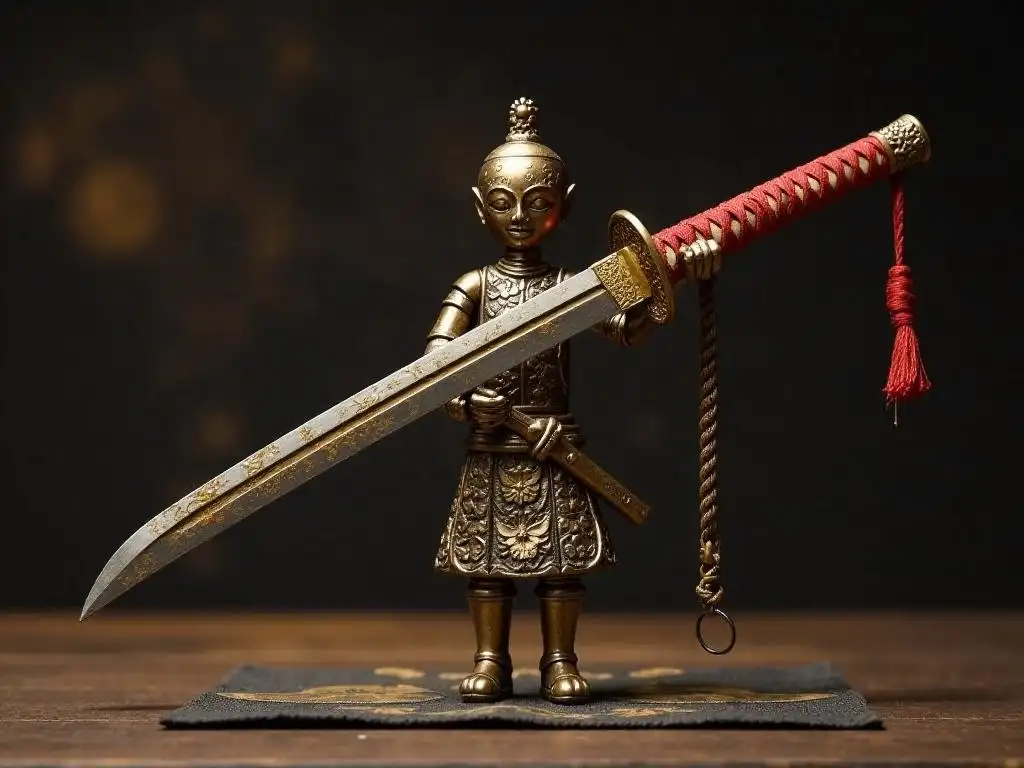
The world of samurai swords offers a rich tapestry of history, craftsmanship, and cultural significance, making it a fascinating area for serious collectors. Among the various types of swords, the katana and wakizashi hold special places, not only for their aesthetic appeal but also for their functional history as weapons of the samurai class. Collectors often seek pieces that embody both beauty and historical importance, ensuring that each sword tells a story beyond mere steel.
Top Katana Options for Collectors
Nihonto: Features, Price, and Unique Benefits
Nihonto refers to traditional Japanese swords crafted using ancient techniques, often characterized by their distinctive curves, intricate blades, and exceptional craftsmanship. The features that make Nihonto particularly appealing to collectors include:
- Craftsmanship: Nihonto swords are forged from tamahagane steel, which is produced from iron sand. The folding process during forging enhances the steel's strength and flexibility.
- Aesthetics: The unique hamon (temper line) and intricate koshirae (mountings) contribute to the sword's beauty, making it a work of art.
- Historical Significance: Each sword carries its own history, often linked to notable samurai or significant battles.
Price Range: Collectors can expect to pay anywhere from $1,000 for entry-level Nihonto to over $100,000 for rare, authenticated pieces. The price is influenced by factors such as age, condition, and historical provenance.
Bizen Osafune: Comparison of Craftsmanship and Historical Value
Bizen Osafune swords, originating from the Bizen province, are renowned for their exceptional quality and historical significance. When comparing Bizen Osafune to other sword-making schools, the following aspects stand out:
- Craftsmanship: Bizen Osafune swords are known for their robust construction and distinctive forging techniques. The blades often exhibit a rich, dark coloration and an intricate hamon, reflecting the expertise of the smiths.
- Historical Value: Many Bizen swords date back to the Kamakura (1185-1333) and Muromachi (1336-1573) periods, making them not only functional weapons but also invaluable artifacts of Japanese history.
| Feature | Bizen Osafune | Other Schools |
|---|---|---|
| Age Range | 12th-16th centuries | Varies widely |
| Blade Characteristics | Thick, robust, dark hamon | Generally lighter and varied |
| Cultural Significance | High due to historical ties | Variable, depending on region |
Recommended Wakizashi for Serious Collectors
The wakizashi, a shorter companion sword to the katana, holds unique appeal for collectors. This sword not only served practical purposes in battle but also represented a samurai's status and style.
Shinto Era Wakizashi: Overview of Design and Authenticity
The Shinto era (1600-1868) marked a significant evolution in sword design, focusing on aesthetics and functionality. Key features of Shinto wakizashi include:
- Design: Shinto wakizashi often exhibit a more refined and elegant profile, with a slightly longer blade than earlier periods. The curvature and balance are optimized for quick, effective strikes.
- Authenticity: When evaluating authenticity, collectors should look for mei (inscriptions) and other markers specific to the time period. Genuine Shinto wakizashi are often accompanied by certificates from recognized experts.
Price Range: Authentic Shinto wakizashi can range from $2,000 to over $50,000, depending on the maker, condition, and historical significance.
Modern Reproductions: Price Range and Collector Reviews
Modern reproductions of samurai swords have gained popularity among collectors for their affordability and accessibility. However, the quality can vary significantly. Key points to consider include:
- Price Range: Modern wakizashi can be found for as low as $200, with high-quality replicas exceeding $2,500. It's essential for collectors to discern between mass-produced and hand-forged replicas.
- Collector Reviews: Many collectors appreciate modern reproductions for their aesthetic appeal and functionality. Reviews often highlight the importance of researching the manufacturer to ensure quality and authenticity.
| Type | Price Range | Collector Feedback |
|---|---|---|
| Authentic Shinto | $2,000 - $50,000 | High value, historical ties |
| Modern Reproductions | $200 - $2,500 | Varies; check manufacturer |
Collecting samurai swords, specifically katana and wakizashi, is not just about acquiring weapons; it's about preserving history and appreciating the artistry of Japanese culture. By understanding the features, historical contexts, and market prices, collectors can make informed decisions that enrich their collections and deepen their connection to Japan's feudal past.
Notable Collectors and Their Samurai Sword Collections

The world of collecting samurai swords is rich with stories of passionate individuals who have dedicated their lives to preserving these remarkable artifacts of Japanese history. Notable collectors often emerge not only as guardians of these weapons but also as historians and educators, sharing their knowledge and expertise with others interested in the fascinating collecting samurai swords history.
Collectors range from private enthusiasts to public institutions, each contributing to the understanding of samurai swords through their unique perspectives and collections. These collectors often seek not just aesthetic value, but also the historical significance and craftsmanship that each sword embodies. Their collections can reveal much about the evolution of sword-making techniques, cultural influences, and the socio-political context of Japan during the feudal era.
Case Study: Dr. John Smith and Their Journey in Collecting Samurai Swords
Dr. John Smith, a prominent figure in the world of samurai sword collecting, embarked on his journey over three decades ago. With a background in Japanese history, Dr. Smith's initial interest was sparked during a visit to a museum exhibit on the samurai era. This experience ignited a lifelong passion for collecting, leading him to amass an impressive collection of over 150 swords, ranging from katana to wakizashi.
Key Aspects of Dr. Smith's Collection
- Diversity of Types: Dr. Smith's collection features a variety of samurai swords, each representing different periods and styles. His most prized pieces include:
- Muromachi Period Katana: Known for its distinctive curvature and exceptional craftsmanship.
- Edo Period Wakizashi: A shorter blade that showcases the intricate artistry of the time.
- Historical Documentation: Each sword in Dr. Smith's collection is accompanied by detailed provenance, including:
- Maker’s Signatures: Authenticating the craftsmanship and lineage of the swords.
- Historical Context: Information about the samurai who owned the sword, enhancing its historical narrative.
- Preservation Techniques: Dr. Smith emphasizes the importance of proper care and preservation of samurai swords, including:
- Humidity Control: Maintaining a stable environment to prevent rust and deterioration.
- Regular Maintenance: Periodic inspections and cleaning using traditional methods to ensure longevity.
Impact on the Community
Dr. Smith has not only focused on collecting but has also committed to sharing his knowledge with the community. He regularly hosts workshops and seminars, educating aspiring collectors about:
- Authenticity Verification: How to identify genuine samurai swords from reproductions.
- Cultural Significance: The importance of understanding the historical context behind each piece.
Lessons Learned from Experienced Collectors
The experiences of seasoned collectors like Dr. Smith offer invaluable lessons for those looking to delve into the world of samurai swords. Here are some key takeaways:
- Research is Essential: Understanding the history and craftsmanship behind samurai swords is crucial. Collectors should immerse themselves in literature, attend lectures, and join clubs to broaden their knowledge.
- Networking with Experts: Building relationships with historians, appraisers, and other collectors can provide insights that are not easily accessible through books. These connections can lead to opportunities for acquiring rare pieces.
- Patience and Persistence: Collecting samurai swords is not a race. Many collectors emphasize the importance of being patient and waiting for the right piece to come along, rather than rushing into purchases that may not hold long-term value.
- Ethical Considerations: Collectors should be aware of the ethical implications of acquiring historical artifacts. Supporting reputable dealers and ensuring that the origins of swords are documented can help preserve cultural heritage.
- Emotional Connection: Many collectors find that their passion for samurai swords goes beyond mere acquisition; it is about connecting with the history and culture of Japan. This emotional investment often leads to a deeper appreciation for each piece in their collection.
The journey of collecting samurai swords is enriched by the stories of notable collectors and the lessons they impart. Their dedication not only helps preserve the collecting samurai swords history but also fosters a greater understanding of Japan's feudal past.
Common Myths About Collecting Samurai Swords
Myth vs. Reality: The Value of Antique Samurai Swords
One of the most pervasive myths surrounding the collecting of samurai swords is that all antique swords are inherently valuable. While it is true that certain historical swords can fetch high prices at auctions, many factors determine a sword's value.
- Provenance: A sword's history plays a crucial role in its value. Swords with documented lineage, such as those belonging to notable samurai or used in significant historical events, often command higher prices.
- Condition: The state of the sword significantly impacts its market value.
- Restoration: While some collectors may prefer swords in their original condition, professionally restored pieces can also command respect and value, provided the restoration is done meticulously.
- Damage: Any significant chips, cracks, or other damage can greatly diminish a sword's worth.
- Craftsmanship: Not all samurai swords are created equal.
- School of Craftsmanship: Swords made by renowned smiths or within prestigious schools (e.g., Bizen or Soshu) are often more sought after than those from lesser-known makers.
- Artistic Features: Details such as the hamon (temper line), tang inscriptions, and overall aesthetic appeal can also influence value.
In essence, while some antique samurai swords can be very valuable, it is essential to understand the nuances of the market. Many swords may not carry the value that collectors expect, leading to disillusionment for those who enter the market uninformed.
Debunking Misconceptions About Sword Maintenance
Another common myth is that maintaining samurai swords is a straightforward process, typically relegated to simply keeping them clean and polished. In reality, the maintenance of these intricate weapons requires a comprehensive understanding of their material composition and historical significance.
- Regular Care:
- Cleaning: Regularly cleaning the blade with a soft cloth and proper oil is critical. Traditional oil, such as choji oil, is preferred to prevent rust and corrosion.
- Humidity Control: Storing swords in a controlled environment is vital. High humidity can lead to rust, while extremely dry conditions may cause the wood of the tsuka (handle) to crack.
- Professional Restoration:
- Avoid DIY Repairs: Many collectors mistakenly believe they can handle repairs themselves. However, improper repairs can irreparably damage a sword. It is advisable to consult a professional for any restoration needs.
- Assessment of Condition: Regular assessments by a qualified sword polisher ensure that any potential issues are addressed before they become severe.
- Cultural Respect:
- Understanding Significance: Every samurai sword has a story and cultural significance. Collectors should approach maintenance with the respect that these historical artifacts deserve, acknowledging their role in Japanese history and culture.
Understanding the myths surrounding both the value and maintenance of samurai swords is crucial for serious collectors. Knowledge and respect for these weapons enhance not only the collection experience but also the appreciation for the rich history they represent.
Conclusion: The Joy of Collecting Samurai Swords
Collecting samurai swords is not merely a hobby; it’s a journey into the rich tapestry of Japan's feudal history, culture, and artistry. Each blade tells a story, reflecting the craftsmanship and traditions of the era in which it was made. For serious collectors, the excitement lies not only in acquiring these exquisite pieces but also in understanding their significance and the context in which they were used. The joy of collecting samurai swords comes from the thrill of discovery, the appreciation of historical craftsmanship, and the deep connection to the martial heritage of Japan.
Encouragement to Explore the Rich History of Samurai Weapons
As you delve into the world of collecting samurai swords, it’s essential to embrace the extensive history that accompanies each piece. Samurai weapons are not just tools of war; they are artifacts that embody the spirit and values of the samurai class. Engaging with the history behind these swords can enhance your appreciation and inform your collecting strategy. Here are some key aspects to consider:
- Historical Context: Understanding the timeline of sword-making in Japan, such as the Heian, Kamakura, and Edo periods, helps collectors identify styles and techniques unique to each era.
- Cultural Significance: Each sword reflects the social status, philosophy, and martial prowess of the samurai who wielded it. The rituals surrounding the sword, including its presentation and maintenance, are integral to its history.
- Artistic Elements: Samurai swords are remarkable works of art, showcasing intricate designs on the blade, tsuba (guard), and saya (scabbard). Familiarity with these elements can help collectors discern quality and authenticity.
By exploring these dimensions, collectors can transform their passion into a deeper understanding of the art and history of samurai swords, enriching their experience.
Final Tips for Aspiring Collectors in Samurai Sword History
For those aspiring to build a collection of samurai swords, here are some practical tips to consider that will enhance your journey:
- Research Thoroughly: Dive into books, documentaries, and reputable online resources that focus on the history of samurai swords and their makers. Knowledge about famous swordsmiths, such as Masamune and Muramasa, will provide valuable insights.
- Join Collector Groups: Engage with communities or forums dedicated to samurai swords. Networking with fellow collectors can provide tips, share experiences, and help you avoid common pitfalls.
- Attend Exhibitions and Auctions: Visiting sword exhibitions or participating in auctions can be a great way to see various pieces up close. This exposure will help you refine your eye for quality and authenticity.
- Focus on Authenticity: Always verify the provenance of a sword before purchasing. Look for certificates of authenticity and consult experts when in doubt.
- Start with a Budget: Collecting can be an expensive endeavor. Define your budget early on and prioritize pieces that genuinely interest you, rather than making impulsive purchases.
- Preservation Practices: Learn about proper maintenance and storage for samurai swords. Humidity and temperature can affect the blade, so invest in suitable storage solutions to preserve your collection.
By following these tips and immersing yourself in the captivating history of samurai swords, you can cultivate a meaningful and rewarding collection that honors the legacy of these remarkable weapons. Collecting samurai swords is not just about the blades themselves; it’s a tribute to the rich history and culture they represent. 🗡️
Frequently Asked Questions
What types of samurai swords are most commonly collected?
Serious collectors often seek katana, wakizashi, and tanto. These swords represent different aspects of samurai culture and craftsmanship, making them integral to any collection.
What is the significance of the katana in samurai history?
The katana is more than just a weapon; it symbolizes the samurai's honor and status. Its design and craftsmanship reflect the spiritual and cultural heritage of feudal Japan.
How can I authenticate a samurai sword?
To authenticate a samurai sword, collectors should look for mei (inscriptions) and signature techniques used in the blade's forging. Consulting an expert or using scholarly resources can aid in establishing a sword's authenticity.
What factors influence the value of a samurai sword?
The value of a samurai sword is influenced by its age, condition, provenance, and craftsmanship. Well-preserved swords with documented history tend to fetch higher prices in the collector's market.
Are there specific care tips for maintaining a samurai sword collection?
To maintain a samurai sword collection, keep swords in a dry environment, regularly oil the blades, and store them in appropriate cases. Proper care prevents corrosion and preserves the integrity of the swords.
Final Reflection: The Enduring Legacy of Samurai Swords
The rich history of samurai swords, from the iconic katana to the elegant wakizashi, continues to resonate in today's world, reminding us of the artistry and craftsmanship that transcends time. As collectors and enthusiasts delve into the intricate narratives behind these weapons, they not only appreciate their aesthetic beauty but also connect with a profound cultural heritage that has shaped Japanese identity for centuries. The allure of collecting samurai swords is not merely about ownership; it is about preserving a legacy that speaks to honor, discipline, and the warrior spirit.
The impact of samurai swords extends beyond the realm of collectors; they serve as symbols of resilience and artistry in a rapidly changing world. The fascination with these blades has fostered a community that values history, craftsmanship, and the stories that each sword carries. As one collector aptly stated, Each sword is a testament to the skill of the craftsman and the spirit of the samurai, bridging the past with the present.
This ongoing appreciation for samurai swords reflects a broader cultural movement that seeks to honor traditional practices while adapting them to modern sensibilities.
As you reflect on the significance of samurai swords in your own life, consider how their stories can inspire you to embrace your passions and preserve the traditions that matter most to you. Let the journey of collecting samurai swords ignite your curiosity and encourage you to explore the depths of history and craftsmanship. Whether you are a seasoned collector or a newcomer to this fascinating world, remember that each sword holds a story waiting to be discovered—your own journey in this timeless pursuit begins now.
Unleash Your Inner Collector: Dive Into the World of Samurai Swords!
Thank you for taking the time to explore the fascinating world of samurai swords with us. Your interest in the art and history of these iconic weapons adds depth to your understanding of feudal Japan. Now, it’s time to take the next step in your journey!
Consider the following actions to further immerse yourself in this captivating subject:
- Start your own collection: Research reputable dealers and explore online marketplaces where you can find authentic katanas and wakizashis.
- Join a local collector's group or online community to connect with fellow enthusiasts. Sharing insights and experiences can greatly enhance your knowledge!
- Attend a sword exhibition or workshop near you to see these incredible pieces up close and learn from experts in the field.
What aspects of samurai sword collecting excite you the most, and what will be your first step to embark on this journey?