
The Agricultural Revolution in an Isolated Japan: Growth Amidst Restriction


Welcome to Feudal Japan History, where we invite you to delve into the intricate tapestry of Japan’s feudal era. In this unique exploration, you’ll uncover the fascinating agricultural practices that not only sustained a nation but also shaped its cultural and societal landscapes. Our featured article, "The Agricultural Revolution in an Isolated Japan: Growth Amidst Restriction," will take you on a journey through the innovations and traditions that flourished despite the constraints of the time.
Prepare to be intrigued as you discover how these practices laid the groundwork for Japan's economic evolution. Join us as we unravel the past—there's so much more to explore!
Introduction to Japan's Feudal Agricultural Practices
The feudal era in Japan, particularly during the Tokugawa period (1603-1868), was marked by significant transformations in agricultural practices despite the nation's isolationist policies. This period witnessed a remarkable agricultural revolution that not only supported the sustenance of the samurai class but also laid the groundwork for economic stability. With a focus on self-sufficiency and local production, Japan developed unique agricultural techniques and systems that were tailored to its geographical and social contexts. The interplay of isolation and innovation in feudal agricultural practices offers a fascinating insight into how Japan navigated its challenges and opportunities during this pivotal era.
Overview of Agricultural Practices in Feudal Japan
Agriculture was the backbone of Japanese society during the feudal period, significantly shaping its social structure and cultural identity. The primary crops cultivated included rice, which was not only a staple food but also a measure of wealth and status.
- Rice Cultivation: The introduction of advanced irrigation and farming techniques led to increased rice yields. The use of flooded fields allowed for optimal growth and protection of crops.
- Diversity of Crops: While rice was paramount, farmers also grew millet, barley, and various vegetables, contributing to a diverse diet and resilience against crop failure.
- Terracing: In mountainous regions, terracing was employed to maximize arable land, reflecting the innovative approaches taken by farmers to adapt to their environment.
The agricultural calendar was closely tied to local festivals and religious practices, which further integrated agriculture into the cultural fabric of feudal Japan.
Importance of Agriculture in Japan’s Economy
Agriculture played a crucial role in Japan's economy during the feudal era, serving as the primary source of sustenance and economic output. The significance of agriculture can be summarized as follows:
- Economic Foundation: Agricultural production not only supported the growing population but also provided the necessary resources for trade and taxation.
- Social Hierarchy: The wealth generated from agriculture influenced social structures, with land ownership conferring power and status to the samurai and wealthy merchants.
- Local Markets: The development of local markets facilitated the exchange of agricultural products, leading to increased regional interdependence and economic growth.
Japan's isolationist policies, while limiting foreign trade, ironically encouraged the development of a robust domestic economy centered around agriculture.
Historical Context of Isolationist Policies in Japan
The isolationist policies implemented during the Tokugawa Shogunate had profound effects on Japan's agricultural practices and overall economy. These policies, known as sakoku, aimed to limit foreign influence and maintain social order.
The Tokugawa Shogunate and Its Impact on Agriculture
The Tokugawa Shogunate established a centralized feudal system that directly affected agricultural practices:
- Land Reforms: The shogunate implemented land surveys that reassessed land ownership, leading to improved agricultural productivity.
- Taxation Systems: Farmers were often required to pay taxes in rice, incentivizing increased production and efficiency.
- Stability and Security: The peace and stability brought by the Tokugawa regime allowed farmers to focus on cultivation rather than conflict, leading to agricultural advancements.
These measures collectively fostered an environment conducive to agricultural innovation.
Key Isolationist Policies and Their Economic Implications
The isolationist policies of the Tokugawa period had several economic implications:
- Restricted Foreign Trade: Limited contact with foreign nations meant that Japan developed its resources independently, leading to unique agricultural practices and innovations.
- Self-Sufficiency: The emphasis on local production fostered a sense of self-sufficiency that became central to the Japanese economy.
- Cultural Preservation: By minimizing foreign influences, Japan was able to preserve its cultural practices, including traditional agricultural methods that were passed down through generations.
The agricultural revolution in isolated Japan was a complex interplay of innovation, tradition, and adaptation that shaped the nation’s economy and society during the feudal era.
The Agricultural Revolution: Key Features and Developments
The Agricultural Revolution in Japan during the feudal era marked a significant shift in the country’s farming practices, leading to increased productivity and sustainability despite the isolationist policies in place. This period was characterized by the introduction of new agricultural techniques and tools that enhanced crop yields and allowed for better management of land resources. The adoption of wet-rice cultivation became prevalent, supported by the development of irrigation systems that harnessed local waterways.
Additionally, this era saw the rise of a more structured land management system, where feudal lords, or daimyos, played a crucial role in overseeing agricultural production. They implemented policies that encouraged the cultivation of specific crops based on regional strengths, thus optimizing agricultural output. This transformation not only improved food security but also facilitated trade among different regions, fostering a sense of economic interdependence even within the confines of isolationism.
Innovations in Japanese Agriculture During the Feudal Era
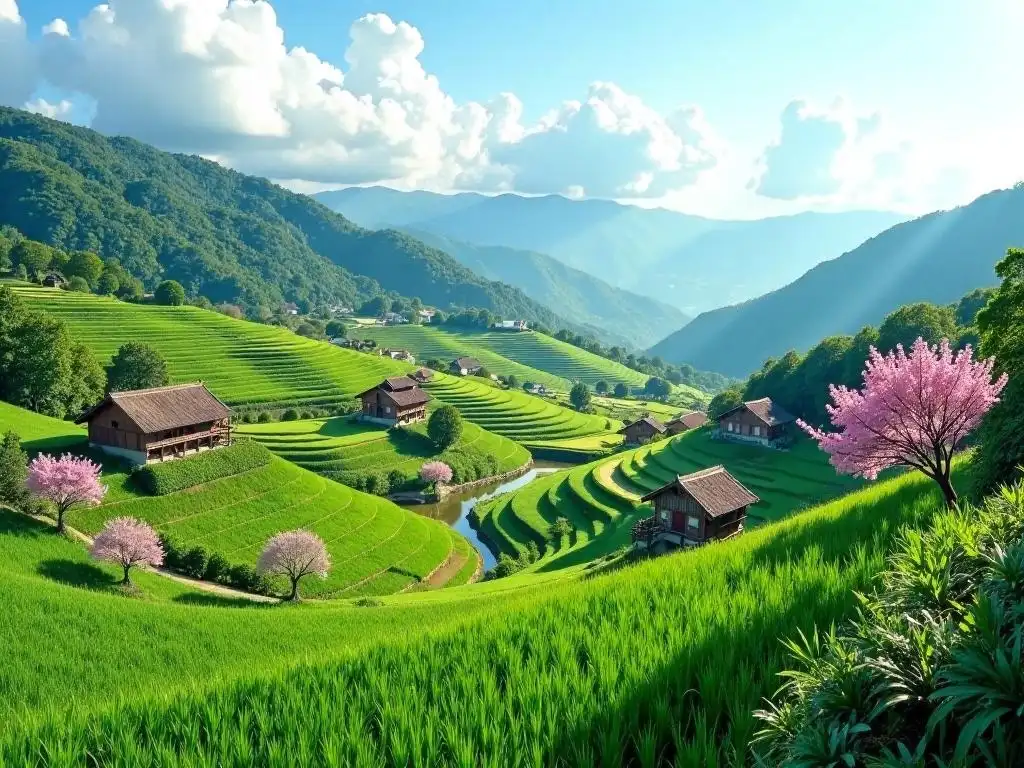
Innovations during the feudal era included advancements in farming tools and methods that significantly enhanced agricultural efficiency. The introduction of iron-tipped plows allowed farmers to cultivate heavier soils, while the use of hand-held sickles improved the harvesting process. Moreover, the development of crop rotation techniques, including the use of legumes to restore soil fertility, became essential in maintaining sustainable farming practices.
The establishment of the “sato” (rice fields) and the implementation of water management systems, such as canals and levees, also played a pivotal role. These innovations not only maximized land use but also mitigated the impact of natural disasters like floods and droughts. Furthermore, the cultivation of diverse crops, including millet and barley alongside rice, diversified the agricultural output and contributed to a more resilient food supply.
The Role of Rice Cultivation in Japan's Agricultural Practices
Rice cultivation was the cornerstone of Japan's agricultural practices during the feudal era, serving as both a staple food and a symbol of wealth and status. The cultivation of rice required meticulous care, from preparing flooded fields to managing planting and harvesting schedules according to seasonal changes. This labor-intensive process fostered a communal spirit among farming communities, as families often worked together during planting and harvest seasons.
Rice was not only fundamental to the diet of the Japanese people but also served as a medium of exchange and a measure of wealth. The samurai class, in particular, relied on rice as a form of taxation, which further reinforced its importance in the socio-economic structure of feudal Japan. Additionally, the reverence for rice is reflected in various cultural practices and rituals, underscoring its significance in both daily life and spiritual beliefs.
Regional Variations in Agricultural Practices
Regional variations in agricultural practices across Japan were shaped by the distinct geographical and climatic conditions of each area. From the mountainous terrains of the north to the fertile plains of the south, local adaptations were essential for optimizing agricultural output. For instance, in the colder regions, farmers often relied on barley and millet, which were better suited to shorter growing seasons, while in warmer areas, rice became the dominant crop.
Additionally, the presence of different soil types and water availability dictated the choice of crops and farming techniques. Coastal regions often engaged in aquaculture and the cultivation of seaweed, integrating marine resources into their agricultural practices. This diversity not only enriched the local diets but also fostered unique cultural identities tied to specific agricultural traditions.
Differences in Farming Techniques Across Japan
Farming techniques varied significantly between regions, influenced by local customs and environmental factors. In the Kansai region, for example, farmers employed terrace farming to cultivate rice on hilly terrain, allowing for efficient water management and maximizing arable land. In contrast, the Kanto region favored a more extensive approach, utilizing larger fields capable of supporting higher yields due to its relatively flat landscape.
Seasonal variations also dictated farming practices, with some areas adopting double-cropping methods to maximize productivity. Farmers in regions with milder climates often grew two rice crops within a single year, while those in harsher climates had to rely on single-crop systems. These regional differences highlight the adaptability and ingenuity of Japanese farmers in response to their unique environmental challenges.
Influence of Geography on Agricultural Methods
Geography played a critical role in shaping agricultural methods throughout feudal Japan. The country's diverse landscapes, including mountains, plains, and coastlines, necessitated the development of tailored farming practices that maximized the use of available resources. For instance, in regions prone to heavy rainfall, farmers developed raised fields to prevent waterlogging, while in arid areas, irrigation techniques were essential for sustaining crop growth.
Moreover, the geographical distribution of resources influenced trade networks and agricultural exchanges between regions. Areas with abundant rice production often traded with those that specialized in other crops or livestock, fostering economic interdependence. This interplay of geography and agriculture not only contributed to the resilience of Japan’s feudal economy but also shaped the cultural and societal dynamics of the time.
Societal Impact of Agricultural Growth
The agricultural revolution in feudal Japan brought significant changes to society, reshaping the landscape of rural life and influencing the structure of the economy. As farming techniques improved and crop yields increased, the effects rippled through communities, altering social hierarchies and economic interactions. This transformation laid the groundwork for a more complex societal framework where rural and urban dynamics began to evolve in tandem.
Agricultural advancements not only enhanced food production but also led to population growth. With a more stable food supply, people could focus on activities beyond mere subsistence, fostering a sense of community and leading to the development of new social roles. Consequently, as villages expanded and prospered, the need for organization and governance grew, prompting the establishment of local leadership structures and agricultural cooperatives.
Moreover, the rise in agricultural output catalyzed shifts in land ownership. Wealthier landowners began to accumulate more land, leading to a stratification of society where a distinct class of wealthy farmers emerged. This change highlighted the intricate relationships between agriculture, wealth, and power, setting the stage for future social conflicts and economic disparity.
Changes in Rural Society Due to Agricultural Advancements
The advancements in agricultural practices during Japan's feudal era resulted in profound changes within rural society. Techniques such as rice cultivation improvements, the introduction of new crop varieties, and the adoption of irrigation systems not only increased productivity but also altered the daily lives of farmers.
- Increased Labor Specialization: As farming became more efficient, the division of labor within rural communities became more pronounced. Some individuals began to specialize in particular tasks, such as rice planting or harvesting, which improved overall efficiency and productivity.
- Community Collaboration: The necessity for irrigation and crop management fostered a spirit of collaboration among villagers. Farmers often worked together to build and maintain irrigation systems, leading to stronger community bonds and collective responsibility.
- Cultural Shifts: Agricultural advancements also influenced cultural practices. Festivals and rituals surrounding planting and harvest became central to community life, reflecting the deep connection between agriculture and cultural identity in rural Japan.
The Rise of the Merchant Class and Its Relationship with Farmers
As agricultural growth flourished, the rise of a merchant class became a notable development in feudal Japan, fundamentally altering economic relationships. Merchants played a crucial role in the distribution of agricultural products, connecting rural farmers with urban markets.
- Economic Interdependence: Farmers relied on merchants for access to tools, seeds, and other necessities, while merchants depended on farmers for the raw materials needed to sustain their businesses. This interdependence led to the establishment of complex trade networks that transcended local boundaries.
- Emergence of Market Towns: The growth of agriculture contributed to the rise of vibrant market towns, where surplus produce was traded. These towns became hubs of economic activity, attracting farmers and merchants alike, and fostering a burgeoning economy.
- Changing Social Status: With increased wealth from trade, merchants began to gain social status, challenging the traditional hierarchy that prioritized landowners and samurai. This shift marked the beginning of a more dynamic social structure in which economic power could dictate social standing.
Challenges Faced by Farmers in Isolated Japan

Despite the burgeoning agricultural advancements, farmers in isolated Japan faced numerous challenges that threatened their livelihoods. The combination of natural disasters and strict isolationist policies created a precarious environment for agricultural sustainability.
Natural Disasters and Their Effect on Agricultural Output
Natural disasters, including earthquakes, typhoons, and droughts, posed significant threats to agricultural output in feudal Japan. These unpredictable events could devastate crops, leading to food shortages and economic hardship for farmers.
- Impact on Crop Yields: A single natural disaster could wipe out an entire harvest, resulting in immediate food scarcity and long-term economic repercussions for families reliant on agriculture for survival.
- Response and Adaptation: Farmers often had to develop strategies to mitigate the effects of these disasters. This included diversifying crop production and improving land management techniques, although these adaptations required time and resources that were not always available.
- Government Support: In some instances, the feudal government would intervene during times of crisis, providing assistance or resources. However, this support was inconsistent and often dependent on the local lord's priorities.
Limitations Imposed by Isolationist Policies on Trade
Japan's isolationist policies, particularly during the Tokugawa period, imposed significant restrictions on trade, impacting farmers' ability to thrive economically.
- Trade Restrictions: The government limited foreign trade and imposed strict regulations on domestic commerce, which hindered farmers' access to markets outside their local areas. This isolation meant that farmers could not take full advantage of potential sales opportunities for surplus crops.
- Dependency on Local Markets: As a result of these restrictions, farmers became heavily reliant on local markets, which could be oversaturated or subject to fluctuating prices. This dependency often led to economic vulnerability, especially during poor harvest years.
- Limited Access to Resources: The isolationist policies also restricted farmers' access to new agricultural techniques and technologies from abroad, stalling further advancements in agricultural practices and limiting growth potential.
While the agricultural revolution in isolated Japan led to significant societal changes and economic growth, it was accompanied by challenges that farmers had to navigate, reflecting the complexities of agricultural practices during this transformative period.
Comparative Analysis: Japan vs. Other Feudal Societies
The agricultural practices in feudal Japan present a unique case when compared to other feudal societies worldwide. While many feudal systems relied on similar agrarian foundations, Japan's geographic isolation and the specific socio-political context shaped its agricultural development in distinct ways.
In Europe, for example, feudal agriculture was heavily influenced by the extensive use of serfs and a system of land tenure that linked land ownership to military obligations. In contrast, Japan's agricultural system was characterized by a more centralized feudal structure, where samurai lords (daimyō) managed vast estates but had to ensure the welfare of their peasant population to maintain productivity and loyalty. This led to a different set of agricultural innovations and practices that were often adapted to local conditions.
Moreover, Japan's isolationist policies during the Edo period (1603-1868) limited contact with foreign agricultural technologies and practices, leading to a strong reliance on indigenous methods. This contrasts sharply with European feudal societies that frequently exchanged innovations across borders. Thus, while both systems faced challenges such as crop failures and labor shortages, the solutions and adaptations varied significantly, reflecting each society's unique circumstances.
Similarities and Differences in Agricultural Practices
Feudal Japan and other feudal societies share common agricultural practices, such as subsistence farming, crop rotation, and the use of animal labor. However, the methods and crops cultivated often differed based on the environment and available resources.
- Commonalities:
- Subsistence Farming: Similar to European peasants, Japanese farmers primarily grew food for their families, producing rice, millet, and vegetables.
- Crop Rotation: Both societies practiced crop rotation to maintain soil fertility, although the specific crops rotated differed.
- Differences:
- Rice Cultivation: In Japan, rice was not only a staple food but also a currency of sorts, deeply embedded in the culture and economy. In contrast, European societies were more diversified in their staple crops, including wheat, barley, and rye.
- Irrigation Techniques: Japan developed sophisticated irrigation systems that utilized its mountainous terrain, while European feudal societies often relied on simpler methods that varied by region.
By examining these similarities and differences, it's evident that while the agricultural practices were grounded in similar feudal principles, the adaptations to local environments and cultural significance of crops led to distinctly different agricultural landscapes.
Lessons Learned from Other Isolationist Economies
The study of other isolationist economies provides valuable insights into Japan's feudal agricultural practices. For instance, the Incan Empire in South America operated in relative isolation, which led to unique agricultural methods, such as terrace farming in mountainous regions.
- Adaptation to Environment: Just as the Incas adapted their farming to the Andes, Japanese farmers utilized terraced fields on slopes to maximize arable land, showcasing ingenuity in overcoming geographical challenges.
- Resource Management: Isolationist societies often had to rely on self-sufficiency, leading to innovative agricultural techniques, such as crop diversification and the cultivation of native species. Japan similarly developed a variety of rice strains suited to different climates and regions, enhancing resilience against pests and diseases.
These lessons highlight the importance of local adaptation and innovation in agricultural practices, demonstrating that isolation can foster unique solutions to agricultural challenges.
Conclusion: The Legacy of Agricultural Practices in Feudal Japan
Feudal Japan's agricultural practices have had a lasting impact on the country's agrarian landscape and societal structure. The methods developed during this period laid the foundation for modern Japanese agriculture, influencing everything from crop choices to farming techniques.
Long-term Effects on Modern Japanese Agriculture
The agricultural practices established during the feudal era continue to resonate in contemporary Japan. For instance, the emphasis on rice cultivation remains a cornerstone of Japanese agriculture, with rice production still central to the cultural identity and economy.
- Technological Advancements: Modern Japanese agriculture has integrated advanced technologies while preserving traditional methods, such as the cultivation of heirloom rice varieties that reflect the historical significance of rice farming.
- Sustainability Practices: The traditional practices of crop rotation and organic fertilization have influenced current sustainable farming approaches aimed at reducing chemical inputs and enhancing soil health.
These long-term effects underscore how feudal agricultural practices have informed modern agricultural policies and practices in Japan.
The Enduring Influence of Feudal Agricultural Practices on Japanese Society
The agricultural practices of feudal Japan have left an indelible mark on Japanese society, shaping social structures, cultural norms, and even national identity.
- Cultural Significance: Rice, as a symbol of prosperity and life, continues to play a vital role in Japanese festivals, rituals, and cuisine, highlighting the agricultural roots of the society.
- Social Hierarchies: The relationships between landowners and farmers established during the feudal era have evolved but still influence contemporary social dynamics and rural communities in Japan.
The legacy of feudal agricultural practices in Japan is a testament to the intricate interplay between agriculture, culture, and society, demonstrating how historical practices continue to inform modern life.
References
Suggested Further Reading on Japan's Feudal Agricultural Practices
To delve deeper into Japan's feudal agricultural practices, several insightful texts provide a comprehensive understanding of the evolution and intricacies of farming during this period. Here are some recommended readings:
-
"The History of Japanese Agriculture: From the Jomon to the Edo Period" by Takashi Hoshino
This book chronicles the transformation of agriculture in Japan, exploring the techniques and crops that defined each era, including the feudal period.
-
"Agricultural Practices in Japan: A Historical Overview" by Hiroshi Takeda
Takeda's work highlights the various agricultural methods employed in feudal Japan, detailing how isolationist policies shaped farming practices and crop selection.
-
"Rice, Farming, and the Japanese Economy: A Historical Perspective" by Akira Matsumoto
This book examines the central role of rice cultivation in the feudal economy, discussing its impact on social structure and trade.
-
"Feudal Japan: The Emergence of the Samurai and Agricultural Development" by Yuki Sato
Sato analyzes the relationship between the samurai class and agricultural practices, emphasizing land management and productivity during the feudal era.
Academic Sources and Historical Texts on Isolationist Policies
For an in-depth exploration of isolationist policies and their effects on Japan's agricultural practices, the following academic sources and historical texts are invaluable:
-
"Edo Period Isolationism: Policies and Consequences" by Kenji Yoshida
This scholarly article discusses the isolationist policies implemented during the Edo period and their implications for agricultural development and trade.
-
"The Sakoku Edicts: Japan's Isolationist Policies and Their Impact on Society" by Emiko Tanaka
Tanaka's research provides an analysis of the Sakoku edicts, detailing how these laws restricted foreign influence while promoting domestic agricultural practices.
-
"Japan's Agricultural Revolution: A Study in Isolation and Growth" by Masaharu Yamamoto
This text examines the contradictions within Japan's isolationist policies, highlighting how agricultural innovation thrived despite restrictions.
-
"Cultural and Economic Isolation in Japan: Historical Context and Current Interpretations" by Haruto Nakamura
Nakamura's work places Japan's isolationist policies within a broader historical framework, analyzing their long-term effects on agriculture and societal organization.
Each of these resources contributes to a richer understanding of the agricultural revolution within the context of Japan's feudal era and isolationist policies, making them essential for anyone interested in this significant aspect of Japanese history.
- Introduction to Japan's Feudal Agricultural Practices
- Overview of Agricultural Practices in Feudal Japan
- Historical Context of Isolationist Policies in Japan
- The Agricultural Revolution: Key Features and Developments
- Innovations in Japanese Agriculture During the Feudal Era
- The Role of Rice Cultivation in Japan's Agricultural Practices
- Regional Variations in Agricultural Practices
- Societal Impact of Agricultural Growth
- Challenges Faced by Farmers in Isolated Japan
- Comparative Analysis: Japan vs. Other Feudal Societies
- Conclusion: The Legacy of Agricultural Practices in Feudal Japan
- References
- What were the main agricultural practices during Japan's feudal era?
- How did geography influence agricultural development in Japan?
- What role did the samurai class play in feudal agriculture?
- How did social structure affect agricultural productivity?
- What were some innovations in agricultural techniques during this period?
Frequently Asked Questions
What were the main agricultural practices during Japan's feudal era?
During the feudal era, Japan employed rice cultivation as its primary agricultural practice, alongside other crops like barley and millet. Techniques such as terracing and wet-rice farming were essential for productivity.
How did geography influence agricultural development in Japan?
Japan's islands and mountainous terrain created challenges for farming, leading to the development of innovative agricultural techniques. Localized farming practices adapted to the climate and soil types were crucial for sustaining communities.
What role did the samurai class play in feudal agriculture?
The samurai class played a significant role in land management and governance, often overseeing agricultural production. They enforced taxes on farmers, which impacted agricultural output and economic stability.
The feudal hierarchy established a system where peasants worked the land, while lords collected taxes. This structure often led to inequitable distribution of resources, affecting overall agricultural productivity and farmer welfare.
What were some innovations in agricultural techniques during this period?
Innovations included the use of irrigation systems, improved seed selection, and the development of tools like the plow. These advancements aimed to enhance crop yields and sustain Japan’s growing population amidst feudal restrictions.
Final Reflection: Growth Through Resilience in Japan's Agricultural Practices
The exploration of Japan's feudal agricultural practices during the Agricultural Revolution reveals a profound narrative of adaptation and innovation amidst isolation. In a world increasingly interconnected, the lessons from Japan's unique agricultural journey remind us that even in the face of restrictions, growth is not only possible but can flourish. This historical context resonates today as we navigate our own challenges, emphasizing that resilience can lead to remarkable advancements, even in the most constrained environments.
The impact of these agricultural practices extends far beyond the fields of Japan; they have shaped cultural identities and social structures that persist to this day. Understanding how these practices influenced community dynamics and resource management is crucial for appreciating the intricate tapestry of Japanese society. As we reflect on this, we are reminded of the words of historian William McNeill: The past is a foreign country; they do things differently there.
This quote encapsulates the importance of learning from historical practices to inform our present and future, as we face our own agricultural and environmental challenges.
As we conclude this exploration, I invite you to reflect on the resilience demonstrated by Japan's feudal agricultural practices and consider how these lessons can be applied in your own life. What constraints do you face, and how can you turn them into opportunities for growth? Embrace the spirit of innovation and adaptability that characterized this era, and let it inspire you to cultivate your own path, regardless of the challenges that may arise. The future is shaped by our responses to the past; let us learn from it and strive for a flourishing tomorrow.
Unveil the Roots of Agricultural Innovation!
Thank you for taking the time to explore the fascinating era of the Agricultural Revolution in Japan. Your engagement with this transformative chapter truly enriches your understanding of how society evolved despite various challenges. Now, it's time to channel that knowledge into action!
Here are some powerful steps you can take to further your journey in this captivating topic:
- Dive deeper: Read a book or watch a documentary focusing on historical agricultural practices to uncover more about how innovations shaped Japan's future.
- Join the conversation: Share your thoughts in our comment section or on social media about how isolation can sometimes spur creativity and growth.
- Connect with the community: Seek out local history groups or online forums dedicated to Japanese history to engage with fellow enthusiasts.
What aspect of Japan's agricultural evolution do you find most intriguing, and how do you think it shaped societal structures during that time?