
The Role of the Shogunate in Shaping Educational Policies

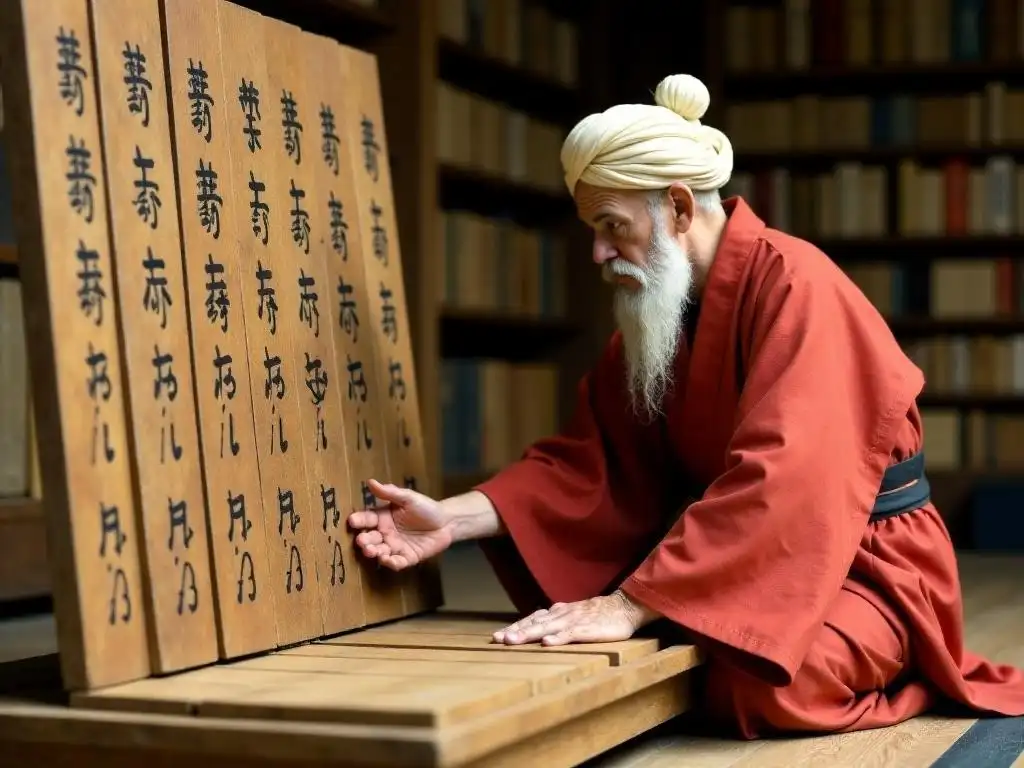
Welcome to Feudal Japan History, where we embark on a captivating journey through the intriguing complexities of Japan's feudal era. Have you ever wondered how the Shogunate influenced the educational landscape during this transformative period?
In our latest article, "The Role of the Shogunate in Shaping Educational Policies," we delve into the intricate policies that not only shaped the minds of the samurai and commoners alike but also laid the groundwork for Japan's future. Join us as we uncover the profound impact of these educational reforms on daily life and society—your exploration of a fascinating chapter in history begins here!
The Shogunate represents a pivotal period in Japanese history, marked by a unique blend of military governance and cultural advancement. This era not only transformed political structures but also significantly influenced educational policies that shaped the societal landscape of Japan. Understanding the role of the Shogunate in education provides critical insights into how these policies affected the development of knowledge, culture, and social hierarchy during feudal Japan. This article delves into the intricacies of Shogunate educational policies, examining their origins, implementations, and lasting impacts on Japanese society.
Introduction to the Shogunate and Education in Japan
The Shogunate, a military dictatorship established in the 12th century, was characterized by the consolidation of power by a shōgun, who acted as the de facto ruler of Japan, while the emperor remained a symbolic figure. Education during this time was not only a tool for individual advancement but also a means for the shogunate to maintain control and propagate its values. The educational policies enacted by various shogunates were instrumental in shaping the intellectual and cultural fabric of Japan.
Overview of the Shogunate's Influence on Society
The influence of the Shogunate extended beyond politics and military affairs; it permeated various aspects of daily life, including education. As the ruling class, the shōguns implemented policies that established a structured educational system, emphasizing Confucian values and practical skills necessary for governance and societal order. This created a hierarchy where education became a privilege for samurai and elite classes, while commoners had limited access to formal schooling.
Importance of Education in Feudal Japan
Education in feudal Japan was crucial for several reasons:
- Social Mobility: For the samurai class, education provided pathways to greater status and better roles within the shogunate's military and administrative apparatus.
- Cultural Development: Educational institutions fostered the arts, literature, and philosophy, contributing to a rich cultural heritage that defined the era.
- Political Stability: By educating the ruling elite, the Shogunate ensured loyalty and governance effectiveness, thereby reinforcing its power.
Historical Context of Shogunate Educational Policies
To fully appreciate the impact of the Shogunate on education, it is essential to explore the historical context surrounding its formation and governance.
The Formation of the Shogunate and Its Governance
The first shogunate, the Kamakura Shogunate, emerged in the late 12th century, following the Genpei War. This marked the beginning of a new political order in Japan. The establishment of the shogunate led to the creation of a feudal system, where land was exchanged for military service. Education during this period began to reflect the needs of a warrior society, focusing on martial skills, loyalty, and governance.
Early Educational Systems Before the Shogunate
Before the advent of the shogunate, Japan's education was primarily influenced by Chinese models. Monastic schools and temples served as centers of learning, where Buddhist and Confucian texts were studied. However, this system was limited in scope and accessibility, often reserved for the elite. The transition to a shogunate system brought about a more structured approach to education, aiming to standardize and expand learning across different social classes.
Major Shogunates and Their Educational Reforms
Throughout Japan's feudal era, several shogunates enacted significant educational reforms. Notably:
- The Ashikaga Shogunate (1336-1573): Introduced the concept of gakumon, or learning, promoting the establishment of daigaku (universities) and fostering Neo-Confucianism as a guiding philosophy for governance and education.
- The Tokugawa Shogunate (1603-1868): Instituted a more formalized educational system with the establishment of terakoya (temple schools) and han schools, which provided basic education to children of commoners, reflecting a shift towards broader access to education.
Through these reforms, the Shogunate not only shaped educational policies but also influenced the values and skills that would underpin Japanese society for generations to come.
Key Shogunate Educational Policies in Japan
The educational policies developed during the various shogunates played a crucial role in shaping the intellectual landscape of feudal Japan. These policies were not merely administrative directives; they reflected the broader socio-political and cultural contexts of the time. Each shogunate brought its own approach to education, often influenced by Confucian ideals, Buddhism, and the need for a literate populace to support governance and military endeavors.
A notable aspect of these educational policies was the establishment of formal schools and the promotion of specific curricula that aligned with the shogunate's goals. For instance, during the Tokugawa period, a network of terakoya (temple schools) emerged, which were pivotal in teaching reading, writing, and arithmetic to commoners. This marked a significant shift from earlier periods when education was largely the privilege of the elite.
Furthermore, the shogunate's educational policies were instrumental in fostering a sense of national identity and loyalty among the populace. By regulating educational content and promoting certain historical narratives, the shogunate aimed to cultivate a harmonious society where loyalty to the ruling class and the state was paramount.
The Tokugawa Shogunate's Educational Framework
The Tokugawa Shogunate (1603-1868) established a comprehensive educational framework that laid the foundation for modern education in Japan. A key feature was the promotion of Confucianism as the dominant ideology, which emphasized moral education and civic responsibility. Confucian ideals were integrated into the curriculum, shaping the moral character of students and reinforcing the social order.
The Tokugawa government supported various types of educational institutions, including:
- Samurai Schools (Hankō): These institutions focused on training the samurai class in both martial and scholarly pursuits, combining military training with Confucian teachings.
- Terakoya: As mentioned, these were informal schools often run by Buddhist temples, making education accessible to the common people. They taught basic literacy and numeracy, thereby increasing the overall literacy rate in Japan.
- Private Academies (Shijuku): These were established by scholars and provided more advanced education to students from wealthy families.
Additionally, the shogunate implemented regulations to standardize education across different domains, ensuring that all schools adhered to the prescribed curriculum. This educational uniformity was crucial in promoting a shared cultural and intellectual heritage among the Japanese populace.
The Role of Samurai in Education and Knowledge Transmission
Samurai played a pivotal role in the educational landscape of feudal Japan, not only as students but also as educators and administrators. Their status afforded them access to advanced learning, which included literature, philosophy, and military strategy.
In many cases, samurai were tasked with the establishment and oversight of educational institutions, particularly in rural areas. They often acted as patrons of education, funding terakoya and other schools, ensuring that education reached their domains. Through their involvement in education, samurai transmitted both knowledge and cultural values, reinforcing their status as moral exemplars in society.
Moreover, the samurai's dual role as warriors and scholars contributed to a unique cultural synthesis. The emphasis on education within the samurai class led to the emergence of a literate and culturally sophisticated elite, who were expected to engage in both governance and the arts. This interplay between education and martial values was a hallmark of the Tokugawa period and significantly influenced Japanese society.
Changes in Educational Policies Under Different Shogunates
Throughout Japan's feudal history, educational policies evolved significantly under different shogunates. The Ashikaga Shogunate (1336-1573) promoted a more decentralized approach to education, allowing for the establishment of various private schools and temples, which catered to local needs. However, this lack of standardized education led to disparities in knowledge and literacy across the regions.
In contrast, the centralized governance of the Tokugawa Shogunate resulted in a more uniform educational system. The establishment of the national education framework under Tokugawa laid a foundation that emphasized moral and civic education, which was less pronounced in earlier periods.
As Japan transitioned into the Meiji Restoration (1868), educational policies further transformed, incorporating Western educational models and emphasizing science and technology over traditional Confucian teachings. This marked a departure from the shogunate's policies, reflecting a broader shift toward modernization and industrialization.
Impact of Shogunate Educational Policies on Society
The educational policies implemented by the shogunate had profound effects on Japanese society, influencing everything from literacy rates to social structures. The emphasis on education across different classes not only fostered a more informed populace but also reshaped societal norms and expectations.
The Rise of Literacy Rates in Feudal Japan
One of the most significant impacts of shogunate educational policies was the remarkable increase in literacy rates during the Tokugawa period. By the end of the 18th century, estimates suggest that approximately 40% of the male population could read and write, a significant improvement from prior eras.
This surge in literacy was largely due to the widespread establishment of terakoya and the efforts of the samurai to promote education among commoners. The curriculum emphasized practical skills, ensuring that even the lower classes could acquire basic literacy and numeracy. This newfound literacy not only empowered individuals but also facilitated the spread of ideas and cultural practices across the country.
Influence on Social Hierarchies and Class Structure
Shogunate educational policies also had a notable impact on social hierarchies and class structures in Japan. The emphasis on education allowed for the emergence of a more informed and literate merchant class, which began to challenge the traditional social order dominated by the samurai and aristocracy.
As education became more accessible, members of the merchant class sought knowledge and education to improve their social standing, leading to a gradual erosion of the rigid class distinctions that had previously defined Japanese society. This shift was evident in the rising influence of merchants and the growing recognition of their contributions to the economy and culture.
Educational Access: Who Benefited from Shogunate Policies?
While shogunate educational policies significantly expanded access to education, the benefits were not evenly distributed across all social classes. The samurai and wealthy merchants had more opportunities for advanced education and access to prestigious institutions, while peasants and lower classes primarily attended terakoya, focusing on basic skills.
However, it is important to note that the rise of terakoya allowed commoners to attain literacy, which was unprecedented in earlier periods. This democratization of education, albeit limited, marked a shift in the perception of knowledge and its value in society.
The educational policies of the shogunate laid the groundwork for a more literate and engaged society, but the inequities in access and quality of education remained a persistent challenge throughout feudal Japan.
Cultural Implications of Shogunate Educational Policies

The educational policies implemented by the shogunate had profound cultural implications that shaped the social and intellectual landscape of Japan during the feudal era. These policies were not merely about imparting knowledge; they were deeply intertwined with the values, beliefs, and artistic expressions of the time. The shogunate's focus on education served as a means to reinforce loyalty to the state and the ruling class, thereby creating a more unified cultural identity among the populace.
Education during this period was often steeped in Confucian principles, emphasizing moral education, filial piety, and loyalty, which were essential for maintaining social order. The shogunate promoted a curriculum that included not only practical skills but also moral teachings, fostering a culture that valued respect for authority and hierarchical relationships. This dual focus contributed to a societal structure that prioritized communal harmony over individualism, effectively shaping the cultural fabric of Japan.
The Relationship Between Education and Cultural Development
The relationship between education and cultural development in feudal Japan was symbiotic. The shogunate's educational initiatives were instrumental in cultivating a literate society that could engage with and appreciate the rich tapestry of Japanese culture. Schools established by the shogunate often included teachings on classical literature, history, and philosophy, which were crucial for instilling a sense of cultural identity and continuity.
Moreover, education became a vehicle for the transmission of cultural values and traditions. The shogunate recognized the importance of educating the samurai class, as they were not only warriors but also custodians of culture. By imparting knowledge of poetry, calligraphy, and philosophy, the shogunate ensured that the samurai would serve as role models, preserving and promoting cultural heritage within their domains. As a result, education contributed to a flourishing of cultural practices, including the development of distinct art forms and literary styles.
Preservation of Japanese Arts and Literature Through Education
The preservation of Japanese arts and literature was significantly influenced by the educational policies of the shogunate. Through state-sponsored schools and cultural programs, the shogunate promoted the study and appreciation of traditional arts, including Noh theater, tea ceremony, and ikebana (flower arranging). These art forms were not only seen as cultural treasures but also as essential components of a refined education.
Literature, particularly classical works such as The Tale of Genji and poetry styles like haiku, was integrated into the educational curriculum. Students were encouraged to read and compose, fostering a literary culture that celebrated Japan's rich storytelling traditions. The shogunate's commitment to education thus played a pivotal role in ensuring that these art forms and literary works were preserved and passed down through generations, contributing to the vibrant cultural identity that Japan is known for today.
Conclusion: The Legacy of Shogunate Educational Policies
The legacy of the shogunate's educational policies is a testament to their lasting impact on Japanese society. By establishing a structured educational system that emphasized moral values and cultural appreciation, the shogunate laid the groundwork for a literate and culturally rich society. This legacy continues to influence Japan's educational framework and cultural identity.
Lasting Effects on Modern Japanese Education
The effects of shogunate educational policies can be observed in modern Japanese education, which still emphasizes moral education, respect for authority, and cultural heritage. Many principles established during the feudal era, such as the importance of discipline and community involvement in education, persist today. Furthermore, the integration of traditional arts into the curriculum reflects the shogunate's influence on contemporary educational practices, ensuring that Japan's cultural heritage remains a vital part of its identity.
Reflection on the Shogunate's Role in Shaping Educational Ideals
Reflecting on the shogunate's role in shaping educational ideals reveals a complex interplay between governance, culture, and societal values. The emphasis on education not only served the political needs of the shogunate but also fostered a sense of cultural pride and identity among the Japanese people. This dual purpose highlights the significance of education as a tool for both social control and cultural preservation, solidifying the shogunate's legacy in Japan's historical narrative. The educational policies of the shogunate thus remain a foundational aspect of Japan's journey towards modernity, influencing both its educational systems and cultural ethos.
References
In exploring the educational policies of the Shogunate in Japan, a variety of texts, academic papers, and historical accounts provide valuable insights into how these policies were developed and implemented over time. The following sections will highlight key texts and sources that are essential for understanding this aspect of feudal Japanese history.
Key Texts and Sources on Shogunate Educational Policies
-
"The Confucian Way of Teaching in Tokugawa Japan" by Christopher I. Beckwith
This book delves into the influence of Confucian ideals on education during the Tokugawa Shogunate, illustrating how these philosophies shaped the curriculum and pedagogical methods of the time.
-
"Education in Tokugawa Japan" by Edward Seidensticker
Seidensticker's work provides a comprehensive overview of the educational systems established under the Tokugawa regime, detailing the rise of private and public schools and their roles in society.
-
"Tokugawa Japan: The Social and Economic History of the Shogunate" by R. H. P. Mason and J. G. Caiger
This historical account offers insights into the socio-economic factors that influenced educational policies, including the relationship between social class and access to education.
-
"The Rise of the Samurai: The Shogunate and its Educational Policies" by William McCullough
McCullough examines the evolution of the samurai class and how their educational needs shaped the broader educational landscape of Japan during the feudal period.
-
"Confucianism and Education in Japan" in the Journal of Asian Studies
This article discusses the integration of Confucian values in Japanese education, highlighting how these principles were propagated by the Shogunate and their impact on the populace.
Recommended Further Reading on Feudal Japan and Education
-
"A History of Japan: 1334 to 1615" by George Sansom
This book provides context on the political and cultural atmosphere of Japan during the later feudal period, offering insights into how education was influenced by broader societal changes.
-
"The Making of Modern Japan" by John W. Dower
While primarily focused on the modernization of Japan, Dower's analysis also covers the educational reforms initiated during the Meiji Restoration, which were influenced by the preceding Shogunate policies.
-
"Japanese Education: A Historical Perspective" by K. S. Yoshikawa
This work explores the historical development of educational practices in Japan, with a focus on the Shogunate's role in laying the groundwork for future educational systems.
-
"The Samurai and the Sacred" by John S. Brownlee
This text delves into the cultural and religious aspects of samurai education, examining how these elements interplayed with the formal educational policies of the Shogunate.
-
"Education and Society in Japan" by Robert J. Smith
Smith's book provides a broader context of educational practices in Japan, emphasizing the societal implications of the Shogunate's educational policies and their lasting effects on Japanese culture.
These references and further readings provide a robust foundation for understanding the intricate relationship between the Shogunate and educational policies in Japan, allowing for a deeper appreciation of the historical context and its implications for contemporary education in Japan.
- Introduction to the Shogunate and Education in Japan
- Historical Context of Shogunate Educational Policies
- Key Shogunate Educational Policies in Japan
- Impact of Shogunate Educational Policies on Society
- Cultural Implications of Shogunate Educational Policies
- Conclusion: The Legacy of Shogunate Educational Policies
- References
- What were the main educational policies during the Shogunate in Japan?
- How did the Shogunate influence the curriculum in Japan?
- Were there any notable educational institutions established during the Shogunate?
- How did educational policies vary between different Shogunates?
- What impact did the Shogunate's educational policies have on Japanese society?
Frequently Asked Questions
What were the main educational policies during the Shogunate in Japan?
The Shogunate educational policies focused on Confucianism, promoting moral education and governance principles. They aimed to cultivate loyal subjects and prepare samurai for leadership roles.
How did the Shogunate influence the curriculum in Japan?
The curriculum during the Shogunate was heavily influenced by Chinese classics and Confucian texts, emphasizing ethics, history, and literature, shaping the moral and intellectual framework of society.
Were there any notable educational institutions established during the Shogunate?
Yes, several schools and temples were established, including the Shokunin Gakko, which trained samurai and commoners, reflecting the Shogunate's commitment to education as a means of social control and development.
How did educational policies vary between different Shogunates?
Educational policies varied, with the Tokugawa Shogunate promoting a more structured system, while earlier Shogunates had less formalized approaches, often prioritizing military training over academic pursuits.
What impact did the Shogunate's educational policies have on Japanese society?
These policies fostered a culture of literacy and civility, contributing to a more educated population that could engage in governance and social discourse, ultimately shaping Japan's modernization in later periods.
Final Reflection: The Lasting Legacy of Shogunate Educational Policies in Japan
The exploration of Shogunate educational policies in Japan reveals a profound connection between governance and the cultivation of knowledge that resonates even today. As we navigate an increasingly complex world, the historical significance of these policies serves as a reminder of how education can be wielded as a tool for societal transformation. The Shogunate's commitment to education not only shaped the intellectual landscape of its time but also laid the groundwork for Japan's modern educational system, highlighting the enduring power of informed leadership.
The influence of the Shogunate's educational initiatives continues to permeate our cultural and social fabric. These policies fostered a sense of national identity and intellectual growth that transcends generations. The emphasis on education during the Shogunate era can be encapsulated in the words of Confucius: Education breeds confidence. Confidence breeds hope. Hope breeds peace.
This quote underscores the vital role that education plays in shaping not just individuals, but entire societies, fostering a legacy that inspires ongoing dialogue about the importance of learning in our lives today.
As we reflect on the lessons of the Shogunate's approach to education, let us consider how we can apply these insights in our own lives. Embrace the transformative power of knowledge and advocate for educational opportunities that empower others. In a world where information is more accessible than ever, we have the responsibility to cultivate a culture of learning and curiosity. Together, let us honor the legacy of the Shogunate by committing to lifelong learning and championing educational policies that uplift and inspire future generations.
Unveil the Legacy: Take Action on Educational Insights!
Thank you for diving into the fascinating world of the shogunate and its profound influence on educational policies in Feudal Japan. Your curiosity brings you one step closer to understanding how history shapes our modern world.
Now that you’ve gained valuable insights, here’s how you can further explore and engage with this rich history:
- Dive deeper: Read more articles on our site to expand your knowledge about the various facets of Feudal Japan.
- Share your thoughts: Discuss this article with friends or on social media to spark conversations about the impact of historical educational systems.
- Join our community: Subscribe to our newsletter for exclusive content, updates, and insights into more intriguing topics surrounding feudal history.
What aspect of the shogunate's educational influence intrigues you the most, and how do you think it resonates with today’s educational systems?