
The Isolationist Policies of the Tokugawa Shogunate: Sakoku Explained

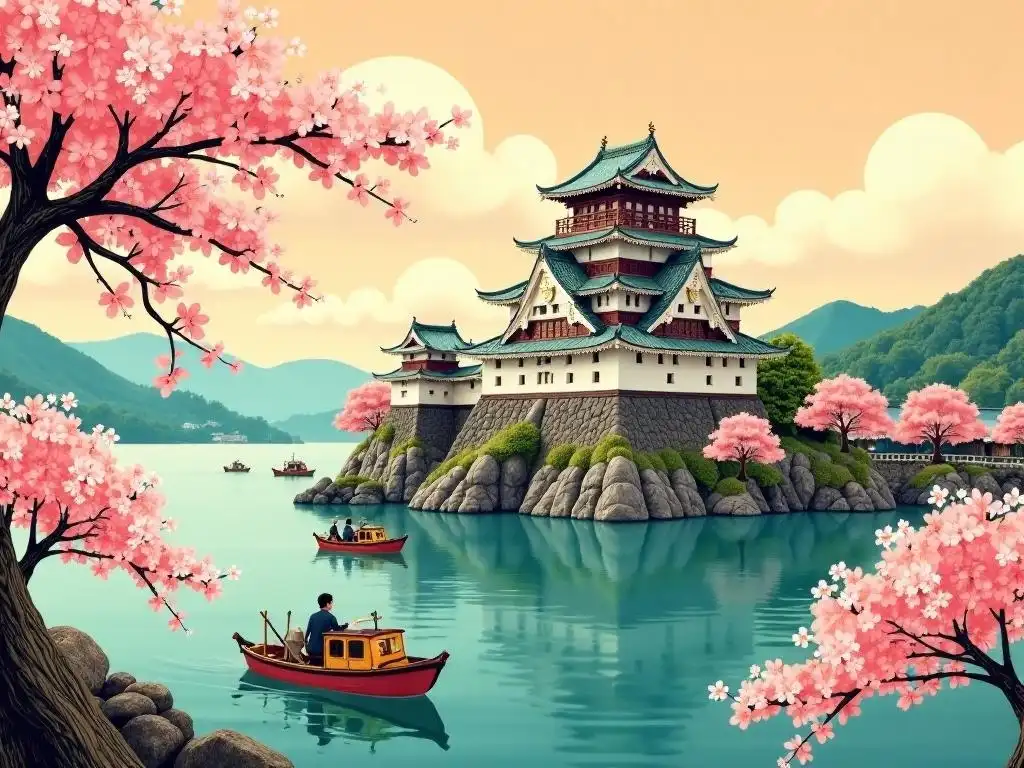
Welcome to Feudal Japan History, where the intricate tapestry of Japan's feudal era unfolds before your eyes. Delve into the fascinating world of the Tokugawa shogunate isolation policies, a pivotal chapter that shaped the nation's destiny. What drove this remarkable shift towards seclusion, and how did it influence Japan’s cultural and political landscape? Join us as we unravel the mysteries of Sakoku, exploring the motivations behind these policies and their lasting impact on Japanese society. Prepare to embark on a journey through time that will leave you eager for more insights and revelations!
The Tokugawa Shogunate, which ruled Japan from 1603 to 1868, is a pivotal era in Japanese history marked by significant political, social, and cultural transformations. At the heart of this period were the isolationist policies, known as Sakoku, that aimed to consolidate power, maintain social order, and limit foreign influence. These policies not only shaped Japan's interactions with the outside world but also had profound implications for its internal dynamics.
By examining the Tokugawa shogunate isolation policies, we can uncover the motivations behind Sakoku and its effects on Japan’s development during this period. This article delves into the intricacies of these policies, exploring their origins, implications, and how they compare to isolationist strategies employed by other nations.
Understanding the Tokugawa Shogunate
Overview of the Tokugawa Era
The Tokugawa Era, also known as the Edo period, was characterized by a feudal system that emphasized a rigid social hierarchy and the centralization of power under the shogunate. This period saw the emergence of a samurai class as the ruling elite, with the Tokugawa family at the apex, controlling the military and political apparatus of the state. The era was marked by relative peace, stability, and economic growth, largely due to the effective governance strategies implemented by the shogunate. However, this stability came at the cost of severe restrictions on foreign interaction and domestic mobility.
Key Figures in the Tokugawa Shogunate
Several key figures played crucial roles in the establishment and maintenance of the Tokugawa Shogunate:
- Tokugawa Ieyasu: The founder of the shogunate, Ieyasu implemented policies that laid the groundwork for Sakoku and shaped the governance of Japan for over two centuries.
- Tokugawa Hidetada: Ieyasu's son, who continued his father's policies and helped solidify the shogunate's authority.
- Tokugawa Iemitsu: The third shōgun, known for enforcing isolationist policies more strictly, culminating in the Sakoku edicts that defined Japan’s foreign relations.
The Formation of Tokugawa Policies
The policies of the Tokugawa Shogunate were formed in response to various internal and external pressures, including the threat of Christian missionaries and colonial powers. To safeguard Japan's sovereignty and cultural identity, the shogunate gradually restricted foreign trade, culminating in the Sakoku edicts of the 1630s, which prohibited Japanese citizens from traveling abroad and limited foreign access to Japan.
The Concept of Isolationism in Japan
Definition of Isolationist Policies
Isolationist policies refer to strategies implemented by a state to limit its interactions with the outside world. In the context of the Tokugawa Shogunate, this was characterized by a ban on foreign travel, strict limitations on trade, and the expulsion of missionaries. These policies aimed to prevent foreign influence, especially from Western powers and Christianity, thereby maintaining cultural homogeneity and political stability.
Historical Context of Isolationism in Japan
The roots of Japan's isolationist policies can be traced back to the tumultuous interactions with European powers in the 16th century, particularly the arrival of Portuguese traders and Spanish missionaries. The shogunate perceived these interactions as threats to their authority and the traditional Japanese way of life, prompting a shift toward isolationism to protect their sovereignty.
Comparison with Other Isolationist Nations
Japan's isolationist policies during the Tokugawa Shogunate can be compared to similar policies adopted by other nations, such as:
- China's Ming Dynasty: Known for its maritime restrictions and limiting foreign trade to preserve cultural integrity.
- Korea's Joseon Dynasty: Implemented the Sadae system, which emphasized limited engagement with foreign powers while prioritizing Confucian values.
By exploring these comparisons, we can better understand the unique aspects of Japan's Sakoku and its long-lasting implications on Japanese society and culture.
The Sakoku Edicts: A Detailed Examination
The Sakoku edicts were a series of laws established by the Tokugawa shogunate in the early 17th century that effectively isolated Japan from the rest of the world. This isolationist policy, known as Sakoku, was a response to various internal and external pressures, including the increasing influence of Christianity and European powers in Asia. The edicts were designed to maintain political stability and uphold the shogunate's authority, shaping Japan’s socio-economic landscape for over two centuries.
Introduction to Sakoku: The Closed Country Edicts
The term Sakoku translates to "closed country," and the edicts were first formalized in 1635 under the leadership of Tokugawa Iemitsu. The primary aim was to limit foreign influence and control trade, particularly in response to the threat posed by Christian missionaries and the growing power of foreign nations. The edicts prohibited Japanese citizens from traveling abroad and restricted foreign access to Japan, allowing only a select few Dutch and Chinese traders to engage in limited commerce at designated ports.
These laws not only aimed to eliminate foreign religious influence but also sought to protect Japan’s cultural identity and sovereignty. The enforcement of these policies resulted in a highly regulated society, with strict penalties for those who violated the edicts, including execution for those who attempted to leave Japan.
Key Dates and Events in the Implementation of Sakoku
The implementation of Sakoku occurred over several key dates, establishing a framework for Japan's isolationist policies:
- 1633: The first edict was issued, prohibiting Japanese from traveling abroad and mandating that any Japanese who had left must not return.
- 1635: The Sakoku edict was formally codified, reinforcing the ban on Japanese overseas travel and restricting foreign ships from entering Japanese waters.
- 1650: The number of permitted foreign ships was limited, primarily allowing Dutch and Chinese vessels to trade at Nagasaki.
- 1853-1854: Commodore Matthew Perry of the United States pressured Japan to open its ports to American trade, ultimately leading to the end of Sakoku in 1854.
These pivotal moments highlight the gradual entrenchment of isolationist policies and their eventual confrontation with external pressures.
Major Provisions of the Sakoku Policies
The Sakoku policies were comprehensive and included several key provisions:
- Ban on Overseas Travel: Japanese citizens were forbidden to leave the country, with severe penalties for violators.
- Restriction of Foreign Contact: Most foreign nationals were barred from entering Japan, with limited exceptions for Dutch and Chinese merchants.
- Control of Trade: The shogunate regulated trade strictly, allowing only select foreign companies to operate within designated areas.
- Suppression of Christianity: The practice of Christianity was outlawed, and the shogunate actively persecuted converts and missionaries.
These provisions ensured that Japan remained insulated from foreign influence, thereby preserving the Tokugawa regime's authority and the nation’s cultural integrity.
Reasons Behind the Tokugawa Shogunate Isolation Policies
The isolationist policies of the Tokugawa shogunate were not arbitrary; they emerged from a complex interplay of political, economic, and societal factors that shaped Japan during this period.
Political Motivations for Isolationism
The Tokugawa shogunate’s primary political motivation for implementing isolation policies was to consolidate power and maintain stability within Japan. The shogunate faced challenges from both internal factions and external forces. By limiting foreign influence, the shogunate aimed to prevent the rise of alternative power structures, particularly those associated with Christianity, which was seen as a threat to the traditional social order.
Moreover, by controlling foreign interactions, the Tokugawa regime sought to eliminate any potential uprisings or civil strife that could arise from foreign ideologies. This centralization of power was crucial for the shogunate's long-term governance strategy, as it fortified their authority over the daimyōs (feudal lords) and the populace.
Economic Factors Influencing Tokugawa Policies
Economically, the Tokugawa shogunate sought to protect and promote domestic industries. By restricting foreign trade and limiting access to Japan, the shogunate aimed to prevent capital flight and ensure that wealth remained within the country. This isolationist approach allowed Japan to develop its agricultural and artisanal sectors without the competition posed by foreign imports.
Additionally, the shogunate’s control over trade routes and markets enabled it to regulate prices and manage resources effectively. The limited engagement with foreign traders, particularly the Dutch, was seen as a means to extract favorable economic terms while minimizing foreign influence, thus maintaining a semblance of economic independence.
Societal Implications of Isolationist Strategies
The societal implications of the Tokugawa shogunate's isolation policies were profound. Sakoku fostered a homogeneous culture, as the lack of external influences allowed for the preservation and development of traditional Japanese customs, art, and social structures.
However, this insularity also led to stagnation in certain areas, particularly in technology and cultural exchange. The rigid social hierarchy reinforced by Sakoku further entrenched class divisions, limiting mobility and innovation within society. The isolationist stance ultimately created a unique cultural identity, but it also set the stage for challenges when Japan was eventually forced to engage with the outside world in the mid-19th century.
The Tokugawa shogunate's isolation policies were a multifaceted strategy aimed at preserving power, promoting economic stability, and maintaining social order. The Sakoku edicts fundamentally shaped Japan's trajectory during the feudal era, leaving a lasting legacy that would influence its future interactions with the world.
Impact of Tokugawa Shogunate Isolation Policies
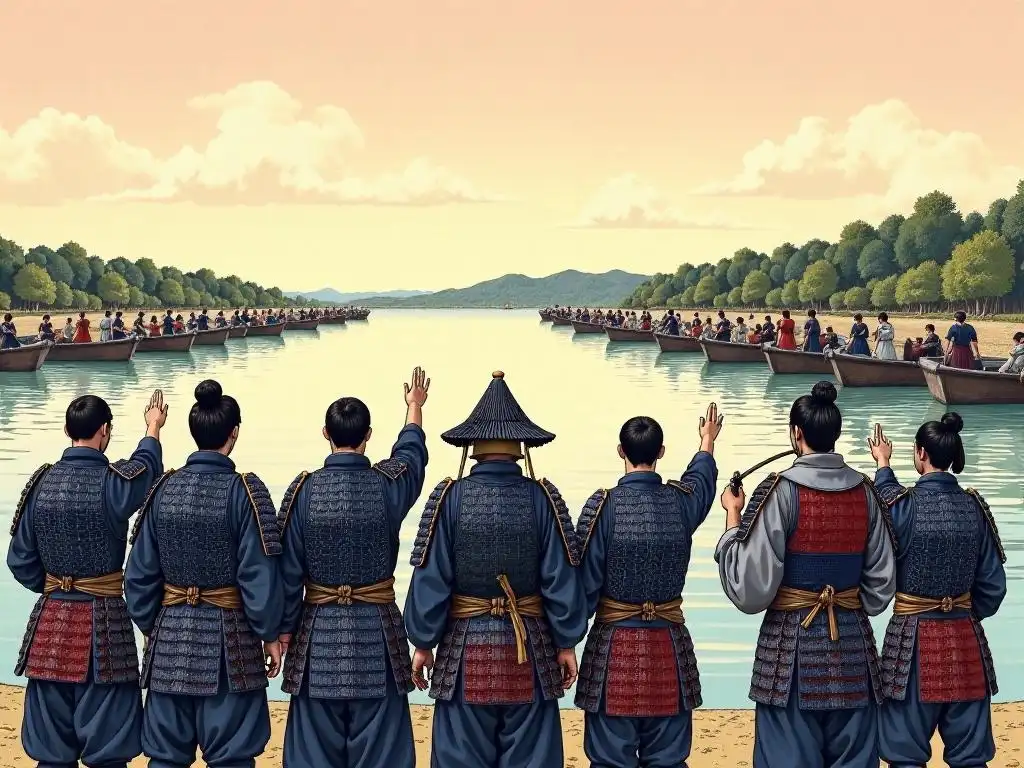
The isolationist policies of the Tokugawa Shogunate, known as Sakoku, profoundly shaped Japan's trajectory during the early modern period. Implemented in the 17th century, these policies aimed to eliminate foreign influence and maintain political stability. The repercussions of Sakoku were multifaceted, affecting Japan's foreign relations, cultural landscape, and even the socio-economic framework of the period. As the country closed its borders to most foreign interactions, it cultivated a unique identity and societal structure that persisted long after the shogunate's decline.
Effects on Foreign Relations and Trade
The Tokugawa isolation policies drastically altered Japan's foreign relations and trade dynamics. Initially, the shogunate allowed limited trade with select countries, such as the Dutch and the Chinese, primarily through the port of Nagasaki. This selective engagement was designed to benefit Japan by controlling foreign influence while still reaping economic advantages.
- Limited Trade Partners: The shogunate restricted foreign relations to a few designated countries, which created a monopoly on foreign trade. This limited engagement helped preserve Japanese sovereignty but also stunted broader commercial growth.
- Impact on Diplomacy: Diplomatic channels were closed off to most nations, leading to Japan's insular position in international affairs. This lack of engagement fostered a sense of nationalism but also made Japan vulnerable to external pressures later on.
- Economic Implications: While the shogunate's policies initially protected Japan from colonial exploitation, they also prevented it from accessing the advancements and innovations occurring in the West, potentially hindering its economic development.
Cultural Developments During Sakoku
During the Sakoku period, Japan experienced a flourishing of its own cultural identity, largely due to the isolation from foreign influences. The shogunate's policies fostered a unique cultural environment that emphasized traditional arts, literature, and practices.
- Rise of Edo Culture: The capital, Edo (modern-day Tokyo), became the cultural hub of Japan, where art forms like ukiyo-e (woodblock prints) and kabuki theater thrived. These cultural expressions reflected the values and aesthetics of the samurai class and the emerging merchant class.
- Literature and Philosophy: The period saw the emergence of notable literary figures and philosophical schools, with works that explored Japanese identity, ethics, and societal norms. This intellectual blossoming was largely insulated from Western influence.
- Preservation of Traditions: The isolationist policies helped preserve traditional Japanese customs and practices, which might have been diluted or altered through outside influences. This preservation contributed to a strong sense of national identity.
Long-term Consequences of the Isolationist Era
The long-term consequences of the Tokugawa isolation policies can still be felt today, as they laid the groundwork for both positive and negative developments in Japanese society.
- Cultural Homogeneity: The isolation fostered a strong sense of cultural homogeneity that contributed to Japan's unique identity. However, it also created challenges in adapting to foreign influences when re-engagement occurred in the mid-19th century.
- Delayed Modernization: The shogunate's reluctance to engage with the West delayed Japan's modernization. When the doors eventually reopened, Japan faced the daunting task of rapidly modernizing to catch up with Western powers, leading to significant social upheaval.
- Nationalism and Identity: The Sakoku policies instilled a sense of nationalism that contributed to Japan's later imperial ambitions. The desire to protect its sovereignty and cultural identity became a driving force as Japan sought to assert itself on the global stage.
Critiques and Challenges to the Isolationist Policies
Despite the initial successes of the Tokugawa isolation policies, they faced significant critiques and challenges from both internal factions and external forces. These challenges ultimately contributed to the decline of the shogunate and the end of the Sakoku era.
Internal Opposition to Sakoku
Within Japan, various factions opposed the isolationist policies instituted by the Tokugawa Shogunate. This opposition stemmed from a mix of political, economic, and ideological motivations.
- Economic Discontent: Merchants and entrepreneurs, particularly in coastal regions, became increasingly frustrated with the restrictions on trade. They argued that greater engagement with foreign markets could benefit Japan's economy.
- Political Rivalries: Some daimyō (feudal lords) and samurai were dissatisfied with the shogunate's centralized control and sought to challenge its authority. This internal dissent fueled calls for more open policies to promote regional power and autonomy.
- Intellectual Movements: The rise of intellectual movements, such as Rangaku (Dutch Studies), fostered curiosity about the West among scholars. These thinkers advocated for learning from foreign cultures and technologies, challenging the shogunate's isolationist stance.
External Pressures and Their Influence
External pressures played a crucial role in challenging the Tokugawa isolation policies. The global context of the 19th century, characterized by colonial expansion and technological advancements, put Japan's isolation under scrutiny.
- Western Imperialism: The ambitions of Western powers, particularly the United States and European nations, posed a direct threat to Japan's sovereignty. The arrival of Commodore Perry in 1853, demanding the opening of Japan, highlighted the vulnerabilities of the isolationist policies.
- Economic Competition: As Western economies grew and expanded, the pressure for Japan to engage in trade and diplomacy increased. The potential for economic benefits from trade became a compelling argument against Sakoku.
- Cultural Exchange: The desire for cultural exchange and technological advancement grew stronger, as Japan recognized that isolation was hindering its development. This led to a reevaluation of the shogunate's policies amidst rising external pressures.
The Role of Christianity and Western Influence
Christianity and Western influence emerged as significant factors in the challenges to the Tokugawa isolation policies. The shogunate's initial tolerance of Christianity transformed into strict repression, reflecting broader fears of foreign influence.
- Christian Persecution: The shogunate's crackdown on Christianity stemmed from fears that it could undermine the social order. This persecution created a sense of animosity toward foreign influence, complicating Japan's relationship with the West.
- Cultural Intrusions: Despite the isolation, Western ideas began to infiltrate Japanese society, often through literature and the arts. This cultural exchange created a tension between traditional values and modern influences.
- Long-term Impact: The interplay between isolated policies and growing Western influence contributed to a complex relationship that would shape Japan's modernization efforts as it sought to reconcile its past with the demands of a rapidly changing world.
The End of Isolationism: Transition to Opening Japan
The isolationist policies of the Tokugawa Shogunate, known as Sakoku, were designed to maintain strict control over foreign influence and trade. However, by the mid-19th century, various factors began to undermine these policies, leading to Japan’s eventual opening to the outside world. The transition from isolationism to engagement with foreign powers was a complex process influenced by internal pressures and external threats.
As global dynamics shifted, Japan faced increasing pressure from Western nations, particularly the United States, which sought to establish trade relations. The arrival of Commodore Matthew Perry in 1853, with his fleet of “Black Ships,” marked a turning point that would challenge the long-standing isolationist stance. Perry's demands for trade agreements and the threat of military action highlighted Japan's vulnerability and the need for modernization to protect its sovereignty.
Events Leading to the End of Sakoku
Several critical events contributed to the decline of Sakoku. The first was the arrival of foreign ships, which began to violate Japan's maritime prohibitions. The U.S. Navy’s show of force under Perry was particularly impactful, leading to the Treaty of Kanagawa in 1854, which opened two ports to American vessels and marked the beginning of Japan’s engagement with the international community.
Another significant event was the internal unrest within Japan. The economic strain caused by rigid isolationist policies and the growing dissatisfaction among the samurai class and merchants led to uprisings and calls for reform. The increasing influence of the sonno joi (revere the Emperor, expel the barbarians) movement galvanized factions within Japan who sought to restore imperial power and modernize the nation.
Furthermore, the Opium Wars in China demonstrated the consequences of failing to adapt to Western imperialism. Japan, witnessing the weakness of its neighbor, recognized the necessity of strengthening its own national position. The combination of these external pressures and internal strife ultimately led to the dismantling of Sakoku and the opening of Japan to foreign influence.
The Meiji Restoration and Its Impact
The Meiji Restoration of 1868 marked the definitive end of the Tokugawa Shogunate and its isolationist policies. Following the restoration, the new Meiji government prioritized modernization and Westernization, seeking to transform Japan into a competitive world power. This period saw significant reforms in various sectors, including military, education, and industry.
The government actively sought knowledge from Western nations, adopting new technologies and practices. The introduction of a conscription army, a modern education system, and industrial advancements were all influenced by the desire to prevent colonization and ensure Japan's sovereignty. As a result, Japan rapidly transformed into an industrialized nation, gaining recognition on the global stage.
The Meiji Restoration not only ended the isolationist policies of the Tokugawa Shogunate but also set Japan on a path toward becoming an imperial power itself. The newfound confidence and military strength led Japan to engage in conflicts, such as the Sino-Japanese War and the Russo-Japanese War, reshaping the balance of power in East Asia.
Legacy of the Tokugawa Shogunate Isolation Policies
The isolationist policies of the Tokugawa Shogunate left a mixed legacy. While they succeeded in preserving peace and stability in Japan for over two centuries, they also resulted in significant technological and cultural stagnation. The lack of foreign interaction meant that Japan fell behind in industrialization compared to Western nations.
However, the policies also fostered a unique cultural development. The Edo period saw the flourishing of arts, literature, and traditional practices that are still celebrated today. The isolation allowed for the preservation of Japanese identity, culture, and social structure, which would later serve as a foundation for the modernization efforts during the Meiji era.
Moreover, the contrasts between the isolationist period and the subsequent modernization provide valuable insights into the dynamics of cultural exchange and adaptation. Japan's experience highlights the complexities of globalization and the challenges faced by nations in balancing tradition with modernization.
Conclusion
Summary of Key Points on Tokugawa Shogunate Isolation Policies
The Tokugawa Shogunate's isolationist policies, encapsulated in the Sakoku edicts, were designed to limit foreign influence and maintain social and political order. However, internal pressures and external threats ultimately led to the end of these policies. Key events such as Commodore Perry’s arrival and the subsequent Treaty of Kanagawa were pivotal in transitioning Japan from isolation to engagement with the global community. The Meiji Restoration then catalyzed significant reforms, enabling Japan to transform into a modern power.
Reflections on the Historical Significance of Sakoku
The historical significance of Sakoku lies in its dual impact on Japan’s development. On one hand, it preserved a unique cultural identity and ensured stability during the Edo period. On the other hand, it also highlighted the dangers of isolation in an increasingly interconnected world. Japan's transition from isolationism to modernization serves as a crucial lesson in the balance between safeguarding national identity and embracing necessary change in the face of global pressures. The legacy of the Tokugawa Shogunate's isolation policies continues to resonate in contemporary discussions about nationalism, cultural preservation, and globalization.
- Understanding the Tokugawa Shogunate
- The Concept of Isolationism in Japan
- The Sakoku Edicts: A Detailed Examination
- Reasons Behind the Tokugawa Shogunate Isolation Policies
- Impact of Tokugawa Shogunate Isolation Policies
- Critiques and Challenges to the Isolationist Policies
- The End of Isolationism: Transition to Opening Japan
- Conclusion
Frequently Asked Questions
What were the isolation policies of the Tokugawa Shogunate?
The isolation policies of the Tokugawa Shogunate, known as Sakoku, were enacted in the 17th century to limit foreign influence and trade, effectively isolating Japan from the rest of the world for over 200 years.
How did Sakoku impact Japan's economy?
Under Sakoku, Japan's economy became self-sufficient as trade was restricted to a few select foreign entities, mainly the Dutch and Chinese, allowing for controlled interaction while minimizing external economic influence.
What were the cultural effects of the isolationist policies?
The isolationist policies fostered a unique Japanese culture, as art, literature, and traditions developed largely without foreign influence, leading to the flourishing of indigenous forms of expression during the Edo period.
When did the isolationist policies end?
The isolationist policies of the Tokugawa Shogunate began to wane in the mid-19th century, ultimately ending with the arrival of Commodore Perry's Black Ships in 1853, which forced Japan to open its ports to foreign trade.
How did Sakoku influence Japan's modern history?
The legacy of Sakoku significantly shaped Japan's modernization, as the country transitioned from a feudal society to a modern state following the Meiji Restoration, learning from the very foreign influences it had previously shunned.
Final Reflection: The Enduring Legacy of Tokugawa Isolationism
The isolationist policies of the Tokugawa Shogunate, particularly the Sakoku edicts, resonate profoundly in today's global landscape, reminding us of the delicate balance between cultural preservation and international engagement. In an era where globalization is often seen as a necessity for progress, the lessons from Japan's historical retreat into isolation challenge us to consider the implications of our own national policies and cultural exchanges. The Tokugawa era teaches us that while isolation can protect a nation’s identity, it can also hinder growth and innovation.
Culture and society are inextricably linked to the choices we make regarding openness and exchange. The Tokugawa Shogunate's isolationist stance not only shaped Japan's internal dynamics but also influenced its eventual re-engagement with the world. As we reflect on this historical period, we can see parallels in contemporary discussions about nationalism and globalism. Those who cannot remember the past are condemned to repeat it.
— George Santayana. This quote serves as a reminder that understanding our history is crucial in navigating the complexities of our present and future.
As you ponder the implications of the Tokugawa Shogunate's isolation policies, consider how these lessons can be applied in your own life. Reflect on the importance of balance in your interactions with the world—how can you embrace diversity while also honoring your own cultural roots? Let the story of Japan's past inspire you to seek understanding and connection, fostering a world where cultural richness thrives through both preservation and exchange.
Uncover the Secrets of Japan's Isolation!
Thank you for diving deep into the fascinating world of the Tokugawa Shogunate and the Sakoku policy! You’ve gained valuable insights into how isolation shaped a nation and its culture. Now, let’s take your newfound knowledge one step further and actively engage with this rich history!
Here’s how you can continue your journey:
- Explore more: Visit our articles discussing the economic and cultural impacts of Japan’s isolationist policies to broaden your understanding.
- Join the conversation: Share your thoughts on how isolationism influences modern societies with friends or on social media platforms.
- Dig deeper: Discover podcasts and documentaries that delve into the intricacies of feudal Japan to fully immerse yourself in the era!
What lessons from Japan's history of isolation do you think can be applied to today's global interactions?