
The Impact of Buddhism on Feudal Japanese Festivals and Their Cultural Rituals

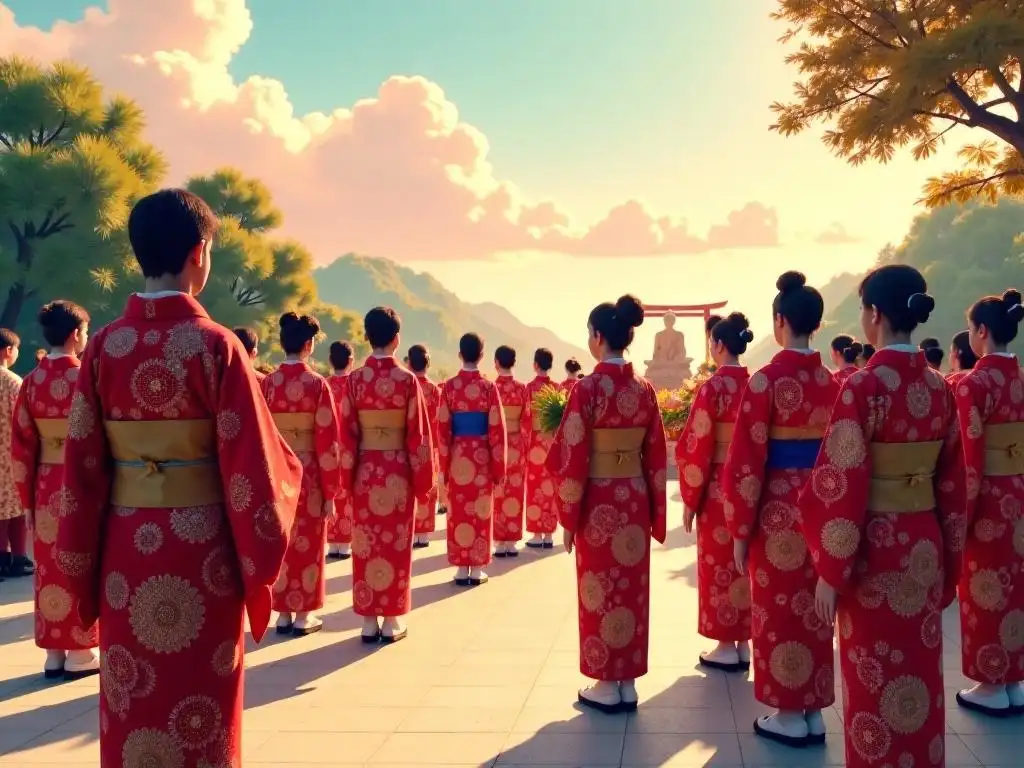
Welcome to Feudal Japan History! Dive into the rich tapestry of Japan’s feudal era, where history, culture, and society intertwine in fascinating ways. In our featured article, “The Impact of Buddhism on Feudal Japanese Festivals and Their Cultural Rituals,” we explore how the spiritual teachings of Buddhism shaped vibrant celebrations and unique rituals that resonate through time.
Discover the profound influence of this ancient faith on the festivities that defined an entire era, and prepare to be captivated by the stories and traditions that await you. Join us as we unravel the layers of history and culture that make feudal Japan a compelling subject of exploration!
Buddhism has played a pivotal role in shaping the cultural landscape of Japan, particularly during the feudal era. This period, characterized by the rise of samurai culture and the establishment of various feudal domains, witnessed the intertwining of religious practices with traditional festivals. The influence of Buddhism on Japanese festivals is profound, as it not only enriched the spiritual lives of the people but also transformed the way communities celebrated life's significant events. In this article, we will explore how Buddhism impacted feudal Japanese festivals and rituals, examining its historical context and cultural significance.
Introduction to Buddhism and its Influence on Japanese Culture
Buddhism, which originated in India, found its way to Japan through various channels, leading to an intricate relationship between the religion and Japanese culture. The arrival of Buddhism marked a significant turning point in the spiritual and cultural development of Japan, influencing art, philosophy, and societal norms.
Overview of Buddhism's Arrival in Japan
The introduction of Buddhism to Japan is believed to have occurred in the 6th century, primarily through Korean emissaries. Initially met with resistance, the religion gradually gained acceptance and began to flourish, especially during the Asuka and Nara periods. The establishment of temples, such as Hōryū-ji and Todai-ji, served as centers for Buddhist learning and practice, solidifying Buddhism’s presence in Japanese society.
- Key Events in Buddhism's Arrival:
- 552 AD: Introduction of Buddhism from Korea.
- 607 AD: The construction of Hōryū-ji, one of the oldest wooden structures in the world.
- 794 AD: The move of the capital to Heian-kyo (Kyoto), where Buddhism gained further prominence.
The Role of Buddhism in Shaping Cultural Identity
As Buddhism took root, it began to influence various aspects of Japanese cultural identity. Festivals, which were traditionally centered around Shinto practices, started to incorporate Buddhist elements, leading to a unique blend of rituals and celebrations.
- Cultural Impacts:
- Integration of Buddhist deities in festivals.
- Adoption of Buddhist philosophies in celebrations.
- The establishment of rituals to honor ancestors and deities.
Historical Context of Feudal Japan
To fully understand the impact of Buddhism on feudal Japanese festivals, it is essential to consider the historical context of the feudal era. This period, lasting from the 12th to the 19th century, was marked by the rise of the samurai class and the establishment of a hierarchical society.
Overview of the Feudal Era in Japan
The feudal era in Japan was characterized by a decentralized political structure, where power was held by regional lords (daimyōs) and their samurai warriors. This period saw significant social stratification and the establishment of a warrior code, known as Bushido. Festivals during this time often reflected the values and beliefs held by the samurai class, intertwining with Buddhist traditions.
- Key Features of the Feudal Era:
- The rise of the samurai class.
- Establishment of the shogunate system.
- Cultural flourishing through art, literature, and religion.
Key Features of Feudal Society and Culture
Feudal society in Japan was deeply influenced by both Shinto and Buddhist practices, with festivals serving as a crucial aspect of community life. These celebrations often included rituals for harvest, seasonal changes, and the honoring of deities, showcasing the blend of religious traditions that characterized the era.
- Cultural Characteristics:
- Festivals as communal gatherings.
- Rituals reflecting agricultural cycles and spiritual beliefs.
- The role of Buddhism in fostering a sense of unity and cultural identity within feudal communities.
As we delve deeper into this exploration, we will uncover the specific festivals that were influenced by Buddhism and how these celebrations evolved over time, reflecting the rich tapestry of Japan's cultural heritage.
Buddhism's Influence on Japanese Festivals
Buddhism has played a significant role in shaping the cultural landscape of Japan, particularly during the feudal era. The introduction of Buddhism in the sixth century brought with it a range of spiritual practices, beliefs, and values that intertwined with the existing Shinto traditions. This fusion not only influenced the way festivals were celebrated but also the underlying philosophies and communal activities associated with them. The impact of Buddhism is evident in the themes, rituals, and even the timing of many festivals, leading to a unique blend of spirituality and cultural expression that characterized feudal Japanese society.
The Integration of Buddhist Practices in Traditional Festivals
The integration of Buddhist practices into traditional Japanese festivals is a remarkable example of cultural synthesis. Many festivals that originally stemmed from Shinto beliefs began to adopt Buddhist elements, creating a rich tapestry of rituals that served both spiritual and social functions. For instance, the Obon festival, which honors the spirits of ancestors, incorporates Buddhist teachings about the afterlife and the importance of remembering one's lineage.
During these festivals, rituals such as lantern lighting, offerings of food, and the performance of dances like Bon Odori reflect Buddhist concepts of respect for the dead and the belief in the continuation of the spirit after death. In this way, Buddhist practices not only enriched the festivals but also provided a framework for understanding life and death within the context of Japanese culture.
Major Festivals Influenced by Buddhism
Several major festivals in Japan showcase the profound influence of Buddhism:
- Obon (お盆): Celebrated in mid-August, Obon is one of the most significant Buddhist festivals in Japan. It includes rituals to honor deceased ancestors, featuring lanterns, dance, and offerings at family altars.
- Higan (彼岸): This festival occurs during the spring and autumn equinoxes and involves visits to graves, where families pay respect to their ancestors. It is deeply rooted in Buddhist teachings about the cycle of life and rebirth.
- Shichi-Go-San (七五三): While primarily a Shinto celebration for children, Shichi-Go-San has been influenced by Buddhist practices, especially in its rituals of purification and blessings for the growth and health of children.
- Kōbō Daishi's Memorial (弘法大師の忌日): Celebrated on the 21st of each month, this festival honors Kōbō Daishi, the founder of Shingon Buddhism, incorporating chants, offerings, and communal prayers that reflect Buddhist devotion.
Through these festivals, the integration of Buddhist teachings into the cultural fabric of Japan becomes apparent, demonstrating the fluidity and adaptability of Japanese spiritual practices.
Cultural Rituals Shaped by Buddhist Beliefs
Buddhist beliefs have also significantly shaped various cultural rituals in feudal Japan, leading to a unique expression of spirituality and community engagement. These rituals often served to reinforce societal values, promote harmony, and provide a sense of continuity within the community. The following sections delve into common Buddhist rituals and their symbolic meanings within the context of feudal festivals.
Common Buddhist Rituals in Feudal Festivals
Common Buddhist rituals during feudal festivals included:
- Chanting Sutras: This practice involved reciting texts from Buddhist scriptures, believed to purify the mind and invoke blessings for the community.
- Offerings of Food: It was customary to prepare and offer food to the spirits of the deceased, symbolizing respect and gratitude, and fostering a connection between the living and the dead.
- Jizō Kōbō (地蔵講): Ritual gatherings in honor of Jizō, the bodhisattva who protects children and travelers, were common during festivals. Participants would often engage in prayers and offerings at shrines dedicated to Jizō.
- Processions and Parades: Many festivals featured processions that embodied Buddhist teachings, such as the importance of community, compassion, and the cycle of life.
These rituals not only served spiritual purposes but also cultivated social bonds within communities, reinforcing the collective identity shaped by shared beliefs and practices.
The Symbolism of Rituals in Feudal Japanese Festivals
The symbolism embedded within rituals during feudal Japanese festivals reflects deep Buddhist teachings and philosophical concepts. For example, the lighting of lanterns during Obon symbolizes the guiding of ancestral spirits back to the world of the living, representing the connection between different realms of existence.
Similarly, the act of offering food is not merely a gesture of hospitality; it symbolizes the impermanence of life and the importance of sharing with others, embodying the Buddhist principle of compassion. The use of specific colors, such as white for purity or red for protection, further emphasizes the spiritual significance behind the rituals.
The integration of Buddhist practices into feudal Japanese festivals has profoundly influenced their structure, meaning, and communal importance. By exploring these elements, we gain a better understanding of how Buddhism shaped not only religious practices but also cultural identity in Japan during the feudal era.
The Relationship Between Shinto and Buddhism in Festivals
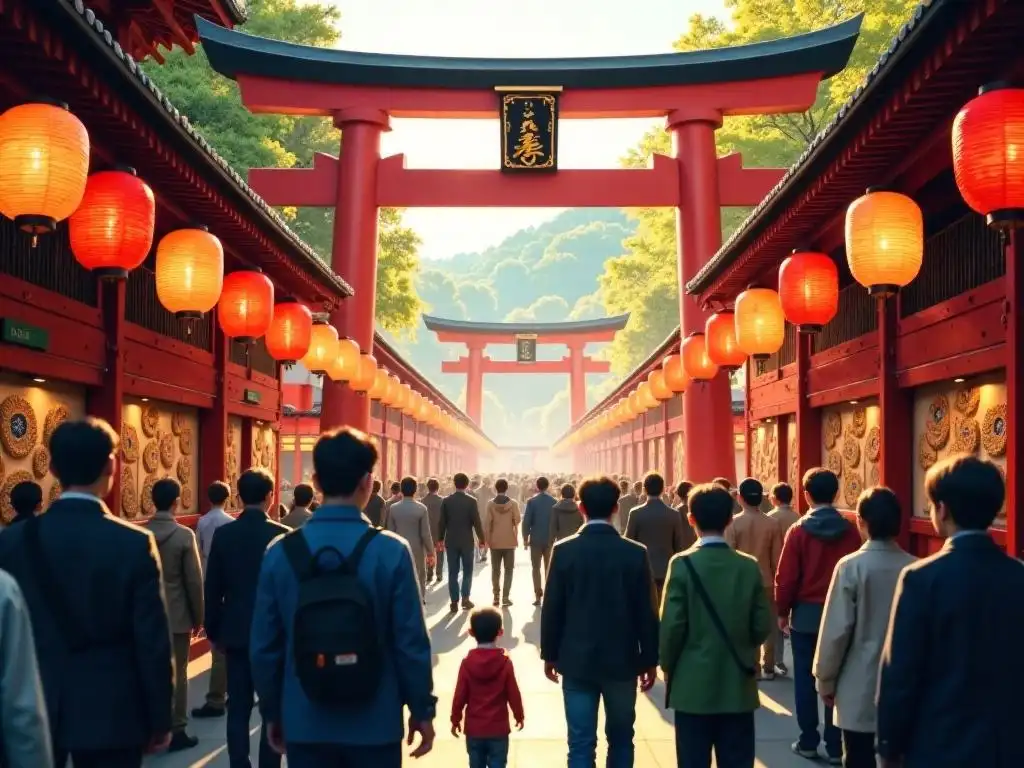
The relationship between Shinto and Buddhism in Japan is complex and multifaceted, particularly evident in the context of festivals. Shinto, the indigenous spirituality of Japan, emphasizes the worship of kami (deities or spirits) and is deeply connected to nature and ancestral reverence. In contrast, Buddhism, which was introduced to Japan from the Korean Peninsula in the 6th century, brings a focus on enlightenment, the cycle of rebirth, and the idea of compassion.
The integration of these two belief systems led to a rich tapestry of cultural practices, especially during festivals. Rather than existing in isolation, Shinto and Buddhism often intersected, creating unique celebrations that honored both traditions. This syncretism allowed communities to draw on the strengths of both religions, adapting rituals and practices to enhance their spiritual significance. Festivals became occasions for expressing devotion to kami while also reflecting Buddhist values, illustrating the harmony achieved between these two belief systems.
Syncretism of Shinto and Buddhist Practices
The syncretism between Shinto and Buddhism is particularly pronounced in the way festivals were celebrated. Many festivals initially rooted in Shinto practices were influenced by Buddhist concepts over time. For example, the practice of offering food and prayers to kami evolved with the introduction of Buddhist rituals that emphasized merit-making and communal solidarity.
This blending often manifests in the incorporation of Buddhist imagery and rites into Shinto festivals. The use of Buddhist prayers during Shinto ceremonies, the presence of Buddhist monks at festivals, and the coexistence of Buddhist temples next to Shinto shrines highlight the collaborative nature of these traditions. The physical and spiritual spaces of festivals became sites of mediation between the two religions, allowing the community to engage with both Shinto and Buddhist deities.
Case Study: Setsubun as a Blend of Shinto and Buddhist Elements
One of the most illustrative examples of this syncretism is the festival of Setsubun, celebrated on the eve of the beginning of spring. Traditionally, Setsubun is rooted in Shinto beliefs, involving rituals to drive away evil spirits and invite good fortune. The famous practice of throwing roasted soybeans, known as "mamemaki," is performed to cleanse the home and ensure a prosperous year.
However, over time, Buddhist elements have been woven into the fabric of Setsubun. For instance, it is common for Buddhist temples to hold ceremonies and rituals on this day, emphasizing the need for purification and spiritual renewal. The blending of these practices reflects a collective cultural identity that honors both Shinto and Buddhist traditions, showcasing how festivals serve as platforms for religious coexistence and celebration.
The Impact of Buddhism on Festival Celebrations
The impact of Buddhism on festival celebrations in feudal Japan was profound, altering practices and introducing new elements that enriched the cultural landscape. As Buddhism gained prominence, it influenced how festivals were conceptualized, celebrated, and understood by communities.
Changes in Festival Practices Due to Buddhist Influence
Buddhism introduced new themes and practices in festival celebrations, shifting the focus from purely Shinto rituals to include Buddhist ideologies such as compassion, mindfulness, and the transience of life. For instance, the concept of commemorating the dead, an essential aspect of Buddhist belief, found its way into festivals like Obon, where the spirits of ancestors are honored and welcomed back.
Additionally, the incorporation of Buddhist chanting, sutras, and ceremonies into festivals marked a significant evolution in their practices. Festivals became occasions not only for community celebration but also for spiritual reflection and religious observance, allowing participants to engage with the teachings of both Shinto and Buddhism in a meaningful way.
The Role of Monasteries and Temples in Festival Celebrations
Monasteries and temples played a crucial role in the celebration of festivals during the feudal era. These institutions served as centers of learning, cultural preservation, and spiritual guidance, often hosting festivals that attracted large crowds. Temples would organize events that combined Buddhist teachings with traditional Shinto practices, ensuring that the cultural heritage was maintained while adapting to the evolving religious landscape.
Furthermore, the involvement of monks and priests in festival celebrations added a layer of spiritual authority and legitimacy. Their rituals and blessings were seen as essential for ensuring the success of the festival and the well-being of the community. As a result, monasteries and temples not only contributed to the religious dimensions of festivals but also became integral parts of the social fabric, fostering a sense of unity and shared identity among participants.
Contemporary Reflections of Buddhism's Influence on Japanese Festivals
Buddhism's influence on Japanese festivals is not only a historical phenomenon but also a living tradition that continues to shape contemporary cultural practices. In modern Japan, many festivals retain their Buddhist roots while adapting to the changing social landscape. The synthesis of Buddhist elements with Shinto practices and other cultural influences illustrates how these festivals serve as a reflection of Japan's complex identity. As society evolves, so too do the rituals and celebrations, which often blend traditional beliefs with contemporary values.
Preservation of Buddhist Elements in Modern Festivals
Despite the rapid modernization of Japanese society, numerous festivals have managed to preserve their Buddhist origins. Events such as Obon, a festival honoring deceased ancestors, remain deeply rooted in Buddhist teachings about the afterlife. During Obon, families return to their ancestral homes, clean graves, and participate in dances (Bon Odori) that celebrate the spirits of the departed.
Other festivals, like the Hōnen Matsuri, which celebrates bountiful harvests and fertility, still incorporate Buddhist prayers and rituals, reflecting gratitude to both the natural world and the spiritual realm. These events often feature elaborate processions, traditional music, and offerings, showcasing the enduring presence of Buddhism in the cultural fabric of Japan.
Additionally, temples often serve as central hubs for festival activities, creating spaces where the community gathers to engage with their spiritual heritage. Through rituals, prayers, and community involvement, modern festivals continue to honor Buddhist traditions, ensuring their relevance in contemporary society.
The Evolving Nature of Festivals in Contemporary Japan
While many festivals retain their Buddhist characteristics, they have also evolved to reflect the changing dynamics of modern life. Urbanization, globalization, and shifts in social values have transformed how these celebrations are experienced and understood. For instance, festivals in metropolitan areas often attract a diverse audience, including tourists and younger generations who may not be familiar with the underlying Buddhist principles.
In response to these changes, many festivals have adopted new elements to engage a broader audience. This can include incorporating contemporary music, art installations, and interactive experiences that resonate with younger participants. Such adaptations can help foster a sense of community and shared experience, ensuring the longevity of festivals in a fast-paced world.
Moreover, the blending of traditional Buddhist practices with modern entertainment has led to the emergence of unique hybrid festivals that celebrate both cultural heritage and contemporary values. These evolving celebrations highlight the adaptability of Buddhist influence within Japan's festival landscape, demonstrating how tradition can coexist with innovation.
Conclusion
Summary of Buddhism’s Impact on Feudal Japanese Festivals
Buddhism has played a crucial role in shaping the festivals and cultural rituals of feudal Japan, infusing them with spiritual significance and communal values. The integration of Buddhist beliefs into various celebrations not only provided a framework for understanding life and death but also fostered a sense of identity and continuity within communities. Festivals such as Obon and Hōnen Matsuri exemplify how Buddhist teachings have been woven into the fabric of Japanese cultural practices, creating a rich tapestry of tradition that continues to resonate today.
Final Thoughts on Cultural Rituals and Their Evolution
As Japan moves forward, the impact of Buddhism on festivals remains a vital part of its cultural identity. While the essence of these celebrations often reflects historical beliefs and practices, their evolution demonstrates the dynamic nature of culture. By embracing change while honoring tradition, contemporary Japanese festivals allow for a deeper understanding of spirituality and community. This duality ensures that Buddhism's influence on Japanese festivals will continue to thrive, providing a meaningful link to the past while adapting to the future.
- Introduction to Buddhism and its Influence on Japanese Culture
- Historical Context of Feudal Japan
- Buddhism's Influence on Japanese Festivals
- Cultural Rituals Shaped by Buddhist Beliefs
- The Relationship Between Shinto and Buddhism in Festivals
- The Impact of Buddhism on Festival Celebrations
- Contemporary Reflections of Buddhism's Influence on Japanese Festivals
- Conclusion
- What is the significance of Buddhism in Japanese festivals?
- How did Buddhism affect the cultural rituals during the feudal era?
- Are there specific festivals that prominently feature Buddhist influences?
- What are some examples of rituals derived from Buddhism in Japanese festivals?
- How has the influence of Buddhism on festivals evolved over time?
Frequently Asked Questions
What is the significance of Buddhism in Japanese festivals?
Buddhism has played a crucial role in shaping Japanese festivals, influencing rituals, themes, and the overall spiritual atmosphere of these events.
How did Buddhism affect the cultural rituals during the feudal era?
During the feudal era, Buddhism introduced new cultural rituals, such as memorial services and purification ceremonies, which were integrated into various festivals.
Are there specific festivals that prominently feature Buddhist influences?
Yes, festivals such as Obon and Higan prominently feature Buddhist influences, emphasizing themes of ancestral worship and the cycle of life.
What are some examples of rituals derived from Buddhism in Japanese festivals?
Rituals like lantern lighting and offerings at altars are common, reflecting Buddhist beliefs in honoring the deceased and seeking blessings.
How has the influence of Buddhism on festivals evolved over time?
The influence of Buddhism has evolved, with an increasing blend of Shinto practices, resulting in hybrid festivals that celebrate both religious traditions.
Final Reflection: The Enduring Influence of Buddhism on Japanese Festivals
The intricate relationship between Buddhism and Japanese festivals continues to shape cultural practices today, highlighting how spiritual beliefs can profoundly influence communal celebrations. As we explore the rich tapestry of feudal Japan, it becomes evident that the integration of Buddhist principles into these festivals not only enriched the rituals but also fostered a sense of unity and purpose among the people. The legacy of this influence is felt in contemporary Japan, where the echoes of these ancient traditions resonate through modern celebrations.
Cultural rituals rooted in Buddhism have left an indelible mark on Japanese society, shaping not only festivals but also the very fabric of communal identity. The intertwining of Buddhist teachings with local customs has created a unique cultural landscape that reflects the values of compassion, mindfulness, and gratitude. Buddhism teaches us to appreciate the beauty of impermanence, and this is vividly expressed in the fleeting moments of joy during our festivals.
This observation underscores the ongoing relevance of Buddhist influence, reminding us that these celebrations are not merely events but profound expressions of cultural heritage and collective memory.
As we reflect on the lessons embedded within these festivals, let us embrace the opportunity to deepen our understanding of cultural rituals in our own lives. Consider how the values of mindfulness and community can enhance your personal celebrations, fostering connections that transcend time and tradition. By honoring the past and integrating these teachings into our modern practices, we can cultivate a richer, more meaningful experience that resonates with the spirit of unity and reverence for life itself.
Awaken Your Spirit with Japanese Cultural Rituals!
Thank you for exploring the fascinating interplay of Buddhism and feudal Japanese festivals! You've discovered how these spiritual traditions have shaped vibrant cultural practices that resonate even today. Now, it's time to deepen your engagement with this rich heritage.
Here are some meaningful steps you can take to enhance your understanding and connection:
- Explore local festivals that celebrate Buddhist traditions in your community, or plan a visit to Japan during festival season to experience the cultural vibrancy firsthand.
- Share your insights from this article with friends or on social media to inspire a dialogue about the significance of cultural rituals.
- Consider creating a journal or blog to document your journey into understanding the various aspects of Japanese culture and Buddhism.
Which aspects of Japanese festivals resonate with you the most, and in what ways do you think these rituals influence modern cultural expressions?