
The Architectural Legacy of the Tokugawa Era in Japan

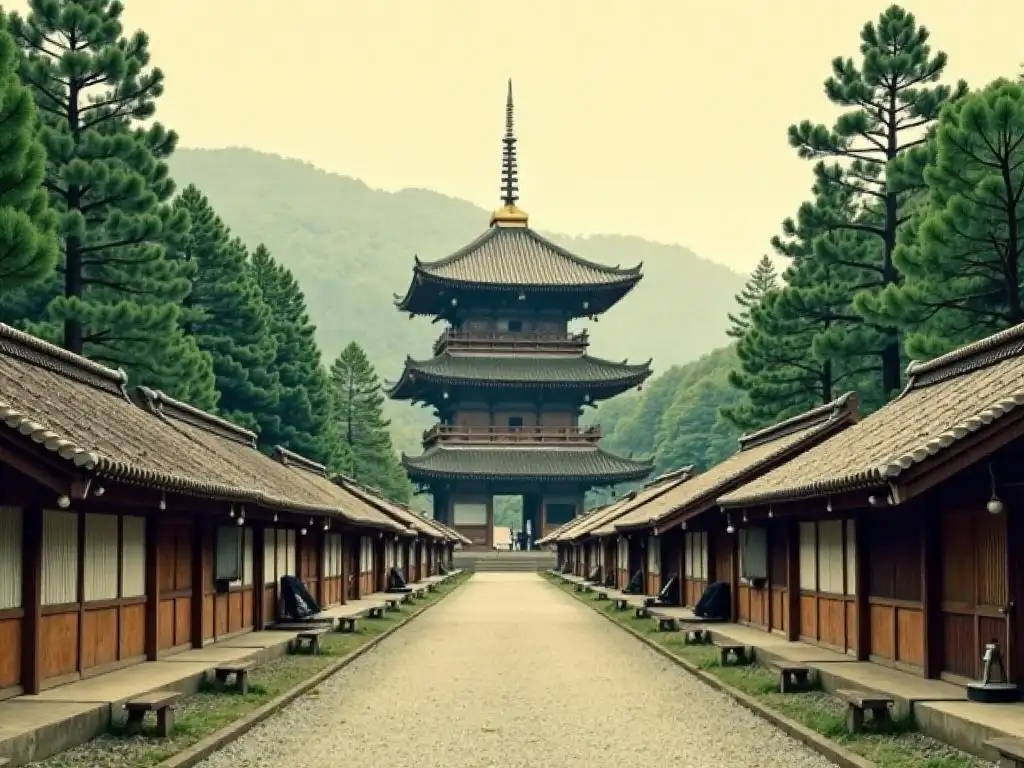
Welcome to Feudal Japan History, where we embark on an extraordinary journey through the intricate tapestry of Japan’s feudal era. Here, you will uncover the architectural legacy of the Tokugawa era, a pivotal period that shaped not just structures, but the very essence of daily life and society in Japan. As you delve into our expert-driven articles, prepare to be captivated by the unique designs and cultural significance behind these remarkable edifices.
What secrets do these architectural marvels hold? Join us as we unveil the stories that lie within the walls, inspiring you to explore the rich history that has left an indelible mark on Japan’s landscape.
The Tokugawa era, spanning from 1603 to 1868, represents a pivotal period in Japan's history marked by peace, stability, and significant cultural development under the rule of the Tokugawa shogunate. This epoch not only fostered political and social structures but also led to remarkable advancements in architectural designs, which reflected the values, aesthetic sensibilities, and environmental considerations of the time.
The architectural legacy of the Tokugawa period continues to influence Japanese design and culture today, making it essential to explore the unique characteristics and innovations that emerged during this era. In this article, we will delve into the key features of Tokugawa era architectural designs, examining how traditional aesthetics, the use of natural materials, and spatial organization contributed to a flourishing architectural landscape.
Introduction to the Tokugawa Era Architectural Designs
Overview of the Tokugawa Period (1603-1868)
The Tokugawa period, also known as the Edo period, was characterized by the establishment of a centralized feudal system that emphasized order and cultural refinement. Under the shogunate led by Tokugawa Ieyasu, Japan experienced a long-lasting peace known as the "Pax Tokugawa," allowing for economic growth and the blossoming of the arts. This stability enabled the development of distinct architectural styles, merging functionality with aesthetic appeal. Notable architectural projects, such as castles, temples, and merchant houses, emerged, showcasing a blend of indigenous traditions and influences from abroad.
Importance of Architecture in Feudal Japan
Architecture during the Tokugawa era served not only as a means of shelter but also as a reflection of social hierarchy and cultural values. Structures were designed with careful attention to detail, symbolizing the status of their inhabitants and the community's collective identity. Moreover, architecture played a crucial role in facilitating daily life, with spaces tailored for various activities, from governance and commerce to spiritual practices. The aesthetic principles governing architectural design were deeply intertwined with the broader cultural context, emphasizing harmony with nature and the importance of craftsmanship.
Key Features of Tokugawa Era Architectural Designs
Traditional Japanese Aesthetics in Architecture
The architectural designs of the Tokugawa era prominently featured traditional Japanese aesthetics, which emphasized simplicity, natural beauty, and harmony with the environment. Elements like tatami flooring, sliding shoji doors, and engawa (verandas) were prevalent, creating a seamless connection between indoor and outdoor spaces. This design philosophy reflected the Zen Buddhist influence on Japanese culture, promoting tranquility and mindfulness.
Use of Natural Materials in Construction
Natural materials played a significant role in Tokugawa era architecture, with wood being the primary building material. The craftsmanship involved in wood construction was highly regarded, showcasing intricate joinery techniques that eliminated the need for nails. Additionally, other materials such as straw, clay, and stone were utilized, emphasizing sustainability and the region's resource availability. This commitment to natural materials not only provided practical benefits but also contributed to the aesthetic appeal of the buildings.
Spatial Organization and Floor Plans
The spatial organization of Tokugawa era structures was carefully planned to facilitate social interactions and functional use. Traditional floor plans often featured a central hearth and a series of interconnected rooms, allowing for versatility in usage. The layout encouraged movement and flow, reflecting the importance of community and family life in feudal Japan. Moreover, gardens and surrounding landscapes were integrated into the design, further enhancing the sense of serenity and connection to nature.
As we explore these elements in greater detail, we will uncover the intricate relationships between architecture, culture, and society during the Tokugawa era, illustrating how these designs have left an enduring legacy in Japan's architectural heritage.
Types of Architecture During the Tokugawa Era
The Tokugawa era, spanning from 1603 to 1868, was a period marked by significant architectural advancements that reflected the socio-political climate of Japan. This era witnessed a blend of traditional Japanese aesthetics with innovations that catered to the needs of the samurai class, merchants, and commoners. The architecture of this time can be categorized into several distinct types, each serving specific purposes and embodying the cultural values of the period.
Key architectural styles emerged, including:
- Samurai Residences: These structures were designed to reflect the status and power of the samurai class, often featuring unique elements that emphasized security and aesthetics.
- Temples and Shrines: Serving as spiritual centers, these buildings were designed to accommodate religious practices and reflect the reverence of Shinto and Buddhist traditions.
- Castles: Not only military fortifications, but castles also represented the political power of the daimyōs and the aesthetic ideals of the Tokugawa period.
- Merchant Houses: As commerce flourished, distinct architectural styles emerged for merchants, often characterized by functional designs that catered to trade and storage.
The architectural designs of the Tokugawa era were diverse, reflecting the complex social structure and cultural values of the time.
Samurai Residences and Their Influence on Design
Samurai residences, known as buke-zukuri, were architectural marvels that showcased the elevated status of the samurai class. These homes were typically constructed within castle towns and featured several distinctive elements. The layout was often characterized by a central courtyard surrounded by living quarters, a reception hall, and a garden, emphasizing harmony with nature.
Key characteristics of samurai residences include:
- Tatami Mat Flooring: The use of tatami mats not only provided comfort but also indicated social status.
- Engawa: A wooden porch area that bridged the gap between indoor and outdoor spaces, allowing for a seamless connection with nature.
- Defensive Features: Many samurai homes included walls and gate systems for protection, reflecting the martial lifestyle of their inhabitants.
The influence of samurai residences extended beyond their immediate function; they inspired subsequent architectural developments in Japanese homes, promoting a design ethos that valued simplicity, functionality, and a strong connection with nature.
Temples and Shrines: Spiritual Architecture
The Tokugawa era saw the construction of numerous temples and shrines that played a vital role in the spiritual life of the community. These structures were designed not only for worship but also for the community’s cultural and social gatherings. Temples and shrines often featured intricate wooden craftsmanship, embodying the religious beliefs and artistic values of the time.
Notable architectural features include:
- Torii Gates: These iconic structures marked the entrance to sacred spaces, symbolizing the transition from the mundane to the spiritual world.
- Pagodas: Multi-tiered towers that served both religious functions and as architectural highlights within temple complexes, often designed to withstand earthquakes.
- Zen Gardens: Many temples incorporated gardens that were meticulously designed to promote meditation and reflection, emphasizing the aesthetic of simplicity.
These spiritual structures not only fulfilled religious functions but also served as cultural landmarks, influencing the design of public spaces and domestic architecture throughout the Tokugawa period.
Castles: Fortification and Aesthetic Value
The castles of the Tokugawa era stand as monumental symbols of power and authority. They were strategically constructed to serve both military and administrative purposes. The architectural design of these castles combined functionality with aesthetic appeal, reflecting the status of the ruling daimyōs.
Key features of Tokugawa castles include:
- Stone Foundations: Designed to withstand sieges, the use of stone in foundations provided stability and strength.
- Moats: Surrounding water bodies served as defensive measures, adding to the aesthetic beauty of the castle landscapes.
- Tenshu (Keep): The main tower of the castle, often lavishly decorated, served as a residence for the lord and a place for governance.
The dual purpose of fortification and aesthetics in castle design influenced subsequent architectural trends, blending military needs with artistic expression.
Regional Variations in Tokugawa Era Architecture
Architecture during the Tokugawa era was not uniform across Japan; instead, it exhibited notable regional variations that reflected local cultures, materials, and environmental factors. This diversity enriched the architectural landscape of the period, resulting in unique structures that catered to the needs and tastes of various communities.
Differences in Urban and Rural Architecture
Urban architecture during the Tokugawa era was characterized by a more complex and densely populated layout, driven by commerce and governance. In contrast, rural architecture emphasized simplicity and functionality, designed to accommodate agricultural lifestyles.
- Urban Features:
- Multi-story buildings to maximize space.
- Elaborate merchant houses, known as machiya, featuring storefronts and living quarters.
- Rural Features:
- One-story farmhouses, often with thatched roofs for insulation.
- Simpler designs that focused on agriculture and livestock.
This divergence in architectural styles illustrates how social and economic factors shaped the built environment across different regions.
Influences of Local Culture on Architectural Styles
Local cultures significantly influenced architectural styles during the Tokugawa era. As different regions developed their own customs, the architecture adapted accordingly, incorporating unique elements and materials.
For instance:
- Hokkaido: Indigenous influences led to the development of structures using local materials, such as wood and reeds, resulting in a distinctive architectural style.
- Okinawa: The influence of Ryukyu culture introduced colorful tiles and unique roof designs, differing markedly from the mainland styles.
These regional adaptations not only highlight the diversity of Tokugawa architecture but also reflect the rich tapestry of Japanese cultural heritage.
Notable Regional Examples of Tokugawa Era Designs
Several regional examples of Tokugawa era architecture stand out for their uniqueness and historical significance. These sites not only showcase the architectural ingenuity of the time but also serve as cultural landmarks.
- Himeji Castle: Often referred to as the finest example of Japanese castle architecture, it combines defensive features with stunning aesthetics.
- Nijo Castle: Located in Kyoto, this castle exemplifies the integration of residential and defensive architecture, with beautiful gardens and intricate interiors.
- Kinkaku-ji (Golden Pavilion): A Zen Buddhist temple in Kyoto, it features stunning gold leaf exterior and tranquil gardens, embodying the spiritual essence of the era.
These notable examples illustrate the architectural legacy of the Tokugawa era, showcasing the interplay between functionality and beauty in design.
The Role of Zen Buddhism in Tokugawa Architecture
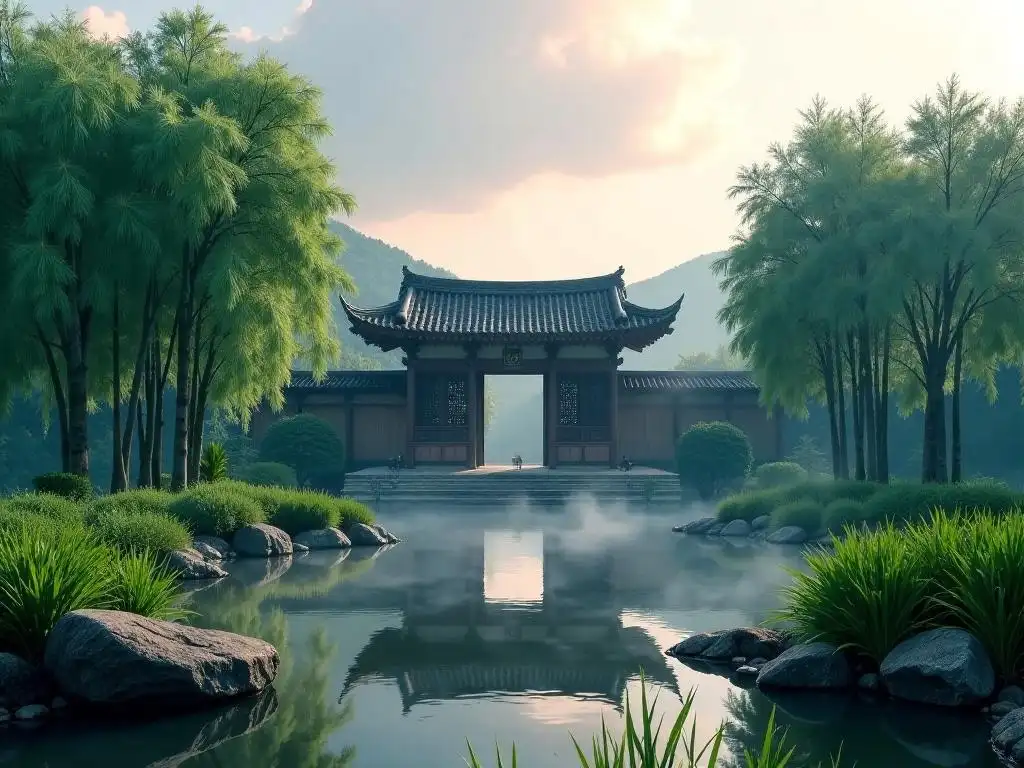
The Tokugawa era (1603-1868) marked a significant period in Japan's history when Zen Buddhism profoundly influenced architectural practices. This influence is evident in various structures, from temples and tea houses to residential buildings. Zen principles emphasize simplicity, naturalness, and harmony with nature, which architects of the time sought to embody in their designs. The integration of Zen philosophy into architecture promoted the creation of spaces that fostered tranquility and reflection, aligning with the spiritual pursuits of Zen practitioners.
Zen Buddhism also encouraged the concept of 'wabi-sabi,' which embraces the beauty of imperfection and transience. This aesthetic shaped the materials used in construction, favoring natural elements such as wood and stone, which age gracefully over time. As a result, Tokugawa architecture showcases a harmonious blend of functionality and aesthetic appeal, reflecting the calm and meditative qualities of Zen thought.
Zen Gardens and Their Architectural Significance
Zen gardens, or 'karesansui,' are an integral part of Tokugawa architecture, serving both aesthetic and spiritual purposes. These dry landscapes, typically consisting of carefully raked gravel, rocks, and minimal vegetation, encourage contemplation and meditation. The design of Zen gardens follows fundamental principles that align with Zen beliefs, such as asymmetry, simplicity, and the evocation of natural elements.
The architectural significance of Zen gardens lies in their ability to create a serene environment that complements the surrounding structures. Often positioned adjacent to temples, tea houses, and residential homes, these gardens serve as transitional spaces that invite the observer to engage with nature and reflect inwardly. The meticulous attention to detail in the design and maintenance of these gardens exemplifies the Tokugawa commitment to harmony and balance in all aspects of life.
Influence of Zen Principles on Design and Space
Zen principles profoundly impacted the spatial layout and design of buildings during the Tokugawa period. The emphasis on minimalism led to the creation of open, flexible spaces that fostered interaction with nature. Traditional Japanese homes, or 'minka,' featured sliding doors (fusuma) and tatami mat flooring, allowing for versatile room configurations and a seamless connection between indoor and outdoor environments.
Moreover, the concept of 'shakkei,' or borrowed scenery, was widely adopted in Tokugawa architecture. This technique involved designing spaces that framed views of the natural landscape, effectively incorporating the surrounding environment into the architectural experience. By harmonizing built structures with their natural setting, architects of the Tokugawa era created environments that encouraged mindfulness and appreciation of the beauty inherent in nature.
Preservation and Influence of Tokugawa Architectural Designs
The architectural designs of the Tokugawa era have left a lasting legacy that continues to resonate in Japan and beyond. As a reflection of cultural values and aesthetic ideals, these designs are cherished not only for their historical importance but also for their relevance in contemporary architecture. Preservation efforts and modern interpretations of these styles have become crucial in maintaining the connection to Japan's architectural heritage.
Modern Interpretations of Tokugawa Era Architecture
In recent years, architects and designers have sought to reinterpret Tokugawa era architectural styles in ways that resonate with contemporary sensibilities. Modern buildings often incorporate elements such as wooden structures, open floor plans, and integration with nature, paying homage to traditional designs while embracing innovation. For instance, the use of sustainable materials and eco-friendly technologies reflects a growing awareness of environmental issues, aligning with the Zen principle of living in harmony with nature.
Additionally, the concept of 'sukiya-zukuri,' characterized by its rustic elegance and simplicity, has inspired various modern architectural movements. This influence can be seen in contemporary tea houses and cultural centers that prioritize serenity and natural beauty, bridging the gap between the past and the present.
Efforts to Preserve Historical Sites and Structures
Preserving the historical sites and structures from the Tokugawa era is essential for understanding Japan's architectural evolution and cultural identity. Organizations and government initiatives work tirelessly to restore and maintain these sites, ensuring that the architectural legacy is not lost to time. Significant locations, such as the Hama-Rikyu Gardens and various Edo-period temples, undergo continuous preservation efforts to retain their original charm and significance.
These preservation initiatives often involve meticulous research into traditional building techniques and materials, allowing restorers to maintain authenticity while adapting to modern safety standards. Educational programs and public awareness campaigns also play a vital role in fostering appreciation for these architectural treasures, encouraging both local and international visitors to explore and engage with Japan’s feudal history.
Influence on Contemporary Japanese Architecture
The influence of Tokugawa era architectural designs extends into contemporary Japanese architecture, shaping the aesthetic and functional principles of modern buildings. Architects today frequently draw inspiration from the simplicity and elegance of Tokugawa structures, integrating traditional elements into their designs to create spaces that reflect Japan's cultural heritage.
This blend of old and new can be seen in various urban developments, where the use of natural materials, open spaces, and a focus on environmental harmony promote a sense of continuity with the past. Additionally, the enduring popularity of traditional Japanese aesthetics in contemporary architecture serves as a testament to the lasting impact of the Tokugawa era on Japan’s architectural landscape.
Conclusion: The Lasting Impact of Tokugawa Era Architectural Designs
The architectural designs of the Tokugawa era, spanning from 1603 to 1868, have left an indelible mark on Japan's landscape and cultural heritage. This period saw the synthesis of various architectural styles and the development of unique structures that reflected the societal values and aesthetics of the time. The emphasis on harmony with nature, the use of natural materials, and the intricate designs of both residential and public buildings have influenced subsequent architectural trends in Japan.
As Japan transitioned into modernity, many of the principles established during the Tokugawa period continued to resonate, shaping contemporary architectural practices that prioritize sustainability and cultural identity. The legacy of this era is evident not only in historical buildings but also in modern architecture that draws inspiration from traditional designs.
Reflection on the Architectural Legacy
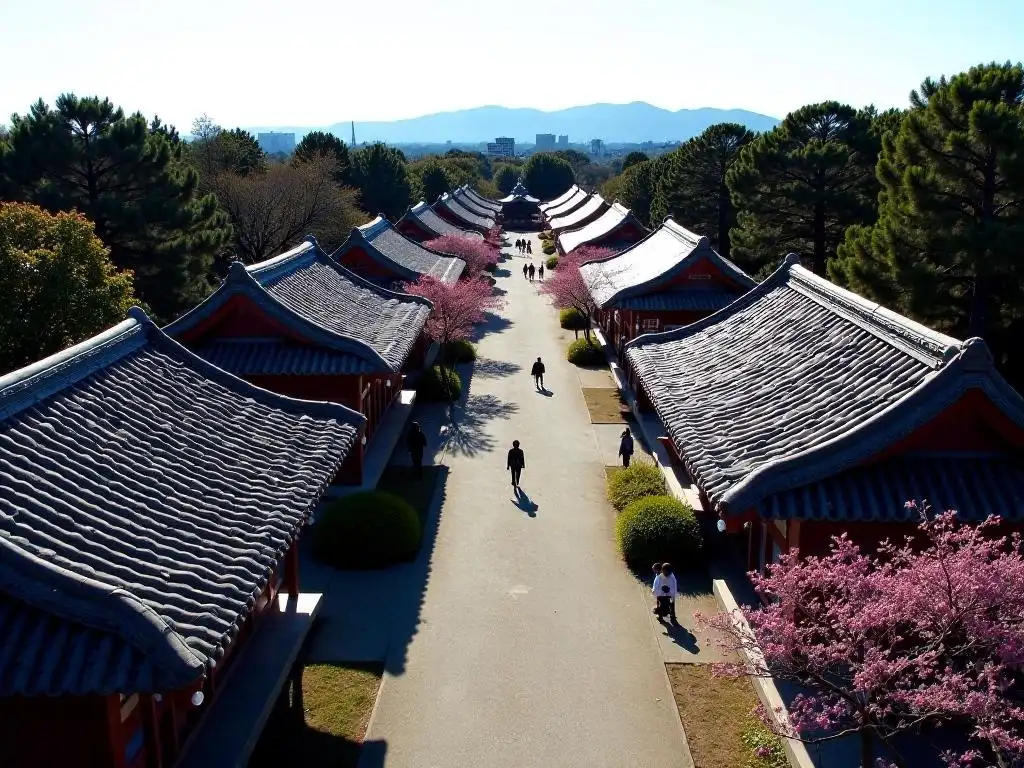
The Tokugawa era is characterized by a profound respect for nature and simplicity, evident in the design of homes and public structures. Traditional Japanese houses, or minka, were constructed with natural materials such as wood, bamboo, and clay, showcasing craftsmanship that emphasized functionality and aesthetic appeal. The iconic tatami mats and sliding doors ( fusuma) are not just practical elements but also embody a philosophy that values flexibility and open spaces.
Moreover, the architectural designs from this period, such as castles and temples, reflect a blend of defensive and spiritual purposes, showcasing intricate details that convey a sense of grandeur and serenity. For instance, the Himeji Castle, with its elegant white façade and complex defensive structure, stands as a testament to the architectural ingenuity of the Tokugawa era.
Continuing Relevance in Today's Society
In contemporary Japan, the architectural legacy of the Tokugawa era continues to influence modern design practices. Architects today often seek to harmonize their structures with the surrounding environment, echoing the Tokugawa philosophy of integrating nature into living spaces. This is evident in the popularity of zen gardens and minimalist designs that prioritize open spaces and natural light.
Additionally, the resurgence of interest in traditional craftsmanship and sustainable building practices can be traced back to the values established during the Tokugawa period. Many modern architects are exploring the use of local materials and techniques that reflect the region's cultural heritage, ensuring that the spirit of Tokugawa architecture lives on in today's built environment.
References and Further Reading on Tokugawa Era Architecture
Suggested Books and Articles
-
"Japanese Architecture: A History" by Tadao Ando
This book provides an extensive overview of Japanese architectural evolution, with a significant focus on the Tokugawa era, discussing key designs and their cultural implications.
-
"The Architecture of Japan" by Hiroshi Watanabe
This resource delves into various architectural styles in Japan, highlighting the uniqueness of Tokugawa designs and their lasting influence on modern architecture.
-
"Traditional Japanese Architecture: An Exploration of Elements and Forms" by Akiyama Sadao
This work examines the architectural principles that emerged during the Tokugawa period, analyzing how these have shaped contemporary practices.
Recommended Museums and Sites to Visit
-
Himeji Castle, Hyogo Prefecture
A UNESCO World Heritage site, Himeji Castle is an exemplar of Tokugawa architecture, showcasing its defensive features and aesthetic beauty.
-
The Edo-Tokyo Museum, Tokyo
This museum offers insights into the urban development and architectural styles of the Tokugawa era, featuring models and exhibits that highlight historical designs.
-
Nikko Toshogu Shrine, Tochigi Prefecture
A stunning example of Tokugawa architecture, this shrine complex is known for its elaborate carvings and vibrant colors, reflecting the artistic achievements of the period.
-
Kinkaku-ji (Golden Pavilion), Kyoto
This iconic Zen Buddhist temple exemplifies the harmonious relationship between architecture and nature, a principle deeply rooted in Tokugawa design philosophy.
Through these resources, one can gain a deeper understanding of the architectural legacy of the Tokugawa era and its significance in shaping Japan’s cultural landscape.
- Introduction to the Tokugawa Era Architectural Designs
- Key Features of Tokugawa Era Architectural Designs
- Types of Architecture During the Tokugawa Era
- Regional Variations in Tokugawa Era Architecture
- The Role of Zen Buddhism in Tokugawa Architecture
- Preservation and Influence of Tokugawa Architectural Designs
- Conclusion: The Lasting Impact of Tokugawa Era Architectural Designs
- Reflection on the Architectural Legacy
- Continuing Relevance in Today's Society
- References and Further Reading on Tokugawa Era Architecture
- What are the key characteristics of Tokugawa era architectural designs?
- How did Tokugawa era architecture influence modern Japanese design?
- What types of buildings were prominent during the Tokugawa era?
- How did the feudal system impact architectural developments in Japan?
- Are there any specific examples of architectural landmarks from the Tokugawa period?
Frequently Asked Questions
What are the key characteristics of Tokugawa era architectural designs?
The Tokugawa era is marked by simplicity, symmetry, and the use of natural materials. Structures often featured sliding doors and tatami mat flooring, emphasizing harmony with nature.
How did Tokugawa era architecture influence modern Japanese design?
The architectural principles established during the Tokugawa period continue to influence modern design, promoting minimalism and a connection to the natural environment in contemporary buildings.
What types of buildings were prominent during the Tokugawa era?
Prominent buildings included castles, temples, and tea houses, each reflecting the social structure and cultural values of the time. Castles were particularly notable for their defensive architecture and aesthetic beauty.
How did the feudal system impact architectural developments in Japan?
The feudal system led to the construction of samurai residences and public buildings that showcased power and status. This hierarchy influenced the design and placement of structures within communities.
Are there any specific examples of architectural landmarks from the Tokugawa period?
Yes, notable examples include the Himeji Castle and Nijo Castle, both of which exhibit the elegance and defensive features characteristic of Tokugawa era architecture.
Final Reflection: Embracing the Timelessness of Tokugawa Era Architectural Designs
The architectural legacy of the Tokugawa era remains profoundly relevant today, as it reflects a unique blend of tradition and innovation that continues to inspire modern design. In an age where rapid urbanization often overshadows historical significance, the intricate craftsmanship and philosophical underpinnings of Tokugawa architecture remind us of the importance of harmony between nature and human-made structures. The enduring beauty of these designs serves as a powerful testament to the cultural richness of Japan and the timeless principles that can guide contemporary architecture.
The influence of Tokugawa era architectural designs extends far beyond their historical context, shaping the cultural and social landscape of Japan and the world. From the serene simplicity of Zen gardens to the majestic lines of traditional wooden structures, these designs encapsulate a philosophy that values balance, tranquility, and respect for the environment. As architect Tadao Ando once said, Architecture is not about the buildings; it’s about the people who inhabit them.
This sentiment echoes the essence of Tokugawa architecture, which was not merely about aesthetics but about creating spaces that foster community and connection.
As we reflect on the lessons of the Tokugawa era, let us embrace the call to integrate these timeless principles into our own lives and surroundings. Consider how you can infuse elements of balance, simplicity, and respect for nature into your daily environment.
Whether through mindful design choices in your home or by advocating for sustainable practices in your community, you have the power to carry forward the legacy of the Tokugawa era. Together, let us honor this architectural heritage by creating spaces that not only serve our needs but also inspire future generations to appreciate the beauty of our shared history.
Unveil the Timeless Elegance of Tokugawa Architecture!
Thank you for delving into the fascinating world of the Tokugawa Era with us! We hope you’ve gained valuable insights into the architectural marvels that shaped Japan’s rich history. Now, it’s time to take your newfound knowledge and make it come alive!
Here’s how you can connect more deeply with the legacy of this incredible period:
- Explore further: Visit a local museum or historical site that showcases Tokugawa artifacts or architecture.
- Share your thoughts: Join our community forum to discuss your favorite aspects of Tokugawa architecture with fellow enthusiasts.
- Get inspired: Try your hand at sketching or modeling a piece of Tokugawa architecture, and share your creations with us!
Which aspect of Tokugawa architecture captivates you the most, and how do you incorporate its beauty into your own life or interests?