
The Impact of Zen Buddhism on Edo Art and Culture

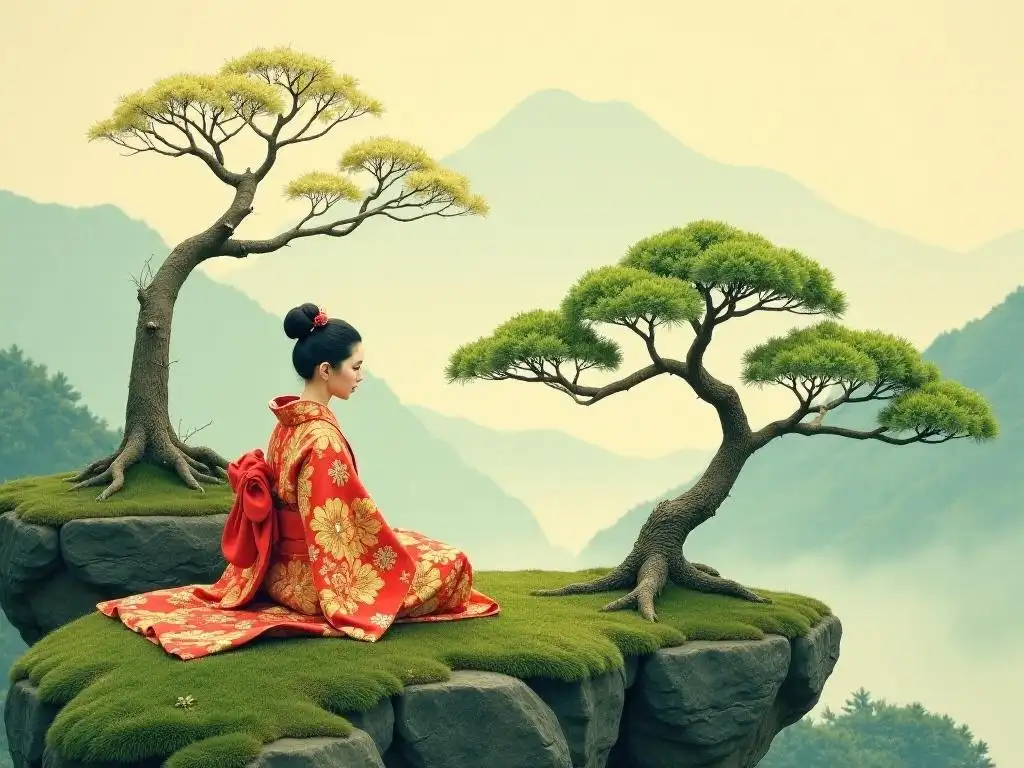
Welcome to Feudal Japan History, where the intricate tapestry of Japan’s feudal era unfolds before your eyes. Dive into our latest article, "The Impact of Zen Buddhism on Edo Art and Culture," and discover how the serene philosophies of Zen Buddhism shaped the vibrant artistic expressions of the Edo period. What connections lie hidden in the brushstrokes of masterful paintings and the delicate forms of traditional crafts? Join us as we unravel the profound influence of Zen on culture and creativity, inviting you to explore the depths of this fascinating historical epoch. Prepare to be captivated!
The Edo period (1603-1868) marked a transformative era in Japan characterized by cultural richness, social stability, and artistic innovation. One of the most profound influences during this time was Zen Buddhism, which permeated various aspects of life, shaping the aesthetic sensibilities and philosophical underpinnings of Edo art and culture.
As Zen principles emphasized simplicity, mindfulness, and a deep connection to nature, they inspired artists, craftsmen, and thinkers to create works that resonate with these ideals. This article aims to explore the intricate relationship between Zen Buddhism and Edo art, highlighting the enduring impact of this spiritual tradition on Japan's cultural landscape.
The Rise of Zen Buddhism in Edo Japan
During the Edo period, Zen Buddhism gained significant popularity among samurai and the merchant class, leading to a unique fusion of spiritual and artistic expression. Zen practices, such as meditation and tea ceremonies, became integral to daily life, fostering a deep appreciation for aesthetics and the natural world. This cultural shift resulted in:
- Increased patronage of Zen temples: Nobility and wealthy merchants supported the construction and decoration of Zen temples, which became centers of artistic and philosophical learning.
- Development of the tea ceremony: Influenced by Zen principles, the tea ceremony emphasized simplicity, tranquility, and harmony, which were reflected in the design and decoration of tea houses and utensils.
Zen Aesthetics in Edo Art
The influence of Zen Buddhism on Edo art can be observed across various mediums, including painting, ceramics, and textile arts. Artists began to adopt Zen aesthetics, characterized by minimalism and a focus on the beauty of imperfection. Key aspects include:
- Simplicity and Naturalism: Artists like Hokusai and Hiroshige incorporated natural elements, often depicting serene landscapes and fleeting moments in nature, embodying the Zen belief in the transient nature of existence.
- Wabi-sabi Philosophy: This concept, which celebrates imperfection and transience, found expression in the art of pottery and textile design, encouraging artisans to embrace flaws and irregularities as part of beauty.
The Influence on Popular Culture
Zen Buddhism's impact extended beyond traditional art forms into the popular culture of the Edo period. This era witnessed the emergence of various art styles, such as ukiyo-e (pictures of the floating world), which often portrayed scenes of everyday life infused with Zen principles. The connection between Zen and popular culture can be seen in:
- Ukiyo-e Prints: These prints captured fleeting moments of beauty, from landscapes to kabuki actors, reflecting the Zen appreciation for the ephemeral.
- Literature and Poetry: Zen-inspired themes permeated Edo literature, with haiku and other poetic forms echoing the simplicity and depth of Zen thought.
Conclusion
The influence of Zen Buddhism on Edo art and culture was profound, fostering a unique aesthetic that celebrated simplicity, natural beauty, and the transient nature of life. This intricate relationship not only shaped the artistic expressions of the time but also left a lasting legacy that continues to resonate in contemporary Japanese culture. As we delve deeper into the nuances of this impact, we will uncover specific examples and case studies that illustrate the enduring bond between Zen Buddhism and the vibrant world of Edo art.
- The Rise of Zen Buddhism in Edo Japan
- Zen Aesthetics in Edo Art
- The Influence on Popular Culture
- Conclusion
Introduction to Zen Buddhism and Its Principles
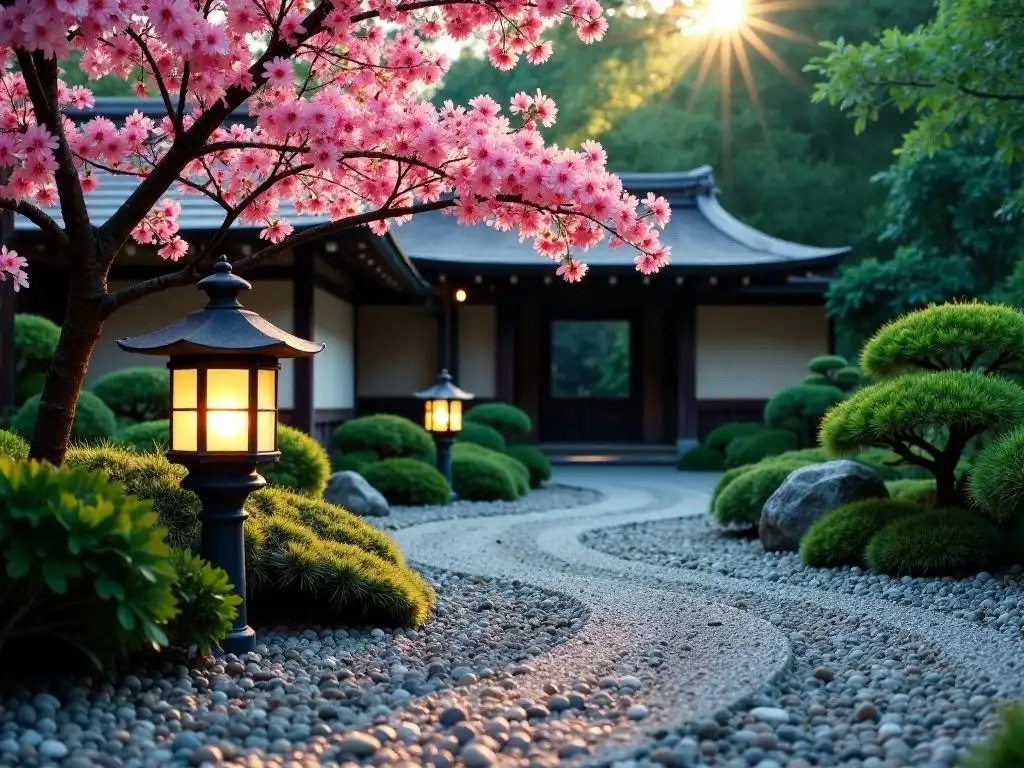
Zen Buddhism, a school of Mahayana Buddhism, emphasizes meditation and direct experience over theoretical knowledge. Originating in China as Chan Buddhism, it made its way to Japan around the 12th century, where it flourished and evolved into a distinct form. The Edo period (1603-1868) marked a significant era for Zen Buddhism, as it influenced various aspects of Japanese life, including art, culture, and societal norms. Understanding its impact on Edo art and culture requires a foundational grasp of Zen Buddhism’s core concepts and historical backdrop.
Overview of Zen Buddhism
Zen Buddhism is characterized by its focus on meditation (zazen) as a pathway to enlightenment (satori). This practice encourages individuals to transcend ordinary thinking and engage directly with their consciousness. The term "Zen" itself is derived from the Japanese pronunciation of the Chinese word "Chan," which means "to meditate."
A notable aspect of Zen is the rejection of elaborate rituals and scriptures. Instead, it promotes simplicity and direct perception. Zen teachings often utilize paradoxical anecdotes known as koans, designed to challenge logical reasoning and provoke deeper contemplation. This approach fosters a unique blend of art, philosophy, and spirituality that has profoundly influenced various cultural expressions in Japan, particularly during the Edo period.
Core Principles of Zen Philosophy
Zen philosophy is grounded in several core principles that shape its worldview and practices:
- Simplicity: Zen encourages a minimalist aesthetic, where beauty is found in simplicity and naturalness. This principle is evident in many Edo art forms, such as ink paintings and tea ceremony utensils.
- Mindfulness: The practice of being fully present in the moment is central to Zen. This mindfulness extends to all aspects of life, including art creation and appreciation, fostering a deeper connection between the artist and the artwork.
- Impermanence: Reflecting Buddhist teachings, Zen embraces the transient nature of life. This notion of impermanence is often depicted in Edo art, capturing fleeting moments and seasonal changes.
- Unity of Mind and Nature: Zen emphasizes the interconnectedness of all beings and the environment. This principle is mirrored in the portrayal of landscapes and natural elements in Edo period art.
- Direct Experience: Unlike many philosophical systems that rely on textual analysis, Zen prioritizes personal experience over doctrine. This focus on direct engagement with life influences the spontaneity and authenticity found in Edo artistic expressions.
Historical Context of Zen Buddhism in Japan
Zen Buddhism entered Japan in the late 12th century, gaining traction among the samurai class and later spreading to the broader population. The Kamakura period (1185-1333) saw the establishment of several Zen temples, which became centers of cultural and artistic activity. However, it was during the Edo period that Zen truly flourished, as the government promoted a policy of peace and stability, allowing cultural pursuits to thrive.
The Tokugawa shogunate, which ruled during the Edo period, recognized the importance of Zen in fostering discipline and ethical conduct among the samurai. Consequently, Zen teachings permeated various aspects of society, encouraging artistic innovation and cultural exchange.
Zen influence on Edo art can be seen in various forms, including:
- Ink Wash Painting (Suibokuga): Emphasizing simplicity and expression, this art form reflects Zen principles through its focus on the beauty of nature and the ephemeral.
- Tea Ceremony (Chanoyu): Rooted in Zen philosophy, the tea ceremony embodies harmony and mindfulness, influencing the aesthetic of utensils and surroundings.
- Literature and Poetry: Zen concepts inspired renowned poets like Matsuo Bashō, who encapsulated the essence of Zen in his haikus, highlighting the beauty of nature and the moment.
The historical context of Zen Buddhism in Japan, particularly during the Edo period, reveals its profound impact on art and culture. By understanding the core principles of Zen and its evolution, one can appreciate its lasting influence on the artistic landscape of Edo Japan.
The Rise of the Edo Period
The Edo Period, also known as the Tokugawa Period, marked a significant era in Japanese history, lasting from 1603 to 1868. This period was characterized by the establishment of a stable, centralized government under the Tokugawa shogunate, which effectively brought peace and order after centuries of civil strife. The consolidation of power led to the flourishing of culture and the arts, heavily influenced by Zen Buddhism, which permeated various aspects of daily life and artistic expression.
The Tokugawa shogunate implemented a strict social hierarchy and isolationist foreign policy, allowing for the development of a unique cultural identity. This era saw an unprecedented level of urban growth, particularly in Edo (modern-day Tokyo), which became one of the largest cities in the world. The relative peace of the period encouraged the growth of commerce, education, and the arts, which were intricately linked to the principles of Zen Buddhism.
Timeline of the Edo Period (1603-1868)
The timeline of the Edo Period is marked by significant events that shaped Japanese society and culture. Here are key milestones:
- 1603: Tokugawa Ieyasu is appointed shogun, establishing the Tokugawa shogunate.
- 1614: Christianity is banned; the shogunate begins to enforce isolationist policies.
- 1635: The Sakoku Edict is enacted, further restricting foreign relations and trade.
- 1688-1704: The Genroku Era sees a flourishing of arts, including ukiyo-e (woodblock prints) and kabuki theater.
- 1750: The rise of merchant culture leads to increased patronage of the arts.
- 1868: The Meiji Restoration marks the end of the Edo Period, transitioning Japan to modernity.
The social structure of Edo Japan was rigidly hierarchical, consisting of four main classes:
- Samurai: The warrior class, serving as the ruling elite and administrators.
- Farmers: Responsible for food production, they held a respected position in society.
- Artisans: Skilled craftsmen who produced goods and contributed to urban culture.
- Merchants: Often wealthy but held a lower social status, they played a crucial role in the economy.
The Tokugawa shogunate enforced strict regulations to maintain order and control, including the Sankin-kōtai system, requiring daimyo (feudal lords) to alternate residence between their domains and Edo. This system helped to prevent rebellion and foster loyalty to the shogunate.
Zen Buddhism significantly influenced the social and political landscape. Its emphasis on simplicity, discipline, and meditation resonated with the samurai ethos and permeated the lifestyle of the elite classes. Zen principles also encouraged a sense of aesthetics that would permeate Edo art and culture.
Cultural Developments During the Edo Period
The Edo Period was a time of remarkable cultural developments, heavily influenced by Zen Buddhism:
- Visual Arts: The emergence of ukiyo-e woodblock prints captured the fleeting beauty of the "floating world" (ukiyo) and reflected Zen ideals of impermanence. Artists like Hokusai and Hiroshige created works that celebrated nature and everyday life, often infused with spiritual overtones.
- Literature: The period saw the rise of popular literature, including kusazōshi and narrative poetry, which often explored themes of nature, life, and human emotion, paralleling Zen teachings.
- Tea Ceremony: The practice of chanoyu, or the tea ceremony, became a significant cultural ritual, emphasizing mindfulness, simplicity, and the beauty of imperfection—key tenets of Zen philosophy.
- Theater: Kabuki and Noh theater flourished, with performances often incorporating Zen-inspired themes of morality, the beauty of transience, and the human experience.
- Architecture and Gardens: Zen gardens and temples were built, reflecting the harmony between nature and human design, further fostering an appreciation for Zen aesthetics in everyday life.
The influence of Zen Buddhism on Edo art and culture was profound, shaping not only the visual arts but also literature, theater, and social practices, creating a rich tapestry that defined this vibrant period in Japanese history.
Zen Buddhism's Influence on Edo Art
Zen Buddhism profoundly influenced the art and culture of the Edo period (1603-1868), shaping not only artistic styles but also the philosophies underlying the creative process. This influence can be traced through various forms of art, including painting, calligraphy, and garden design, which all embraced Zen principles. The emphasis on simplicity, nature, and spirituality led to a unique aesthetic that defined Edo art, contrasting sharply with the ornate styles of previous periods.
Zen Buddhism's core principles, such as mindfulness, meditation, and the appreciation of natural beauty, resonated deeply with artists and patrons during the Edo period. As a result, many artworks from this era reflect a Zen-inspired approach that prioritizes emotional depth and a connection to the natural world. This shift not only transformed the visual arts but also encouraged a broader cultural movement that favored introspection and the search for inner peace.
Key Characteristics of Edo Art
Edo art is characterized by several defining traits that illustrate the influence of Zen Buddhism:
-
Simplicity and Minimalism:
Zen aesthetics often embrace minimalism, leading to artworks that feature uncluttered compositions and a focus on essential elements. This can be seen in the use of negative space and restrained color palettes.
-
Natural Themes:
Nature plays a central role in Edo art. Artists frequently depicted landscapes, flora, and fauna, reflecting the Zen belief in the interconnectedness of all living things. This focus on nature allowed for a deeper exploration of beauty in the mundane.
-
Spirituality:
Many artworks from the Edo period convey a sense of spirituality, often drawing from Buddhist themes and iconography. This spiritual dimension invites viewers to engage in contemplation, mirroring Zen meditative practices.
-
Intuitive Expression:
The process of creating art during this period was often viewed as a meditative practice itself. Artists sought to express their inner feelings and experiences intuitively, rather than adhering strictly to technical rules.
| Characteristic | Description |
|---|---|
| Simplicity | Emphasis on minimalism and essential elements |
| Natural Themes | Frequent depictions of landscapes and nature |
| Spirituality | Incorporation of Buddhist themes and iconography |
| Intuitive Expression | Focus on emotional authenticity and personal insight |
Zen Aesthetics in Edo Painting and Calligraphy
Zen aesthetics played a pivotal role in shaping both painting and calligraphy during the Edo period. Artists and calligraphers adopted the principles of Zen to create works that not only showcased technical skill but also conveyed deeper philosophical meanings.
In painting, suibokuga, or ink wash painting, became particularly popular. This technique emphasizes fluid brushstrokes and the use of ink in varying concentrations to create depth and texture. The spontaneity of this method mirrors Zen teachings, as artists often embraced chance and imperfection in their work. Notable artists such as Sesshū Tōyō are celebrated for their ability to capture the essence of nature through this minimalist approach.
Similarly, Zen calligraphy, or shodō, reflects the same principles. Calligraphers focused on the expressive quality of brushwork, allowing the movement of the brush to convey emotion and intention. In this context, the act of writing becomes a meditative practice, where the calligrapher achieves a harmonious state of mind, resulting in a work that embodies both beauty and meaning.
The Role of Zen Gardens in Edo Art
Zen gardens, or karesansui, played an integral role in the cultural landscape of the Edo period, serving as a physical manifestation of Zen principles. These gardens are designed to promote meditation and contemplation, often featuring carefully arranged rocks, gravel, and minimal plant life to symbolize natural landscapes.
The aesthetic of Zen gardens influenced various art forms, including painting and poetry. Artists often depicted these serene environments, emphasizing their tranquil beauty and symbolic significance. The simplicity and balance found in Zen gardens inspired artists to explore similar concepts in their works, reinforcing the connection between nature and spirituality.
Moreover, the act of creating and maintaining a Zen garden is a meditative practice in itself, embodying the Zen ideal of mindfulness. This connection further solidified the relationship between Zen Buddhism and Edo art, highlighting the importance of harmony between the individual and the environment.
The influence of Zen Buddhism on Edo art is evident in its key characteristics, aesthetics in painting and calligraphy, and the integration of Zen gardens into the cultural fabric of the period. This rich interplay between spirituality and creativity has left a lasting legacy that continues to resonate in contemporary art and culture.
Zen Buddhism and Traditional Japanese Arts
Zen Buddhism has profoundly influenced various aspects of traditional Japanese arts, particularly during the Edo period (1603-1868). This influence emerged from the integration of Zen philosophy, which emphasizes simplicity, mindfulness, and a deep connection with nature. As Zen teachings permeated Japanese culture, they shaped artistic expressions, leading to a distinctive style that resonates with the principles of Zen. This section will delve into the specific impacts of Zen Buddhism on key forms of traditional Japanese art, including ikebana, tea ceremony practices, and theatrical performances like Noh and Kabuki.
The Impact on Ikebana (Flower Arranging)
Ikebana, the art of flower arranging, represents a significant intersection of Zen philosophy and aesthetics. Unlike Western floral arrangements that focus on abundance and color, ikebana embodies the Zen ideals of simplicity and minimalism.
- Principles of Ikebana:
- Asymmetry: Reflects the natural order of life, emphasizing balance without uniformity.
- Use of Negative Space: Empty spaces in the arrangement symbolize the void, a key concept in Zen thought.
- Seasonality: Ikebana arrangements often incorporate seasonal flowers, capturing the transient beauty of nature.
The practice of ikebana invites practitioners to engage in a meditative process, fostering mindfulness and self-reflection. Many schools of ikebana, such as Ikebana Ohara and Ikebana Ikenobo, draw directly from Zen teachings, encouraging students to find harmony and tranquility in their creations.
Influence on Tea Ceremony Practices
The Japanese tea ceremony, or "chanoyu," is deeply interwoven with Zen Buddhism, reflecting its principles in both practice and aesthetic. The ritual of preparing and serving matcha (powdered green tea) transcends mere beverage consumption; it is a spiritual experience that embodies Zen philosophy.
- Key Elements of Chanoyu:
- Wabi-Sabi: This aesthetic concept appreciates the beauty of imperfection and transience, aligning closely with Zen values.
- Mindfulness: Each action during the tea ceremony is performed with intention and presence, promoting a meditative state for both the host and guests.
- Natural Materials: The use of simple, natural materials in utensils and tea room design reflects a connection to nature, another core tenet of Zen.
Through the tea ceremony, participants engage in a communal experience that fosters peace, respect, and harmony, echoing the Zen focus on interpersonal relationships and the appreciation of the present moment.
Zen's Reflection in Noh and Kabuki Theatre
Both Noh and Kabuki theatre during the Edo period illustrate the profound impact of Zen Buddhism on performing arts. While Noh is characterized by its slow, deliberate movements and minimalistic staging, Kabuki is known for its vibrant colors and dynamic performances, yet both forms incorporate Zen principles.
- Noh Theatre:
- Symbolism and Minimalism: Noh often conveys profound themes through subtle gestures and minimal dialogue, inviting the audience to reflect on the deeper meanings.
- Focus on Nature: Many Noh plays explore themes of nature, aligning with Zen's reverence for the natural world.
- Kabuki Theatre:
- Emotional Expression: While more flamboyant, Kabuki also seeks to evoke a sense of mindfulness through exaggerated movements and stylized performances, reflecting the inner emotions of characters.
- Integration of Zen Concepts: Elements such as the "ma," or pause, allow moments of reflection within the performance, creating a space for audience contemplation.
In both Noh and Kabuki, the integration of Zen philosophy enriches the storytelling, elevating the performances beyond mere entertainment to an exploration of human existence, emotion, and the transient nature of life.
The intricate relationship between Zen Buddhism and Edo art highlights a cultural synthesis that continues to resonate in contemporary Japanese aesthetics. The enduring influence of Zen serves as a reminder of the power of simplicity, mindfulness, and the deep connection to nature that characterizes much of Japan's artistic heritage.
Notable Edo Artists Influenced by Zen Buddhism
The Works of Hokusai and Zen Philosophy
Katsushika Hokusai, one of the most prominent ukiyo-e artists of the Edo period, demonstrated a profound connection between Zen Buddhism and his artistic output. His work often transcended mere representation, delving into the philosophical underpinnings of nature and existence that Zen espouses. Hokusai's series, Thirty-Six Views of Mount Fuji, illustrates not only the majestic landscape but also reflects the spiritual significance of Mount Fuji in Japanese culture, which is often seen as a symbol of enlightenment.
Hokusai's artwork embodies the Zen principle of satori—the sudden enlightenment. His use of vibrant colors, dynamic compositions, and varied perspectives invites viewers to engage deeply with the artwork, encouraging a meditative state. For instance, in the iconic print The Great Wave off Kanagawa, the wave's powerful force juxtaposed with the serene mountain in the background evokes the transient nature of life, a central tenet of Zen philosophy.
Furthermore, Hokusai's later works, which include ink paintings and sketches, reveal his exploration of simplicity and spontaneity, hallmarks of Zen aesthetics. His sketches, especially the series called Hokusai Manga, reflect an unrefined yet expressive style, capturing the essence of his subjects with minimal strokes. This approach resonates with the Zen practice of wabi-sabi, celebrating the beauty of imperfection and the transient nature of life.
The Artistic Contributions of Sesshu Toyo
Sesshu Toyo, a master of ink painting during the Muromachi period, significantly influenced the Edo period’s artistic landscape through his distinct integration of Zen principles into his works. Although Sesshu's most impactful period predates Edo, his influence permeated the artistic community of the time, particularly through the schools of painting that emerged in the Edo period.
Sesshu's paintings, characterized by their expressive brushwork and profound emotional depth, embody the essence of Zen. His famous work, Winter Landscape, exemplifies the meditative quality of Zen art, inviting viewers to contemplate the stillness of nature. The use of monochrome ink not only showcases his mastery of technique but also reflects Zen ideals of simplicity and tranquility.
Moreover, Sesshu’s philosophy of capturing the spirit rather than the form aligns perfectly with Zen teachings. He believed that true beauty lies in the experience rather than the mere representation of an object. This influence can be seen in the works of later Edo artists who sought to embody similar philosophies in their art.
Through the dissemination of Sesshu's techniques and ideas, many Edo artists embraced the Zen aesthetic, leading to a flourishing of ink painting that prioritized emotional resonance over detailed realism. This shift allowed for a more personal interpretation of nature and life, which was central to the evolving cultural landscape of Edo.
Zen Elements in Utamaro's Portraits
Kitagawa Utamaro, renowned for his exquisite portraits of women, also integrated Zen influences into his artistic practice, albeit in a less overt manner than Hokusai or Sesshu. His works, while primarily focused on beauty and elegance, often reveal deeper psychological insights that resonate with Zen introspection.
Utamaro's portraits showcase women in serene poses, often engaging in contemplative activities such as reading or playing musical instruments. These depictions reflect the Zen principles of mindfulness and presence, capturing moments that invite the viewer to pause and reflect. For instance, in his celebrated print The Courtesan Takigawa of the Tamaya, the subject’s tranquil expression and graceful posture evoke a sense of inner peace, reminiscent of Zen meditation.
Furthermore, Utamaro's use of color and composition demonstrates a keen awareness of balance and harmony, principles deeply rooted in Zen philosophy. His careful arrangement of elements within the frame, combined with an emphasis on the subject's emotional state, creates a visual dialogue that speaks to the viewer's own experiences and feelings.
Incorporating Zen elements into his work, Utamaro contributed to a broader cultural movement during the Edo period that valued not only aesthetic beauty but also the deeper emotional and spiritual connections that art could foster. His portraits serve as a testament to the enduring impact of Zen Buddhism on Edo art, illustrating how it shaped the portrayal of human experience during this vibrant period in Japanese history.
The Societal Impact of Zen Buddhism on Edo Culture
Zen’s Influence on Samurai and Warrior Culture
Zen Buddhism had a profound impact on the Samurai and warrior culture during the Edo period. The core principles of Zen, such as discipline, mindfulness, and the pursuit of inner peace, resonated deeply with the samurai ethos. The concept of bushido, or the way of the warrior, was heavily influenced by Zen teachings, emphasizing not only martial prowess but also moral integrity and spiritual cultivation.
The practice of Zen meditation, known as zazen, became integral to the samurai’s training regimen. This meditative discipline helped warriors develop focus and clarity of mind, which were crucial in both combat situations and daily life. Many samurai engaged in meditation as a way to prepare themselves mentally before battles, allowing them to cultivate a state of calmness and resilience.
Moreover, Zen's influence is evident in traditional Samurai arts such as kendo (the way of the sword) and iaijutsu (the art of drawing the sword). These practices incorporated Zen principles, emphasizing not just physical skill but also the spiritual aspect of combat, where the mind and body must work in harmony. The Zen aesthetic also found expression in samurai armor and weaponry, which began to reflect simplicity and elegance in design, adhering to Zen ideals of beauty.
The Interplay Between Zen and the Common People
Zen Buddhism's influence extended beyond the elite Samurai class to permeate the lives of common people during the Edo period. The teachings of Zen emphasized simplicity and mindfulness, which resonated with the daily lives of farmers, artisans, and merchants. This philosophical approach encouraged individuals to find beauty and meaning in ordinary experiences, fostering a culture of appreciation for the simple aspects of life.
Temples became centers of community life, providing a space for meditation, learning, and social interaction. Commoners could participate in Zen practices, making the teachings more accessible and promoting a sense of community among diverse social classes. Festivals and rituals held at Zen temples often blended elements of Shinto and Buddhist traditions, creating a unique cultural tapestry that reflected the diverse beliefs of the populace.
Artistic expression during this period also mirrored Zen's influence on common culture. The emergence of ukiyo-e (pictures of the floating world), a genre of woodblock printing, exemplifies this interplay. Artists like Hokusai and Hiroshige captured everyday life, landscapes, and seasonal beauty, showcasing the Zen principle of finding joy in the transient nature of existence.
Zen Buddhism and the Development of Urban Culture in Edo
The Edo period marked a significant transformation in Japanese urban culture, largely influenced by Zen Buddhism. As Edo (modern-day Tokyo) grew into a bustling metropolis, the principles of Zen began to shape the lifestyle, aesthetics, and social dynamics of urban dwellers.
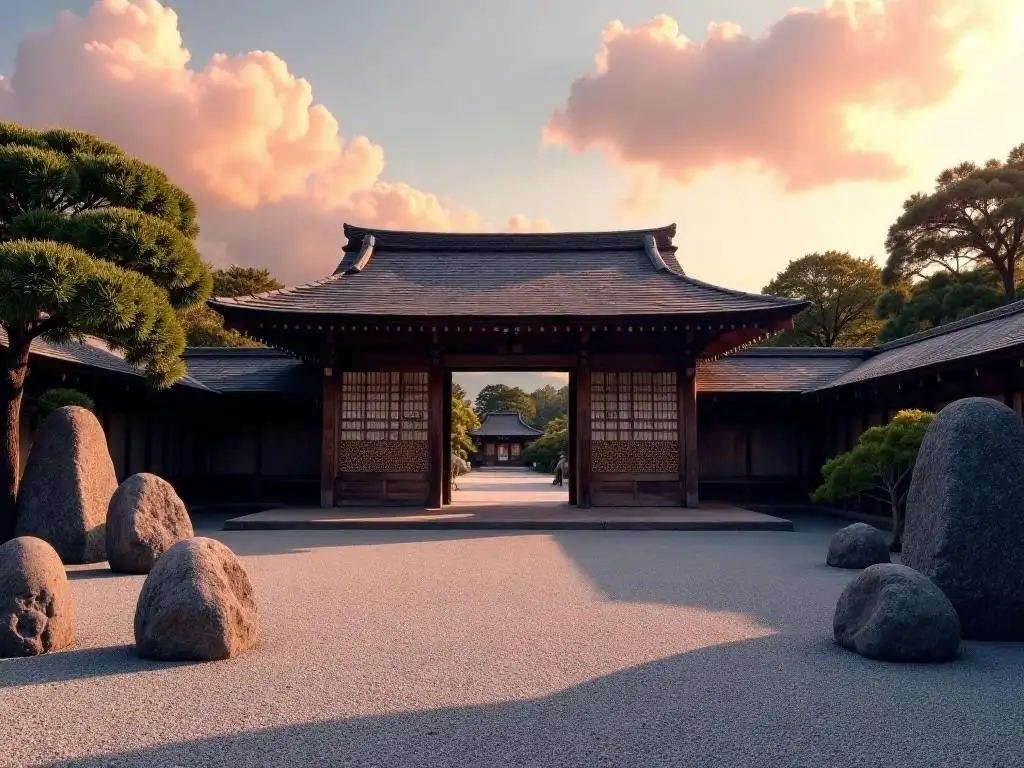
The establishment of Zen gardens within urban settings provided a tranquil escape from the chaos of city life. These gardens, characterized by their minimalist design and natural elements, served as spaces for contemplation and reflection, fostering a deeper connection between nature and urban living. The practice of creating and maintaining Zen gardens became a popular pastime among city residents, promoting mindfulness and a sense of peace in the bustling environment of Edo.
Furthermore, the influence of Zen extended to the culinary arts, with the rise of the tea ceremony ( chanoyu). This ritual, steeped in Zen philosophy, emphasized the importance of mindfulness, harmony, and simplicity. The tea ceremony became a social practice in Edo, bringing people together and allowing them to experience the beauty of the moment through the preparation and consumption of tea.
In the realm of performance arts, Zen's influence was evident in Noh and Kabuki theater, where themes of impermanence and the search for enlightenment were explored. The aesthetic qualities of these performances often reflected Zen ideals, utilizing minimalism and symbolic representations to convey deeper meanings.
Zen Buddhism played a pivotal role in shaping Edo urban culture, fostering a lifestyle that embraced simplicity, mindfulness, and a deep appreciation for the beauty found in everyday experiences. The melding of Zen principles with the burgeoning urban environment created a unique cultural landscape that would define the Edo period.
Conclusion: The Lasting Legacy of Zen Buddhism on Edo Art and Culture
Summary of Key Points
The influence of Zen Buddhism on Edo art and culture is profound and multifaceted. Throughout the Edo period (1603-1868), Zen principles permeated various artistic expressions, leading to a unique fusion that shaped the aesthetic landscape of Japan. Key points of this influence include:
- Simplicity and Minimalism: Zen emphasized simplicity, which is evident in the minimalist designs of Edo art. Artists adopted a more restrained approach, focusing on essential elements and eliminating superfluous details.
- Nature as Inspiration: The Zen appreciation for nature found its way into the works of Edo artists, leading to the creation of landscapes that reflect tranquility and harmony. Notable artists like Hokusai and Hiroshige captured the essence of natural beauty, resonating with Zen ideals.
- Tea Ceremony Aesthetics: The Zen-influenced tea ceremony became a pivotal cultural practice during the Edo period, elevating the status of decorative arts and fostering an appreciation for craftsmanship and simple beauty.
- Calligraphy and Poetry: Zen's impact extended to the literary arts, where calligraphy and poetry flourished. The practice of writing haiku, a form that embodies Zen principles, became a means of artistic expression for many Edo-period poets.
Reflection on Zen's Continued Influence in Modern Japanese Culture
The legacy of Zen Buddhism on Edo art and culture continues to resonate in modern Japan. Contemporary artists and designers often draw inspiration from Zen principles, integrating notions of minimalism, balance, and a deep respect for nature into their works.
- Modern Minimalism: The minimalist aesthetic, which originated from Zen ideas, has become a significant trend in modern Japanese design, influencing architecture, interior design, and product design.
- Cultural Practices: Activities such as the tea ceremony still hold cultural significance, promoting mindfulness and appreciation for aesthetic simplicity, echoing the Zen philosophy that shaped them.
- Art Exhibitions and Festivals: Many art exhibitions and cultural festivals in Japan today celebrate the Zen influence, showcasing works that reflect the enduring legacy of this spiritual tradition.
The Zen Buddhism influence on Edo art not only transformed the cultural landscape during the Edo period but also laid the groundwork for a continuing appreciation of simplicity and nature in contemporary Japanese culture. The lessons and aesthetics derived from Zen remain integral to Japan's identity, serving as a bridge between the historical and the modern.
Frequently Asked Questions
What is the relationship between Zen Buddhism and Edo art?
Zen Buddhism significantly influenced Edo art by promoting simplicity, natural beauty, and a focus on the spiritual rather than the material. This led to the creation of artworks that emphasized minimalism and meditative qualities.
How did Zen principles shape Edo cultural practices?
The principles of Zen Buddhism encouraged practices such as tea ceremonies and flower arranging, which fostered a deep appreciation for aesthetic beauty and mindfulness within Edo culture.
What are some notable Edo artists influenced by Zen Buddhism?
Artists like Hokusai and Yoshitoshi incorporated Zen ideals into their works, utilizing nature motifs and spiritual themes that reflected the contemplative aspects of Zen.
How did Zen Buddhism affect the themes in Edo art?
Zen Buddhism introduced themes of transience, impermanence, and the beauty of the everyday, which became prevalent in Edo artworks, showcasing the fleeting nature of life.
Is Zen Buddhism still influential in modern Japanese art?
Yes, the influence of Zen Buddhism persists in modern Japanese art, where many contemporary artists continue to explore themes of simplicity, serenity, and the spiritual connection to nature.
Final Reflection: The Enduring Influence of Zen Buddhism on Edo Art
The profound connection between Zen Buddhism and Edo art is not merely a historical footnote; it is a vibrant thread woven into the fabric of contemporary culture. Today, as we navigate a world increasingly characterized by chaos and distraction, the principles of Zen—simplicity, mindfulness, and harmony—resonate more than ever. The artistic expressions born from this philosophy continue to inspire and challenge us, reminding us of the beauty found in stillness and contemplation.
The influence of Zen Buddhism on Edo art has shaped not only the aesthetics of the period but also the very way we perceive art and culture today. The minimalist elegance of Zen-inspired works invites us to pause and reflect, fostering a deeper appreciation for the subtleties of life. As the artist Katsushika Hokusai once said, The most difficult thing is to see the simplest things.
This sentiment encapsulates the essence of Zen's impact—encouraging us to find clarity and beauty in simplicity, a lesson that remains relevant in our fast-paced modern lives.
As we conclude this exploration of Zen Buddhism's influence on Edo art, I invite you to reflect on how these timeless principles can enrich your own life. Consider how moments of mindfulness and simplicity can transform your daily experiences. Embrace the lessons of Zen, allowing them to guide you toward a more harmonious existence, and perhaps even inspire your own creative expressions. The journey of understanding and integrating these teachings is not just an artistic endeavor; it is a path toward personal growth and fulfillment.
Unveil the Wisdom of Zen: Transform Your Perspective Today!
Thank you for taking the time to explore the profound influence of Zen Buddhism on Edo art and culture. We hope this article has inspired you to appreciate the delicate balance between aesthetics and spirituality during this unique period. Now, let’s take your journey a step further!
Here are a few empowering actions you can embark on:
- Immerse yourself in a Zen practice: Consider engaging in a short meditation or visiting a local Zen garden to connect with the stillness that inspired Edo artists.
- Explore Edo art: Seek out exhibitions or online resources to deepen your understanding of how Zen principles manifested in artistic expression throughout history.
- Share your insights with others: Discuss your newfound knowledge with friends or join a community group to exchange ideas on Zen's impact, thereby fostering a greater appreciation for its role in art and culture.
What aspect of Zen Buddhism intrigues you the most, and how do you envision it influencing your own life or creativity?